

African safari animals fall into two groups: the Big Five (lion, elephant, rhino, buffalo, leopard) and a handful of other species that travellers consistently want to see.
The Big Five (lion, elephant, rhino, buffalo, leopard) are the most sought-after safari animals, originally named for hunting difficulty. Beyond these, giraffe, zebra, hippo, cheetah and wildebeest round out the top 10. Private reserves in South Africa's Sabi Sands and Kruger National Park offer the best Big Five sightings, while East Africa's Serengeti and Masai Mara excel for plains game and large herds.
Key takeaways
The Big Five are lion, elephant, rhino, buffalo and leopard, named historically for hunting difficulty.
Sabi Sands private reserves in South Africa offer the best leopard sightings due to dense populations and hilly terrain.
Black rhino are rare and locations are not publicly shared due to poaching, while white rhino are more common.
Giraffe Manor in Kenya is the most popular lodge for close giraffe encounters but requires booking many months ahead.
The Serengeti in Tanzania and Masai Mara in Kenya host the largest zebra and wildebeest herds, particularly during migration.
Hippo are Africa's most dangerous large animal, best seen in Kruger Park and the Okavango Delta.
The Big Five animals
The Big Five are the most sought-after safari animals: lion, elephant, rhino, buffalo and leopard.
The term originated with big-game hunters who considered these five the most difficult and dangerous to hunt on foot. Today they remain major attractions across South and East Africa's wildlife reserves.
Where are the Big Five most easily seen together?
Private reserves adjacent to Kruger National Park in South Africa, particularly Sabi Sands, offer the best odds for seeing all five in a single safari.
Tanzania's northern circuit parks (Serengeti, Ngorongoro, Tarangire) and Kenya's Masai Mara also host all five, though leopard and rhino require patience.
Zambia's South Luangwa is excellent for lion and leopard but has no rhino.
1. Lion
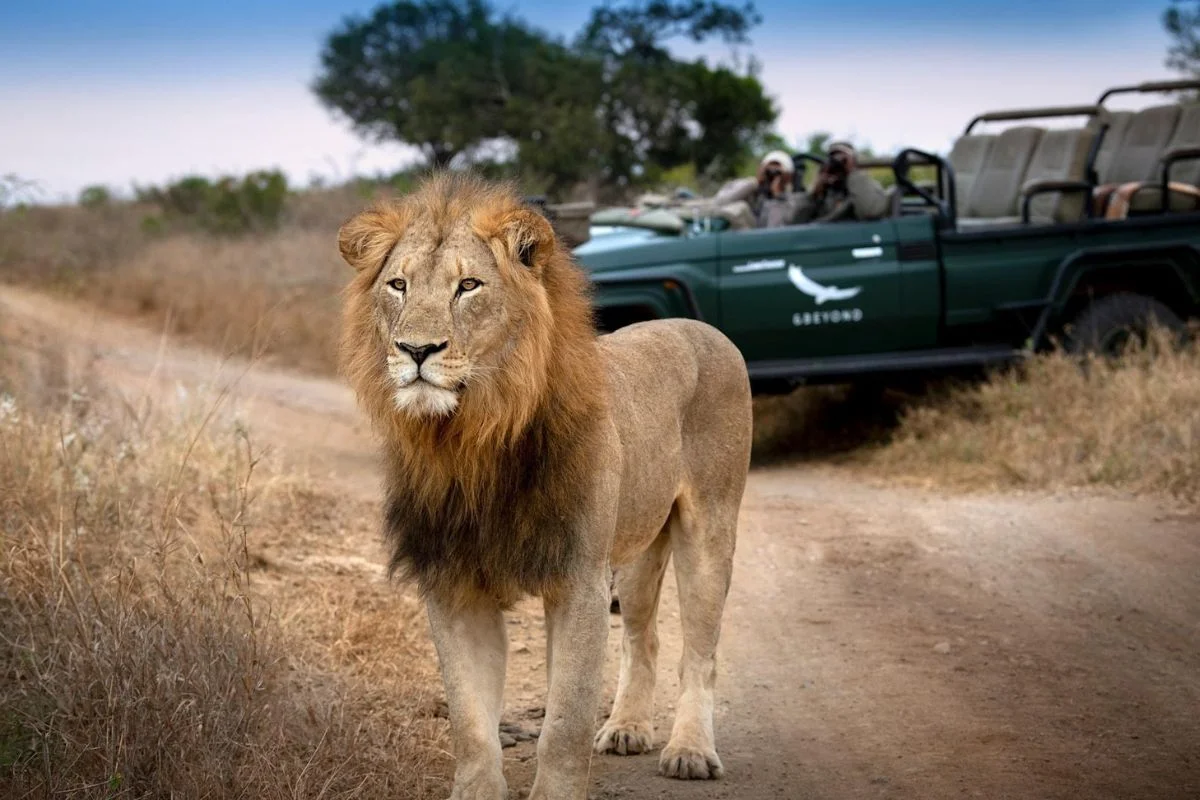
The largest African cat and apex predator, lions hunt large mammals including zebra, giraffe, buffalo and plains game. Males weigh around 420 lbs, females 280 lbs. They live in prides with complex social structures. Hearing a lion's roar at dusk is a signature safari experience, often followed by the arrival of scavengers like hyena and jackal.
Best locations: Kruger Park and private reserves in South Africa, South Luangwa in Zambia, Serengeti and Ngorongoro in Tanzania, Masai Mara in Kenya.
Lifespan 10 to 14 years. Top speed 50 mph. Scientific name Panthera leo. Males stand 3.5 to 4 feet at the shoulder.
Visit Cape Town
Visit the number one rated city in the world with 8 blue flag beaches, swimming with penguins and so much more
Plan My Safari
2. Elephant
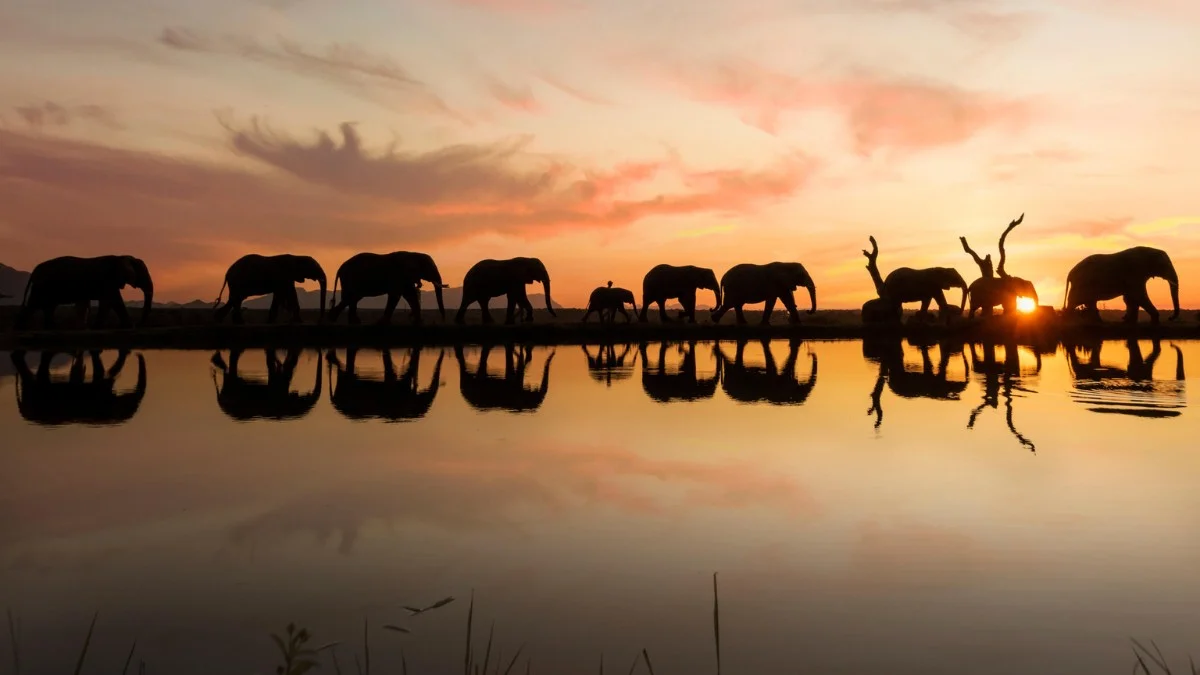
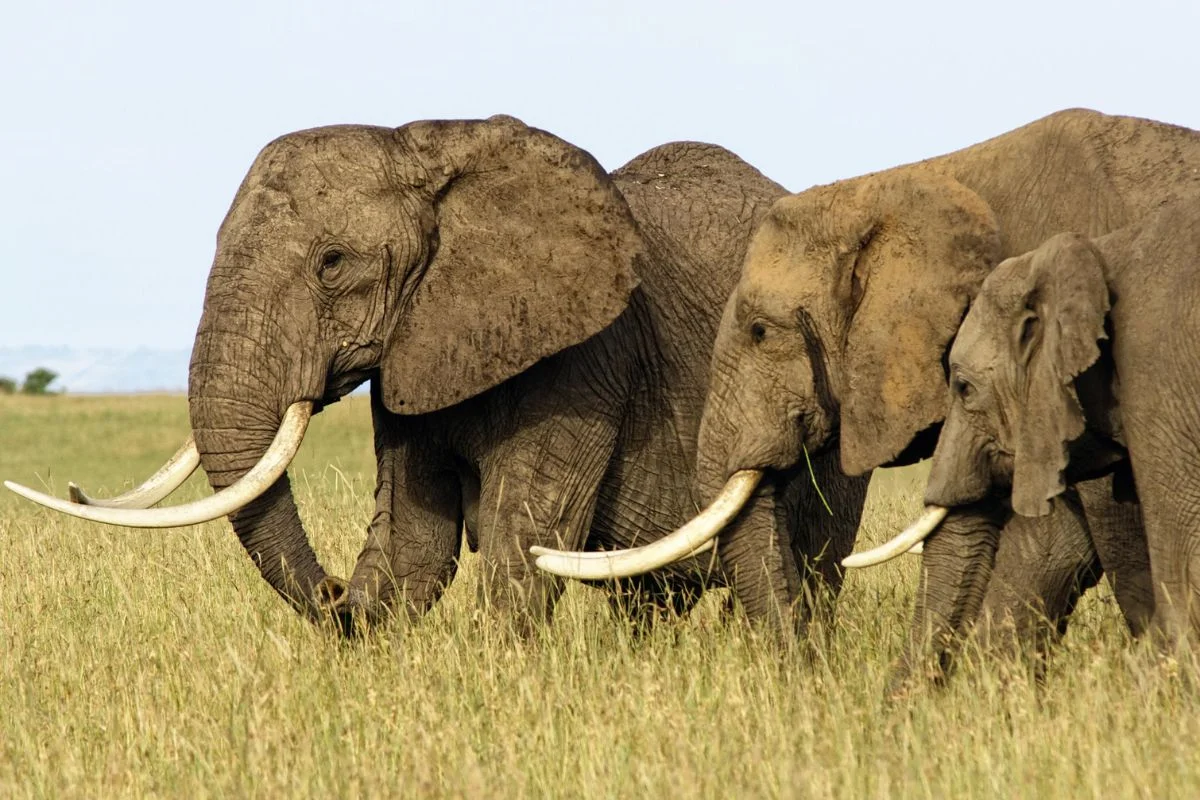
The largest land animal in Africa, a full-grown bull elephant can weigh 13,000 lbs. Elephants have no natural predators and move slowly, often appearing with surprising quiet. They exhibit complex social behaviour, including strong matriarchal family bonds and mourning rituals, making them the most emotionally resonant species for many travellers.
Best locations: Chobe National Park in Botswana (largest elephant population), Jabulani private reserve in South Africa, Hwange in Zimbabwe, Amboseli in Kenya.
Lifespan 60 to 70 years. Top speed 25 mph. Scientific name Loxodonta. Gestation period 22 months. Height around 10 feet at the shoulder.
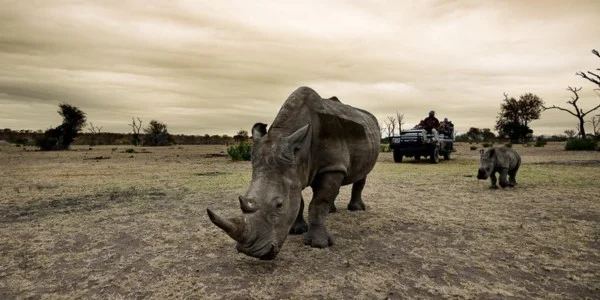
3. Rhino
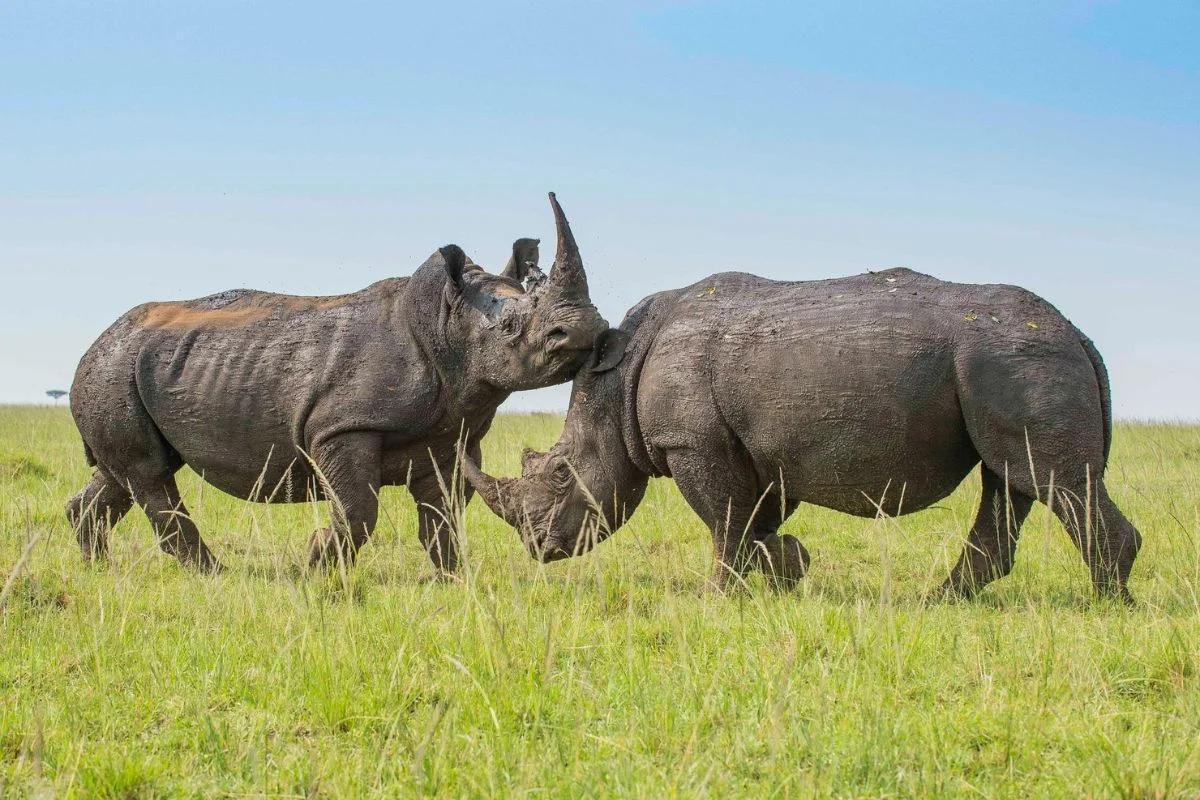
Rhino are the most endangered of the Big Five due to poaching for horn. Two species exist: white rhino (more common, grazers with wide mouths) and black rhino (rare, browsers with hooked lips). Black rhino locations are not publicly shared to protect remaining populations. Poaching has declined but two rhinos are still lost daily across Africa.
Best locations: Private reserves in Greater Kruger (Tintswalo, Royal Malewane), Hluhluwe-iMfolozi in South Africa, Lewa and Ol Pejeta conservancies in Kenya.
Lifespan 40 to 50 years. Top speed 30 to 35 mph. Scientific name Rhinocerotidae. Gestation 16 to 18 months. Weight 3,000 to 5,000 lbs. Height 5 to 6 feet.
4. Buffalo
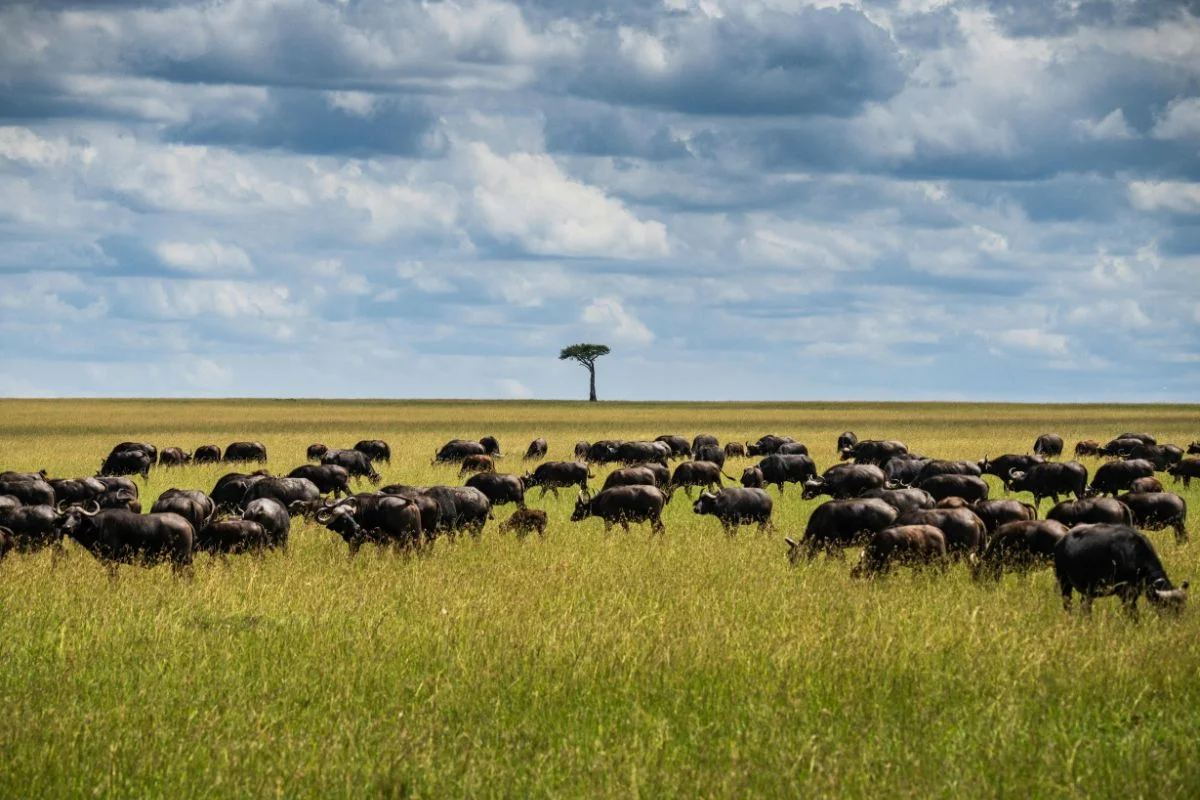
African or Cape buffalo live in herds of up to 2,000 members, with an estimated 900,000 across the continent. Africa's largest herbivore, they weigh around 1,300 lbs and can run at 35 mph. Buffalo are never more than a day's walk from water. Despite their herd behaviour, they are unpredictable and dangerous when threatened.
Best locations: Katavi National Park in Tanzania, Kruger and private reserves in South Africa, Okavango Delta in Botswana, South Luangwa in Zambia.
Lifespan 20 to 22 years. Top speed 35 mph. Scientific name Syncerus caffer. Gestation 11 months. Horn span up to 8 feet.
5. Leopard
The most elusive of the Big Five, leopards are solitary, nocturnal and notoriously difficult to spot. They are the cat most frequently missed on safari. Private reserves with off-road driving privileges and experienced trackers dramatically improve sighting odds. Leopards favour rocky outcrops and riverine forest, hauling kills into trees to avoid scavengers.
Best locations: Sabi Sands private reserves (South Africa's highest leopard density), South Luangwa in Zambia, Moremi in Botswana, private conservancies in Kenya's Laikipia region.
Lifespan 12 to 17 years. Top speed 36 mph. Scientific name Panthera pardus. Gestation 3 to 4 months. Weight 50 to 70 lbs (females lighter). Height 2 to 3 feet.
Seychelles Island Escape
Visit the jewel of the Indian Ocean with blue azure waters and white sandy beaches.
Plan My SafariFive more iconic safari animals
Beyond the Big Five, five other species consistently top traveller wish lists. Kruger National Park alone hosts more than 140 large mammal species, but giraffe, zebra, hippo, cheetah and wildebeest are the most popular sightings outside the Big Five.
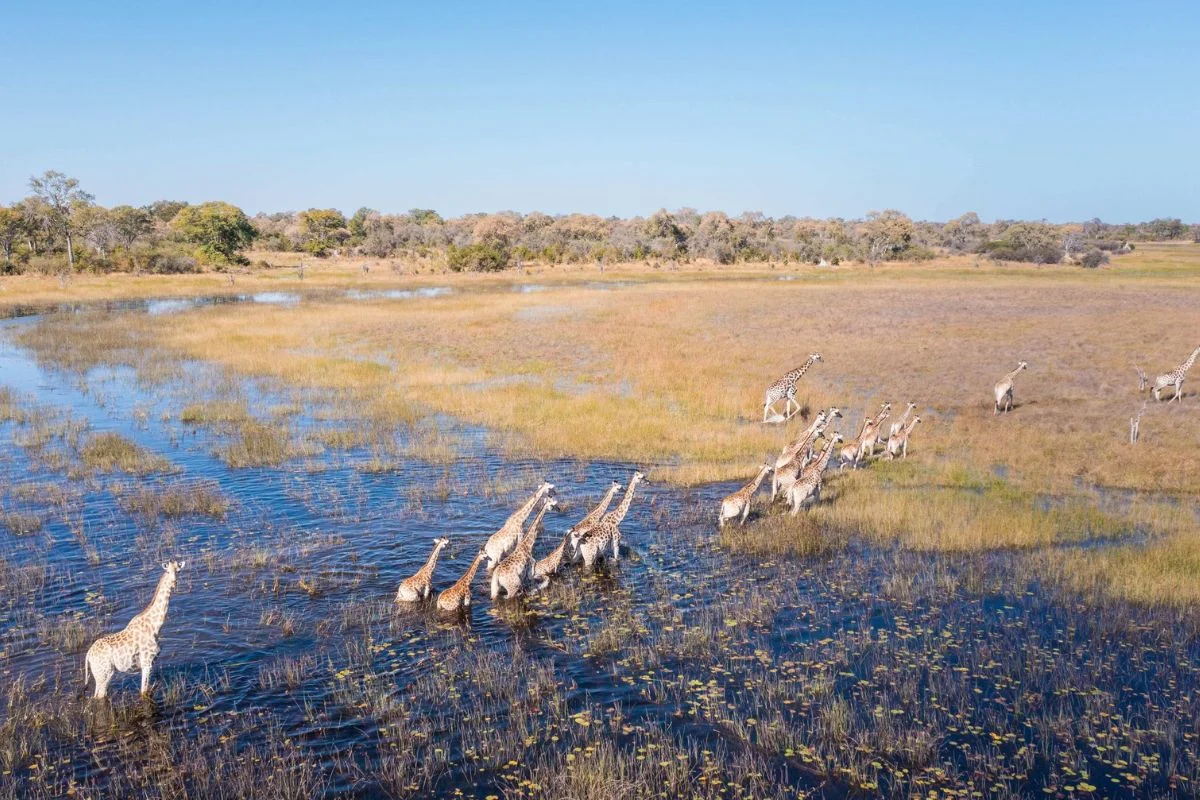
6. Giraffe
Giraffe are unmistakable: long necks, leopard-like coats, improbably long eyelashes. Everyone enjoys seeing them in the wild. Each giraffe's coat pattern is unique, like a fingerprint. Bulls can reach 18 to 20 feet in height.
Best locations: Giraffe Manor in Kenya (where habituated Rothschild's giraffe visit the lodge), Kruger Park, Serengeti, Etosha in Namibia. Giraffe Manor is one of Africa's most popular lodges and requires booking 6 to 12 months ahead.
Lifespan 25 years. Top speed 37 mph. Scientific name Giraffa. Gestation 15 months. Weight around 1,800 lbs. Height 15 to 20 feet.
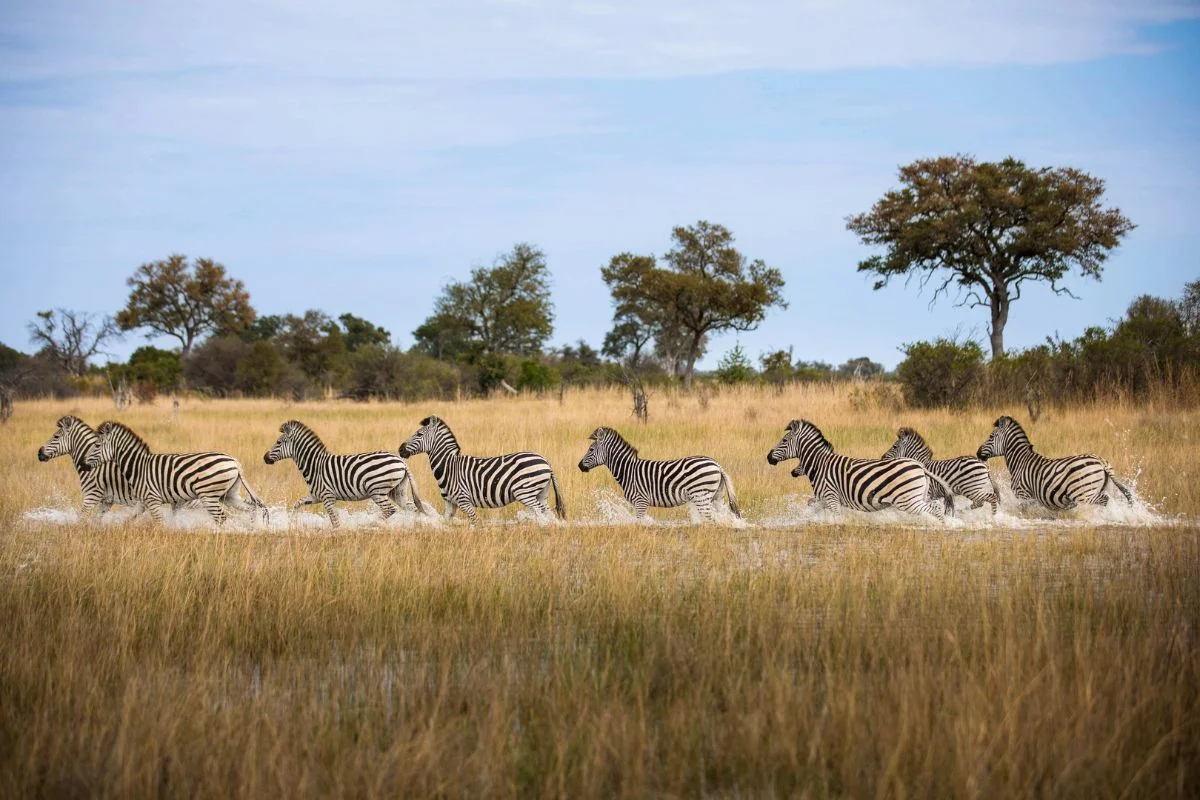
7. Zebra
Each zebra's stripe pattern is unique, and the species is a favourite for photographers and families. Zebra live in large herds on open plains, often alongside wildebeest during migration.
Best locations: Serengeti in Tanzania and Masai Mara in Kenya for the largest herds, particularly during the migration (July to October). Also common in Kruger, Etosha and the Okavango Delta.
Lifespan 20 to 30 years. Top speed 40 mph. Scientific name Equus quagga. Gestation 12 to 13 months. Weight 600 to 800 lbs. Height 5 to 7 feet.
8. Hippo
Hippo are Africa's most dangerous large animal. Fiercely territorial, temperamental and aggressive, they combine size (3,000 to 4,000 lbs) with large teeth and powerful jaws. Most fatal wildlife encounters in Africa involve hippo, not lion or crocodile.
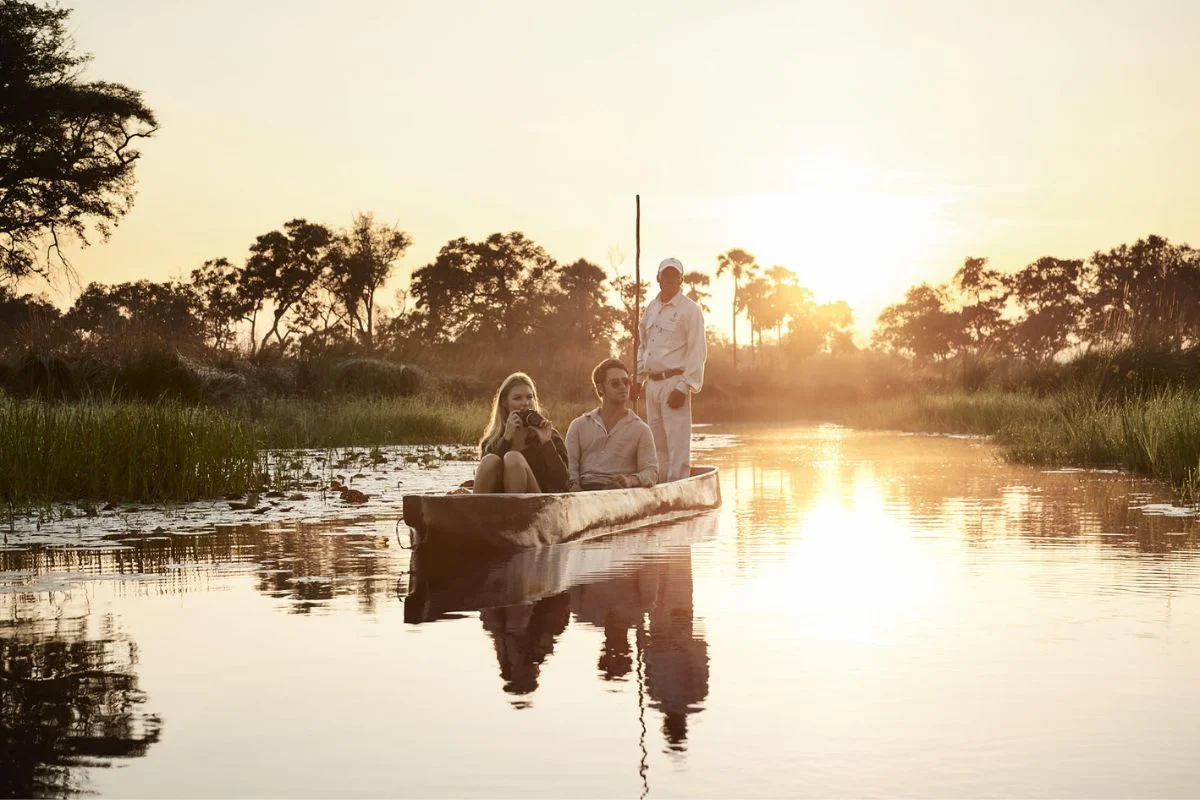
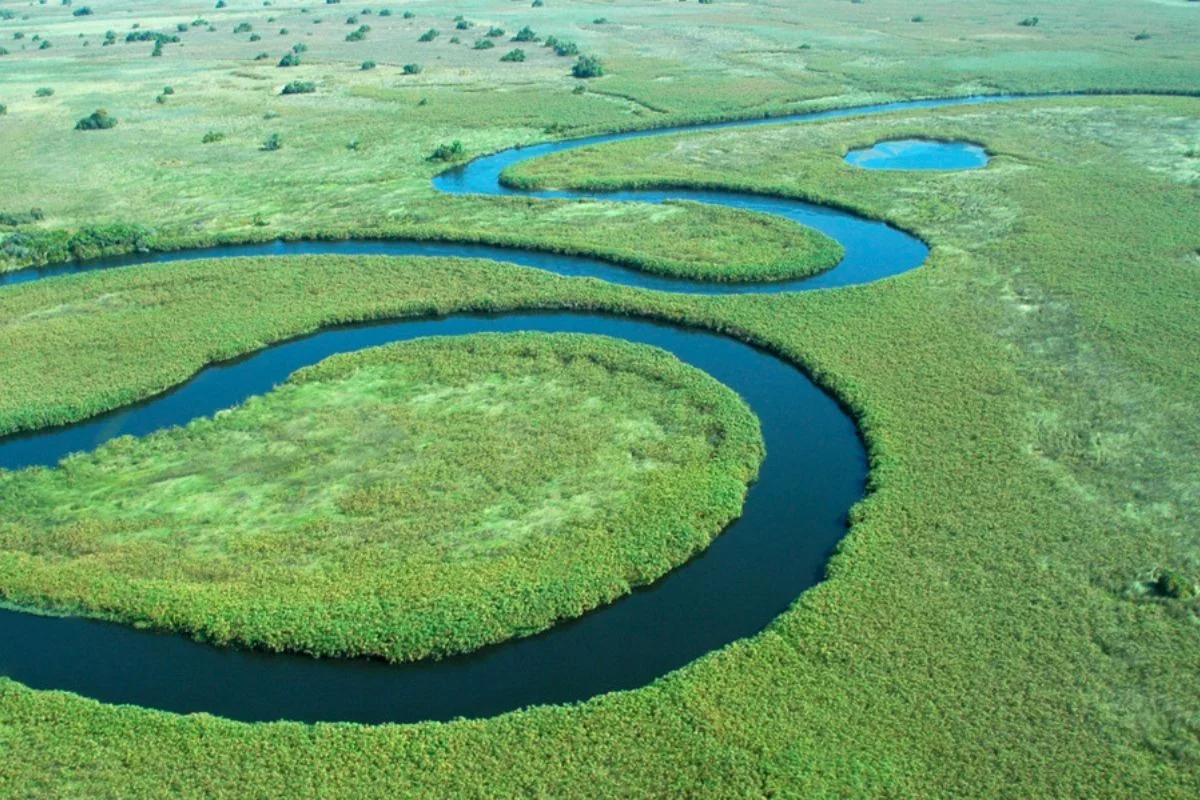
Best locations: Kruger Park, the Okavango Delta (particularly on mokoro canoe safaris), Chobe River, St Lucia estuary in South Africa. Boat and canoe safaris allow close but safe viewing.
Lifespan 40 to 50 years. Top speed 19 mph on land. Scientific name Hippopotamus amphibius. Gestation 8 months. Height 5 feet at the shoulder.
9. Cheetah
The fastest land animal, reaching 65 to 75 mph in short bursts, cheetahs are built for speed: lightweight frame, long legs, black tear marks. Unlike other big cats, they hunt by day and rely on sight rather than stealth. They prefer open plains where they can use their acceleration.
Best locations: Masai Mara in Kenya, Serengeti in Tanzania, Savute region in Botswana, private reserves around Kruger. Cheetah are less common than lion or leopard.
Lifespan 10 to 12 years. Top speed 70 mph. Scientific name Acinonyx jubatus. Gestation 3 to 4 months. Weight 50 to 160 lbs. Height 2 to 3 feet.
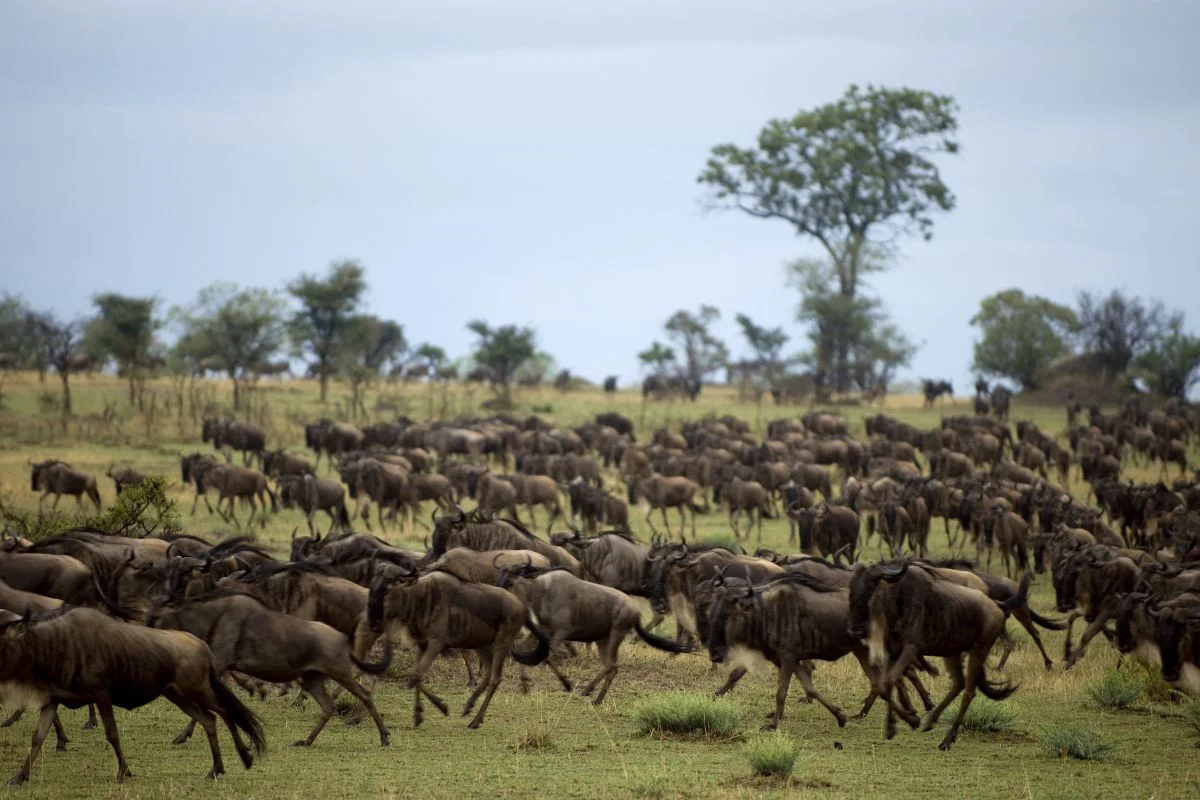
10. Wildebeest
The Serengeti-Mara ecosystem hosts around 1.7 million wildebeest, the largest land mammal migration on Earth. Seeing thousands of 290 lb animals running at 50 mph is a signature East African safari experience, particularly during river crossings (July to September).
Best locations: Serengeti in Tanzania and Masai Mara in Kenya, timing dependent on migration calendar. Southern Serengeti (December to March) for calving, western corridor (June to July) for river crossings, Masai Mara (August to October) for large concentrations.
Lifespan 20 years. Top speed 50 mph. Scientific name Connochaetes. Gestation 8 to 9 months. Weight around 290 lbs. Height 4 to 5 feet.
What is the best time of year to see the most safari animals?
The dry season (June to October in East Africa, May to September in Southern Africa) concentrates animals around permanent water sources, making sightings easier. Vegetation is also thinner. Migration timing in the Serengeti and Mara is more specific: July to October for river crossings and large herds. The wet season (November to April) brings newborn animals and excellent birding but thicker bush and dispersed wildlife.
Last updated: October 2026