
African Safari Safety: What You Need to Know Before Booking
In this article we're going to answer the question, is an African safari safe? Let's jump in and take a closer look.

African safaris are safe for travellers who follow basic protocols in reserves and tourist areas.
African safaris are extremely safe when you follow lodge rules, stay within designated reserves, and use common sense in cities. Wildlife reserves have controlled access, armed rangers, and millions of annual visitors with excellent safety records. Risk comes from ignoring guide instructions or wandering into unsafe urban areas without local knowledge.
Key takeaways
Wildlife reserves are safe with controlled entry points, roaming armed rangers, and strict protocols that protect visitors.
Kruger National Park hosts 2 million visitors annually with an impeccable safety record when rules are followed.
Never leave your lodge unaccompanied in reserves: no solitary walks, runs, or wandering during game drives.
In cities like Cape Town, stick to designated tourist areas and avoid exploring poorer neighbourhoods without a guide.
Lodges are secure from theft because reserves are vast open areas with limited access and no quick escape routes.
The primary safety rule is simple: if you are not sure where you are going, do not go.

Safety in wildlife reserves and lodges
Wildlife reserves where you stay on safari are extremely safe when you follow the rules set by your lodge and guides. Reserves operate with controlled entry points, armed rangers on patrol, and strict protocols designed to protect both visitors and wildlife. You are in no danger if you stay within the designated areas and respect the environment you are visiting.
Do not leave your lodge alone. Ever. This means no early morning jogs, no wandering off during sundowner stops, and no stepping into the bush to relieve yourself.
Guides have witnessed all these behaviours, and each one puts you at unnecessary risk. You are in wild animal territory, and while lions do not typically hunt humans, a slow-moving person makes an easy target if predators are nearby and hungry.
Are safari lodges safe from theft?
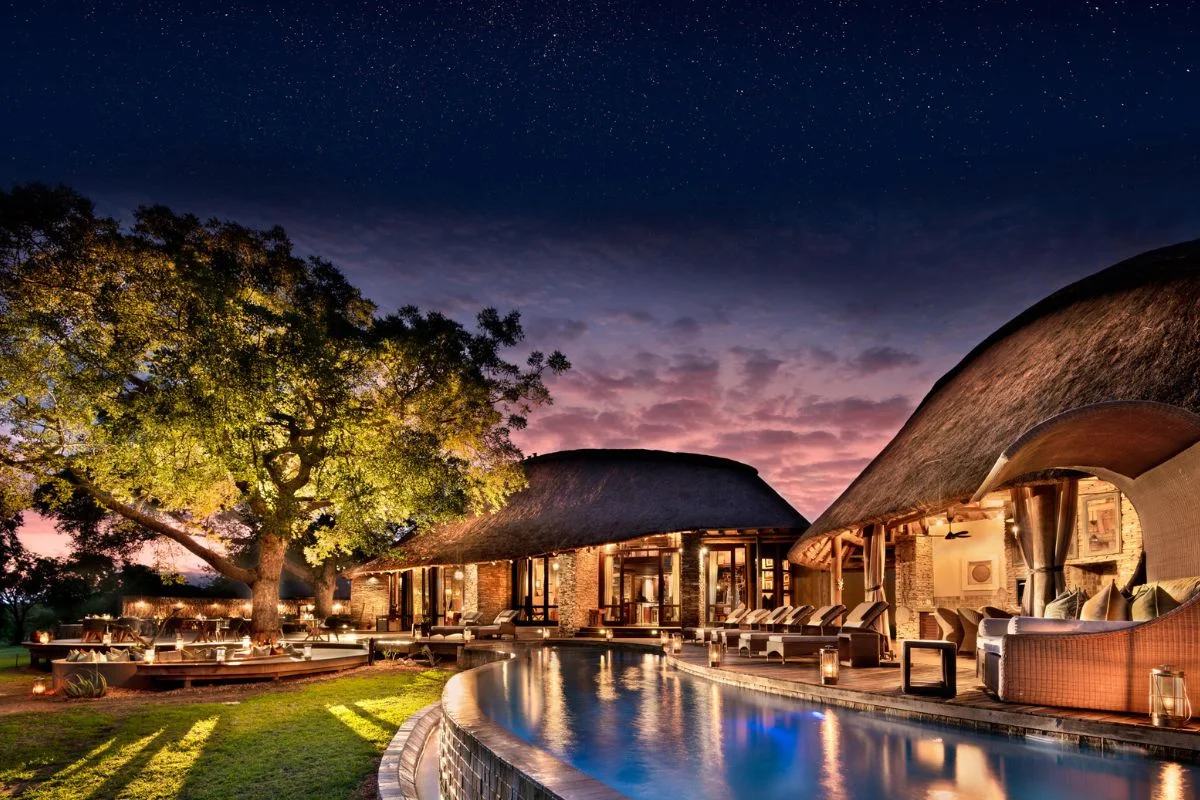
Yes. Wildlife reserves are not soft targets for thieves. The vast open terrain, limited access points, and roaming armed rangers make it nearly impossible for criminals to enter and escape quickly.
Lodges within reserves operate in one of the safest environments you will find in Africa. Kruger National Park, for example, welcomes around 2 million visitors each year and maintains an impeccable safety record. Your belongings and person are secure inside the reserve perimeter.
Safety in cities and tourist zones
Cities like Cape Town, Johannesburg, and Nairobi are safe when you stick to designated tourist areas. These zones are well-policed, frequented by international visitors, and designed for traveller comfort. The risk increases when you leave these areas to explore poorer neighbourhoods or informal settlements without a guide or local knowledge.
Do not venture into unfamiliar urban areas with visible valuables. A camera worth $2,000 or a new smartphone makes you a target in any city worldwide, not just in Africa.
The same common sense you would apply in Los Angeles, London, or São Paulo applies here. If you are unsure whether an area is safe, do not go. Hire a guide or ask your lodge or hotel concierge for recommendations.
What should I avoid in African cities?
Avoid exploring townships, informal settlements, or rough neighbourhoods without a reputable guide. These areas can be interesting and culturally rich, but they require local knowledge to navigate safely.
Do not walk alone at night in unfamiliar areas. Do not display expensive equipment openly. Do not assume that because you are a tourist, you are immune to street crime. Use registered taxis or ride-hailing apps instead of unmarked vehicles, and keep your belongings secure.

Seychelles Island Escape
Visit the jewel of the Indian Ocean with blue azure waters and white sandy beaches.
Plan My Safari
Common mistakes travellers make
The most common safety mistakes on safari involve ignoring guide instructions or underestimating the wildness of the environment.
Travellers sometimes treat reserves like zoos or enclosed parks, forgetting that predators roam freely. Leaving your vehicle during a game drive, wandering off during a bush walk, or stepping outside your lodge at night without an escort are all dangerous behaviours that guides actively prevent.
In cities, the mistake is overconfidence. First-time visitors sometimes assume tourist status offers protection or that all areas are equally safe. It does not. Treat African cities the way you would treat any major urban centre: stay alert, stick to known areas, and ask locals or your hosts for current advice on where to go and what to avoid.
How do I stay safe during game drives?
Stay in your vehicle unless your guide tells you it is safe to exit. Never lean out of windows or doors to get a better photo. Do not make loud noises or sudden movements that could startle animals. Follow your guide's instructions immediately, especially if they tell you to be quiet or sit down.
Guides are trained to read animal behaviour and assess risk in real time. Your safety depends on listening to them.

Visit Cape Town
Visit the number one rated city in the world with 8 blue flag beaches, swimming with penguins and so much more
Plan My SafariWhat to do if you need safety advice
If you are unsure about the safety of a specific area, activity, or lodge, ask. Contact your safari operator, your lodge manager, or a reputable local guide.
Do not rely solely on generic online advice, because conditions change. Political situations, weather events, and local crime patterns shift, and current on-the-ground knowledge is more valuable than outdated blog posts.
Experienced safari operators have decades of experience navigating safety concerns across southern and eastern Africa. They know which regions are stable, which lodges maintain the highest security standards, and which cities require extra precautions at certain times. Use their expertise before and during your trip.
Frequently asked questions
Is it safe to travel to Africa for a safari right now?
Yes, if you choose stable countries with strong tourism infrastructure like South Africa, Botswana, Kenya, Tanzania, Zambia, and Namibia. These destinations have well-established safari industries, reliable health and safety standards, and millions of annual visitors.
Check current travel advisories from your government before booking, and work with a reputable operator who monitors conditions in real time. Avoid regions with active conflict or political instability.
What is the biggest safety risk on an African safari?
The biggest risk is not following guide instructions in wildlife areas. Leaving your vehicle, wandering alone, or ignoring warnings about animal proximity can result in serious injury. Animals are wild and unpredictable.
The second biggest risk is urban crime in cities, which you mitigate by staying in tourist zones, not displaying valuables, and using registered transport. Both risks are easily managed with common sense.
Do I need vaccinations or malaria prophylaxis for a safari?
It depends on where you are going and the time of year. Yellow fever vaccination is required for entry to some countries if you are arriving from a yellow fever zone. Malaria prophylaxis is recommended for low-altitude reserves in southern and eastern Africa, especially during the rainy season.
Consult a travel medicine clinic at least six weeks before departure. Your safari operator can advise on specific health requirements for your itinerary.
Are safari lodges safe for families with children?
Yes. Most lodges welcome families and have strict safety protocols to protect young guests. Many offer family suites, private vehicles, and child-friendly activities. However, some lodges have minimum age requirements (often 6 or 12 years) for game drives or walking safaris. Confirm age policies when booking. Teach children to stay close to adults, follow guide instructions, and never approach or feed animals.
What should I do if I encounter a dangerous animal on foot?
Stay calm, do not run, and follow your guide's instructions immediately. Running triggers a predator's chase instinct.
If you are on a walking safari, your guide is armed and trained to handle close encounters. Back away slowly if instructed, avoid direct eye contact with predators, and make yourself appear larger if facing an elephant or buffalo. Do not take photos. Your guide's priority is getting you to safety.
How much does a safe, high-quality safari cost?
Expect to pay $400 to $800 per person per night for a mid-range lodge in a reputable reserve, and $800 to $2,000+ per night for luxury lodges with top-tier guiding, security, and amenities.
Budget safaris under $300 per night often cut corners on safety, guiding quality, and insurance. A seven-day safari (five nights in a reserve, two nights in a city) typically costs $5,000 to $15,000 per person, depending on accommodation tier and inclusions.
Last updated: July 2026