
How to Plan an African Safari Package: 5 Essential Steps
Booking an African safari package is simpler and cheaper when you work with a specialist who knows the ground, the seasons and the deals unavailable to the public.

Planning an African safari package means choosing among thousands of lodges, dozens of parks and a bewildering range of prices and seasons.
Work with an experienced safari specialist rather than booking alone. Define your priorities (wildlife, beaches, luxury tier), choose your travel window, set a realistic budget and factor in flight and transfer time. Specialists save clients 12 to 15% over direct bookings and unlock insider deals.
Key takeaways
Safari specialists save travellers 12 to 15% on average over direct bookings thanks to volume rates and insider specials.
List your top five priorities before contacting a planner: Big Five, beaches, lodge tier, cultural tours or outdoor activities.
All-inclusive pricing covers meals and drinks; bed-and-breakfast rates do not, which changes your real cost significantly.
Internal flights and ground transfers between camps consume full days, so expert routing matters as much as lodge choice.
Season, budget and trip length are the three variables that determine which countries and parks suit your plans.
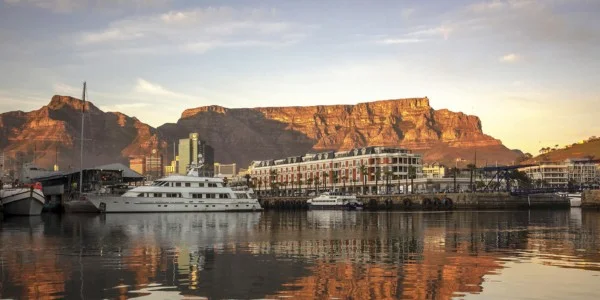
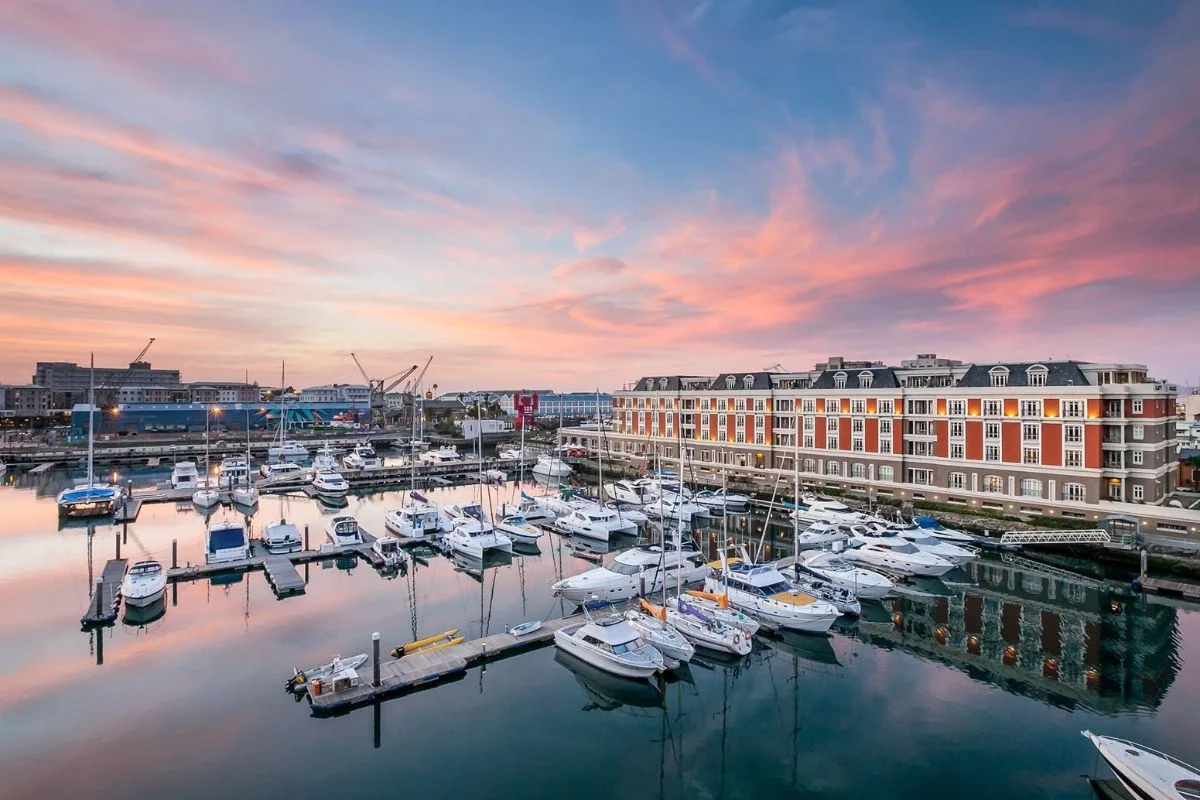
Visit Cape Town
Visit the number one rated city in the world with 8 blue flag beaches, swimming with penguins and so much more
Plan My SafariWork with a safari specialist, not alone
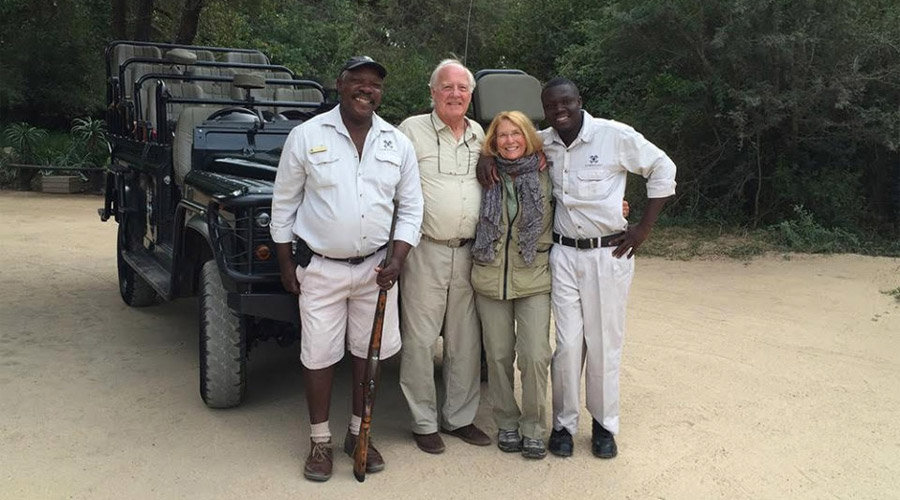
If you have never travelled to Africa, planning a safari package alone means missing the experiences only a local operator knows.
Specialists route you efficiently between parks, recommend the right lodges for your budget tier and season, and secure rates the public cannot access.
On average, clients save 12 to 15% over direct bookings because established operators book thousands of bed nights annually and receive preferential pricing. Specialists also access last-minute discounts and seasonal specials unavailable on lodge websites.
Why do specialists offer better value than booking direct?
Volume purchasing power. Safari operators who book hundreds of clients each year negotiate lower per-night rates with lodges and camps.
They also receive advance notice of shoulder-season deals, unsold inventory and honeymoon packages before these offers reach the public. The commission structure means you pay the same retail price whether you book direct or through a specialist, but the specialist applies their discount to your quote, lowering your final cost while adding routing expertise and on-ground support.
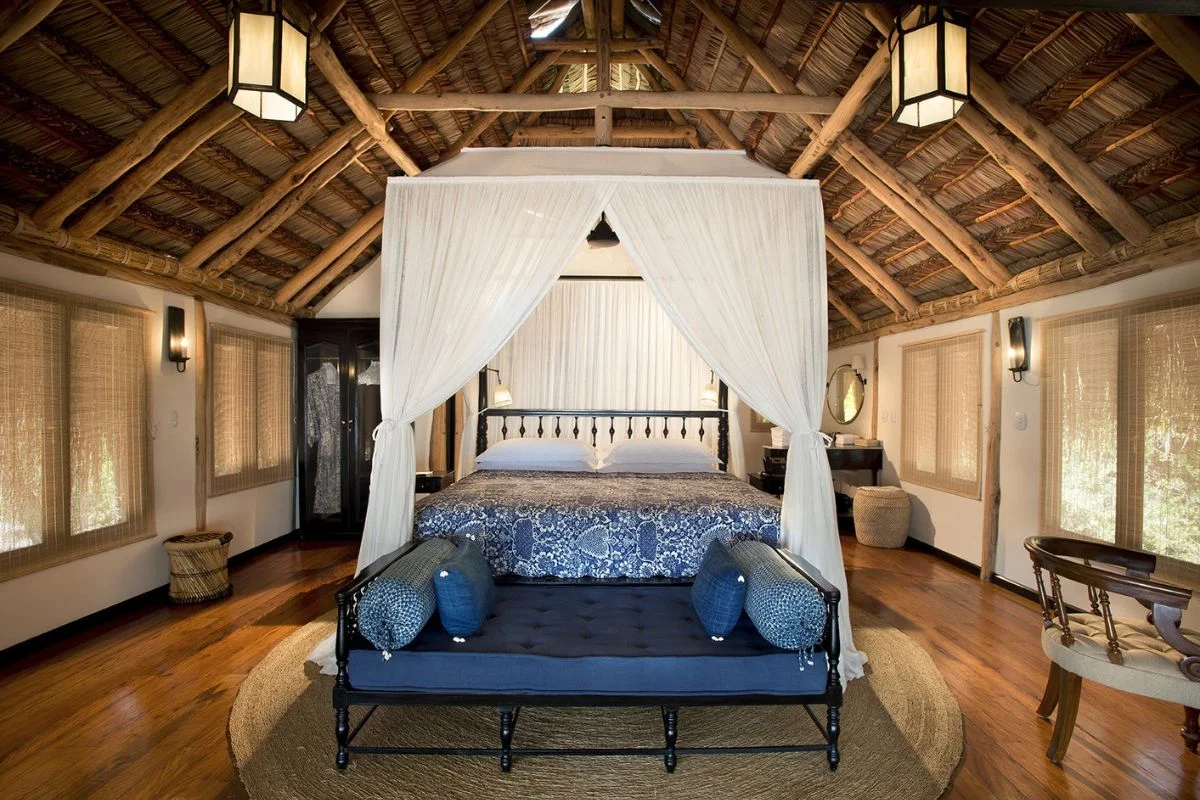
List your top five safari priorities
Before contacting a planner, write down the five experiences that matter most. Do you want to see lions and the Big Five, relax on Indian Ocean beaches, stay in five-star lodges, visit local communities, or try outdoor activities like shark cage diving or river rafting?
Do you prefer a pure wildlife safari or a mixed itinerary that includes wine regions and coastal retreats? The clearer your list, the faster a specialist can match you to the right parks, countries and lodge tiers.
Accommodation ranges from comfortable four-star bush camps to ultra-luxury lodges with private plunge pools and dedicated guides.
Cultural tours, photographic safaris with specialist guides, walking safaris and marine extensions all change the itinerary and budget. Stating your priorities up front prevents generic quotes that miss what you actually want.
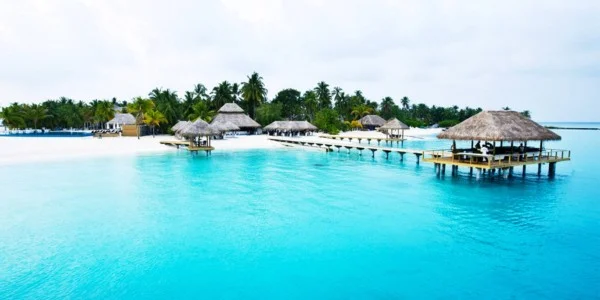
Seychelles Island Escape
Visit the jewel of the Indian Ocean with blue azure waters and white sandy beaches.
Plan My Safari
Decide when you want to travel
Your travel window determines which countries and parks deliver the best experience. Cape Town's winter (June to August) brings strong winds; Kruger can be cold in those same months, but Kenya and Tanzania enjoy dry-season game viewing. If you can travel any time of year, ask your planner which months suit your top priority: pure wildlife viewing, beach weather, or avoiding crowds.
Shoulder seasons (April to May, October to November in many regions) offer lower rates and excellent wildlife with fewer vehicles at sightings.
Flexible dates let specialists build better-value packages. Peak-season rates in July and August, and over Christmas and New Year, run 30 to 50% higher than shoulder months for identical lodges. Migration timing in the Serengeti, green-season birding in Botswana and whale season along South Africa's coast all depend on specific months, so match your window to your main goal.
Which season is best for a first-time safari?
Dry season (June to October in southern Africa, June to September in East Africa) is the classic first-timer window.
Animals concentrate around permanent water, grass is short so sighting is easier, and weather is predictable. Wet or green season (November to April in most regions) brings lower rates, dramatic skies, newborn animals and fewer tourists, but roads can be impassable in some reserves and thick vegetation hides wildlife.
Your planner will recommend the season that matches your priorities and budget.
Set a clear budget before planning starts
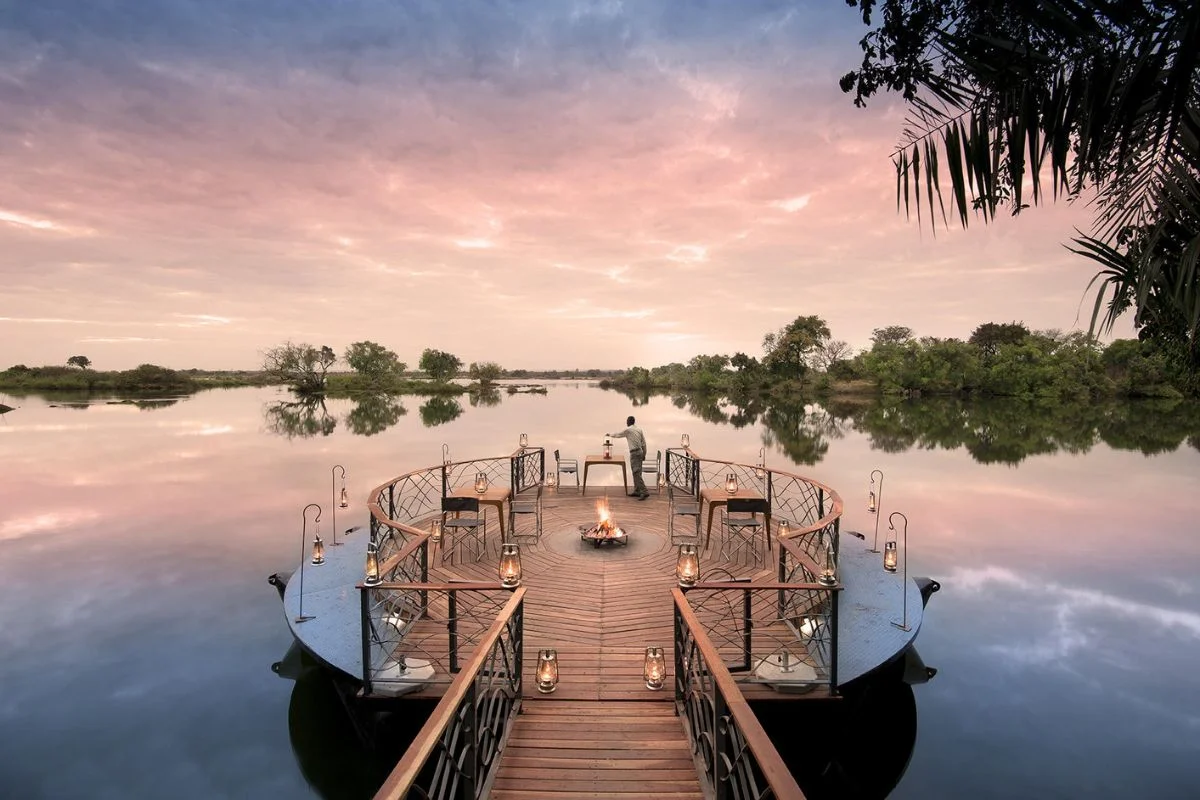
Tell your consultant your total budget per person at the outset, including flights, lodges, park fees, transfers and meals.
African accommodation pricing varies wildly: a comfortable tented camp may cost $250 per person per night, while an exclusive-use villa runs $2,500. Some quotes are fully inclusive (all meals, drinks, game drives, park fees), while bed-and-breakfast rates exclude everything but the room and morning meal. A rate that looks attractive may double once you add lunches, dinners, beverages and activities.
Specialists work with over a thousand lodges across multiple pricing tiers. Without a budget boundary, you waste time reviewing options you cannot afford or that undershoot your expectations.
Honeymoon packages and longer stays often unlock discounts: many lodges offer a free night on stays of four nights or more, and some waive single supplements in shoulder season.
Factor in realistic trip duration and transfer time
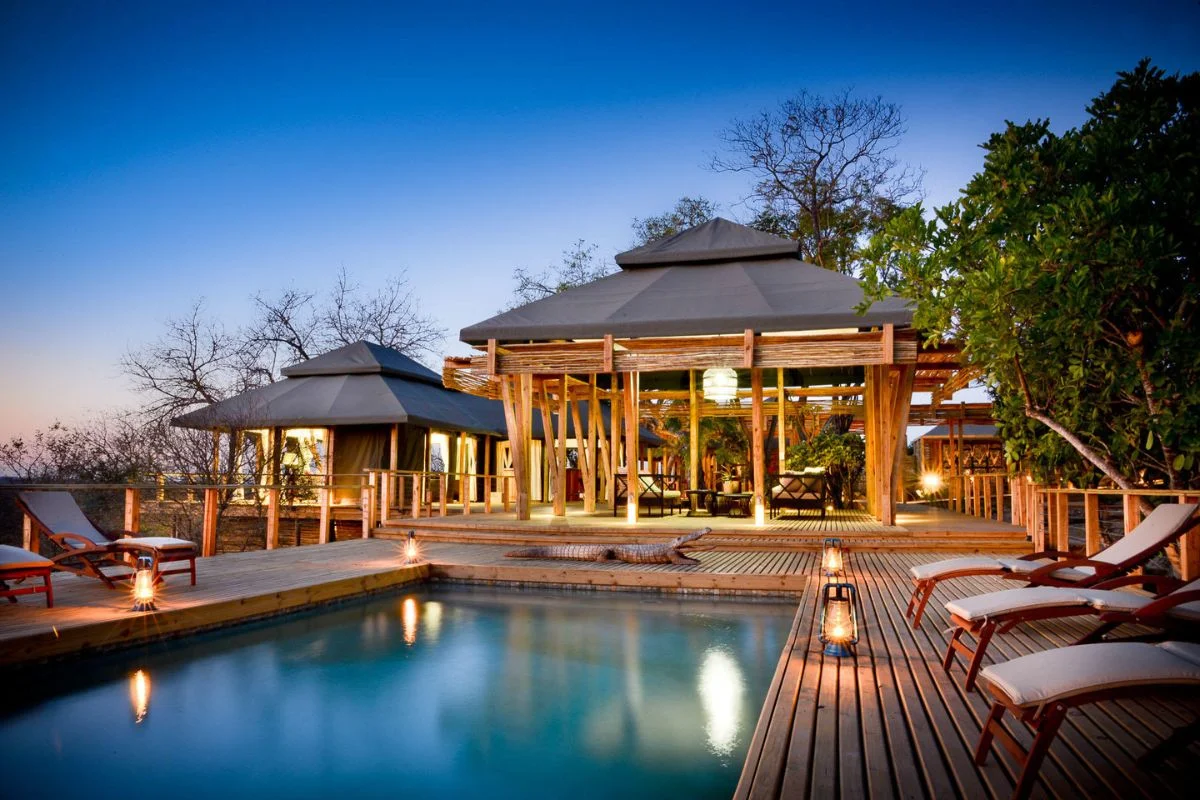
When planning trip length, include international flight time (typically 10 to 16 hours from North America or Europe to Johannesburg, Nairobi or Dar es Salaam) and internal transfers.
A light-aircraft hop between camps takes 60 to 90 minutes but consumes half a day once you account for check-in, luggage limits and ground transfers to airstrips. Road transfers between parks can take four to six hours. Poor routing means losing full days in transit when better planning puts you on a game drive instead.
Specialists map the most efficient airports and transfer sequences. Flying into Johannesburg and out of Cape Town, for example, avoids backtracking.
Combining Kruger with Victoria Falls requires only one short internal flight, while a Serengeti-Okavango combination needs careful sequencing to avoid two long-haul repositioning flights. Trip duration of 10 to 14 days allows two or three distinct regions without feeling rushed.
How many destinations should I include in a two-week safari?
Two or three distinct camps or regions over 10 to 14 days provides variety without excessive transfer time. A typical itinerary might combine a four-night Kruger stay, three nights at Victoria Falls and four nights in the Okavango Delta, with travel days built in.
More than four camps in two weeks means spending more time packing and flying than watching wildlife. Specialists balance your wish list against realistic ground logistics and the diminishing returns of constant movement.
Frequently asked questions
How much does a safari package cost per person?
Budget packages using comfortable lodges and shared game drives start around $300 to $450 per person per night, mid-range private concessions and tented camps run $500 to $900, and luxury exclusive-use lodges cost $1,200 to $3,000 per night.
These rates usually include meals, game activities and park fees. A 10-day safari combining two parks typically costs $5,000 to $8,000 per person at mid-range level, excluding international flights. Specialists can build itineraries at any budget tier, from accessible four-star camps to ultra-luxury private villas.
What does all-inclusive mean on a safari package?
All-inclusive pricing covers accommodation, all meals, house beverages (wine, beer, spirits, soft drinks), twice-daily game drives or activities, park fees and sometimes laundry. Bed-and-breakfast or half-board rates include only the room and specified meals; you pay separately for drinks, additional activities and park entries.
Always confirm what is included in a quoted rate. Premium lodges may exclude champagne, imported spirits or spa treatments even on all-inclusive terms. Clarify before booking to avoid surprise costs on the ground.
When is the cheapest time to book a safari?
Shoulder seasons (April to May and November in many southern African countries, March to May and November in East Africa) offer the lowest rates, often 20 to 40% below peak-season pricing.
Green season or wet season (December to March in southern Africa) also brings discounts, though some camps close for maintenance. Booking six to nine months ahead secures better lodge availability, but last-minute deals (three to six weeks out) occasionally appear when camps have unsold inventory. Specialists monitor these windows and alert clients to short-notice offers.
Do I need malaria medication for every safari?
Malaria risk varies by region and season. Low-altitude parks like Kruger, the Okavango Delta, and all East African reserves are malarial year-round; prophylaxis is recommended. High-altitude or winter destinations like the Cape, Addo Elephant Park or Madikwe in South Africa's dry season (May to September) carry minimal risk.
Consult a travel health clinic six to eight weeks before departure. Your specialist will indicate which parts of your itinerary are malarial so you can tailor precautions. Repellent, long sleeves at dawn and dusk, and sleeping under a net are standard practice in malarial zones regardless of medication.
Can I combine a safari with beach time?
Yes. Mozambique, Zanzibar, the Seychelles and Kenya's coast are classic safari-and-beach combinations. A typical itinerary allocates seven to 10 nights on safari followed by four to five nights on the coast.
Flights from Johannesburg, Nairobi or Dar es Salaam to beach destinations take one to two hours. South Africa packages often pair Kruger or a private reserve with Cape Town rather than an island, offering wine estates, beaches and city culture. Specialists build these combinations so transfer logistics are efficient and you do not lose days repositioning between wildlife and coast.
What should I pack for a safari?
Neutral-coloured clothing (khaki, olive, beige, brown) in lightweight layers, a warm fleece for early-morning drives, a wide-brimmed hat, sunglasses, high-SPF sunscreen and insect repellent with DEET. Binoculars (8x32 or 10x42) and a camera with a zoom lens (at least 200mm) are essential.
Lodges provide laundry service, so pack light. Soft bags are required for light-aircraft transfers; hard-shell suitcases do not fit in small cargo holds. Most camps operate casual-elegant dress codes: no formal wear needed, but torn shorts and vests are frowned upon at dinner. Check luggage weight limits (typically 15 to 20 kg including hand luggage) with your specialist before you fly.
Last updated: June 2026