
What to Wear on Safari: Clothing, Gear and Packing Essentials
In this post we take a closer look at what you may want to consider packing for your safari in Africa. It's really very simple, let's take a closer look...

Packing for an African safari means balancing comfort, practicality and the realities of game drives in open vehicles.
Wear neutral tones (beiges, browns, greens, blues), pack layers for cool mornings and warm middays, bring walking shoes and sun protection, and keep luggage to 12-20kg in soft bags for bush flights. Most lodges offer laundry, so you need fewer clothes than you think. Evenings are casual; leave jewellery and formal wear at home.
Key takeaways
Stick to neutral and earth tones; avoid bright colours and white, which alert wildlife.
Mornings and evenings can be cold; layer long sleeves, fleece and a jacket in winter months.
Bring walking shoes (not hiking boots), sunblock, a hat, insect repellent and a swimsuit.
Pack in soft bags under 20kg (often 12-15kg) for light aircraft transfers between camps.
Most safari lodges offer laundry service, so you can rewear items and pack light.
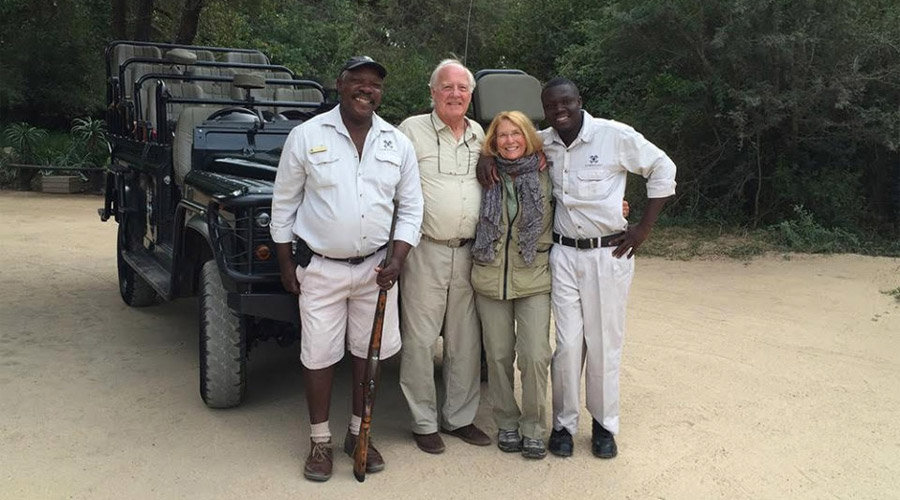
Evening dress code is casual; guides often wear lodge shirts and safari trousers.
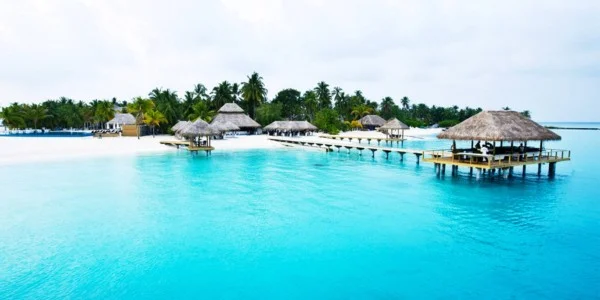
Seychelles Island Escape
Visit the jewel of the Indian Ocean with blue azure waters and white sandy beaches.
Plan My Safari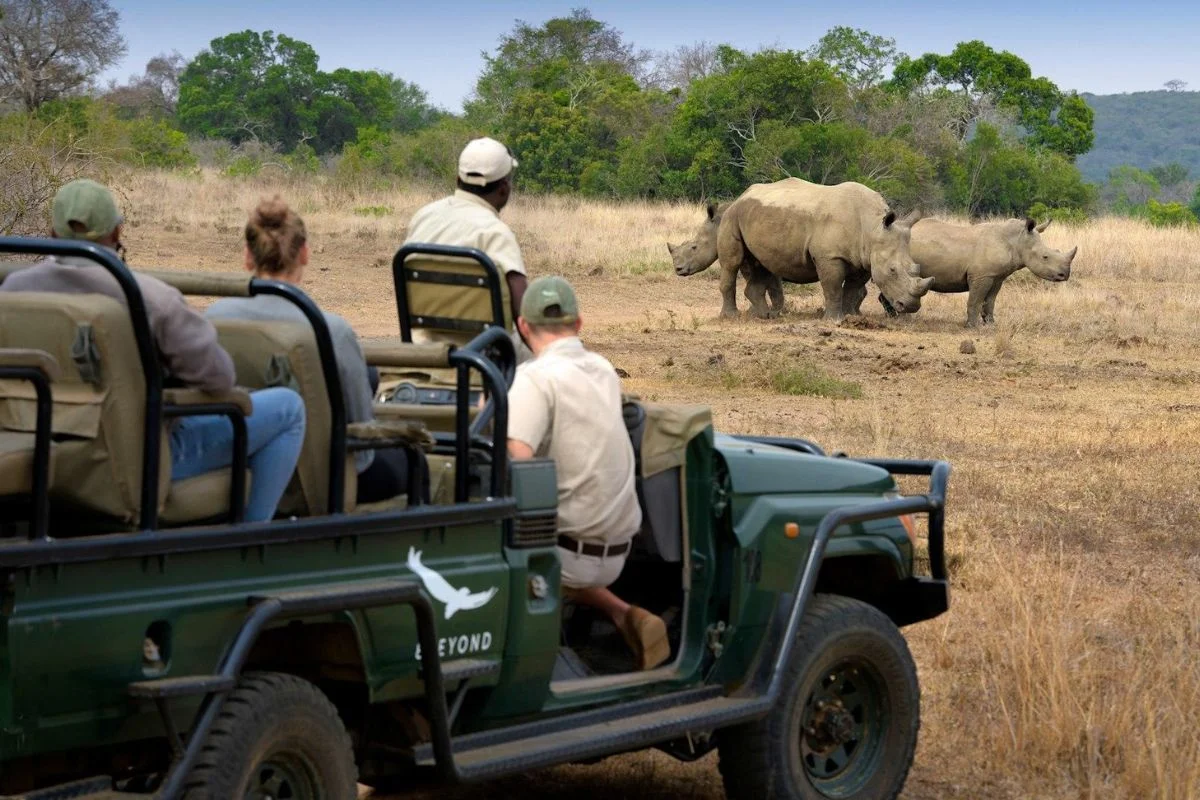
Clothing essentials for game drives
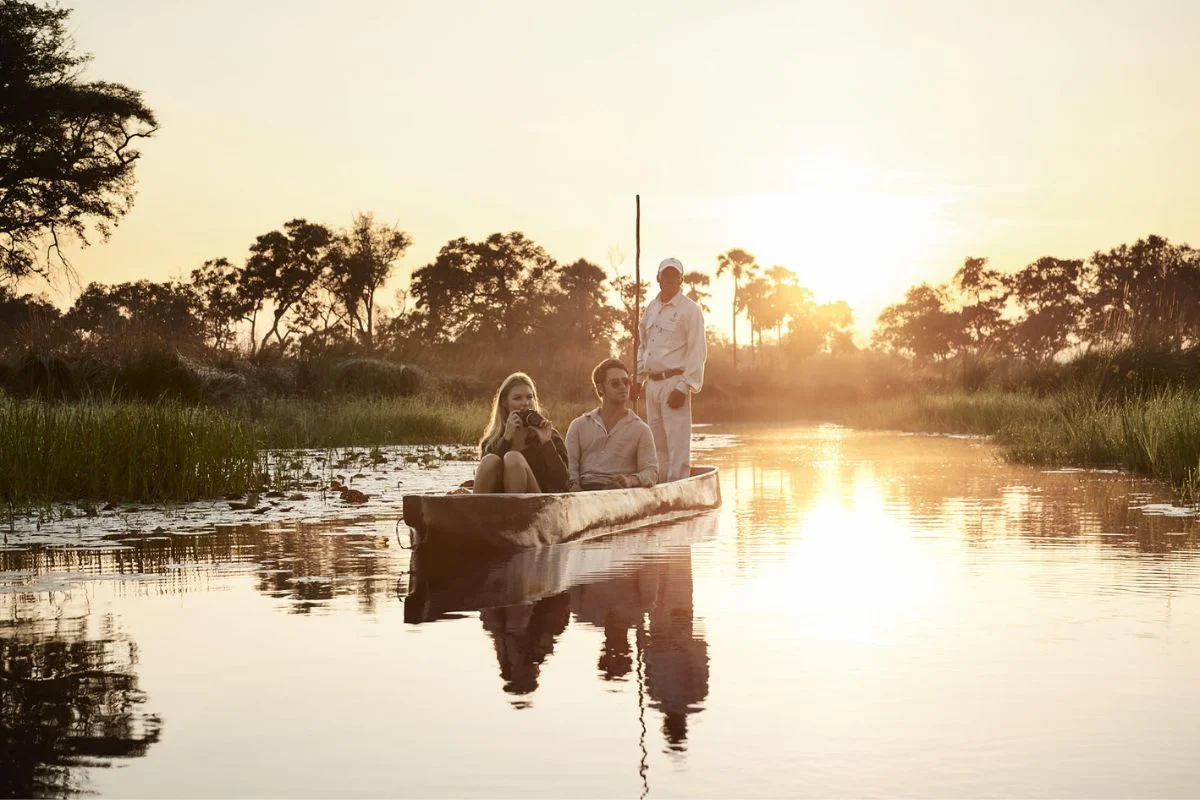
Game drives happen at dawn and dusk in open vehicles, so temperatures swing from cold to warm within hours. Long-sleeved shirts and trousers in neutral tones (beige, khaki, olive, muted blue) protect you from sun, mosquitoes and the morning chill.
Cotton and linen breathe better than synthetics. By midday you will want T-shirts and shorts or a light skirt. Avoid bright colours, neon and white; these stand out to wildlife and can spook animals at close range.
Winter months (June to August in southern Africa) bring cold mornings. Pack a warm fleece, windproof jacket, gloves, scarf and wool hat.
Summer (November to March) needs a light, compact raincoat. Layering is the most practical system: start with long sleeves and a fleece, peel off layers as the day warms, then add them back for the evening drive.
Do I need special safari clothing brands, or will my own wardrobe work?
Your own wardrobe works fine as long as colours are neutral and fabrics are comfortable. Purpose-made safari clothing (zip-off trousers, moisture-wicking shirts) is convenient but not essential.
Avoid stiff or noisy fabrics; animals hear rustling. If you are doing a walking safari or staying in a rustic mobile camp, expect clothes to snag on thorns or gather dust, so leave expensive items at home. Functional and comfortable beats brand names.
Footwear and accessories
Bring one pair of closed walking shoes (not heavy hiking boots) with sports socks if you plan to do a walking safari. Most of the time you are sitting in a vehicle, so comfort matters more than ruggedness. At the lodge, switch to flip-flops or slip-on sandals for relaxing around camp. Many lodges have swimming pools, so pack a swimsuit.
A wide-brimmed hat and high-SPF sunblock are non-negotiable; the African sun is intense year-round. Sunglasses reduce glare on dusty roads. A scarf or bandana serves multiple purposes: sun protection, dust filter, or an evening layer. For women, a light dress for warm evenings is optional but appreciated after a day in safari trousers.
Evening attire at safari lodges
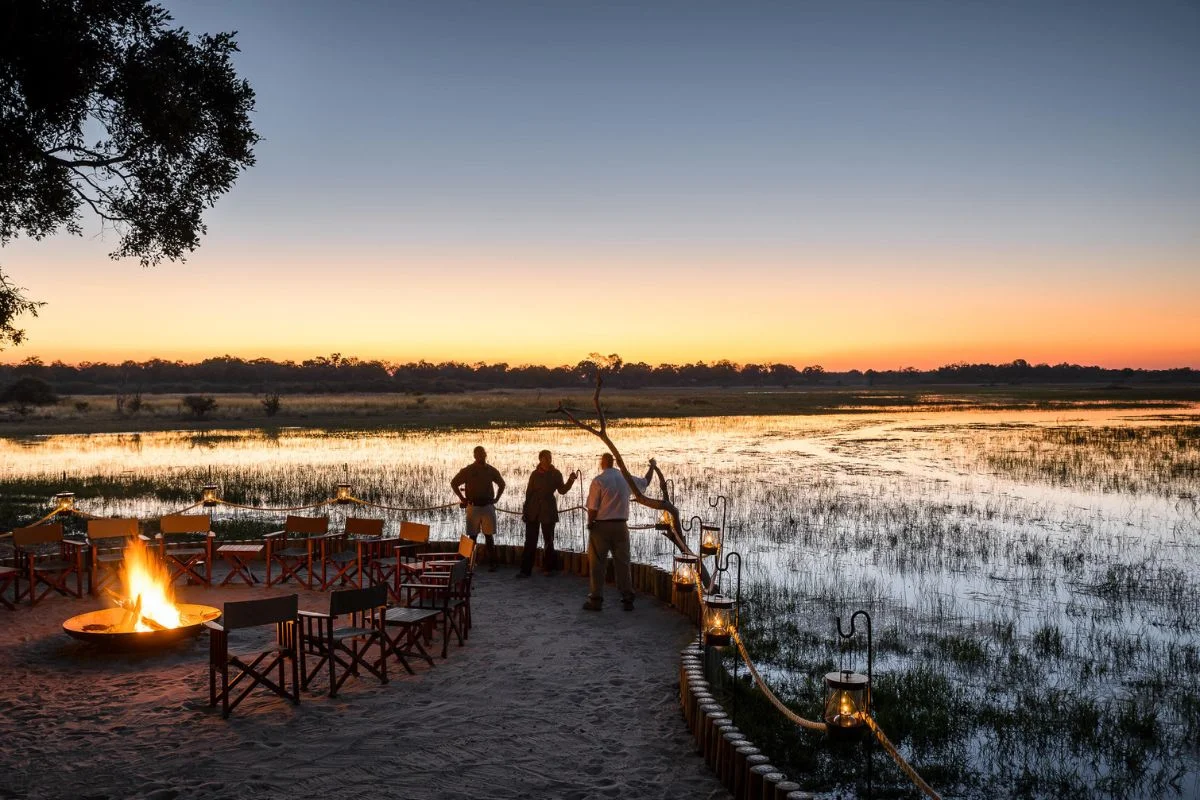
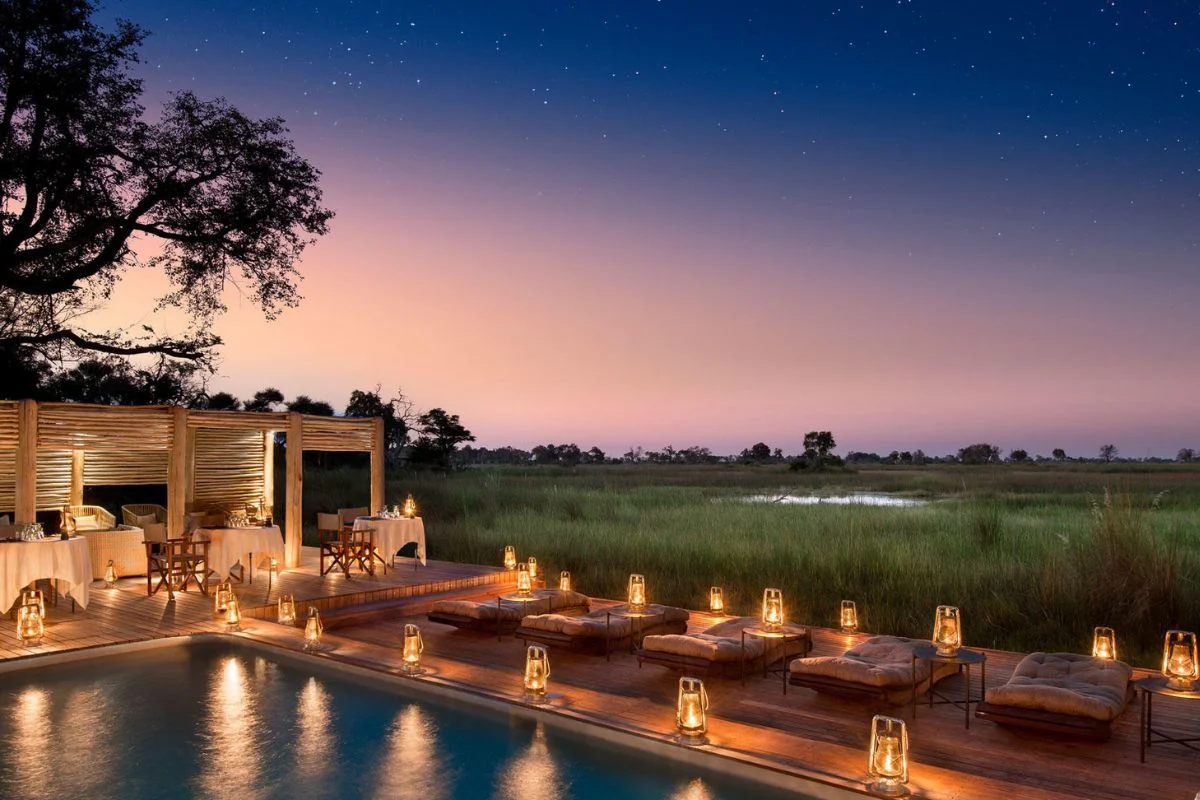
Evenings at safari lodges are casual. Guides and trackers typically shower and change into long safari trousers and the lodge's earth-tone shirt. Guests follow the same relaxed standard: clean trousers or a skirt, a fresh shirt, comfortable shoes.
Dinner is often served outdoors in a boma (enclosure) or indoors in the dining area, depending on weather. No one expects formal wear, jewellery or heels. The focus is on conversation, good food and the sounds of the bush at night, not Monaco-level dress codes.
Can I do laundry at safari lodges?
Most lodges and all-inclusive camps offer complimentary laundry service. You hand in clothes one evening and receive them back the next day, clean and folded.
This means you can pack fewer items and rewear favourites. Mobile camps in remote areas may have limited or no laundry, so check with your operator beforehand. Either way, you need far less clothing than a standard two-week holiday.
Luggage and packing tips
Bush flights between lodges and camps use small aircraft with strict weight limits, typically 12-20kg per person in soft-sided bags (duffels or safari holdalls, not hard suitcases). One larger soft bag and one small piece of hand luggage per person is the standard allowance.
Hard cases do not fit in the cargo holds of Cessna Caravans and similar planes. If you exceed the limit, you may be charged for an extra seat or asked to leave items behind.
Organise your bag so everything has a fixed place: camera gear in one compartment, toiletries in another, clothes rolled or packed in cubes.
This system prevents losing items when you are moving between camps every few days. Use a padlock when checking bags on commercial flights. A waterproof or dust-proof cover for your camera bag protects equipment on bumpy roads.
Essential documents and gear
Carry your passport and a photocopy stored separately. Bring credit cards (notify your bank of travel dates) and some US dollars in cash for tips, village craft purchases and gratuities for guides, trackers and lodge staff, typically given on departure. If driving in South Africa, bring your driver's licence. Print copies of lodge reservations, transfer details and contact numbers; mobile signal in the bush is patchy.
A Yellow Fever inoculation certificate is required if you are entering from or transiting through a Yellow Fever endemic country (check current WHO lists). Travel insurance details should be accessible. Consult your doctor about malaria prophylactics for regions where malaria is present (Kruger, Okavango, Zambezi Valley, most of East Africa).
What camera gear and storage should I bring?
Bring your camera, multiple memory cards and an external hard drive to back up photos every evening. You will shoot far more than you expect, and storage fills fast. Most lodges have charging points (220V in southern Africa, 240V in East Africa; bring a universal adaptor if your plugs do not fit). A personal set of binoculars enhances game viewing; lodges often provide them, but your own pair ensures you never miss a sighting. Pack everything in a small backpack for game drives so gear stays organised and within reach.
Visit Cape Town
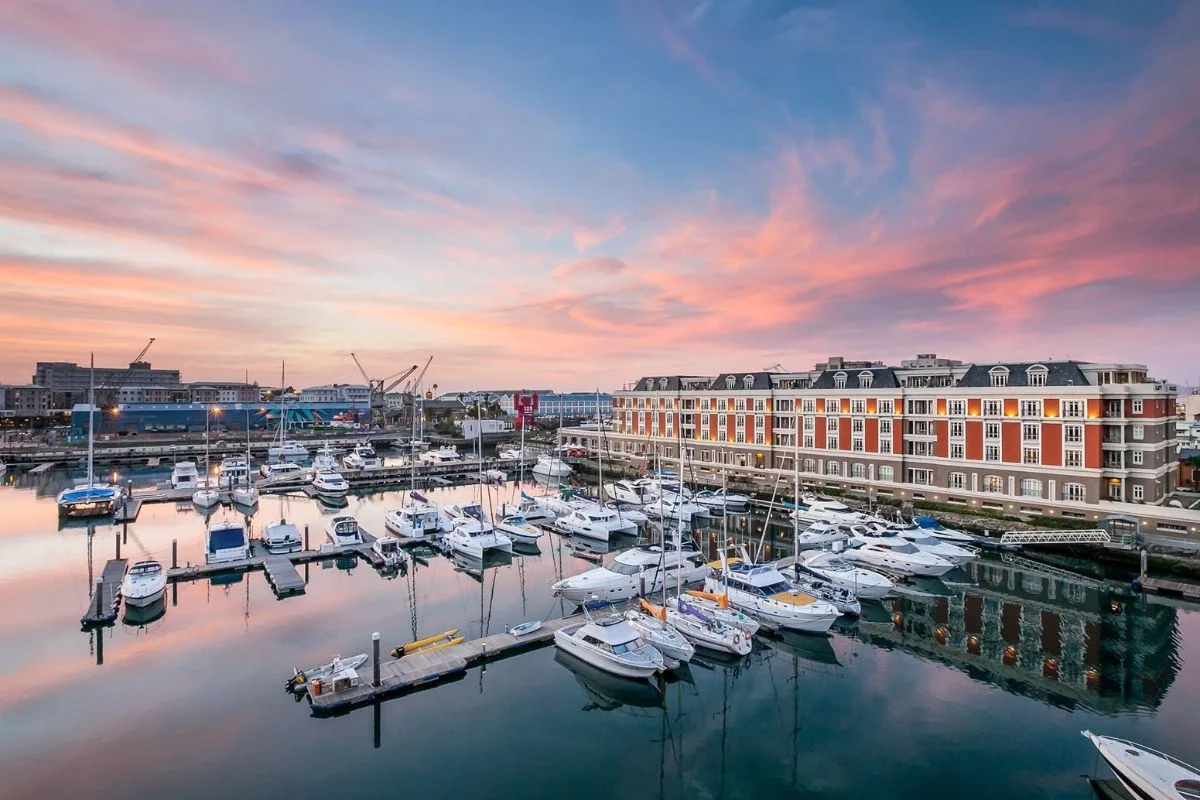
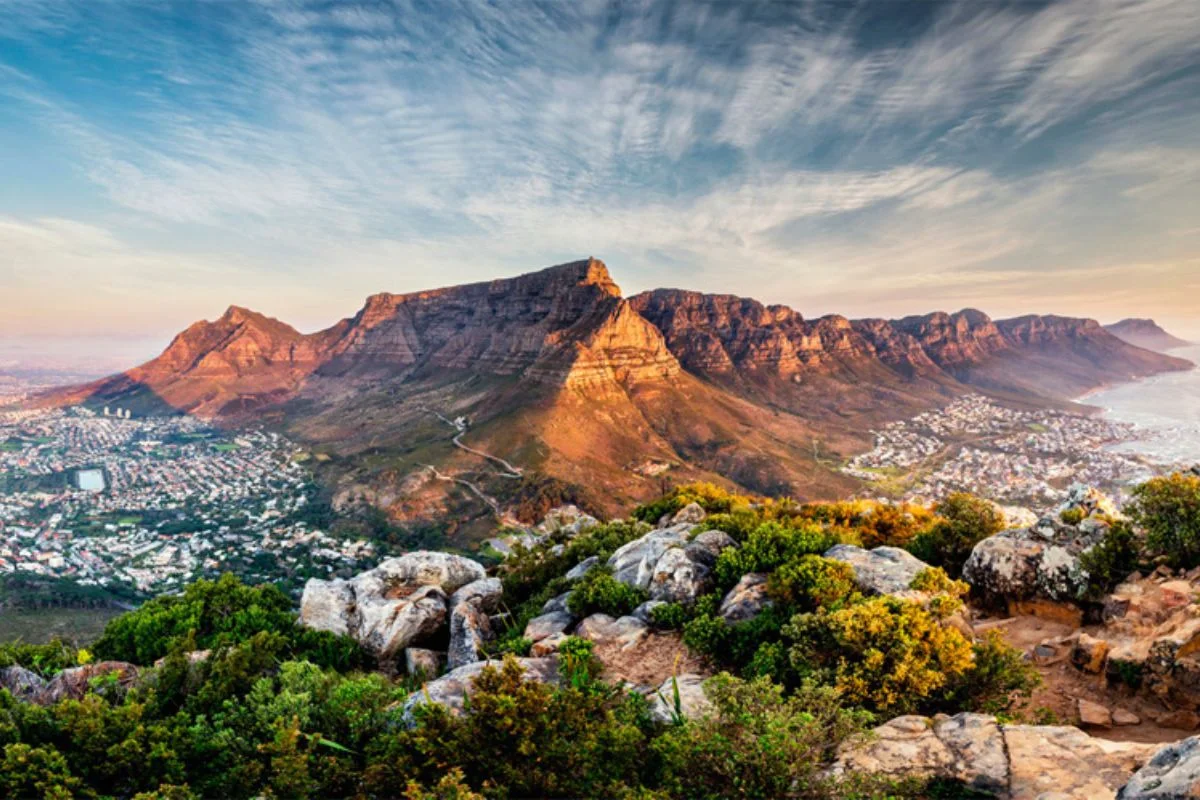
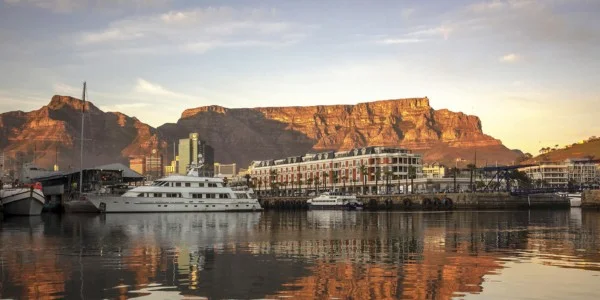
Visit the number one rated city in the world with 8 blue flag beaches, swimming with penguins and so much more
Plan My SafariToiletries, first aid and sundries
Pack prescription medicine, a basic first aid kit, insect repellent (DEET-based works best), lip balm, sunscreen, tissues and wet wipes. Most lodges provide shampoo, conditioner and soap, but bring your own preferred toiletries if you have sensitivities. A small torch or headlamp is useful for walking between your room and the main lodge at night; paths are often unlit to preserve night-sky viewing and avoid disturbing wildlife.
Consider a travel journal to note sightings, bird species and daily experiences. Local guidebooks and animal field guides are helpful but not essential; most guides carry reference books and can identify species on the spot. If you want to stay connected, pick up a local SIM card on arrival (affordable in South Africa, Kenya, Tanzania); that said, many travellers choose to disconnect entirely, and lodges encourage it.
Frequently asked questions
What colours should I avoid wearing on safari?
Avoid bright colours (neon, red, orange, yellow) and white. These shades stand out in the bush and can startle animals or make you more visible as a human silhouette.
Neutral tones (beige, khaki, olive, brown, muted blue, grey) blend with the landscape and keep wildlife at ease. Black is acceptable but can be hot in direct sun. The goal is to be as unobtrusive as possible during game drives and walking safaris.
How cold does it get on early morning game drives?
In winter (June to August in southern Africa), early morning temperatures can drop to 5-10°C (40-50°F) or lower in open vehicles moving at speed.
You will need a fleece, windproof jacket, gloves, scarf and a wool hat. By mid-morning the temperature climbs to 20-25°C (68-77°F), so layering is essential. Summer mornings are milder, around 15-20°C (59-68°F), but you still want long sleeves until the sun is up. Lodges often provide blankets on game drive vehicles.
Do I need hiking boots for a walking safari?
No. Walking safaris cover a few kilometres at a slow pace on relatively flat terrain, and you are accompanied by an armed guide.
Comfortable closed walking shoes or trail runners with good grip and sports socks are sufficient. Hiking boots are heavier than necessary and can be noisy.
The priority is ankle support, comfort and a sole that grips loose sand or dry grass. Break in any new shoes before you travel to avoid blisters.
How much should I budget for tipping guides and lodge staff?
Tipping is customary and appreciated. A common guideline is $10-15 per guest per day for your guide, $5-10 per day for your tracker, and $10-15 per day for general lodge staff (shared among the team).
Some lodges provide a communal tip box; others suggest tipping individuals directly on departure.
Bring small denominations in US dollars. High-end lodges may suggest slightly higher amounts; budget camps slightly lower. If service has been exceptional, adjust upward.
Can I wear camouflage clothing on safari?
Avoid camouflage patterns in some African countries (Zimbabwe, Zambia, parts of East Africa) where military and paramilitary groups wear camo, and it can cause confusion or offence at checkpoints.
In South Africa, Botswana and Namibia it is generally fine but still unnecessary. Solid neutral colours work better and do not carry any political or security baggage.
When in doubt, leave the camo at home and stick to plain khaki, olive or beige.
What should I pack if I am combining a safari with a beach extension?
Keep safari gear in one soft bag and beach clothes in another, or use packing cubes to separate them. After your safari, you will likely fly to the coast (Zanzibar, Seychelles, Mozambique, coastal Kenya), where you need swimwear, light sundresses or linen shirts, sandals and reef-safe sunscreen.
Most beach lodges offer laundry, so you can wash safari clothes on arrival and repack light. If your beach leg comes first, store beach items at the coastal hotel and collect them on return; this keeps your bush luggage under the weight limit.
Last updated: June 2026