
Top 5 African Safari Destinations: Where to Go and What It Costs
In this article we look at the most popular destinations to visit in Africa.
African safaris span dozens of countries and hundreds of parks, making it difficult to know where to focus your trip.
The five most popular African safari destinations are Cape Town, Kruger Park, Victoria Falls, the Serengeti and the Okavango Delta. The most booked combination is Cape Town, Kruger Park and Victoria Falls over 10-12 nights, with luxury packages starting from $6,327 per person. Individual destinations range from $127 to $897 per person per night for five-star accommodation.
Key takeaways
Cape Town typically opens safari itineraries with 3-4 nights at luxury lodges starting from $127 per person per night.
Kruger Park offers Africa's best value luxury Big Five safaris from $897 per person per night.
Victoria Falls combines the world's largest waterfall with adventure activities, with luxury stays from $187 per person per night.
The Serengeti is best visited June to October during the Great Migration, with luxury tented camps from $527 per person per night.
The Okavango Delta is Botswana's premier fly-in safari destination, accessible only by light aircraft, from $627 per person per night.
A 10-night Cape Town, Kruger and Victoria Falls combination starts at $6,327 per person for four-star accommodation.
1. Cape Town
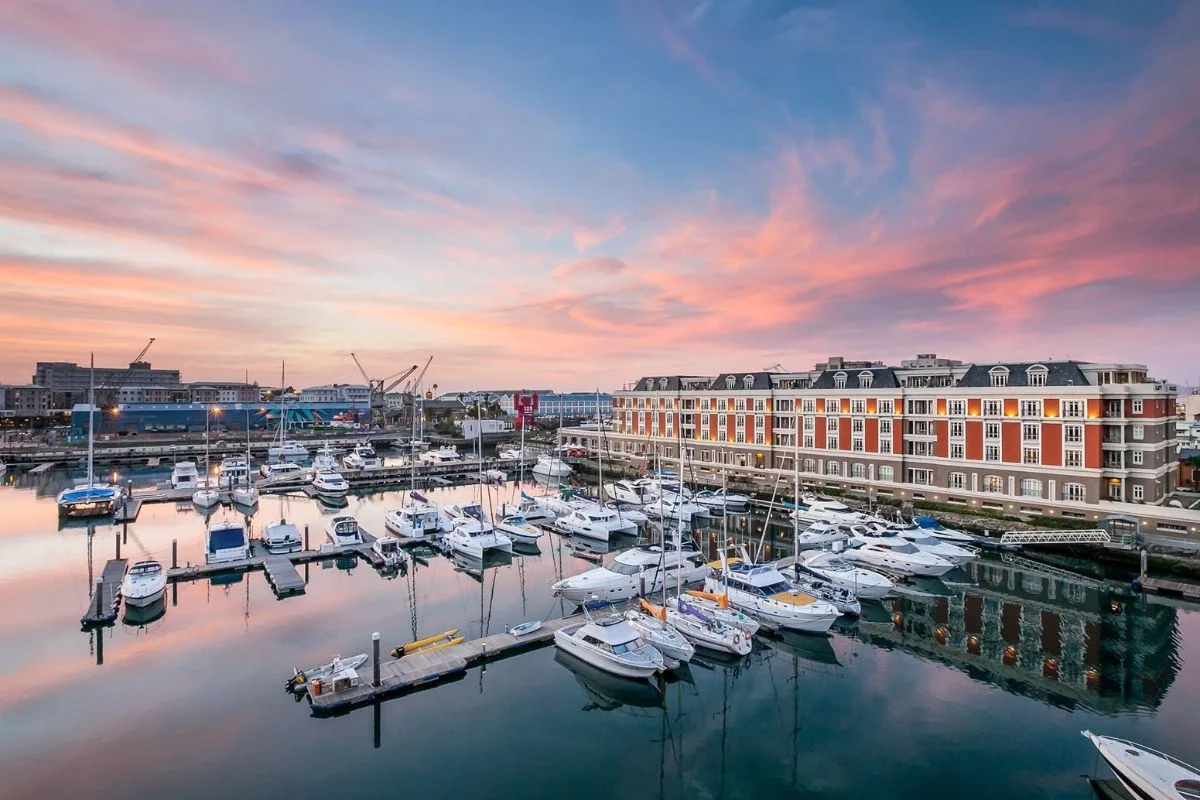
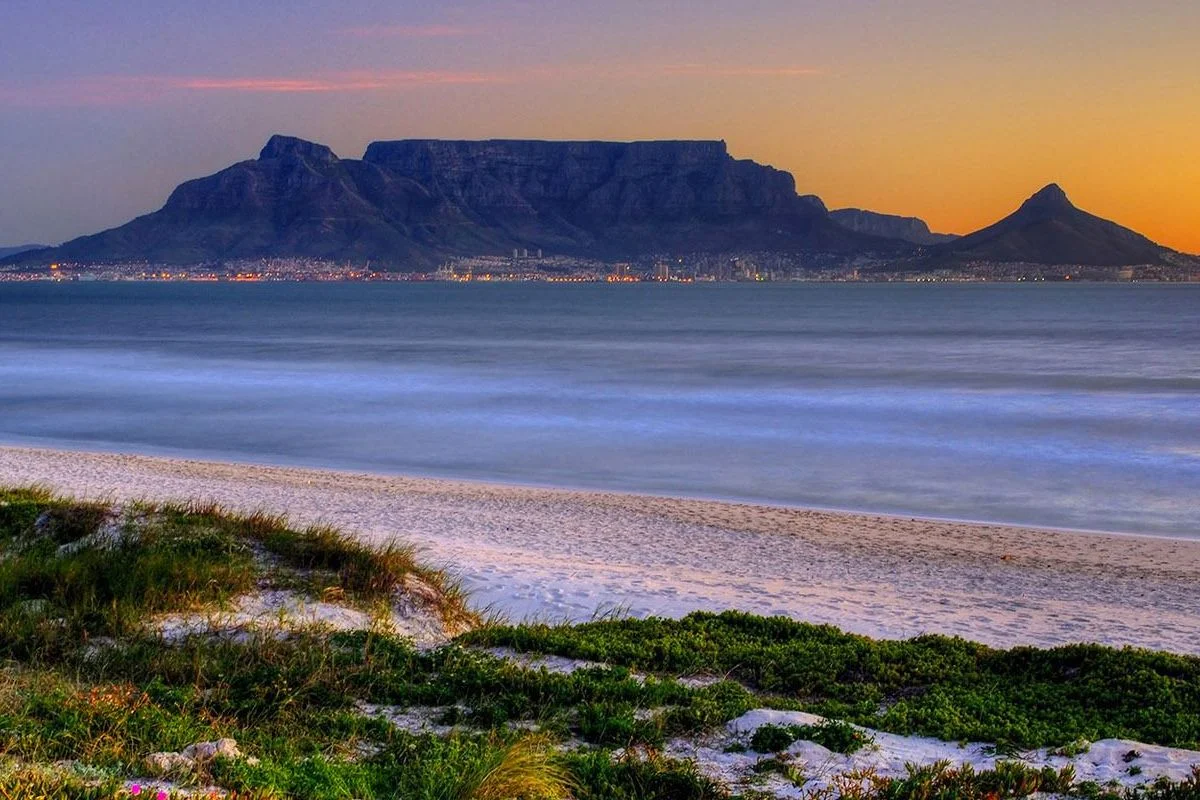
Cape Town serves as the starting point for most African safari itineraries, combining urban experiences with outdoor activities before you head to wildlife areas.
The city offers Table Mountain, the Cape Winelands, Blue Flag beaches, whale watching (June to November), shark cage diving and a strong culinary scene.
Most travellers spend 3-4 nights in Cape Town. Five-star accommodation starts at $127 per person sharing per night.
The city works well as a cultural and logistical anchor before flying to safari regions, and it offers direct international flights from Europe and North America.
What makes Cape Town different from other African cities?
Cape Town combines mountain, ocean and vineyard landscapes within one metropolitan area. You can summit Table Mountain by cable car in the morning, visit Robben Island in the afternoon and dine in the Winelands in the evening.
The city's infrastructure, accommodation standards and dining options match those of major European cities, which makes it a comfortable entry point for travellers new to Africa. Whale watching along the coast and shark cage diving at Gansbaai add wildlife encounters before you reach a traditional safari park.
Cape Town — best time to visit
| J | F | M | A | M | J | J | A | S | O | N | D | |
|---|---|---|---|---|---|---|---|---|---|---|---|---|
| High °C | 27° | 27° | 26° | 23° | 20° | 18° | 17° | 18° | 19° | 22° | 24° | 26° |
| High °F | 81° | 81° | 79° | 73° | 68° | 64° | 63° | 64° | 66° | 72° | 75° | 79° |
| Rain mm | 15 | 17 | 20 | 50 | 95 | 120 | 105 | 90 | 60 | 40 | 25 | 15 |
| Rating |
Cape Town: Mediterranean climate — Nov–Apr is warm and dry; winter (Jun–Aug) is wet and windy.
Ideal — Peak conditions — dry, comfortable, prime wildlife or beach time.
Good — Great conditions with brief showers or warmer days; still highly recommended.
Shoulder — Mixed weather — fewer crowds and lower rates, occasional rain.
Avoid — Heaviest rain or roughest seas; many camps and roads can be affected.
2. Kruger Park
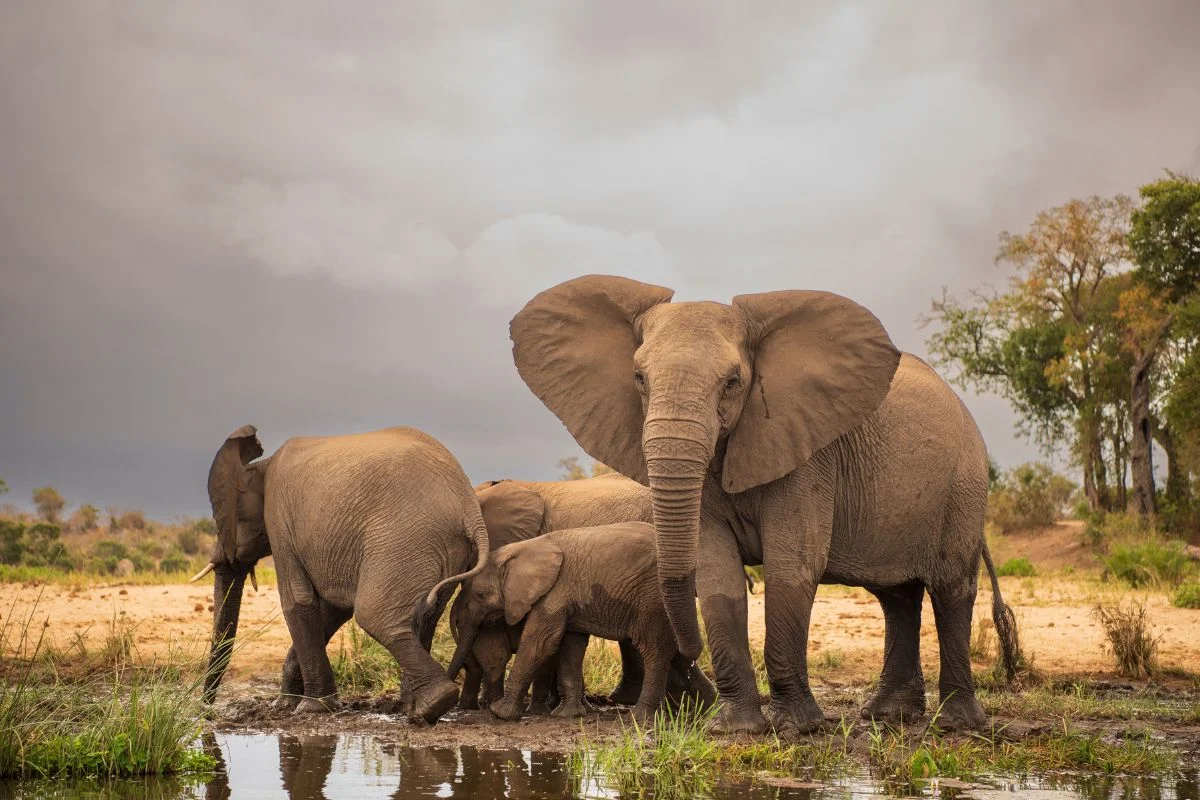
Kruger Park in South Africa is the most accessible Big Five destination in Africa. The park covers roughly 19,500 square kilometres and supports more large mammal species (147) and bird species (517) than any other African reserve.
All Big Five animals (lion, elephant, leopard, buffalo, rhino) are present in healthy populations.
Luxury accommodation in the private reserves adjoining Kruger starts at $897 per person sharing per night, which includes game drives, meals and most drinks.
This represents the best value for luxury safari lodging on the continent. The park is malaria-risk year-round, though risk is lower in the dry winter months (May to September). Most visitors allocate 3-5 nights.
Kruger / Sabi Sand — best time to visit
| J | F | M | A | M | J | J | A | S | O | N | D | |
|---|---|---|---|---|---|---|---|---|---|---|---|---|
| High °C | 32° | 31° | 30° | 28° | 26° | 24° | 24° | 26° | 28° | 29° | 30° | 31° |
| High °F | 90° | 88° | 86° | 82° | 79° | 75° | 75° | 79° | 82° | 84° | 86° | 88° |
| Rain mm | 110 | 95 | 75 | 35 | 15 | 10 | 5 | 10 | 25 | 55 | 85 | 105 |
| Rating |
Kruger / Sabi Sand: Dry winter (May–Sep) gives the best game viewing; summer is lush but wet.
Ideal — Peak conditions — dry, comfortable, prime wildlife or beach time.
Good — Great conditions with brief showers or warmer days; still highly recommended.
Shoulder — Mixed weather — fewer crowds and lower rates, occasional rain.
Avoid — Heaviest rain or roughest seas; many camps and roads can be affected.
3. Victoria Falls
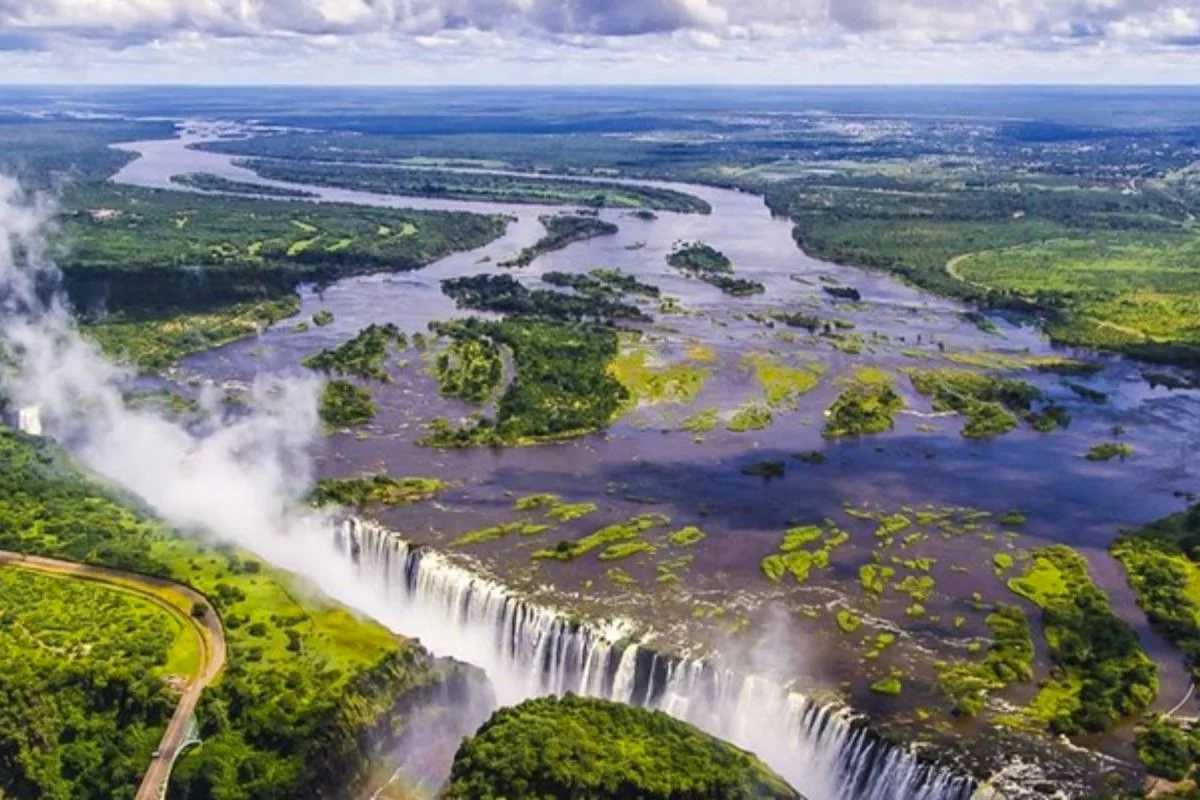
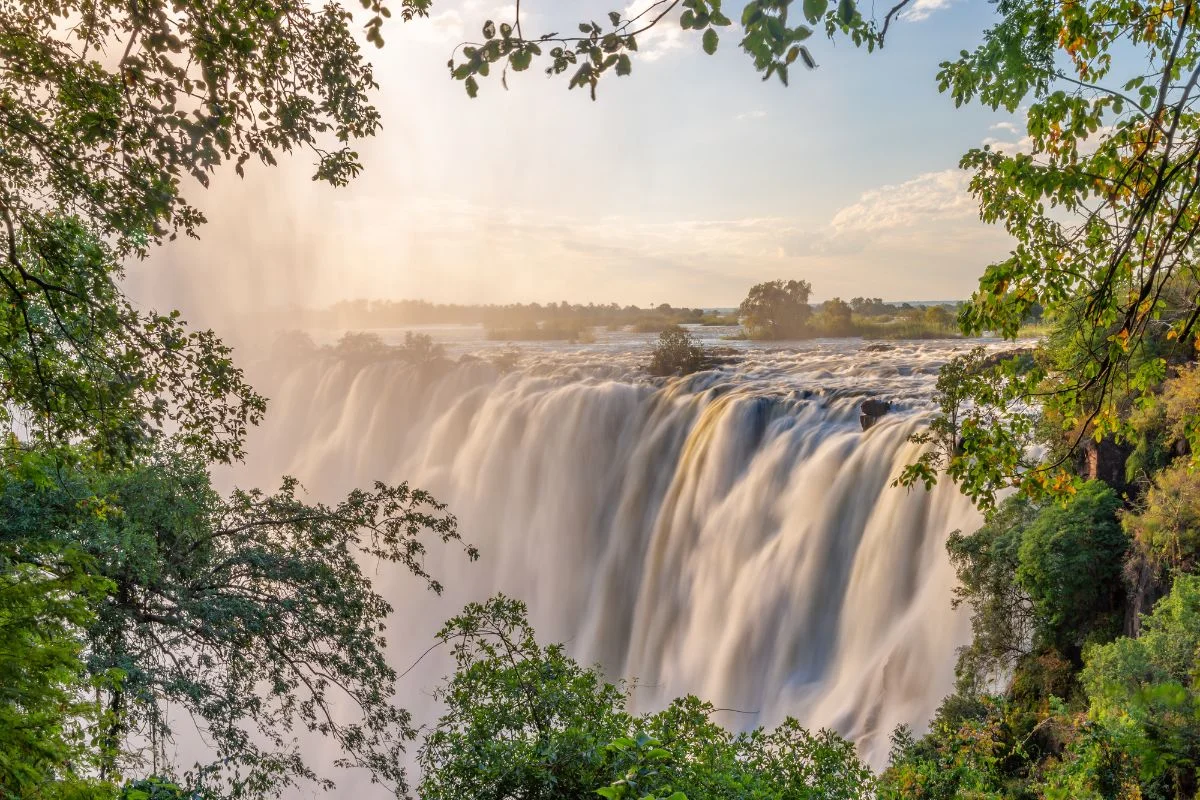
Victoria Falls straddles the border between Zambia and Zimbabwe and is the world's largest waterfall by combined width and height.
The falls are 1,708 metres wide and drop up to 108 metres, creating a mist visible from 50 kilometres away.
The area offers white-water rafting on the Zambezi River, bungee jumping from the Victoria Falls Bridge (111 metres), zip-lining, tiger fishing, sunset riverboat cruises, helicopter tours over the falls and wildlife safaris in nearby reserves.
Luxury accommodation starts at $187 per person sharing per night. Most itineraries allocate 2-3 nights. The falls are at their fullest March to May, and at their lowest November to January. The dry season (May to October) offers the clearest views into the gorge.
Can you visit Victoria Falls from both Zambia and Zimbabwe?
Yes. The falls sit on the border, and you can visit from either side with the appropriate visa. The Zimbabwean side offers closer views of the main curtain of water and more walking trails along the edge.
The Zambian side provides a broader perspective and access to activities like the Devil's Pool swim (dry season only, when water levels allow you to sit on the edge).
Most travellers stay on the Zimbabwean side in Victoria Falls town due to more accommodation options and easier access to activities. Day visas allow you to cross the border for a few hours if you want to see both perspectives.
Livingstone (Victoria Falls) — best time to visit
| J | F | M | A | M | J | J | A | S | O | N | D | |
|---|---|---|---|---|---|---|---|---|---|---|---|---|
| High °C | 30° | 30° | 30° | 29° | 27° | 25° | 25° | 28° | 32° | 33° | 32° | 30° |
| High °F | 86° | 86° | 86° | 84° | 81° | 77° | 77° | 82° | 90° | 91° | 90° | 86° |
| Rain mm | 170 | 150 | 90 | 25 | 5 | 0 | 0 | 0 | 2 | 25 | 75 | 165 |
| Rating |
Livingstone (Victoria Falls): Falls in full flood Mar–May; best viewing Apr–Jul. Sep–Nov is hot but lowest water.
Ideal — Peak conditions — dry, comfortable, prime wildlife or beach time.
Good — Great conditions with brief showers or warmer days; still highly recommended.
Shoulder — Mixed weather — fewer crowds and lower rates, occasional rain.
Avoid — Heaviest rain or roughest seas; many camps and roads can be affected.
Seychelles Island Escape
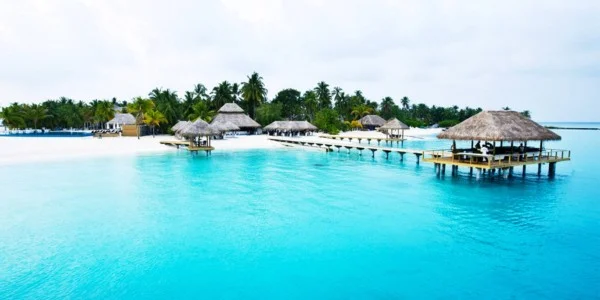
Visit the jewel of the Indian Ocean with blue azure waters and white sandy beaches.
Plan My Safari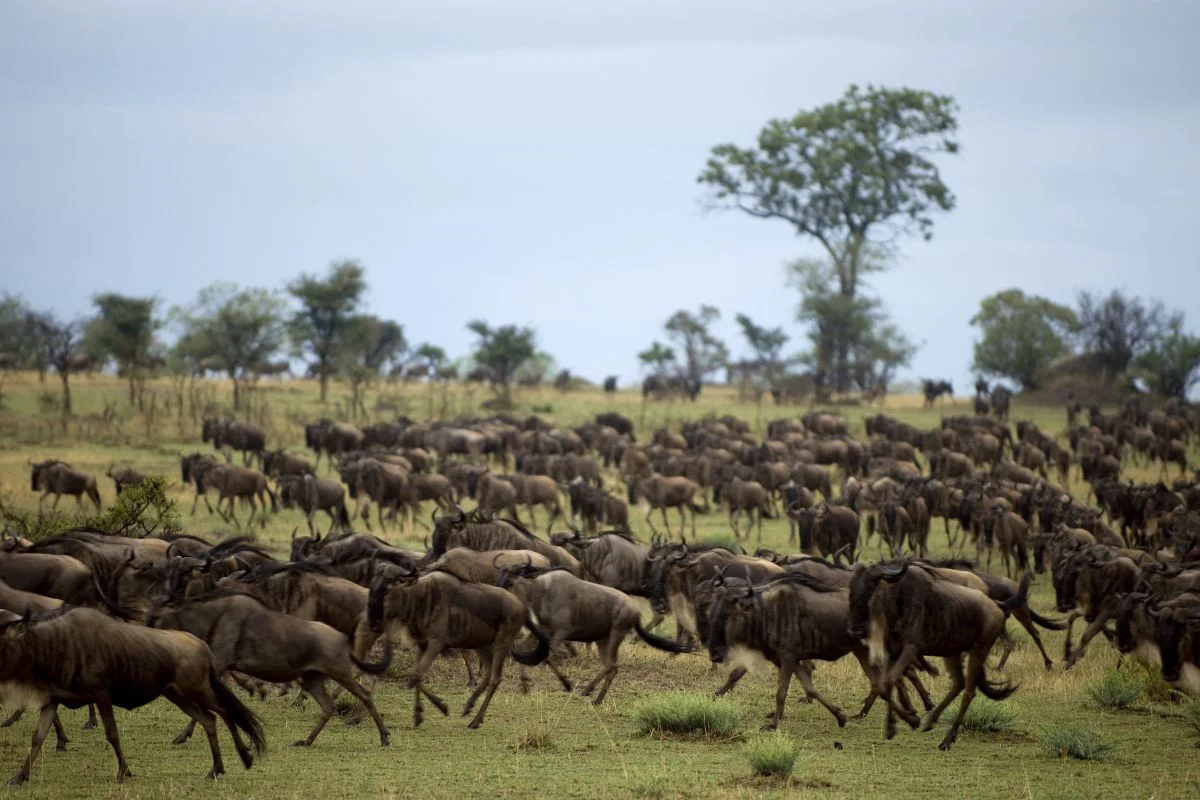
4. Serengeti
The Serengeti in Tanzania hosts the Great Migration, an annual movement of over 2 million wildebeest, zebra and gazelle tracked by around 10,000 predators.
The park covers 14,750 square kilometres of open savannah, providing unobstructed game viewing. The migration moves in a roughly clockwise pattern through the Serengeti and Kenya's Maasai Mara, with timing dictated by rainfall and grass growth.
The best time to visit is June to October, when herds are in the northern Serengeti and river crossings occur.
Five-star luxury tented camps start at $527 per person sharing per night, including game drives and meals. Staying in mobile camps or remote locations away from the central Seronera area reduces crowding. Most itineraries allocate 3-5 nights.
Serengeti — best time to visit
| J | F | M | A | M | J | J | A | S | O | N | D | |
|---|---|---|---|---|---|---|---|---|---|---|---|---|
| High °C | 28° | 28° | 28° | 26° | 24° | 23° | 23° | 24° | 26° | 27° | 27° | 28° |
| High °F | 82° | 82° | 82° | 79° | 75° | 73° | 73° | 75° | 79° | 81° | 81° | 82° |
| Rain mm | 65 | 80 | 130 | 195 | 95 | 15 | 10 | 20 | 30 | 60 | 115 | 105 |
| Rating |
Serengeti: Calving in the southern Serengeti Jan–Mar; river crossings in the north Jul–Oct.
Ideal — Peak conditions — dry, comfortable, prime wildlife or beach time.
Good — Great conditions with brief showers or warmer days; still highly recommended.
Shoulder — Mixed weather — fewer crowds and lower rates, occasional rain.
Avoid — Heaviest rain or roughest seas; many camps and roads can be affected.
5. Okavango Delta
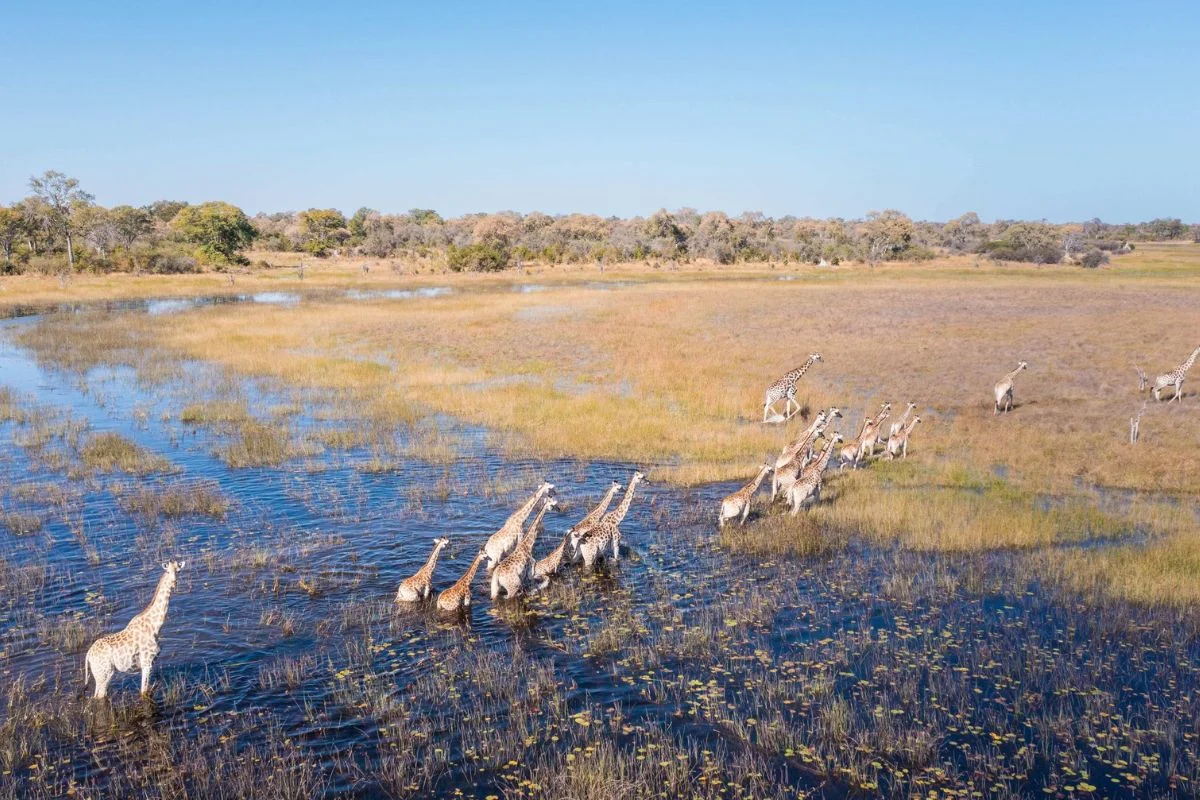
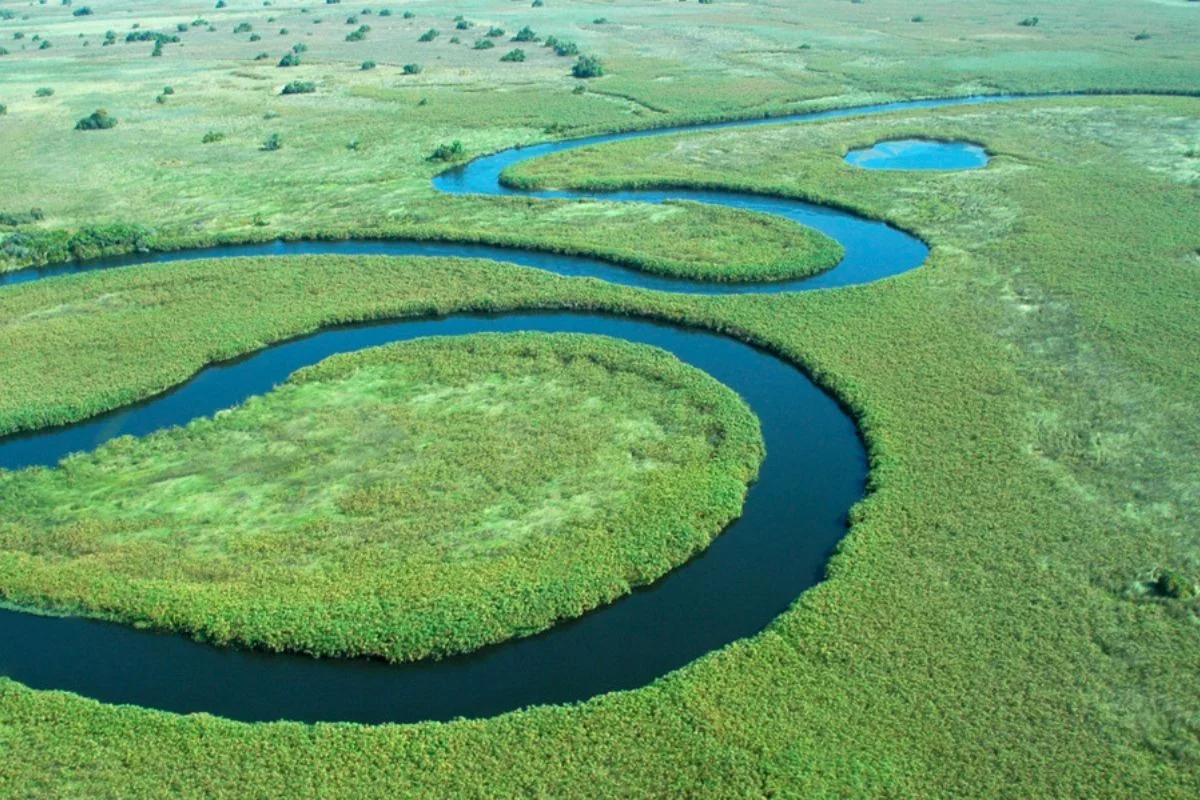
The Okavango Delta in Botswana is a seasonal wetland covering up to 15,000 square kilometres when the annual flood peaks (June to August).
The delta is accessible only by light aircraft to small airstrips near each lodge, which limits visitor numbers and maintains exclusivity. Five-star lodges sit on islands or riverbanks, offering game drives, boat safaris and mokoro (traditional dugout canoe) excursions.
All Big Five animals are present. The mokoro safari allows close, silent approaches to animals along the water's edge.
Luxury accommodation starts at $627 per person sharing per night, all-inclusive. The best time to visit is May to September, when the flood is high and game concentrations are strong. Most travellers spend 3-4 nights.
Why is the Okavango Delta so expensive?
The delta's fly-in access increases logistics costs, as every guest, staff member and supply item arrives by small aircraft.
Lodges operate on remote islands with no road connections, requiring solar power, water treatment and waste management infrastructure. Botswana's national tourism policy deliberately limits visitor numbers through high park fees and strict lodge quotas to protect the ecosystem.
The result is very low guest density (often 6 to 16 guests per lodge) and high per-person costs. You pay for exclusivity, low environmental impact and close wildlife encounters in one of Africa's most intact wetland systems.
Okavango Delta — best time to visit
| J | F | M | A | M | J | J | A | S | O | N | D | |
|---|---|---|---|---|---|---|---|---|---|---|---|---|
| High °C | 32° | 31° | 31° | 30° | 28° | 25° | 25° | 28° | 32° | 34° | 33° | 32° |
| High °F | 90° | 88° | 88° | 86° | 82° | 77° | 77° | 82° | 90° | 93° | 91° | 90° |
| Rain mm | 110 | 90 | 70 | 25 | 5 | 0 | 0 | 0 | 5 | 35 | 65 | 95 |
| Rating |
Okavango Delta: Floodwaters peak Jun–Aug — prime mokoro and game viewing; summer is hot and wet.
Ideal — Peak conditions — dry, comfortable, prime wildlife or beach time.
Good — Great conditions with brief showers or warmer days; still highly recommended.
Shoulder — Mixed weather — fewer crowds and lower rates, occasional rain.
Avoid — Heaviest rain or roughest seas; many camps and roads can be affected.
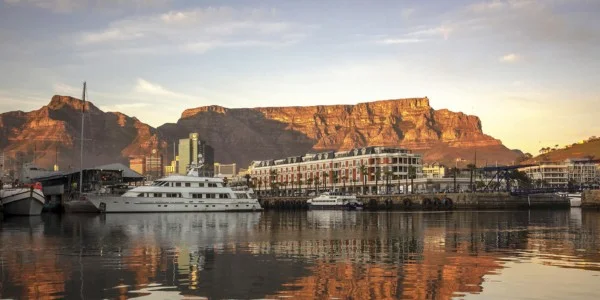
Visit Cape Town
Visit the number one rated city in the world with 8 blue flag beaches, swimming with penguins and so much more
Plan My SafariMost popular safari combination
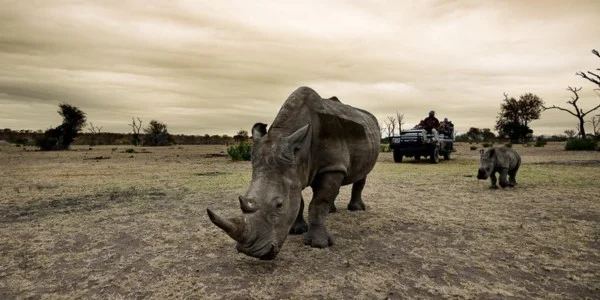
The most frequently booked package combines Cape Town (3-4 nights), Kruger Park (3-5 nights) and Victoria Falls (2-3 nights) over 10-14 nights total. This itinerary balances city experiences, Big Five game viewing and adventure activities.
A four-star version of this 10-night package starts at $6,327 per person sharing. An all-inclusive 14-night five-star version starts at $15,777 per person sharing.
Flights between destinations are typically short (1-2 hours), and all three locations have strong tourism infrastructure. This combination suits first-time safari travellers and those wanting variety without excessive travel time. Extensions to the Seychelles, Mauritius or additional South African regions (Garden Route, KwaZulu-Natal) are common.
Frequently asked questions
What is the best time of year for an African safari?
It depends on the destination. Southern Africa's dry winter (May to October) concentrates game around waterholes and offers the best Big Five viewing in Kruger Park and the Okavango Delta.
East Africa's dry seasons (June to October, January to February) align with the Great Migration in the Serengeti and Maasai Mara. Victoria Falls is fullest March to May but offers clearer gorge views May to October.
Most first-time safari travellers prefer the dry season for easier wildlife spotting, though the green season (November to April in southern Africa) brings lower prices, fewer tourists, newborn animals and dramatic landscapes.
How much does a luxury African safari cost per person?
Expect $500 to $1,500 per person per night for all-inclusive luxury lodges, depending on the destination and season. Kruger Park private reserves start around $897 per night and offer the best value.
The Okavango Delta, Serengeti mobile camps and exclusive Kenyan conservancies run $800 to $1,500 per night. A 10-night trip combining Cape Town, Kruger and Victoria Falls starts at $6,327 per person for four-star accommodation or $15,777 for five-star all-inclusive.
These figures include lodging, meals, game drives and most drinks, but exclude international flights, visas, tips and travel insurance.
Do I need malaria prophylaxis for an African safari?
Most safari destinations carry some malaria risk. Kruger Park, the Okavango Delta, Victoria Falls, the Serengeti and lower-altitude reserves in Kenya and Tanzania all fall within malaria zones.
Risk is highest during the wet season (November to April in southern Africa, March to May in East Africa) and lower in the dry season. Cape Town, the Garden Route and South Africa's Eastern Cape reserves are malaria-free.
Consult a travel health clinic at least six weeks before departure. Prophylaxis options include atovaquone-proguanil, doxycycline and mefloquine, each with different dosing schedules and side-effect profiles.
Can I see the Big Five at all of these destinations?
Kruger Park and the Okavango Delta offer reliable Big Five sightings (lion, elephant, leopard, buffalo, rhino).
The Serengeti has all five, though rhino sightings are rare. Victoria Falls reserves hold elephant, buffalo and lion, with occasional leopard sightings, but rhino are uncommon.
Cape Town does not have Big Five wildlife within the city, though nearby private reserves like Aquila offer Big Five day trips. If seeing all five animals is a priority, allocate at least three nights in Kruger Park or four nights in the Okavango Delta.
How do I choose between South Africa, Tanzania and Botswana for a first safari?
South Africa (Kruger Park area) offers the easiest logistics, the best value luxury lodges, no yellow fever certificate requirement and malaria-free alternatives in the Eastern Cape.
Tanzania (Serengeti, Ngorongoro) delivers the Great Migration and vast open plains, but costs more and requires more travel time between parks. Botswana (Okavango Delta) provides the most exclusive, low-density experience and exceptional water-based safaris, but it is the most expensive and requires light-aircraft transfers.
First-time safari travellers often start with South Africa for infrastructure and value, then return for Tanzania or Botswana on later trips.
What should I pack for a luxury African safari?
Pack neutral-coloured clothing (khaki, beige, olive) for game drives, as bright colours can disturb animals. Bring long sleeves and trousers for sun and insect protection, a wide-brimmed hat, sunglasses, sunscreen (SPF 50), insect repellent with DEET, binoculars, a camera with a zoom lens (200-400mm is ideal), a lightweight rain jacket and a warm fleece or jacket for early-morning drives.
Most luxury lodges provide laundry service, so you can pack light. Leave expensive jewellery at home. Lodges often enforce small luggage limits (15 kilograms in soft bags) for light-aircraft transfers, so check weight restrictions when booking.
Last updated: July 2026