

Cape Town is a coastal city at Africa's southern tip known for Table Mountain, wine estates, beaches, and a range of luxury hotels.
Cape Town offers luxury hotels ranging from $275 per person per night (all-inclusive five-star properties) to $102 per night (mid-tier bed and breakfast). Top activities include Table Mountain cable car rides, wine tours in Stellenbosch and Franschhoek, whale watching from Hermanus, shark cage diving, and penguin encounters at Boulders Beach. The city is safe for tourists who stick to popular areas. Summer (December to February) sees highs around 27-29°C; winter (June to August) drops to 20°C.
Key takeaways
Luxury five-star hotels like The Silo and Ellerman House start from $275 per person per night, all-inclusive.
Mid-tier bed and breakfast properties start from $102 per person sharing per night.
Summer (December to February) offers beach weather with temperatures 27-29°C; winter (June to August) sits around 20°C.
Top activities include Table Mountain, wine estates in Stellenbosch and Franschhoek, whale watching (June to November), and Boulders Beach penguins.
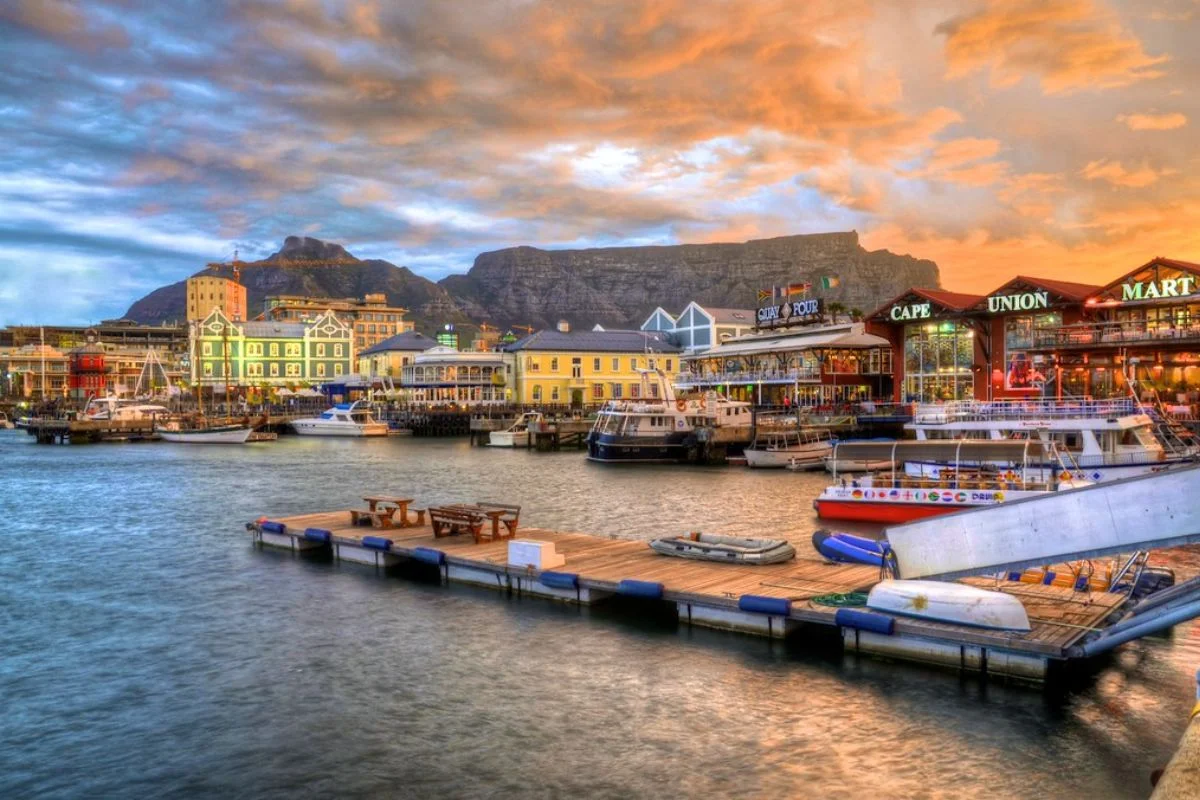
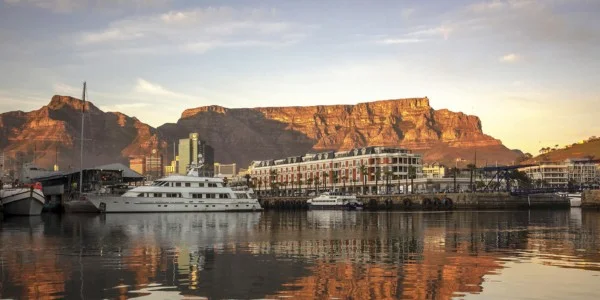
The V&A Waterfront area concentrates hotels, restaurants, shopping, and tour departure points in a walkable precinct.
Cape Town is safe for tourists who avoid exploring unfamiliar areas alone at night.
Where to stay in Cape Town
Cape Town's hotel market spans waterfront icons, Atlantic seaboard boutique properties, and hillside retreats. The V&A Waterfront and Camps Bay concentrate the highest-end options, while neighbourhoods like Bantry Bay and the southern peninsula offer quieter luxury. All hotels listed operate year-round.
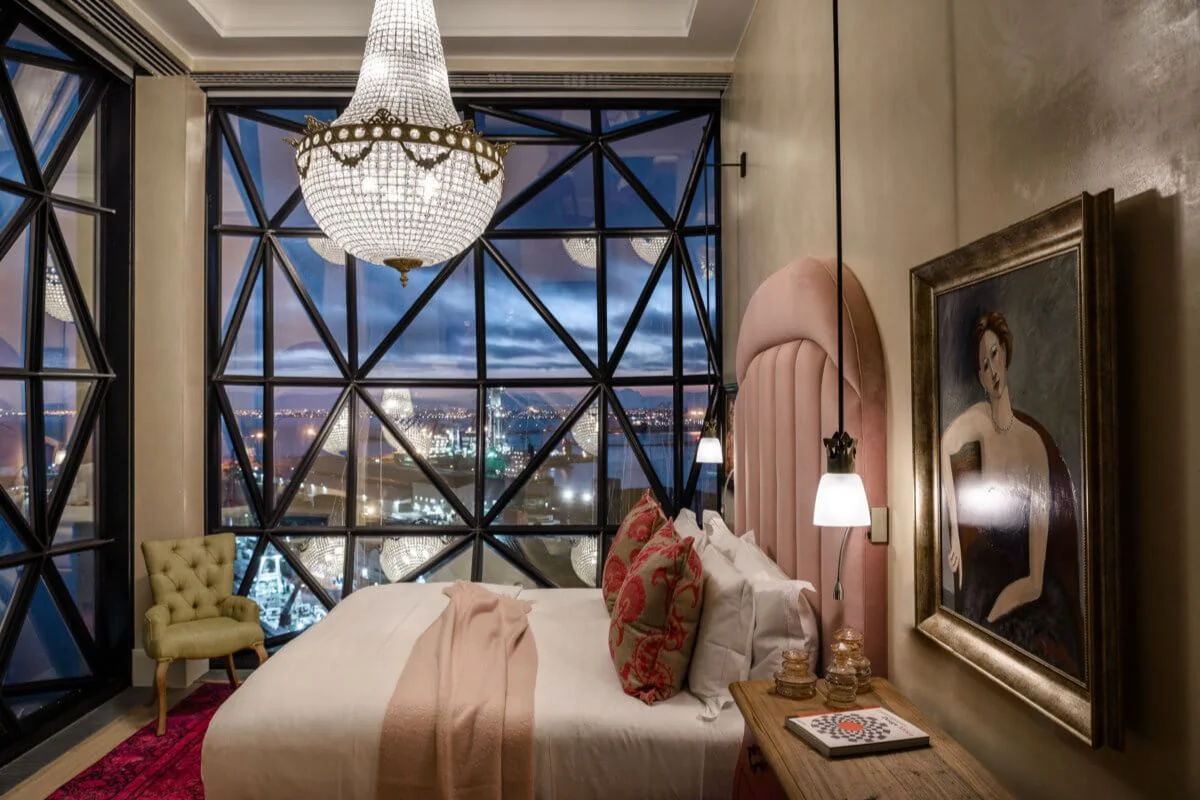
1. The Silo
The Silo is a five-star property occupying a converted grain silo at the V&A Waterfront, operated by The Royal Portfolio.
The hotel features 28 rooms, floor-to-ceiling windows framing Table Mountain and the harbour, and an in-house contemporary art collection.
Service is butler-led. Expect around $400-600 per person per night depending on season.
The Silo suits travellers who prioritise design-led interiors and proximity to waterfront dining and the Zeitz Museum of Contemporary Art Africa, located in the same building.
2. Ellerman House
Ellerman House sits above Bantry Bay, a residential enclave between Sea Point and Camps Bay.
The property holds 13 rooms and suites across the main house and a separate villa. Interiors blend Edwardian period detail with modern art (the hotel maintains a private gallery).
The location trades waterfront action for ocean views and quiet. Rates run $350-500 per person per night. Ellerman House works for guests seeking a residential atmosphere and a curated art experience without city-centre noise.

3. The Marly
The Marly is a contemporary five-star hotel in Camps Bay, facing the Atlantic across the coastal road. Rooms feature floor-to-ceiling glass, minimalist interiors, and private balconies.
The hotel has a rooftop pool and bar but no full restaurant (Camps Bay's restaurant strip is 50 metres away).
Rates start around $250-350 per person per night. The Marly suits younger travellers and couples who want beach proximity, a social pool scene, and walking access to bars and cafes.
Is Camps Bay or the V&A Waterfront a better hotel base?
Camps Bay offers beach access, Atlantic views, and a dining strip, but you will drive or Uber to most Cape Town attractions.
The V&A Waterfront places you within walking distance of restaurants, the Two Oceans Aquarium, harbour boat departures, and tour pick-up points, but you trade ocean-front setting for working harbour views.
Camps Bay suits a slower beach-focused stay; the Waterfront suits an active itinerary with daily excursions and easy logistics. Both are 20 minutes' drive from the airport.
Cape Town — best time to visit
| J | F | M | A | M | J | J | A | S | O | N | D | |
|---|---|---|---|---|---|---|---|---|---|---|---|---|
| High °C | 27° | 27° | 26° | 23° | 20° | 18° | 17° | 18° | 19° | 22° | 24° | 26° |
| High °F | 81° | 81° | 79° | 73° | 68° | 64° | 63° | 64° | 66° | 72° | 75° | 79° |
| Rain mm | 15 | 17 | 20 | 50 | 95 | 120 | 105 | 90 | 60 | 40 | 25 | 15 |
| Rating |
Cape Town: Mediterranean climate — Nov–Apr is warm and dry; winter (Jun–Aug) is wet and windy.
Ideal — Peak conditions — dry, comfortable, prime wildlife or beach time.
Good — Great conditions with brief showers or warmer days; still highly recommended.
Shoulder — Mixed weather — fewer crowds and lower rates, occasional rain.
Avoid — Heaviest rain or roughest seas; many camps and roads can be affected.
4. One&Only Cape Town
One&Only Cape Town occupies a marina island at the V&A Waterfront. The resort-style property has 131 rooms, a spa, pool deck, and multiple restaurants including Nobu.
Rooms are spacious (50sqm minimum) with contemporary African-influenced interiors. Rates run $300-450 per person per night.
The One&Only suits families (the kids' club is extensive) and guests who prefer a self-contained resort environment over a small boutique hotel. You can walk to the waterfront precinct in five minutes or stay on-property for all meals.
5. Cape Grace
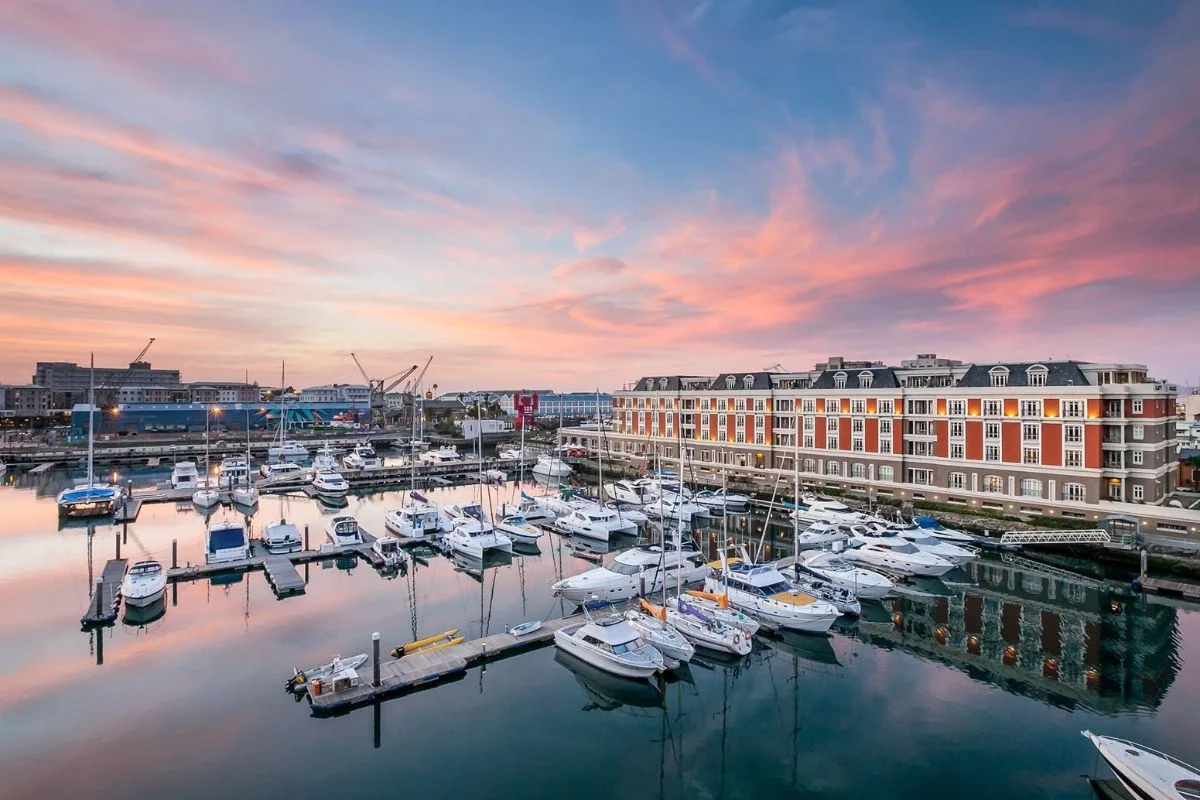
Cape Grace is a heritage-style luxury hotel at the V&A Waterfront yacht marina. The property has 120 rooms, a whisky bar with 600+ labels, and traditional Cape interiors (think Delft tile, yellowwood furniture, maritime art).
Service is formal. Rates start around $275-400 per person per night. Cape Grace appeals to guests who prefer classic luxury hospitality over modern design, and who value waterfront location with immediate restaurant and shopping access.
6. Table Bay Hotel
Table Bay Hotel is a five-star Sun International property at the waterfront, opened by Nelson Mandela in 1997.
The hotel has 329 rooms, making it the largest luxury option listed here. Interiors lean classic rather than boutique. Rates start around $250-350 per person per night.
Table Bay suits guests who want waterfront location, full facilities (large gym, spa, pool, multiple dining options), and the reliability of an international-standard chain property. Families appreciate the scale and children's amenities.
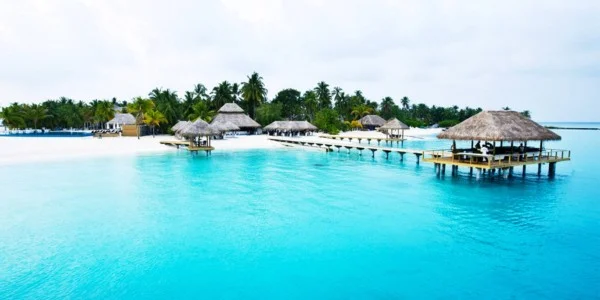
Seychelles Island Escape
Visit the jewel of the Indian Ocean with blue azure waters and white sandy beaches.
Plan My SafariWhat to do in Cape Town
Cape Town activities cluster around Table Mountain, the Atlantic seaboard, the Winelands (40-60 minutes' drive), and the southern peninsula.
Most visitors allocate three to four days in the city, often before or after a safari.
Peak season runs December to February; shoulder season (September to November, March to April) offers better weather stability and fewer crowds than mid-winter.
When is the best time to visit Cape Town?
December to February is Cape Town's summer: beach weather, long days, and high tourist numbers. Accommodation books early and rates peak. March to April (autumn) and September to November (spring) offer warm daytime temperatures (21-25°C), lower hotel rates, and stable weather for outdoor activities.
Winter (June to August) is cooler (around 20°C) and wetter, but whale watching from Hermanus peaks July to October. Most travellers prefer September to April unless specifically targeting whale season.
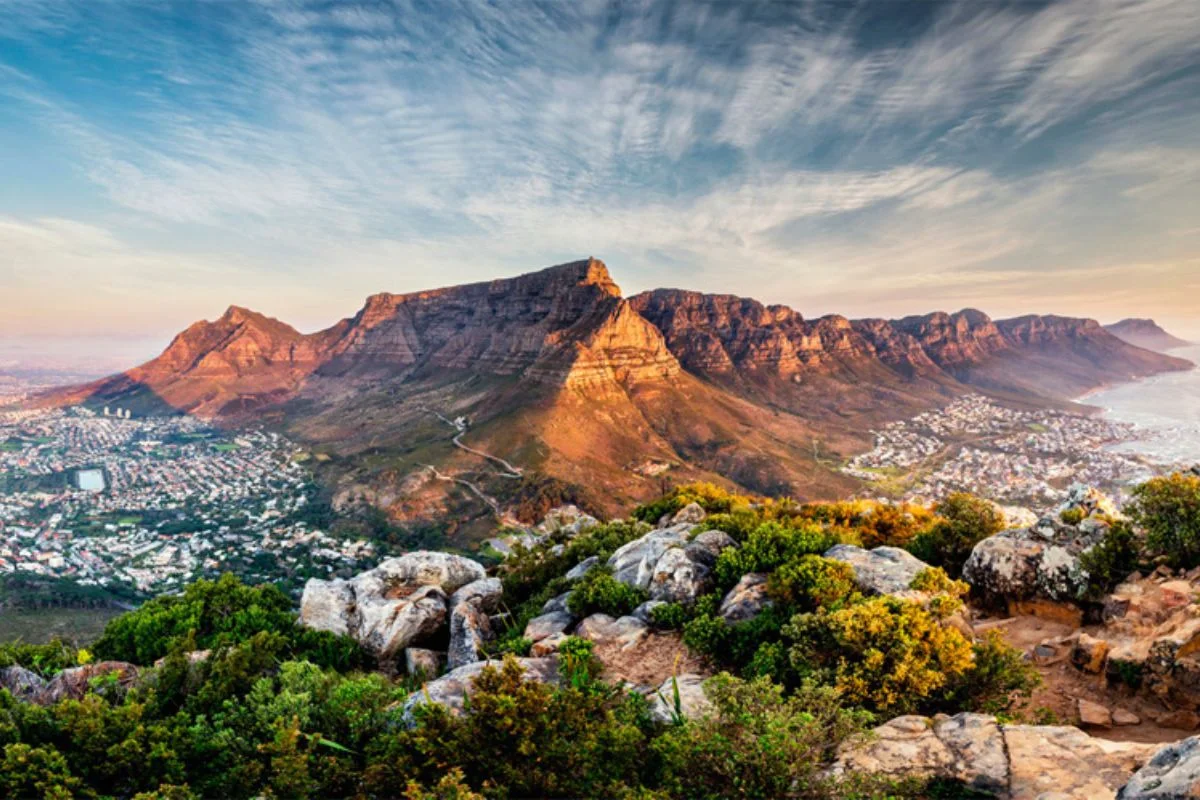
Table Mountain
Table Mountain is a 1,085-metre flat-topped massif above the city. You can hike to the summit (Platteklip Gorge route takes 2-3 hours) or ride the rotating cable car (8-10 minute ascent). Cable car tickets cost around $20 return; book online to skip queues.
The cable car closes in high winds (common in summer). Views from the summit span the city, harbour, Atlantic seaboard, and Robben Island. Allocate 2-3 hours including summit time. Early morning or late afternoon offers the best light and fewer crowds.
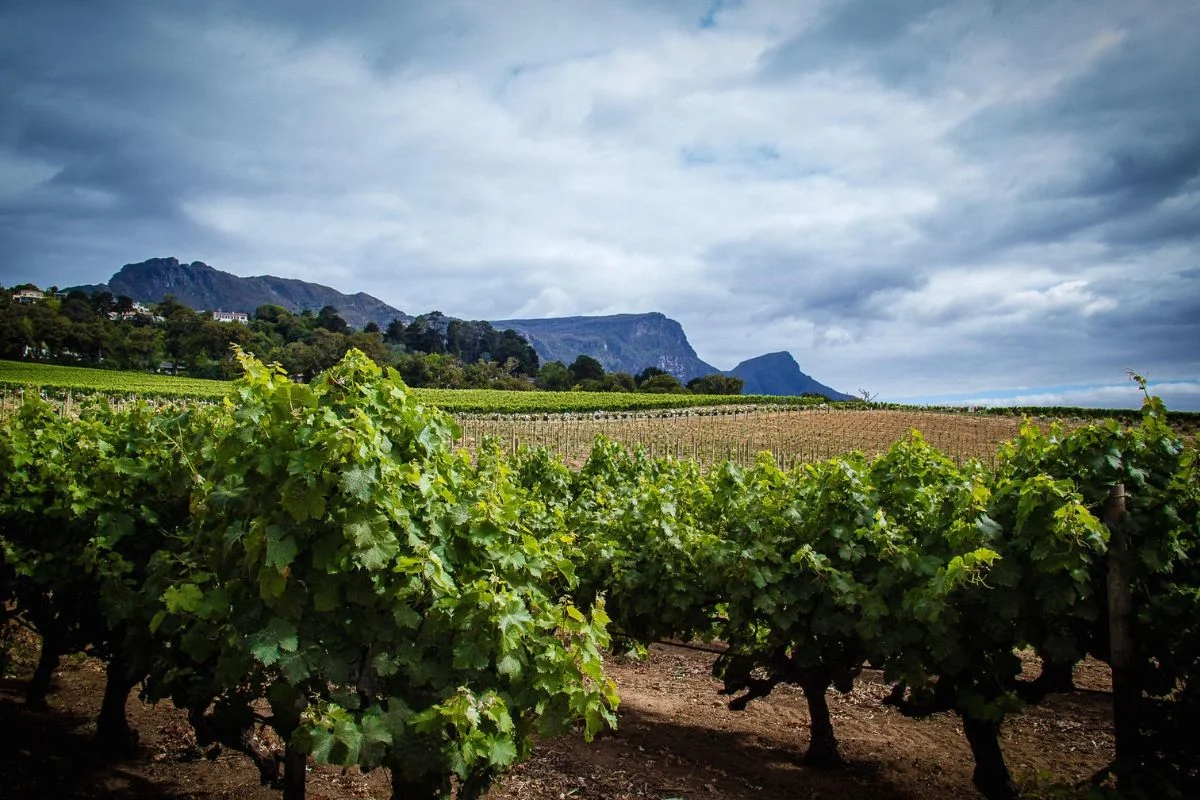
Cape Winelands
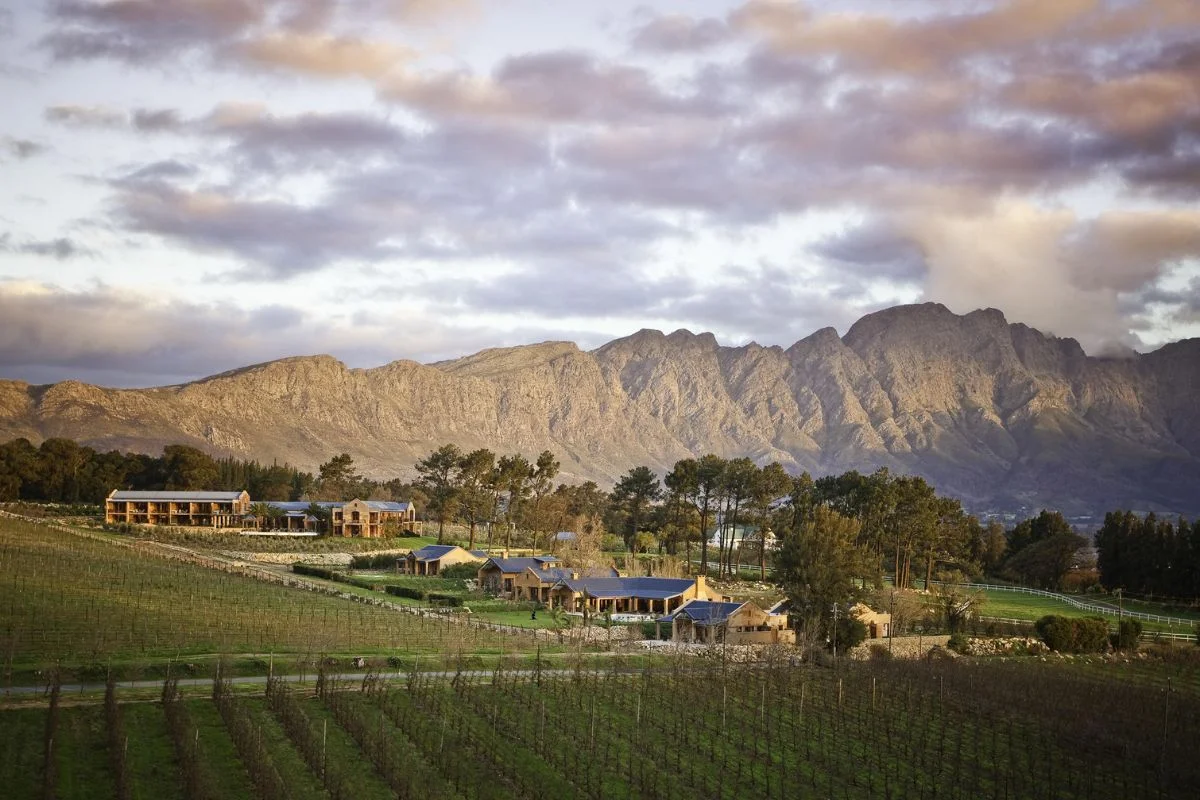
The Winelands comprise Stellenbosch, Franschhoek, and Paarl, 40-60 minutes' drive from Cape Town. Estates produce Chenin Blanc, Pinotage, and Bordeaux-style reds.
Typical day tours include 3-4 estate visits with tastings (around $8-15 per tasting), lunch at a wine-estate restaurant, and transport.
Private guide day tours cost $150-250 per person; group tours run $60-100. Franschhoek specialises in fine dining; Stellenbosch has the highest concentration of estates.
Constantia, 20 minutes from the city centre, works for a half-day visit. Most estates require booking; some offer cellar tours.
Southern peninsula and Boulders Beach
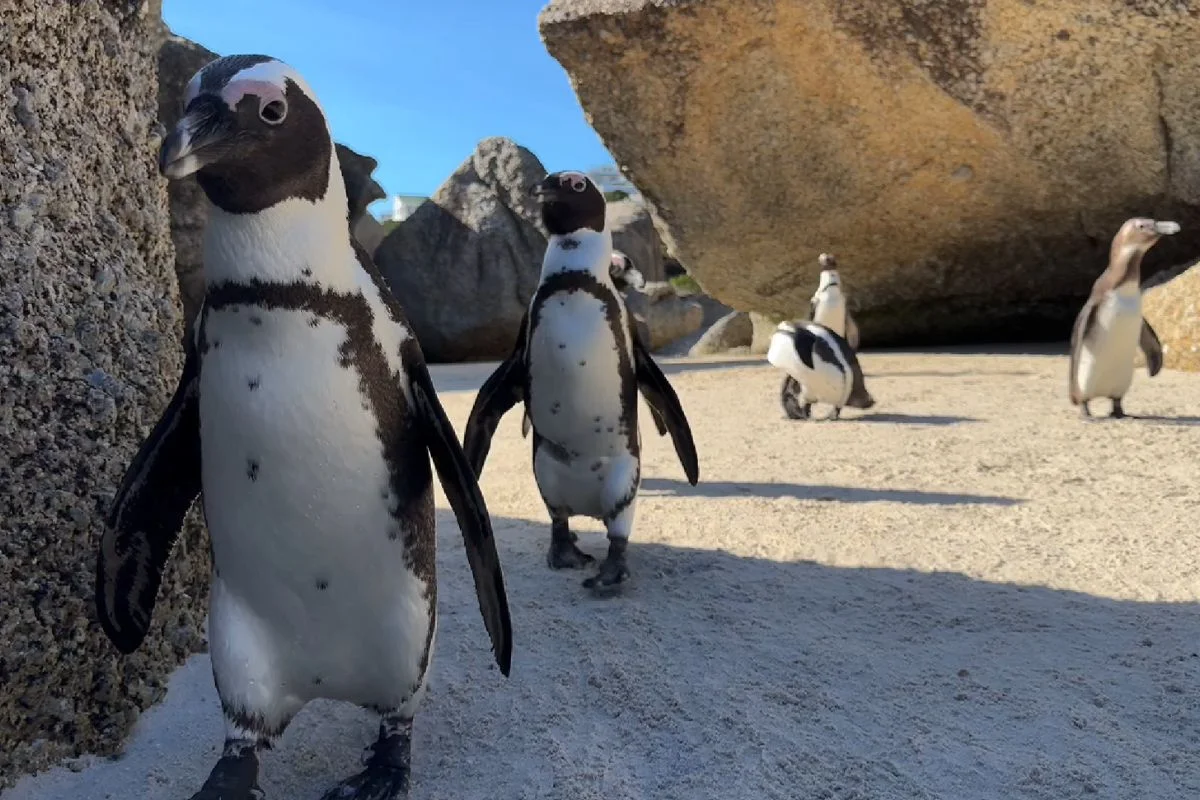
The southern peninsula runs from Cape Town to Cape Point, the continent's south-western tip. Chapman's Peak Drive is a coastal route with Atlantic views; Boulders Beach near Simon's Town holds a penguin colony (African penguins, around 3,000 birds).
Entry to Boulders costs around $10; you can view penguins from boardwalks or swim at adjacent Foxy Beach (penguins enter the water). The drive to Cape Point takes 90 minutes; most visitors combine Chapman's Peak, Boulders, and Cape Point in a full-day loop. Self-drive is straightforward; guided tours cost $80-120 per person.
Whale watching
Southern right whales visit the Western Cape coast June to November, peaking August to October. Hermanus, 90 minutes from Cape Town, offers shore-based whale watching from clifftop paths (free) or boat tours ($60-100 per person, 2-3 hours).
Whales come close to shore to calve. Gansbaai, 15 minutes beyond Hermanus, is the base for shark cage diving.
Day tours from Cape Town combine Hermanus whale watching with Winelands stops; private tours cost $150-200 per person. Self-drive to Hermanus is easy (coastal R44 route). September to October offers the highest whale numbers.
Visit Cape Town
Visit the number one rated city in the world with 8 blue flag beaches, swimming with penguins and so much more
Plan My SafariShark cage diving
Shark cage diving targets great white sharks off Gansbaai, 2.5 hours from Cape Town. Operators use bait to attract sharks to a cage suspended off a boat.
You descend in the cage (no scuba certification required; air supplied by surface hookah line) for 15-20 minute intervals.
Tours last 5-6 hours including boat time; expect $120-180 per person. Peak shark activity runs May to September.
Some visitors experience seasickness (the Atlantic can be rough). Book with operators certified by the Department of Environmental Affairs. Most Cape Town hotels arrange transfers; add $40-60 per person for hotel pick-up.
Costs and budgeting
Cape Town hotel rates vary by season and property tier. Five-star all-inclusive properties (The Silo, Ellerman House, One&Only) run $275-600 per person per night.
Mid-tier bed and breakfast hotels start around $100-150. Add $60-120 per person per day for meals outside the hotel (mid-range restaurants), $80-150 for guided day tours, and $15-25 for Ubers or taxis within the city.
A four-night Cape Town stay including hotel, meals, and three guided day tours typically costs $1,500-2,500 per person, excluding international flights. Self-drive and group tours reduce costs; private guides and top-tier hotels push budgets higher.
Safety for tourists
Cape Town is safe in tourist areas (V&A Waterfront, Camps Bay, Constantia, the Winelands, Table Mountain, southern peninsula) during the day and evening.
Avoid walking alone at night outside hotel precincts, don't display cameras or phones in unfamiliar neighbourhoods, and use registered taxis or Uber rather than hailing street cabs.
Petty theft (bag snatching, car break-ins) occurs in busy areas; lock valuables in hotel safes and don't leave items visible in parked cars.
Townships and the Cape Flats require a guide. Violent crime against tourists is rare in the areas listed above. Exercise the same caution you would in any large city.
Last updated: August 2026