
Top 5 Things to Do in South Africa: Safaris, Coast and Winelands
In this article we look at the most popular destination to visit in Africa for a multi-experience trip with best-in-class cuisine, accommodation, scenery and wildlife.

South Africa draws over 16 million visitors a year with a rare combination of wildlife, coastline, and culinary excellence.
The top 5 things to do in South Africa are Big Five safaris in Kruger National Park, swimming with penguins at Boulders Beach, wine and food tours in Franschhoek, shark cage diving and whale watching in Hermanus, and taking the cable car up Table Mountain for ocean and city views. Each experience is accessible from Cape Town or Johannesburg, and can be combined in a single 10- to 14-day itinerary.
Key takeaways
Kruger National Park offers more large mammal species (140+) than any other African destination, with lodges across all price tiers.
Boulders Beach near Cape Town lets you swim alongside an African penguin colony in a protected cove.
Franschhoek, 40 minutes from Cape Town, hosts Top 50 global restaurants and award-winning wine estates with South African terroir.
Hermanus is one of the world's three best shore-based whale watching sites (June to November) and offers cage diving with great white sharks.
Table Mountain cable car runs daily (weather permitting); book ahead in peak season (December to February) to avoid queues.
Most visitors combine Cape Town (coast, wine, culture) with a Kruger safari for a complete South African experience.
Seychelles Island Escape
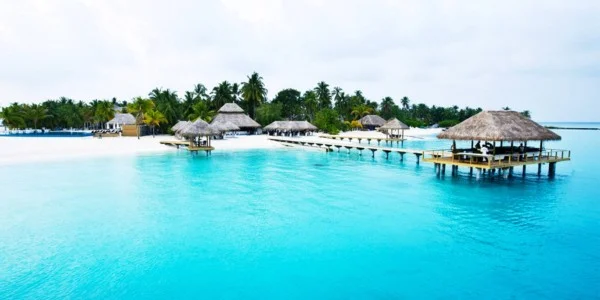
Visit the jewel of the Indian Ocean with blue azure waters and white sandy beaches.
Plan My Safari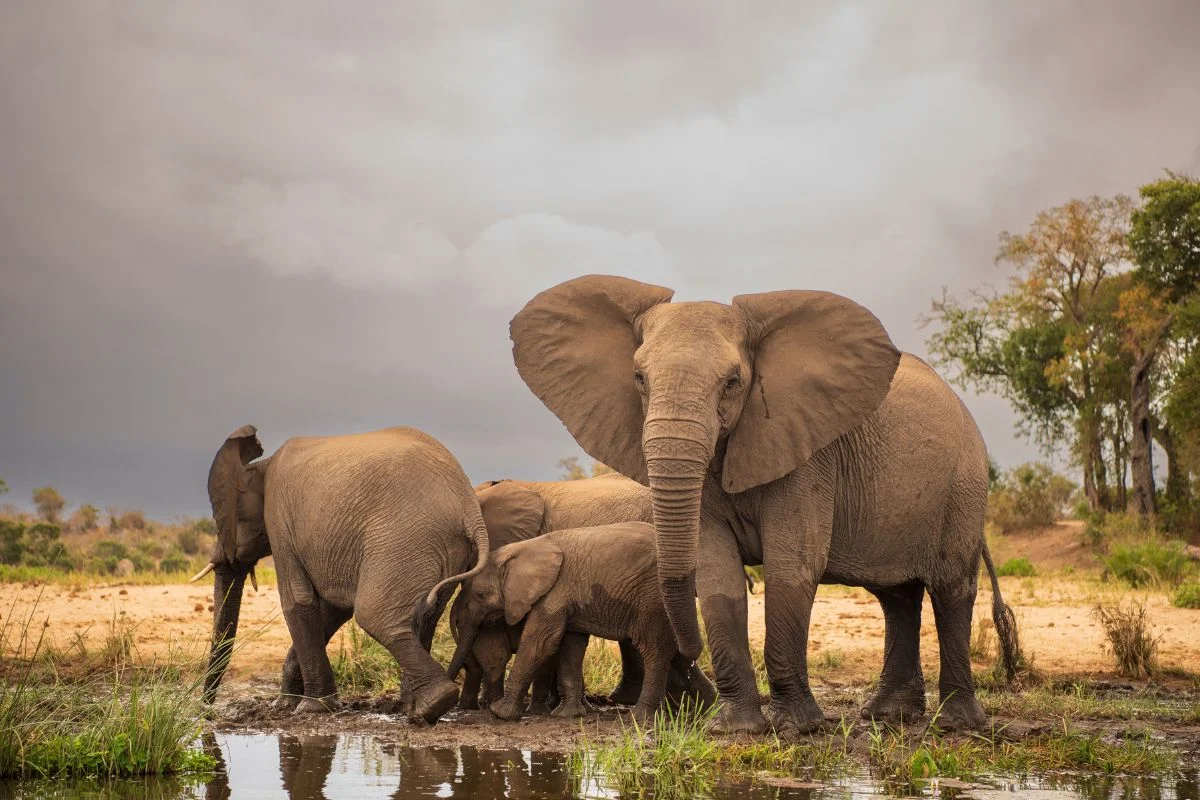
1. Wildlife safaris in Kruger National Park
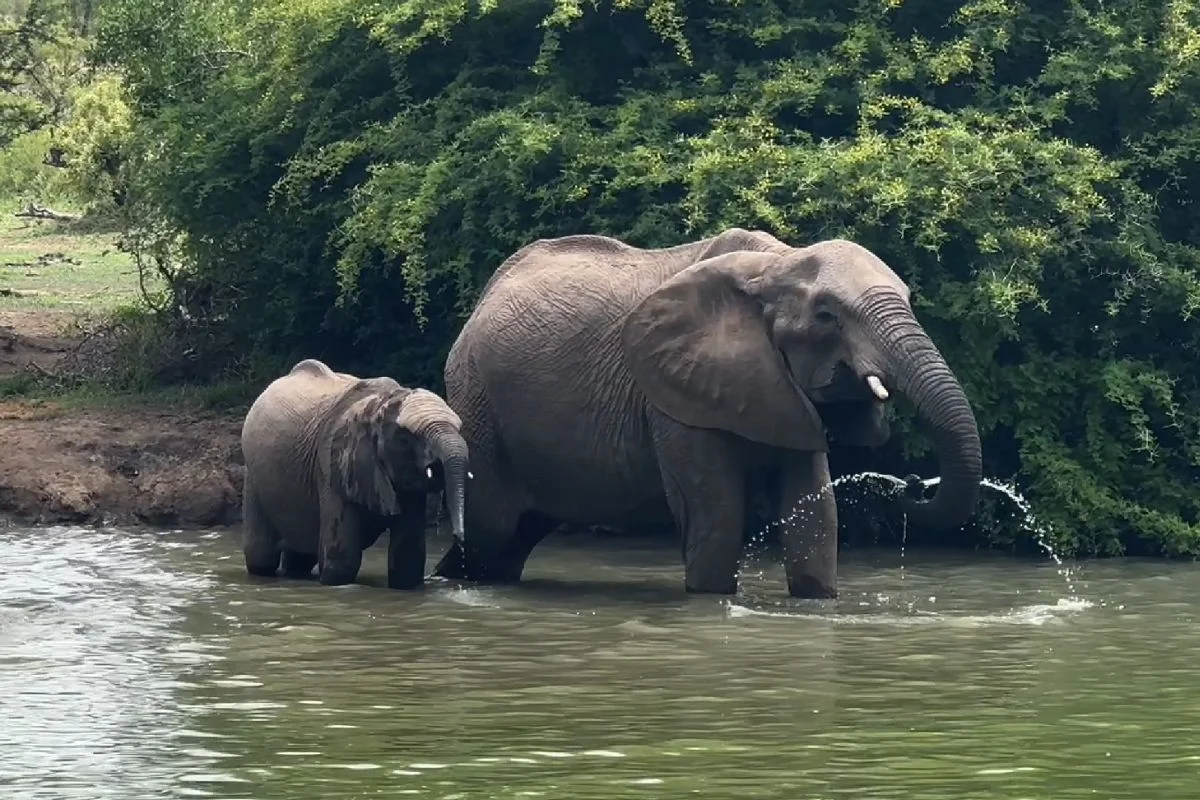
Kruger National Park is South Africa's premier safari destination and the reason most international visitors fly in. The park protects more than 140 large mammal species, including the Big Five (lion, leopard, elephant, buffalo, rhino), and over 500 bird species.
No other single reserve in Africa matches Kruger's diversity of large mammals, and the range of accommodation styles means travellers on mid-range and luxury budgets both find suitable options.
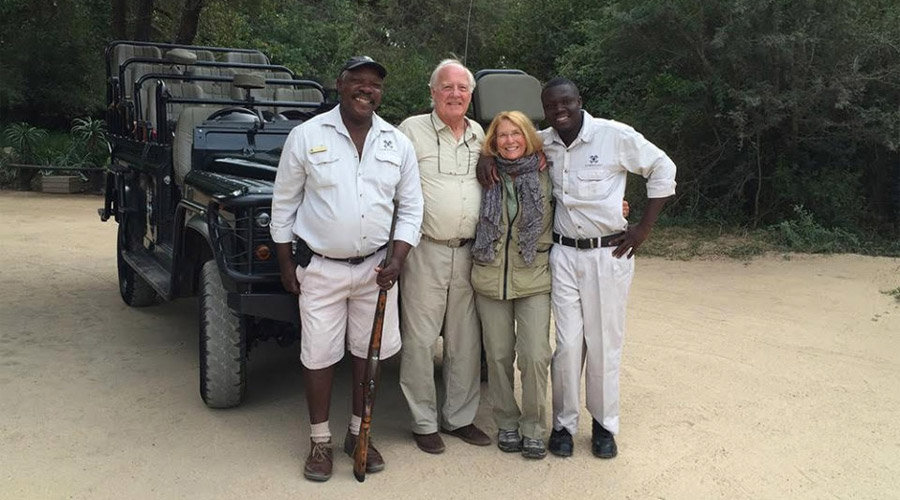
Most lodges inside and around Kruger include two daily game drives: one departing at sunrise (around 05:30 to 06:00) and a second in mid to late afternoon (15:30 to 16:00).
Drives last three to four hours and are led by professional guides in open-top 4x4 vehicles. Some lodges also offer guided walking safaris, hot air balloon flights over the bushveld, or helicopter game viewing.
How much does a Kruger safari cost?
Budget for $250 to $450 per person per night in a mid-range private lodge with full board and twice-daily game drives.
Five-star luxury lodges range from $600 to over $1,200 per person per night. Self-drive visitors staying in Kruger's rest camps pay around $30 to $60 per night for basic accommodation, plus park entry fees of roughly $25 per adult per day, but miss out on guided game drives and lodge amenities.
2. Boulders Beach and the African penguin colony
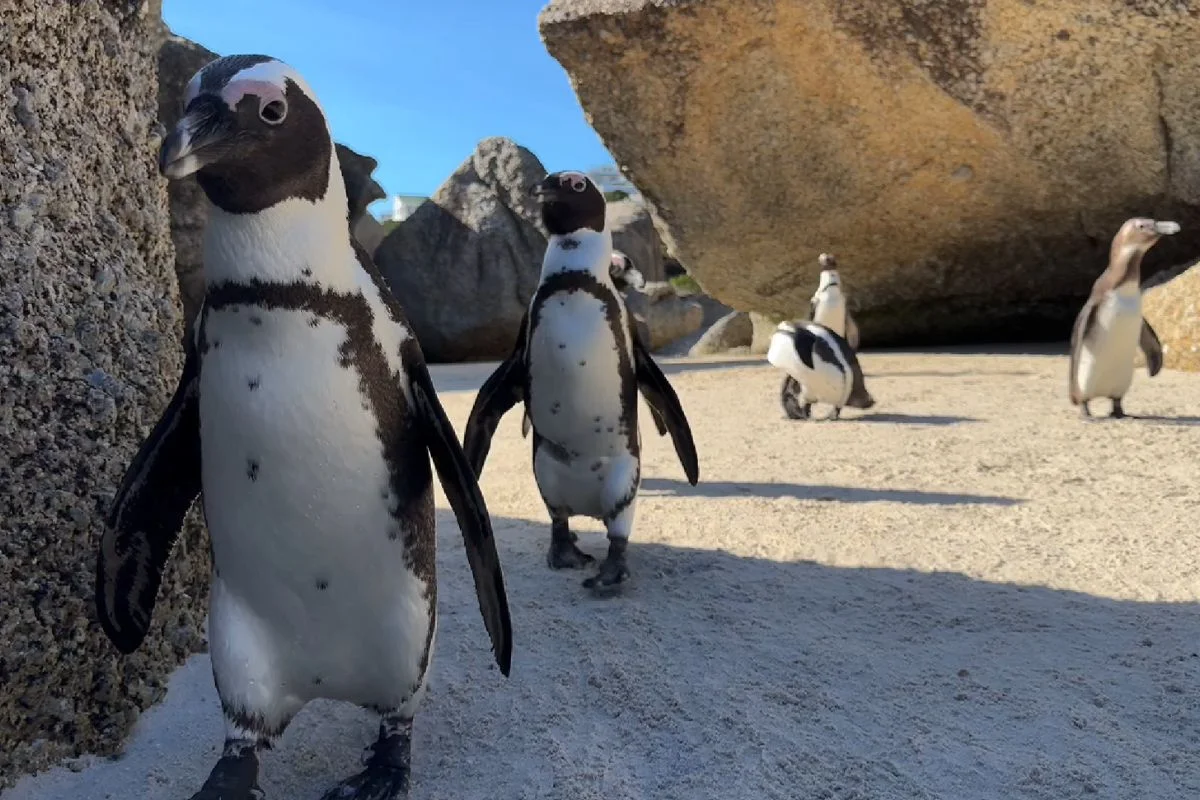
Boulders Beach sits in Simon's Town, a 45-minute drive south of Cape Town. The beach is home to a colony of African penguins, a species endemic to southern Africa and listed as endangered. A boardwalk lets you observe the colony at close range, and a sheltered cove allows swimmers to share the water with penguins in a calm, family-friendly setting.
Entry costs around $4 per adult. Weekday visits are quieter; arrive early (08:00 to 09:00) to avoid midday crowds. The beach works well as part of a half-day or full-day tour of the Cape Peninsula, which also includes Chapman's Peak Drive, the Cape of Good Hope, Hout Bay, and Noordhoek.
3. Wine and food in Franschhoek
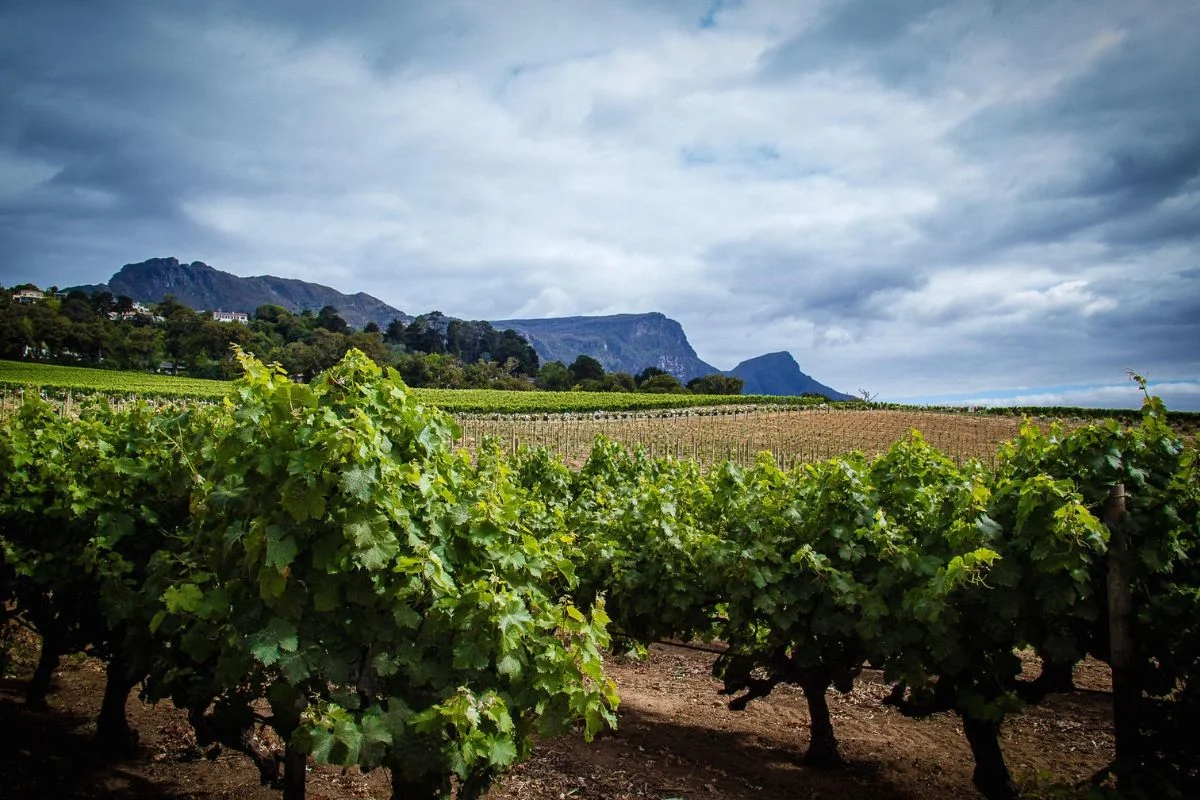
Franschhoek, a small town 75 kilometres east of Cape Town at the foot of the Cape Fold Mountains, is South Africa's culinary and wine capital. The town was settled by French Huguenots in the late 17th century, and Dutch and French architecture still lines the main street.
Several restaurants here rank in global Top 50 lists, and the surrounding wine estates produce chenin blanc, cabernet sauvignon, and shiraz that regularly win international awards.
Wine estates offer tasting flights (typically $8 to $15 per person) and estate tours. Many pair tastings with food; some have Michelin-level tasting menus.
The town itself has art galleries, farm shops, and walking trails. Plan a full day to visit two or three estates and lunch at one of the fine-dining restaurants.
Can you visit Franschhoek without a car?
Yes. Private day tours from Cape Town cost around $150 to $250 per person and include hotel pickup, visits to two or three estates, and lunch. Some operators run group tours at lower rates.
The Franschhoek Wine Tram is a hop-on, hop-off tram and tram-bus service linking estates; tickets are around $35 and let you visit four to five wineries without driving. Book the tram in advance during peak season.
4. Shark cage diving and whale watching in Hermanus
Hermanus is a coastal town 120 kilometres southeast of Cape Town, known for two marine experiences: shore-based whale watching and cage diving with great white sharks. Southern right whales migrate here to calve between June and November, and the town's cliff path offers some of the world's best land-based whale viewing. Peak months are August to October.
Shark cage diving operates year-round from nearby Gansbaai, a 20-minute drive from Hermanus. Operators take groups out on boats; once anchored, a steel cage is lowered into the water and baited to attract sharks. You wear a wetsuit and breathe through a snorkel while submerged in the cage for 10- to 15-minute intervals. Full-day trips cost $120 to $180 per person and include breakfast, lunch, and wetsuits. No diving certification is required.
Hermanus also has a small winelands district producing sauvignon blanc and pinot noir; a wine estate visit can be added to a shark diving day trip.
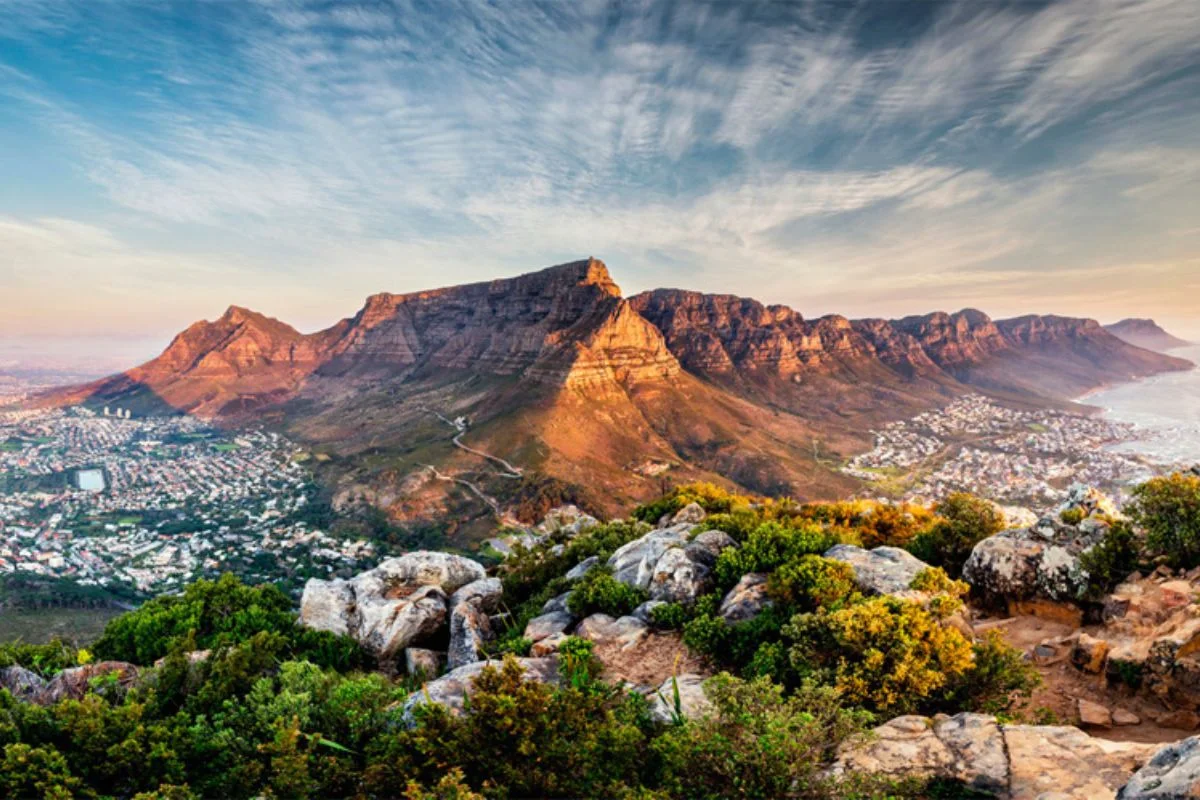
5. Table Mountain and Cape Town views
Table Mountain rises 1,085 metres above Cape Town and offers 360-degree views over the city, the Atlantic and Indian oceans, and Robben Island.
The rotating cable car takes three minutes to reach the summit plateau; queues can stretch to two hours during peak season (December to February), so book tickets online in advance and aim for early morning (08:00 to 10:00) or late afternoon slots.
The cable car costs around $20 per adult return. Hikers can take the Platteklip Gorge trail, which takes two and a half to three and a half hours to the top depending on fitness.
Other trails (India Venster, Skeleton Gorge) are steeper and require scrambling. Weather changes quickly; the cable car shuts in high winds. Check the Table Mountain Aerial Cableway website for live operating status.
What is the best time of day to visit Table Mountain?
Early morning (08:00 to 10:00) offers the clearest light, smallest crowds, and calmest winds. Afternoon slots can be busy, and cloud (the so-called tablecloth) often rolls over the summit after 15:00. Sunset visits are popular but book weeks ahead in peak season.
If the cable car is closed due to wind, wait a day; conditions can change overnight.
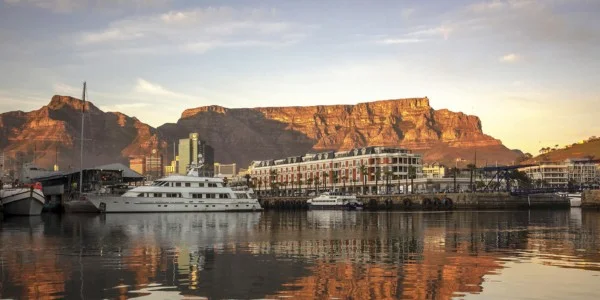
Visit Cape Town
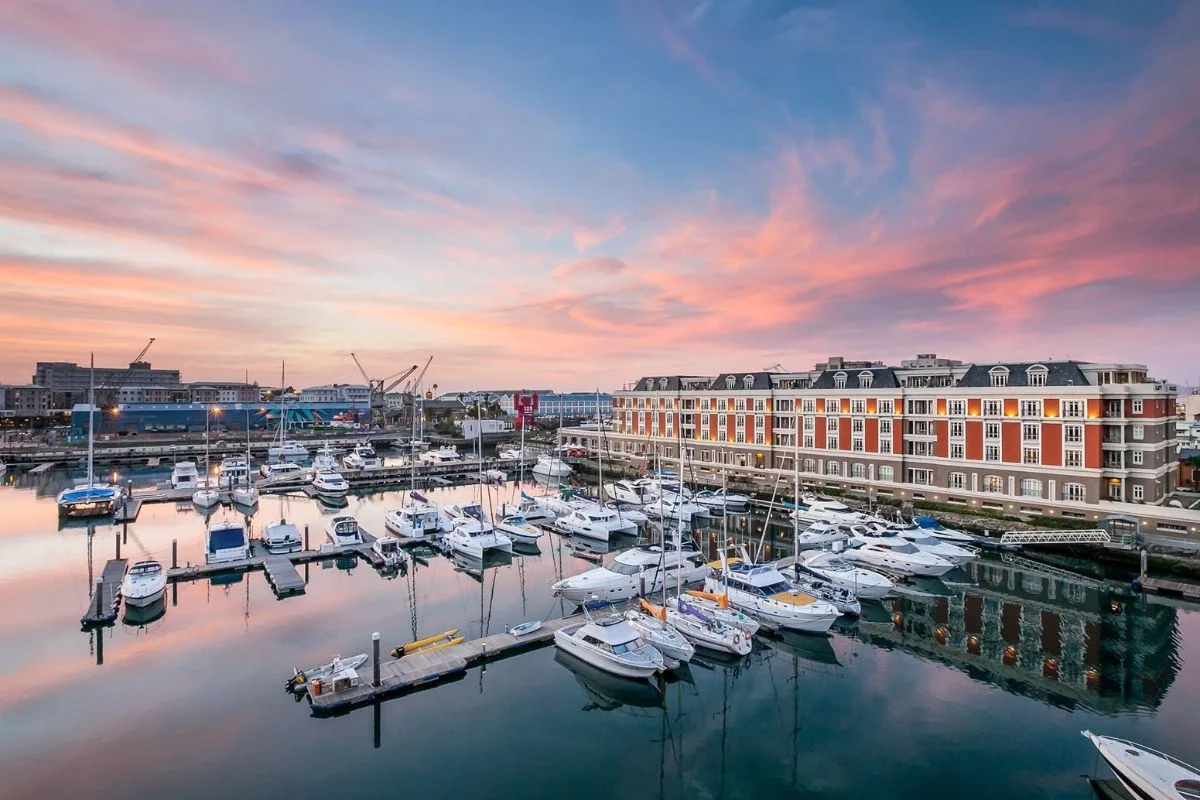
Visit the number one rated city in the world with 8 blue flag beaches, swimming with penguins and so much more
Plan My SafariCombining these experiences in one itinerary
Most visitors spend four to five days in the Cape Town region covering Boulders Beach, Franschhoek, Hermanus, and Table Mountain, then fly to Johannesburg and transfer to Kruger for a three- to five-night safari.
A typical 10- to 12-day South Africa itinerary includes three nights in Cape Town, one night in the Winelands (Franschhoek or Stellenbosch), and four nights in or near Kruger. Add two nights in Hermanus if whale season (June to November) aligns with your dates, or substitute the Garden Route (Knysna, Plettenberg Bay) for coastal scenery and forest hikes.
Internal flights between Cape Town and Kruger Mpumalanga International Airport take two hours. Alternatively, fly into Johannesburg, spend one night in the city or Pretoria, then drive or fly to Kruger.
Self-drive is feasible (Cape Town to Hermanus is 90 minutes; Cape Town to Franschhoek is 60 minutes), but most luxury travellers book private guides or join small-group tours for wine, whale, and shark experiences.
Frequently asked questions
What is the best time of year to visit South Africa for these activities?
May to September is South Africa's dry season and the best window for Kruger safaris; animals congregate around water and vegetation is sparse, making sightings easier. Whale watching in Hermanus runs June to November, peaking in August and September.
December to February is summer; Cape Town beaches and wine estates are busy, temperatures reach 30°C, and rates rise. March to April and October to November are shoulder months with good weather, moderate crowds, and lower lodge rates except around Easter and South African school holidays.
How much does a 10-day South Africa trip cost?
Budget $4,000 to $6,000 per person for a mid-range 10-day trip including internal flights, mid-tier lodges in Kruger (around $350 per night), three-star hotels in Cape Town, car hire, and guided day tours for Boulders Beach, Franschhoek, and Table Mountain.
Luxury travellers spending four nights in a five-star Kruger lodge and staying at boutique Cape Town properties should budget $8,000 to $12,000 per person. International flights (not included) from the US or UK range from $800 to $1,500 return depending on season and routing.
Is it safe to travel independently in South Africa?
Yes, with standard precautions. Cape Town's tourist areas (Waterfront, city bowl, Camps Bay, Constantia winelands) are safe during the day; avoid walking alone after dark and use registered Uber or metered taxis.
Kruger lodges handle all logistics; self-drivers in Kruger must stay in vehicles except at designated rest camps.
Hermanus and Franschhoek are small towns with low crime rates. Keep valuables out of sight in parked cars, use hotel safes, and book reputable operators for shark diving and other activities.
Can you do a Kruger safari and Cape Town in one week?
Seven days is tight but workable if you fly directly between Cape Town and Kruger. Allocate three nights in Kruger (arriving day one afternoon, two full days of game drives, departing morning of day four) and three nights in Cape Town (Table Mountain, Boulders Beach, and one Winelands day trip).
This pace skips Hermanus and limits Cape Town exploration, but covers the two anchor experiences. Ten days is more comfortable and allows a fourth night in Kruger or a side trip to Hermanus or the Garden Route.
Do I need a visa to visit South Africa?
Visitors from the US, UK, EU, Canada, and Australia receive a 90-day visa-free entry stamp on arrival. Your passport must be valid for at least 30 days beyond your departure date and have at least two blank pages.
South Africa requires a yellow fever vaccination certificate only if you are arriving from a yellow fever endemic country (not required from Europe, North America, or most southern African nations). Check the latest entry requirements on the South African Department of Home Affairs website before departure.
What should I pack for a South Africa trip covering safaris and Cape Town?
For Kruger, bring neutral-coloured clothing (khaki, olive, beige) for game drives, a warm fleece or jacket for early morning drives (winter mornings can drop to 5°C), a sun hat, sunscreen, insect repellent, and binoculars.
Cape Town requires layers: a windproof jacket (the Cape Doctor wind is strong year-round), sunglasses, comfortable walking shoes for Table Mountain and the Waterfront, and smart-casual attire for Franschhoek restaurants.
Pack a swimsuit for Boulders Beach and hotel pools. Most Kruger lodges offer laundry services, so you can pack light and re-wear items.
Last updated: July 2026