

Kruger National Park in South Africa is Africa's most popular safari destination, combining exceptional wildlife diversity with luxury private reserves.
Kruger National Park offers the best overall wildlife safari experience in Africa, with the Big Five, 140+ large mammal species, and 500+ bird species. Luxury all-inclusive lodges in the private reserves start from $557 per person per night, with five-star premier properties exceeding $1,127. The park's private concessions deliver superior game viewing with fewer vehicles and expert guides.
Key takeaways
Kruger hosts more wildlife species than any other African reserve, with 140+ large mammals and 500+ birds.
All-inclusive luxury lodge rates range from $557 per person per night in four-star properties to over $1,127 in five-star premier camps.
Private reserves such as Sabi Sand and Timbavati offer off-road driving and exclusive guiding not permitted in the public park.
May to September (dry winter months) deliver the best game viewing, with animals concentrated around permanent water sources.
Six lodges in the Kruger ecosystem hold South Africa's Five Star Premier grading, the country's highest hospitality standard.
Why Kruger National Park is Africa's top safari destination
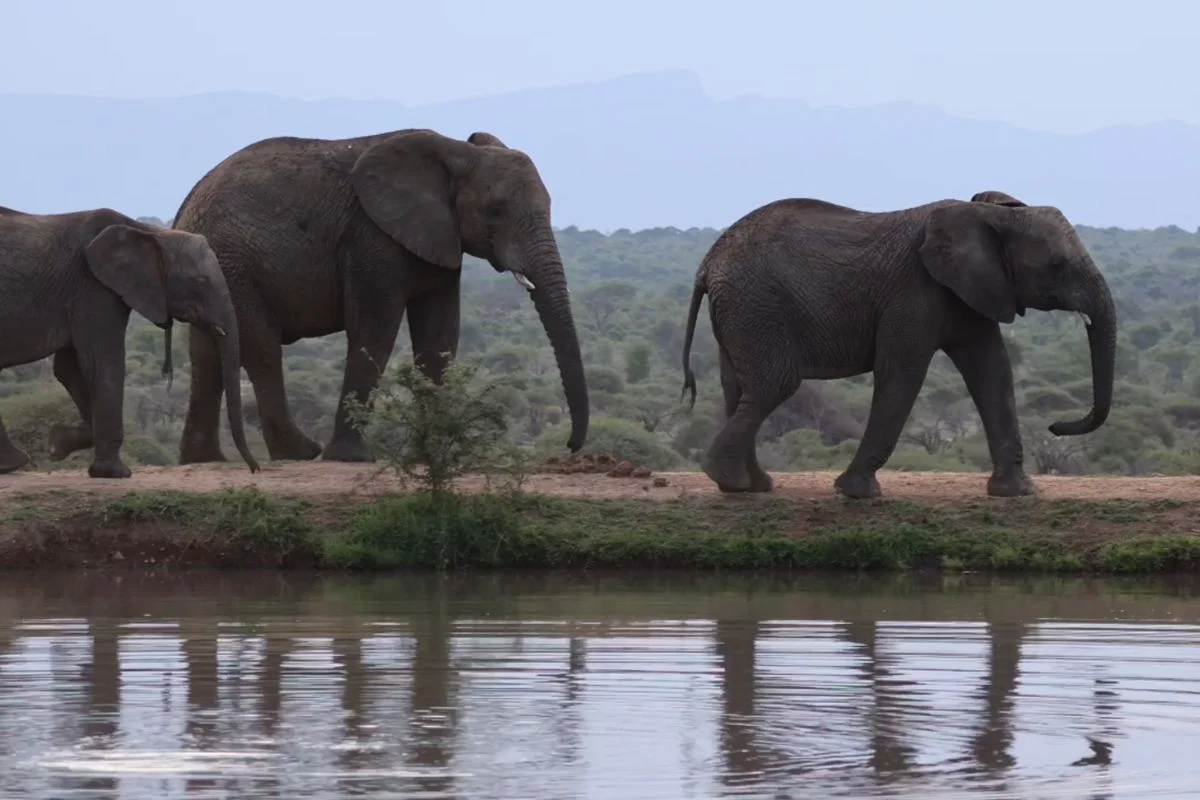
Kruger National Park receives more visitors annually than any other African wildlife reserve because it combines three critical advantages: unmatched species diversity, reliable Big Five sightings, and a mature luxury lodge industry in adjacent private reserves.
The park protects roughly 20,000 square kilometres of lowveld habitat, but most high-end safaris take place in the private concessions along its western boundary, where lodges operate exclusive game-viewing areas with no public access.
The private reserves share unfenced borders with Kruger, so wildlife moves freely between the public park and the concessions.
This open system delivers the biodiversity of a vast national park with the service standards and guiding flexibility of a private reserve. Lodges in Sabi Sand, Timbavati, Klaserie, and Balule concessions can drive off-road to follow predators, conduct walking safaris with armed rangers, and limit the number of vehicles at a sighting.
How does Kruger compare to other African safari destinations?
Kruger offers broader species variety than East African parks such as the Masai Mara or Serengeti, which are known for seasonal migrations but fewer resident species overall. Kruger's permanent populations include wild dog, cheetah, both black and white rhino, and dense concentrations of elephant and buffalo. The Okavango Delta in Botswana rivals Kruger for luxury and exclusivity but at significantly higher cost, with comparable lodges starting above $1,500 per person per night. For first-time safari visitors, Kruger delivers the most comprehensive wildlife experience at the widest range of budgets.
Kruger / Sabi Sand — best time to visit
| J | F | M | A | M | J | J | A | S | O | N | D | |
|---|---|---|---|---|---|---|---|---|---|---|---|---|
| High °C | 32° | 31° | 30° | 28° | 26° | 24° | 24° | 26° | 28° | 29° | 30° | 31° |
| High °F | 90° | 88° | 86° | 82° | 79° | 75° | 75° | 79° | 82° | 84° | 86° | 88° |
| Rain mm | 110 | 95 | 75 | 35 | 15 | 10 | 5 | 10 | 25 | 55 | 85 | 105 |
| Rating |
Kruger / Sabi Sand: Dry winter (May–Sep) gives the best game viewing; summer is lush but wet.
Ideal — Peak conditions — dry, comfortable, prime wildlife or beach time.
Good — Great conditions with brief showers or warmer days; still highly recommended.
Shoulder — Mixed weather — fewer crowds and lower rates, occasional rain.
Avoid — Heaviest rain or roughest seas; many camps and roads can be affected.
Wildlife and game viewing in Kruger
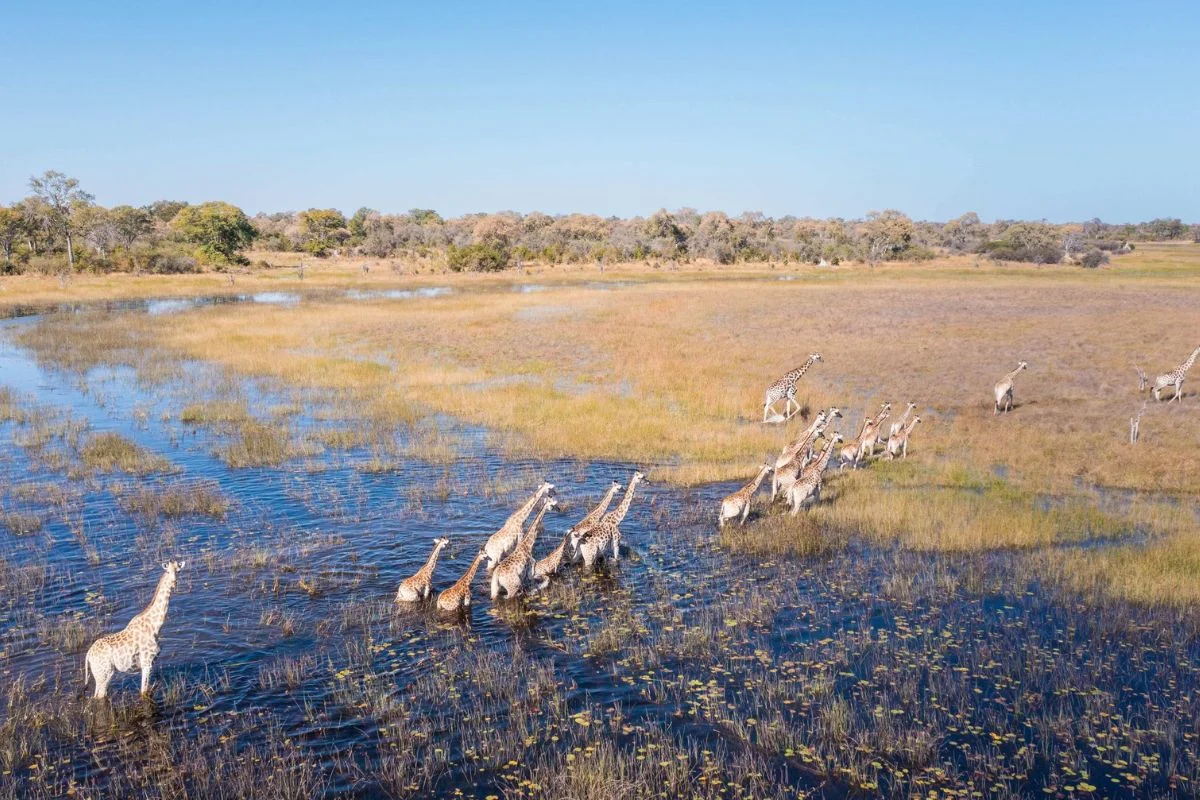
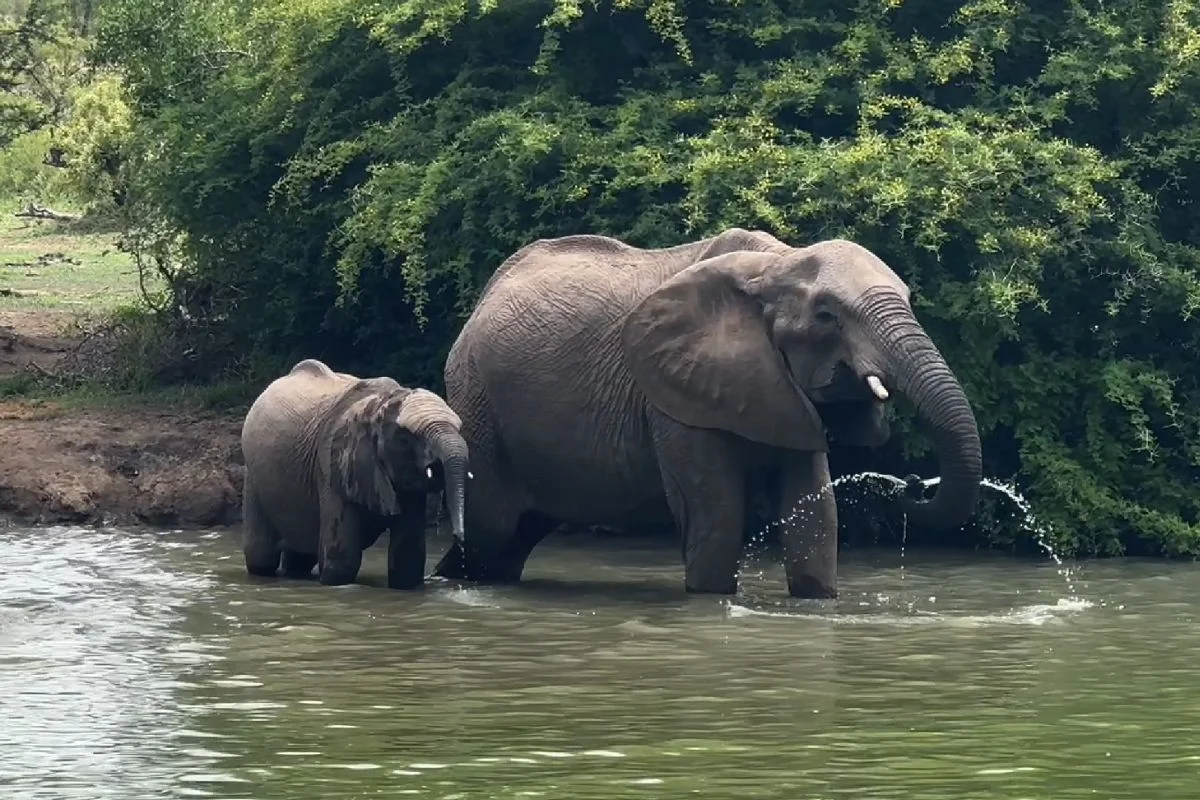
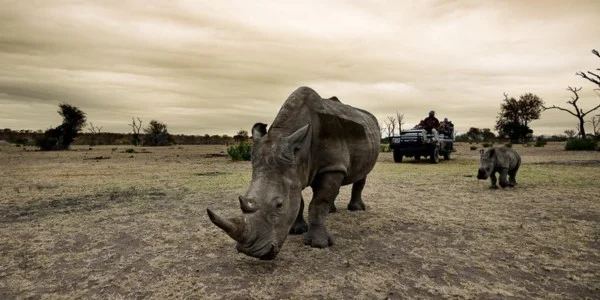
Kruger protects Africa's richest assemblage of large mammals. The park is home to the Big Five (lion, leopard, elephant, buffalo, rhino), plus cheetah, wild dog, giraffe, hippo, zebra, wildebeest, and more than a dozen antelope species.
Over 500 bird species have been recorded, including roughly 250 residents and 270 seasonal migrants, making Kruger a priority destination for birders.
Game viewing quality varies by season and location. The dry winter months (May to September) concentrate animals around rivers and waterholes, improving sighting reliability.
The southern and central sections of the park, and the private reserves along the Sabie and Sand rivers, consistently deliver the highest predator densities. Leopard sightings are particularly strong in Sabi Sand, where habituated individuals tolerate close vehicle approaches.
Visit Cape Town
Visit the number one rated city in the world with 8 blue flag beaches, swimming with penguins and so much more
Plan My Safari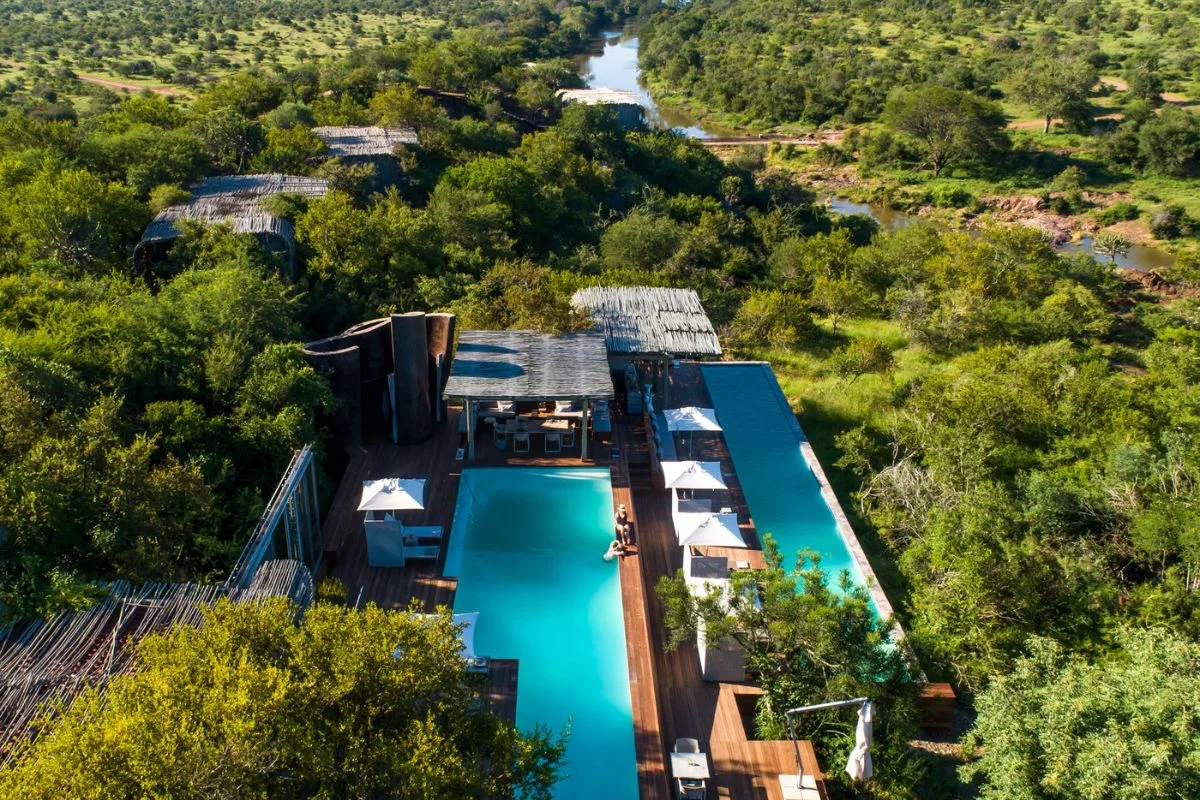
Best time to visit Kruger National Park
May through September is the optimal window for game viewing. Vegetation thins during the dry winter, visibility improves, and animals gather predictably at water sources.
Daytime temperatures range from 26°C to 28°C, with cold mornings (as low as 6°C in June and July) requiring layered clothing on early drives. These months also avoid the summer rains (November to March), which green the landscape but disperse wildlife and increase malaria risk.
October and April are shoulder months offering good wildlife and lower lodge rates. The summer wet season (December to February) brings afternoon thunderstorms, lush scenery, migratory birds, and newborn animals, but game viewing becomes less predictable as water is abundant everywhere. Summer temperatures peak around 32°C.
When is the best time to see leopards in Kruger?
Leopard visibility improves markedly in the dry season (May to September) when thinner bush and concentrated prey make sightings more frequent. Sabi Sand Private Game Reserve is renowned for habituated leopards that permit close approach year-round, but even there, winter delivers the most consistent sightings. Private reserves allow off-road tracking, a critical advantage when following leopards into dense riverine vegetation.
Kruger safari activities
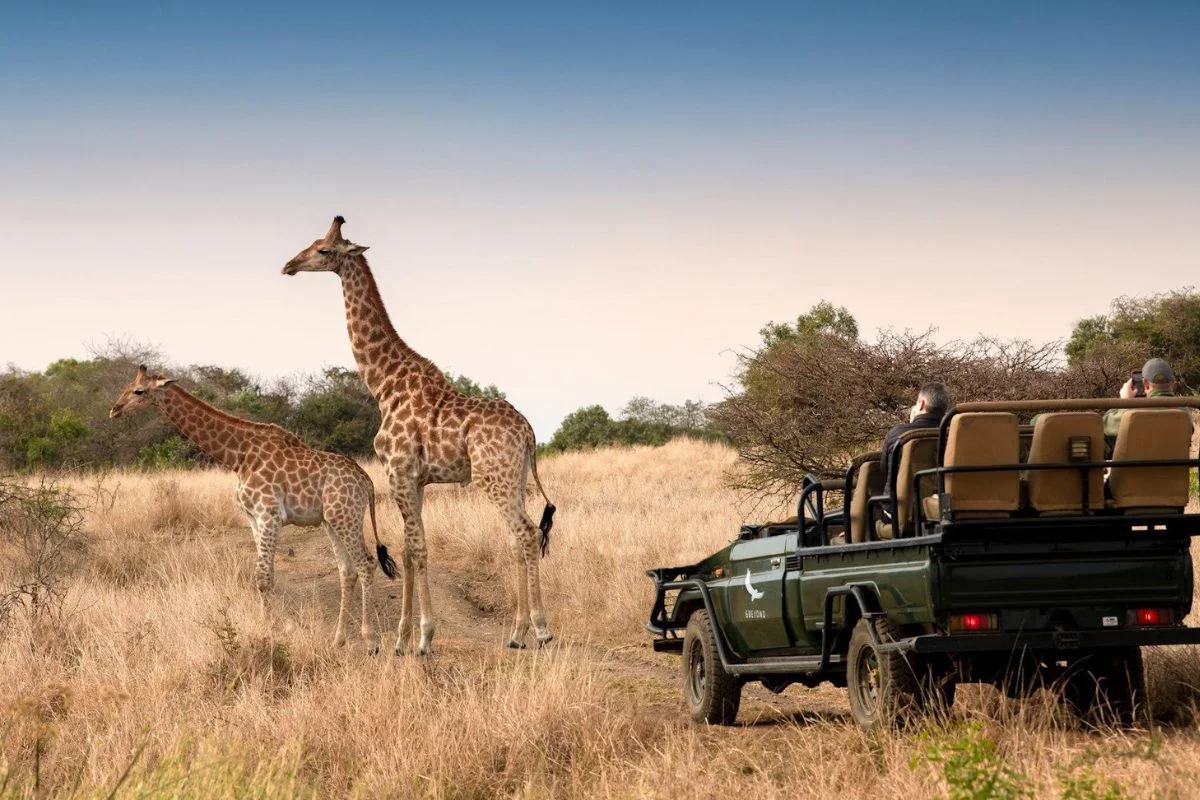
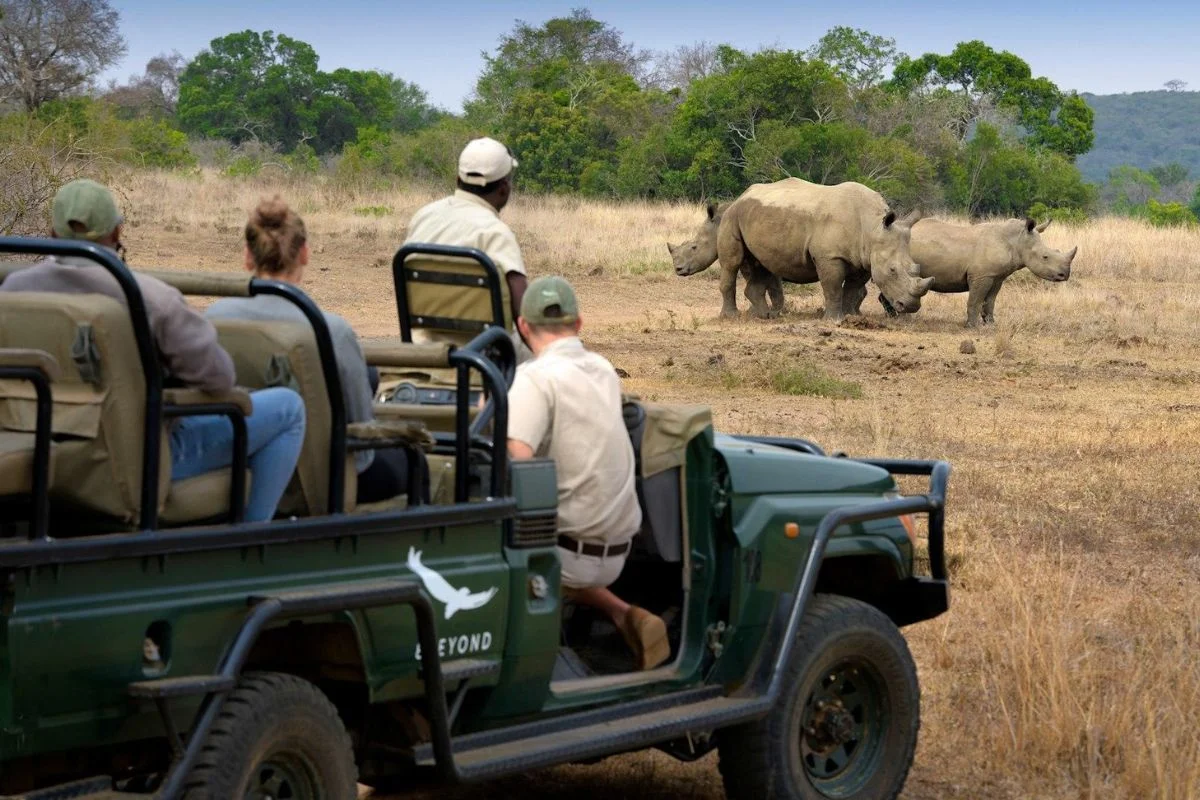
Luxury lodges in the private reserves offer twice-daily game drives in open 4x4 vehicles, typically departing at dawn and mid-afternoon. Drives last three to four hours and include a bush stop for sundowners on the evening outing.
Walking safaris with armed rangers are available at most camps and provide closer encounters with smaller species, tracks, and ecological detail missed from a vehicle.
Some lodges offer specialist experiences: hot-air ballooning over the reserve, photographic hides overlooking waterholes, and sleep-outs on elevated platforms under the stars.
Private guides are standard in the luxury tier. Each vehicle carries a professional ranger and a tracker, the latter seated on a front-mounted seat to read spoor and spot animals.
This two-person team model is specific to southern African lodges and materially improves sighting success compared to single-guide operations common elsewhere on the continent.
Top luxury lodges in Kruger's private reserves
The lodges below represent the upper tier of Kruger accommodation, all located in exclusive private reserves with shared wildlife access to the greater Kruger ecosystem.
1. Royal Malewane
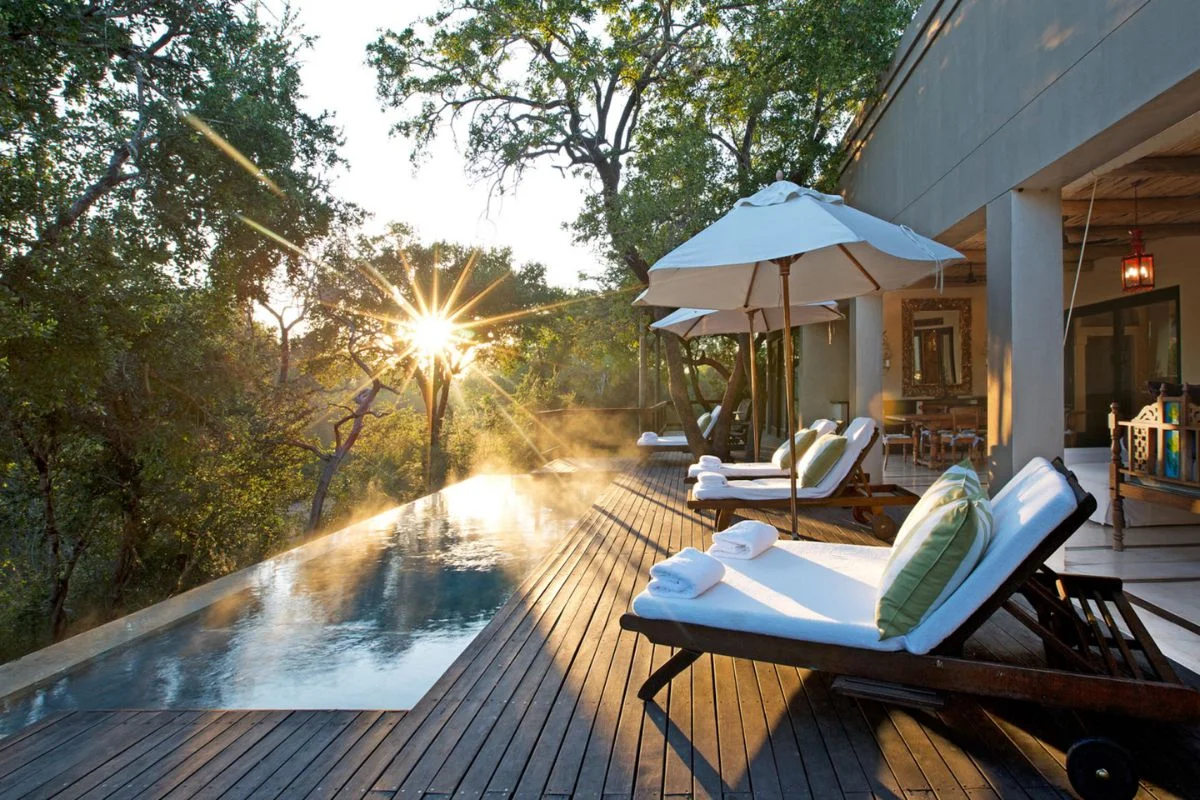
Royal Malewane holds Five Star Premier status from the Tourism Grading Council of South Africa, one of only ten properties in the country to achieve this grade. The lodge operates in the Thornybush Private Nature Reserve and is consistently ranked among Africa's top 20 lodges by Condé Nast Traveler.
Royal Malewane's guiding team includes several Field Guide Association of Southern Africa (FGASA) assessors, the highest qualification standard for safari guides in the region.
The lodge accommodates a maximum of 18 guests in suites and private villas. Rates start around $1,400 per person per night, all-inclusive.
2. Lion Sands Ivory Lodge
Lion Sands Ivory Lodge, also a Five Star Premier property, sits at the confluence of the Sabie and Sand rivers in the Sabi Sand reserve. The lodge offers eight private villas, each with a plunge pool, outdoor shower, and dedicated butler service. Ivory Lodge's location on the river delivers exceptional elephant and buffalo activity, and the Sabi Sand concession is known for the most reliable leopard sightings in southern Africa. Rates begin around $1,300 per person per night, including meals, drinks, and two daily game activities.
3. Singita Boulders Lodge
Singita Boulders Lodge occupies a prime riverfront position in Sabi Sand, with interiors designed around the natural boulder outcrops that give the lodge its name. Singita operates on a high staff-to-guest ratio, delivering personalised service and detailed guiding. The concession's game-viewing traversing area is extensive, and off-road pursuit of predators is standard practice. Rates exceed $1,500 per person per night in peak season, positioning Singita at the top of Kruger's pricing spectrum.
4. Camp Jabulani
Camp Jabulani in the Kapama Private Game Reserve offers a unique element: an elephant sanctuary where guests can walk with and learn about a resident herd of rescued elephants.
The lodge itself is a Five Star Premier property with six suites. While the elephant interaction is optional, it differentiates Camp Jabulani from other lodges in the region. Rates start around $1,200 per person per night, all-inclusive, with elephant experiences included.
5. Dulini Lodge
Dulini Lodge, part of the andBeyond portfolio, operates in the Sabi Sand reserve with a classic tented-camp aesthetic set among riverine forest. The lodge accommodates 12 guests in six suites. Dulini offers the same Sabi Sand wildlife access as higher-priced neighbours but at moderately lower rates, starting around $950 per person per night. The lodge appeals to travellers prioritising location and guiding quality over ultra-luxury fittings.
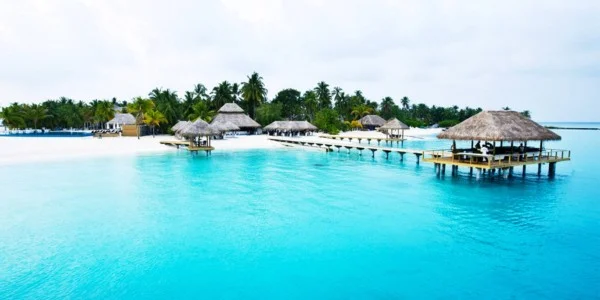
Seychelles Island Escape
Visit the jewel of the Indian Ocean with blue azure waters and white sandy beaches.
Plan My Safari6. Sabi Sabi lodges
Sabi Sabi operates four lodges within its private Sabi Sand concession: Selati Camp, Bush Lodge, Little Bush Camp, and Earth Lodge. The group offers a range of styles from colonial-classic to contemporary, all on the same exclusive traversing area. Rates vary by property, starting from approximately $700 per person per night at Bush Lodge and exceeding $1,100 at Earth Lodge. Sabi Sabi's multi-lodge model allows families or groups to choose accommodation style while sharing game-viewing access.
What is included in an all-inclusive Kruger safari lodge rate?
All-inclusive rates at Kruger's luxury lodges cover accommodation, all meals, house wines and spirits, two game activities per day (typically a morning and evening game drive), and laundry service.
Most lodges also include soft drinks, local beers, and selected premium spirits. Exclusions typically include champagne, imported spirits, spa treatments, and gratuities for guides and lodge staff. Return road or air transfers from the nearest airport (Hoedspruit, Skukuza, or Nelspruit) are sometimes included in three-night or longer packages but often quoted separately.
Kruger safari costs and budgeting
Luxury lodge rates in Kruger's private reserves start around $557 per person per night at four-star properties and rise to $1,800 or more at the Five Star Premier tier. Mid-tier lodges in the $700 to $900 range offer strong guiding, solid wildlife access, and comfortable accommodation without the design flourishes or low guest-to-staff ratios of the top properties.
Most lodges require a minimum two-night stay; three or four nights are recommended to maximise game-viewing opportunities and justify the cost of transfers.
Return flights from Johannesburg to Hoedspruit or Skukuza cost $250 to $400 per person. Road transfers from the nearest airstrip to the lodge add $150 to $300 per vehicle, depending on distance. Budget an additional $200 to $400 per person for gratuities, distributed among guides, trackers, and lodge staff at the end of the stay.
How to book a Kruger safari
Booking a Kruger safari through a specialist operator rather than directly with lodges often yields better value. Tour operators hold allocations at multiple properties and can package flights, transfers, and lodge nights at wholesale rates not available to individual travellers.
Operators also advise on lodge selection based on budget, group composition, and priorities (photography, birding, walking safaris), and handle complex multi-country itineraries if combining Kruger with other southern African destinations.
Book six to nine months ahead for travel during peak season (June to September) and South African school holidays (late June to mid-July, mid-December to mid-January). Shoulder months (April, May, October) offer more availability and lower rates. Some lodges discount by 20% to 30% in the wet summer months (November to March), though wildlife sightings are less predictable.
Last updated: August 2026