

What is the ideal African honeymoon safari itinerary?
There is no one size fits all honeymoon safari solution, but more than 70% of our visitors opt for 5-6 nights at safari destinations, and then 3-4 nights at a beach destination, for a total trip from 8-10 nights.
Typical cost
$500 to $1,000+ per person daily
Varies by lodge tier
Best wildlife season
Late August to mid-October
Dry season, concentrated game
Beach destinations
Seychelles, Benguerra, Mauritius
Warm water, coral reefs
Honeymoon perks
Free nights, upgrades, bush dinners
Marriage certificate required
Quick answer
African honeymoon safari essentials
A 10-night African honeymoon safari combines three nights in Cape Town and the Winelands, three nights on a Big Five safari in a Kruger private reserve, and four nights on an Indian Ocean beach island. Budget $500 to $1,000 per person per day for luxury all-inclusive lodges. Late August to October offers peak wildlife viewing.
Last updated 7 August 2026.
- Typical duration
- 10 nights, three destinations
- Daily cost
- $500 to $1,000 per person
- Best wildlife months
- Late August to mid-October
- Safari nights
- Three in Kruger private reserves
- Beach options
- Seychelles, Mozambique, Mauritius
- Common extras
- Room upgrades, private bush dinners
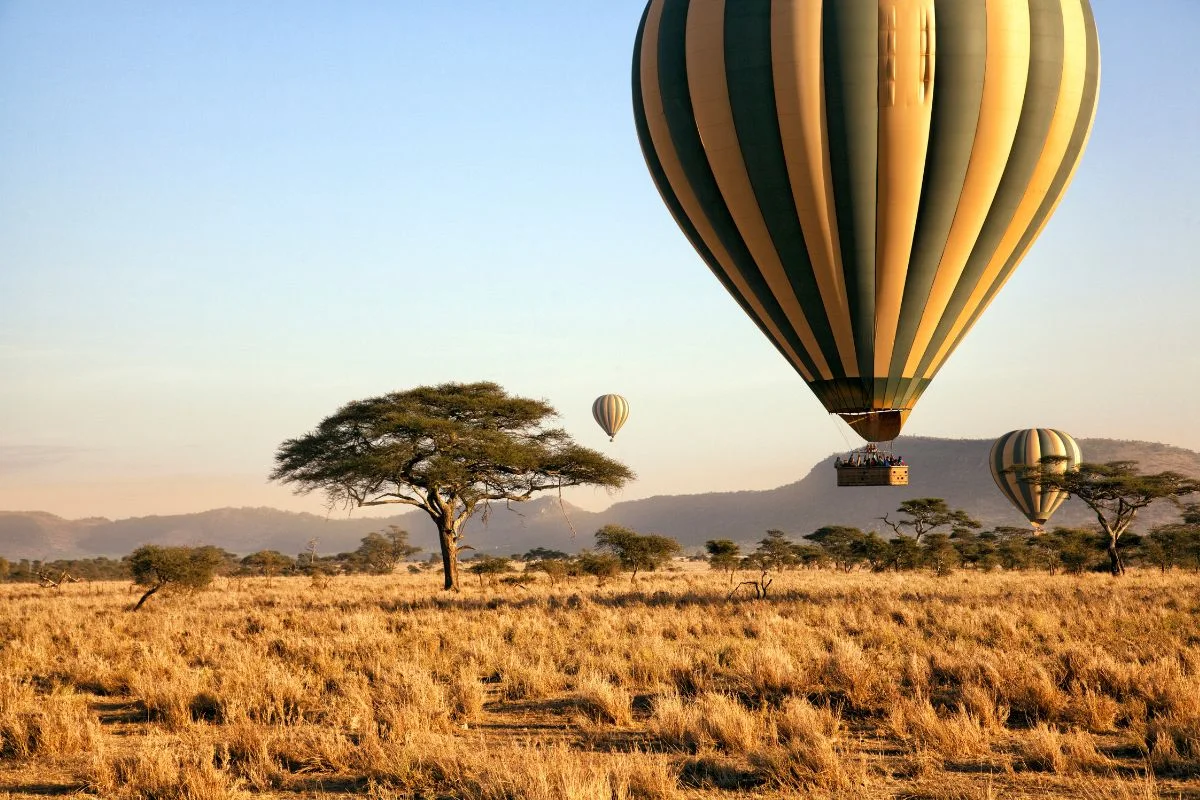
An African honeymoon is not only an experience like no other on earth, but also the best time in your life to take advantage of the many wonderful special offers only afforded to honeymooners, giving you access to unique areas, properties and experiences.
What our travellers say
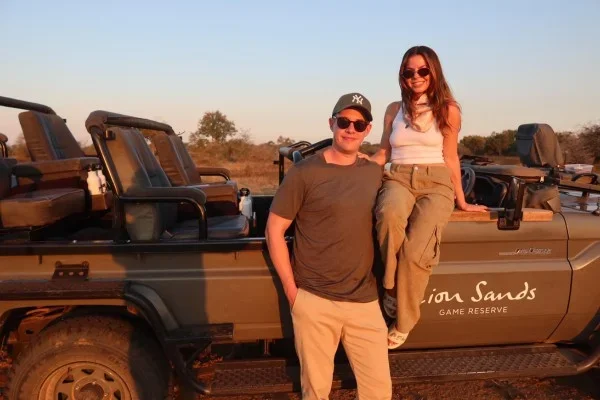
We can’t thank Sam enough for planning our honeymoon in Africa! She helped us decide everything from what countries to visit, what time of year would work for our itinerary, where to stay and what tours to do. She was able to plan the whole thing fairly last minute and adapt to all of my crazy ideas even a week out from departure! Our safari was such a highlight, and it was such an incredible choice. Every driver, airport attendee and hotel was incredible and thoughtfully chosen. Sam nailed the vibe and the budget and made this our favourite trip to date 🙂
★★★★★ The Becks, California, USA
Cape Town: food, wine, and scenery
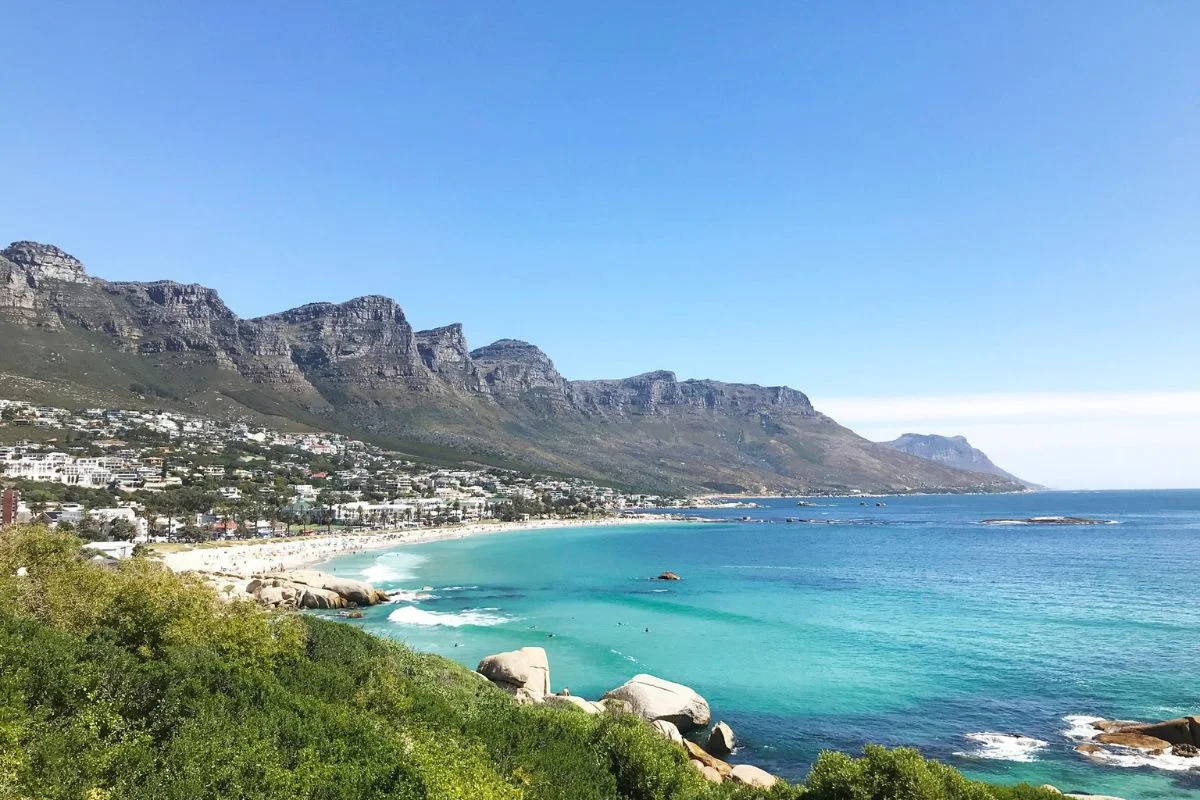
Cape Town anchors most African honeymoon itineraries. The city sits at Africa's southern tip, flanked by the Atlantic and Indian oceans, beneath Table Mountain.
Cape Town consistently ranks in the world's top 10 cities for visitors, known for its Cape Winelands, award-winning restaurants, and coastal drives.
Honeymooners typically spend three to four nights here before heading to a safari destination.
The Cape Winelands, centred on Franschhoek and Stellenbosch, host world-ranked wine estates and restaurants.
The region has a French-inflected character: cobbled streets, vineyard estates at the foot of the Cape Fold mountains, and dining venues that compete with Europe's best.
You can spend two days wine tasting and eating in Franschhoek, then return to Cape Town's waterfront or camps for the remainder of your stay.
What can you do in Cape Town beyond wine estates?
Cape Town offers Table Mountain cable car rides (or hikes), the Cape Peninsula coastal drive to Cape Point, shark cage diving off Gansbaai, seal watching at Duiker Island, helicopter tours, ocean kayaking, and luxury yacht charters.
The city's food scene includes several establishments ranked in the World's 50 Best Restaurants.
A typical Cape Town honeymoon leg combines one or two days in the Winelands with two days of city and coastal activities.
Travel costs in Cape Town
South Africa
Cape Town luxury accommodation and stays run $250 to $1,200 per person per night. Peak season may increase rates slightly.
| Tier | Per person / night | What you get |
|---|---|---|
| Standard Luxury | $250 - $350 | Boutique hotels in Camps Bay or Waterfront, vineyard lodges, guided day tours, gourmet meals, house wines. |
| Premium Luxury | $400 - $750 | Five star hotels with Table Mountain views, private wine tours, helicopter transfers, chef driven dining, premium spirits. |
| Ultra-Luxury | $850 - $2,000+ | Exclusive villas, private yacht charters, dedicated butlers, michelin level cuisine, tailored itineraries throughout Western Cape. |
Frequently asked questions
What should I include in a Cape Point day tour itinerary?
A comprehensive Cape Point day tour should include: Boulders Beach to see the penguins, the drive along Chapman's Peak Drive (one of the world's most scenic coastal routes), time in the national park including the walk from Cape Point to the Cape of Good Hope, and if booking a private customizable tour, request a stop at Olifantsbos within the park. If you're short on time overall, consider adding Constantia wine estates to this same day trip for wine tasting without needing a separate Winelands excursion.
What attractions should I prioritize for a short Cape Town visit?
For a three to four day visit, prioritize: a full day for the Peninsula including Cape Point, Boulders Beach, the walk from Cape Point to Cape of Good Hope, and Chapman's Peak Drive; half a day for Table Mountain (on a clear weather day, with advance cable car tickets); half a day for Robben Island; and time exploring the City Centre including Bo Kaap and the V&A Waterfront. Consider Kirstenbosch Gardens if time permits. These cover Cape Town's essential experiences without overextending your schedule.
Should I visit Constantia wine region instead of Franschhoek from Cape Town?
If you're short on time (under four full days), Constantia is a practical alternative to Franschhoek. Constantia can be included as part of your Peninsula day trip, allowing you to experience a wine region without dedicating a full separate day. Franschhoek is wonderful and worth three nights if you have the time, but it requires significant travel time and works better for longer Cape Town visits of seven or more nights. For a brief visit, incorporating Constantia into your existing itinerary maximizes your time.
What our travellers say
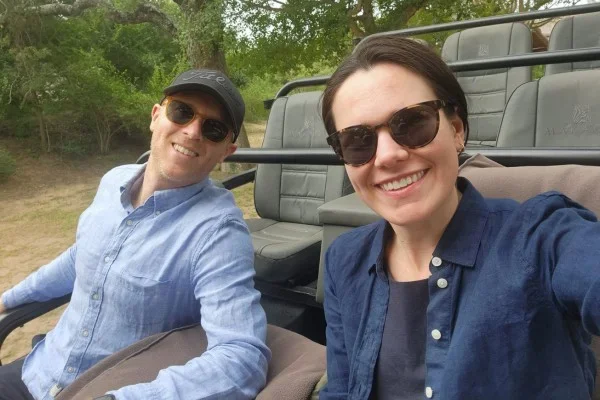
What an incredible 12 days, planned by Samantha Wilby! We were able to enjoy the Kruger Greater Area, Franschhoek and Cape Town. Sam helped tailor the itinerary for the season and our priorities, in a very short time! Planning was seamless and Sam was fantastic, checking in with us throughout our trip. Everything was truly perfect and we cannot recommend enough. We did not want to leave, but we will be back soon!
★★★★★ The Witkewicz's, Chicago, USA
Cape Town — best time to visit
| J | F | M | A | M | J | J | A | S | O | N | D | |
|---|---|---|---|---|---|---|---|---|---|---|---|---|
| High °C | 27° | 27° | 26° | 23° | 20° | 18° | 17° | 18° | 19° | 22° | 24° | 26° |
| High °F | 81° | 81° | 79° | 73° | 68° | 64° | 63° | 64° | 66° | 72° | 75° | 79° |
| Rain mm | 15 | 17 | 20 | 50 | 95 | 120 | 105 | 90 | 60 | 40 | 25 | 15 |
| Rating |
Cape Town: Mediterranean climate — Nov–Apr is warm and dry; winter (Jun–Aug) is wet and windy.
Ideal — Peak conditions — dry, comfortable, prime wildlife or beach time.
Good — Great conditions with brief showers or warmer days; still highly recommended.
Shoulder — Mixed weather — fewer crowds and lower rates, occasional rain.
Avoid — Heaviest rain or roughest seas; many camps and roads can be affected.
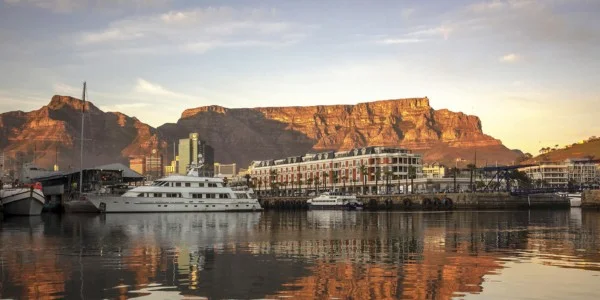
Visit Cape Town
Visit the number one rated city in the world with 8 blue flag beaches, swimming with penguins and so much more
Plan My Safari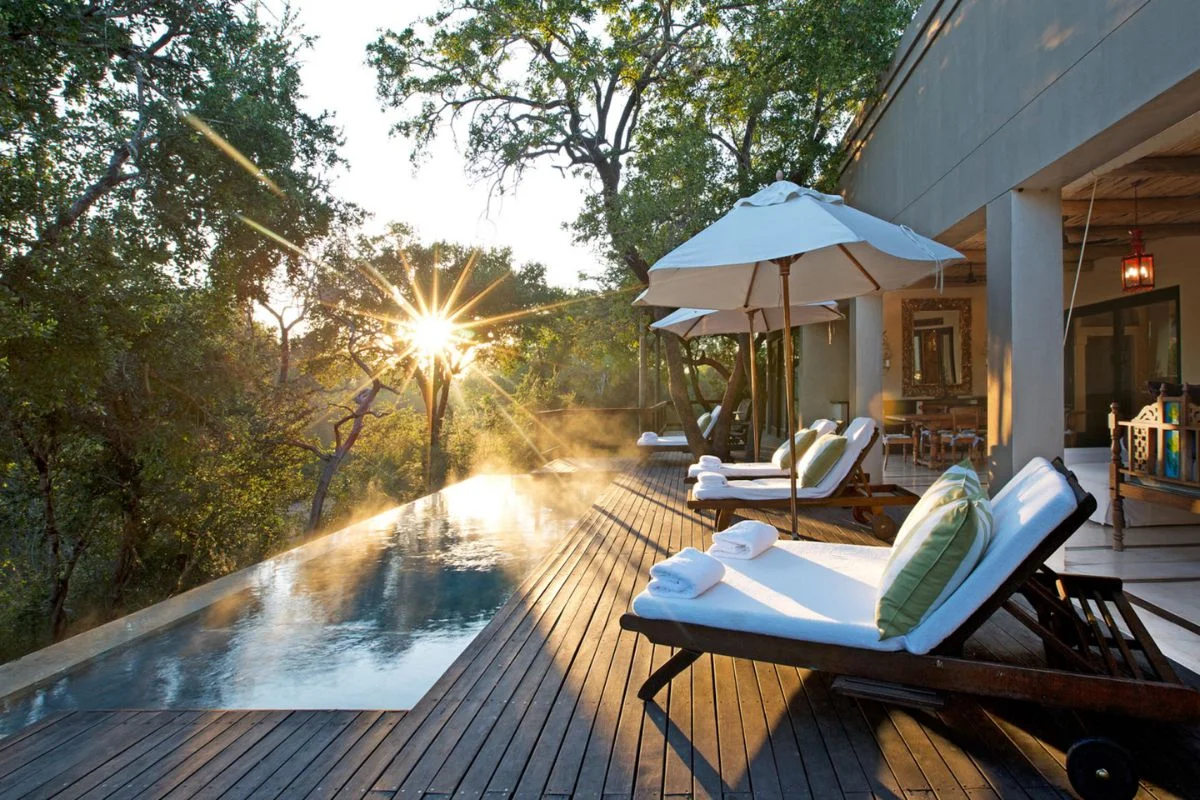
Kruger Park: Big Five wildlife safaris
Kruger National Park in northeastern South Africa is Africa's most visited safari destination and holds the continent's widest variety of large mammals and bird species.
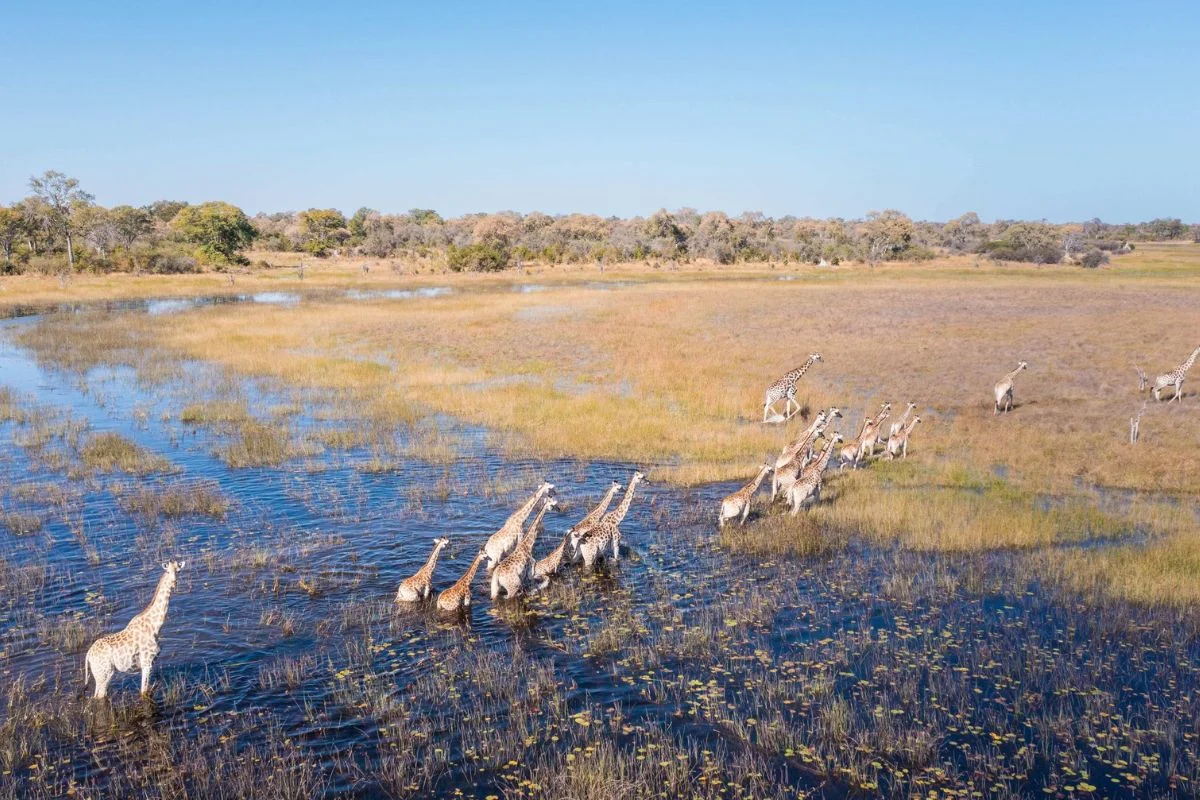
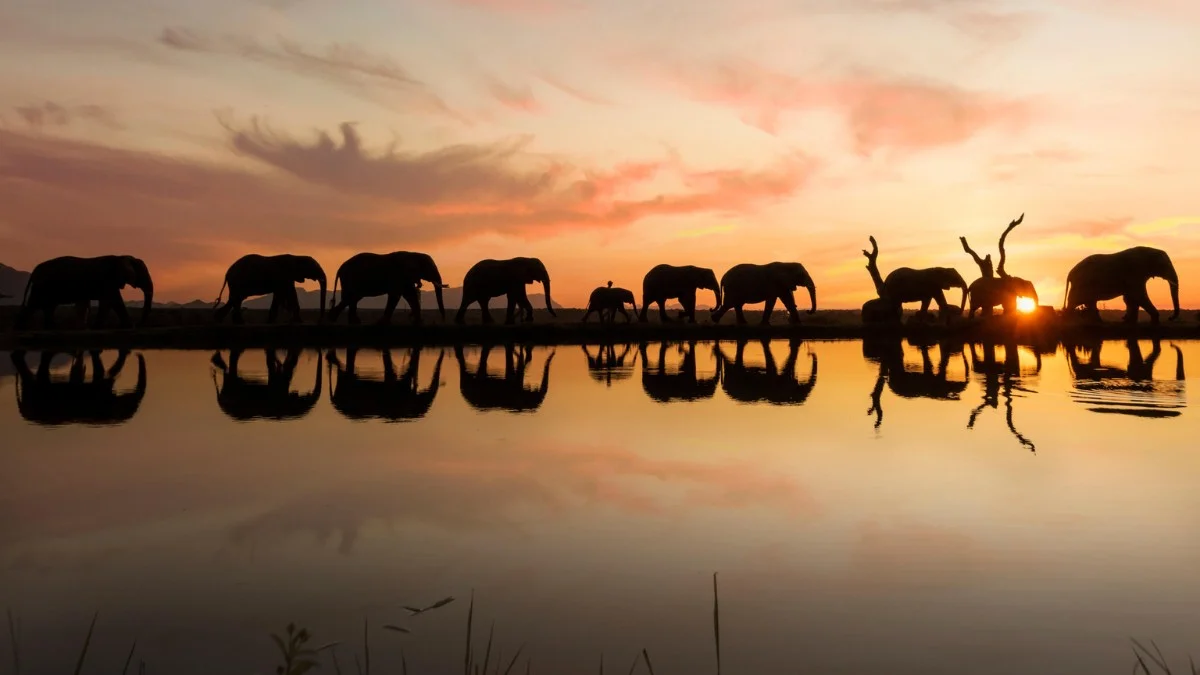
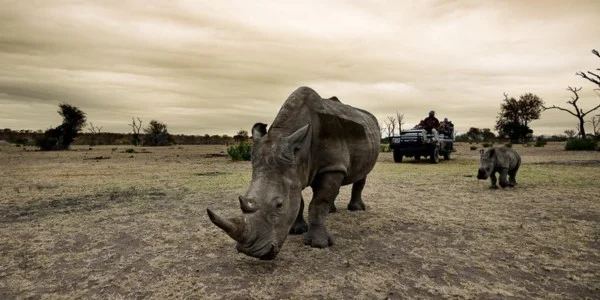
More than 140 mammal species and 500 bird species live in Kruger, including the Big Five: lion, leopard, elephant, buffalo, and rhino. Honeymooners typically spend three nights on safari in or near Kruger, staying in private game reserves that border the park.
Private reserves along Kruger's western boundary (Sabi Sand, Timbavati, Klaserie, Balule) share unfenced borders with the national park, so wildlife moves freely between the two.
Lodges in these reserves offer twice-daily game drives with private guides, fewer vehicles per sighting than the public park, off-road tracking, night drives, and walking safaris.
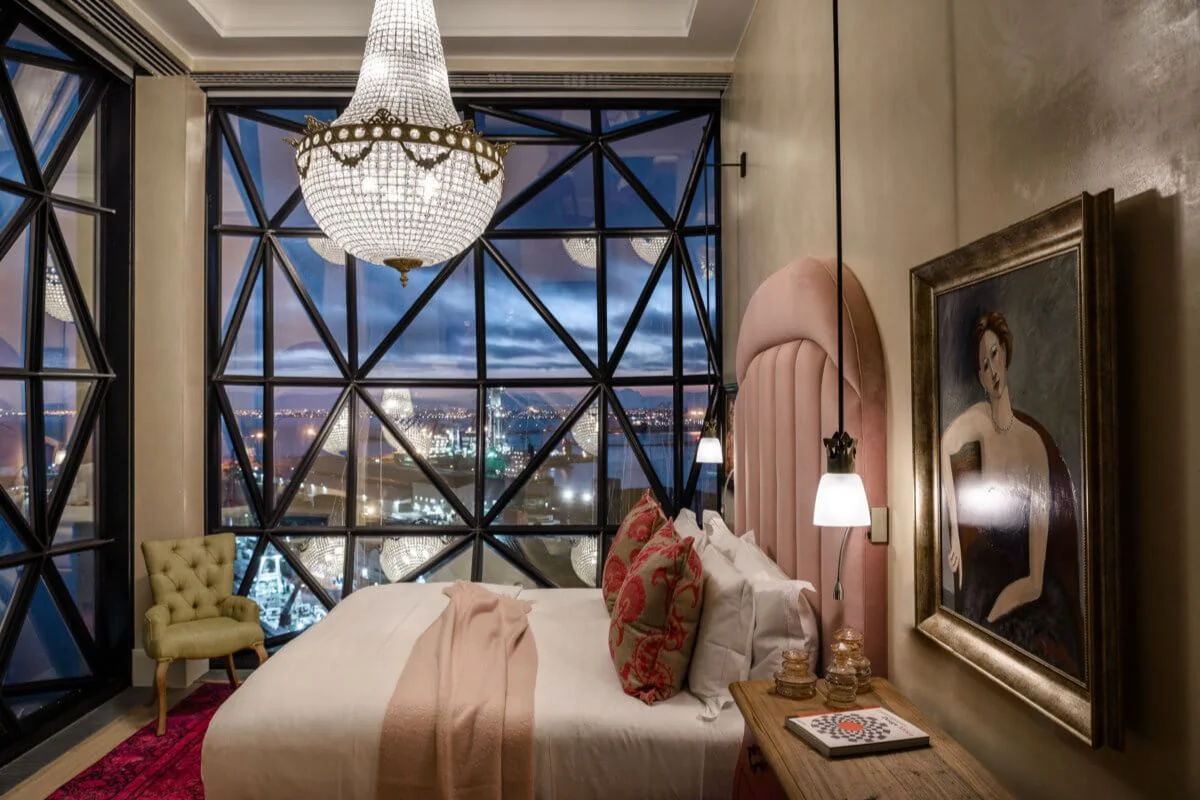
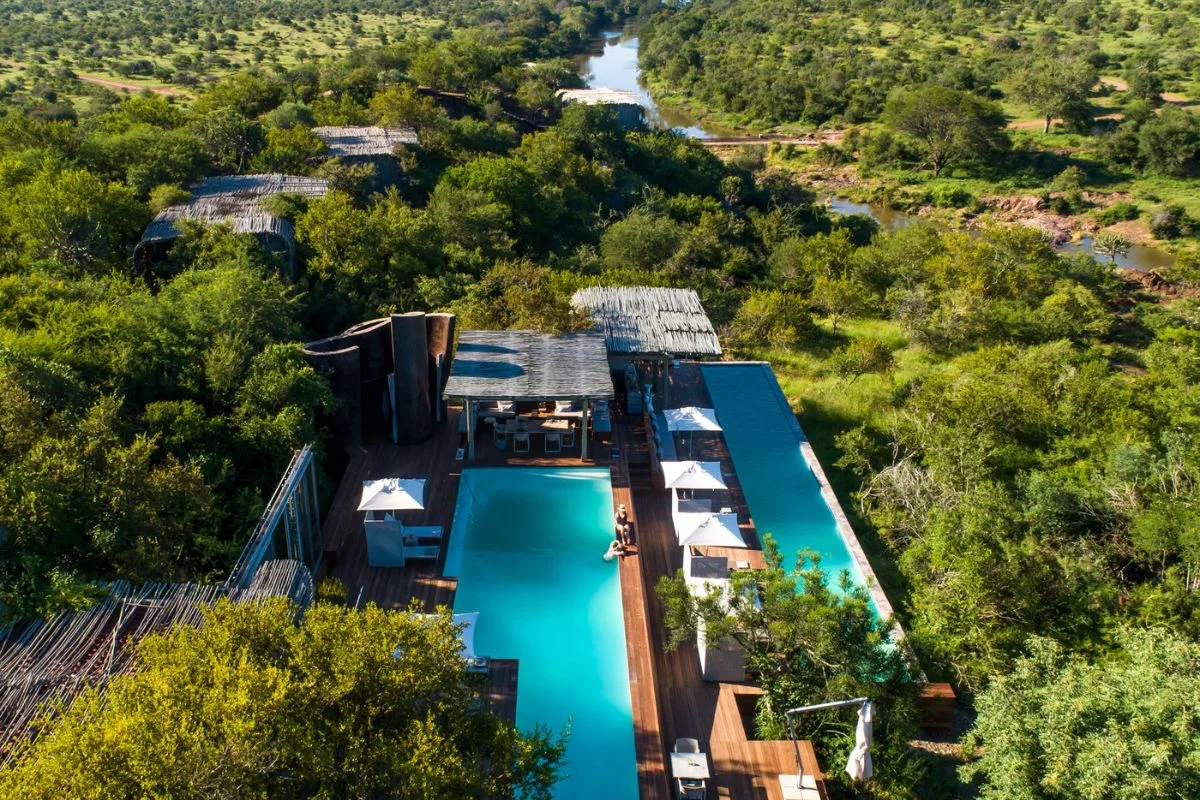
Accommodation ranges from luxury tented camps to five-star lodges with private plunge pools, in-room butler service, and spa treatments.
When is the best time for a Kruger safari?
Late August to mid-October is peak wildlife viewing season in Kruger. The bush is less dense after the dry winter, daytime temperatures are cooler (making animals more active), and water sources concentrate game.
November to March is the green season: hotter, wetter, with lush vegetation that can obscure sightings, but excellent birding as European migrants arrive. April to July is cooler and dry, good for game viewing but colder on early-morning drives.
Most Kruger lodges include all meals, twice-daily game drives, park fees, and some beverages in their rates.
The all-inclusive model simplifies budgeting.
Honeymooners can expect romantic add-ons: private bush dinners, sundowner drinks in the bush, sleep-out platforms under the stars, couples' spa treatments, and in-room welcome packages.
Travel costs in Kruger Park
South Africa
Kruger luxury lodges run $600 to $2,500 per person nightly. Private concessions command premium rates over Sabi Sands properties.
| Tier | Per person / night | What you get |
|---|---|---|
| Standard Luxury | $600-$900 | Established Sabi Sands lodges with classic suites, twice daily game drives, and quality guiding. |
| Premium Luxury | $1,000-$1,600 | Private plunge pools, expansive suites, premium concession access, specialist guides, and curated wine cellars. |
| Ultra-Luxury | $1,800-$2,500 | Exclusive use villas, private vehicle and guide, spa suites, and exceptional leopard viewing territories. |
Frequently asked questions
Should I combine multiple safari lodges or stay at one property for my honeymoon?
It depends on the length of your safari. For 3-4 nights, stick to one lodge in a single area like the Kruger region to maximize your game viewing time and minimize travel. For 5 or more nights, consider combining two different lodges in different regions (such as pairing a Sabi Sands property with Tswalu Kalahari or Phinda) to experience varied landscapes, different ecosystems, and diverse wildlife. This approach offers variety while still allowing enough time at each property to settle in and enjoy the experience.
How do I narrow down my safari lodge choices when feeling overwhelmed?
Start by picking a specific area or region first (such as Sabi Sands, Madikwe, or Tswalu Kalahari), then concentrate on which luxury lodges are available in that area. If you're still struggling with the huge number of options, contact a few safari specialists or travel agents who can help you navigate the choices and pinpoint what you really want based on your specific preferences, honeymoon timeline, and budget. This approach is much more manageable than trying to compare dozens of lodges across different regions simultaneously.
What honeymoon specials do safari lodges offer in South Africa?
Many luxury safari lodges offer special honeymoon packages if you travel within 6 months of your wedding date. Notable lodges with honeymoon specials include Tengile River Lodge, The Dulini Collection, and Ngala Tented Camp. These packages typically include romantic extras and special touches to make your honeymoon memorable. When booking your safari, be sure to mention your honeymoon dates and ask about available packages, as these can add significant value and special experiences to your stay.
How many nights should I spend on safari for my honeymoon?
For a honeymoon safari, 3-5 nights is recommended, especially if you're combining it with another destination. If you're doing just 3-4 nights, stick to one area like the Kruger region to maximize your safari experience without spending too much time traveling. If you have 5 or more nights, consider splitting your time between two different lodges in different areas (such as combining Sabi Sands with Tswalu Kalahari or Phinda) to experience different landscapes and wildlife.
Which safari lodges are best for a honeymoon in South Africa?
Top honeymoon safari lodges include Singita, Londolozi (particularly their Granite Suites), Silvan Safari, Cheetah Plains, Lion Sands, and andBeyond properties. Many lodges offer special honeymoon packages if you travel within 6 months of your wedding date, including Tengile River Lodge, The Dulini Collection, and Ngala Tented Camp. Londolozi is highly recommended by repeat visitors who return yearly, with all five of their camps being excellent choices. Singita is consistently praised by employees of other high-end lodges and stands out from the rest for exceptional service and experience.
Kruger / Sabi Sand — best time to visit
| J | F | M | A | M | J | J | A | S | O | N | D | |
|---|---|---|---|---|---|---|---|---|---|---|---|---|
| High °C | 32° | 31° | 30° | 28° | 26° | 24° | 24° | 26° | 28° | 29° | 30° | 31° |
| High °F | 90° | 88° | 86° | 82° | 79° | 75° | 75° | 79° | 82° | 84° | 86° | 88° |
| Rain mm | 110 | 95 | 75 | 35 | 15 | 10 | 5 | 10 | 25 | 55 | 85 | 105 |
| Rating |
Kruger / Sabi Sand: Dry winter (May–Sep) gives the best game viewing; summer is lush but wet.
Ideal — Peak conditions — dry, comfortable, prime wildlife or beach time.
Good — Great conditions with brief showers or warmer days; still highly recommended.
Shoulder — Mixed weather — fewer crowds and lower rates, occasional rain.
Avoid — Heaviest rain or roughest seas; many camps and roads can be affected.
Indian Ocean beach destinations
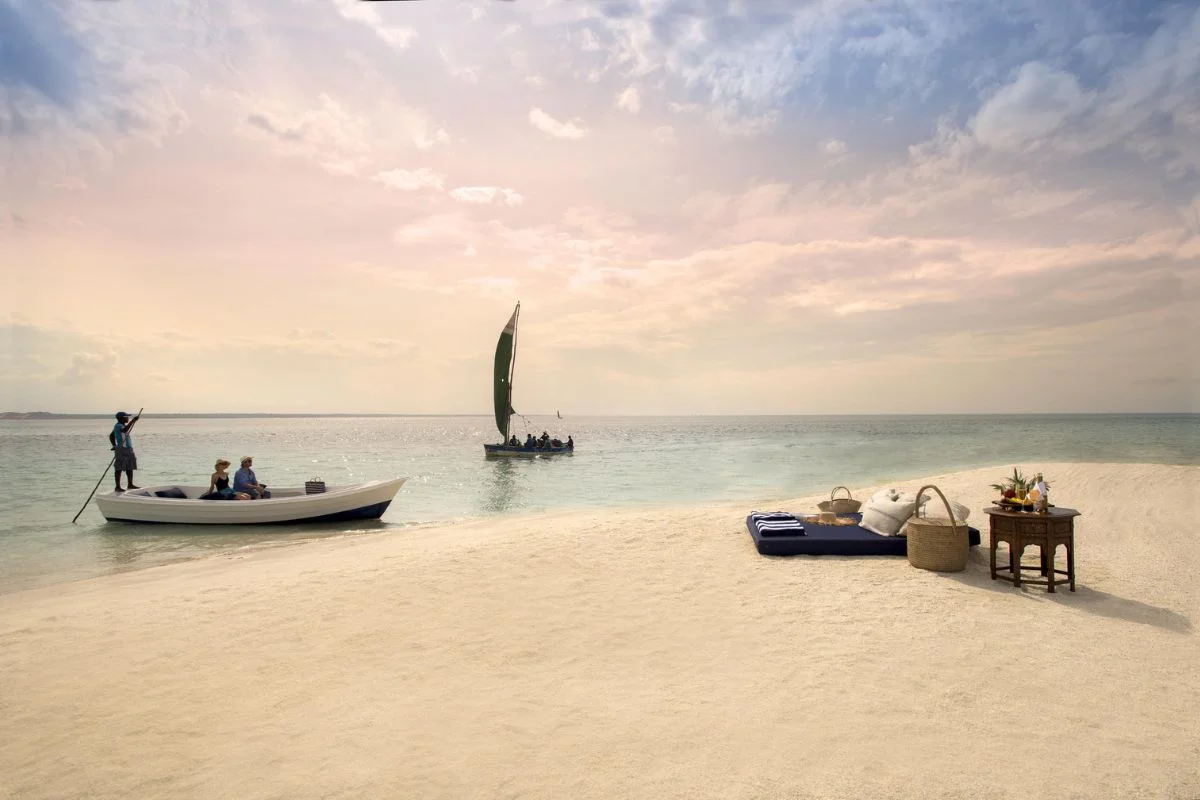
The final leg of an African honeymoon is typically four nights on a beach island in the Indian Ocean. The most popular choices are Seychelles, Benguerra Island in Mozambique's Bazaruto Archipelago, and Mauritius. All three offer warm water, white sand, snorkelling and diving on coral reefs, and luxury resort lodges.
How do Seychelles, Mozambique, and Mauritius compare as honeymoon beach destinations?
Seychelles is the most expensive and exclusive: 115 granite and coral islands northeast of Madagascar, with ultra-luxury resorts, pristine beaches, and protected marine parks. Benguerra Island in Mozambique is closer to South Africa (a short flight from Johannesburg), less expensive than Seychelles, and offers excellent diving and deep-sea fishing in a marine reserve.
Beach lodges on these islands are typically all-inclusive or offer full-board packages. Activities include snorkelling, scuba diving, kayaking, stand-up paddleboarding, island tours, spa treatments, and sunset cruises.
Honeymoon perks often include complimentary champagne, private beach dinners, couples' massages, and room upgrades.
Victoria Falls as an alternative
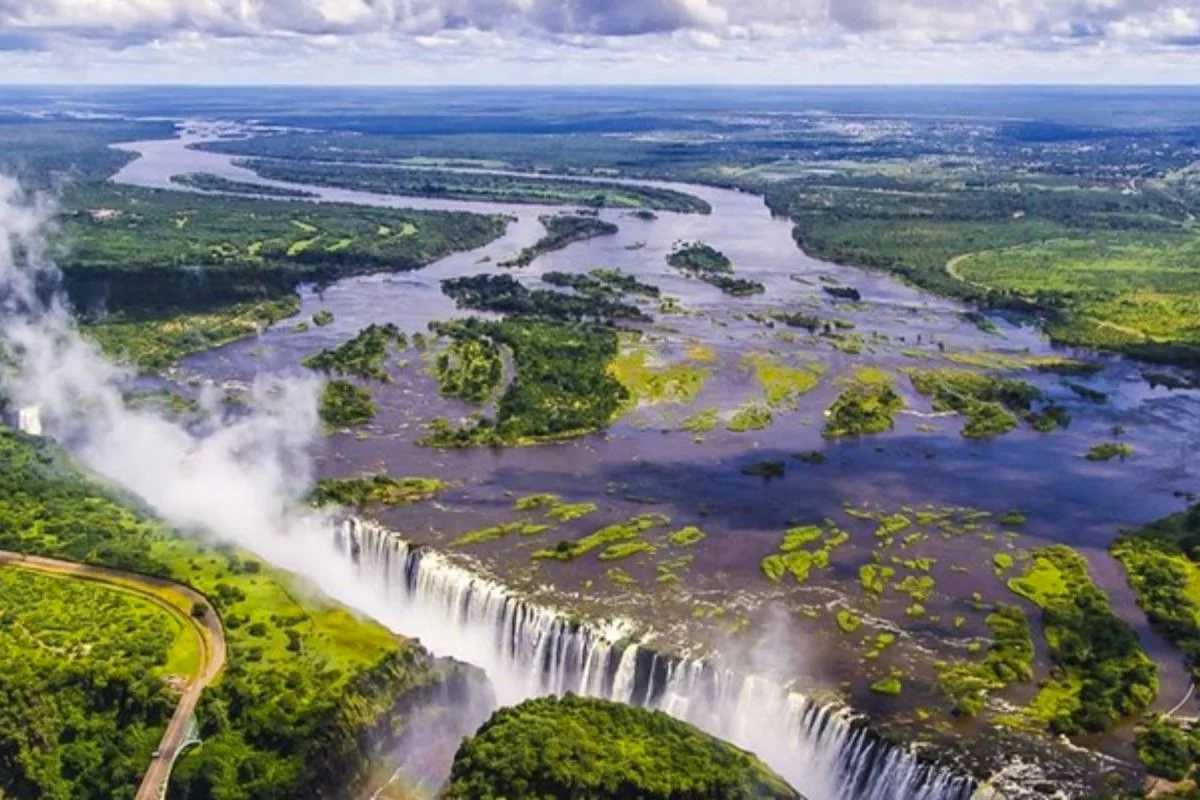
Some honeymooners substitute Victoria Falls (on the Zambia-Zimbabwe border) for a beach destination.
Victoria Falls is the world's largest waterfall by combined width and height, and the town is an adventure hub: white-water rafting, bungee jumping, helicopter flights over the falls, sunset cruises on the Zambezi River, and wildlife safaris in nearby national parks.
A Victoria Falls add-on typically runs two to three nights. It suits couples who prefer adrenaline activities to beach relaxation, or those who want to see the falls before heading to a beach island.
Travel costs in Victoria Falls
Zambia
Victoria Falls, Zambia lodges run $350 to $2,500 per person per night, fully inclusive. Zambian side offers fewer crowds and direct river access.
| Tier | Per person / night | What you get |
|---|---|---|
| Standard Luxury | $350 - $500 | Established lodges with river views, guided Falls visits, sunset cruises, and standard game drives in Mosi-oa-Tunya National Park. |
| Premium Luxury | $550 - $850 | Private plunge pools, exclusive river islands, premium walking safaris, microlight flights, and elevated cuisine with sommelier-selected wines. |
| Ultra-Luxury | $900 - $2,500 | Private villas, personal guides, helicopter transfers, bespoke excursions including Livingstone Island lunches, and dedicated safari vehicles. |
Livingstone (Victoria Falls) — best time to visit
| J | F | M | A | M | J | J | A | S | O | N | D | |
|---|---|---|---|---|---|---|---|---|---|---|---|---|
| High °C | 30° | 30° | 30° | 29° | 27° | 25° | 25° | 28° | 32° | 33° | 32° | 30° |
| High °F | 86° | 86° | 86° | 84° | 81° | 77° | 77° | 82° | 90° | 91° | 90° | 86° |
| Rain mm | 170 | 150 | 90 | 25 | 5 | 0 | 0 | 0 | 2 | 25 | 75 | 165 |
| Rating |
Livingstone (Victoria Falls): Falls in full flood Mar–May; best viewing Apr–Jul. Sep–Nov is hot but lowest water.
Ideal — Peak conditions — dry, comfortable, prime wildlife or beach time.
Good — Great conditions with brief showers or warmer days; still highly recommended.
Shoulder — Mixed weather — fewer crowds and lower rates, occasional rain.
Avoid — Heaviest rain or roughest seas; many camps and roads can be affected.
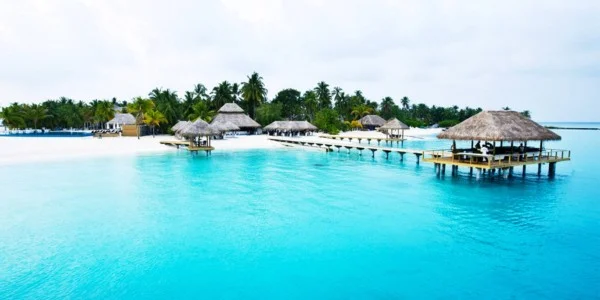
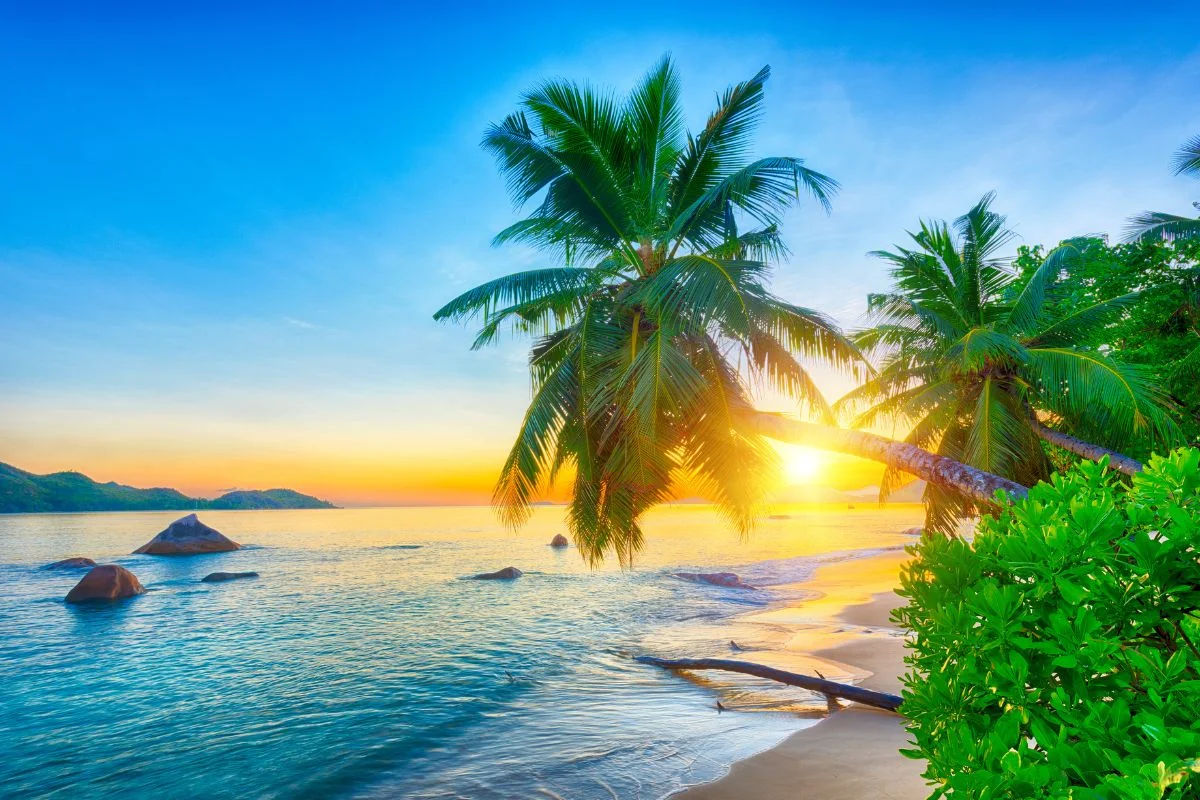
Seychelles Island Escape
Visit the jewel of the Indian Ocean with blue azure waters and white sandy beaches.
Plan My SafariTypical itinerary and duration
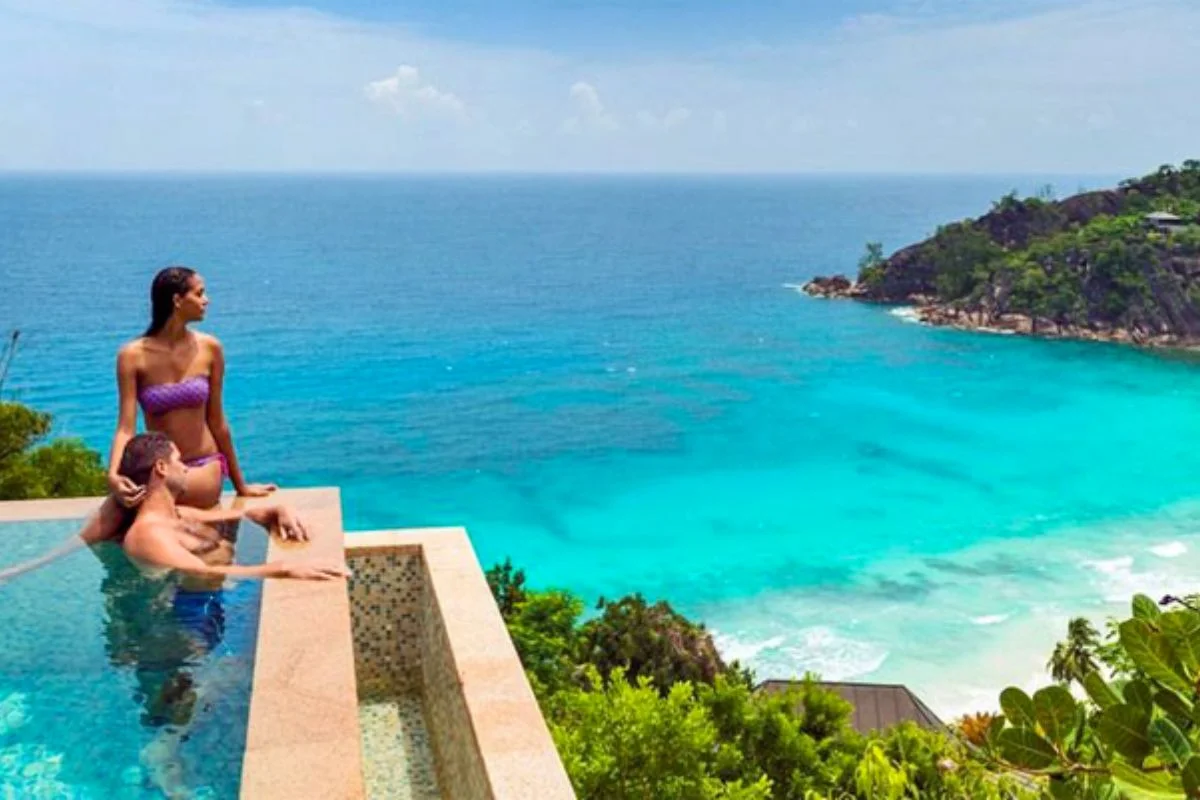
An 11-night African honeymoon safari is the most common duration and follows this structure: four nights in Cape Town (including two nights in the Winelands), three nights in a Kruger private reserve, and four nights on a beach island. This balances city culture, wildlife, and beach time without excessive time in transit. Shorter itineraries (eight to nine nights) trim one night from each leg; longer trips (14 nights) add Victoria Falls, a second safari destination, or more beach time.
Costs and budgeting
African honeymoon safari costs vary by lodge tier and season. For luxury four-star properties (boutique hotels in Cape Town, mid-tier private reserve lodges in Kruger, upscale beach resorts), budget $500 to $750 per person per day, all-inclusive.
For five-star all-inclusive lodges and resorts, expect $1,000 or more per person per day. These rates include accommodation, most meals, game drives, park fees, and some beverages. International flights, visa fees, optional activities (helicopter tours, scuba diving, spa treatments), and gratuities are additional.
Low season (May to September in Cape Town and beach destinations, November to March in Kruger) can reduce rates by 20 to 40%. High season (December to February, Easter, July to August) commands premium pricing. Shoulder months (April, October, November) often offer the best value.
Honeymoon specials and extras
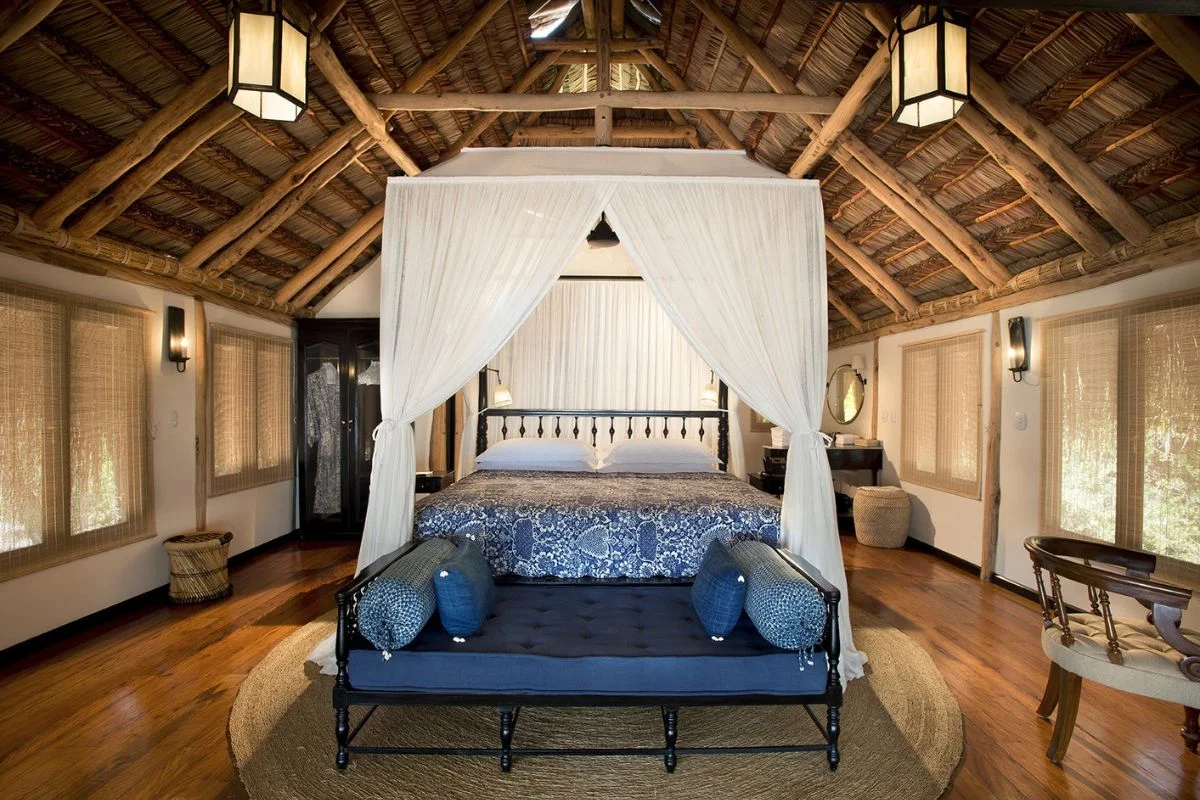
Honeymooners receive preferential treatment at African lodges and hotels.
Common offers include book-three-stay-four free night deals, 50% discounts for brides, complimentary room upgrades from standard to superior or suites, welcome gifts (champagne, chocolate, flowers), free spa treatments or couples' massages, and discounts on activities like helicopter flights or wine tours.
Some lodges arrange private bush dinners, candlelit dinners in the wild, stargazing sessions with telescopes, or private vehicle use for game drives.
Booking through a specialist operator increases access to these perks, as they have direct relationships with lodges and can negotiate packages unavailable to individual travellers. Mention your honeymoon when enquiring; lodges require proof (a marriage certificate or wedding invitation) to validate honeymoon rates.
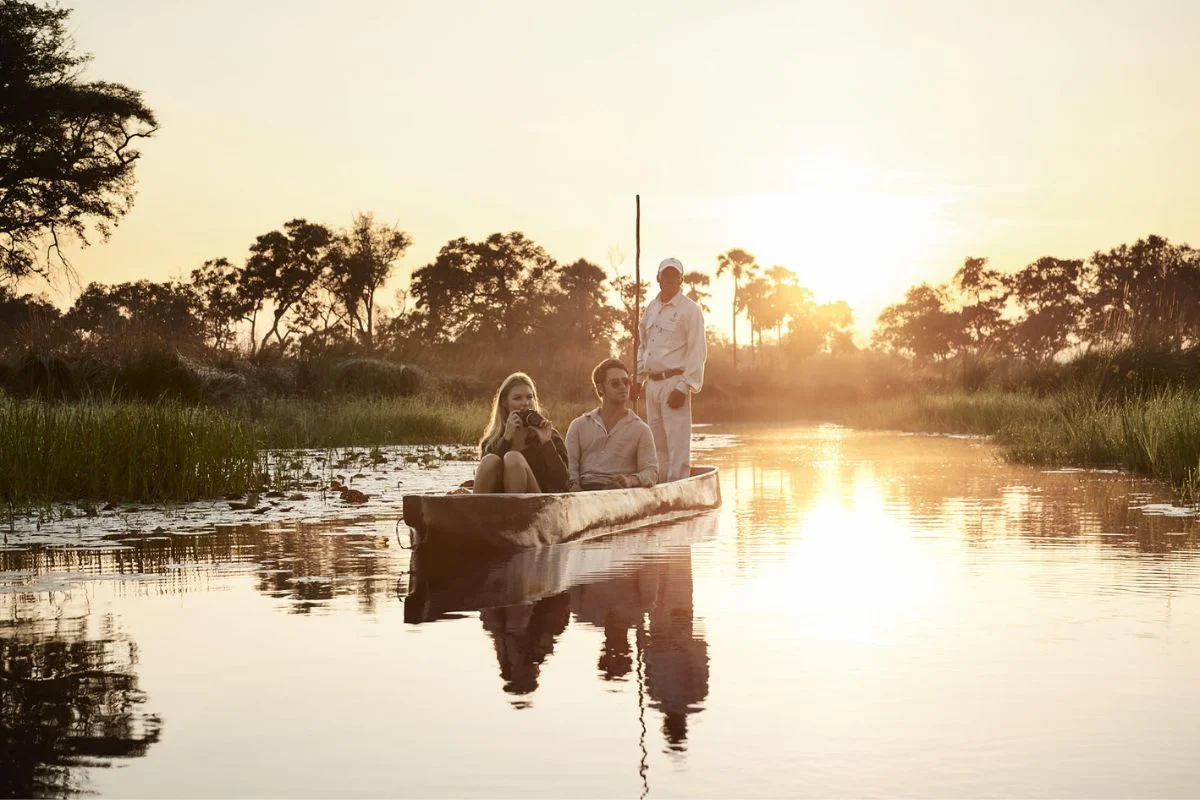
What to pack for an African honeymoon safari
Safari dress codes are relaxed. Earth tones (khaki, olive, brown, beige) are standard on game drives and at lodges, blending into the bush environment. Avoid bright colours and white, which can attract insects and stand out to wildlife.
Pack lightweight long sleeves and trousers for sun protection and mosquito defence, a warm fleece or jacket for early-morning drives (it can drop to 5°C in winter), a hat, sunglasses, sunscreen, insect repellent, and comfortable walking shoes. Most lodges provide laundry service, so you can pack light.
For beach destinations, bring swimwear, reef-safe sunscreen, a rash guard for snorkelling, sandals, and casual evening wear. Seychelles and Mozambique beach lodges are informal; smart casual is the highest dress code for dinners. Binoculars and a camera with a zoom lens (200mm minimum for wildlife photography) are useful for safaris.
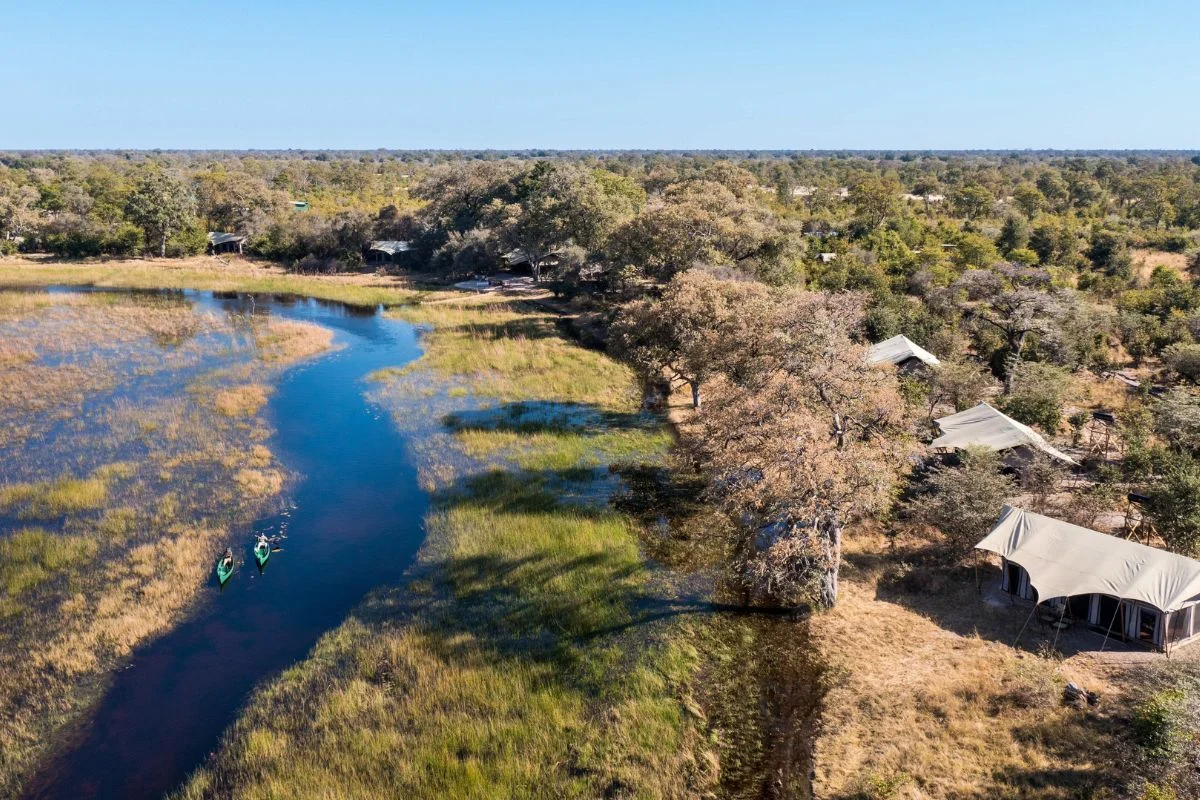
Our African honeymoon packages
Sample honeymoon itineraries we tailor for dates, lodges and group size. Each one is a starting point - our specialists adjust the routing, lodges and beach add-on to suit you.
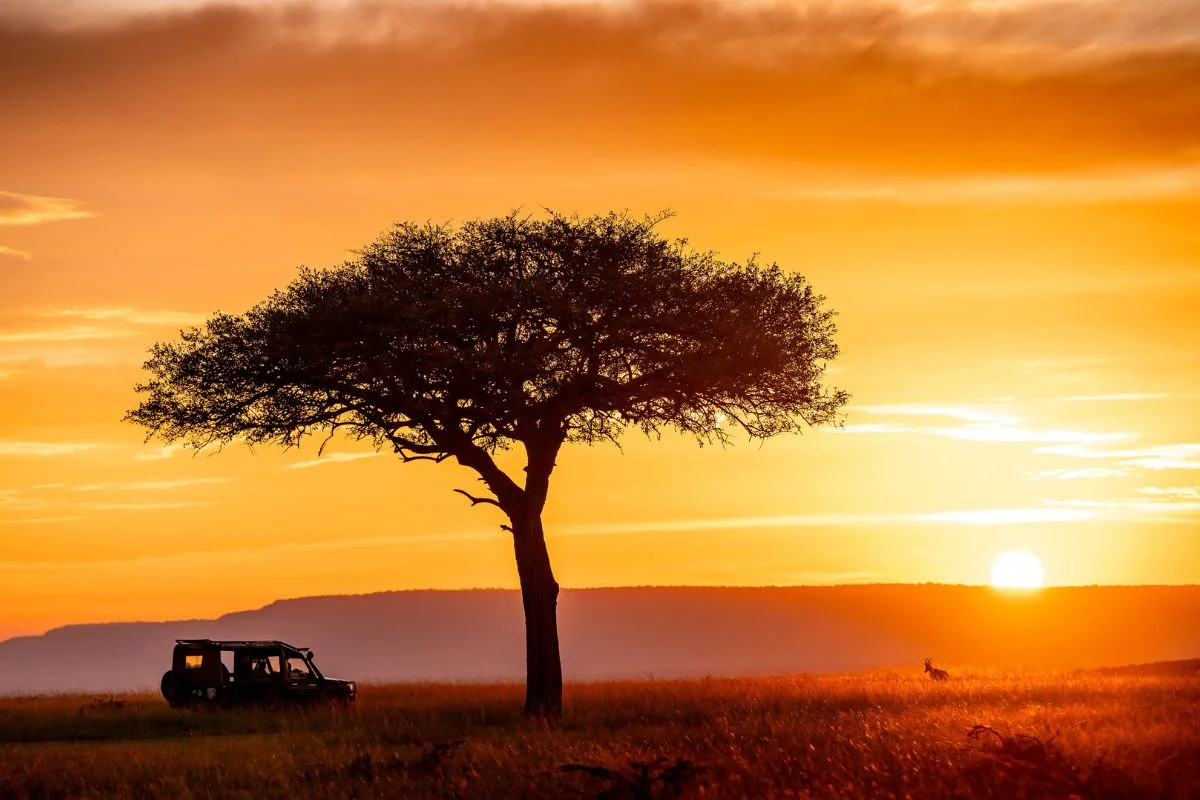 Nairobi - Masai Mara - Zanzibar
Kenya Safari and Beach Honeymoon
7 nightsFrom $9,488 pp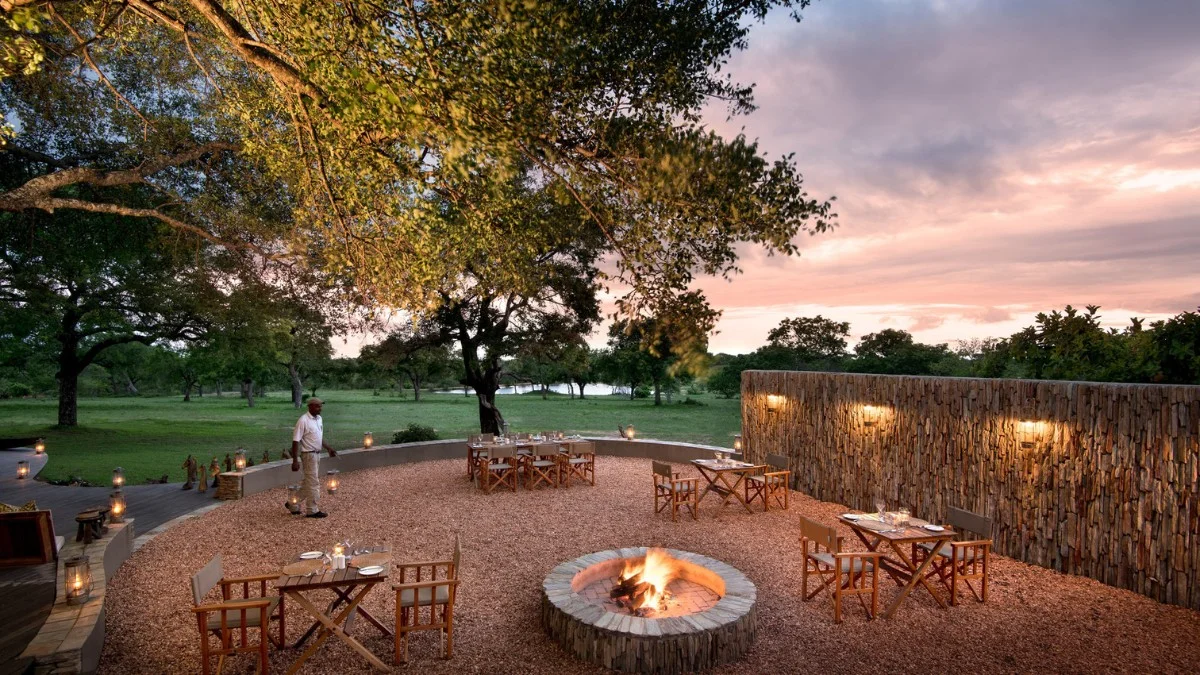 Kruger Park - Cape Town
Kruger & Cape Town Honeymoon
10 nightsFrom $7,232 pp- Cape Town - Winelands - Kruger - Vilanculos
South Africa Safari & Mozambique Honeymoon
14 nightsFrom $12,150 pp  Cape Town - Winelands - Kruger
Best of South Africa Honeymoon
9 nightsFrom $5,146 pp
Last updated: September 2026