
How much does a luxury African safari cost in 2027?
Expect to pay from $500 USD per person nightly for a Four Star all-inclusive luxury African safari, and from $1,000 USD per person nightly for a Five Star all-inclusive African safari, and from $2,500 USD per person nightly for a Premium Five Star all-inclusive safari.
Best value
Kruger Park from $500/night
Big Five luxury lodges
Peak season
July to September
Migration river crossings
Most luxurious
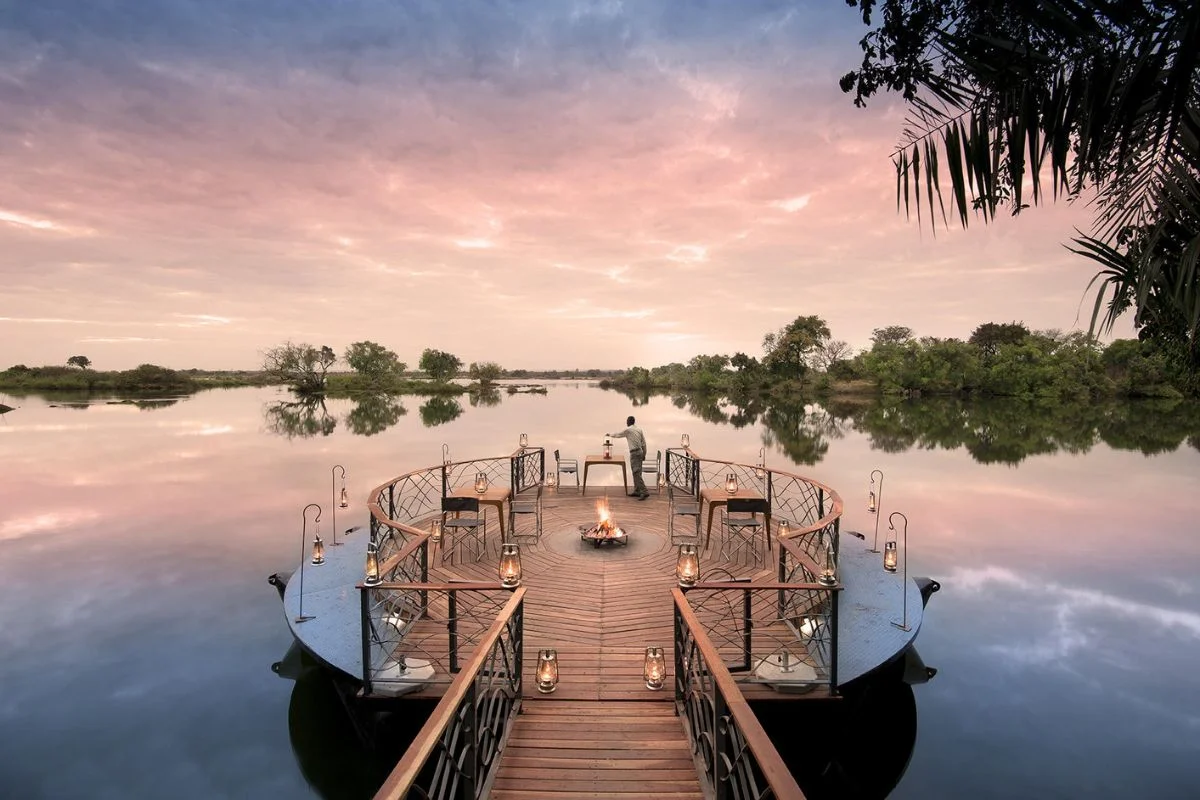
Okavango Delta $1,200+
Water-based safari lodges
Typical safari
8 nights, three destinations
from $6,500 pps
African Safari Cost Overview
Luxury African safaris range from $500 to $3,000+ per person per night, fully inclusive. Prices vary widely by country, season, and property exclusivity.
| Tier | Per person / night | What you get |
|---|---|---|
| Standard Luxury | $500 - $950 | Established tented camps and lodges with excellent guiding, quality meals, and standard game drives in premier reserves. |
| Premium Luxury | $950 - $1,500 | Superior camps with prime locations, personalised service, private vehicles, exceptional cuisine, and upgraded suites or villas. |
| Ultra-Luxury | $1,500 - $3,000+ | Exclusive private concessions, butler service, plunge pools, helicopter transfers, premium wines, and bespoke wildlife experiences. |
What's included
- Luxury accommodation
- All meals and local drinks
- 2X Daily Game Drives
- Park and conservation fees
- Airport to Lodge transfers
What's not included
- International flights
- Premium drinks
- Spa and wellness treatments
- Hot air balloon safaris
- Staff gratuities
When to go
Peak season (June to October, December to March) should be booked 9-12 months in advance.
Best value tip
Book shoulder seasons like April, May, or November for lower rates with excellent wildlife viewing and fewer crowds at popular reserves.
Last updated 8 August 2026
An African safari is so much more than price, even though we understand this is an important consideration. But an African safari is a lifetime memory, a storybook you'll share with your grandkids, its the adventure of a lifetime for many travellers from around the world.
What our travellers say
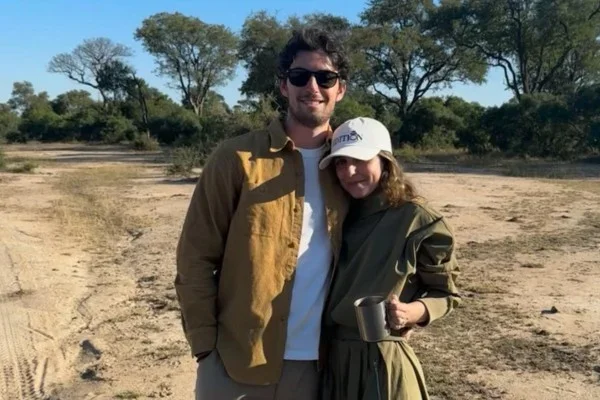
Samantha Wilby was such a pleasure to work with. Our trip was beyond magical, from stellebosch to cape town, Kruger to sabi sands, our trip was a true dream. We cant thank you enough for making our honeymoon dreams come true!!! We hope to come back one day with our future family.
★★★★★ The Pfeffer's, New York, USA
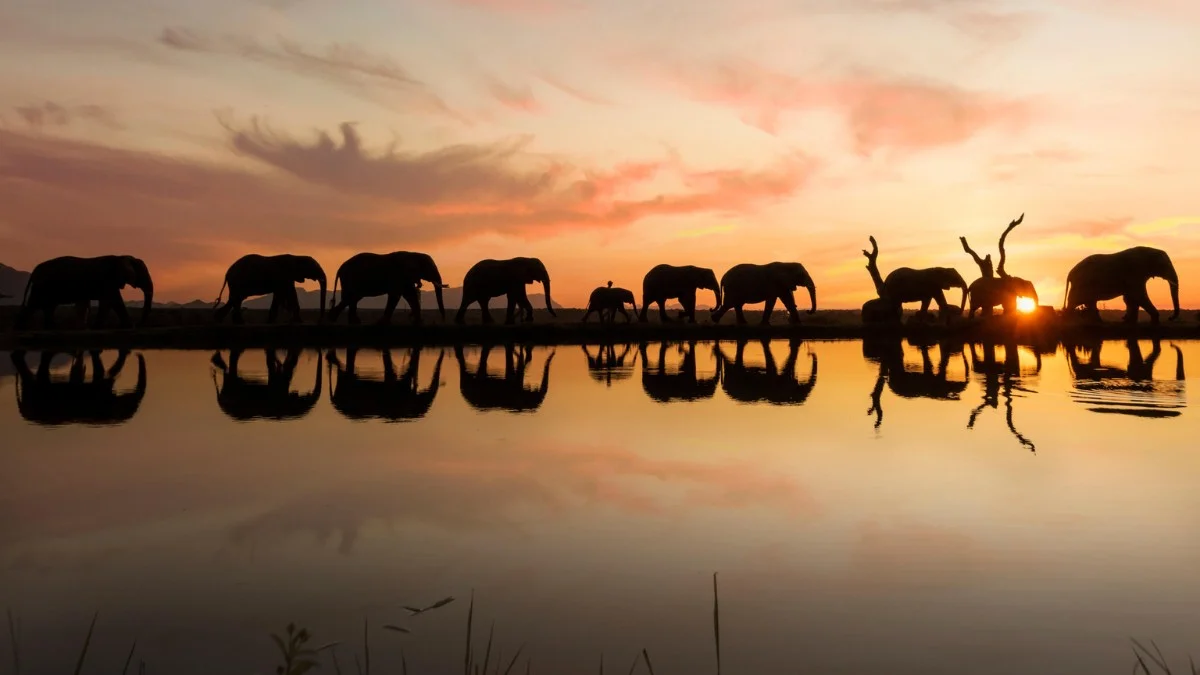
The Kruger Park, South Africa
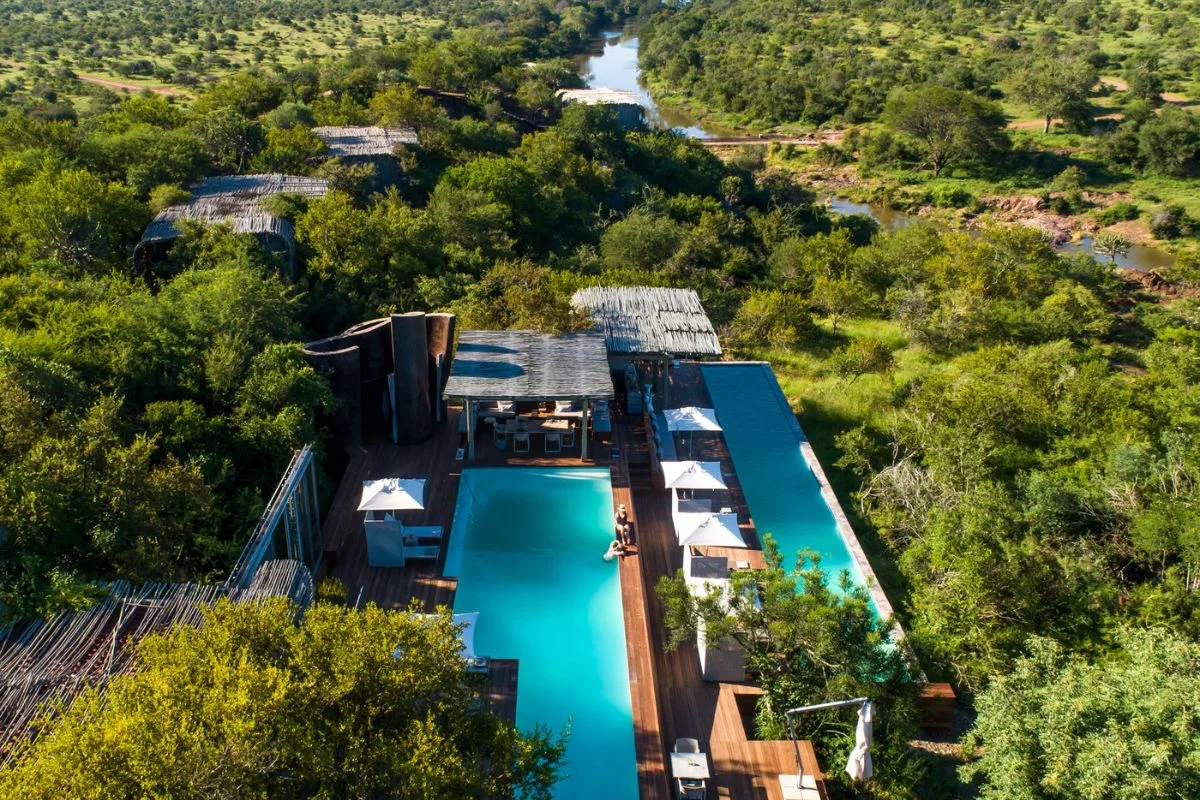
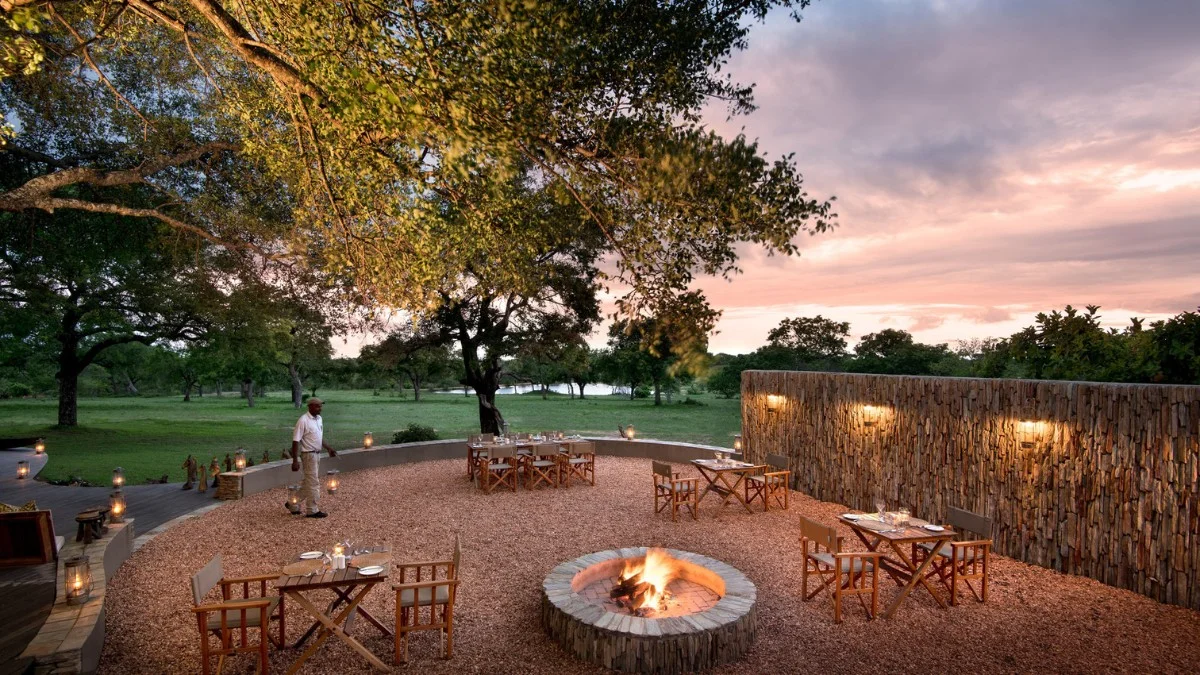
Arguably the safari destination offering the most value out of any of Africa’s major reserves, the Kruger National Park in South Africa is best known for the Big Five animals and the award-winning luxury safari lodges.
Travel costs in Kruger Park
South Africa
Kruger luxury lodges run $500 to $3,000+ per person nightly on an all-inclusive basis, meaning two daily game drives, all meals and local drinks included.
| Tier | Per person / night | What you get |
|---|---|---|
| Standard Luxury | $500-$900 | Established Sabi Sands lodges with classic suites, twice daily game drives, and quality guiding. |
| Premium Luxury | $1,000-$1,600 | Private plunge pools, expansive suites, premium concession access, specialist guides, and curated wine cellars. |
| Ultra-Luxury | $1,800-$2,500 | Exclusive use villas, private vehicle and guide, spa suites, and exceptional leopard viewing territories. |
What's included
- All meals and drinks
- Twice daily guided game drives
- Bush walks with armed rangers
- Sabi Sands conservancy fees
- Private vehicle airport transfers
What's not included
- International flights to Johannesburg
- Premium champagnes and spirits
- Spa treatments and massages
- Gratuities for staff and guides
- Travel insurance
When to go
Peak season (June to September) are the cooler winter months and the time in the Kruger when the animals are their most active. Is this is the dry season, the bush is less dense making for excellent wildlife sightings.
Best value tip
Book shoulder months of April, May or October for ideal weather and lower rates.
Last updated 6 August 2026
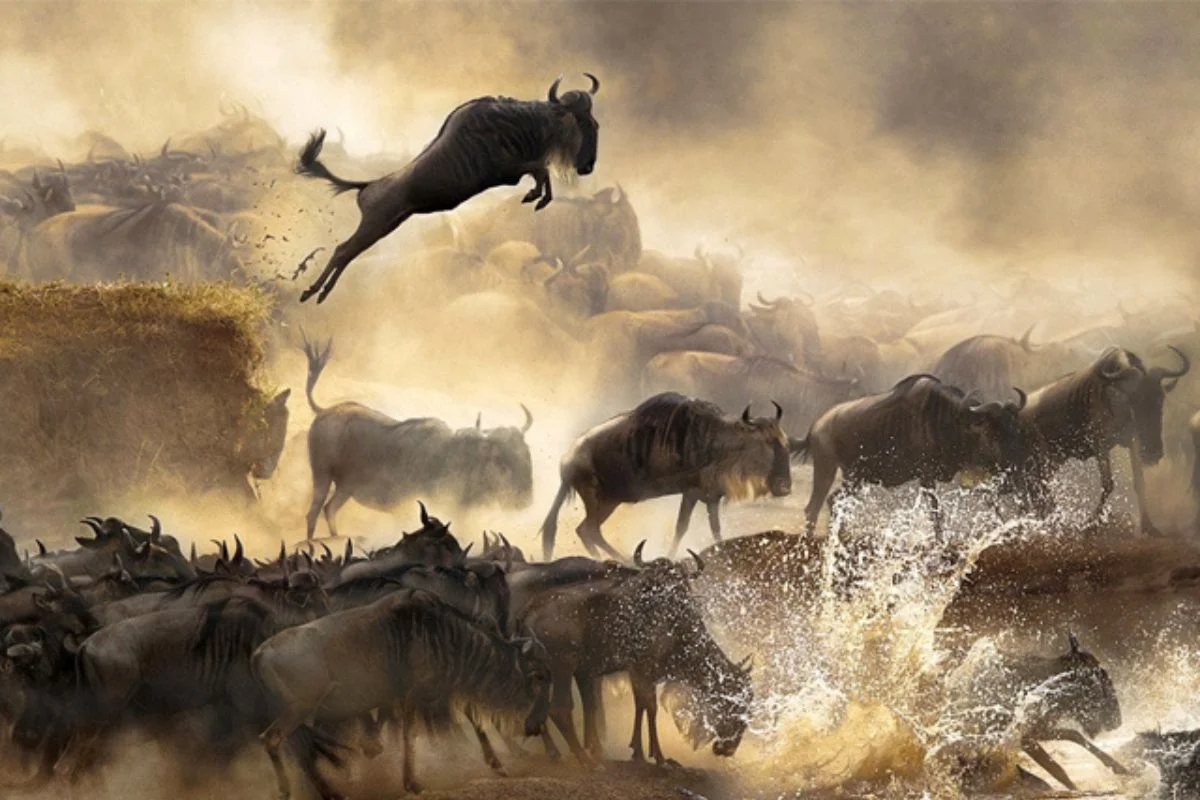
Serengeti, Tanzania
The home of the Great Animal Migration where more than 2 million animals follow the rains in a circular pattern around the Serengeti in search of greener grazing pastures. The best time to see the Great Migration river crossing in July - September and the best time to see calving season is January to March.
Travel costs in Serengeti
Tanzania
Expect $650 to $2,500 per person per night in the Serengeti's luxury camps and lodges.
| Tier | Per person / night | What you get |
|---|---|---|
| Standard Luxury | $650 - $950 | Permanent tented camps with en-suite bathrooms, quality guiding, full board, and twice daily game drives. |
| Premium Luxury | $1,000 - $1,600 | High-end camps featuring private decks, premium locations, bush dinners, spa services, and expert naturalist guides. |
| Ultra-Luxury | $1,700 - $2,500 | Exclusive mobile camps and elite lodges with private plunge pools, butler service, and flexible private guiding. |
What's included
- All meals and local drinks
- Two privately guided game drives daily
- Serengeti National Park fees
- Accommodation in luxury properties
- Laundry service at most camps
What's not included
- International flights to Tanzania
- Premium drinks
- Hot air balloon safaris
- Gratuities for guides and staff
- Travel insurance
When to go
River crossing is June - September in the Northern Serengeti and calving season is January to March in Southern Serengeti.
Best value tip
Book in advance for popular August river crossing to get best value.
Last updated 6 August 2026
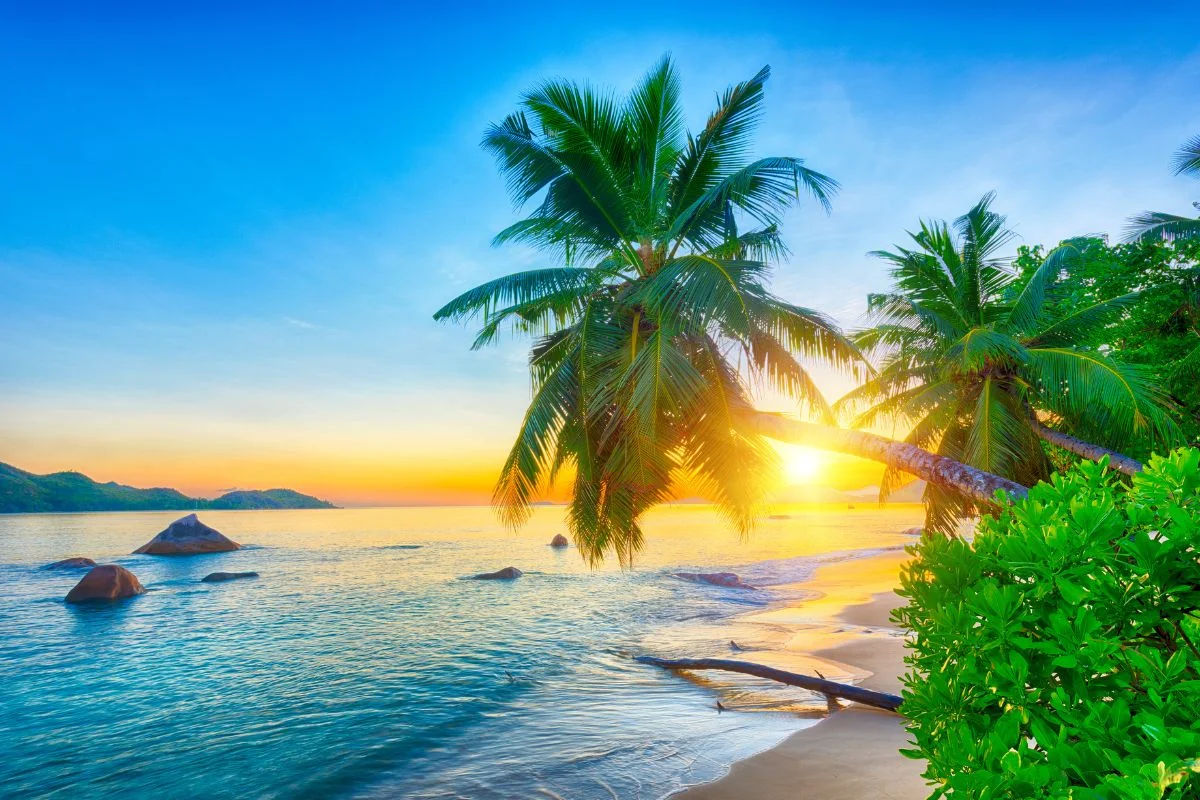
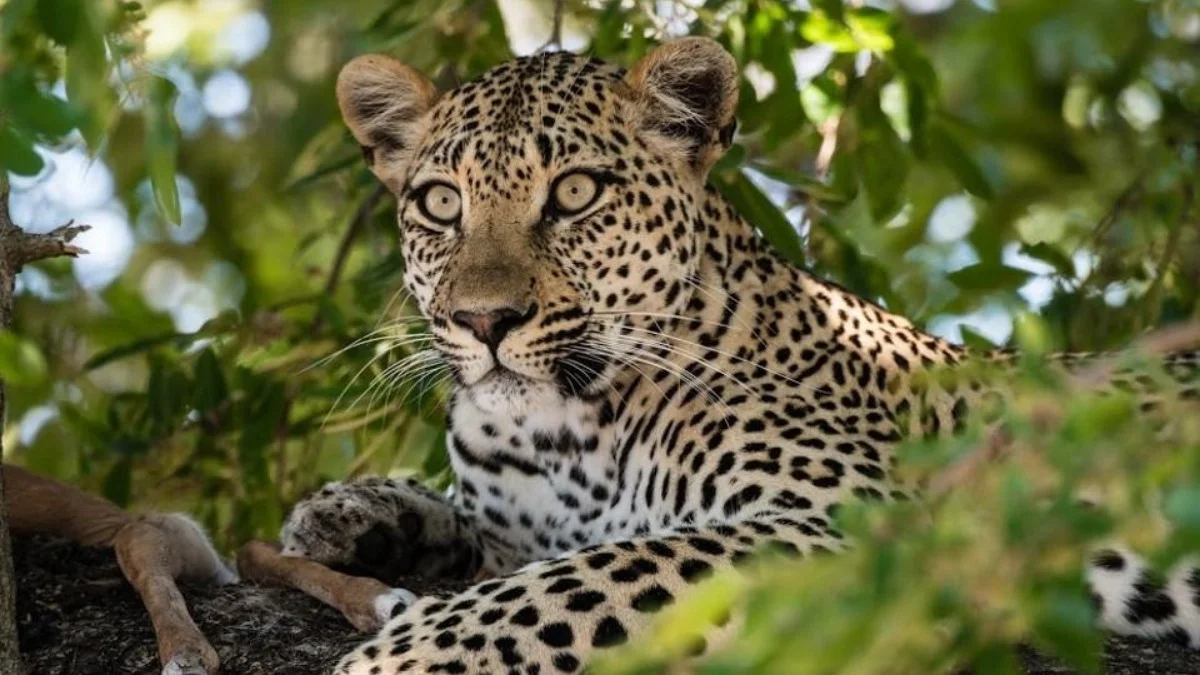
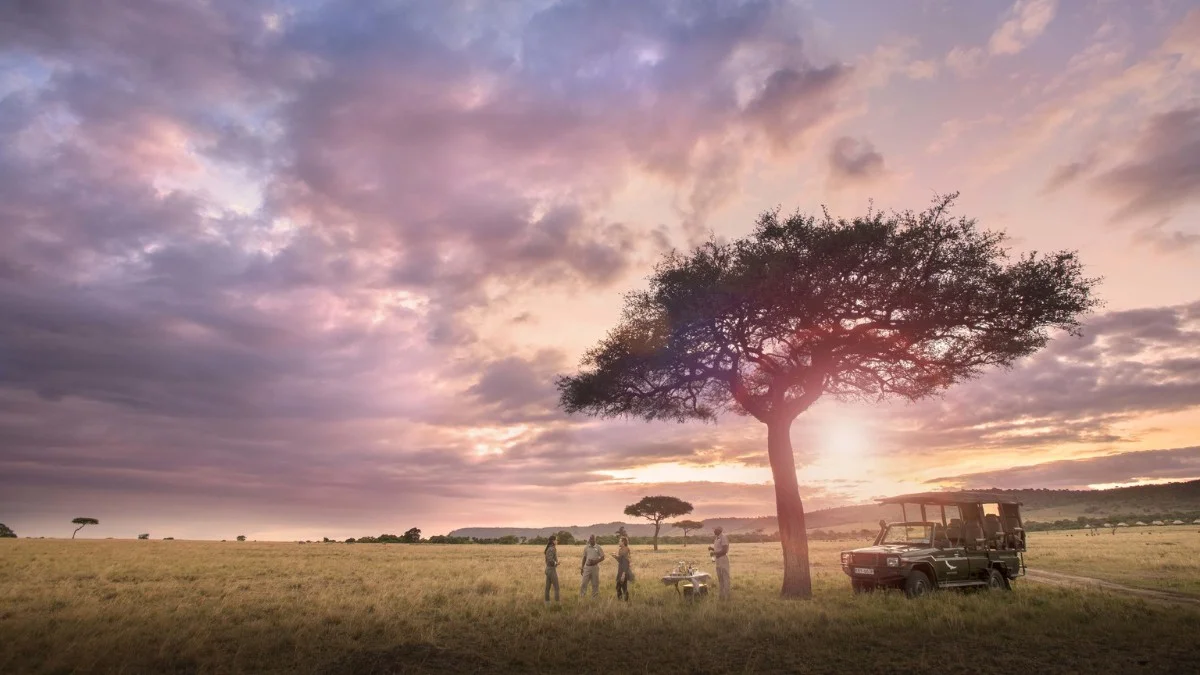
Masai Mara, Kenya
Most well known for the Masai Mara, it’s caring people and the exceptional game viewing year-round across wide open plains, with the Mara river crossing July-September.
Travel costs in Masai Mara
Kenya
Masai Mara luxury safaris run $650 to $2,500 per person per night. Peak season July to October commands premium rates.
| Tier | Per person / night | What you get |
|---|---|---|
| Standard Luxury | $650 - $950 | Permanent tented camps with ensuite bathrooms, twice daily game drives, and communal dining under canvas. |
| Premium Luxury | $1,000 - $1,600 | Spacious suites with private decks, butler service, premium wine lists, bush dinners, and prime Mara territory. |
| Ultra-Luxury | $1,700 - $2,500 | Private conservancies, exclusive game viewing, personal guides and vehicles, champagne sundowners, and exceptional culinary programs. |
What's included
- All meals and drinks
- 2x Privately Guided game drives
- Accommodation
- Local amenities
- Airstrip transfers within Mara
What's not included
- International and Nairobi flights
- Hot air balloon safaris
- Premium drinks
- Masai village visits and tips
- Travel insurance
When to go
Visit between June to September if you want to see the river crossing from the Great Animal migration moving through the Northern Serengeti and in the Masai Mara.
Best value tip
Book in advance if travelling during the popular August / September period.
Last updated 6 August 2026
What our travellers say
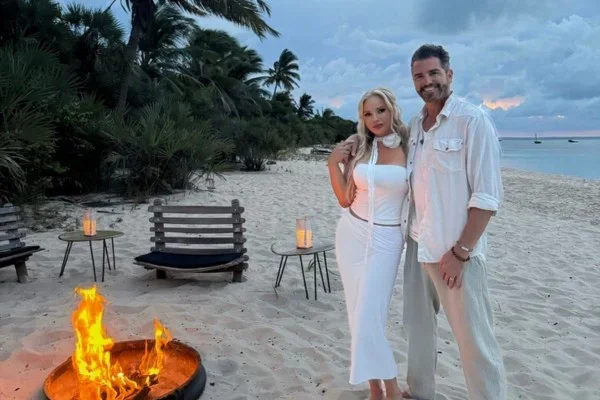
Sam, thank you for everything. The entire trip exceeded our expectations and we could not of dreamed of a more perfect honeymoon. Thank you for your attention to detail as well as the great planning. We are sad to be leaving but are taking home awesome memories and YES…. A few photographs as well.
★★★★★ The Lunds, California, USA
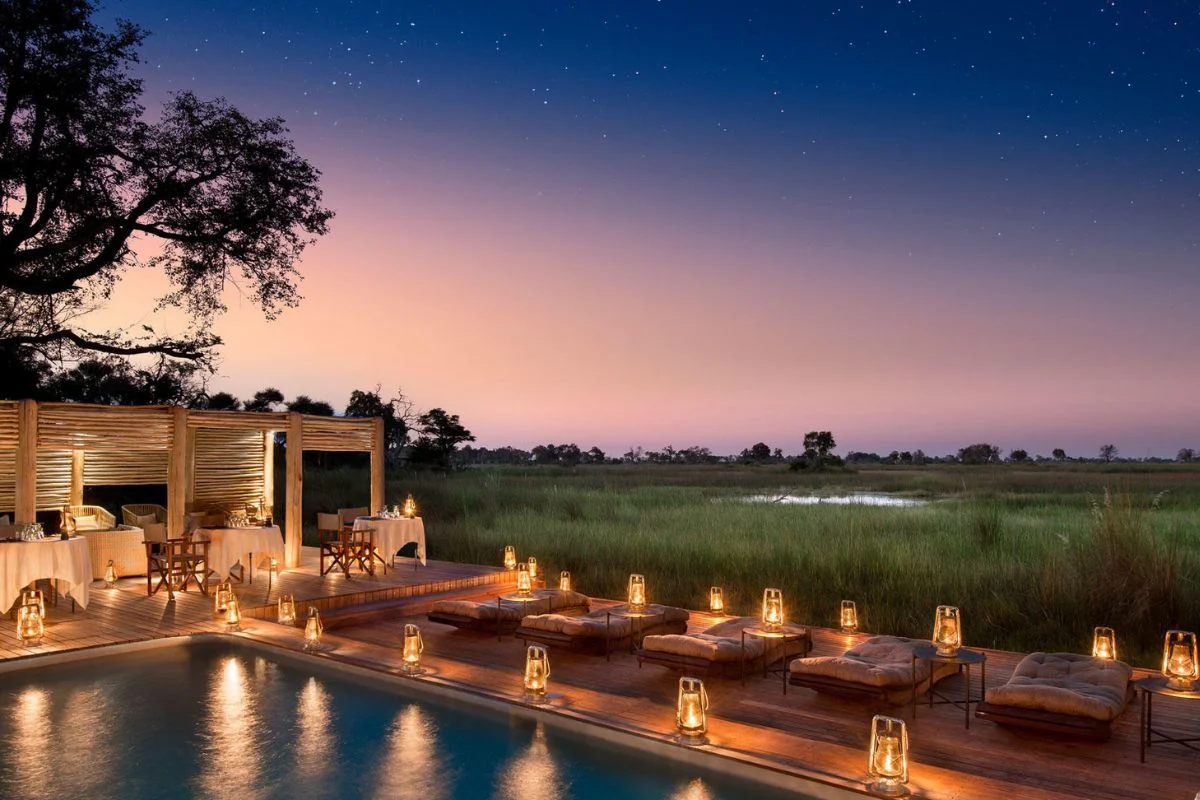
Okavango Delta, Botswana
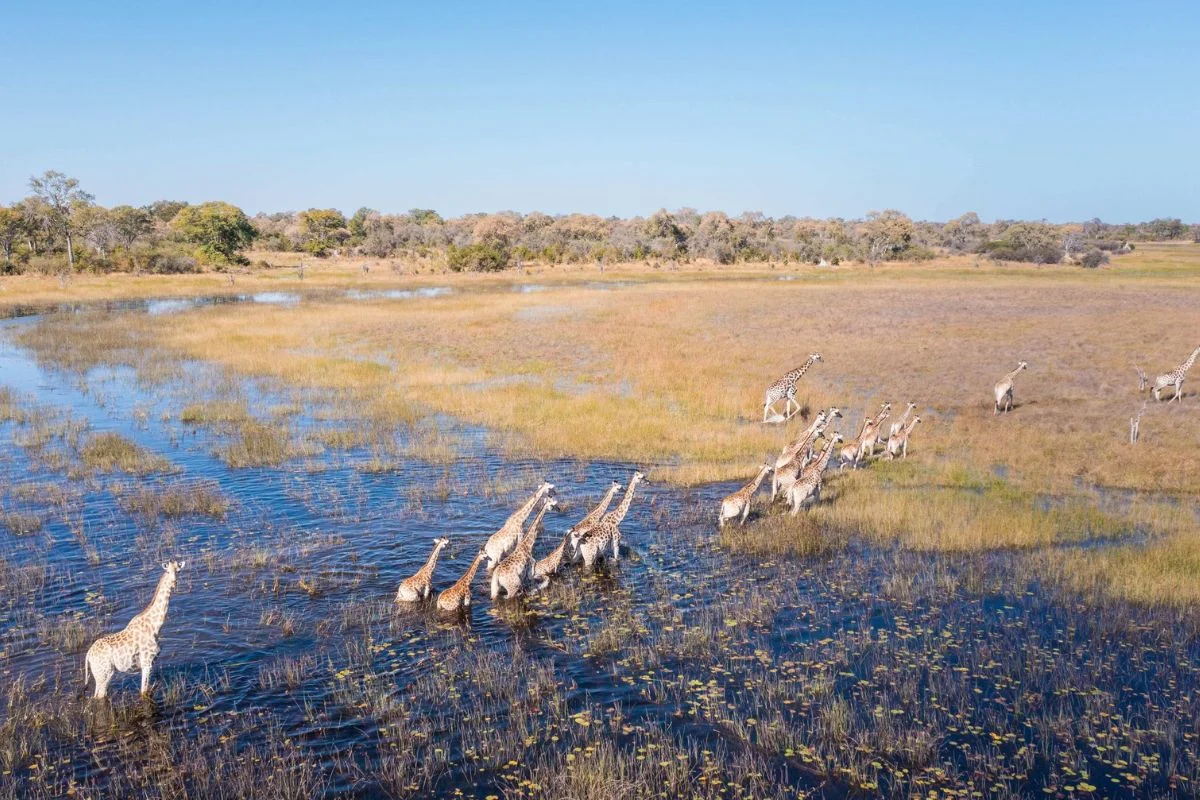
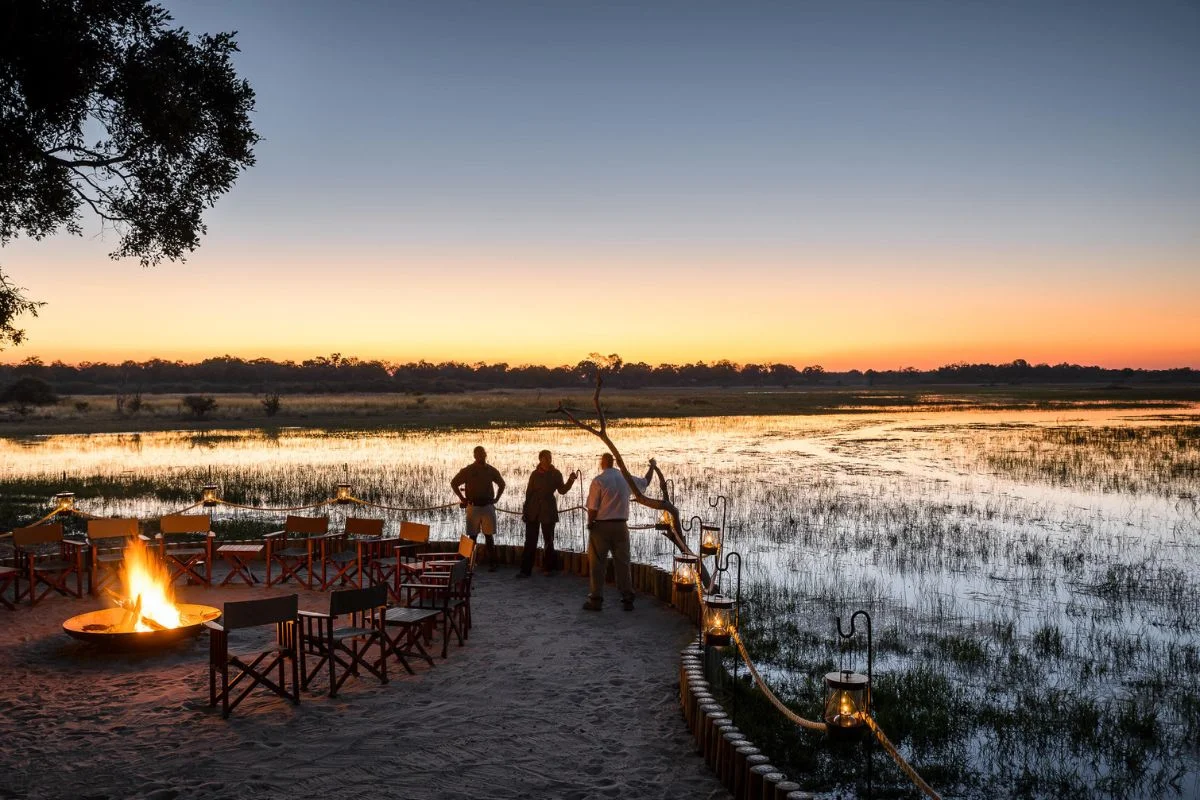
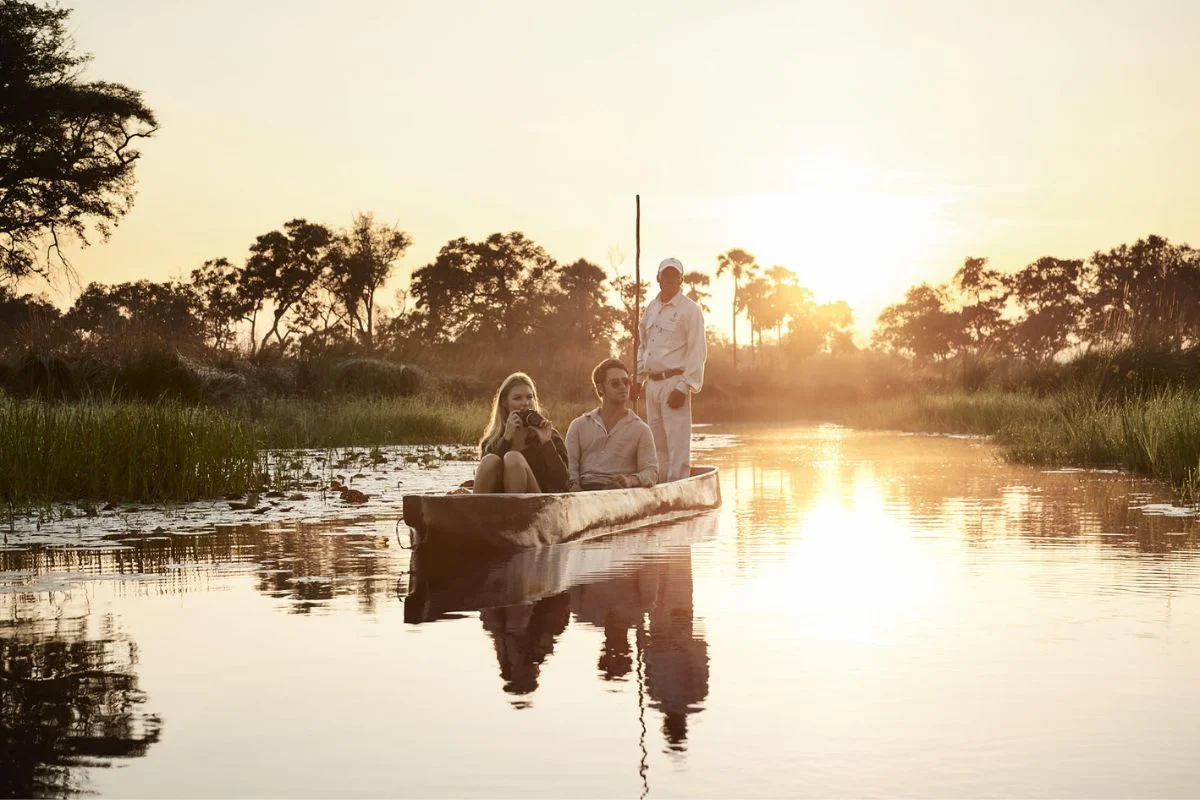
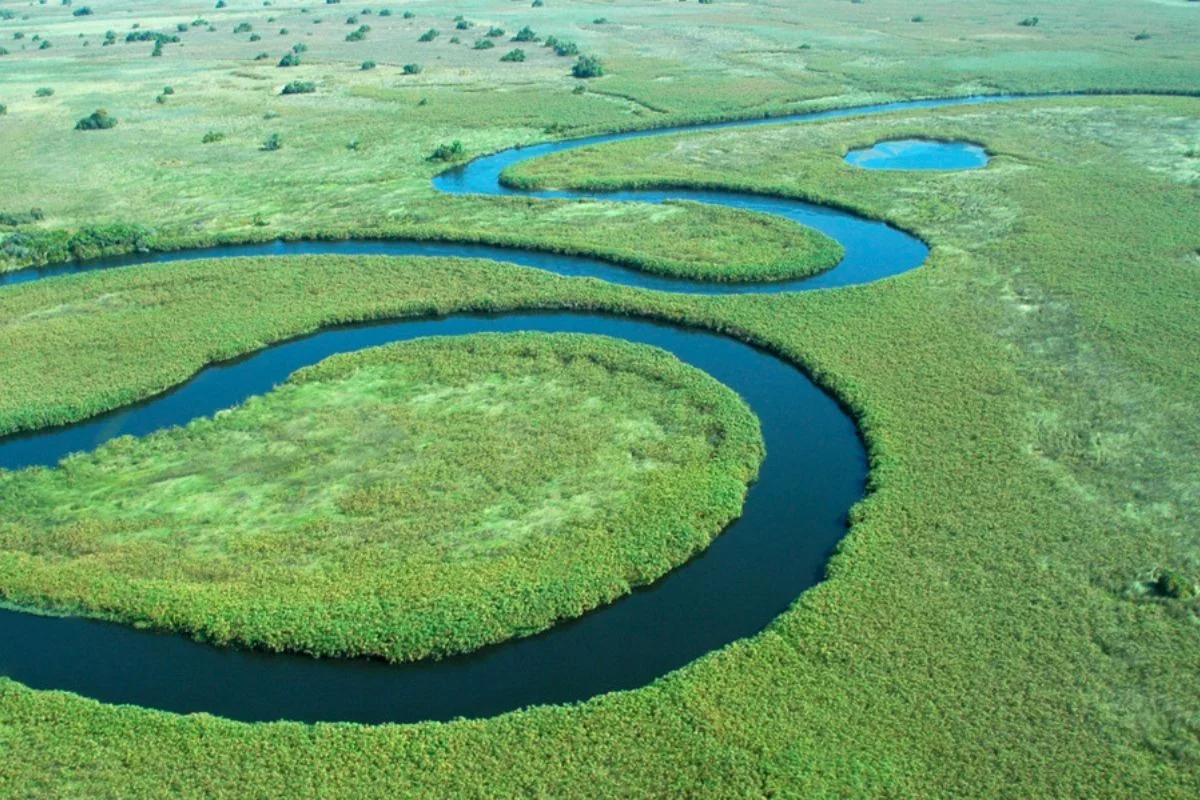
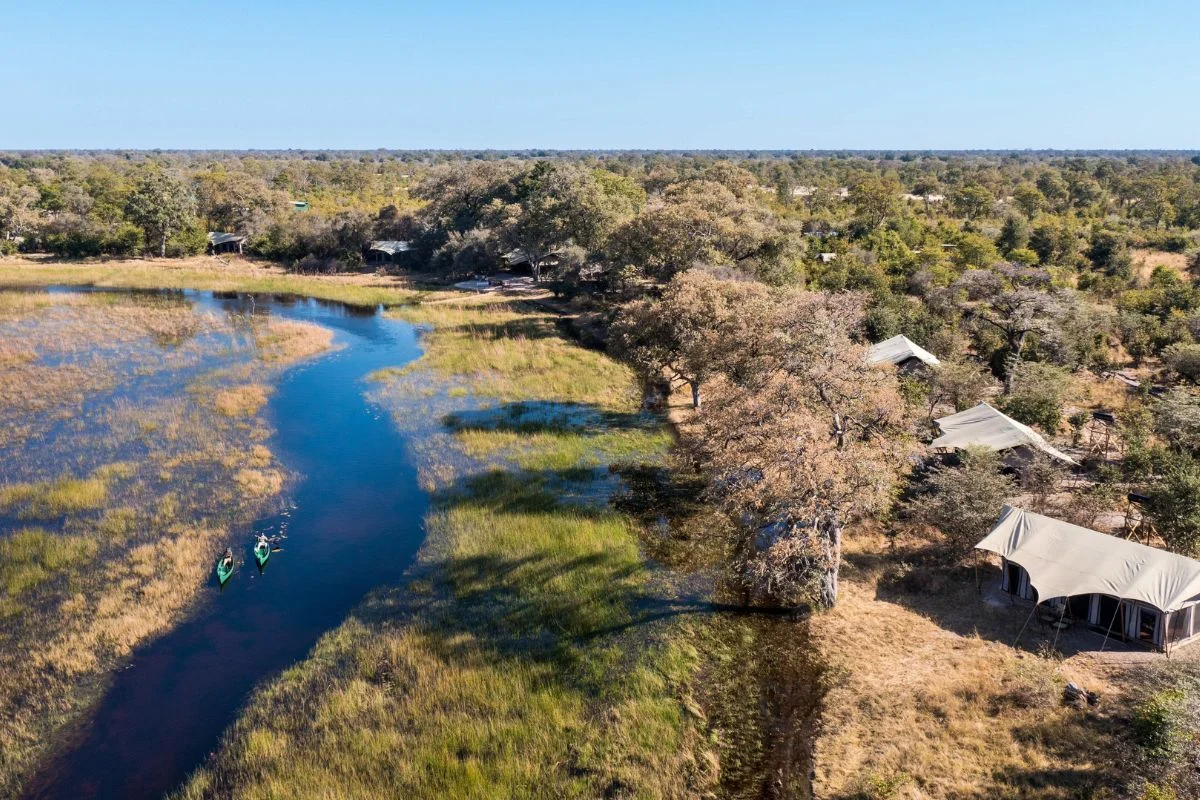
Perhaps the luxurious of all the African Safari destinations, the winding waterways of the Okavango Delta in Botswana boast safari lodges on the banks of ecosystems teeming with wildlife.
Travel costs in Okavango Delta
Botswana
Expect $800 to $2,500 per person per night in the Okavango Delta on an all-inclusive basis.
| Tier | Per person / night | What you get |
|---|---|---|
| Standard Luxury | $800 - $1,200 | Classic tented camps with en-suite facilities, game drives, mokoro excursions, and three meals daily. |
| Premium Luxury | $1,200 - $1,800 | Private plunge pools, elevated decks, premium guiding, walking safaris, and curated wine pairings included. |
| Ultra-Luxury | $1,800 - $2,500 | Private islands, butler service, helicopter transfers, spa treatments, private vehicle options, and champagne experiences. |
What's included
- All meals and local drinks
- Two daily game drives / trips
- Mokoro canoe excursions
- Walking safaris with guides
- Park and concession fees
What's not included
- International flights to Maun
- Visa fees for Botswana
- Travel insurance
- Spa treatments and purchases
- Charter flight premium upgrades
When to go
Peak season June to October is the most popular while green season November to March may offer more value in terms of availability.
Best value tip
Book shoulder months May or early November for luxury safari lodge upgrades and offers.
Last updated 6 August 2026
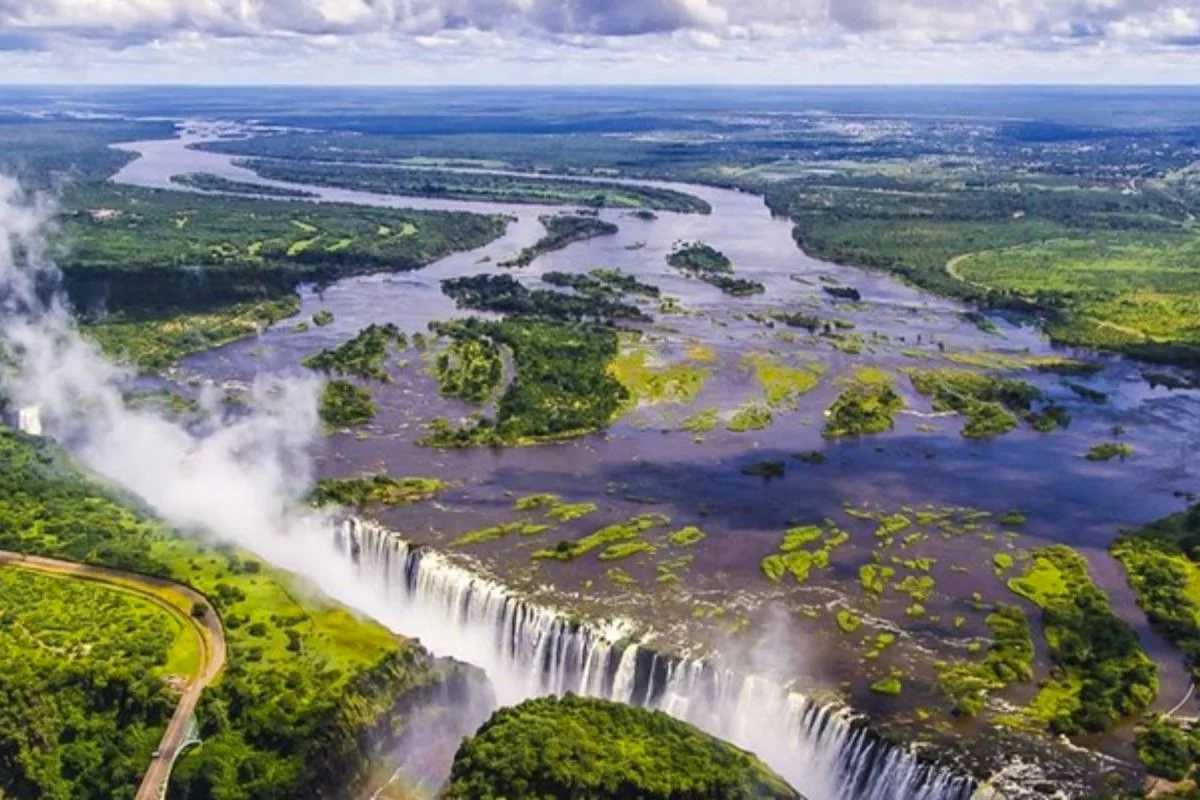
Victoria Falls, Zambia
Home of the world’s biggest waterfall and UNESCO World Heritage site, Victoria Falls is an adventure lovers dream destination with white water rafting, bungee jumping, Devil’s Pool, wildlife safaris and romantic sunset cruises on the Zambezi.
Travel costs in Victoria Falls
Zambia
Victoria Falls, Zambia lodges run $350 to $2,500 per person per night, fully inclusive. Zambian side offers fewer crowds and direct river access.
| Tier | Per person / night | What you get |
|---|---|---|
| Standard Luxury | $350 - $500 | Established lodges with river views, guided Falls visits, sunset cruises, and standard game drives in Mosi-oa-Tunya National Park. |
| Premium Luxury | $550 - $850 | Private plunge pools, exclusive river islands, premium walking safaris, microlight flights, and elevated cuisine with sommelier-selected wines. |
| Ultra-Luxury | $900 - $2,500 | Private villas, personal guides, helicopter transfers, bespoke excursions including Livingstone Island lunches, and dedicated safari vehicles. |
What our travellers say
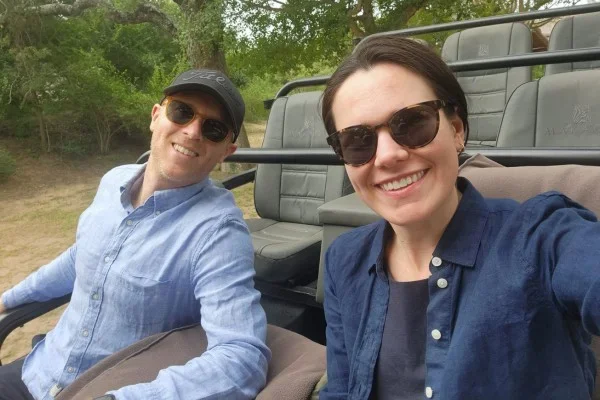
What an incredible 12 days, planned by Samantha Wilby! We were able to enjoy the Kruger Greater Area, Franschhoek and Cape Town. Sam helped tailor the itinerary for the season and our priorities, in a very short time! Planning was seamless and Sam was fantastic, checking in with us throughout our trip. Everything was truly perfect and we cannot recommend enough. We did not want to leave, but we will be back soon!
★★★★★ The Witkewicz's, Chicago, USA
Frequently asked questions
How much should I budget for a luxury African safari?
For a luxury four star African safari budget from $650 - $850 USD per person nightly. This is on an all-inclusive basis which means accommodation, all meals and local drinks, and two daily privately guided wildlife safaris. For a luxury Five Star safari experience, budget from $1,000 USD per person nightly.
How much does a luxury safari in the Okavango Delta cost?
Safari prices in the Okavango Delta vary enormously depending on the level of accommodation and exclusivity. Expect prices to range from $1,200 USD per person nightly, to over $3,000 per person nightly depending on the level of luxury and lodge location. As a remote safari destination most lodges are visited by light aircraft.
What honeymoon specials do safari lodges offer in South Africa?
Many luxury safari lodges offer special honeymoon packages if you travel within 6 months of your wedding date. Notable lodges with honeymoon specials include Tengile River Lodge, The Dulini Collection, and Ngala Tented Camp. These packages typically include romantic extras and special touches to make your honeymoon memorable. Examples include pay three nights and stay four nights, Bride pays 50% and exclusive properties, experiences and upgrades.
How expensive is staying at luxury safari lodges for a South Africa honeymoon?
Luxury safari lodges start from $650 USD per person nightly for a four star experience. This includes accommodation, airport transfer, all meals and local drinks as well as an early morning game drive and a late afternoon into the evening game drive. The value is truly exceptional, with unforgettable memories.
Last updated: September 2026