
What are the top African safari destinations?
The seven essential destinations are Kruger Park in South Africa for Big Five variety and value, Okavango Delta in Botswana for exclusive water-based safaris, Serengeti in Tanzania for the Great Migration, Masai Mara in Kenya for river crossings and conservancies, Cape Town for wine and coastal extensions, Victoria Falls for adventure activities, and Seychelles for post-safari beach stays, and not to forget the Kruger Park for Big Five safaris.
Best value
Kruger Park from $400 per night
Big Five and private reserves
Most exclusive
Okavango Delta $800 to $1,800
Mokoro canoes, fly-in only
Great Migration
Serengeti and Masai Mara
2 million wildebeest, July to October
Common pairings
Safari plus Cape Town or Seychelles
3 to 7 nights extra
Quick answer
Seven best Africa safari destinations
Kruger National Park offers the widest price range and year-round Big Five viewing. Botswana's Okavango Delta delivers exclusivity and water safaris. Serengeti and Masai Mara host the Great Migration. Victoria Falls adds adventure activities. Cape Town and Seychelles extend safaris with culture, wine and beaches.
Last updated 7 August 2026.
- Best value
- Kruger from $50 per night
- Most exclusive
- Okavango Delta, 16 guests maximum
- Great Migration
- 2 million animals annually
- Shortest transfers
- Kruger, 4 hours from Johannesburg
- Premier luxury
- Okavango $800 to $1,800
- Beach extension
- Seychelles, 4 hours ex-Johannesburg
What our travellers say
Samantha Wilby at Tailor Africa was such a pleasure to work with. Our trip was beyond magical, from stellebosch to cape town, Kruger to sabi sands, our trip was a true dream. We cant thank you enough for making our honeymoon dreams come true!!! We hope to come back one day with our future family.
★★★★★ The Pfeffer's, New York, USA
Key takeaways
Kruger Park in South Africa offers the Big Five, 140 mammal species, private reserves and best-value accommodation in Africa.
Botswana's Okavango Delta is Africa's premier luxury safari destination with remote lodges and intimate mokoro canoe experiences.
The Serengeti in Tanzania hosts the Great Migration, with over 2 million wildebeest moving annually across open plains.
Kenya's Masai Mara combines migration crossings, Big Five safaris, Maasai cultural encounters and views of Mount Kilimanjaro.
Cape Town pairs safari itineraries with Table Mountain, wine estates, Blue Flag beaches and top-50 global restaurants.
Victoria Falls on the Zambia-Zimbabwe border adds white-water rafting, bungee jumping and the world's largest waterfall curtain.
Planning your Africa vacation can feel overwhelming with so many destinations to choose from, after reviewing your favourite ones, reach out to us for your best options. Our travel specialists have over 20 years of experience in South & East Africa, and can design your dream trip for you.
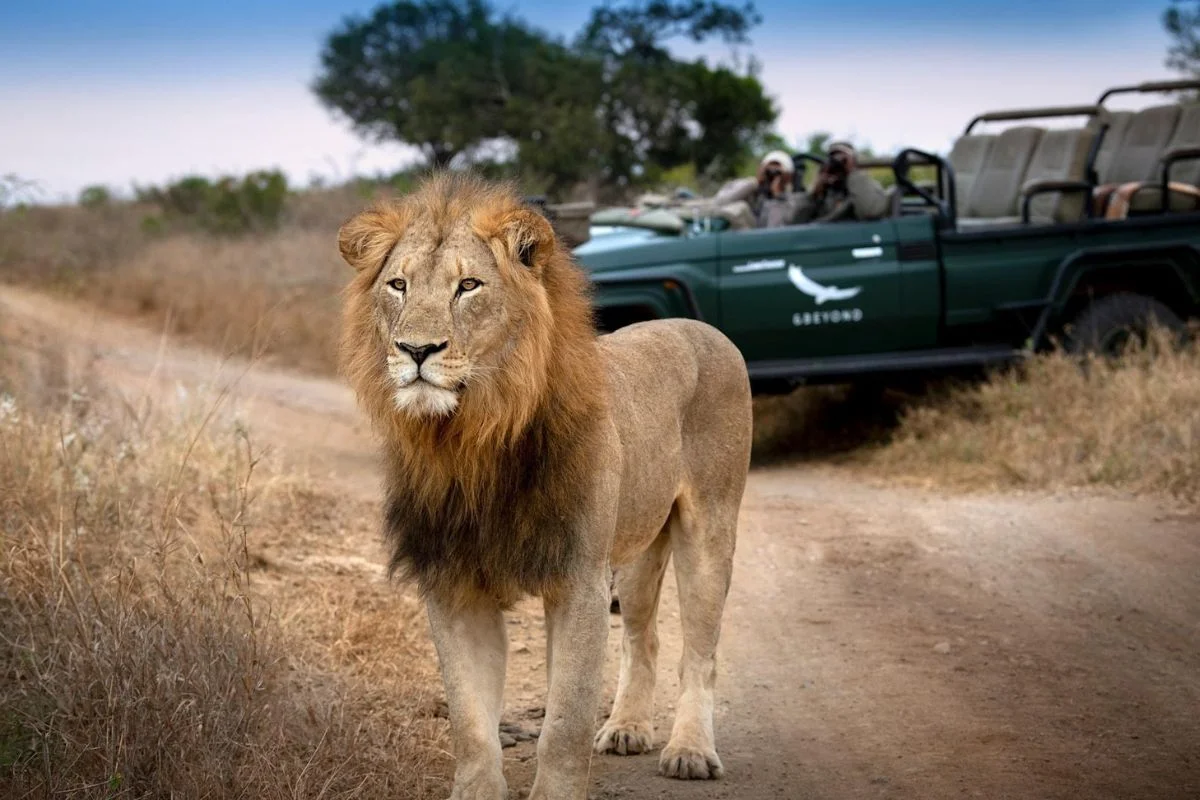
1. Kruger National Park, South Africa
Kruger Park in South Africa's northeast is Africa's most visited safari destination and the logical first choice for families, honeymooners and groups.
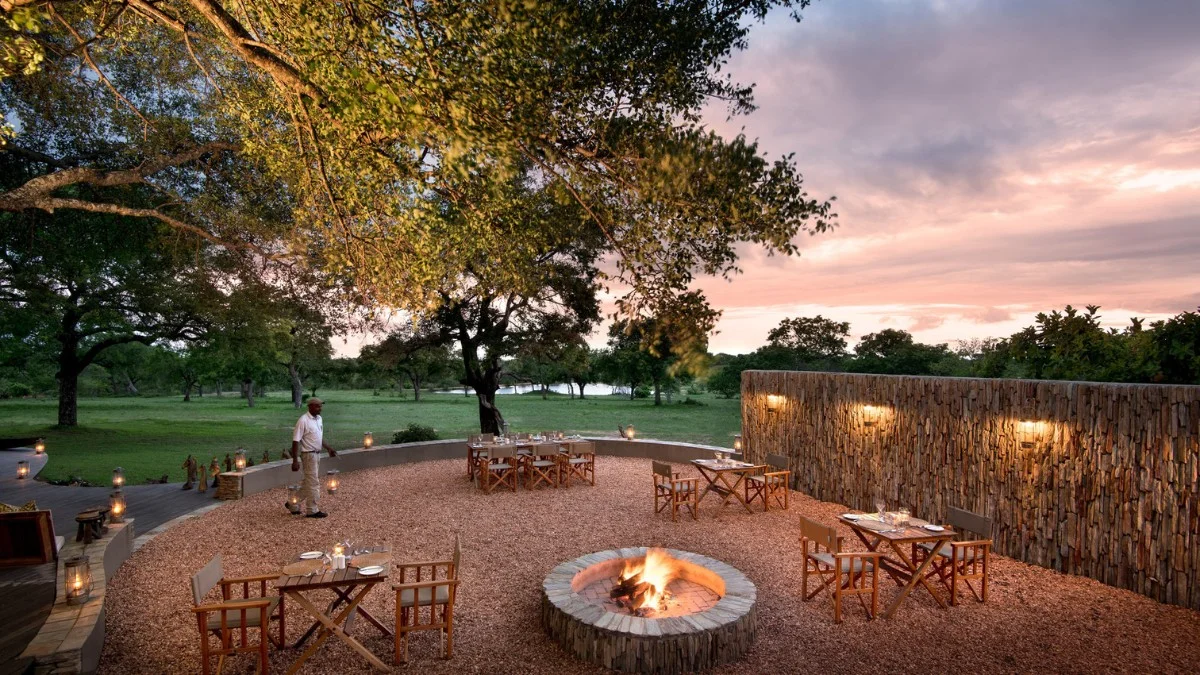
The park protects the Big Five (lion, leopard, elephant, rhino, buffalo), 140 large mammal species and over 500 bird species. The Greater Kruger system includes private reserves like Sabi Sand, Timbavati and Thornybush, where off-road driving, walking safaris and night drives are permitted.
Kruger is accessible by a four-hour drive from Johannesburg or direct flights to Kruger Mpumalanga International Airport and several airstrips inside private reserves.
Four-star and five-star lodges in the private reserves cost $400 to $1,200 per person per night all-inclusive. National park rest camps run $50 to $150 per person per night self-catering.
Why do safari travellers choose Kruger Park over other African reserves?
Kruger combines high wildlife density, year-round accessibility, short transfer times from Johannesburg, malaria-free zones in winter and the widest range of lodge price tiers in Africa.
The private reserves offer guaranteed Big Five sightings on most three-night stays. The infrastructure is mature: paved roads, reliable electricity, excellent guiding standards and lodge service that rivals Botswana at a fraction of the cost.
Families value the short distances, varied activities (bush walks, star beds, kids' programmes) and lodges with triple rooms and connecting suites.
Travel costs in Kruger Park
South Africa
Kruger luxury lodges run $600 to $2,500 per person nightly. Private concessions command premium rates over Sabi Sands properties.
| Tier | Per person / night | What you get |
|---|---|---|
| Standard Luxury | $600-$900 | Established Sabi Sands lodges with classic suites, twice daily game drives, and quality guiding. |
| Premium Luxury | $1,000-$1,600 | Private plunge pools, expansive suites, premium concession access, specialist guides, and curated wine cellars. |
| Ultra-Luxury | $1,800-$2,500 | Exclusive use villas, private vehicle and guide, spa suites, and exceptional leopard viewing territories. |
What's included
- All meals and premium beverages
- Twice daily guided game drives
- Bush walks with armed rangers
- Sabi Sands conservancy fees
- Private vehicle airport transfers
What's not included
- International flights to Johannesburg
- Premium champagnes and spirits
- Spa treatments and massages
- Gratuities for staff and guides
- Travel and evacuation insurance
Last updated 6 August 2026
Common mistakes to avoid
Trusting online reviews from people who've done one safari.
Why it happens: Someone does their first safari, stays at a comfortable lodge with resident elephants at the waterhole, and writes a glowing review. They have no comparison point, so they don't know that the same lodge caters to large groups, offers basic guiding, and sits in a part of the park with low predator activity. First-time planners read those reviews and assume it's a top choice. We send clients there only when they specifically want easy, unchallenging safari, and we tell them that upfront.
How to avoid it: Ignore reviews that don't explain what the reviewer was comparing the lodge to, or that focus solely on comfort rather than wildlife sightings and guiding quality. Ask your operator which lodges they use for experienced safari-goers versus first-timers. The best camps don't always have the most reviews because they're smaller and don't chase volume. Trust specialists who know which properties match your level, not crowds who don't.
Cramming five parks into ten days.
Why it happens: Clients see a map of Kenya or Tanzania, notice the parks are relatively close together, and assume they should visit as many as possible. What the map doesn't show is that 'close' in Africa means six hours of rough roads, or short flights that only operate on specific days, or back-and-forth routing that makes no logistical sense. We've watched clients arrive at their fifth camp exhausted, admitting they can't remember which park had the leopard.
How to avoid it: Pick two parks maximum for a week, three if you're staying ten days and they're on a logical route. Spend three nights minimum in each location. If you want to see different ecosystems, choose parks that offer contrast, like Botswana's Okavango Delta and Chobe, not four savanna parks that all look similar from the vehicle.
Staying only in Central Serengeti and missing the migration entirely.
Why it happens: Central Serengeti around Seronera has the name recognition and the most lodges, so people default to it without understanding that the migration moves through nine distinct zones across the year. The herds spend maybe six weeks passing through Central Serengeti during the transition months. The rest of the time, you're hours away from the action by vehicle. We regularly see clients who booked four nights in Seronera during August wondering where all the wildebeest went.
How to avoid it: Match your camp location to the month you're travelling. June through October means northern Serengeti near Kogatende. December through March means Ndutu or Namisito in the south. May and November are transition months where Central Serengeti actually works, but understand you're catching the tail end of movement, not the peak.
Skipping travel insurance because you're young, healthy, and nothing will go wrong.
Why it happens: Honeymoon budgets are already stretched and insurance feels like dead money for something that probably won't happen. Then someone gets acute malaria, or a family emergency requires immediate return, or political instability closes a border, or any of a dozen other scenarios we see every year unfold. Africa is remote, medical evacuation is phenomenally expensive, and standard health insurance doesn't cover it.
How to avoid it: Buy comprehensive travel insurance with medical evacuation coverage the day you make your first deposit. Expect to pay around $400 to $600 for a couple on a $15,000 to $20,000 honeymoon. Make sure it includes cancel for any reason coverage, not just standard trip cancellation. We've seen evacuation bills exceed $80,000. You cannot afford to skip this.
Packing too many destinations into 10 days because you want to see everything on your once-in-a-lifetime trip.
Why it happens: Honeymoon pressure makes couples feel they need to maximize every day and check multiple boxes. They read about Botswana's waterways, Tanzania's migration, Victoria Falls, and Cape Town beaches and try to fit all of it in. What actually happens is you spend your honeymoon exhausted, living out of a suitcase, with no time to enjoy being newlyweds. We've had couples arrive at their fourth camp in seven days barely speaking to each other.
How to avoid it: Pick one, maximum two countries. Plan to spend at least three nights in each location. For a 10-day honeymoon, that means two camps plus a beach finish, not five destinations connected by a dozen flights. The best honeymoon we ever planned was seven nights in one Botswana camp with nothing scheduled after morning game drives. They actually remember being together, not just being busy.
What our travellers say
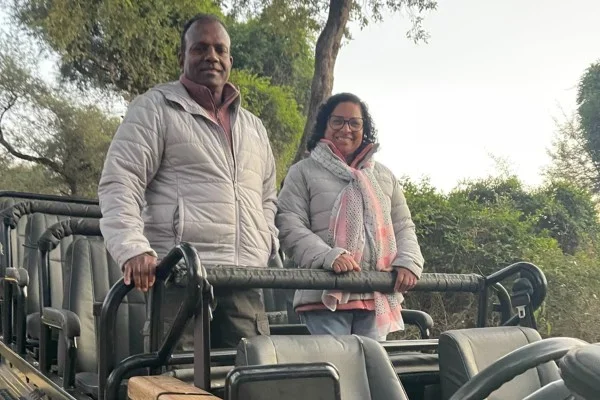
My husband and I would like to express our appreciation for the wonderful South Africa trip organized by Samantha Wilby. The entire experience was exceptional, and we thoroughly enjoyed every aspect of the journey. Prompt and excellent service at all times which exceeded our expectations! First and foremost, the itinerary crafted by Samantha was well-planned and covered a wide range of attractions and activities. One of the highlights of our trip was the African safari experience. It was our first time in the African continent. The thrilling safari rides and bush walks with experienced staff and traditional entertainment were unforgettable. Samantha’s attention to detail and personalized service truly stood out. She was readily available to answer any queries or concerns we had, ensuring that everything ran smoothly. Her knowledge about South Africa and its attractions was commendable, providing us with insightful information and recommendations. Overall, I cannot thank Samantha enough for organizing such a fantastic and memorable trip. The memories created during our time in South Africa will be cherished for a lifetime. We highly recommend leveraging Samantha's expertise to anyone planning a visit to South Africa.Show less
★★★★★ Senadheera's, California, USA
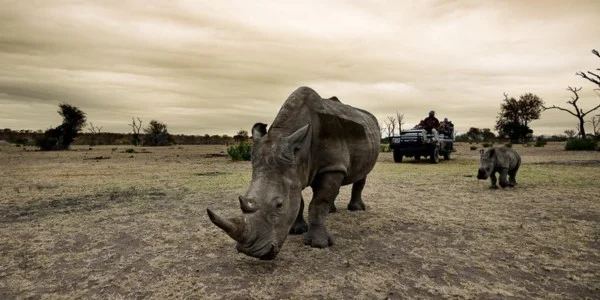
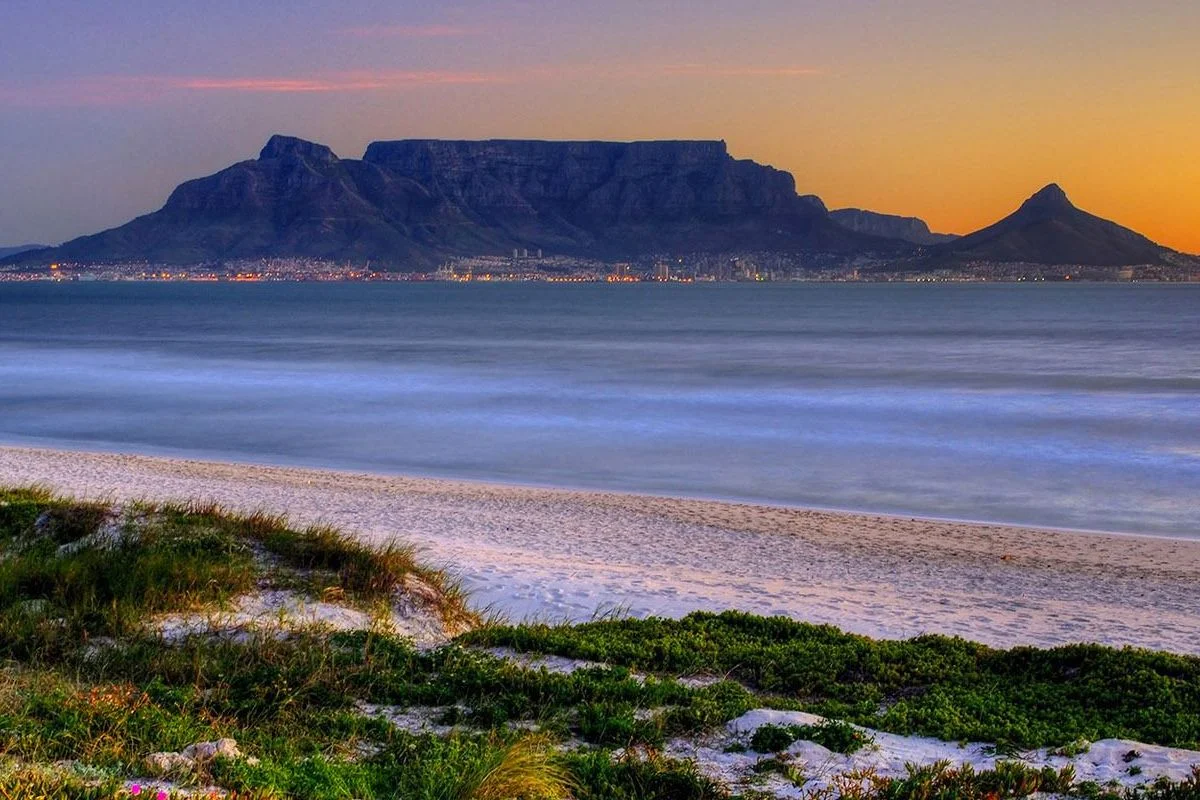
2. Cape Town, South Africa
Cape Town sits at Africa's southern tip below Table Mountain, a flat-topped massif rising 1,085 metres above the city.
The city combines coastal scenery (the Cape Peninsula, Chapman's Peak, Boulders Beach penguin colony), wine estates in Stellenbosch and Franschhoek, shark cage diving in Gansbaai and restaurants holding eight spots in the World's 50 Best list as of 2024. It is not a safari destination but pairs with Kruger or private reserves in most South Africa itineraries.
Cape Town works for pre-safari or post-safari stays of three to five nights.
Families use it for beach days, the Two Oceans Aquarium, Table Mountain Aerial Cableway and the penguin colony. Couples visit wine estates, dine at Test Kitchen or La Colombe and hike the Twelve Apostles or Lion's Head trails.
Boutique hotels in Camps Bay and the V&A Waterfront cost $200 to $600 per night.
Travel costs in Cape Town
South Africa
Cape Town luxury accommodation and stays run $250 to $1,200 per person per night. Peak season may increase rates slightly.
| Tier | Per person / night | What you get |
|---|---|---|
| Standard Luxury | $250 - $350 | Boutique hotels in Camps Bay or Waterfront, vineyard lodges, guided day tours, gourmet meals, house wines. |
| Premium Luxury | $400 - $750 | Five star hotels with Table Mountain views, private wine tours, helicopter transfers, chef driven dining, premium spirits. |
| Ultra-Luxury | $850 - $2,000+ | Exclusive villas, private yacht charters, dedicated butlers, michelin level cuisine, tailored itineraries throughout Western Cape. |
3. Okavango Delta, Botswana
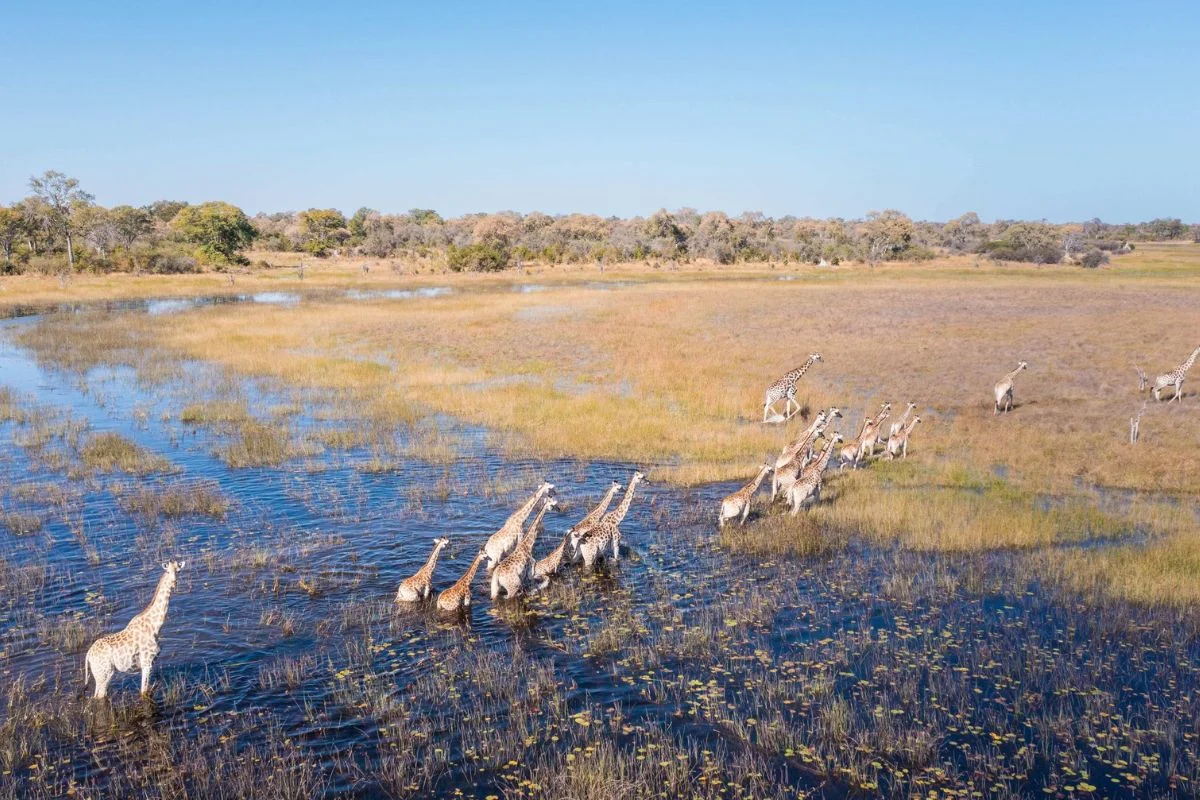
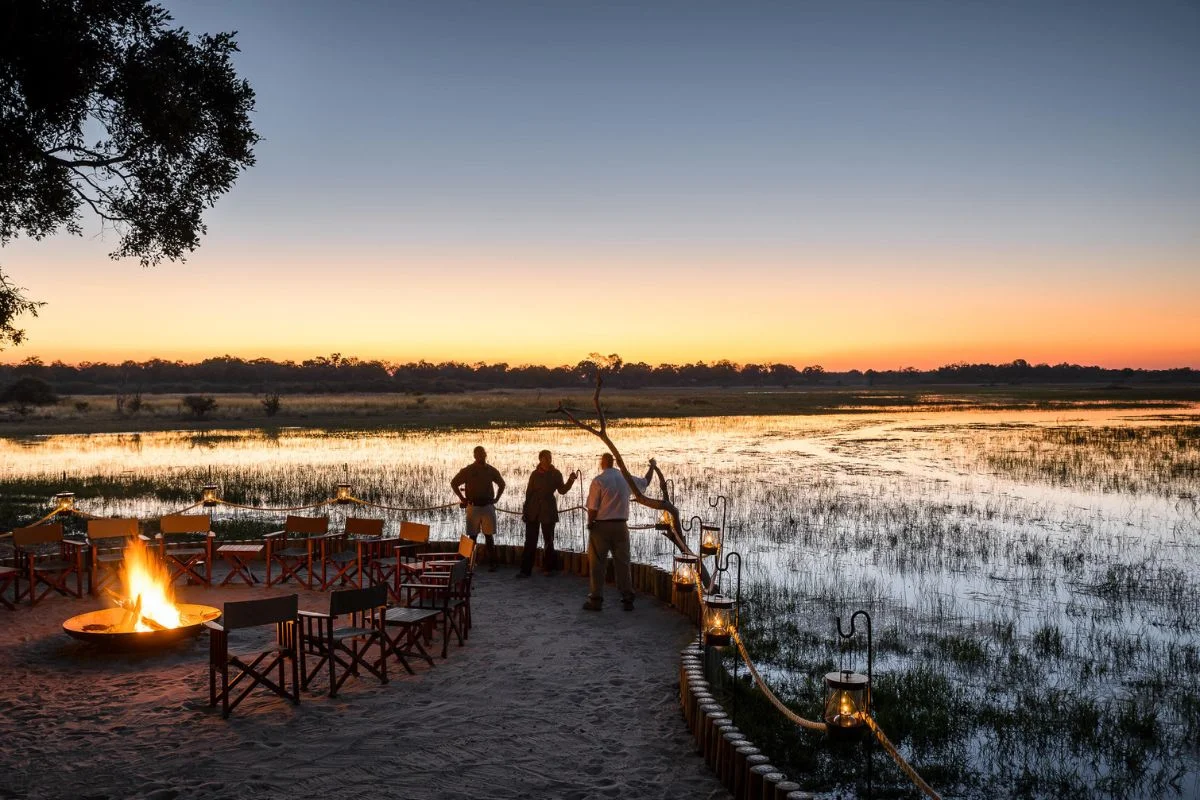
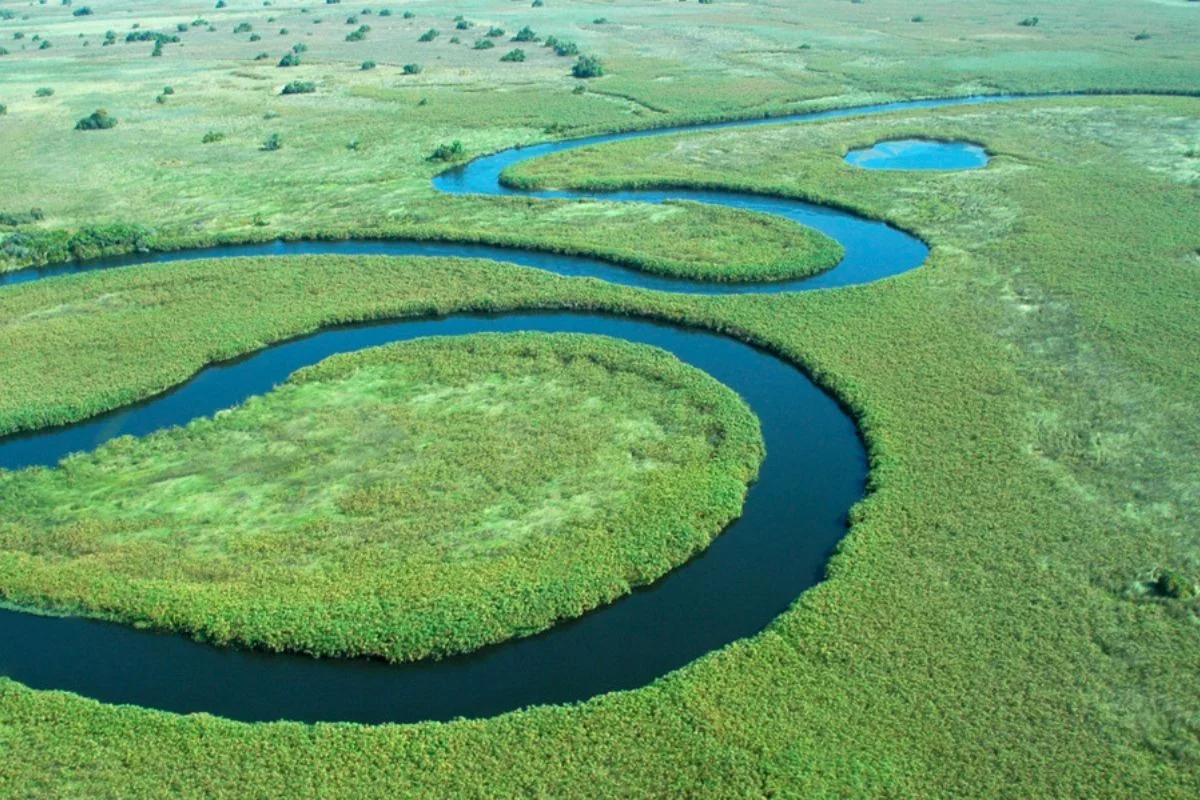
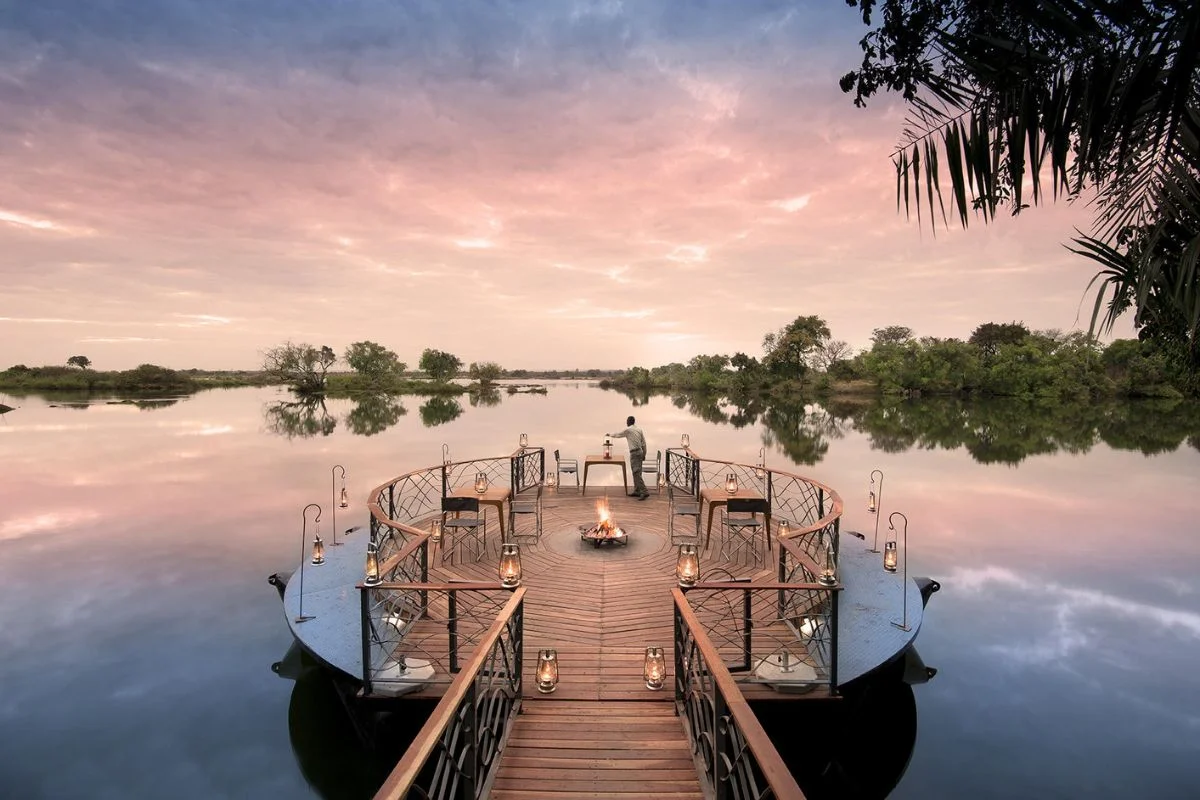
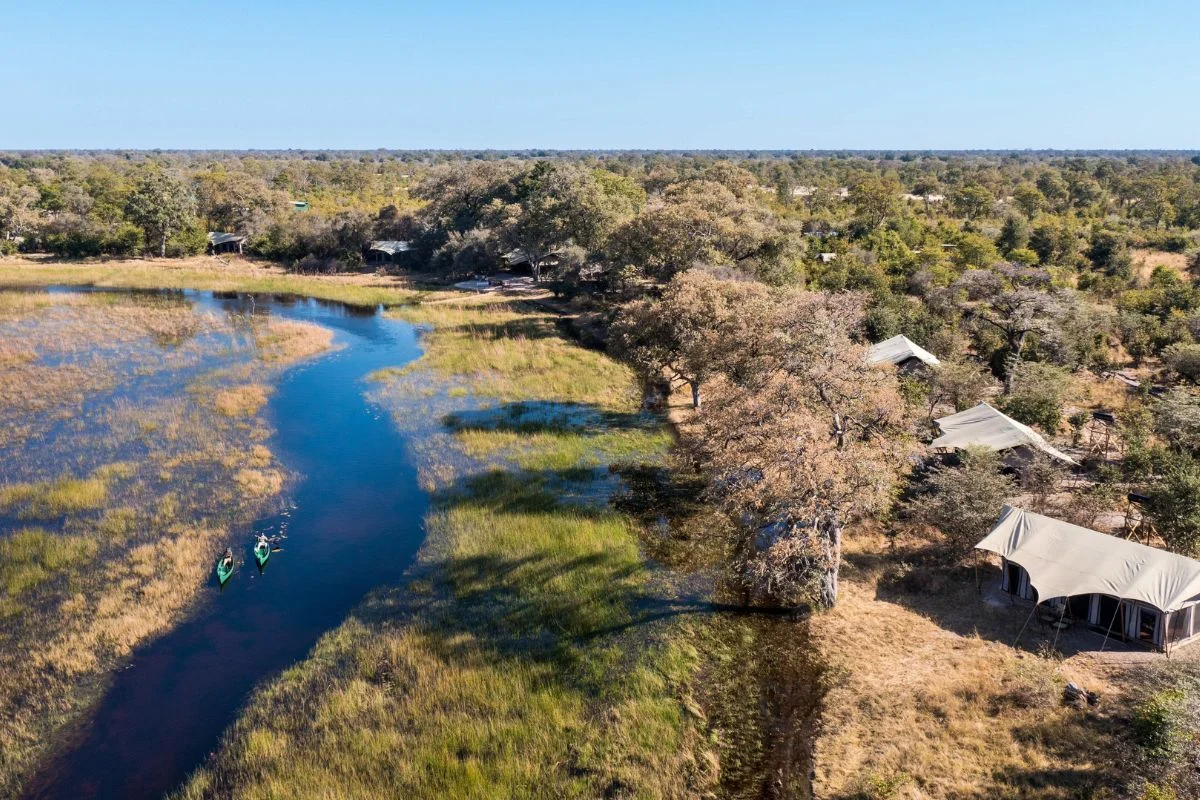
The Okavango Delta is a 15,000-square-kilometre inland delta in northern Botswana, a UNESCO World Heritage site where the Okavango River floods the Kalahari Desert each year.
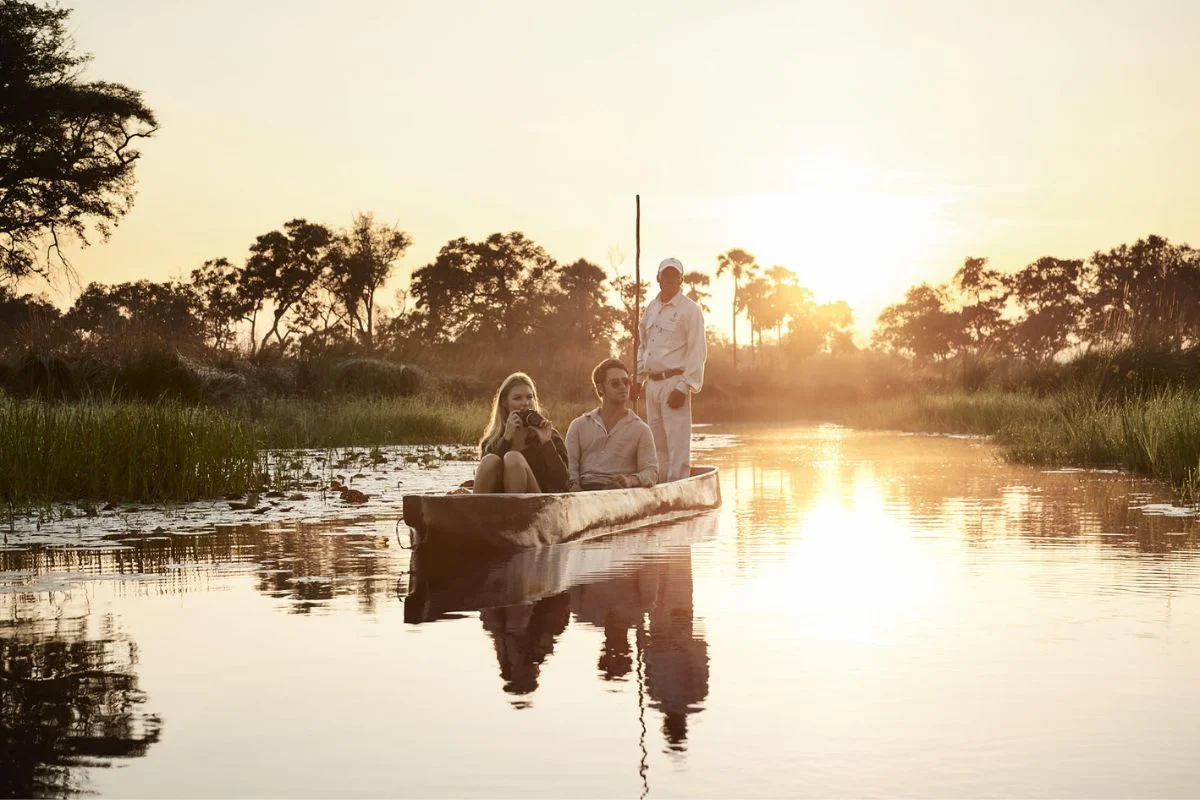
Water levels peak from June to August. Lodges sit on islands and floodplain edges, accessed only by light aircraft. Activities include game drives, mokoro (traditional canoe) excursions, walking safaris and motorboat trips.
The Okavango suits travellers seeking exclusivity, low tourist density and water-based safari experiences. Lodges limit guest numbers to 16 or fewer. All-inclusive rates run $800 to $1,800 per person per night, including charter flights from Maun.
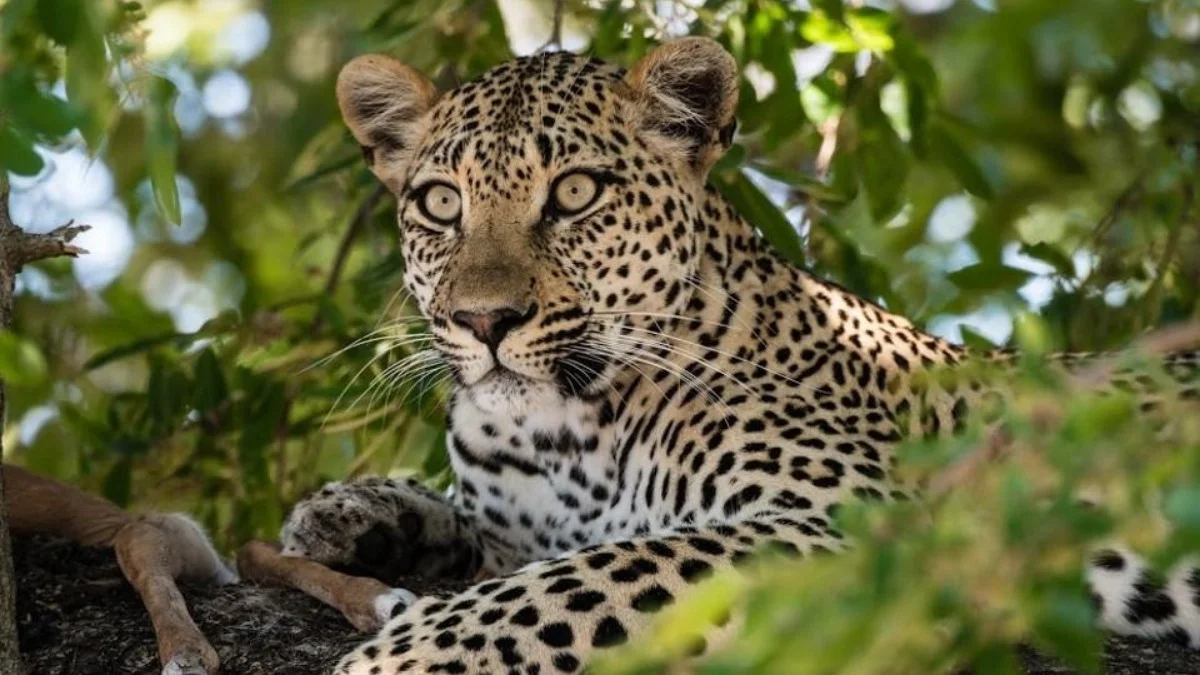
The delta hosts elephant, buffalo, lion, leopard, wild dog, red lechwe, hippo and over 400 bird species. Combine with Chobe National Park (45-minute flight) for large elephant herds or Moremi Game Reserve for predator sightings.
What is a mokoro safari and who should try it?
A mokoro is a traditional dugout canoe poled through shallow channels by a local guide. Trips last one to three hours and move silently past reedbeds, lily-covered lagoons and small islands.
You sit low to the water and see birds (malachite kingfisher, African jacana, fish eagle), hippo and occasionally elephant or buffalo on the banks. Mokoro safaris suit seniors and couples who want a slower pace and close connection to the delta's ecosystem. Children under eight are usually excluded for safety reasons. The experience is gentle; there is no paddling required.
Okavango Delta — best time to visit
| J | F | M | A | M | J | J | A | S | O | N | D | |
|---|---|---|---|---|---|---|---|---|---|---|---|---|
| High °C | 32° | 31° | 31° | 30° | 28° | 25° | 25° | 28° | 32° | 34° | 33° | 32° |
| High °F | 90° | 88° | 88° | 86° | 82° | 77° | 77° | 82° | 90° | 93° | 91° | 90° |
| Rain mm | 110 | 90 | 70 | 25 | 5 | 0 | 0 | 0 | 5 | 35 | 65 | 95 |
| Rating |
Okavango Delta: Floodwaters peak Jun–Aug — prime mokoro and game viewing; summer is hot and wet.
Ideal — Peak conditions — dry, comfortable, prime wildlife or beach time.
Good — Great conditions with brief showers or warmer days; still highly recommended.
Shoulder — Mixed weather — fewer crowds and lower rates, occasional rain.
Avoid — Heaviest rain or roughest seas; many camps and roads can be affected.
Travel costs in Okavango Delta
Botswana
Expect $800 to $2,500 per person per night in the Okavango Delta. Peak season runs June through October with 30% premiums.
| Tier | Per person / night | What you get |
|---|---|---|
| Standard Luxury | $800 - $1,200 | Classic tented camps with en-suite facilities, game drives, mokoro excursions, and three meals daily. |
| Premium Luxury | $1,200 - $1,800 | Private plunge pools, elevated decks, premium guiding, walking safaris, and curated wine pairings included. |
| Ultra-Luxury | $1,800 - $2,500 | Private islands, butler service, helicopter transfers, spa treatments, private vehicle options, and champagne experiences. |
What's included
- All meals and premium drinks
- Twice daily game drives
- Mokoro canoe excursions
- Walking safaris with guides
- Park and concession fees
What's not included
- International flights to Maun
- Visa fees for Botswana
- Travel and evacuation insurance
- Spa treatments and purchases
- Charter flight premium upgrades
Visit Cape Town
Visit the number one rated city in the world with 8 blue flag beaches, swimming with penguins and so much more
Plan My Safari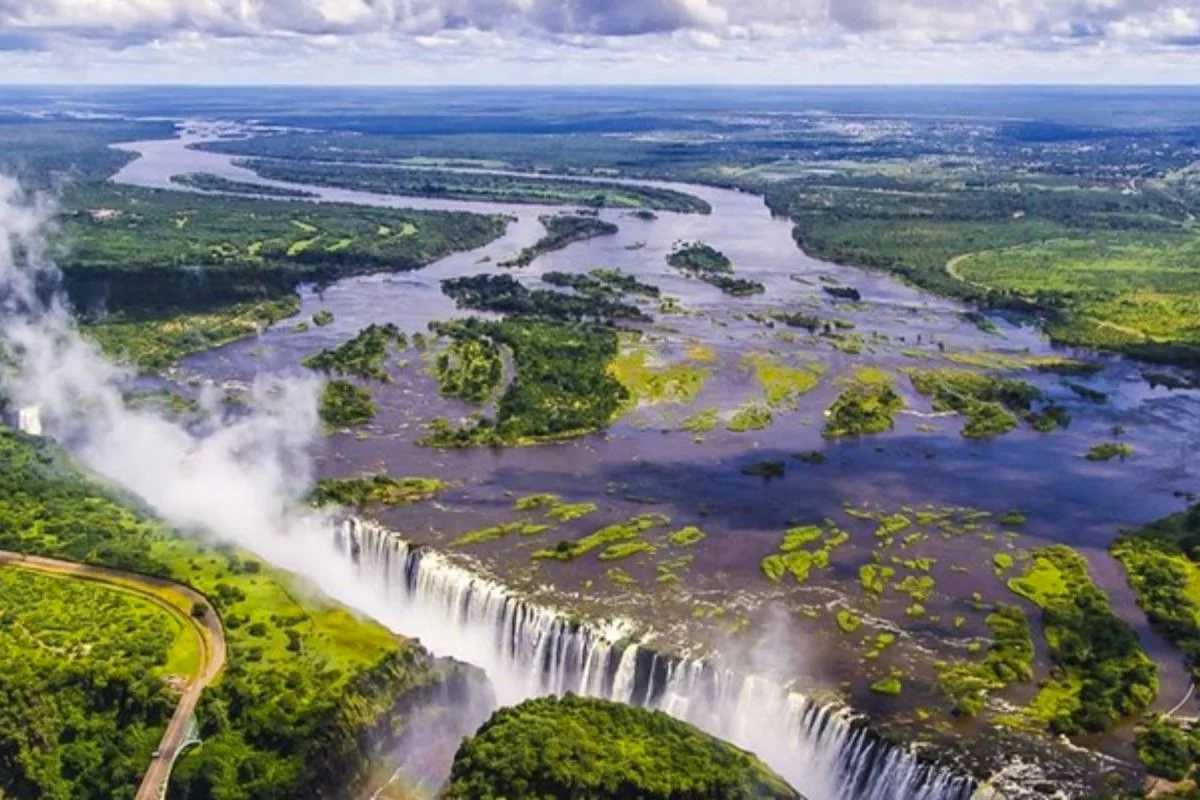
4. Victoria Falls, Zambia and Zimbabwe
Victoria Falls is a 1,708-metre-wide waterfall on the Zambezi River at the Zambia-Zimbabwe border, dropping 108 metres into the Batoka Gorge.
It is one of the Seven Natural Wonders of the World and a UNESCO World Heritage site. Peak flow occurs in April and May after rainy season; low water runs from October to December, revealing rock formations and the Devil's Pool swim spot on the Zambian edge.
Victoria Falls town (Zimbabwe side) and Livingstone (Zambia side) serve as bases.
Activities include helicopter flights over the falls ($150 to $190 per person for 15 minutes), white-water rafting on rapids 16 to 23 below the gorge (grade 5, $135 to $175), bungee jumping from the Victoria Falls Bridge (111 metres, $160), sunset cruises on the upper Zambezi ($55 to $90) and game drives in Mosi-oa-Tunya National Park or Zambezi National Park.
Two to three nights is standard.
Travel costs in Victoria Falls
Zambia
Victoria Falls, Zambia lodges run $350 to $2,500 per person per night, fully inclusive. Zambian side offers fewer crowds and direct river access.
| Tier | Per person / night | What you get |
|---|---|---|
| Standard Luxury | $350 - $500 | Established lodges with river views, guided Falls visits, sunset cruises, and standard game drives in Mosi-oa-Tunya National Park. |
| Premium Luxury | $550 - $850 | Private plunge pools, exclusive river islands, premium walking safaris, microlight flights, and elevated cuisine with sommelier-selected wines. |
| Ultra-Luxury | $900 - $2,500 | Private villas, personal guides, helicopter transfers, bespoke excursions including Livingstone Island lunches, and dedicated safari vehicles. |
5. Seychelles
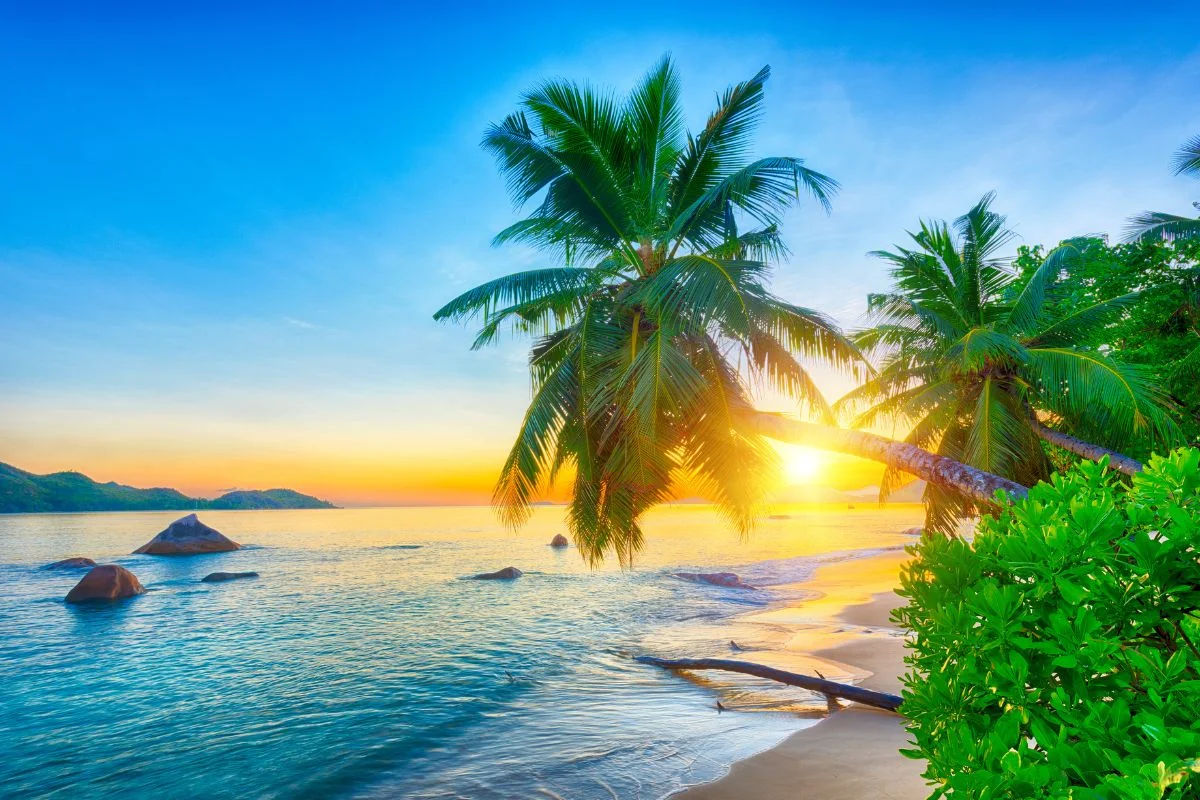
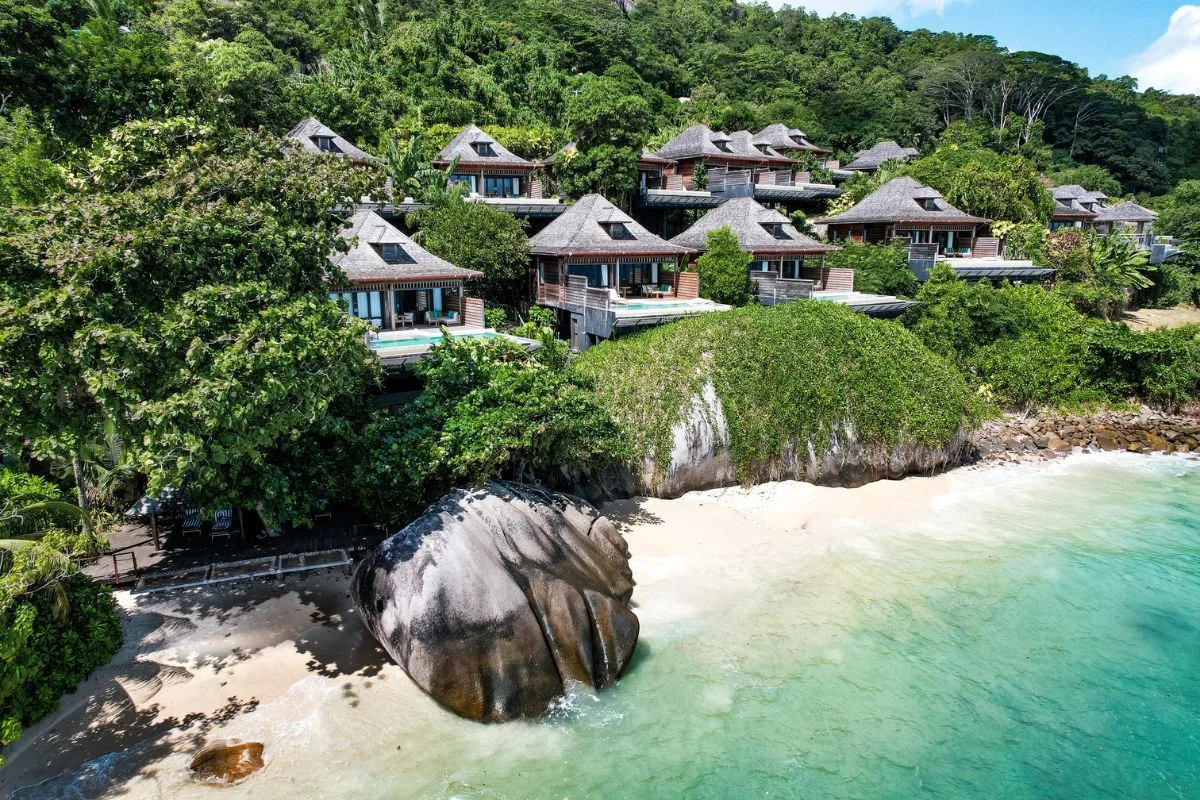
The Seychelles is an archipelago of 115 granite and coral islands in the Indian Ocean, 1,600 kilometres east of mainland Africa. The three main islands (Mahé, Praslin, La Digue) hold most resorts.
Beaches like Anse Source d'Argent, Anse Lazio and Beau Vallon feature white sand and turquoise water framed by granite boulders. The islands are malaria-free and sit outside cyclone zones.
Seychelles works as a post-safari beach extension of four to seven nights. Couples and honeymooners use it for snorkelling, diving, island-hopping by boat or helicopter, spa treatments and private beach dinners.
Five-star resorts (Four Seasons, Six Senses, North Island) cost $1,200 to $3,500 per night. Mid-range properties run $300 to $700. Direct flights operate from Johannesburg (four hours) and seasonal charters from Nairobi. Combine with Kruger, Okavango or Serengeti safaris.
When is the best time to visit the Seychelles after a safari?
April to May and October to November are ideal: calmer seas, better visibility for snorkelling and diving, and lower humidity. December to March brings northwest monsoon rains and rougher seas; June to September sees southeast trade winds and cooler water temperatures (24°C vs 28°C in the hot months).
If you safari in southern Africa from June to October (dry season), a Seychelles extension in October or November aligns well. If you visit East Africa for the migration in July to September, schedule Seychelles for late September or October.
Mahé — best time to visit
| J | F | M | A | M | J | J | A | S | O | N | D | |
|---|---|---|---|---|---|---|---|---|---|---|---|---|
| High °C | 30° | 31° | 31° | 31° | 30° | 29° | 28° | 28° | 29° | 30° | 30° | 30° |
| High °F | 86° | 88° | 88° | 88° | 86° | 84° | 82° | 82° | 84° | 86° | 86° | 86° |
| Rain mm | 385 | 270 | 195 | 180 | 145 | 95 | 80 | 95 | 130 | 195 | 235 | 305 |
| Rating |
Mahé: Calmest seas Apr–May and Oct–Nov; trade winds bring rougher conditions in between.
Ideal — Peak conditions — dry, comfortable, prime wildlife or beach time.
Good — Great conditions with brief showers or warmer days; still highly recommended.
Shoulder — Mixed weather — fewer crowds and lower rates, occasional rain.
Avoid — Heaviest rain or roughest seas; many camps and roads can be affected.
Travel costs in Seychelles
Seychelles luxury lodges run $800 to $3,500 per person per night, fully inclusive. Island exclusivity and marine activities drive premium pricing.
| Tier | Per person / night | What you get |
|---|---|---|
| Standard Luxury | $500 - $800 | Beachfront hotels on Mahe or Praslin with full board, guided snorkeling, and island transfers included. |
| Premium Luxury | $1,100 - $2,000 | Private pool villas on secluded beaches, butler service, spa treatments, diving excursions, and helicopter transfers. |
| Ultra-Luxury | $2,000 - $3,500 | Exclusive private island resorts with overwater villas, personal chefs, yacht charters, and unlimited premium activities. |
6. Serengeti National Park, Tanzania
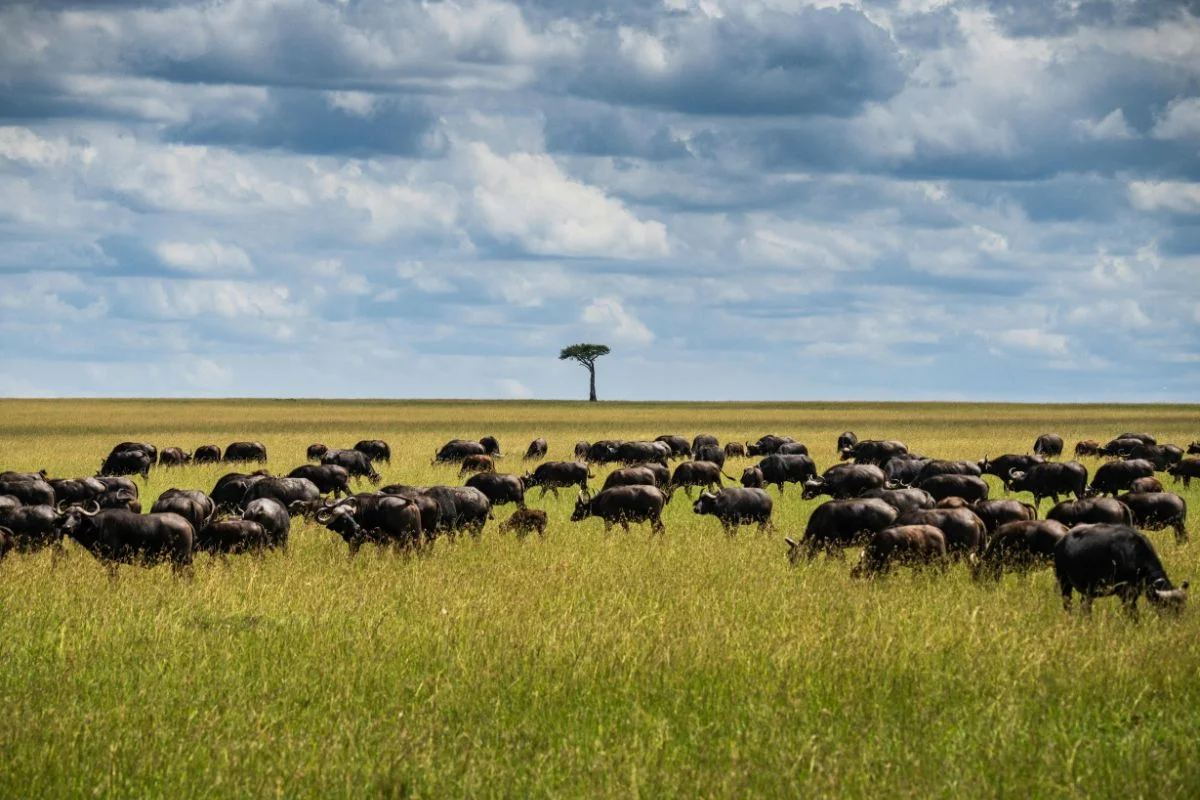
The Serengeti covers 14,750 square kilometres of grassland, woodland and kopjes (granite outcrops) in northern Tanzania. It is famous for the Great Migration: over 2 million wildebeest, zebra and gazelle move in a continuous loop between the Serengeti and Kenya's Masai Mara, following seasonal rains and fresh grazing.
The migration's location shifts monthly. Calving occurs in the southern plains from January to March; river crossings at the Grumeti and Mara rivers happen from June to October.
The Serengeti is a Big Five destination with high concentrations of lion, leopard, cheetah and elephant. Luxury mobile tented camps (Serengeti Under Canvas, Nomad Tanzania) follow the migration and cost $700 to $1,400 per person per night all-inclusive.
Permanent lodges like Singita Sabora and Four Seasons Safari Lodge charge $900 to $2,200. Fly-in access from Arusha (one hour) or Kilimanjaro International Airport (90 minutes) is standard.
Combine with Ngorongoro Crater (a 300-square-kilometre volcanic caldera with 25,000 large animals) and Tarangire National Park (elephant and baobab trees).
Travel costs in Serengeti
Tanzania
Expect $650 to $2,500 per person per night in the Serengeti's luxury camps and lodges. Peak season drives prices 40% higher than low season.
| Tier | Per person / night | What you get |
|---|---|---|
| Standard Luxury | $650 - $950 | Permanent tented camps with en-suite bathrooms, quality guiding, full board, and twice daily game drives. |
| Premium Luxury | $1,000 - $1,600 | High-end camps featuring private decks, premium locations, bush dinners, spa services, and expert naturalist guides. |
| Ultra-Luxury | $1,700 - $2,500 | Exclusive mobile camps and elite lodges with private plunge pools, butler service, and flexible private guiding. |
What's included
- All meals and house beverages
- Twice daily shared game drives
- Serengeti National Park fees
- Light aircraft transfers within Tanzania
- Laundry service at most camps
What's not included
- International flights to Tanzania
- Premium imported spirits and champagne
- Hot air balloon safaris
- Gratuities for guides and staff
- Travel and medical insurance
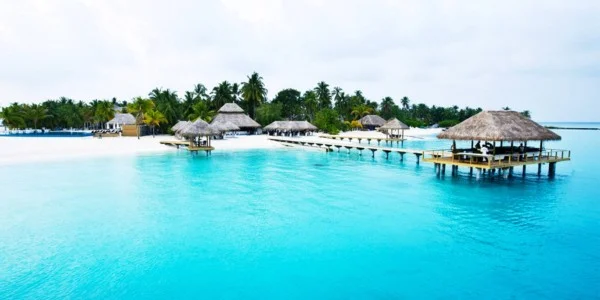
Seychelles Island Escape
Visit the jewel of the Indian Ocean with blue azure waters and white sandy beaches.
Plan My Safari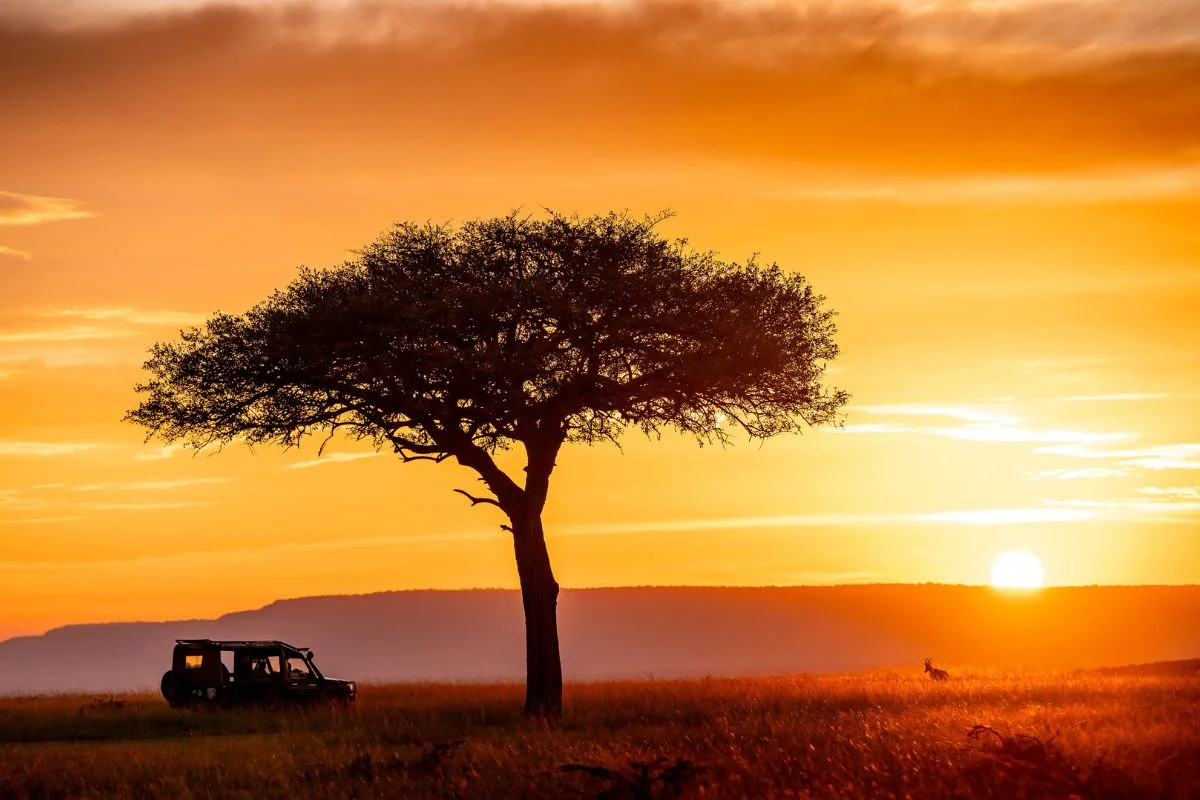
7. Masai Mara, Kenya
The Masai Mara is a 1,510-square-kilometre reserve in southwest Kenya, contiguous with Tanzania's Serengeti. The Mara River bisects the reserve; wildebeest and zebra cross here from July to October during the Great Migration.
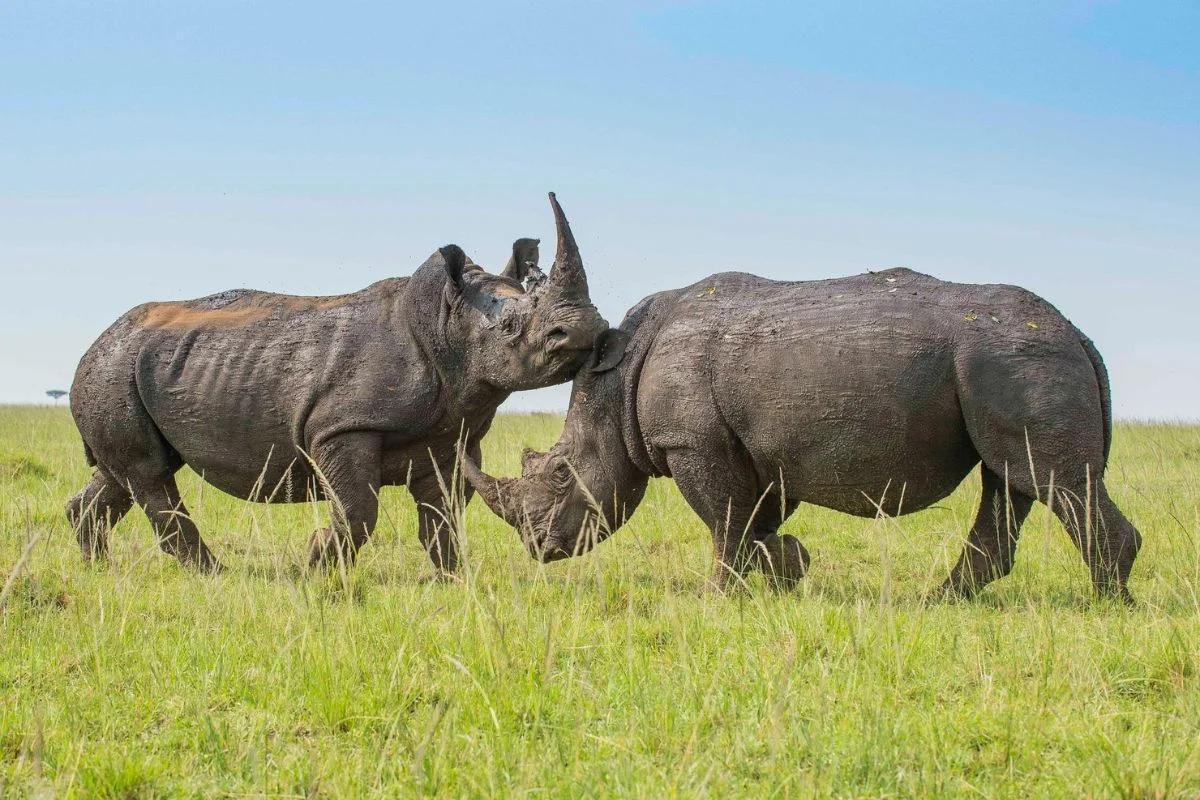
The Mara holds year-round populations of lion, leopard, cheetah, elephant and black rhino. The landscape is open savannah with scattered acacia and the Oloololo Escarpment forming the western boundary.
Private conservancies (Mara North, Olare Motorogi, Naboisho) border the national reserve and offer exclusive traversing rights, off-road driving, night drives and walking safaris. Conservancy lodges cost $600 to $1,500 per person per night all-inclusive.
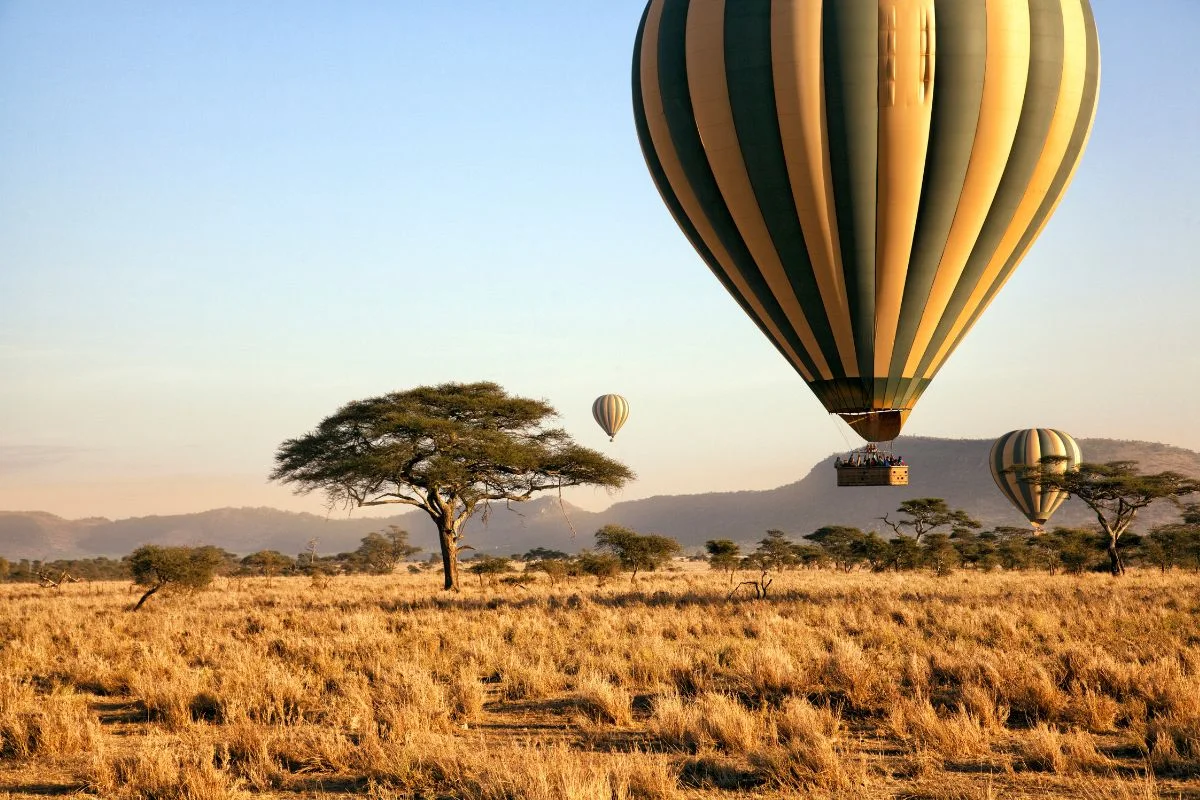
National reserve camps run $300 to $800. Access is by road from Nairobi (five to six hours) or flights to airstrips in the Mara (45 minutes). Cultural visits to Maasai villages, hot-air balloon safaris over the plains ($450 to $500) and photographic hides at waterholes are standard activities.
Combine with Amboseli National Park (elephant herds and views of Mount Kilimanjaro, 5,895 metres) or the beaches of Diani and Watamu on Kenya's coast.
How does the Masai Mara compare to the Serengeti for the Great Migration?
The Mara holds the migration only from July to October, while the Serengeti hosts it year-round as the herds circuit the ecosystem.
The Mara's advantage is dramatic river crossings at the Mara River, where crocodiles prey on crossing wildebeest. The Serengeti offers calving season in February and March (hundreds of thousands of calves born in days, attracting predators) and the Grumeti River crossings in June.
The Mara has higher lodge density and shorter distances from Nairobi; the Serengeti has more space, fewer vehicles and better integration with Ngorongoro and Tarangire. Budget $800 to $1,200 per person per night in the Mara vs $700 to $1,100 in the Serengeti for comparable luxury tented camps.
Masai Mara — best time to visit
| J | F | M | A | M | J | J | A | S | O | N | D | |
|---|---|---|---|---|---|---|---|---|---|---|---|---|
| High °C | 28° | 29° | 29° | 26° | 25° | 24° | 24° | 25° | 27° | 28° | 26° | 27° |
| High °F | 82° | 84° | 84° | 79° | 77° | 75° | 75° | 77° | 81° | 82° | 79° | 81° |
| Rain mm | 60 | 60 | 100 | 200 | 145 | 35 | 30 | 50 | 45 | 65 | 115 | 85 |
| Rating |
Masai Mara: Great Migration peaks Jul–Oct; long rains Mar–May, short rains Nov.
Ideal — Peak conditions — dry, comfortable, prime wildlife or beach time.
Good — Great conditions with brief showers or warmer days; still highly recommended.
Shoulder — Mixed weather — fewer crowds and lower rates, occasional rain.
Avoid — Heaviest rain or roughest seas; many camps and roads can be affected.
Travel costs in Masai Mara
Kenya
Masai Mara luxury safaris run $650 to $2,500 per person per night. Peak season July to October commands premium rates.
| Tier | Per person / night | What you get |
|---|---|---|
| Standard Luxury | $650 - $950 | Permanent tented camps with ensuite bathrooms, twice daily game drives, and communal dining under canvas. |
| Premium Luxury | $1,000 - $1,600 | Spacious suites with private decks, butler service, premium wine lists, bush dinners, and prime Mara territory. |
| Ultra-Luxury | $1,700 - $2,500 | Private conservancies, exclusive game viewing, personal guides and vehicles, champagne sundowners, and exceptional culinary programs. |
What's included
- All meals and premium beverages
- Twice daily game drives
- Park and conservancy fees
- Laundry service and Wi-Fi
- Airstrip transfers within Mara
What's not included
- International and Nairobi flights
- Hot air balloon safaris
- Champagne and premium spirits
- Masai village visits and tips
- Travel and evacuation insurance
Last updated 6 August 2026
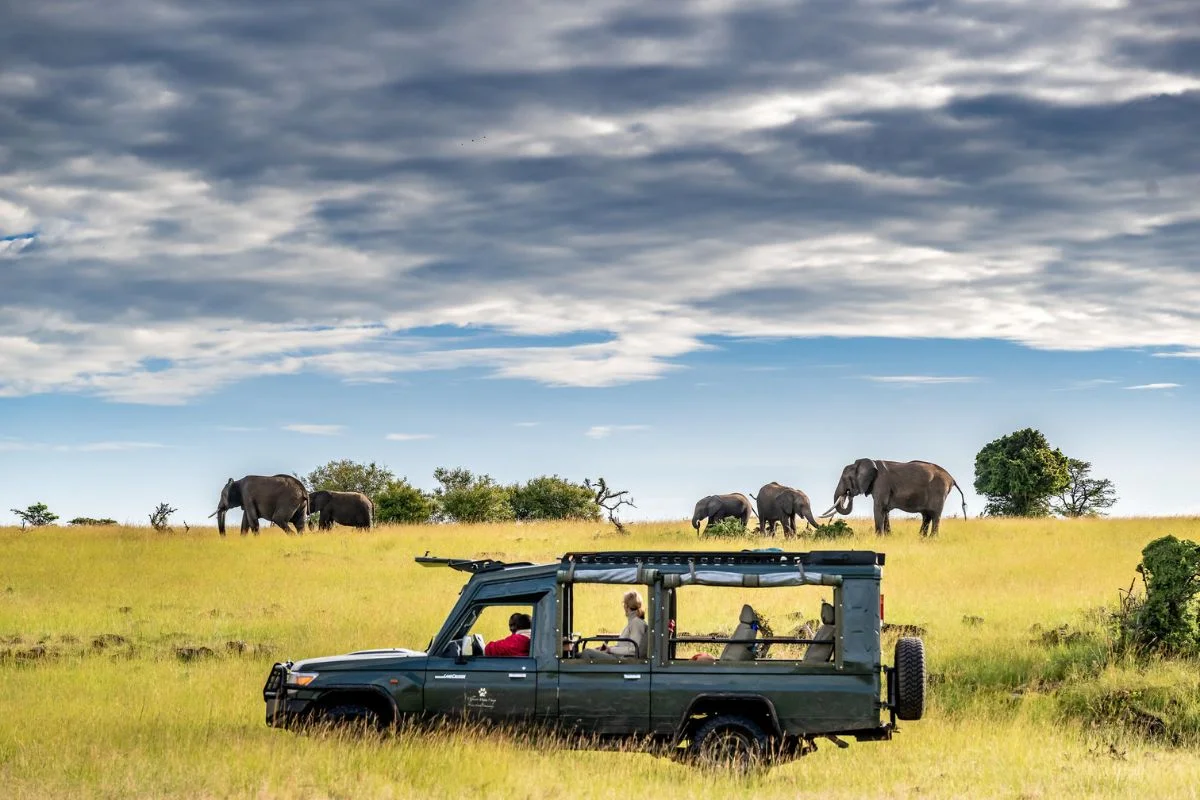
Kenya vs Tanzania
Kenya offers easier access and year-round game viewing, while Tanzania delivers fewer vehicles and a wilder feel. We find Kenya suits first-timers wanting convenience, Tanzania rewards those seeking solitude.
| What matters | Kenya | Tanzania |
|---|---|---|
| The Great Migration | Kenya hosts the dramatic river crossings from July to October, when millions of wildebeest plunge into the Mara River. Tanzania holds the calving season in February, plus the migration for. | |
| Access and Flight Times | Kenya places the Mara just 40 minutes by air from Nairobi, with multiple daily scheduled flights. Tanzania requires longer connections, often via Arusha, with fewer flight options and more complex. | |
| Beach Extensions | Kenya offers direct flights to Diani Beach, a solid Indian Ocean option 90 minutes from the Mara. Tanzania combines with Zanzibar, a more romantic island with Stone Town culture, but. | |
Frequently asked questions
Why would I use a tour operator for a South Africa safari instead of booking directly?
Tour operators are valuable if you don't want to spend time researching suitable areas, lodges, hotels, room rates, accommodation amenities, customer reviews, and transport arrangements. They handle all the logistics for you. In some cases, tour operators can secure rates that are cheaper than direct booking, as mentioned by one traveller who booked a Sabi Sand lodge through an operator specifically to see leopards. This is particularly helpful for first-timers who are unfamiliar with different areas and parks and want expert guidance on where to go for their specific wildlife goals.
What should I consider when planning my first South Africa safari?
Consider your priorities, budget, time frame, and personal preferences. Key factors include: wildlife viewing goals and favourite animals you hope to see, whether you want guided safaris or self-drive options, catered or self-catering accommodation, public parks versus private reserves, malaria-free areas, and your desired level of comfort. Also think about whether you want to combine safari with other experiences like Cape Town, the Garden Route, or the Panorama Route. Your available time and budget will ultimately shape whether you do a focused wildlife trip or mix safari with other South African attractions.
What is the best time to visit Victoria Falls?
September can be low water season at Victoria Falls, meaning you may see more rock walls than cascading water during normal rainfall years. While Victoria Falls is considered a must see destination, timing your visit is important for the best experience. The falls are most impressive during and after the rainy season when water levels are high. If September is your only option, be prepared for potentially lower water flow, though the falls remain an impressive sight year round.
How much should I budget for a luxury African safari?
Budget expectations vary greatly depending on trip length, destinations, and accommodation level. For a two week luxury safari covering multiple countries like South Africa, Botswana, and Zambia, quotes typically range from $15,000 to $20,000 per couple excluding international airfare. Botswana is the most expensive safari destination by design, offering very high quality with very low tourist density. The exchange rate is approximately 10 South African Rand per Canadian dollar. Costs include lodge accommodation, charter flights, transfers, tours, and meals, which add up quickly at luxury properties.
What are the best wildlife safari destinations in Africa?
The best safari destinations include Kenya's Masai Mara and Samburu, Namibia's Etosha, South Africa's Kruger, Tanzania's Serengeti and Selous, and Zambia's South Luangwa. Each park offers excellent wildlife viewing but has different animal availability. Masai Mara lacks white rhino with rare black rhino. Samburu has no rhino or wildebeest, with rare lion and cheetah. Etosha has no hippo and rare rhinos, lions, and cheetahs. Kruger has rare black rhino, leopard, and cheetah. Serengeti has no white rhino and rare black rhino. South Luangwa has no rhino or cheetah with rare wildebeest. Any of these parks will provide an excellent safari experience.
What other African countries have excellent game viewing besides Kenya and Tanzania?
Several Zambian and Zimbabwean game reserves offer excellent game viewing in addition to the more famous Kenya and Tanzania destinations. Botswana is also described as pretty magical for safari experiences. All of these countries offer great wildlife viewing during July and August. The choice between them often comes down to budget, as prices vary significantly. Some destinations offer less crowded camps and lodges but may come with either a higher price tag or slightly fewer wildlife volumes compared to the Serengeti and Masai Mara.
How far in advance should I book a safari for July or August?
For safaris during July and August, which are peak season, you need to book well in advance. Many lodges and camps will already be fully booked if you are trying to plan for the current year during these months. The peak season is very popular across all major safari countries, and the best accommodations fill up quickly. To secure your preferred lodges and dates, especially if you have specific requirements or want to stay in exclusive properties, plan to book several months ahead, ideally six months to a year in advance.
What should I consider when planning my first African safari?
Your budget needs to be the major consideration, as prices range from affordable self-drive options to luxury camps costing over $4,000 per person per night. Think about any specific animals or experiences you are particularly interested in, such as the great migration or hunting scenes. Consider what level of accommodation you would like and whether you want to combine your safari with other experiences like visiting the beach, gorilla trekking, Victoria Falls, or cities like Cape Town. Certain destinations pair better with specific activities. Also, remember that July and August are peak season, so book well in advance.
How much does a luxury safari in Botswana cost?
Safari prices in Botswana vary enormously depending on the level of accommodation and exclusivity. Top-end private concessions in Botswana can cost over $4,000 USD per person per night during the peak season of July and August. At the other end of the spectrum, more affordable options like self-drive safaris in parks like Kruger can be incredibly budget-friendly. The massive price range reflects different levels of exclusivity, accommodation quality, and wildlife viewing opportunities. Your budget is a major consideration when choosing your safari destination.
What is the best time to go on safari in East Africa?
July and August are peak season and a very good time of year to go on safari in all of the major safari countries. This period offers excellent wildlife viewing conditions across destinations like Kenya, Tanzania, Botswana, Zambia, and Zimbabwe. However, because these months are peak season, they are also one of the busiest times of year. If you are planning to travel during July or August, be aware that many lodges and camps will be booked well in advance, so early planning is essential.
Last updated: September 2026