
The 7 Best Africa Honeymoon Destinations for 2026 / 2027
In this blog post we look at the top 7 most popular destinations for your dream Africa honeymoon package, let's dive in...

Africa combines romance, wildlife, and beach escapes across seven exceptional honeymoon destinations.
The best Africa honeymoon destinations are Seychelles, Mozambique, Cape Town, Kruger Park, Masai Mara, Botswana, and Victoria Falls. Expect to pay $600-1,200 per person per night at top lodges and resorts. May to October offers dry-season game viewing; November to April suits beach destinations. Most couples combine a safari with a beach extension for 10-14 days total.
Key takeaways
Seychelles and Mozambique offer white-sand beaches, clear water, and luxury resorts for pure relaxation.
Kruger Park, Masai Mara, and Botswana deliver Big Five safaris in private lodges from $700 per night.
Cape Town combines city culture, Table Mountain, wine estates, and beaches in one destination.
Victoria Falls adds adventure (bungee, rafting, helicopter flights) to a romantic waterfall setting.
June to September is peak safari season; November to March suits Indian Ocean islands.
Most couples spend 10-14 nights combining two destinations, typically a safari and a beach stay.
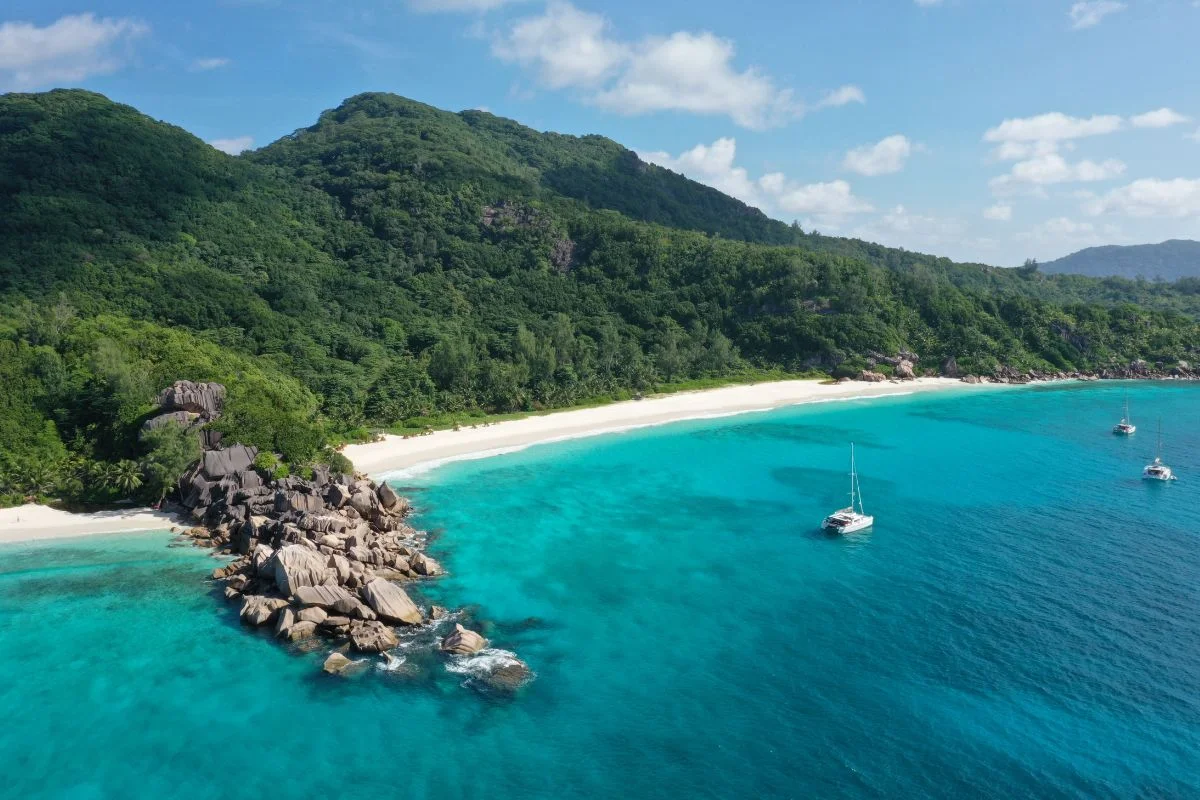
1. Seychelles
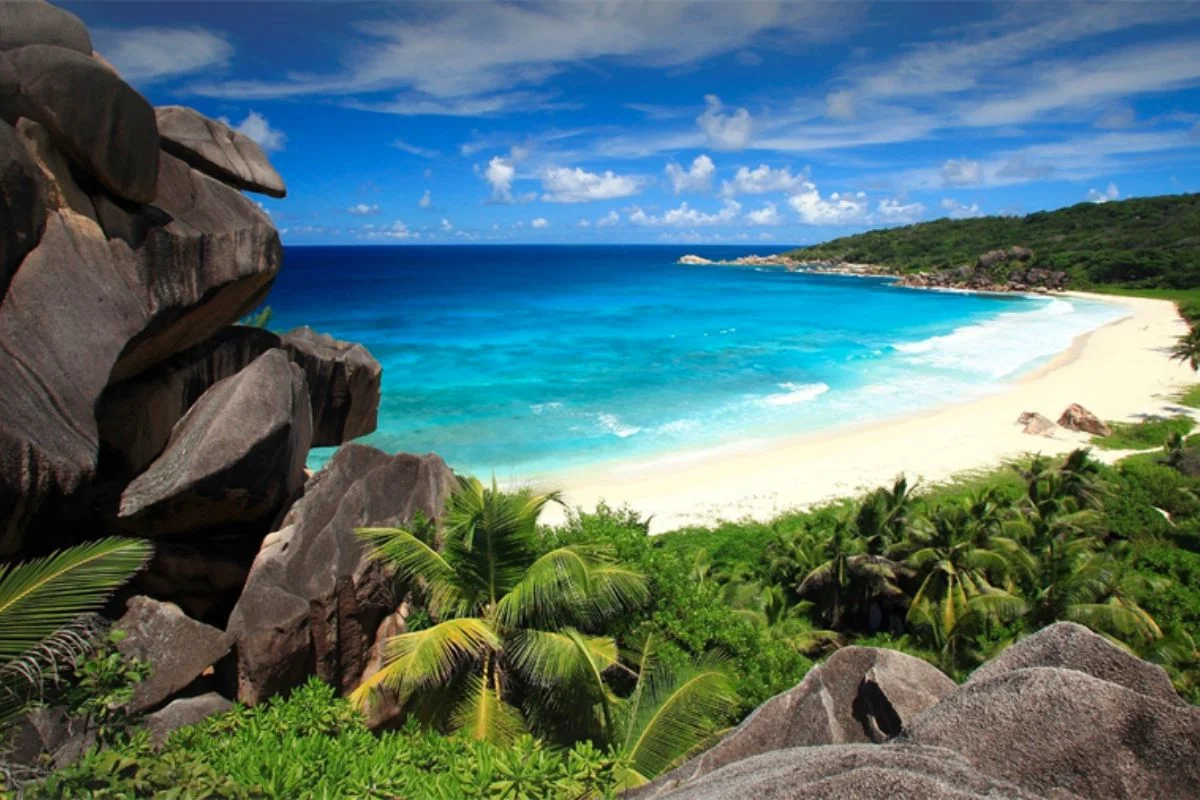
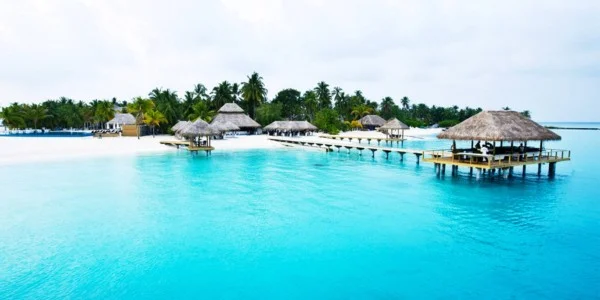
Seychelles is a pure beach honeymoon destination with 115 granite islands, turquoise water, and white sand. The three main islands (Mahé, Praslin, La Digue) host luxury resorts and boutique hotels set on private coves.
Water temperature stays around 27°C year-round. Most resorts offer spa treatments, water sports, and private beach dinners. Expect to pay $800-2,000 per night at top properties like North Island or Four Seasons.
The islands are open year-round. April, May, October, and November offer calm seas and lower humidity.
December to March brings northwest monsoon rains (short, heavy bursts).
June to September sees southeast trade winds and cooler temperatures (24-28°C). Seychelles works well as a post-safari beach extension, reachable in 2-4 hours from Nairobi or Johannesburg.
What wildlife can you see in Seychelles?
Seychelles is not a safari destination, but you will encounter Aldabra giant tortoises on several islands, including La Digue and Curieuse.
Snorkelling and diving reveal sea turtles, manta rays, reef sharks, and hundreds of tropical fish species. Birdwatchers find endemic species like the Seychelles warbler and magpie-robin on nature reserves. The focus is marine life and island ecology, not terrestrial game viewing.
Seychelles Island Escape
Visit the jewel of the Indian Ocean with blue azure waters and white sandy beaches.
Plan My Safari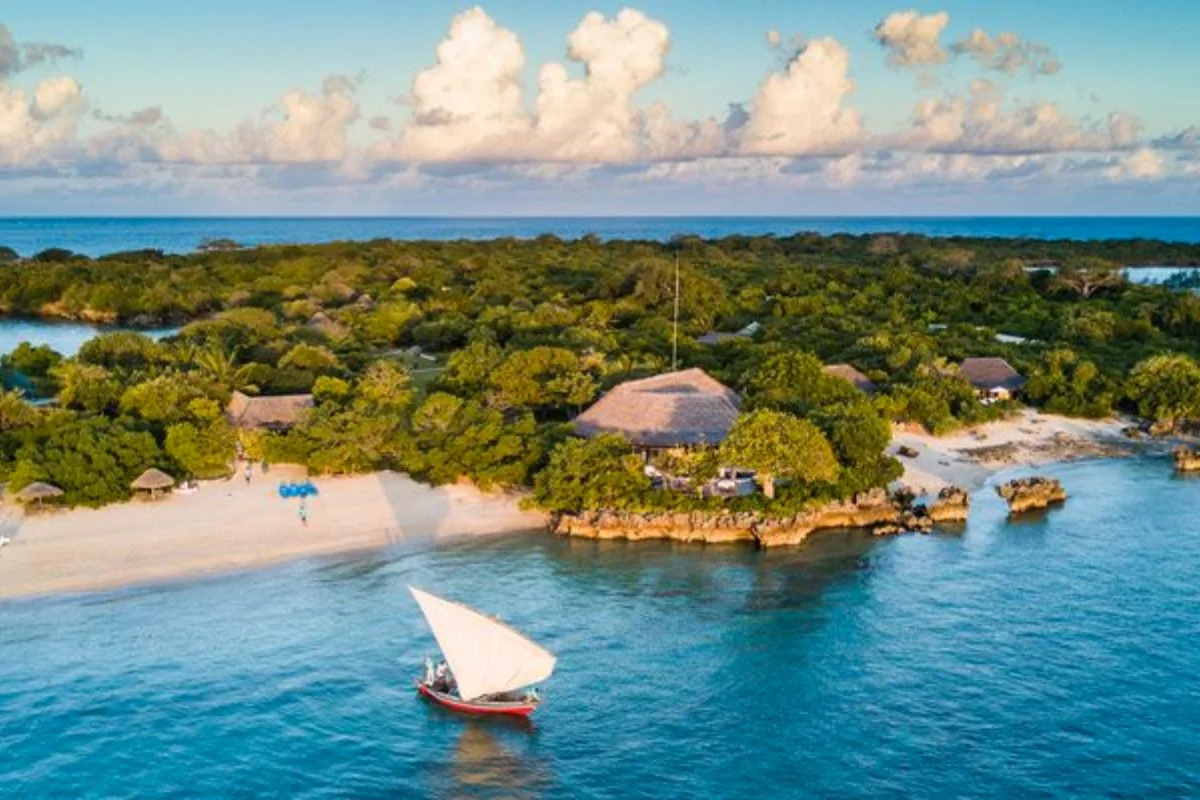
2. Mozambique Islands
Mozambique's island chains (Bazaruto and Quirimbas archipelagos) offer secluded beaches, dhow sailing, and coral reefs.
Bazaruto sits off southern Mozambique, reachable by light aircraft from Johannesburg or Kruger. Quirimbas lies in the north, closer to Tanzania. Resorts range from $600 to $1,500 per night and cater to divers, snorkellers, and couples seeking privacy. The vibe is quieter and less developed than Seychelles.
May to November is dry season with calm seas and clear visibility for diving. December to April brings warmer water (28-30°C) and occasional cyclones, though most pass north of the archipelagos. Mozambique pairs naturally with South African safaris (Kruger, Sabi Sands) or Tanzania's southern parks. Visas are available on arrival for most nationalities at $50.
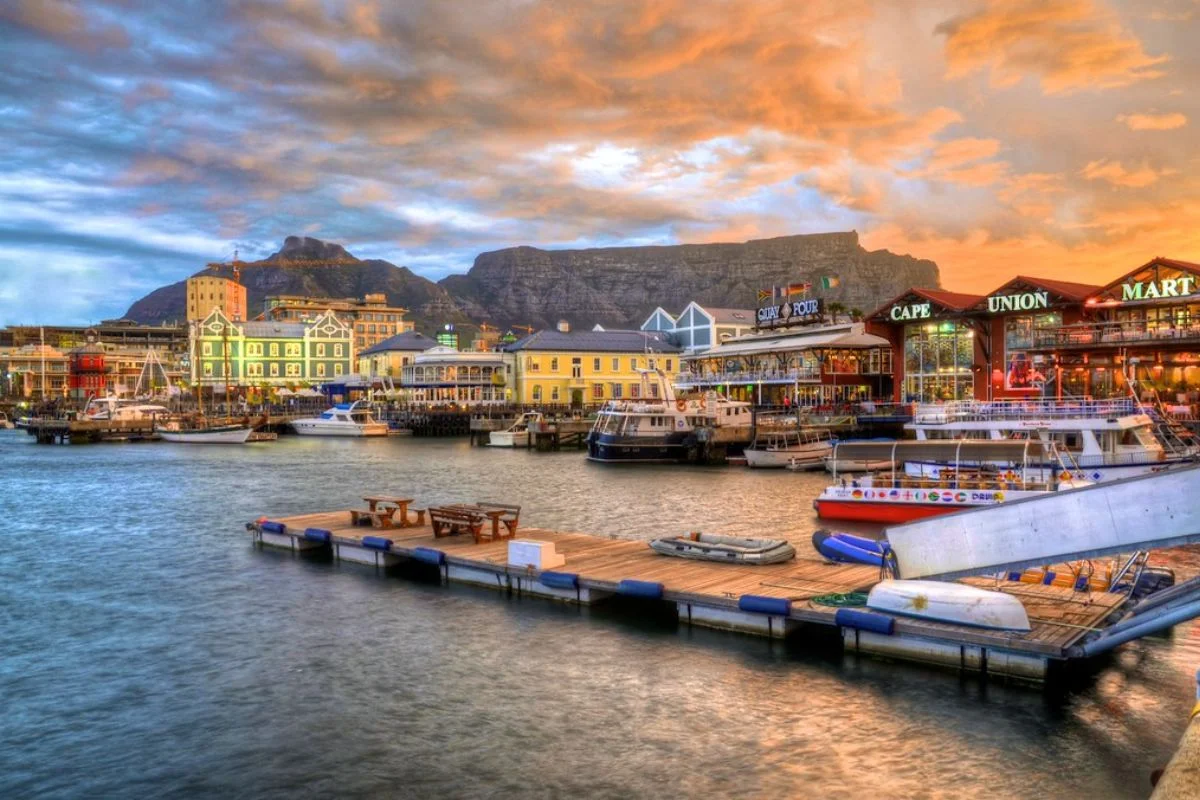
3. Cape Town, South Africa
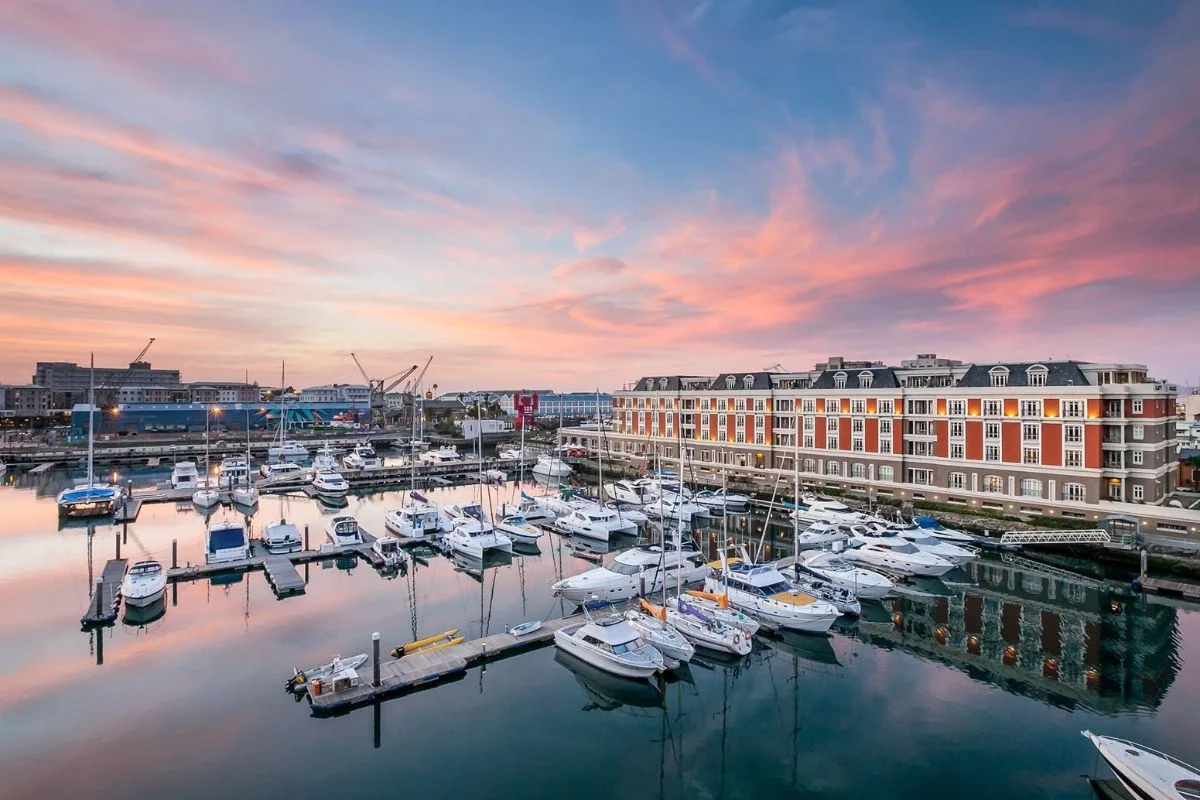
Cape Town combines a modern city with Table Mountain, wine estates, and Atlantic beaches. Honeymooners stay in Camps Bay or Clifton for ocean views, the V&A Waterfront for restaurants and shopping, or Constantia for wine country access.
Day trips cover Boulders Beach (African penguins), Cape Point, and the Winelands (Stellenbosch, Franschhoek). Luxury hotels run $400-800 per night; boutique guesthouses start at $200.
November to March is summer (warm, dry, 20-28°C). April and May offer shoulder-season calm. June to August is winter (10-18°C, rain).
December and January are peak tourist months. Cape Town works as a start or end point for a South African safari (Kruger is a two-hour flight, Garden Route a four-hour drive). Most couples spend 3-5 nights here before or after a safari leg.
Is Cape Town safe for honeymooners?
Cape Town is safe in tourist areas (Waterfront, Camps Bay, Constantia, city centre) if you follow standard precautions. Use registered taxis or Uber after dark, avoid displaying valuables, and stay in well-travelled zones.
Townships and certain suburbs require guided tours. Your lodge or hotel will brief you on areas to avoid. Violent crime against tourists is rare in the main honeymoon districts, but car break-ins occur; do not leave bags visible in parked vehicles.
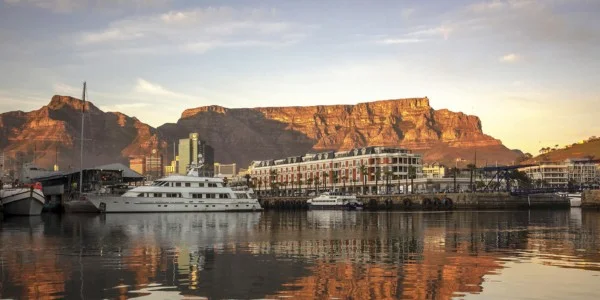
Visit Cape Town
Visit the number one rated city in the world with 8 blue flag beaches, swimming with penguins and so much more
Plan My Safari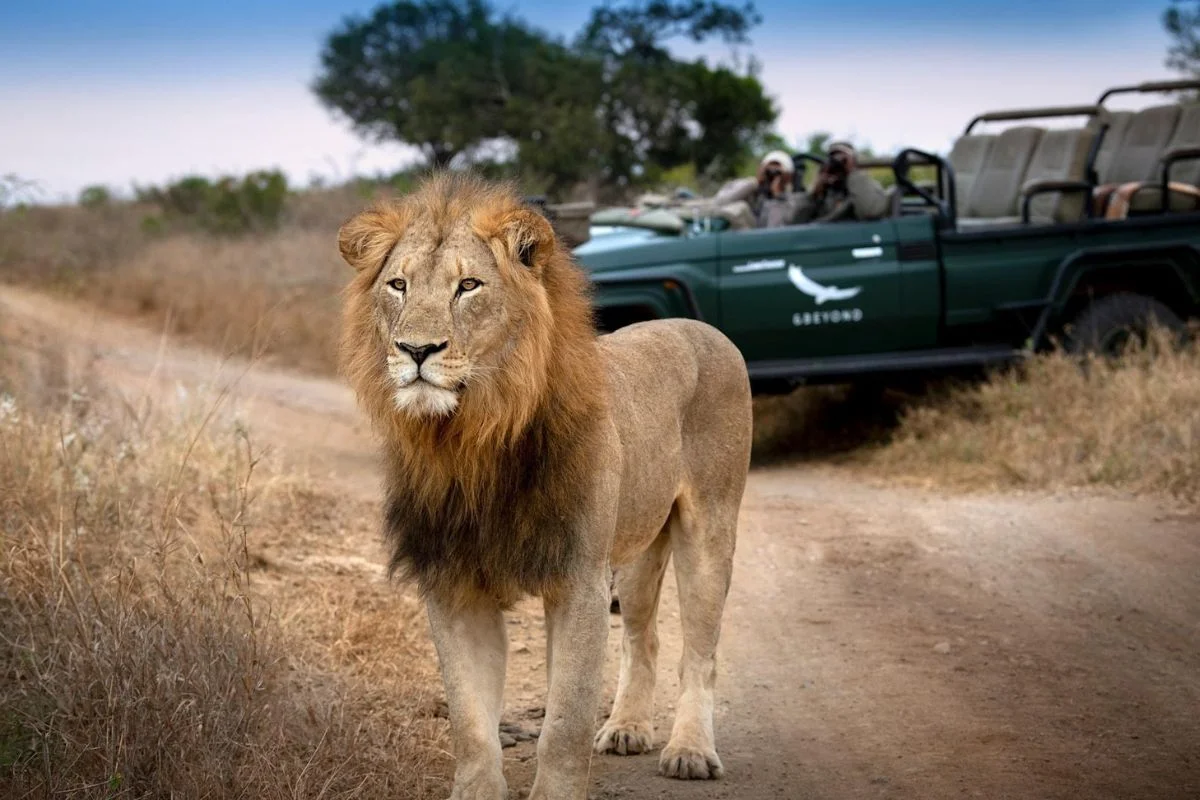
4. Kruger Park, South Africa
Kruger National Park and its private reserves (Sabi Sands, Timbavati, Klaserie) offer Big Five safaris in lodges designed for romance. Private reserves allow off-road driving, walking safaris, and closer animal encounters.
Lodges like Singita, Londolozi, and &Beyond properties run $1,000-2,500 per person per night, all-inclusive. Kruger's public camps are cheaper ($150-300 per night) but lack the privacy and guiding quality of private concessions.
May to September is dry season (best game viewing, cool mornings, warm days). October is hot (35°C+) with animals concentrated at waterholes. November to April is wet season (afternoon storms, lush vegetation, harder to spot animals, but better birding and lower prices).
Kruger is malaria endemic year-round; take prophylaxis. Fly into Kruger Mpumalanga International or Skukuza from Johannesburg (one hour).
5. Masai Mara, Kenya
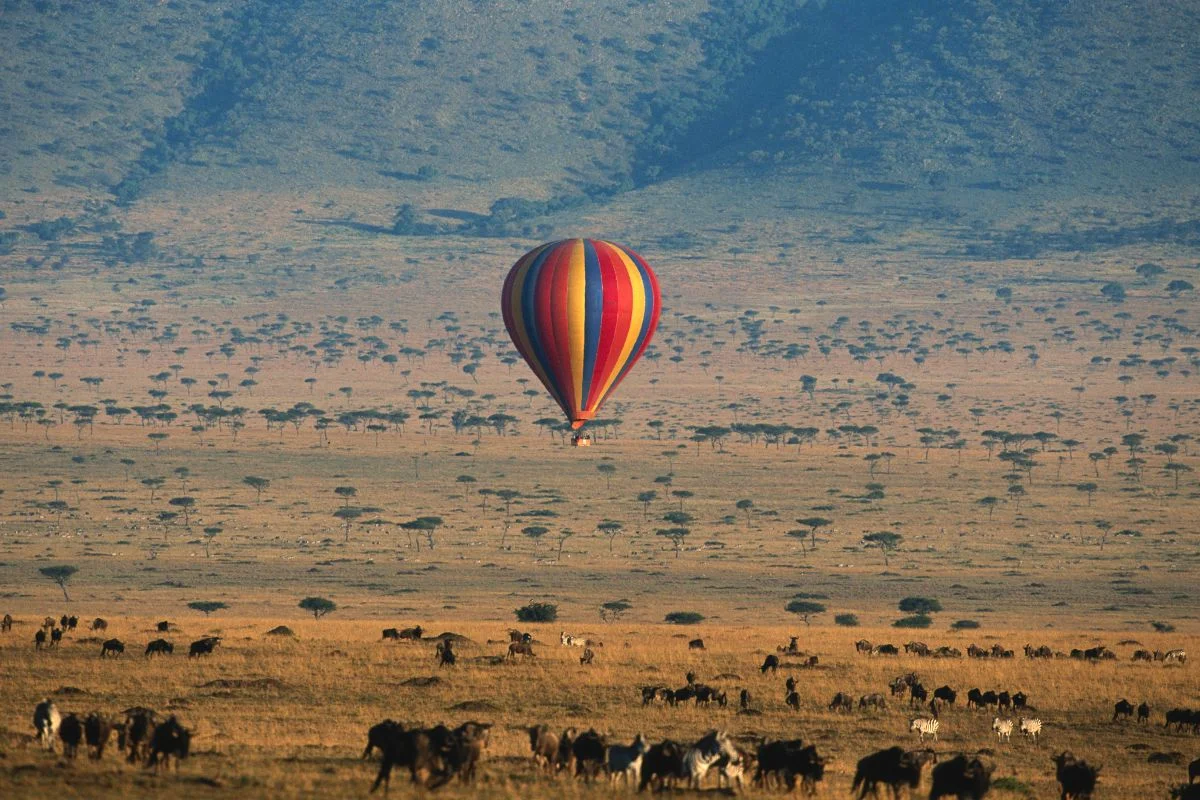
Masai Mara is Kenya's premier safari destination, known for the Great Migration (July to October) and year-round Big Five density. Private conservancies (Mara North, Olare Motorogi, Naboisho) offer exclusive game viewing, night drives, and walking safaris.
Lodges and tented camps run $700-1,500 per person per night. The Mara is a two-hour flight from Nairobi or a five-hour drive (not recommended for honeymooners).
July to October is peak season (migration river crossings, dry weather, high prices). January to March offers calving season in the southern Serengeti (Tanzania side) with predator action.
April and May are long rains (lodges close, roads impassable). November is short rains (good value, fewer tourists). June and December are shoulder months. The Mara pairs well with beach extensions to Zanzibar (90-minute flight) or a short stay in Nairobi.
What is the Great Migration and when does it happen?
The Great Migration is the year-round movement of 1.5 million wildebeest and hundreds of thousands of zebra and gazelle across the Serengeti-Mara ecosystem.
In Kenya's Masai Mara, the herds typically arrive in July and stay through October, crossing the Mara River multiple times. Peak river crossings happen in August and September, though timing varies with rainfall. Outside these months, the herds are in Tanzania's Serengeti. The migration is not a single event but a continuous cycle driven by rainfall and grass growth.
6. Botswana
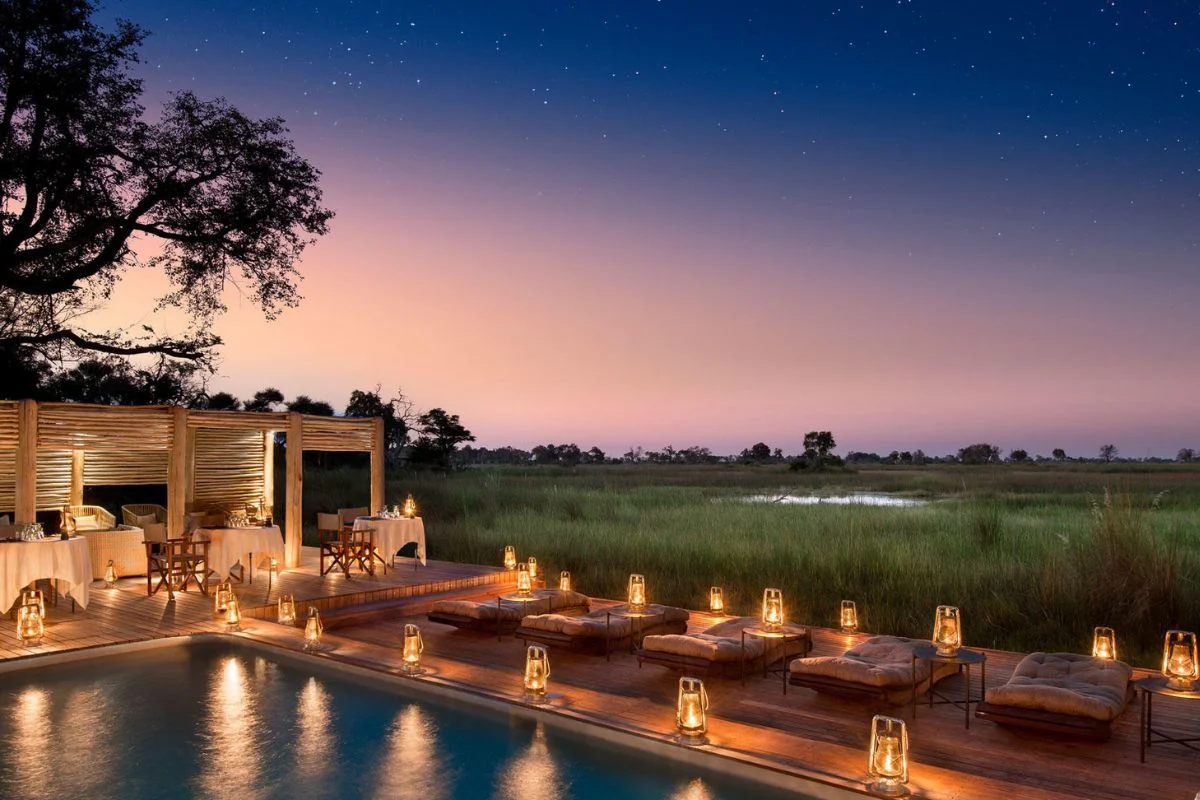
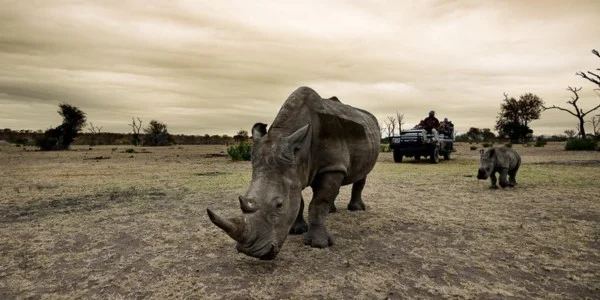
Botswana offers low-density, high-cost safaris in the Okavango Delta, Chobe National Park, and the Kalahari. The Okavango is a seasonal floodplain with waterways, islands, and mokoro (canoe) excursions.
Chobe is known for elephant herds (50,000+ animals). Lodges are intimate (6-16 rooms), all-inclusive, and priced at $900-2,000 per person per night. Access is by light aircraft; most itineraries combine two or three camps over 7-10 nights.
May to October is dry season (best game viewing, clear skies, cooler nights). June to August is peak season (high prices, advance booking essential).
November to March is wet season (green landscapes, birding, lower rates, but some camps close).
The Okavango flood peaks in June and July, fed by rains in Angola. Botswana requires no visa for most nationalities. Fly into Maun or Kasane from Johannesburg (90 minutes).
7. Victoria Falls, Zambia and Zimbabwe
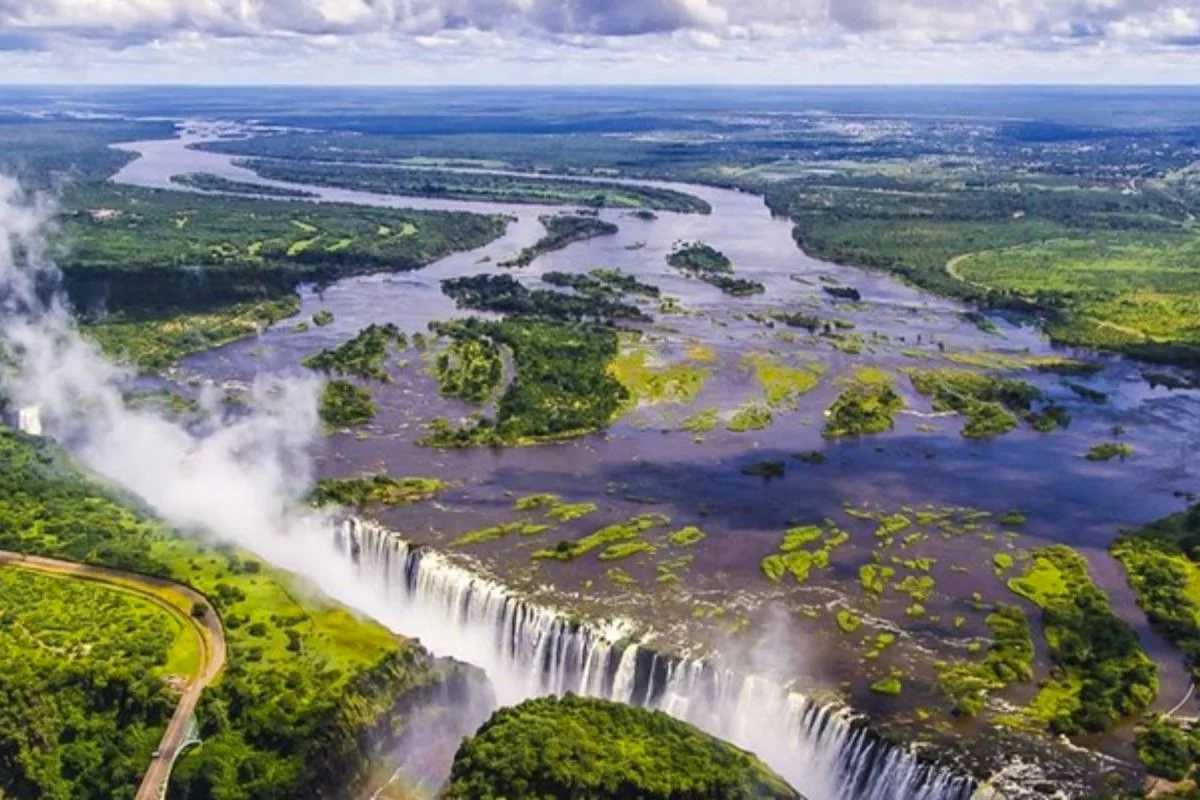
Victoria Falls is one of the world's largest waterfalls, straddling the Zambia-Zimbabwe border. The Zambian side (Livingstone) is quieter with upscale lodges; the Zimbabwean side (Victoria Falls town) has more viewpoints and infrastructure. Lodges and hotels range from $300 to $1,000 per night.
Activities include helicopter flights over the falls ($180-300 per person), sunset cruises on the Zambezi, bungee jumping ($160), and white-water rafting ($140).
February to May offers the highest water flow (dramatic spray, limited visibility of the falls). June to August is medium flow (best views, dry weather). September to January is low flow (you can see the basalt cliffs, less spray, hotter weather).
The falls are a two-hour flight from Johannesburg or a short hop from Botswana. Most honeymooners spend 2-3 nights here, often as a stopover between safaris and beach destinations.
Frequently asked questions
What is the best time of year for an Africa honeymoon?
June to October is best for safaris (dry season, peak game viewing, cooler mornings). November to March suits Indian Ocean islands (Seychelles, Mozambique) with calmer seas and warmer water. April, May, and November are shoulder months offering lower prices and fewer tourists at both safari and beach destinations.
If combining a safari and a beach, schedule the safari first (June-September) and finish with the beach (October-November or April-May). Avoid long rains in East Africa (April-May) and cyclone season in Mozambique (January-March).
How much does an Africa honeymoon cost?
Expect to pay $600-1,200 per person per night at luxury safari lodges and beach resorts, all-inclusive. A 10-night honeymoon combining a safari and a beach stay typically costs $15,000-30,000 per couple, including flights, accommodation, meals, game drives, and most activities.
Budget options (South African public camps, mid-range Mozambique lodges) start at $300-500 per night. Ultra-luxury properties (North Island Seychelles, Singita, andBeyond) exceed $2,000 per person per night. International flights from the US or Europe add $1,200-2,500 per person return.
Should we book a safari or a beach honeymoon in Africa?
Most couples combine both. A typical itinerary is 5-7 nights on safari (Kruger, Masai Mara, or Botswana) followed by 4-6 nights on a beach (Seychelles, Mozambique, or Zanzibar).
Safari-only suits wildlife enthusiasts; beach-only suits couples prioritising relaxation. If you must choose one, consider your tolerance for early morning game drives, shared activities, and structured schedules (safari) versus unstructured downtime and water-based activities (beach). Safaris require more planning and packing; beaches are simpler logistics.
Do we need malaria prophylaxis for an Africa honeymoon?
Yes, if visiting Kruger, Masai Mara, Botswana, Victoria Falls, or Mozambique. These are malaria-endemic areas year-round. Consult a travel clinic 6-8 weeks before departure for prescription prophylaxis (doxycycline, atovaquone-proguanil, or mefloquine).
Cape Town and Seychelles are malaria-free. Use insect repellent (DEET 30%+), wear long sleeves and trousers at dawn and dusk, and sleep under nets (provided by lodges). Malaria risk is lower in dry season (June-October) but still present.
Can we customise an Africa honeymoon itinerary?
Yes. Bespoke operators like African Safari Home design itineraries around your budget, interests, and preferred travel dates. Customisation includes choice of destinations, lodge tier (mid-range to ultra-luxury), activity mix (game drives, walking safaris, diving, spa days), and pacing (fast-paced multi-country or slow single-destination).
Most operators require 6-12 months lead time for peak-season travel (July-September) and 3-6 months for shoulder season. Fully customised itineraries cost more than pre-packaged tours but allow complete control over timing, privacy, and lodge selection.
What should we pack for a combined safari and beach honeymoon?
For safaris: neutral clothing (khaki, olive, beige), long sleeves and trousers for sun and insects, a fleece or jacket for cool mornings, a wide-brimmed hat, sunglasses, binoculars, and insect repellent.
For beaches: swimwear, reef-safe sunscreen, sarongs, sandals, and light cotton clothing. Both: a good camera, chargers (South Africa uses Type D/M plugs, 230V; Seychelles uses Type G, 240V), any prescription medication, and photocopies of passports. Lodges provide laundry service. Check luggage weight limits for light-aircraft transfers (typically 15-20 kg in soft bags).
Last updated: July 2026