
10 Best African Safari Destinations for 2026 / 2027
In this guide we take a look at the very best African safari destinations for an immersive wildlife experience, in luxury. Let's get started...

Choosing an African safari destination means weighing wildlife density, seasonal timing, and the kind of experience you want.
The 10 most popular African safari destinations include South Africa's Kruger National Park, Tanzania's Serengeti, Kenya's Masai Mara, Botswana's Chobe and Okavango Delta, Namibia's Etosha, Zambia's South Luangwa, Uganda's Bwindi, Tanzania's Ngorongoro Crater, and Zimbabwe's Hwange. May to October is the best window for most, with each park offering distinct wildlife and activities.
Key takeaways
Kruger National Park (South Africa) offers the Big Five, extensive self-drive roads, and the May to September dry season.
Serengeti and Masai Mara (Tanzania and Kenya) stage the Great Migration from June to October each year.
Chobe National Park (Botswana) holds one of Africa's highest elephant concentrations, best seen May to October.
Bwindi Impenetrable National Park (Uganda) protects half the world's remaining mountain gorillas; permits book months ahead.
Okavango Delta (Botswana) combines water-based mokoro safaris with traditional game drives from May to October.
Most parks charge $400 to $1,200 per person per night for mid-range to luxury lodges, excluding flights.

1. Kruger National Park, South Africa
Kruger National Park is one of Africa's largest game reserves and the most accessible Big Five destination for first-time safari travellers.
The park covers nearly 20,000 square kilometres in northeastern South Africa and maintains an extensive network of tarred and gravel roads, making self-drive safaris straightforward.
During the May to September dry season, animals concentrate around permanent water sources, and sightings of lion, leopard, rhinoceros, elephant, and buffalo are frequent.
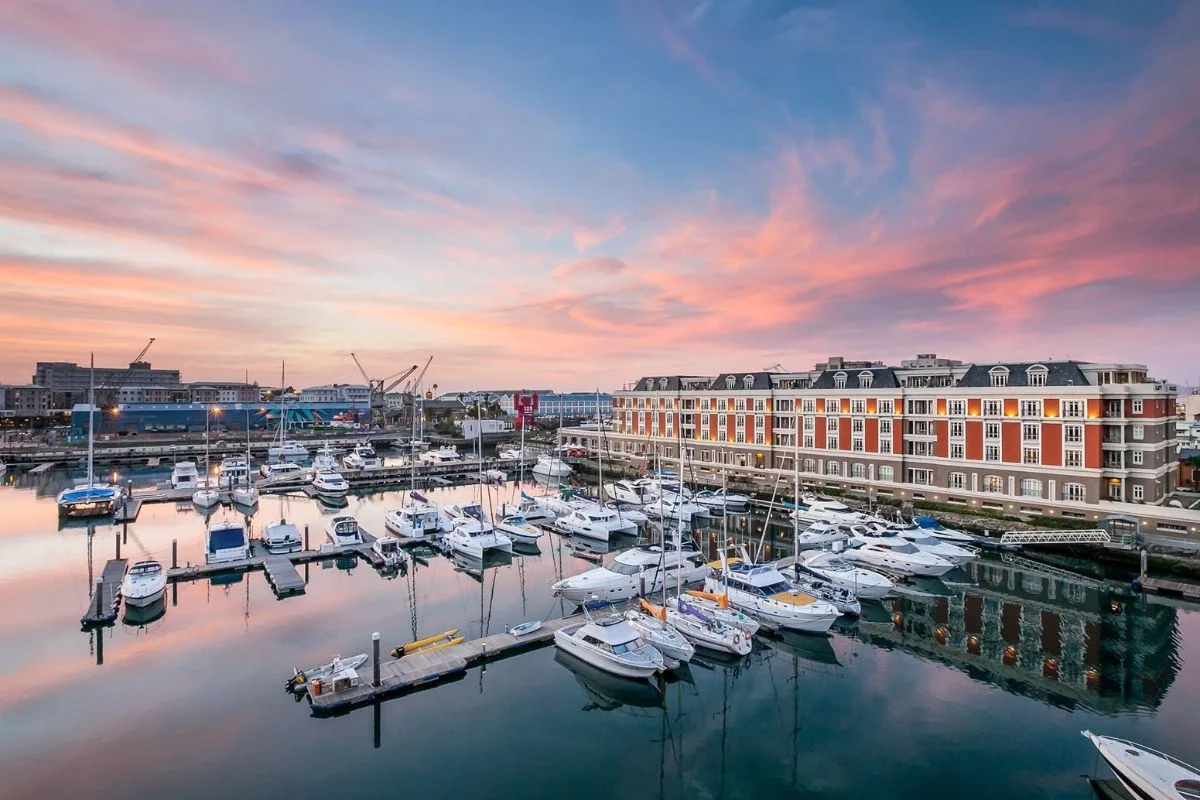
The park supports over 500 bird species, making it a strong choice for birdwatchers. Guided walks and bush dinners are available through most lodges. Kruger is also the most popular wildlife pairing for honeymoon travellers combining safari with Cape Town or the Winelands.
How does Kruger compare to private reserves?
Kruger National Park is a public reserve with higher vehicle numbers and set road networks, while adjacent private reserves such as Sabi Sand and Timbavati permit off-road driving and walking safaris. Private reserves share unfenced borders with Kruger, so wildlife moves freely between them. Lodges in private reserves cost $600 to $2,000 per person per night and include game drives, meals, and drinks. Kruger rest camps and mid-range lodges inside the park run $150 to $500 per person per night.
Kruger / Sabi Sand — best time to visit
| J | F | M | A | M | J | J | A | S | O | N | D | |
|---|---|---|---|---|---|---|---|---|---|---|---|---|
| High °C | 32° | 31° | 30° | 28° | 26° | 24° | 24° | 26° | 28° | 29° | 30° | 31° |
| High °F | 90° | 88° | 86° | 82° | 79° | 75° | 75° | 79° | 82° | 84° | 86° | 88° |
| Rain mm | 110 | 95 | 75 | 35 | 15 | 10 | 5 | 10 | 25 | 55 | 85 | 105 |
| Rating |
Kruger / Sabi Sand: Dry winter (May–Sep) gives the best game viewing; summer is lush but wet.
Ideal — Peak conditions — dry, comfortable, prime wildlife or beach time.
Good — Great conditions with brief showers or warmer days; still highly recommended.
Shoulder — Mixed weather — fewer crowds and lower rates, occasional rain.
Avoid — Heaviest rain or roughest seas; many camps and roads can be affected.
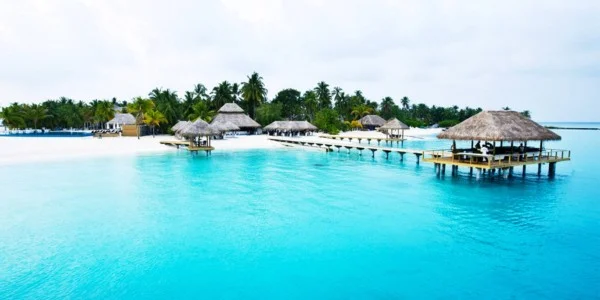
Seychelles Island Escape
Visit the jewel of the Indian Ocean with blue azure waters and white sandy beaches.
Plan My Safari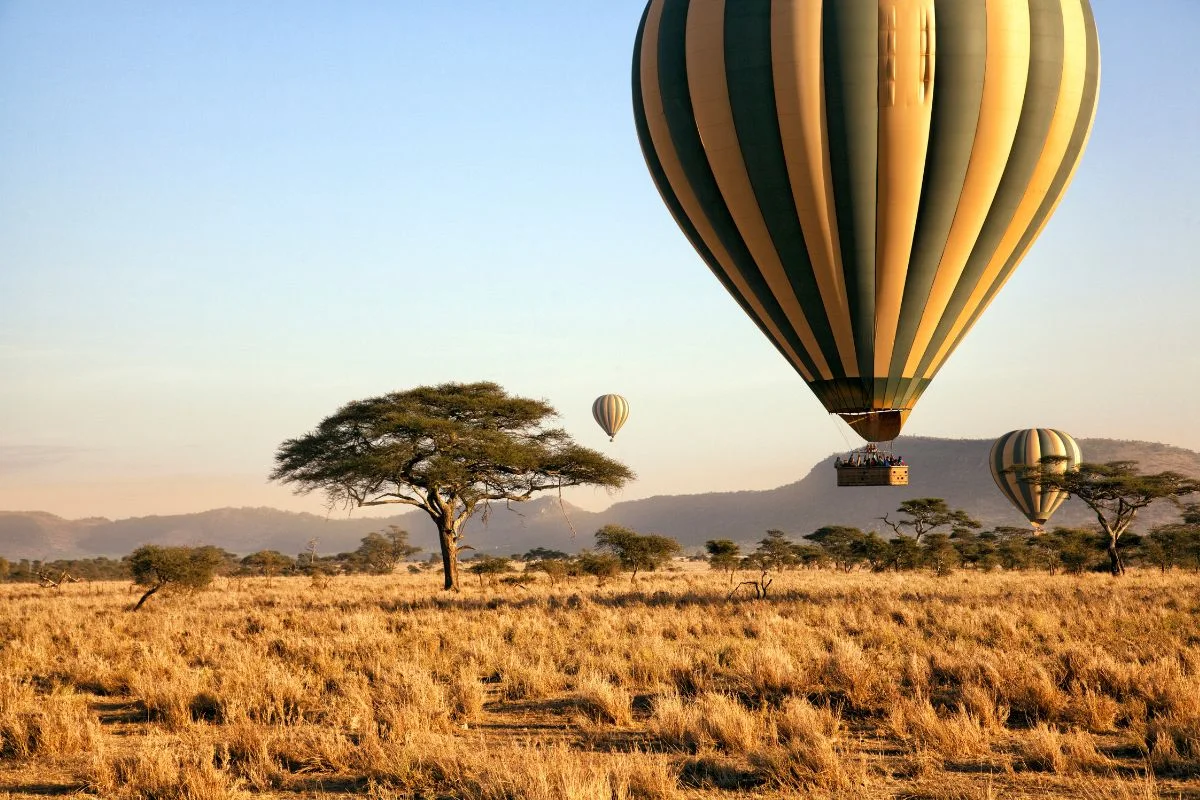
2. Serengeti National Park, Tanzania
Serengeti National Park is a UNESCO World Heritage site and the primary stage for the Great Migration. Each year, over two million wildebeest, zebra, and gazelle move in a clockwise circuit between the Serengeti and Kenya's Masai Mara, following seasonal rains and fresh grazing. The park's central and southern plains hold large resident populations of lion, cheetah, and hyena, while the western corridor sees river crossings from June to July and the northern Mara River crossings peak from August to October.
Hot air balloon rides launch at dawn and cost around $550 to $600 per person. Cultural visits to Maasai communities near the park add context to the landscape. The June to October dry season offers the best general game viewing outside migration timing.
Serengeti — best time to visit
| J | F | M | A | M | J | J | A | S | O | N | D | |
|---|---|---|---|---|---|---|---|---|---|---|---|---|
| High °C | 28° | 28° | 28° | 26° | 24° | 23° | 23° | 24° | 26° | 27° | 27° | 28° |
| High °F | 82° | 82° | 82° | 79° | 75° | 73° | 73° | 75° | 79° | 81° | 81° | 82° |
| Rain mm | 65 | 80 | 130 | 195 | 95 | 15 | 10 | 20 | 30 | 60 | 115 | 105 |
| Rating |
Serengeti: Calving in the southern Serengeti Jan–Mar; river crossings in the north Jul–Oct.
Ideal — Peak conditions — dry, comfortable, prime wildlife or beach time.
Good — Great conditions with brief showers or warmer days; still highly recommended.
Shoulder — Mixed weather — fewer crowds and lower rates, occasional rain.
Avoid — Heaviest rain or roughest seas; many camps and roads can be affected.
3. Masai Mara National Reserve, Kenya
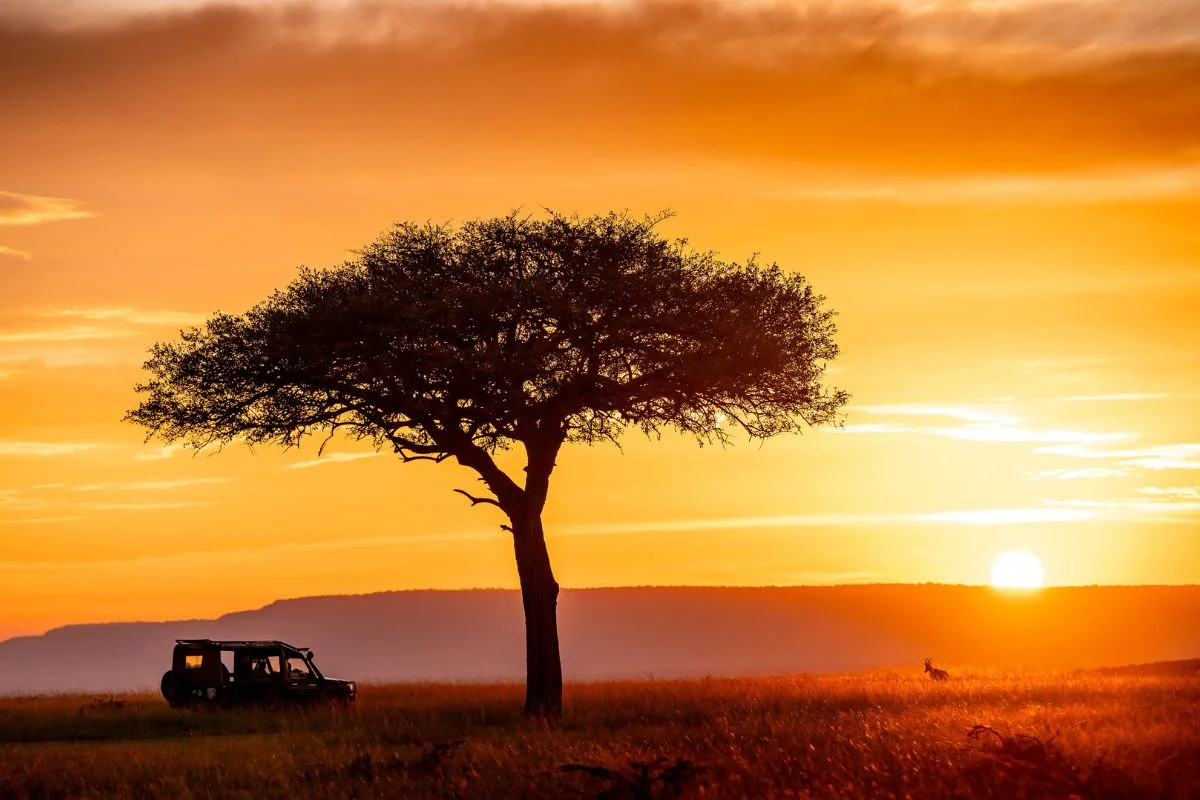
Masai Mara National Reserve forms the northern extension of the Serengeti ecosystem and hosts the Great Migration's dramatic Mara River crossings from late July to October.
The reserve covers 1,510 square kilometres of open grassland and acacia woodland, with resident populations of all Big Five species. Lion prides in the Mara are among the most studied in Africa, and leopard sightings are common along the Talek River.
Private conservancies bordering the reserve (Mara North, Olare Motorogi, Naboisho) restrict vehicle numbers and permit night drives and walking safaris. Conservancy lodges cost $500 to $1,500 per person per night. Hot air balloon safaris and Maasai village visits are widely available.
The reserve is accessible by scheduled flight from Nairobi (45 minutes) or a five-hour road transfer.
Which is better for the Great Migration, Serengeti or Masai Mara?
Both parks offer migration access, but timing dictates the choice. The Serengeti covers a far larger area and tracks the migration from December (southern calving plains) through July (western corridor).
The Masai Mara concentrates on the August to October window when herds cross the Mara River.
The Mara's smaller size and higher lodge density mean more vehicles at crossings, while the Serengeti's scale spreads pressure. For river crossings specifically, late August to mid-September in the Mara is the reliable window.
Masai Mara — best time to visit
| J | F | M | A | M | J | J | A | S | O | N | D | |
|---|---|---|---|---|---|---|---|---|---|---|---|---|
| High °C | 28° | 29° | 29° | 26° | 25° | 24° | 24° | 25° | 27° | 28° | 26° | 27° |
| High °F | 82° | 84° | 84° | 79° | 77° | 75° | 75° | 77° | 81° | 82° | 79° | 81° |
| Rain mm | 60 | 60 | 100 | 200 | 145 | 35 | 30 | 50 | 45 | 65 | 115 | 85 |
| Rating |
Masai Mara: Great Migration peaks Jul–Oct; long rains Mar–May, short rains Nov.
Ideal — Peak conditions — dry, comfortable, prime wildlife or beach time.
Good — Great conditions with brief showers or warmer days; still highly recommended.
Shoulder — Mixed weather — fewer crowds and lower rates, occasional rain.
Avoid — Heaviest rain or roughest seas; many camps and roads can be affected.
4. Chobe National Park, Botswana
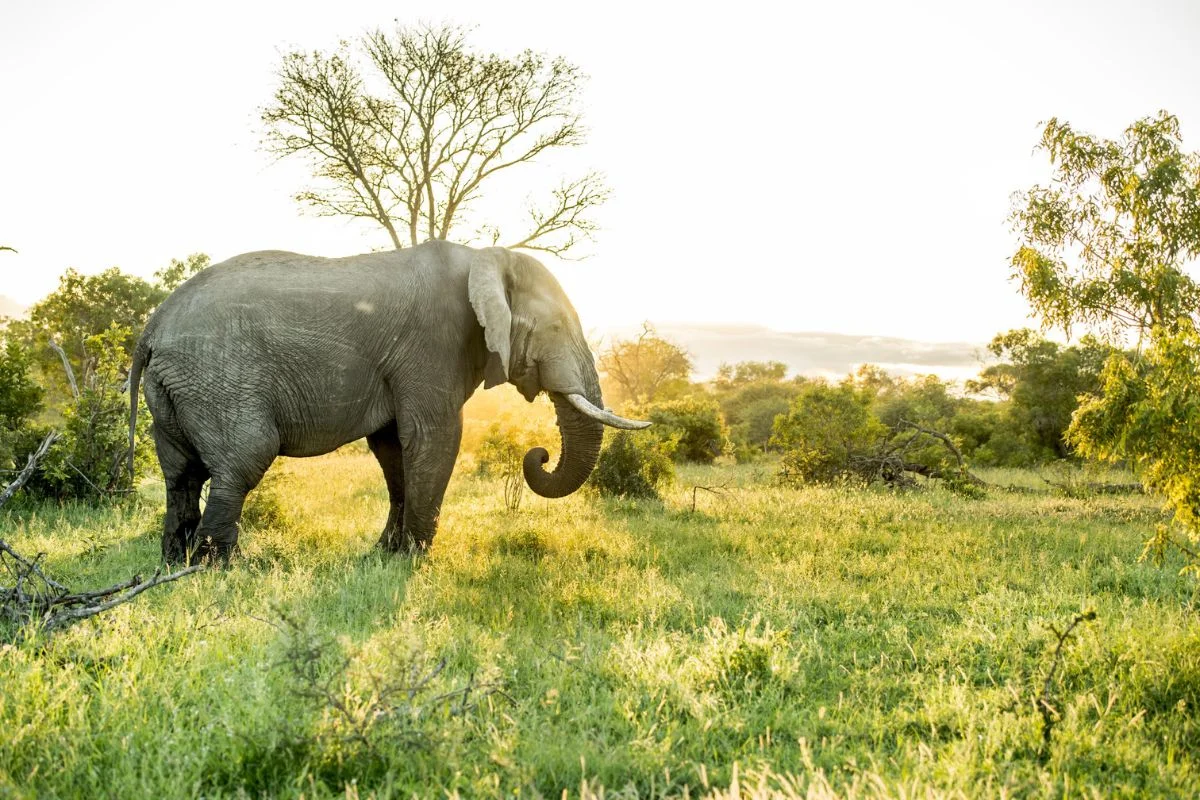
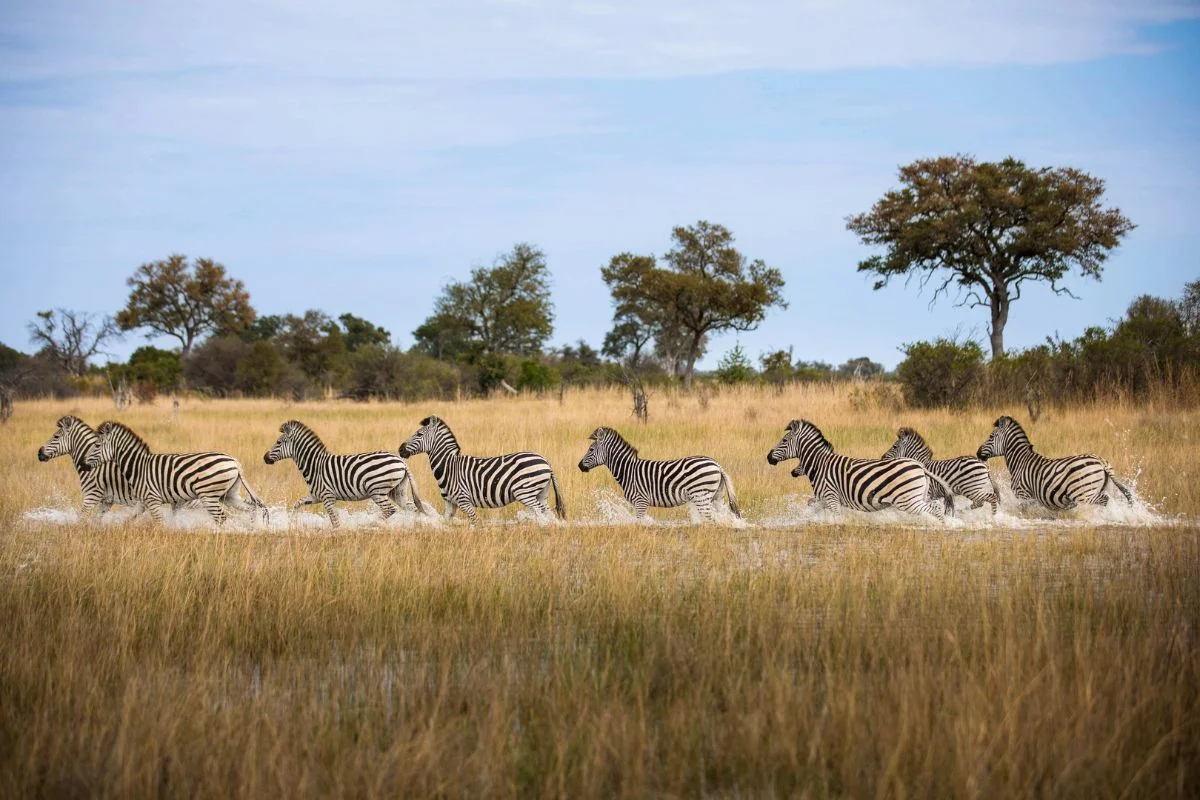
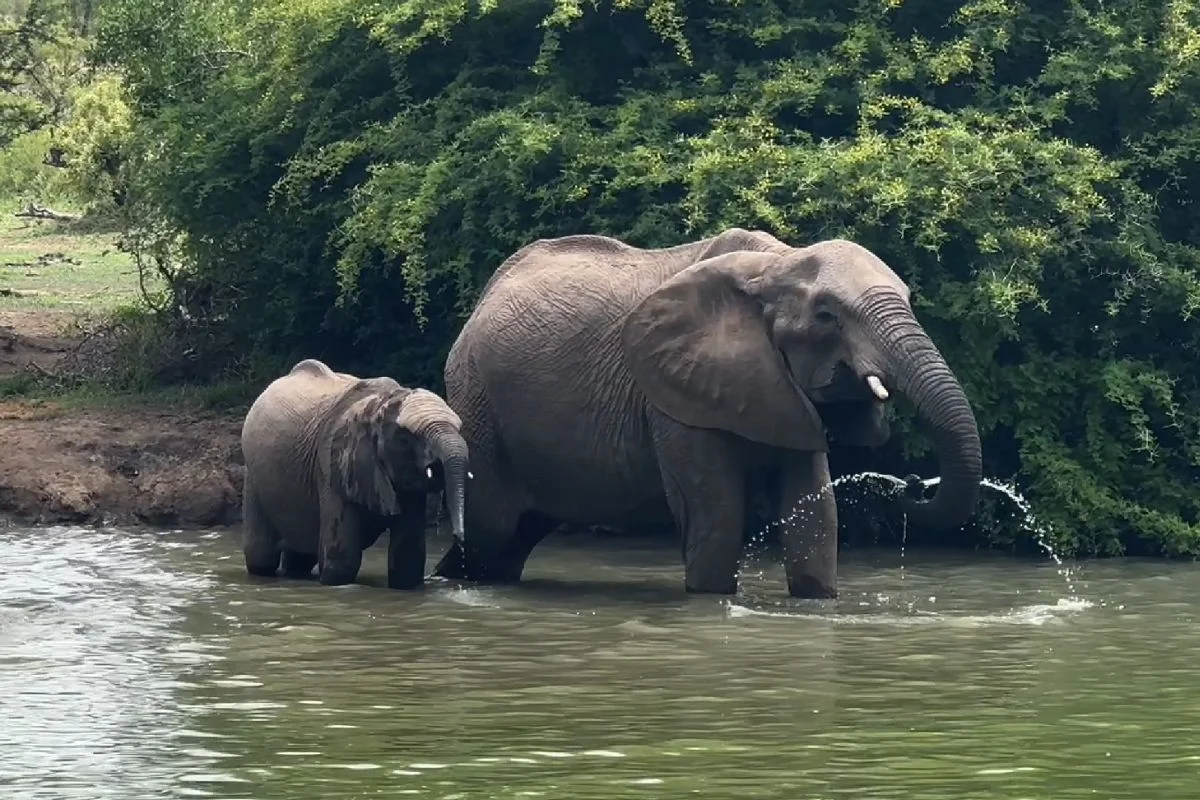
Chobe National Park holds one of the highest elephant concentrations in Africa, with an estimated 120,000 individuals.
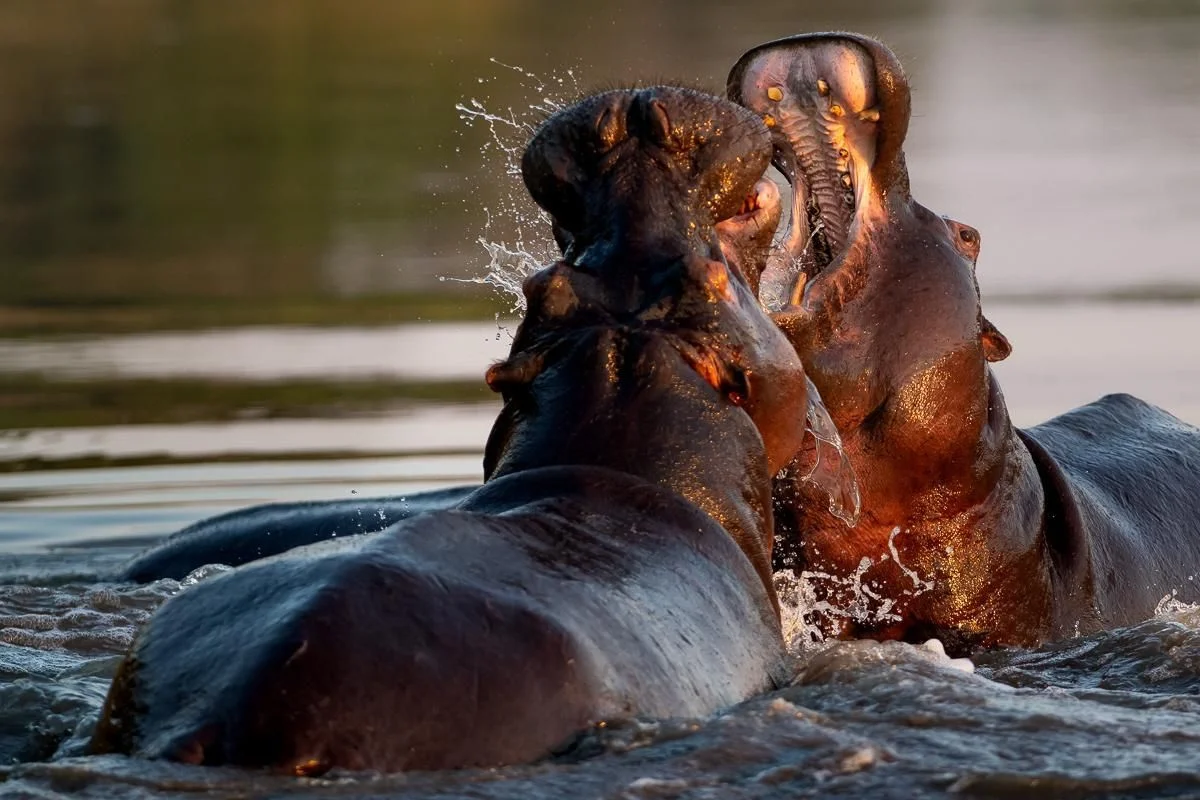
The Chobe River frontage in the northeast sees large herds gathering to drink during the May to October dry season, and boat safaris along the river offer close-range viewing of elephants, hippos, crocodiles, and buffalo.
Game drives in the riverfront zone and deeper into the park's floodplains yield lion, leopard, and wild dog sightings.
The park supports over 450 bird species, including African fish eagle, pied kingfisher, and migratory carmine bee-eaters.
Riverfront lodges typically cost $400 to $900 per person per night and include boat and vehicle safaris. Chobe is often combined with the Okavango Delta or Victoria Falls, both within three hours by road or short flight.
Chobe — best time to visit
| J | F | M | A | M | J | J | A | S | O | N | D | |
|---|---|---|---|---|---|---|---|---|---|---|---|---|
| High °C | 32° | 31° | 31° | 30° | 28° | 26° | 26° | 29° | 33° | 35° | 34° | 33° |
| High °F | 90° | 88° | 88° | 86° | 82° | 79° | 79° | 84° | 91° | 95° | 93° | 91° |
| Rain mm | 95 | 80 | 60 | 20 | 5 | 0 | 0 | 0 | 5 | 30 | 60 | 85 |
| Rating |
Chobe: Dry winter (May–Oct) concentrates elephants on the river; Oct is hot.
Ideal — Peak conditions — dry, comfortable, prime wildlife or beach time.
Good — Great conditions with brief showers or warmer days; still highly recommended.
Shoulder — Mixed weather — fewer crowds and lower rates, occasional rain.
Avoid — Heaviest rain or roughest seas; many camps and roads can be affected.
5. Etosha National Park, Namibia
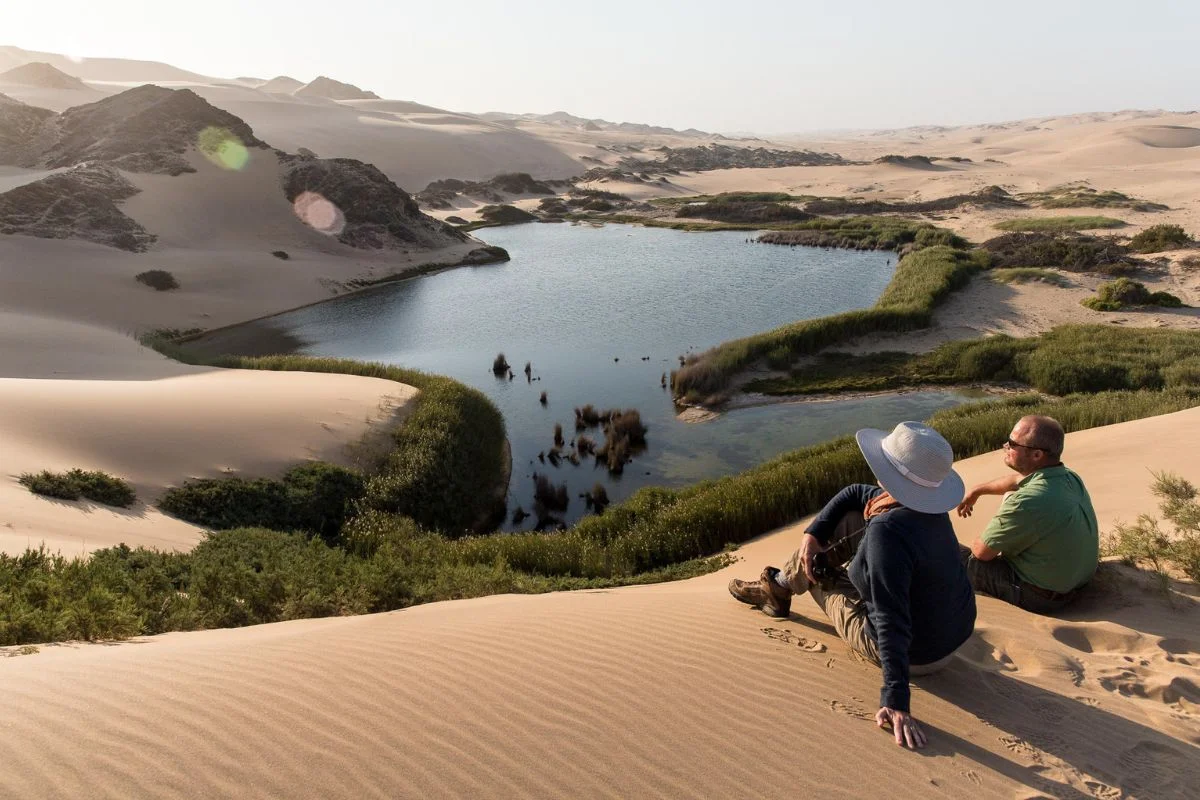
Etosha National Park centres on a 4,800-square-kilometre salt pan visible from space.
The pan remains dry for most of the year, but waterholes around its edge attract elephant, black and white rhinoceros, lion, giraffe, zebra, and springbok.
The park's open terrain and network of waterholes make self-drive game viewing straightforward, and many waterholes are floodlit at night for viewing from rest camp fences.
The May to October dry season concentrates animals at permanent water points. Etosha's three main rest camps (Okaukuejo, Halali, Namutoni) offer budget to mid-range accommodation from $80 to $250 per person per night.
Private lodges just outside park gates cost $300 to $700 per person per night. The park is a four to five-hour drive from Windhoek.
Etosha — best time to visit
| J | F | M | A | M | J | J | A | S | O | N | D | |
|---|---|---|---|---|---|---|---|---|---|---|---|---|
| High °C | 33° | 32° | 31° | 30° | 28° | 25° | 25° | 28° | 32° | 34° | 34° | 33° |
| High °F | 91° | 90° | 88° | 86° | 82° | 77° | 77° | 82° | 90° | 93° | 93° | 91° |
| Rain mm | 75 | 80 | 75 | 30 | 5 | 0 | 0 | 0 | 5 | 20 | 45 | 70 |
| Rating |
Etosha: Dry season (May–Oct) brings game to the waterholes; rains transform the pan Dec–Mar.
Ideal — Peak conditions — dry, comfortable, prime wildlife or beach time.
Good — Great conditions with brief showers or warmer days; still highly recommended.
Shoulder — Mixed weather — fewer crowds and lower rates, occasional rain.
Avoid — Heaviest rain or roughest seas; many camps and roads can be affected.
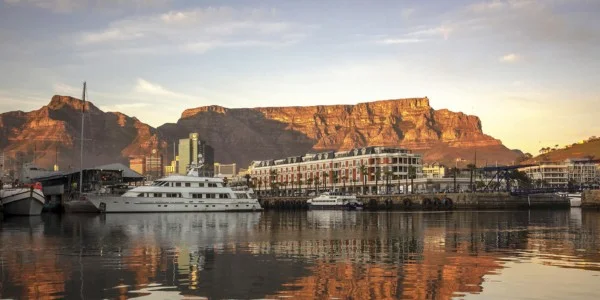
Visit Cape Town
Visit the number one rated city in the world with 8 blue flag beaches, swimming with penguins and so much more
Plan My Safari6. South Luangwa National Park, Zambia
South Luangwa National Park pioneered walking safaris in Africa and remains the strongest destination for guided foot safaris. The park's 9,050 square kilometres of woodland, grassland, and oxbow lagoons support high densities of leopard, elephant, buffalo, and Thornicroft's giraffe (endemic to the Luangwa Valley). Walking safaris run year-round but peak in the dry season (May to October) when animals concentrate along the Luangwa River.
Night drives are permitted and offer chances to see civet, genet, porcupine, and leopard hunting. The park holds over 400 bird species, with migratory carmine bee-eaters nesting in riverbanks from September to November. Lodges cost $350 to $800 per person per night and include walks, drives, and night drives. South Luangwa is accessible by scheduled flight from Lusaka (one hour).
South Luangwa — best time to visit
| J | F | M | A | M | J | J | A | S | O | N | D | |
|---|---|---|---|---|---|---|---|---|---|---|---|---|
| High °C | 31° | 31° | 31° | 30° | 28° | 26° | 26° | 29° | 33° | 34° | 33° | 31° |
| High °F | 88° | 88° | 88° | 86° | 82° | 79° | 79° | 84° | 91° | 93° | 91° | 88° |
| Rain mm | 225 | 195 | 100 | 25 | 5 | 0 | 0 | 0 | 5 | 25 | 95 | 195 |
| Rating |
South Luangwa: Walking safari capital — most camps Jun–Oct; emerald season (Jan–Mar) is lush but limited.
Ideal — Peak conditions — dry, comfortable, prime wildlife or beach time.
Good — Great conditions with brief showers or warmer days; still highly recommended.
Shoulder — Mixed weather — fewer crowds and lower rates, occasional rain.
Avoid — Heaviest rain or roughest seas; many camps and roads can be affected.
7. Bwindi Impenetrable National Park, Uganda
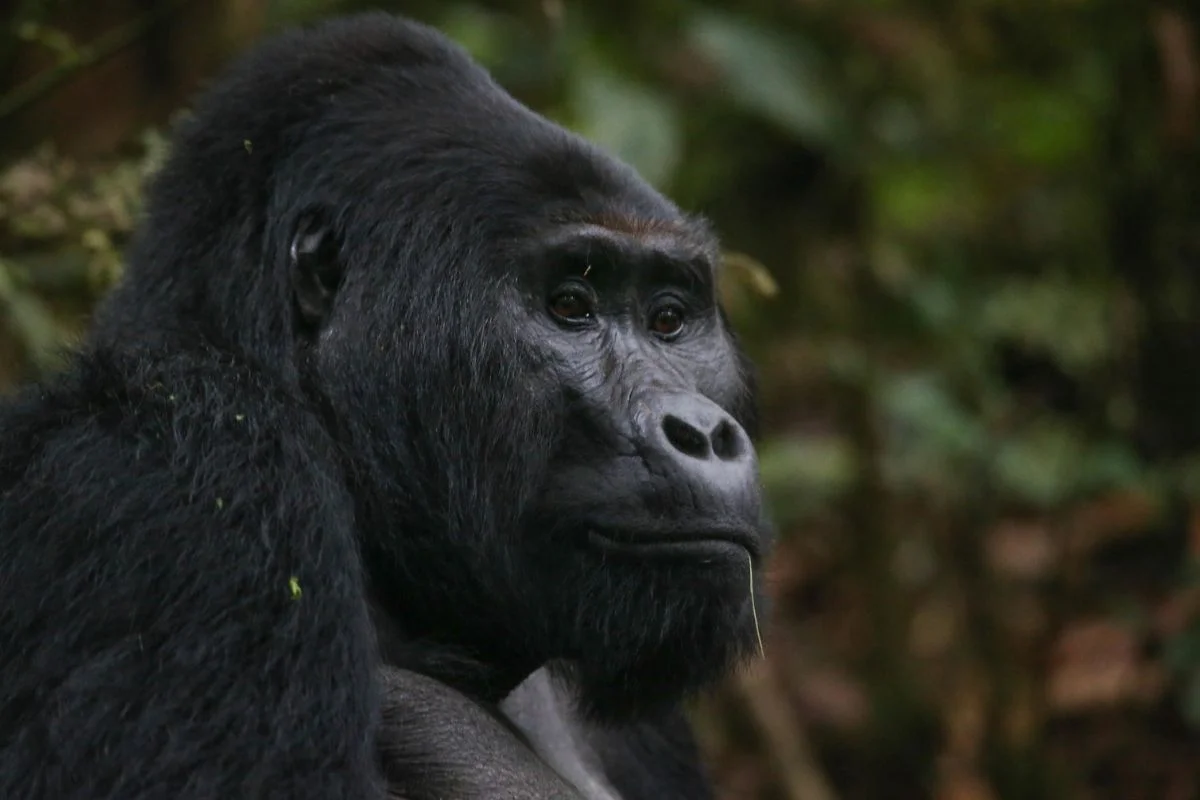
Bwindi Impenetrable National Park protects roughly half of the world's remaining 1,000 mountain gorillas.
Gorilla trekking permits cost $800 per person and must be booked months in advance through the Uganda Wildlife Authority or a licensed operator.
Treks depart at 08:00 and last two to six hours depending on the location of habituated gorilla families. Once located, visitors spend one hour observing the group.
The park's montane forest supports over 350 bird species, including 23 Albertine Rift endemics.
The best trekking months are June to August and December to February, when trails are drier. Lodges near the park's four trailheads (Buhoma, Ruhija, Rushaga, Nkuringo) cost $200 to $600 per person per night.
Cultural visits to Batwa communities can be arranged through most lodges.
How fit do you need to be for gorilla trekking?
Gorilla trekking requires moderate fitness. Trails climb steep, muddy slopes at altitudes of 1,160 to 2,607 metres, and treks can last up to six hours return. Porters are available to carry daypacks and assist on difficult sections for a $15 to $20 tip.
The Uganda Wildlife Authority sets a minimum age of 15 years for permits. Travellers with limited mobility can request allocation to family groups closer to trailheads, though this cannot be guaranteed.
8. Ngorongoro Conservation Area, Tanzania
Ngorongoro Conservation Area contains the world's largest intact volcanic caldera, a 260-square-kilometre crater floor 600 metres below the rim.
The crater's permanent water and grazing support around 25,000 large mammals, including black rhinoceros, lion, elephant, buffalo, hippo, and flamingo on the soda lake. All Big Five species are present, and sightings are concentrated due to the enclosed space.
The June to September dry season offers the clearest game viewing. Olduvai Gorge, 50 kilometres west of the crater, is an archaeological site where hominid fossils dating back 1.9 million years have been found.
Cultural visits to Maasai communities living within the conservation area are widely offered. Lodges on the crater rim cost $400 to $1,200 per person per night. Day visitors pay a $70 conservation fee plus $295 per vehicle for crater descent.
Ngorongoro — best time to visit
| J | F | M | A | M | J | J | A | S | O | N | D | |
|---|---|---|---|---|---|---|---|---|---|---|---|---|
| High °C | 22° | 22° | 22° | 21° | 20° | 19° | 19° | 20° | 21° | 22° | 22° | 22° |
| High °F | 72° | 72° | 72° | 70° | 68° | 66° | 66° | 68° | 70° | 72° | 72° | 72° |
| Rain mm | 55 | 70 | 110 | 180 | 90 | 20 | 15 | 20 | 30 | 55 | 95 | 90 |
| Rating |
Ngorongoro: Cool highland crater — game-rich year-round; clearest skies Jun–Oct.
Ideal — Peak conditions — dry, comfortable, prime wildlife or beach time.
Good — Great conditions with brief showers or warmer days; still highly recommended.
Shoulder — Mixed weather — fewer crowds and lower rates, occasional rain.
Avoid — Heaviest rain or roughest seas; many camps and roads can be affected.
9. Okavango Delta, Botswana
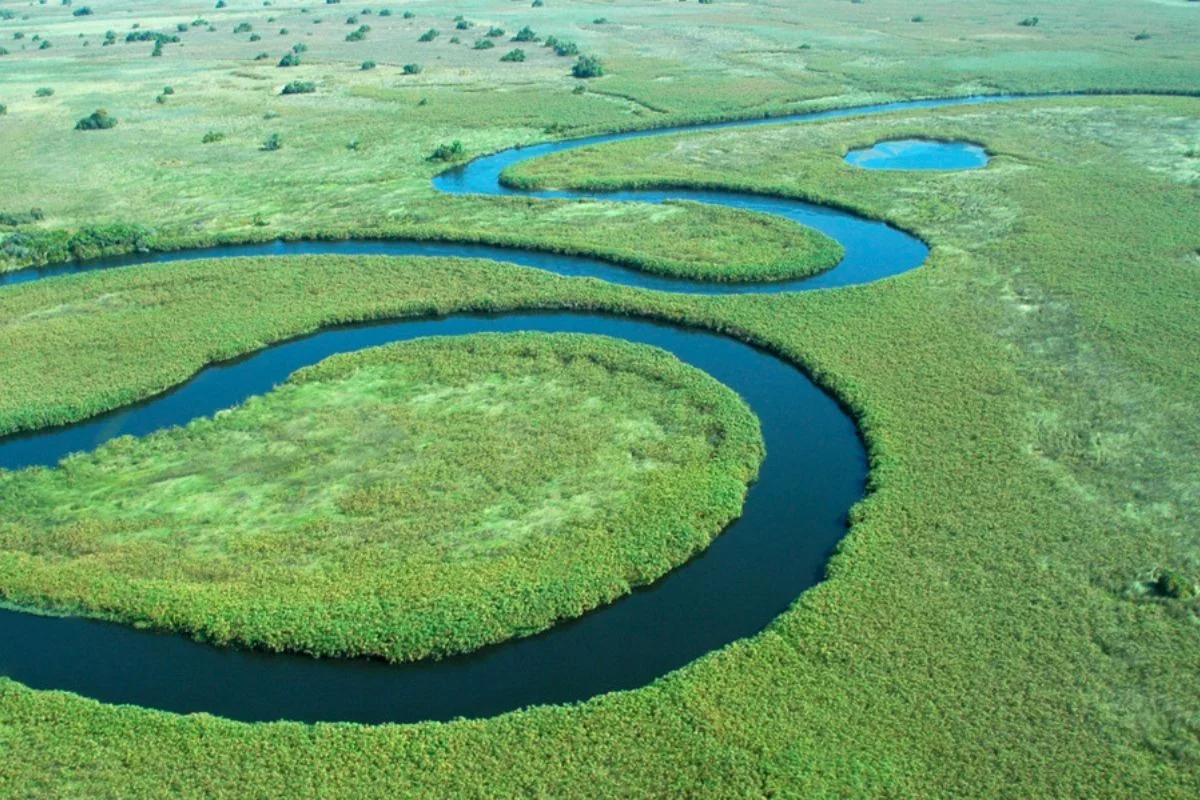
The Okavango Delta is a vast inland delta where the Okavango River fans out over 15,000 square kilometres of Kalahari sand.
Seasonal flooding peaks from June to August, creating a maze of channels, lagoons, and islands. Wildlife concentrations are highest during the dry months (May to October) when animals move to permanent water.
Mokoro safaris (traditional dugout canoes) allow silent, close-range viewing of hippos, elephants, lechwe, and sitatunga antelope. Game drives, walking safaris, and birdwatching are offered by most camps.
Scenic flights over the delta cost $150 to $250 per person and provide aerial views of the water system. Lodges and tented camps cost $600 to $1,500 per person per night, typically booked as part of multi-park itineraries combining Chobe or Moremi.
What is a mokoro safari?
A mokoro is a traditional dugout canoe pole-propelled by a standing guide through shallow delta channels.
Most modern mokoros are fibreglass replicas of the original hardwood designs. Mokoro safaris last one to three hours and focus on birdlife, aquatic plants, and smaller mammals such as lechwe and otter.
The low, silent approach allows close viewing of elephants and buffalo coming to drink. Mokoros carry two passengers plus the guide and operate in water 30 to 100 centimetres deep.
Okavango Delta — best time to visit
| J | F | M | A | M | J | J | A | S | O | N | D | |
|---|---|---|---|---|---|---|---|---|---|---|---|---|
| High °C | 32° | 31° | 31° | 30° | 28° | 25° | 25° | 28° | 32° | 34° | 33° | 32° |
| High °F | 90° | 88° | 88° | 86° | 82° | 77° | 77° | 82° | 90° | 93° | 91° | 90° |
| Rain mm | 110 | 90 | 70 | 25 | 5 | 0 | 0 | 0 | 5 | 35 | 65 | 95 |
| Rating |
Okavango Delta: Floodwaters peak Jun–Aug — prime mokoro and game viewing; summer is hot and wet.
Ideal — Peak conditions — dry, comfortable, prime wildlife or beach time.
Good — Great conditions with brief showers or warmer days; still highly recommended.
Shoulder — Mixed weather — fewer crowds and lower rates, occasional rain.
Avoid — Heaviest rain or roughest seas; many camps and roads can be affected.
10. Hwange National Park, Zimbabwe
Hwange National Park is Zimbabwe's largest reserve, covering 14,650 square kilometres of teak and mopane woodland, grassland, and seasonal pans.
The park supports an estimated 45,000 elephants, and large herds gather at pumped waterholes during the June to October dry season. Lion, leopard, cheetah, wild dog, and buffalo are present in good numbers.
Walking safaris and game drives are the main activities. Cultural visits to local communities near the park explore Zimbabwean traditions and conservation partnerships.
Lodges cost $300 to $900 per person per night and cluster around waterholes in the park's northern sector. Hwange is a two-hour drive from Victoria Falls, making it easy to combine with the falls.
Hwange — best time to visit
| J | F | M | A | M | J | J | A | S | O | N | D | |
|---|---|---|---|---|---|---|---|---|---|---|---|---|
| High °C | 30° | 29° | 29° | 28° | 25° | 23° | 23° | 26° | 31° | 33° | 32° | 30° |
| High °F | 86° | 84° | 84° | 82° | 77° | 73° | 73° | 79° | 88° | 91° | 90° | 86° |
| Rain mm | 145 | 125 | 75 | 25 | 5 | 0 | 0 | 0 | 5 | 30 | 90 | 140 |
| Rating |
Hwange: Dry-season game viewing Jul–Oct is exceptional as wildlife concentrates at pumped waterholes.
Ideal — Peak conditions — dry, comfortable, prime wildlife or beach time.
Good — Great conditions with brief showers or warmer days; still highly recommended.
Shoulder — Mixed weather — fewer crowds and lower rates, occasional rain.
Avoid — Heaviest rain or roughest seas; many camps and roads can be affected.
Frequently asked questions
What is the best time of year for an African safari?
May to October is the best general window for African safaris. This dry season sees animals concentrate around water sources, vegetation thins for better visibility, and rainfall is minimal.
June to October is peak season in most parks, with higher lodge rates and advance booking required.
The Great Migration's Mara River crossings in Kenya occur from late July to October. November to April is the wet season, offering lower rates, fewer vehicles, and better birdwatching, but some roads become impassable and wildlife disperses.
How much does an African safari cost?
Budget camping safaris in East Africa cost $150 to $300 per person per day, including transport, park fees, and basic meals.
Mid-range lodge safaris cost $400 to $700 per person per night, covering accommodation, meals, and game drives. Luxury and ultra-luxury lodges range from $800 to $2,500 per person per night.
Gorilla trekking permits in Uganda cost $800, in Rwanda $1,500. International flights, visas, tips, and drinks are additional. A ten-day safari typically costs $5,000 to $15,000 per person depending on lodge tier and destinations.
Do I need vaccinations or malaria prophylaxis for an African safari?
Yellow fever vaccination is required for entry to Kenya, Tanzania, Uganda, and Zambia if arriving from yellow fever endemic countries (including transiting through Addis Ababa or Nairobi from other African nations).
South Africa, Botswana, Namibia, and Zimbabwe do not require yellow fever certificates unless you are arriving from an endemic area. Malaria is present in most safari regions, and prophylaxis (atovaquone-proguanil, doxycycline, or mefloquine) is recommended. Kruger's winter months (May to September) carry lower malaria risk.
Consult a travel health clinic six to eight weeks before departure.
Can I do a self-drive safari in Africa?
Self-drive safaris are practical in South Africa (Kruger National Park, Kgalagadi), Namibia (Etosha), and Botswana (some areas of Chobe and Moremi, though a 4x4 is required).
These countries have well-maintained road networks, clear signage, and accessible rest camps or lodges. Kenya, Tanzania, Uganda, Zambia, and Zimbabwe require guided safaris due to road conditions, navigation challenges, and park regulations.
Car hire for self-drive safaris costs $60 to $150 per day for a sedan, $100 to $200 per day for a 4x4. Park entry fees and accommodation are additional.
What should I pack for an African safari?
Pack neutral-coloured clothing (khaki, olive, beige) in lightweight, breathable fabrics. Layers are essential as mornings and evenings can be cool even in summer. Bring a wide-brimmed hat, sunglasses, SPF 50 sunscreen, insect repellent with 20 to 30 per cent DEET, binoculars (8x32 or 10x42), a camera with a zoom lens (200mm to 400mm is ideal), and a headlamp.
Closed walking shoes and sandals both have uses. Most lodges provide laundry, so pack light. If doing gorilla trekking, add waterproof trousers, a long-sleeved shirt, gardening gloves for gripping vegetation, and gaiters.
Is it safe to travel on safari in Africa?
Safari travel in established parks and reserves is safe when following guide instructions. Wildlife is dangerous if approached on foot or provoked; always stay in vehicles unless on a guided walk with an armed ranger.
Lodges and camps use experienced guides trained in first aid and wildlife behaviour.
Malaria prophylaxis, travel insurance covering medical evacuation, and up-to-date vaccinations are essential health precautions. Petty theft can occur in cities; use hotel safes and avoid displaying valuables. Political stability varies by country; check your government's travel advisories before booking.
Last updated: June 2026