
10 Things to Do in Cape Town in 2026 / 2027
In this post we take a look at the mother city of South Africa, and often number one voted city in the world, let's dive in...

Cape Town is one of Africa's most visited cities, offering activities from Table Mountain cable car rides to shark cage diving and wine tasting in nearby estates.
Cape Town offers Table Mountain hikes or cable car rides, blue flag beaches like Camps Bay and Boulders Beach, award-winning wineries in Stellenbosch and Franschhoek, shark cage diving in Gansbaai, cultural tours to Robben Island, top-rated restaurants, shopping at the V&A Waterfront, and adventure sports from surfing to helicopter tours. Plan 3-4 nights to cover the highlights.
Key takeaways
Table Mountain cable car or 2-hour guided hike offers views across the Atlantic and Pacific oceans.
Beaches include Camps Bay, Llandudno, Noordhoek, and Boulders Beach with its penguin colony.
Winelands in Franschhoek, Stellenbosch, and Constantia are 45-90 minutes from the city centre.
Shark cage diving operates in Gansbaai (2 hours away) or closer locations 25 minutes from the Waterfront.
Robben Island cultural tours depart daily, weather permitting; book ahead December to February.
Plan 3-4 nights in Cape Town to experience dining, beaches, wine routes, and outdoor activities.
1. Table Mountain
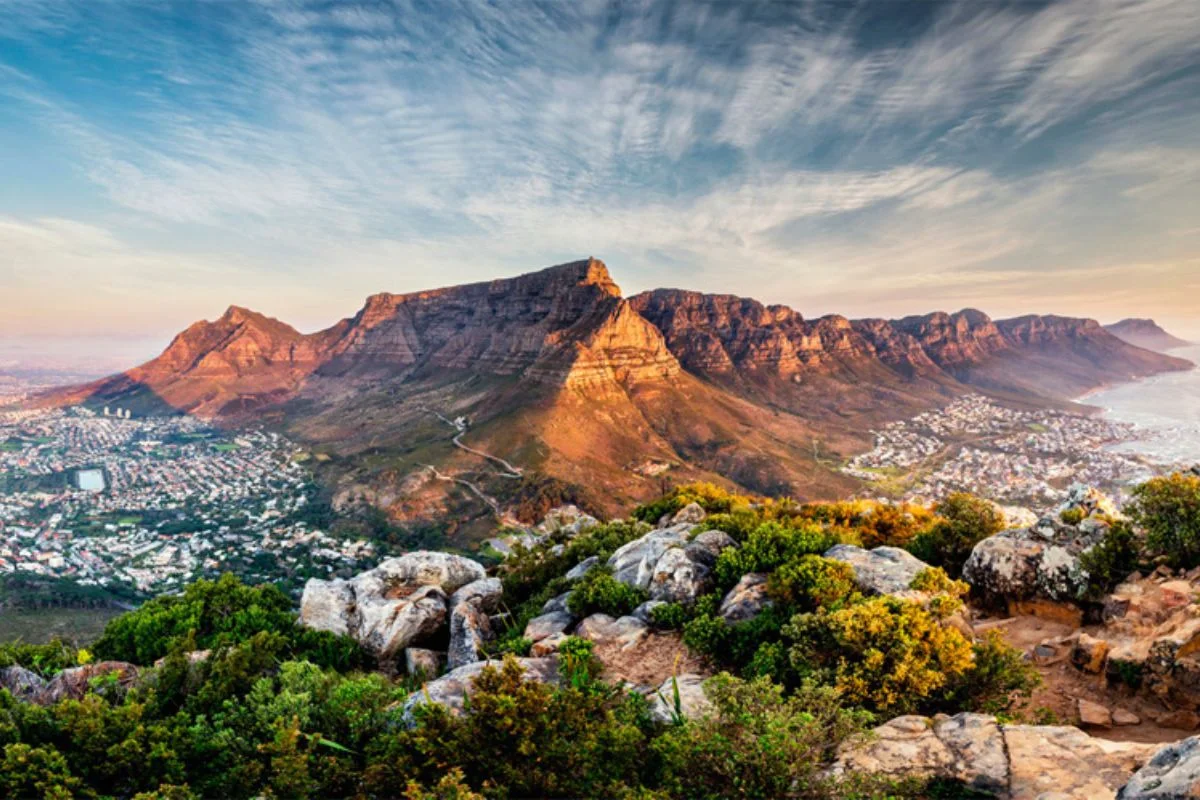
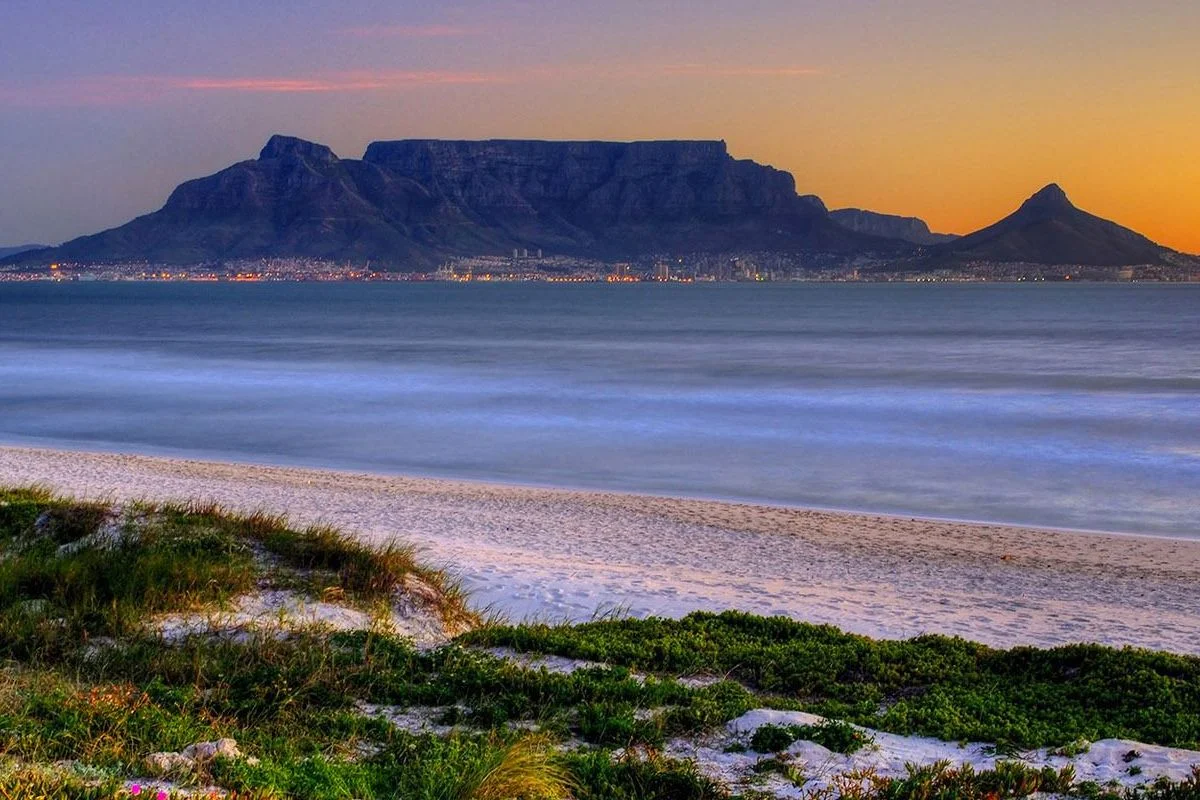
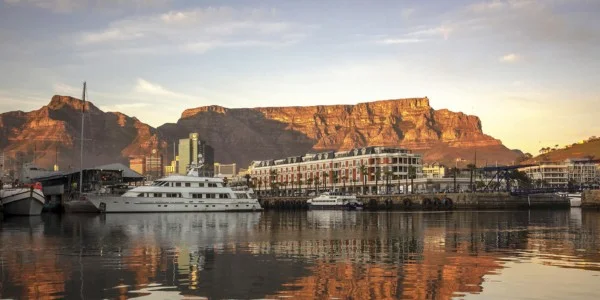
Table Mountain forms the backdrop to Cape Town and is accessible by cable car (5-10 minutes) or a 2-hour guided hike.
Views from the summit stretch across the Table Mountain range and out to the Atlantic and Indian oceans (not Pacific; the meeting point of the two oceans is at Cape Point, further south).
The cable car operates in good weather only. Book tickets online in advance during peak season (December to February) to avoid queues that build from late morning to early afternoon.
Visit Cape Town
Visit the number one rated city in the world with 8 blue flag beaches, swimming with penguins and so much more
Plan My Safari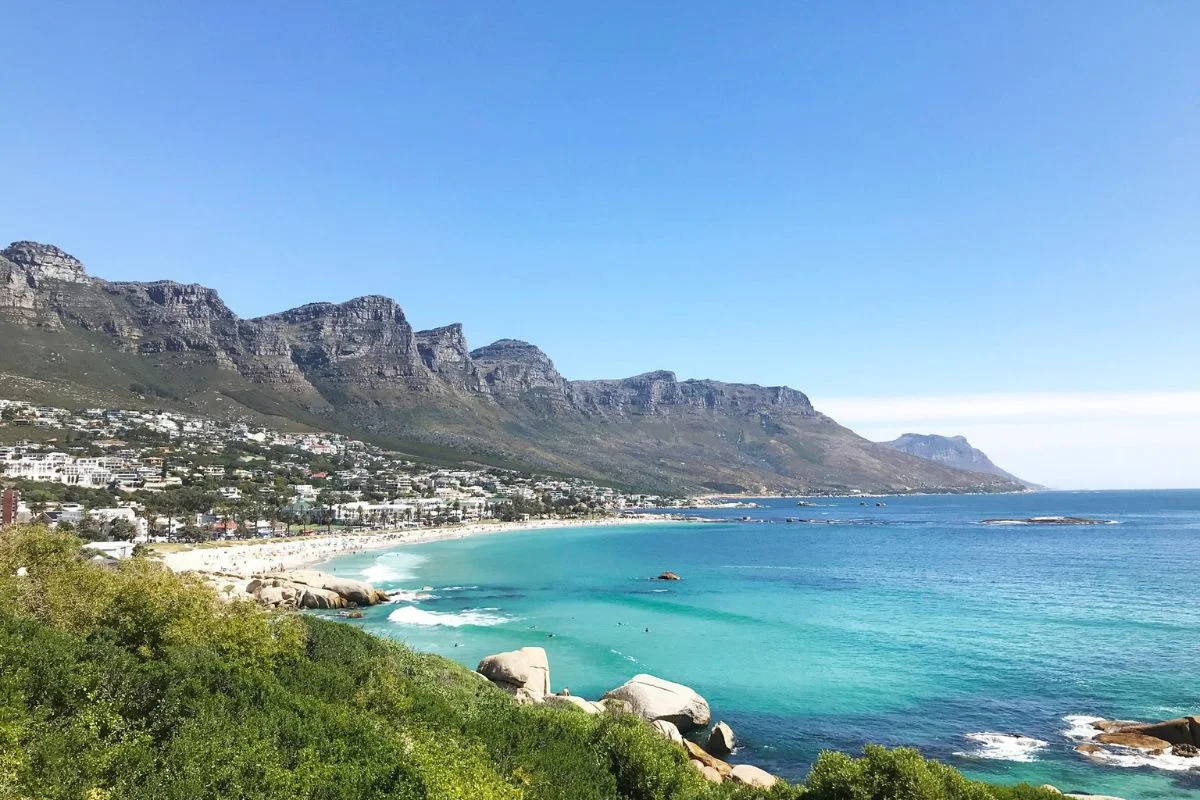
2. Blue flag beaches
Cape Town's coastline features multiple blue flag beaches.
Camps Bay is the most developed, lined with boutique hotels, restaurants, and bars. Llandudno offers a quieter setting with large granite boulders and clearer water.
Noordhoek Beach stretches for kilometres and is popular with horse riders and dog walkers.
Boulders Beach, near Simon's Town, is home to a colony of African penguins and requires a small entrance fee.
Bakoven and Glen Beach are smaller local spots with fewer tourists.
Which beaches are warmest for swimming?
The False Bay side (Muizenberg, Fish Hoek, Boulders Beach) has water 3-5°C warmer than the Atlantic side (Camps Bay, Clifton, Llandudno) because of ocean currents.
Atlantic beaches are colder but generally have clearer water and better sunset views.
Water temperatures range from 12-16°C on the Atlantic side to 16-20°C on the False Bay side in summer (November to March).
3. Award-winning wineries
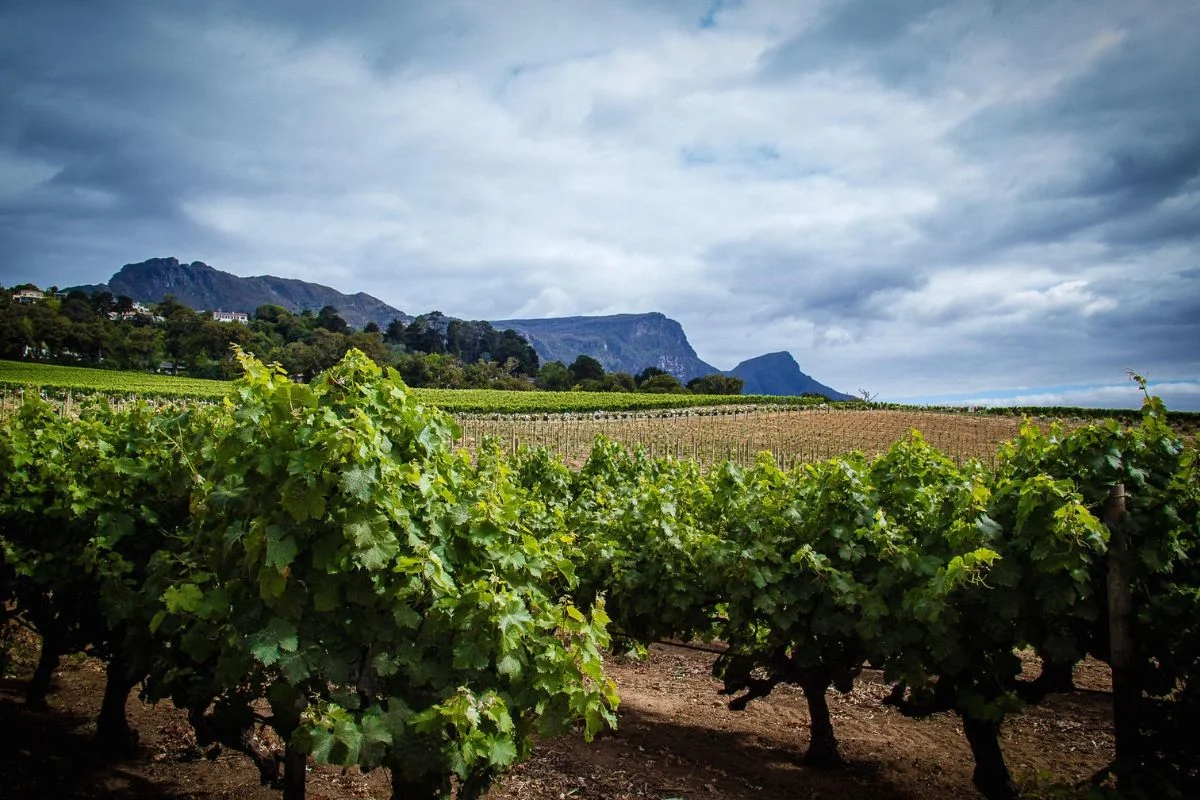
The Western Cape winelands lie 45-90 minutes from Cape Town. Stellenbosch is the largest wine region, with over 150 estates producing red and white varieties.
Franschhoek is known for French-influenced wine estates and fine dining. Constantia, the closest region to the city (20-30 minutes), produces both red and white wines and is convenient for half-day visits.
Guided day tours typically visit 3-4 estates and include tastings; self-drive is possible but requires a designated driver as estates are close together and tastings are generous.
4. Fauna and flora
Table Mountain National Park and surrounding ranges offer hiking and mountain biking trails with fynbos vegetation. Stick to marked routes and hike in groups, especially on less-trafficked trails. Popular day hikes include Platteklip Gorge (direct ascent to Table Mountain summit, 2-3 hours), Lion's Head (1.5 hours, best for sunrise or sunset), and Kirstenbosch Botanical Garden trails (varied lengths, wheelchair-accessible boardwalks available). Carry minimal valuables and be aware of your surroundings, as opportunistic theft can occur on quieter trails.
5. World-class cuisine
Cape Town has multiple restaurants in the World's 50 Best lists. The Test Kitchen (currently closed for renovations as of late 2023; check status before booking) and La Colombe are longstanding top-rated options.
Franschhoek, 75 minutes away, is considered the culinary capital of South Africa, with restaurants like Le Quartier Français and Foliage. Book fine dining restaurants 2-4 weeks ahead in peak season. Expect tasting menus from $80-150 per person, excluding wine pairings.
What are the best restaurants at the V&A Waterfront?
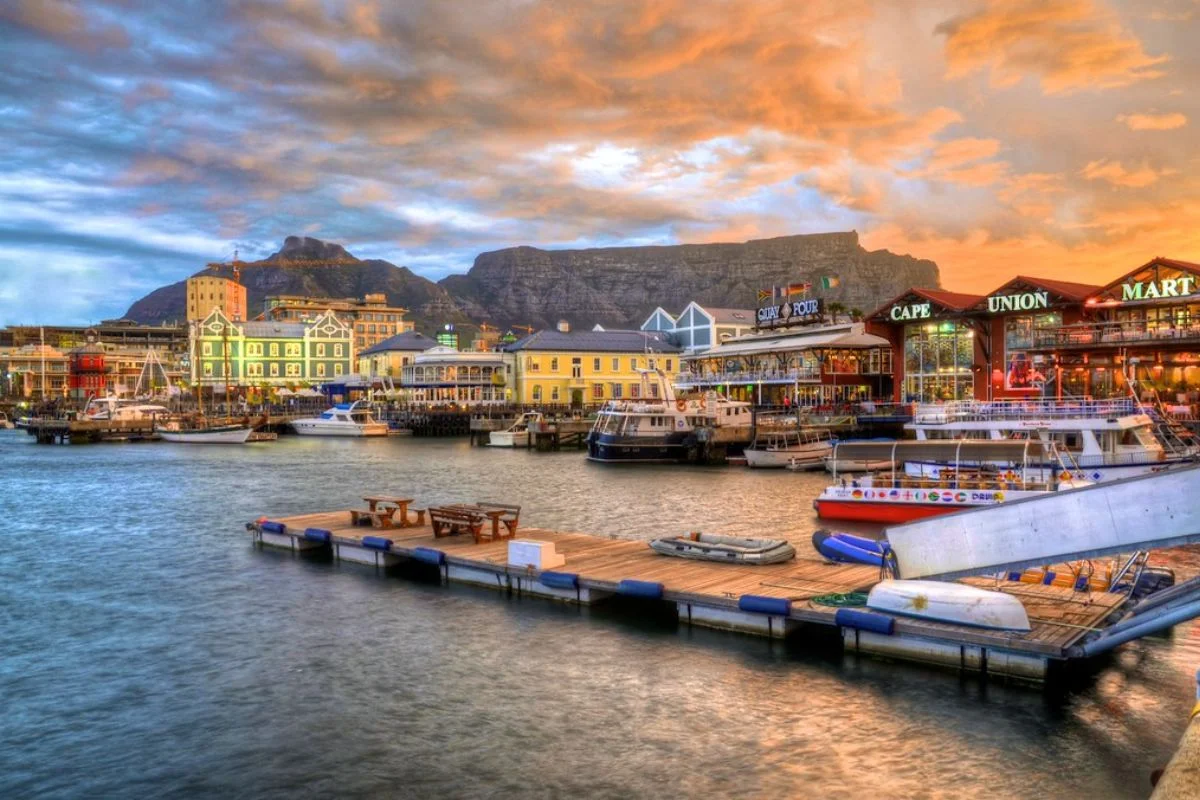
The V&A Waterfront has several strong options without advance booking requirements: Belthazar for steaks and wine, Harbour House for seafood with ocean views, and Willoughby & Co for casual sushi and oysters.
The Waterfront also has international chains and lighter cafes. For fine dining, head to the city centre (15 minutes) or suburbs like Constantia.
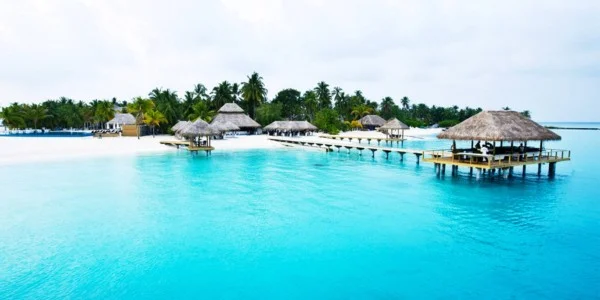
Seychelles Island Escape
Visit the jewel of the Indian Ocean with blue azure waters and white sandy beaches.
Plan My Safari6. Oceanic adventures
Shark cage diving operates year-round, with great white shark sightings most common May to September. Gansbaai, 2 hours from Cape Town, is the main hub; tours cost $120-180 and include boat transfer, cage time (15-20 minutes), and sometimes breakfast.
Closer options near the Waterfront (25 minutes) offer similar experiences at slightly higher prices. No diving certification is required. Other ocean activities include kayaking from Simon's Town or Hout Bay, boat tours to Duiker Island to see Cape fur seals, and private yacht charters for whale watching (July to November).
7. Cultural tours
Robben Island, 30 minutes by ferry from the V&A Waterfront, is the most visited cultural site. Tours include a bus tour of the island and a guided walk through the prison where Nelson Mandela was held for 18 years.
Ferries depart 3-4 times daily; book online at least a week ahead in summer. Other cultural sites include District Six Museum (history of forced removals under apartheid), Castle of Good Hope (oldest colonial building in South Africa, built 1666), and Bo-Kaap (colourful historic Muslim quarter with cobbled streets).
How long does the Robben Island tour take?
The full Robben Island tour takes 3.5-4 hours, including ferry transfers (30 minutes each way) and the island tour (2-2.5 hours).
Ferries can be cancelled in rough weather, especially winter (June to August). Morning departures are less likely to be affected by afternoon winds. Tours are led by former political prisoners.
8. Vibrant nightlife
Cape Town nightlife centres on Long Street (city centre), Camps Bay (beachfront), and the V&A Waterfront. Long Street has cocktail bars, clubs, and live music venues open until 2-4am.
Camps Bay bars like Cafe Caprice are popular for sunset drinks (5-7pm) before dinner.
The Waterfront has quieter wine bars and lounges. Dress codes apply at upmarket venues; casual beachwear is fine at Camps Bay. Uber and Bolt taxis operate across the city; avoid walking alone late at night in the city centre.
9. Shopping
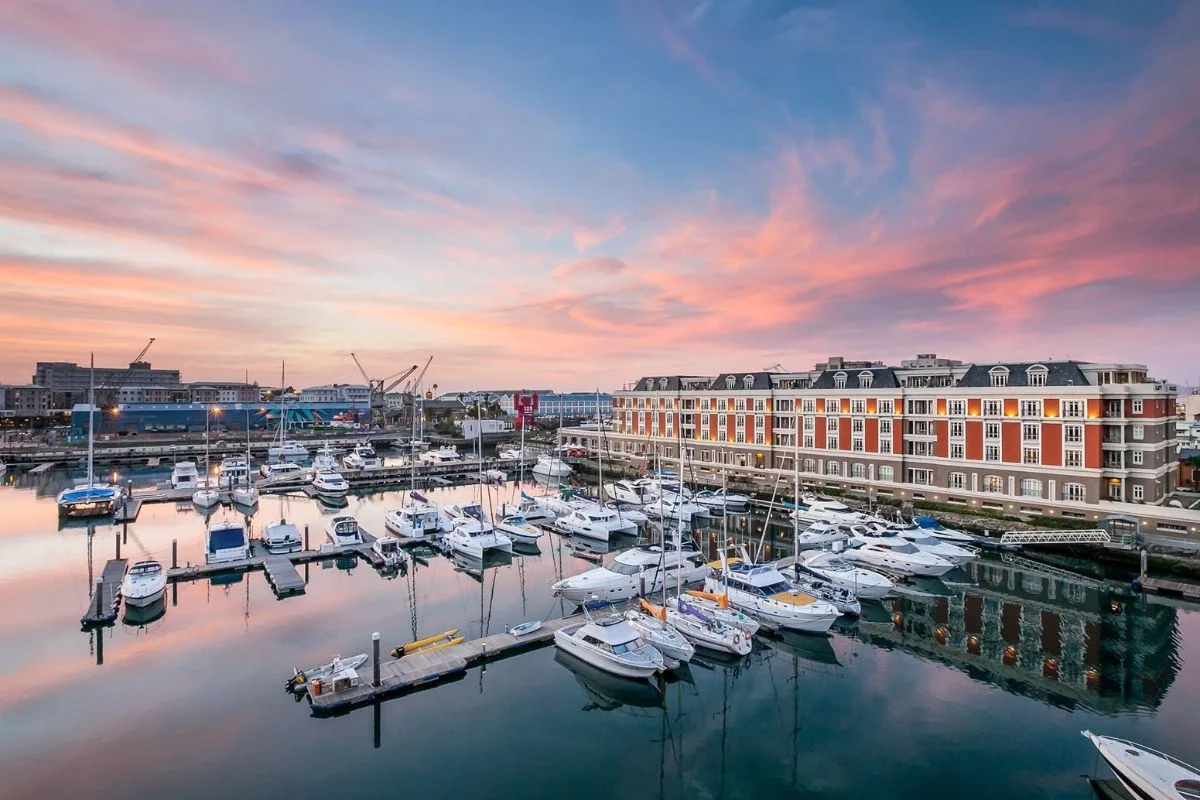
The V&A Waterfront is the main shopping destination, with over 450 stores including international brands, local designers, and African craft markets. The Watershed indoor market sells handmade goods, jewellery, and art. The Waterfront also has a Ferris wheel, live music stages, and outdoor seating areas. Other shopping areas include Kloof Street (independent boutiques and vintage stores), Gardens Centre (local mall 10 minutes from city centre), and Canal Walk (large suburban mall 20 minutes out, with major chains).
10. Adventure sports
Muizenberg is the main surf beach, with beginner-friendly waves and multiple surf schools offering 2-hour lessons from $35-50. Advanced surfers head to Dungeons (Hout Bay) for big wave surfing in winter. Other activities include paragliding from Lion's Head or Signal Hill (tandem flights $80-120, 15-20 minutes), helicopter tours over Table Mountain and the Atlantic Seaboard ($150-300 for 15-30 minutes), mountain biking at Tokai Forest or Table Mountain trails, and zip lining at Silvermist Wine Estate or Constantia Nek. Kite surfing is popular at Blouberg and Langebaan (90 minutes north).
Frequently asked questions
How many days should I spend in Cape Town?
Plan 3-4 nights to cover major highlights: one day for Table Mountain and city sights, one for a winelands tour, one for beaches and coastal drives (Chapman's Peak, Boulders Beach, Cape Point), and one for cultural sites or adventure activities. Add extra nights for shark cage diving (full-day trip), Robben Island, or relaxed beach time. Combining Cape Town with a safari elsewhere in South Africa typically means 3-4 nights in the city before or after 4-6 nights on safari.
What is the best time of year to visit Cape Town?
November to March is summer: warmest weather (20-28°C), long days, and calm seas, but also peak season with higher prices and crowds. April to May and September to October are shoulder seasons with mild weather (16-22°C), fewer tourists, and lower accommodation rates. June to August is winter: cooler (10-18°C), wetter, and best for whale watching (July to November) and big wave surfing. Table Mountain cable car and outdoor activities are more reliable in summer.
Is Cape Town safe for tourists?
Cape Town is generally safe in tourist areas (Waterfront, Camps Bay, city centre, winelands) with normal precautions. Avoid walking alone at night, especially in the city centre and Long Street. Use registered taxis (Uber, Bolt) rather than walking between venues after dark. Do not leave valuables visible in parked cars. Some townships and less-developed areas carry higher risk; join organised tours rather than exploring independently. Hiking alone on quiet trails is not recommended; go in groups and carry minimal valuables.
How much does a Cape Town trip cost?
Budget travellers can manage on $80-120 per day (hostels, self-catering, public transport, free hikes). Mid-range travellers spend $180-280 per day (3-star hotels, restaurant meals, paid activities, taxis). Luxury travellers budget $400-800+ per day (5-star hotels like One&Only or Ellerman House, fine dining, private guides, helicopter tours, wine estate lunches). A winelands day tour costs $60-150 per person. Robben Island is $25-30. Shark cage diving is $120-180. Fine dining tasting menus run $80-150 per person.
Can I combine Cape Town with a safari?
Yes. Most itineraries pair 3-4 nights in Cape Town with 4-6 nights at safari lodges in Kruger National Park (2-hour flight from Cape Town), the Eastern Cape (1-hour flight), or Botswana and Zimbabwe (2-3 hours). Flying between destinations is standard; driving from Cape Town to Kruger takes 18-20 hours and is not practical. Book through a specialist like African Safari Home to coordinate flights, transfers, and lodge bookings. Safari costs range from $400-600 per person per night at mid-range lodges to $800-1,500+ at luxury properties, all-inclusive.
Do I need a car in Cape Town?
Not essential but helpful. Central Cape Town, the Waterfront, and Camps Bay are walkable or reachable by Uber and Bolt (widely available, reliable, cheaper than London or New York taxis). Rent a car for winelands day trips, Cape Point drives, or multiple beach stops in one day. Driving is on the left; international licences are accepted. Parking is available at most hotels and attractions. Avoid leaving valuables in cars, especially at trailheads and beaches. MyCiTi bus serves some routes but is slower than taxis or rental cars.
Last updated: July 2026