
April is an excellent time to travel in southern Africa, with warm weather, lower prices and fewer crowds across safari parks, cities and Indian Ocean islands.
April is a shoulder season sweet spot in southern Africa. Kruger National Park and Namibia are lush after summer rains but drying out, Cape Town enjoys sunny autumn days, and Mozambique and the Seychelles offer warm beach weather. You will encounter fewer tourists and pay lower rates than in peak winter season (June to October).
Key takeaways
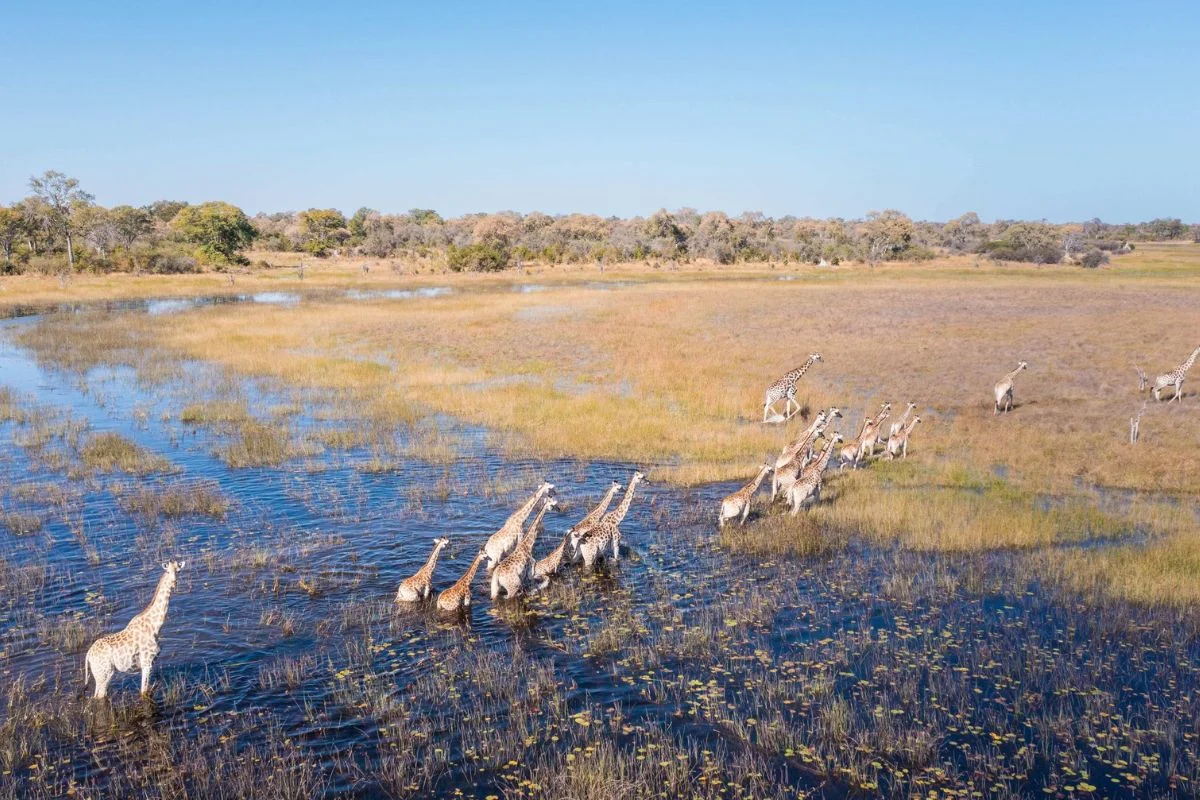
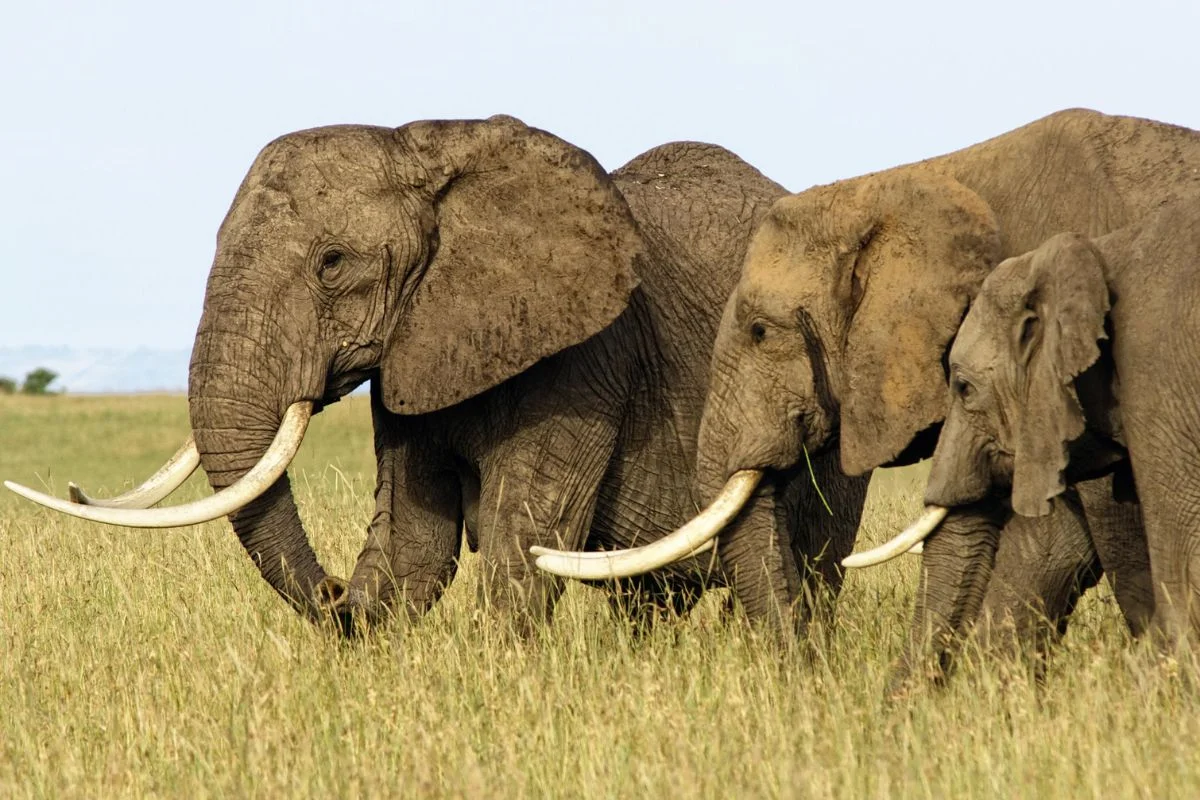
Kruger National Park is green and excellent for photography, with afternoon thunderstorms ending and wildlife still abundant.
Namibia's deserts bloom after rain, Etosha sees baby antelope emerge, and clear skies make April ideal for landscape photography.
Cape Town enjoys crisp, clear autumn days (15-24°C) with fewer crowds and better rates than summer.
Mozambique's Bazaruto Archipelago sees its last summer showers, with diving and snorkelling conditions improving throughout the month.
Victoria Falls is near peak flow after summer rains, offering spectacular views and fewer visitors than July and August.
April is a shoulder season across southern Africa: expect savings of 15-30% on lodges compared to peak winter months.
1. South Africa
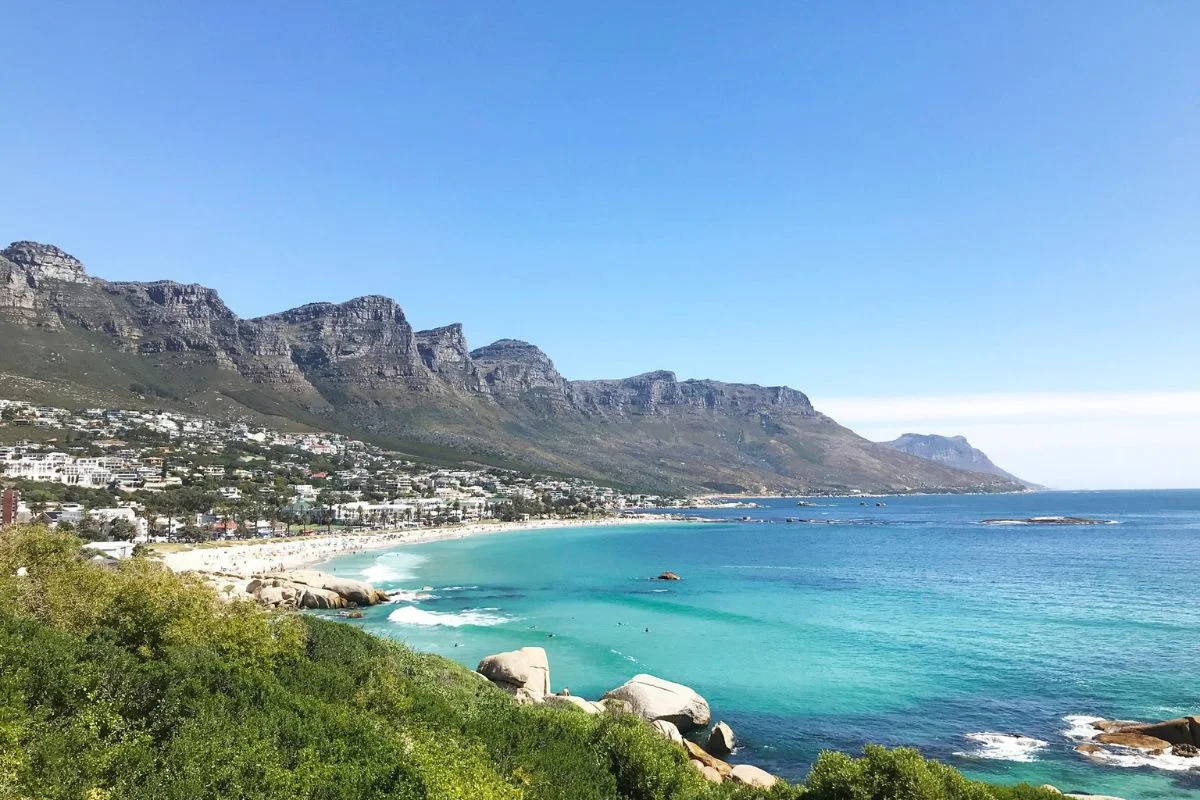
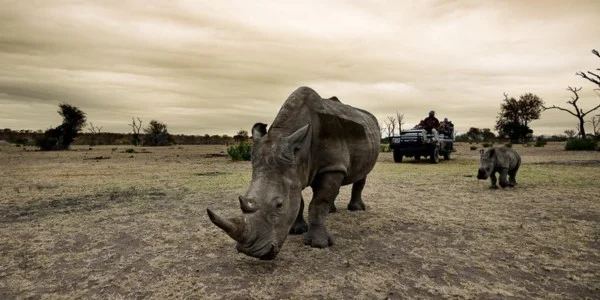
South Africa in April offers two distinct experiences: the Kruger National Park is lush and green at the tail end of the rainy season, while Cape Town transitions into sunny autumn weather with fewer tourists.
Kruger National Park's summer rains (November to April) taper off by mid-April. The park is transformed into a green, verdant landscape ideal for photography and birdwatching.
Morning game drives are slightly cooler (12-18°C at dawn) but days are warm (25-28°C).
Wildlife is still abundant but more spread out than in the dry winter peak season (June to September), when animals concentrate around permanent water.
You will pay 20-30% less for lodges than in July or August, and you will have far fewer vehicles at sightings.
Is April a good time to visit Cape Town?
Yes. April is one of the best months to visit Cape Town. Summer tourists (December to March) have left, so beaches, restaurants and attractions are less crowded.
Days are crisp and clear (15-24°C), perfect for hiking Table Mountain or exploring the Winelands.
The first autumn rains begin but are intermittent; you will still enjoy plenty of sunshine.
Accommodation rates drop after the high summer season ends in late March, and you can often secure better deals at top hotels.
Cape Town — best time to visit
| J | F | M | A | M | J | J | A | S | O | N | D | |
|---|---|---|---|---|---|---|---|---|---|---|---|---|
| High °C | 27° | 27° | 26° | 23° | 20° | 18° | 17° | 18° | 19° | 22° | 24° | 26° |
| High °F | 81° | 81° | 79° | 73° | 68° | 64° | 63° | 64° | 66° | 72° | 75° | 79° |
| Rain mm | 15 | 17 | 20 | 50 | 95 | 120 | 105 | 90 | 60 | 40 | 25 | 15 |
| Rating |
Cape Town: Mediterranean climate — Nov–Apr is warm and dry; winter (Jun–Aug) is wet and windy.
Ideal — Peak conditions — dry, comfortable, prime wildlife or beach time.
Good — Great conditions with brief showers or warmer days; still highly recommended.
Shoulder — Mixed weather — fewer crowds and lower rates, occasional rain.
Avoid — Heaviest rain or roughest seas; many camps and roads can be affected.
Frequently asked questions
When is the best time to visit Table Mountain?
Only visit Table Mountain on a good weather day with clear skies, as the experience is entirely weather-dependent. The views are what make it worthwhile, so cloudy or windy conditions significantly diminish the experience. This is why it's important not to pack your Cape Town schedule too tightly. You need flexibility to move Table Mountain to whichever day during your stay has the best weather forecast. Buy your cable car tickets in advance online regardless of when you go to avoid queues.
What should I include in a Cape Point day tour itinerary?
A comprehensive Cape Point day tour should include: Boulders Beach to see the penguins, the drive along Chapman's Peak Drive (one of the world's most scenic coastal routes), time in the national park including the walk from Cape Point to the Cape of Good Hope, and if booking a private customizable tour, request a stop at Olifantsbos within the park. If you're short on time overall, consider adding Constantia wine estates to this same day trip for wine tasting without needing a separate Winelands excursion.
What attractions should I prioritize for a short Cape Town visit?
For a three to four day visit, prioritize: a full day for the Peninsula including Cape Point, Boulders Beach, the walk from Cape Point to Cape of Good Hope, and Chapman's Peak Drive; half a day for Table Mountain (on a clear weather day, with advance cable car tickets); half a day for Robben Island; and time exploring the City Centre including Bo Kaap and the V&A Waterfront. Consider Kirstenbosch Gardens if time permits. These cover Cape Town's essential experiences without overextending your schedule.
Should I visit Constantia wine region instead of Franschhoek from Cape Town?
If you're short on time (under four full days), Constantia is a practical alternative to Franschhoek. Constantia can be included as part of your Peninsula day trip, allowing you to experience a wine region without dedicating a full separate day. Franschhoek is wonderful and worth three nights if you have the time, but it requires significant travel time and works better for longer Cape Town visits of seven or more nights. For a brief visit, incorporating Constantia into your existing itinerary maximizes your time.
Is four nights in Cape Town enough time to visit the Winelands?
With four nights (essentially three full days) in Cape Town, adding a Winelands trip is tight. After dedicating one day to the Peninsula (Cape Point and Boulders Beach) and a half day for Table Mountain, you'd have limited time for other Cape Town attractions like Robben Island (needs half a day), Kirstenbosch Gardens, or the City Centre including Bo Kaap. Since Table Mountain requires good weather, packing your schedule too tightly limits flexibility. If wine regions are important, consider visiting Constantia as part of your Peninsula day trip instead. A full Winelands visit to places like Franschhoek is better suited to longer stays.
2. Namibia
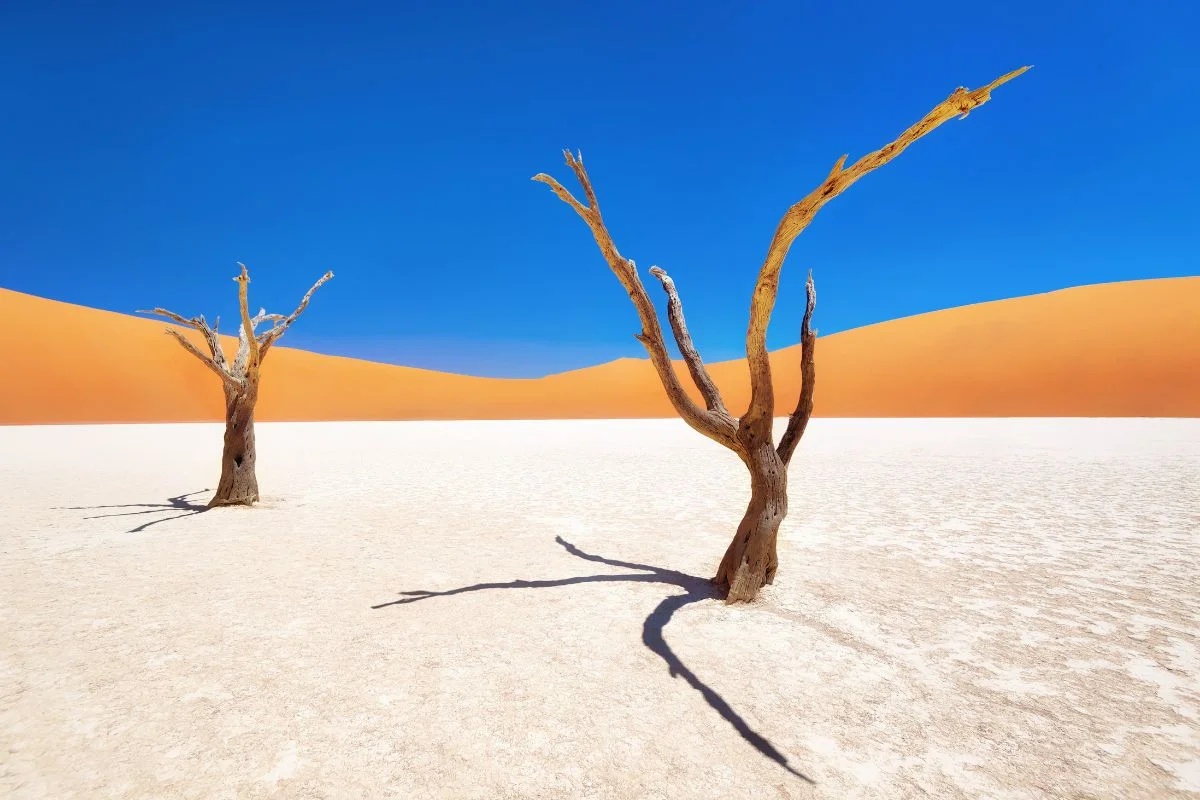
April is an ideal month to visit Namibia. The modest summer rains (January to March) have ended, the heat has subsided, but winter cold has not yet arrived. Days are warm (20-28°C) with clear blue skies and little dust, making it excellent for photography.
Namibia's landscapes are at their most colourful after the rains. Green grasses contrast against the red dunes of Sossusvlei, desert waterholes attract birds and butterflies, and Etosha National Park's woodlands are lush.
Baby antelope born during the rainy season start to emerge and join the herds, while predators are well-fed and visible. Game viewing is good but not as concentrated as in the dry winter months (July to October), when animals cluster around shrinking waterholes.
Peak tourist season in Namibia runs June to October, so April sees far fewer visitors. Expect lower lodge rates and better availability at popular parks like Etosha and Sossusvlei.
Sossusvlei — best time to visit
| J | F | M | A | M | J | J | A | S | O | N | D | |
|---|---|---|---|---|---|---|---|---|---|---|---|---|
| High °C | 33° | 32° | 31° | 28° | 24° | 21° | 21° | 24° | 28° | 31° | 32° | 33° |
| High °F | 91° | 90° | 88° | 82° | 75° | 70° | 70° | 75° | 82° | 88° | 90° | 91° |
| Rain mm | 25 | 35 | 35 | 15 | 5 | 0 | 0 | 0 | 0 | 5 | 10 | 20 |
| Rating |
Sossusvlei: Cool dry winter (May–Sep) is ideal; midsummer is very hot.
Ideal — Peak conditions — dry, comfortable, prime wildlife or beach time.
Good — Great conditions with brief showers or warmer days; still highly recommended.
Shoulder — Mixed weather — fewer crowds and lower rates, occasional rain.
Avoid — Heaviest rain or roughest seas; many camps and roads can be affected.
3. Mozambique
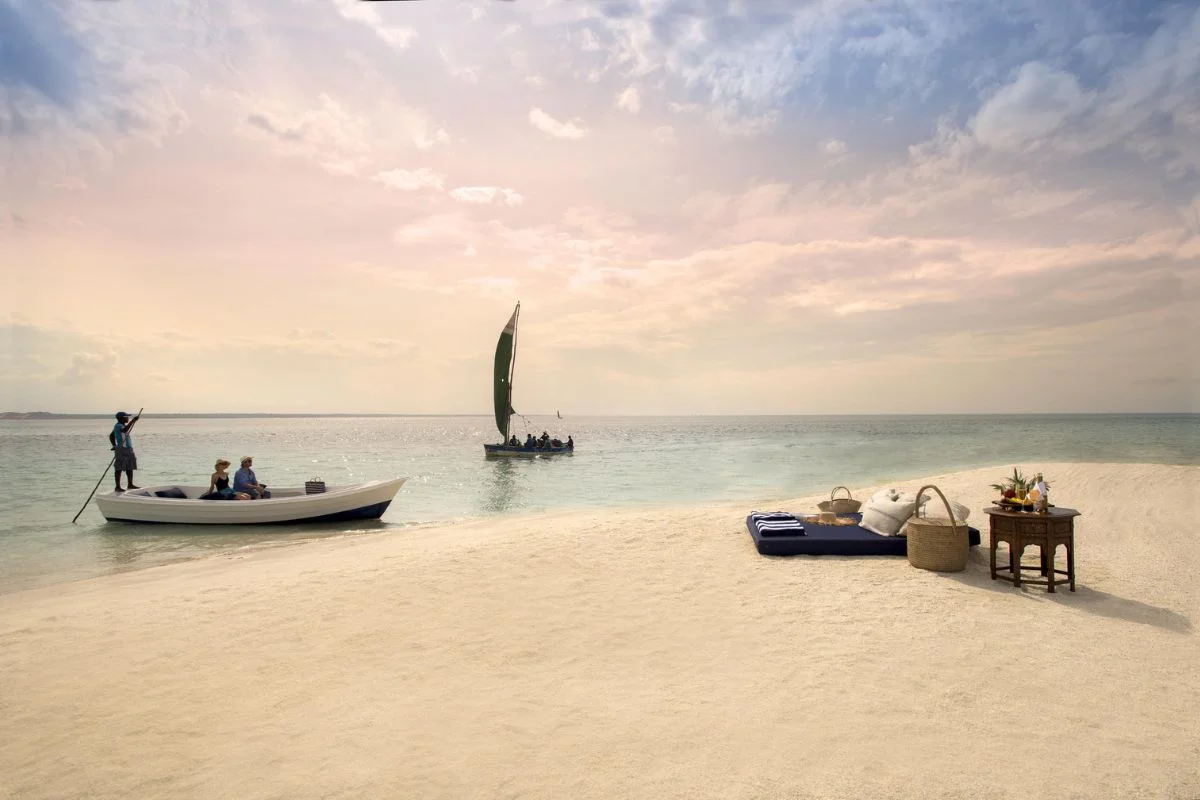
Mozambique's Bazaruto and Quirimbas archipelagos are entering the dry season in April, though you may encounter occasional showers early in the month.
The five islands of the Bazaruto Archipelago (Benguerra, Bazaruto, Magaruque, Bangue and Santa Carolina) offer excellent diving, snorkelling and beach relaxation.
Water visibility improves throughout April as the last of the summer rains clear.
Sea temperatures remain warm (26-28°C), and the islands are quieter than the peak dry season (May to October). Benguerra and Bazaruto islands offer a mix of honeymoon lodges and family-friendly resorts. Activities include dhow sailing, fishing, spa treatments and seafood dining.
What is the weather like in Mozambique in April?
April is a transition month in Mozambique. Daytime temperatures range from 26-30°C, and humidity drops compared to January and February. You may experience a few rain showers, especially in the first two weeks, but these are short and less frequent than earlier in summer. By late April, conditions are mostly dry and sunny. Sea conditions are generally calm, though wind can pick up occasionally.
Common mistakes to avoid
Booking the Quirimbas for August expecting calm seas and perfect diving when it's actually the peak of the windy season.
Why it happens: August is winter in southern Africa, which usually means stable weather and clear skies, so clients assume it's a safe bet for the Mozambique coast. But August is when the southeast trade winds blow hardest across the Mozambique Channel, creating choppy seas, uncomfortable boat rides, and marginal dive conditions. Surface intervals get rough, and some outer dive sites are inaccessible for days at a time. It's not dangerous, just unpleasant, and the wind howls through the palm trees at night making the islands feel less tropical and more exposed.
How to avoid it: Book the Quirimbas for September, October, or late April through May when the winds drop and the sea flattens. If you must travel in August (school holidays, etc.), choose a lodge with excellent house reef snorkelling like Quilalea so you're not dependent on boat diving, and accept that some days will be windy. Don't book August if calm conditions and easy diving are critical to your trip.
Assuming Mozambique island transfers are included in your lodge rate when they almost never are.
Why it happens: Nearly every other Indian Ocean island destination includes transfers in the nightly rate (Maldives, Seychelles, Zanzibar), so clients naturally assume Mozambique works the same way. It doesn't. Boat transfers from Vilankulo to Bazaruto run $150 to $250 per person return, and light aircraft transfers from Pemba to the northern Quirimbas are $350 to $600 per person return. For a couple, that's an extra $700 to $1,200 in transfer costs that weren't in the quote they saw online. This turns an apparently affordable island stay into something significantly more expensive when the real bill arrives.
How to avoid it: When you price a Mozambique island trip, ask for the total landed cost including all transfers, not just the nightly rate. Build these transfers into your budget from the start. If the transfer cost shocks you, it probably means the destination is beyond your budget and you should look at Zanzibar or Mauritius where transfers are included and total costs are transparent.
Treating the Quirimbas Archipelago as a single destination when the northern and southern islands deliver completely different experiences.
Why it happens: The Quirimbas chain stretches over 250 kilometres, but marketing lumps it all together under one name. Ibo Island in the south is about culture, crumbling colonial architecture, and silversmiths, it has almost no beach to speak of. The private islands further north like Medjumbe, Quilalea, and Vamizi are pure tropical beach-and-reef experiences with zero cultural component. We've seen clients book Ibo expecting Maldives-style beaches, then arrive to find a historic trading port with mangrove channels and fascinating ruin walks but disappointing swimming.
How to avoid it: Decide what you actually want. If it's deserted white sand and world-class diving, book Medjumbe, Quilalea, or Vamizi and skip Ibo entirely. If you want Swahili history and atmospheric old-world charm, Ibo is extraordinary but you need to accept it's not a beach destination. Combining both means two separate flights and significant cost, only worth it if you genuinely value both experiences equally.
Bazaruto — best time to visit
| J | F | M | A | M | J | J | A | S | O | N | D | |
|---|---|---|---|---|---|---|---|---|---|---|---|---|
| High °C | 31° | 31° | 30° | 29° | 27° | 26° | 26° | 26° | 27° | 28° | 29° | 30° |
| High °F | 88° | 88° | 86° | 84° | 81° | 79° | 79° | 79° | 81° | 82° | 84° | 86° |
| Rain mm | 165 | 145 | 110 | 50 | 25 | 20 | 15 | 15 | 25 | 50 | 95 | 140 |
| Rating |
Bazaruto: Best diving and beach weather Apr–Nov; cyclone risk Jan–Mar.
Ideal — Peak conditions — dry, comfortable, prime wildlife or beach time.
Good — Great conditions with brief showers or warmer days; still highly recommended.
Shoulder — Mixed weather — fewer crowds and lower rates, occasional rain.
Avoid — Heaviest rain or roughest seas; many camps and roads can be affected.
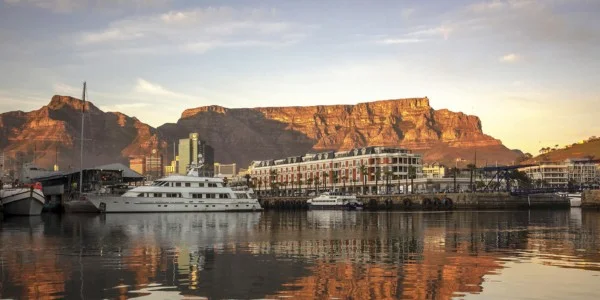
Visit Cape Town
Visit the number one rated city in the world with 8 blue flag beaches, swimming with penguins and so much more
Plan My Safari
4. Seychelles
April is one of the two best months to visit the Seychelles, along with October. It sits between the northwest trade winds (November to March) and the southeast trade winds (May to September), resulting in calm seas, light winds and warm weather.
Temperatures range from 26-30°C, and the water is calm and clear, ideal for snorkelling and diving.
The Seychelles is a year-round destination, but April offers the best combination of calm conditions and good weather. Mahé, Praslin and La Digue islands are accessible, and most resorts and hotels have good availability. Expect higher rates than in the rainy months (December to February) but similar or slightly lower than peak European summer (July and August).
Is April too hot in the Seychelles?
No. April is warm (26-30°C) but not uncomfortably hot. Humidity is moderate compared to January and February, and the light winds and calm seas make beach days pleasant. Most luxury resorts have air-conditioned rooms, and outdoor activities like hiking, snorkelling and island-hopping are comfortable in the mornings and late afternoons.
Travel costs in Seychelles
Seychelles luxury lodges run $800 to $3,500 per person per night, fully inclusive. Island exclusivity and marine activities drive premium pricing.
| Tier | Per person / night | What you get |
|---|---|---|
| Standard Luxury | $500 - $800 | Beachfront hotels on Mahe or Praslin with full board, guided snorkeling, and island transfers included. |
| Premium Luxury | $1,100 - $2,000 | Private pool villas on secluded beaches, butler service, spa treatments, diving excursions, and helicopter transfers. |
| Ultra-Luxury | $2,000 - $3,500 | Exclusive private island resorts with overwater villas, personal chefs, yacht charters, and unlimited premium activities. |
Praslin / La Digue — best time to visit
| J | F | M | A | M | J | J | A | S | O | N | D | |
|---|---|---|---|---|---|---|---|---|---|---|---|---|
| High °C | 30° | 31° | 31° | 31° | 30° | 29° | 28° | 28° | 29° | 30° | 30° | 30° |
| High °F | 86° | 88° | 88° | 88° | 86° | 84° | 82° | 82° | 84° | 86° | 86° | 86° |
| Rain mm | 320 | 220 | 165 | 140 | 110 | 80 | 70 | 80 | 105 | 165 | 200 | 260 |
| Rating |
Praslin / La Digue: Drier than Mahé — outstanding beach time Apr–May and Sep–Nov.
Ideal — Peak conditions — dry, comfortable, prime wildlife or beach time.
Good — Great conditions with brief showers or warmer days; still highly recommended.
Shoulder — Mixed weather — fewer crowds and lower rates, occasional rain.
Avoid — Heaviest rain or roughest seas; many camps and roads can be affected.
5. Victoria Falls
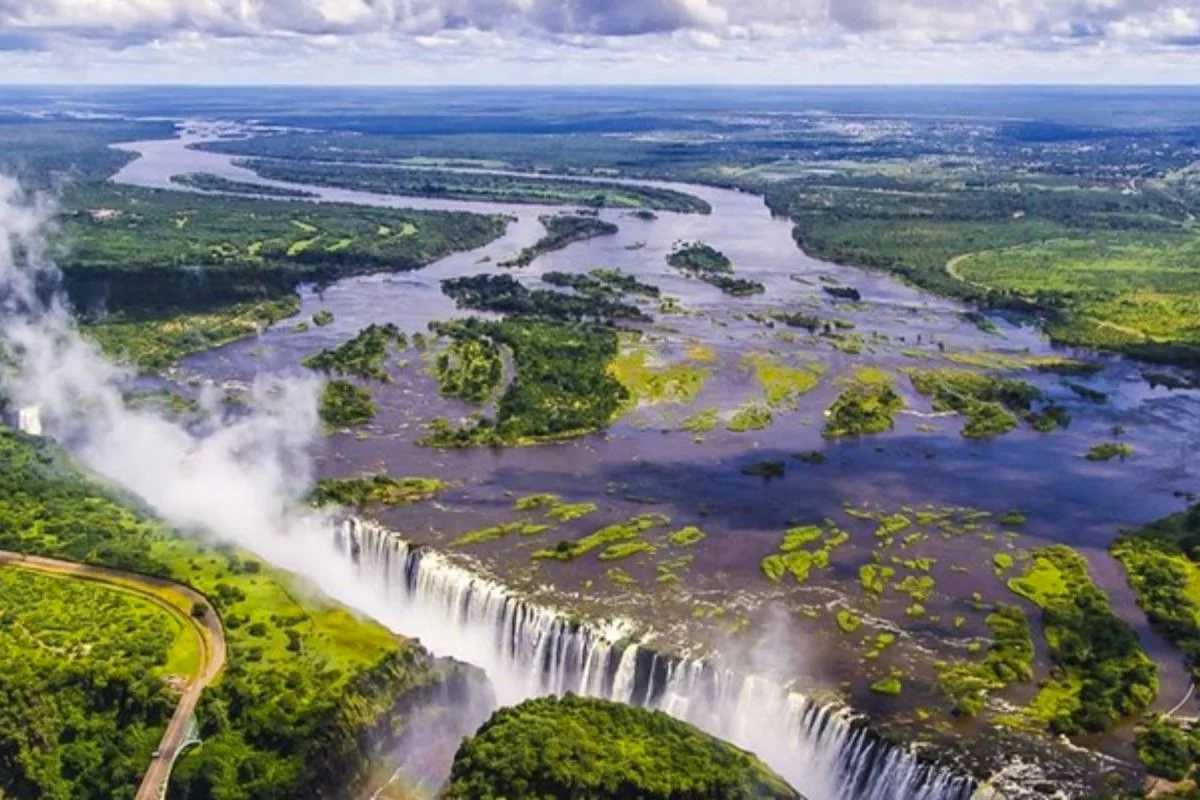
Victoria Falls is near its peak flow in April, fed by the summer rains that fall across the Zambezi River catchment from December to March.
The falls are at their most powerful, and the spray creates towering rainbows visible from kilometres away.
The roar of the water is immense, and mist can obscure some viewpoints, but the spectacle is worth it.
April is quieter than the peak winter months (July to September), so you will have more space at viewpoints and on activities like helicopter flights, river cruises and bungee jumping.
Accommodation rates are lower, and lodges on both the Zambian and Zimbabwean sides offer better availability. Water-based activities like white-water rafting are affected by high water levels, as rapids are submerged, but canoeing and boat cruises on the upper Zambezi are excellent.
Travel costs in Victoria Falls
Zambia
Victoria Falls, Zambia lodges run $350 to $2,500 per person per night, fully inclusive. Zambian side offers fewer crowds and direct river access.
| Tier | Per person / night | What you get |
|---|---|---|
| Standard Luxury | $350 - $500 | Established lodges with river views, guided Falls visits, sunset cruises, and standard game drives in Mosi-oa-Tunya National Park. |
| Premium Luxury | $550 - $850 | Private plunge pools, exclusive river islands, premium walking safaris, microlight flights, and elevated cuisine with sommelier-selected wines. |
| Ultra-Luxury | $900 - $2,500 | Private villas, personal guides, helicopter transfers, bespoke excursions including Livingstone Island lunches, and dedicated safari vehicles. |
Livingstone (Victoria Falls) — best time to visit
| J | F | M | A | M | J | J | A | S | O | N | D | |
|---|---|---|---|---|---|---|---|---|---|---|---|---|
| High °C | 30° | 30° | 30° | 29° | 27° | 25° | 25° | 28° | 32° | 33° | 32° | 30° |
| High °F | 86° | 86° | 86° | 84° | 81° | 77° | 77° | 82° | 90° | 91° | 90° | 86° |
| Rain mm | 170 | 150 | 90 | 25 | 5 | 0 | 0 | 0 | 2 | 25 | 75 | 165 |
| Rating |
Livingstone (Victoria Falls): Falls in full flood Mar–May; best viewing Apr–Jul. Sep–Nov is hot but lowest water.
Ideal — Peak conditions — dry, comfortable, prime wildlife or beach time.
Good — Great conditions with brief showers or warmer days; still highly recommended.
Shoulder — Mixed weather — fewer crowds and lower rates, occasional rain.
Avoid — Heaviest rain or roughest seas; many camps and roads can be affected.
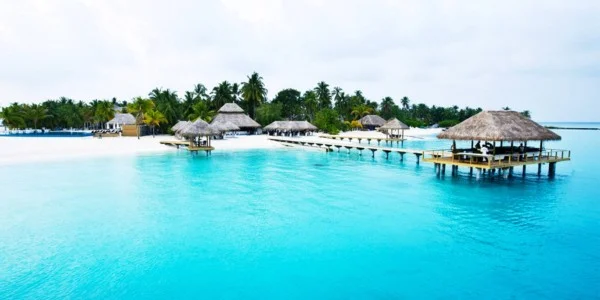
Seychelles Island Escape
Visit the jewel of the Indian Ocean with blue azure waters and white sandy beaches.
Plan My SafariLast updated: September 2026