
Planning your first African safari can feel overwhelming with the wide variety of destinations and properties to choose from, but there is seldom a bad choice in the luxury safari bracket.
Your first African safari should be 7-10 days total, including 3-5 days of actual game viewing. This allows you enough time to experience each destination with the rul of thumb suggested at three nights per destination.
Key takeaways
Seven to ten days total gives you 4-5 full days of game drives after accounting for international and internal flights.
Four days in a single park like the Serengeti or Kruger costs $4,000-$6,000 per person at mid-range lodges, $8,000-$12,000 at luxury camps.
Two destinations (such as Kenya's Masai Mara plus a beach extension) fit comfortably into 8-10 days and prevent safari fatigue.
First-timers booking 3 days or fewer often miss key wildlife behaviours and leave feeling they barely scratched the surface.
Ten days is the practical ceiling before costs exceed $10,000 per person and annual leave becomes restrictive for most travellers.
East Africa (Kenya, Tanzania) and Southern Africa (South Africa, Botswana, Zimbabwe) all support excellent 7-10 day first safaris.
Frequently asked questions
How far in advance should I book a safari for July or August?
For safaris during July and August, which are peak season, you need to book well in advance. Many lodges and camps will already be fully booked if you are trying to plan for the current year during these months. The peak season is very popular across all major safari countries, and the best accommodations fill up quickly. To secure your preferred lodges and dates, especially if you have specific requirements or want to stay in exclusive properties, plan to book several months ahead, ideally six months to a year in advance.
What should I consider when planning my first African safari?
Your budget needs to be the major consideration, as prices range from affordable self-drive options to luxury camps costing over $4,000 per person per night. Think about any specific animals or experiences you are particularly interested in, such as the great migration or hunting scenes. Consider what level of accommodation you would like and whether you want to combine your safari with other experiences like visiting the beach, gorilla trekking, Victoria Falls, or cities like Cape Town. Certain destinations pair better with specific activities. Also, remember that July and August are peak season, so book well in advance.
What is the best time to go on safari in East Africa?
July and August are peak season and a very good time of year to go on safari in all of the major safari countries. This period offers excellent wildlife viewing conditions across destinations like Kenya, Tanzania, Botswana, Zambia, and Zimbabwe. However, because these months are peak season, they are also one of the busiest times of year. If you are planning to travel during July or August, be aware that many lodges and camps will be booked well in advance, so early planning is essential.
Is Botswana safari better than Masai Mara for a first time safari?
For a first-time safari, most experts recommend sticking with the most popular destinations like Masai Mara, as they are popular for a reason and offer phenomenal game viewing. The game viewing in both the Mara and Serengeti is exceptional, and Botswana is also magical. However, your first safari will likely be mind-blowing regardless of where you go. The choice really comes down to your budget and preferences. Botswana can be extremely expensive, with top-end private concessions costing over $4,000 USD per person per night in peak season, while Kenya is generally cheaper than Tanzania.
How can I research safari destinations before booking?
YouTube is an excellent resource for visually experiencing safari destinations through vloggers who share their experiences. Watching videos can help you get a realistic sense of what different parks and lodges look like and what the game viewing is like. You can also research travel bloggers who write detailed accounts of their safari experiences. Seeing things visually through videos and reading detailed blog posts can help you understand the differences between destinations and make a more informed decision about where to go based on your priorities.
Why 7-10 days works for first-time safari travellers
Seven to ten days accommodates the realities of intercontinental travel while providing sufficient time on the ground to observe diverse wildlife.
A typical itinerary allocates two days for outbound and return flights (often with connections through Middle Eastern or European hubs), one day for internal flights or road transfers, and 4-6 full days of morning and afternoon game drives.
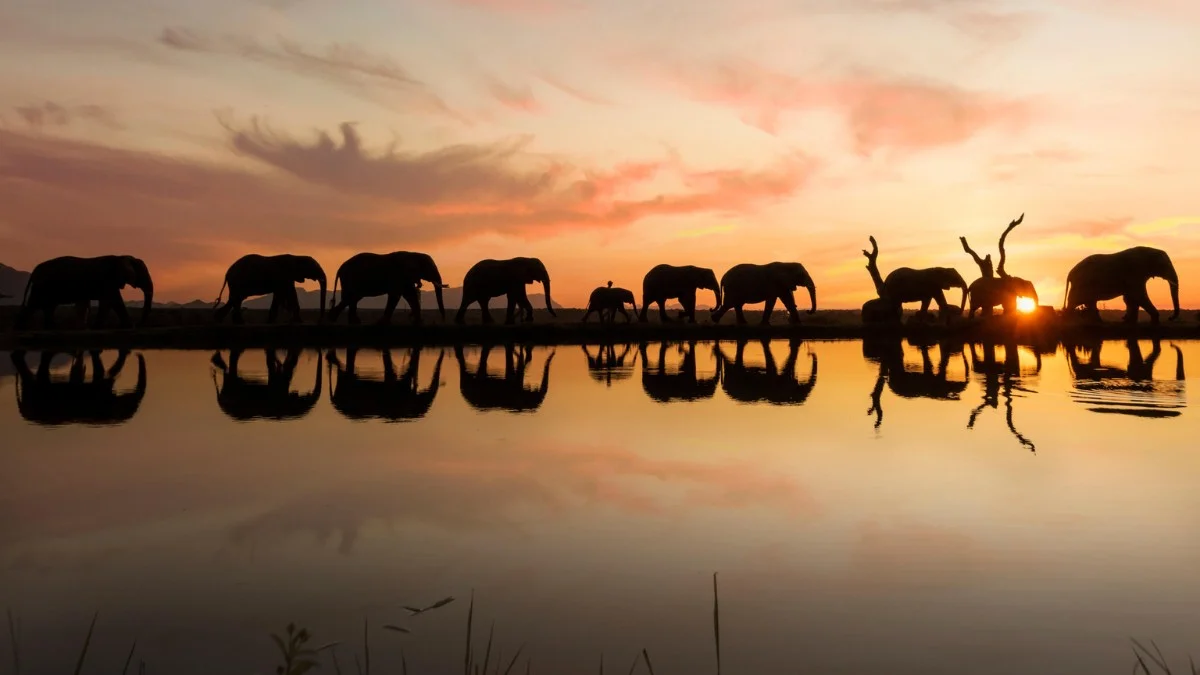
This structure gives you enough encounters with elephants, lions, leopards, and plains game to understand predator-prey dynamics and seasonal movements without overwhelming your senses or budget.
Wildlife viewing follows a learning curve. Your first drive orients you to animal identification, guide communication, and the vastness of African ecosystems. By day three, you recognise tracks, anticipate herd movements, and notice subtler behaviours such as impala alarm calls signalling a nearby leopard. Cutting your trip shorter than four safari days means departing just as you gain competence in reading the bush.
How much does a 7-10 day first safari cost?
A 7-10 day first safari costs $4,000-$8,000 per person at mid-range lodges with full board and twice-daily game drives, or $8,000-$15,000 at luxury tented camps. This includes internal flights, park fees, and most meals.
Single supplements add 30-50% for solo travellers. Budget camping safaris start at $2,500-$3,500 for the same duration but require tolerance for basic facilities and longer overland drives.
How to structure 7-10 days across destinations
The two most common structures are the single-park immersion and the two-destination split. A single-park itinerary devotes 5-6 nights to one flagship reserve such as Tanzania's Serengeti, Kenya's Masai Mara, or Botswana's Okavango Delta.
This approach minimises internal transfers, allows deeper exploration of microclimates and wildlife zones, and often costs less because you avoid multiple inter-park flights. Single-park itineraries suit travellers prioritising classic big game viewing over geographic variety.
Two-destination splits combine complementary ecosystems or add a beach or cultural extension. A common East African itinerary pairs 4 nights in the Masai Mara with 3-4 nights on Zanzibar's coast, totalling 9-10 days.
Southern Africa travellers often combine 4 nights in Kruger with 3 nights in Cape Town or Victoria Falls. The split structure introduces visual variety, breaks up intensive game viewing, and prevents the tunnel vision that sometimes afflicts travellers spending a full week in a single park.
Should first-timers visit one park or multiple destinations?
First-timers benefit most from one major park for 4-5 nights, then optionally adding a second short extension of 2-3 nights if total trip length reaches 9-10 days. One park allows pattern recognition in animal behaviour and reduces transfer fatigue. Multiple parks increase species diversity and habitat types but require internal flights or long road transfers that consume 4-6 hours of daylight.
Minimum safari duration: why fewer than 7 days disappoints
Safaris shorter than seven days total (meaning 3 or fewer full game-viewing days) rarely satisfy first-time travellers.
Three days provides only six game drives, insufficient to see the range of behaviours and species that define African wildlife. You might see lions on a kill or miss them entirely based on timing. Leopards, notoriously elusive, often require 8-10 drives before a quality sighting. Migration crossings in the Serengeti or Masai Mara can happen daily or pause for a week depending on rain and river levels.
Short safaris also front-load costs disproportionately. International flights, park entry fees, and internal transfers cost the same whether you stay three days or seven. Per-day costs drop as trip length increases because fixed expenses amortise over more nights. A four-night safari costs 25-30% less per day than a two-night trip at the same lodge.
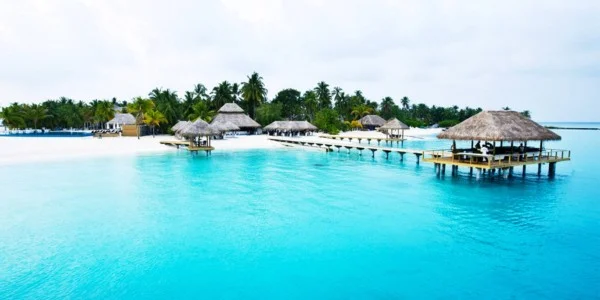
Seychelles Island Escape
Visit the jewel of the Indian Ocean with blue azure waters and white sandy beaches.
Plan My SafariMaximum practical duration for a first safari: why 10 days is the ceiling
Ten days represents the practical upper limit for most first-time safari travellers before diminishing returns set in. Beyond ten days, costs exceed $10,000-$12,000 per person even at mid-range lodges, and annual leave becomes restrictive for employed travellers outside Europe.
Safari fatigue surfaces around day eight for many visitors: the novelty of early-morning wake-ups (typically 05:30-06:00) diminishes, and the visual intensity of constant wildlife encounters becomes mentally exhausting.
Longer safaris also limit your ability to revisit regions in future years. Allocating three weeks to your first safari means concentrating budget and leave into one trip rather than spreading it across two separate visits to different ecosystems.
Many travellers find more satisfaction in two distinct 7-10 day safaris (perhaps East Africa on trip one, Southern Africa on trip two) separated by 2-3 years than in one marathon three-week expedition.
When is the best time for a first African safari?
The best months for a first African safari are June-October in East Africa (Kenya, Tanzania) during the dry season and great migration, or May-September in Southern Africa (Botswana, South Africa, Zimbabwe) when animals concentrate around water sources and vegetation thins for easier viewing. Shoulder months (April-May, November) offer lower lodge rates and fewer tourists but higher chances of afternoon rain showers.
Regional considerations for 7-10 day first safaris
East Africa (Kenya and Tanzania) suits first-timers seeking the great wildebeest migration, year-round big cat concentrations, and Maasai cultural encounters. A classic 8-day itinerary combines 4 nights in Tanzania's Serengeti with 3 nights in Ngorongoro Crater, or 5 nights split between Kenya's Masai Mara and Amboseli. Internal flights connect reserves in 45-90 minutes; road transfers take 4-6 hours. East Africa's parks permit off-road driving for closer wildlife approaches and better photography.
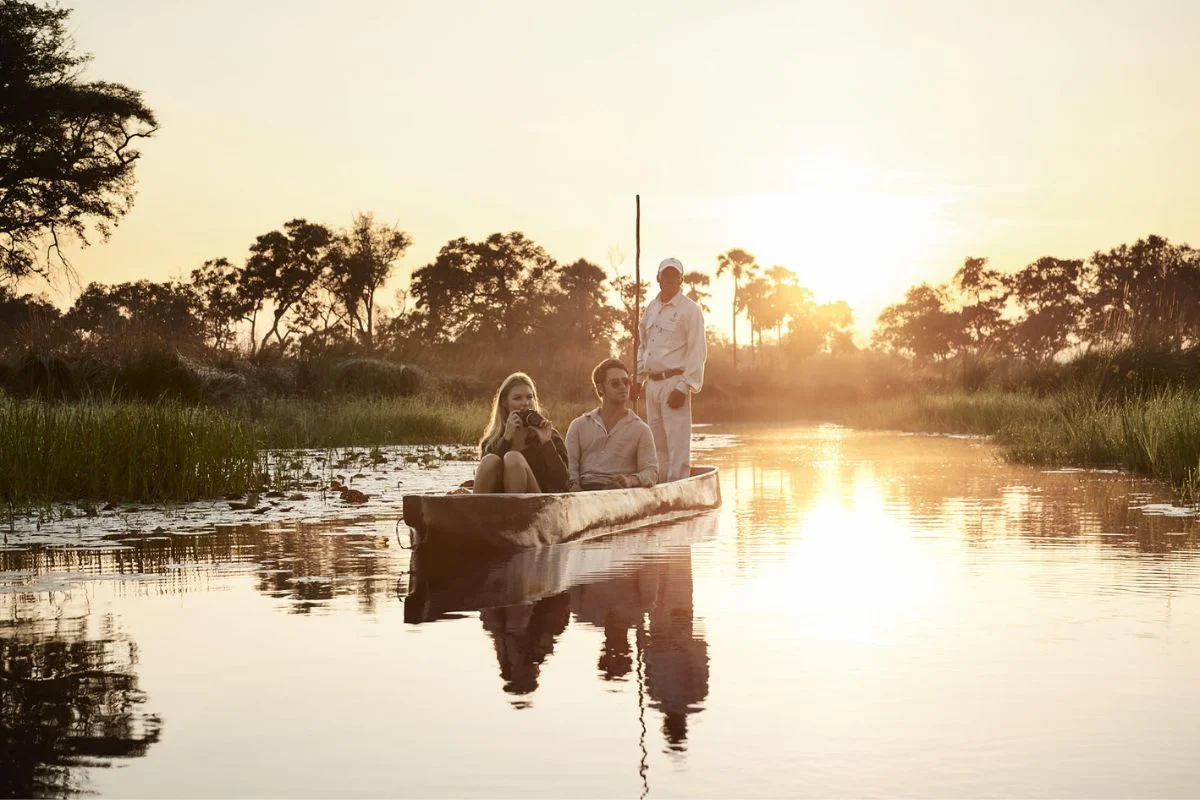
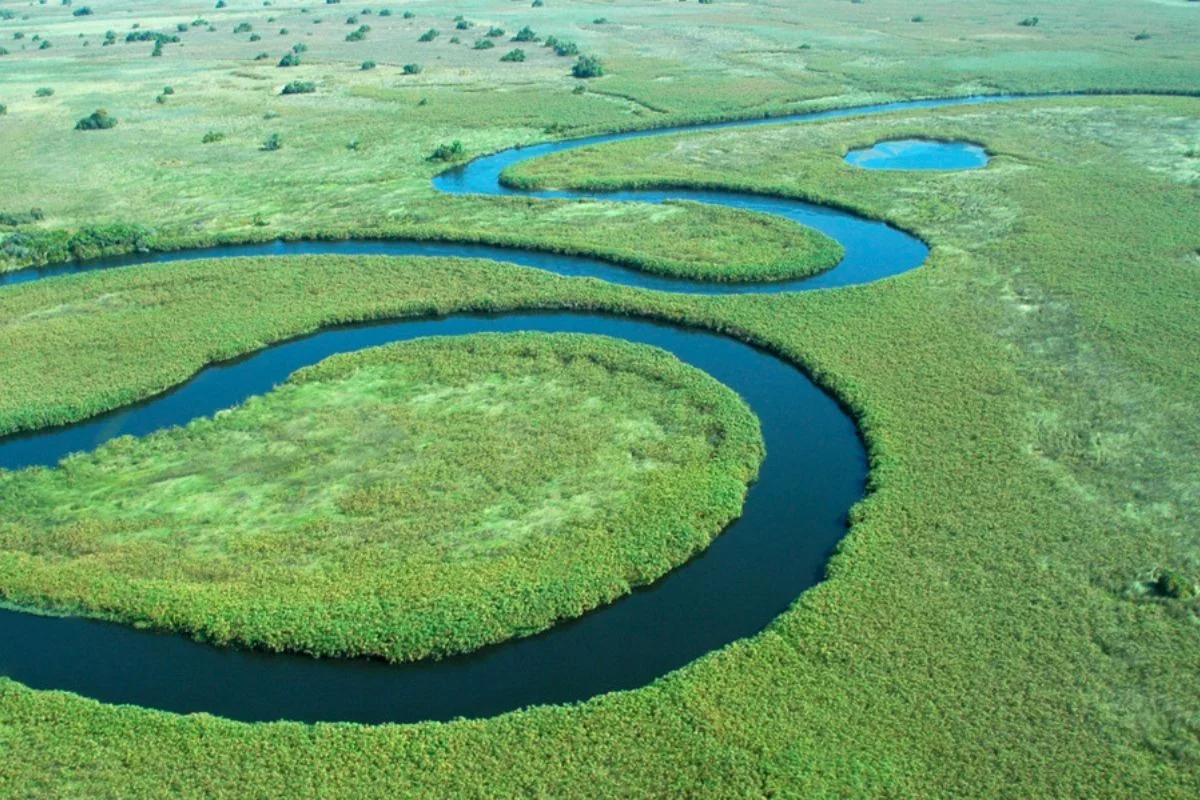
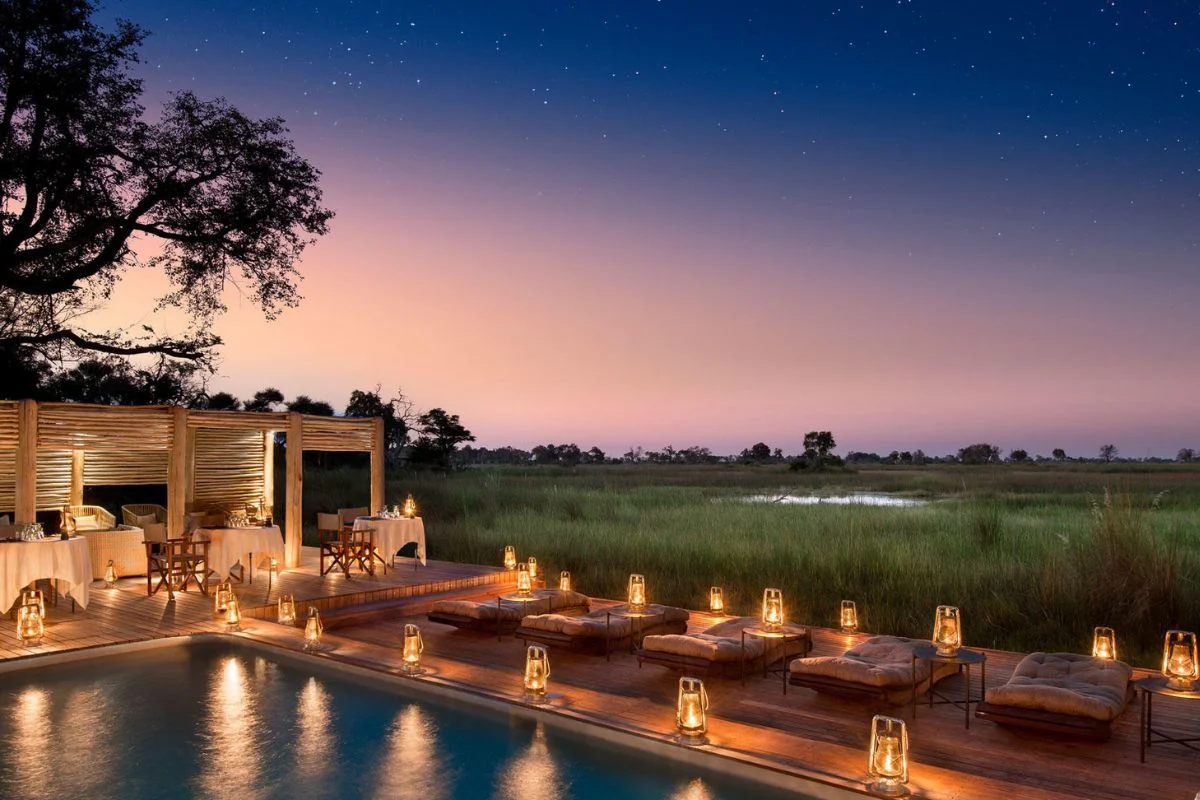
Southern Africa offers greater diversity of safari styles within a 7-10 day window. South Africa's Kruger allows self-drive options for budget-conscious travellers, with fenced rest camps charging $150-$250 per night compared to $600-$1,200 for private concessions. Botswana's Okavango Delta introduces water-based safaris via mokoro canoe, while Zimbabwe's Hwange and Mana Pools emphasise walking safaris with armed guides. Southern Africa's lodges skew more luxurious on average but also offer wider budget tiers.
What a typical 8-day first safari includes
An eight-day first safari typically includes two international travel days, one internal transfer day, and five full days of game viewing activities. Days 1-2 involve overnight flights from North America or Europe to Johannesburg, Nairobi, or Kilimanjaro, then same-day or next-morning connections to your first camp. Days 3-6 provide ten game drives (two per day) with 06:00-09:30 mornings and 15:30-18:30 afternoons, plus midday rest periods for reading, pool time, or sleep. Day 7 includes a morning drive then afternoon transfer to your departure airport. Day 8 is the return international flight.
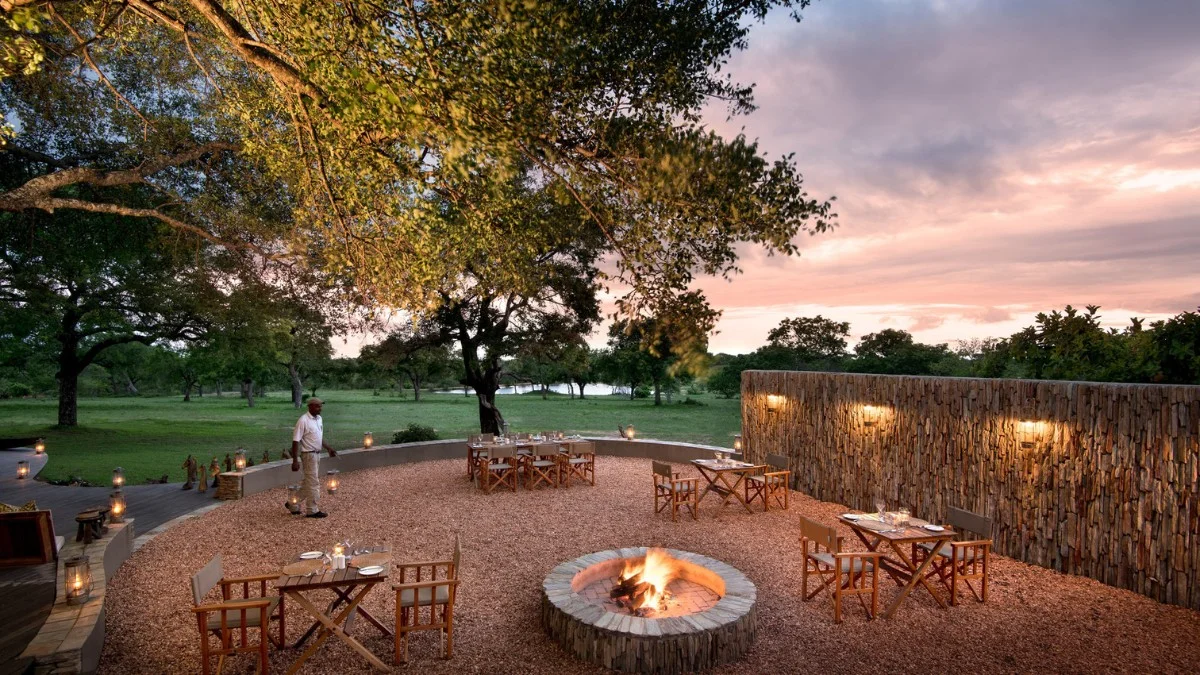
Full-board lodges include all meals, drinking water, tea and coffee. Premium lodges include house wines and spirits; budget camps charge separately for alcohol. Game drives use open 4x4 vehicles seating six to nine passengers with pop-up roofs for photography. Private vehicles (just your party and guide) cost $150-$300 extra per day. Walking safaris, night drives, and cultural village visits supplement vehicle drives where regulations permit.
How many safari destinations should first-timers include?
First-timers should include one primary wildlife destination for 4-5 nights within a 7-10 day total trip, optionally adding one secondary destination (beach, city, or different ecosystem) for 2-3 nights if time and budget allow. Single-destination trips maximise wildlife exposure; two destinations add variety but reduce game viewing hours and increase internal transfer costs by $300-$600 per person.
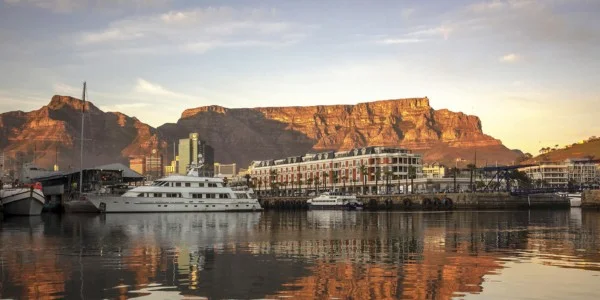
Visit Cape Town
Visit the number one rated city in the world with 8 blue flag beaches, swimming with penguins and so much more
Plan My Safari
Common mistakes first-timers make with safari duration
The most common mistake is booking too short. Travellers underestimate how international and internal travel consume days, leaving only 2-3 game-viewing days within a stated 5-6 day trip.
Another frequent error is over-packing destinations: attempting three or four parks in ten days results in spending more time in vehicles and airports than watching wildlife. Each park change costs 4-6 hours of daylight plus $250-$400 per person in flights.
Some first-timers also fail to account for jet lag. East Africa is 7-10 hours ahead of North America, Southern Africa 6-9 hours.
Arriving and immediately starting morning drives at 06:00 without a recovery day produces exhaustion by day three. Better itineraries build in one light day (late arrival, afternoon at leisure, single evening drive) before full-day schedules begin.
Finally, first-timers sometimes choose parks based on name recognition rather than seasonal timing. The Serengeti delivers year-round wildlife but the dramatic river crossings occur only July-September in the northern sector. Visiting in January means seeing calving season in the southern plains, an entirely different but equally valuable spectacle. Matching your 7-10 day window to the right park at the right season matters more than simply choosing the most famous name.
Last updated: October 2026