
African Safari Home's Gold Package is a 10-night luxury safari itinerary covering four destinations across southern Africa.
The Gold Package runs 10 nights across Cape Town, Franschhoek, Kruger Park, and Victoria Falls from $6,997 per person sharing. The itinerary includes Big Five game drives, wine tastings at world-rated estates, and optional activities like shark-cage diving and white-water rafting. Two optional add-ons extend the trip to Mozambique or Hermanus.
Key takeaways
Base price is $6,997 per person sharing for 10 nights across four destinations in South Africa, Zimbabwe, and Zambia.
The itinerary splits time between two nights each in Cape Town and Franschhoek, four nights in Kruger Park, and two nights at Victoria Falls.
All Kruger accommodation operates on an all-inclusive basis with twice-daily game drives and meals included.
Optional add-ons extend the trip with three nights on Benguerra Island in Mozambique or two nights whale watching in Hermanus.
Full-service support includes international air, accommodation, local transfers, restaurant bookings, and 24/7 in-destination assistance.
What the Gold Package includes
The package is a full-service safari covering international flights, luxury accommodation, ground transfers, guided activities, and restaurant reservations.
You arrive in Cape Town and move through Franschhoek, Kruger Park, and Victoria Falls over 10 nights. A dedicated operator handles logistics at each destination, including airport pickups, inter-destination transfers (by air or road), and activity bookings.
Kruger lodges include all meals, drinks, and twice-daily game drives. Cape Town and Franschhoek legs include accommodation and transfers; meals and activities are pre-booked but billed separately.
Victoria Falls accommodation is included; activities like white-water rafting or Devil's Pool are optional and priced on-site.
The $6,997 per person sharing price covers two travellers in double occupancy. Single supplements apply for solo travellers.
The rate includes economy-class international air from major US or European gateways; premium cabin upgrades are available at additional cost. Local transfers use private vehicles with English-speaking guides.
The package includes 24/7 phone and WhatsApp support from a South Africa-based operations team.
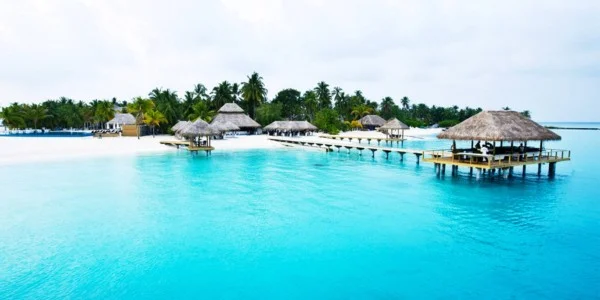
Seychelles Island Escape
Visit the jewel of the Indian Ocean with blue azure waters and white sandy beaches.
Plan My Safari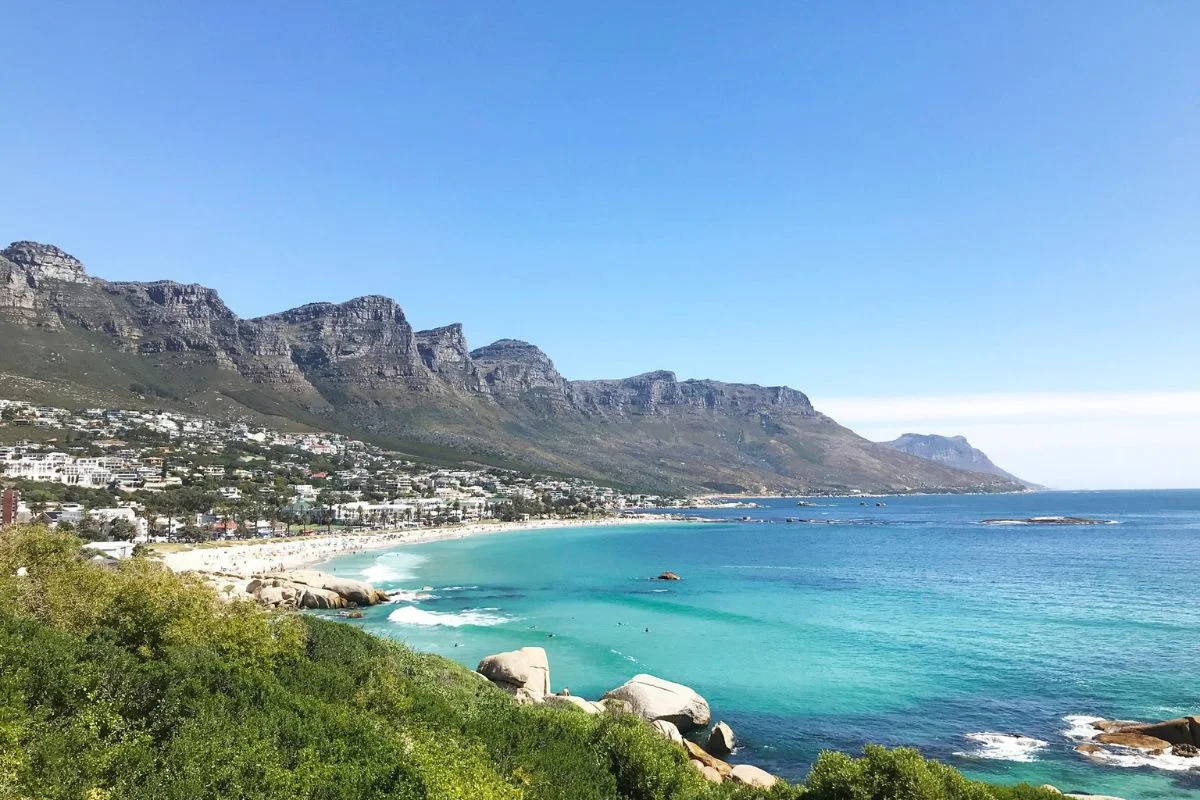
Cape Town (2 nights)
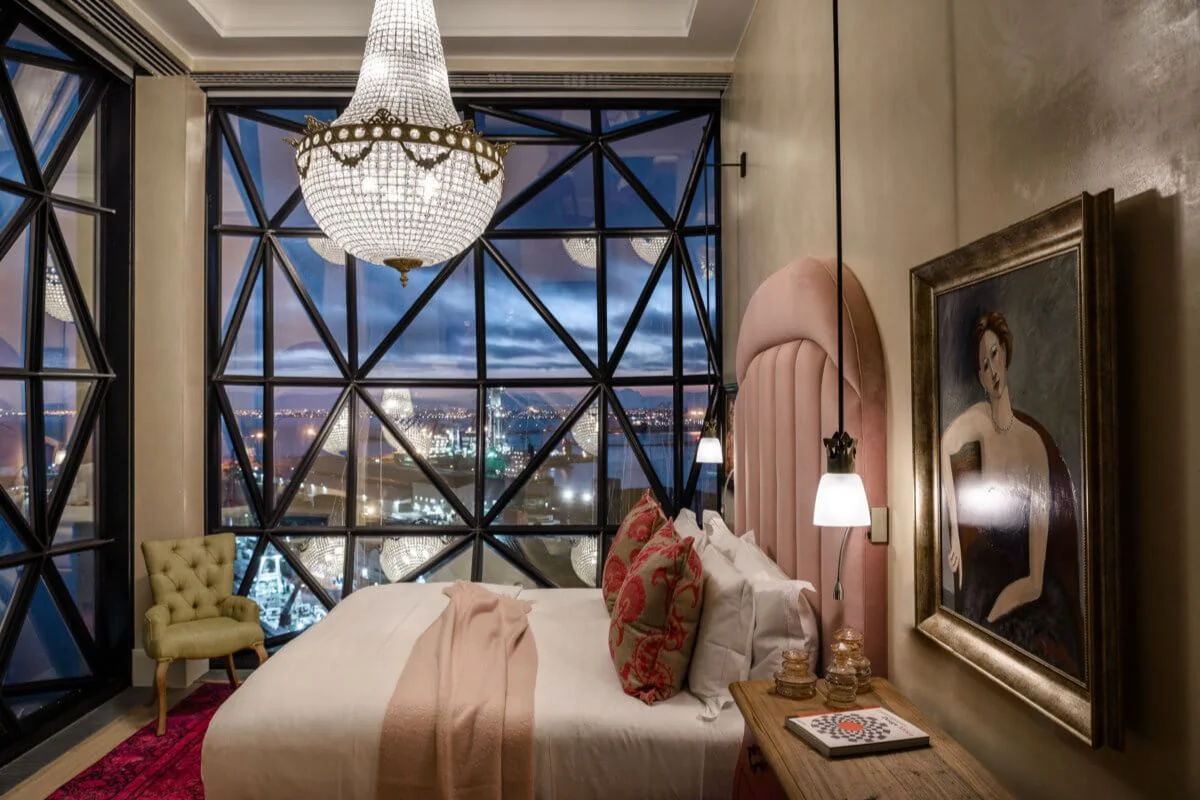
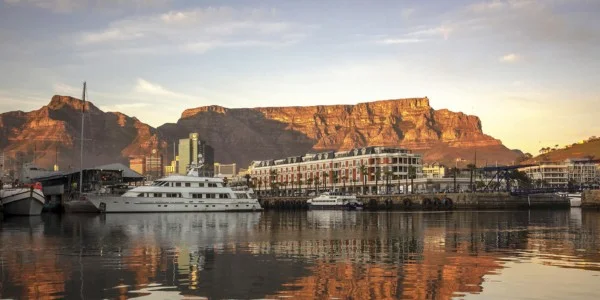
You land in Cape Town and transfer to your hotel in the V&A Waterfront or City Bowl area. The Telegraph has ranked Cape Town the number one city to visit; the Gold Package allocates two nights to cover Table Mountain, the Cape Peninsula, and optional activities.
On day two, a full-day tour runs south to Boulders Beach (African penguin colony), Cape Point, and the coastal towns of Simon's Town and Muizenberg. Optional add-ons include a cable-car ride up Table Mountain (weather permitting), shark-cage diving from Gansbaai (90 minutes east), or wine tastings in Constantia (the city's oldest wine region).
What activities are available in Cape Town?
The Gold Package includes a southern peninsula tour covering Boulders Beach, Cape Point, and Chapman's Peak Drive. Optional extras you can pre-book or arrange on arrival include the Table Mountain cable car (closes in high wind), helicopter flights over the Twelve Apostles mountain range, Robben Island museum tours (book weeks ahead), township cultural tours in Langa or Khayelitsha, and shark-cage diving departures from Gansbaai.
Wine tastings are available in Constantia, a 20-minute drive from the city centre. Most activities run year-round; shark-cage diving is best April to September when great whites are most active.
Franschhoek (2 nights)
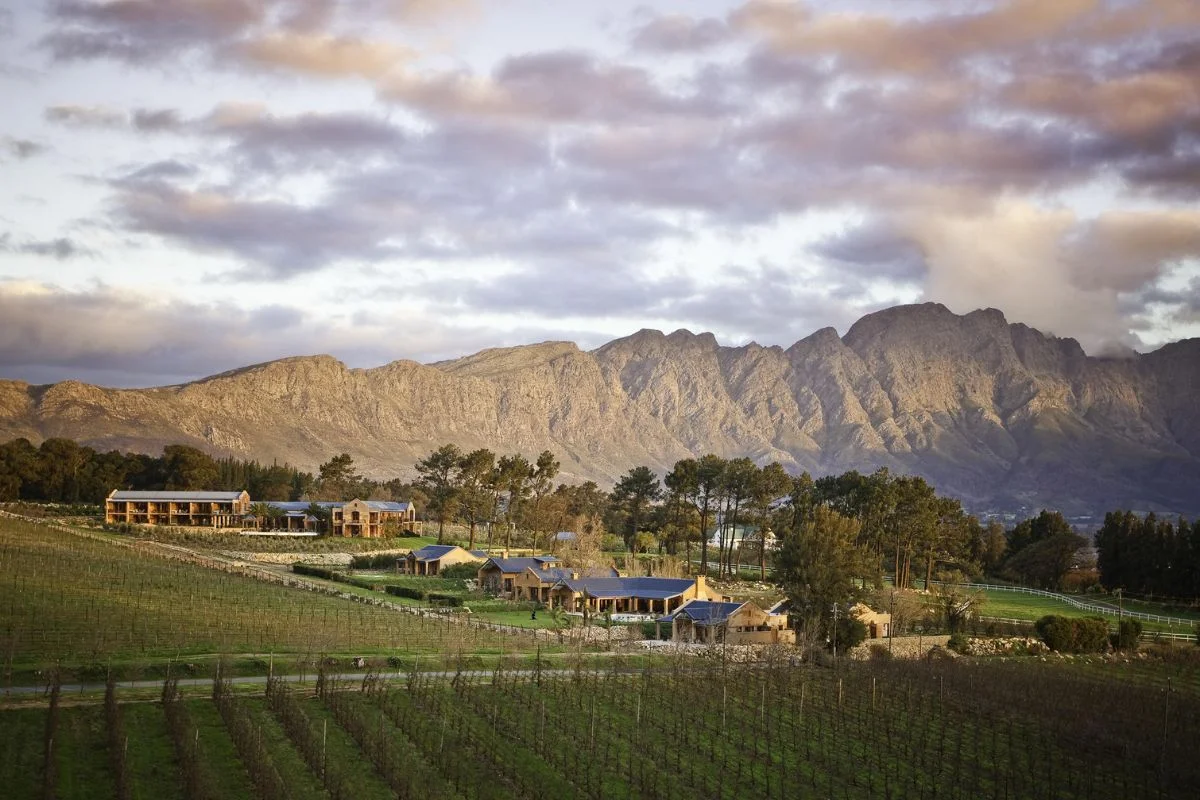
After two nights in Cape Town, you transfer 75 kilometres east to Franschhoek in the Cape Winelands. The town sits in a valley surrounded by the Cape Fold mountains and is known for wine estates, Michelin-level restaurants, and French Huguenot heritage.
You stay two nights at a boutique guesthouse or wine estate lodge. Day four includes a ride on the Franschhoek Wine Tram, a hop-on, hop-off tram and bus service linking estates like La Motte, Grande Provence, and Rickety Bridge.
Most estates offer tasting flights of 4-6 wines for $8-15 per person. Restaurant bookings are handled in advance; top tables include La Petite Colombe, Le Coin Français, and Foliage.
Franschhoek is quieter and more compact than Stellenbosch (40 minutes west), making it easier to visit three or four estates in an afternoon without long drives.
The tram runs daily except Tuesdays; tickets are around $30 per person and include unlimited stops. Wine purchases ship internationally from most estates.
Kruger Park (4 nights)
You fly from Cape Town to Kruger Park (90-minute flight to Hoedspruit or Skukuza) and transfer by road to a private concession within or bordering the park.
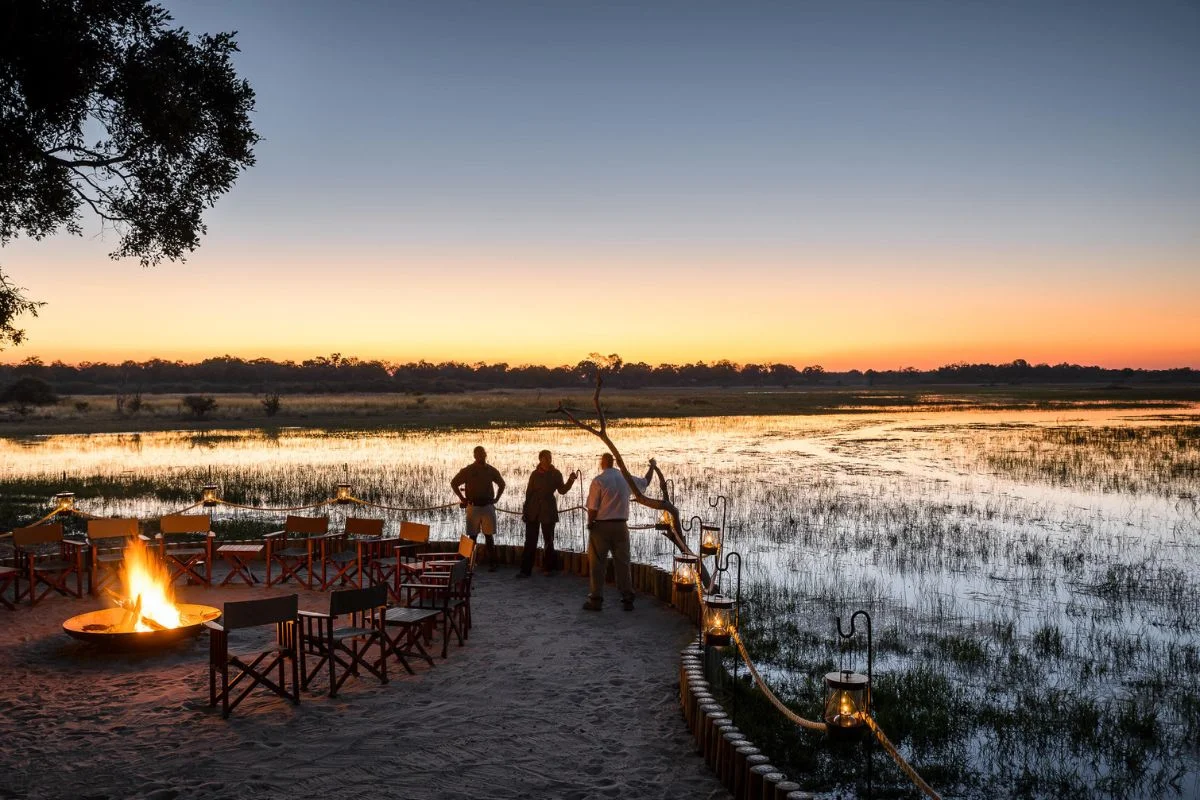
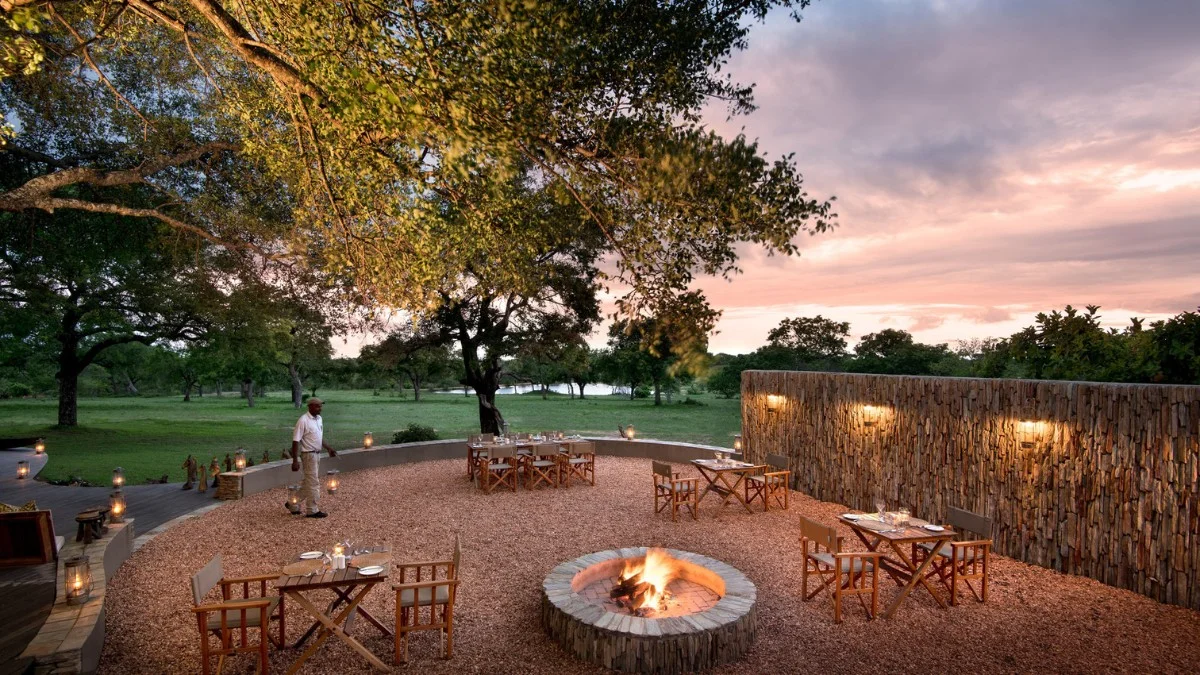
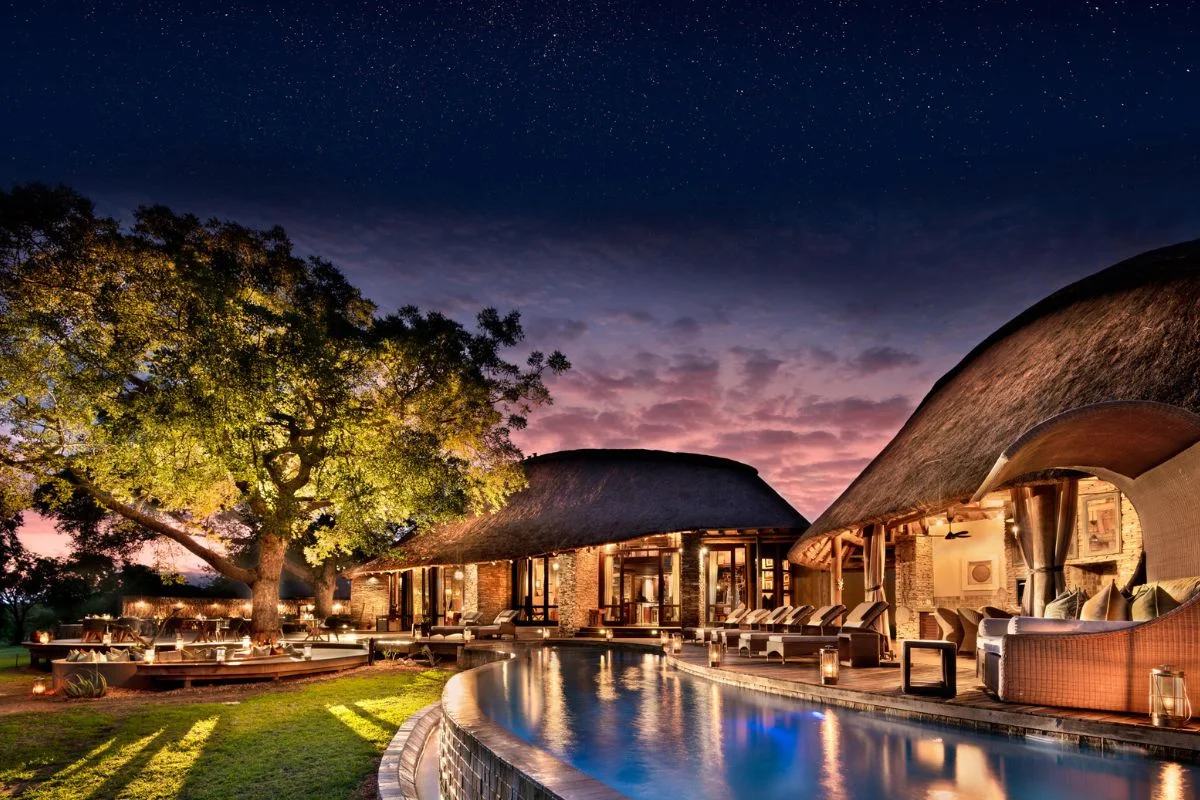
The Gold Package uses two lodges over four nights, each operating on an all-inclusive basis (all meals, local drinks, and twice-daily game drives).
Lodges typically sit on 10,000-20,000 hectare private concessions with exclusive vehicle access, lower guest numbers than the public park areas, and permits for off-road driving and night drives.
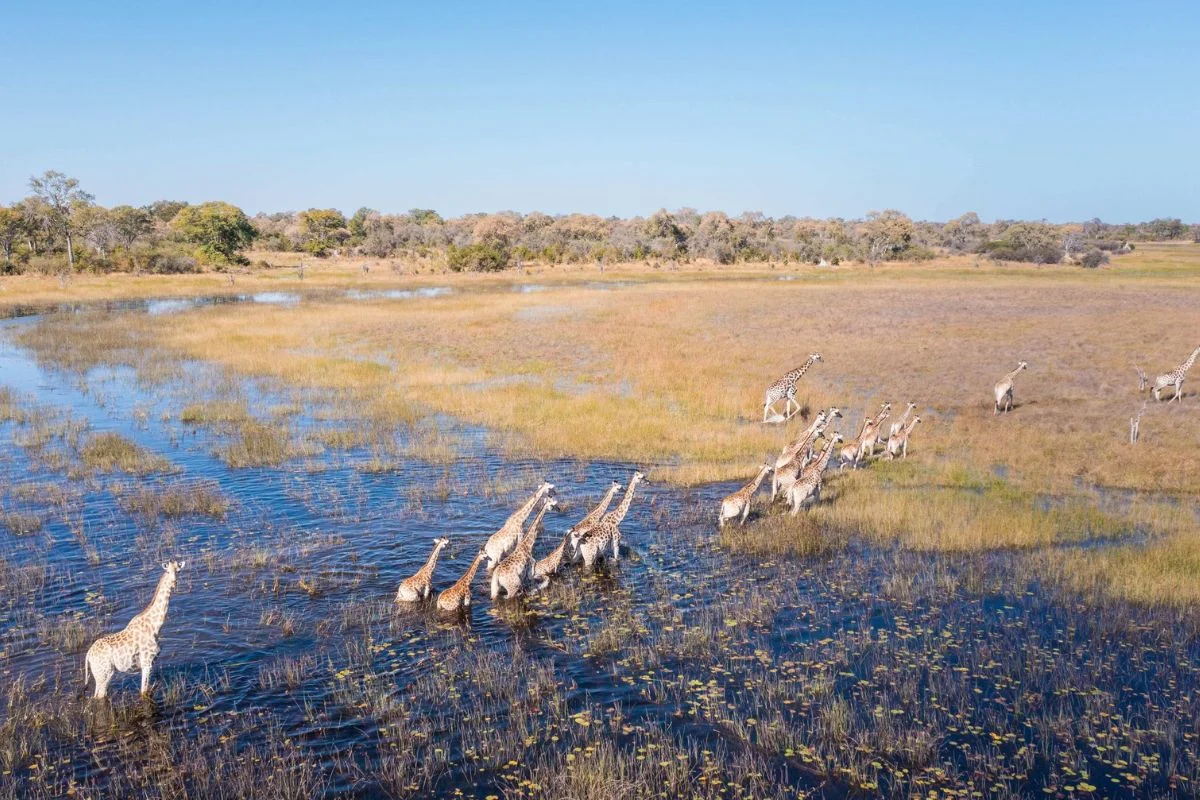
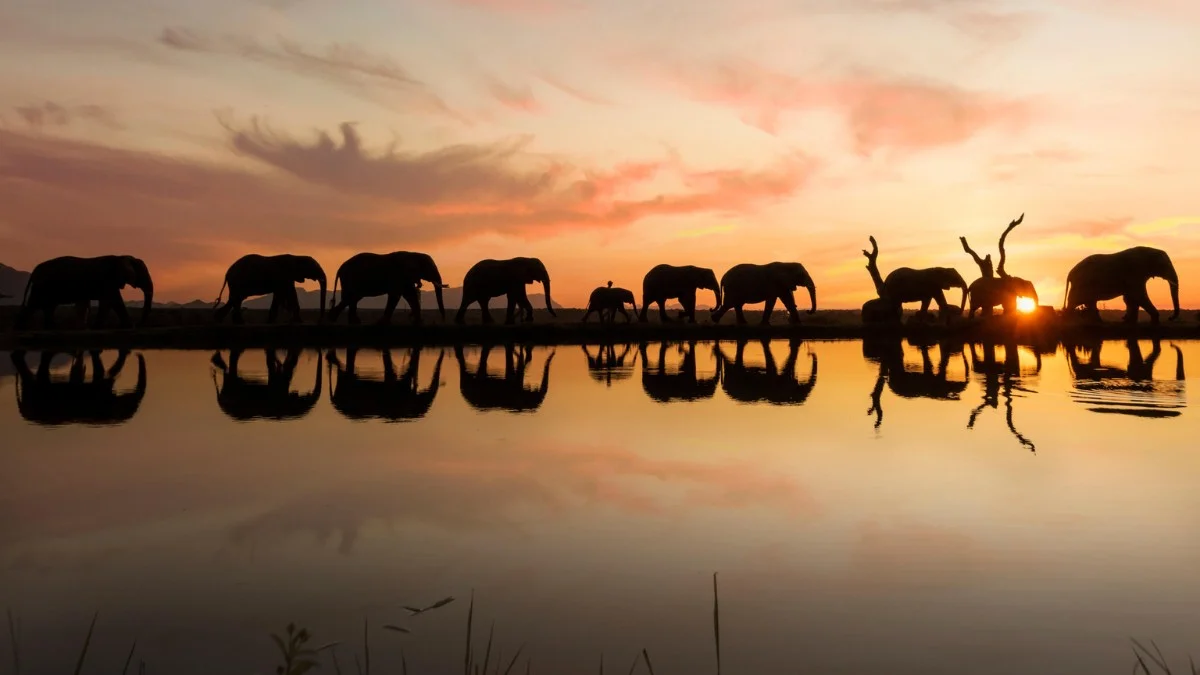
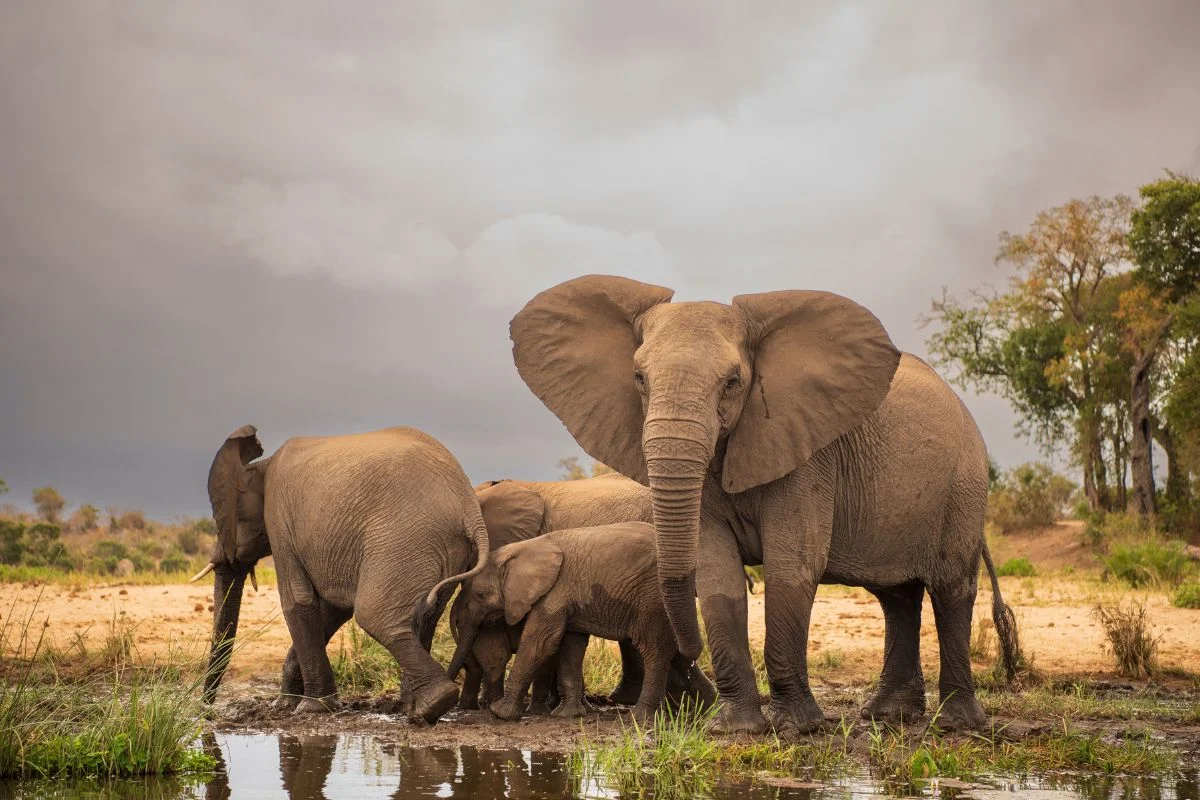
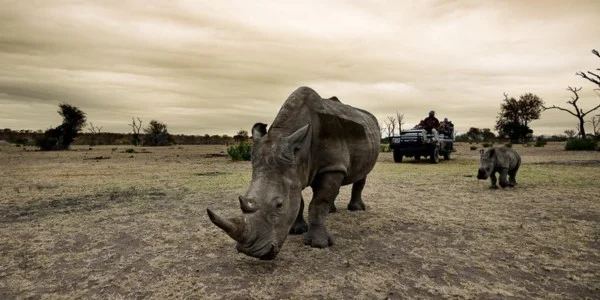
Game drives depart at 5:30-6am and again at 3:30-4pm, running three to four hours each. Guides focus on the Big Five (lion, leopard, elephant, rhino, buffalo) plus cheetah, wild dog, giraffe, zebra, and over 500 bird species.
Kruger's southern and central regions (Sabi Sand, Timbavati, Manyeleti concessions) have the highest predator densities. Lodges include sundowner drinks stops during evening drives and bush walks led by armed rangers on request.
The four-night stay splits across two properties to vary terrain and animal sightings; mid-trip transfers between lodges are included.
How many animals can you expect to see in Kruger?
Kruger National Park hosts over 140 mammal species including the Big Five, cheetah, wild dog, hippo, crocodile, and 20 antelope species.
Private concession guides typically log 15-25 different mammal species over a four-night stay. Big Five sighting rates vary by season and concession, but well-run lodges in Sabi Sand or Timbavati report lion and elephant sightings on 80-90 per cent of drives, leopard on 60-70 per cent, and rhino and buffalo slightly less frequently.
Wild dog and cheetah are less common. Bird counts run highest in the wet summer months (November to March) when migrants arrive.
Kruger / Sabi Sand — best time to visit
| J | F | M | A | M | J | J | A | S | O | N | D | |
|---|---|---|---|---|---|---|---|---|---|---|---|---|
| High °C | 32° | 31° | 30° | 28° | 26° | 24° | 24° | 26° | 28° | 29° | 30° | 31° |
| High °F | 90° | 88° | 86° | 82° | 79° | 75° | 75° | 79° | 82° | 84° | 86° | 88° |
| Rain mm | 110 | 95 | 75 | 35 | 15 | 10 | 5 | 10 | 25 | 55 | 85 | 105 |
| Rating |
Kruger / Sabi Sand: Dry winter (May–Sep) gives the best game viewing; summer is lush but wet.
Ideal — Peak conditions — dry, comfortable, prime wildlife or beach time.
Good — Great conditions with brief showers or warmer days; still highly recommended.
Shoulder — Mixed weather — fewer crowds and lower rates, occasional rain.
Avoid — Heaviest rain or roughest seas; many camps and roads can be affected.
Visit Cape Town
Visit the number one rated city in the world with 8 blue flag beaches, swimming with penguins and so much more
Plan My Safari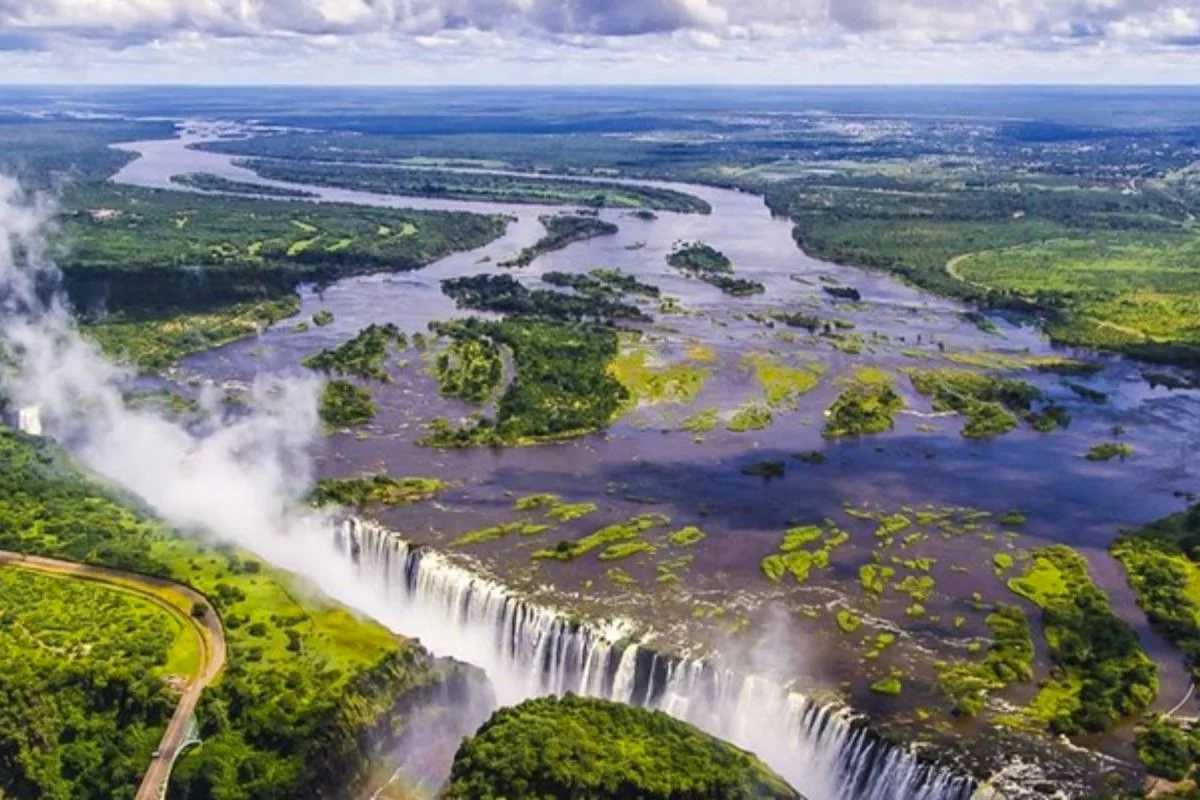
Victoria Falls (2 nights)
From Kruger you fly to Victoria Falls, a town on the Zambezi River bordering Zimbabwe and Zambia. The falls span 1.7 kilometres and drop 108 metres, making them the world's largest sheet of falling water by combined height and width.
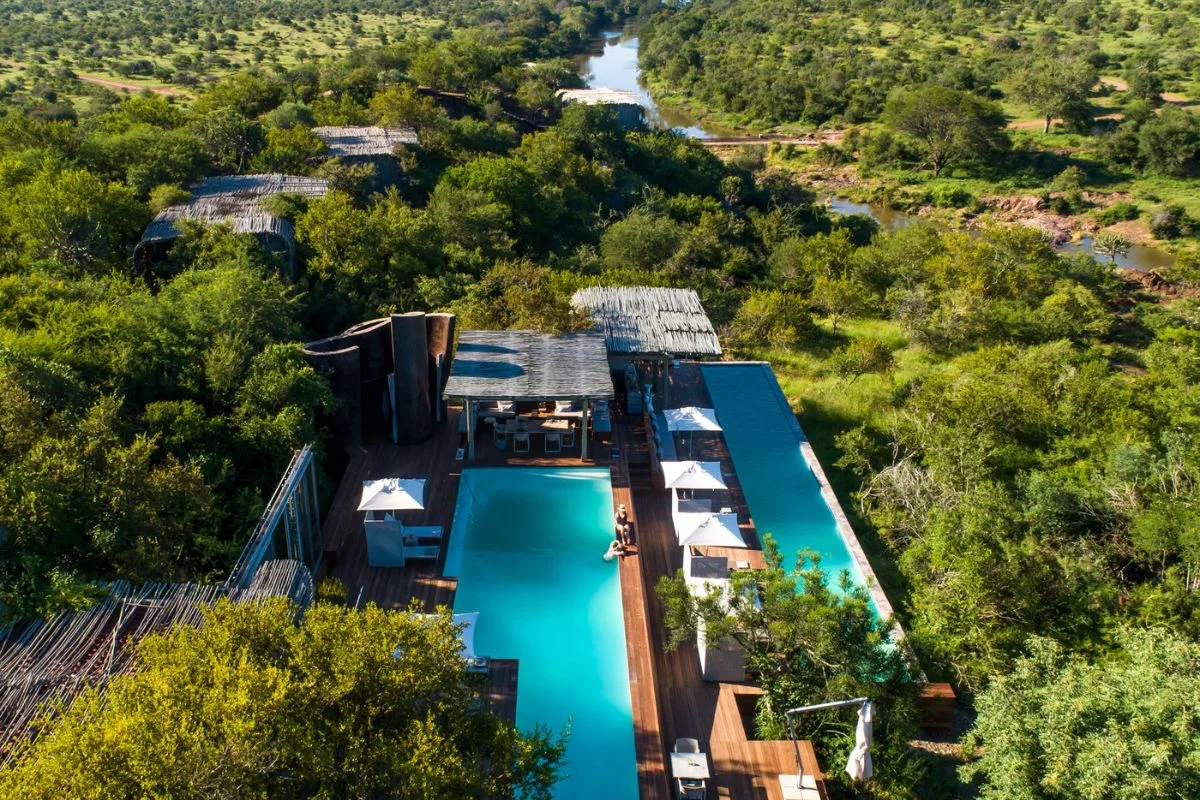
You stay two nights at a lodge on the Zambian side (Thorntree River Lodge or similar) with views over the Zambezi. A guided tour of the falls is included; you walk the series of viewpoints along the gorge edge, getting wet from the spray during high-water months (March to June).
Optional activities booked on-site or in advance include white-water rafting the Batoka Gorge (grade 4-5 rapids, full or half day), Devil's Pool swims at the falls' edge (dry season only, September to December), bungee jumping from the Victoria Falls Bridge (111 metres), helicopter flights over the falls (13-minute or 30-minute routes), and sunset cruises on the Zambezi.
Victoria Falls town is small and walkable; most lodges sit 10-20 minutes from the falls entrance.
The falls are at their fullest March to May after summer rains; flow drops significantly by October and November, exposing more of the basalt cliff.
The dry-season low water makes Devil's Pool safe to access and improves visibility for photographers (less spray). High water is more dramatic but obscures views and soaks visitors.
Optional add-ons
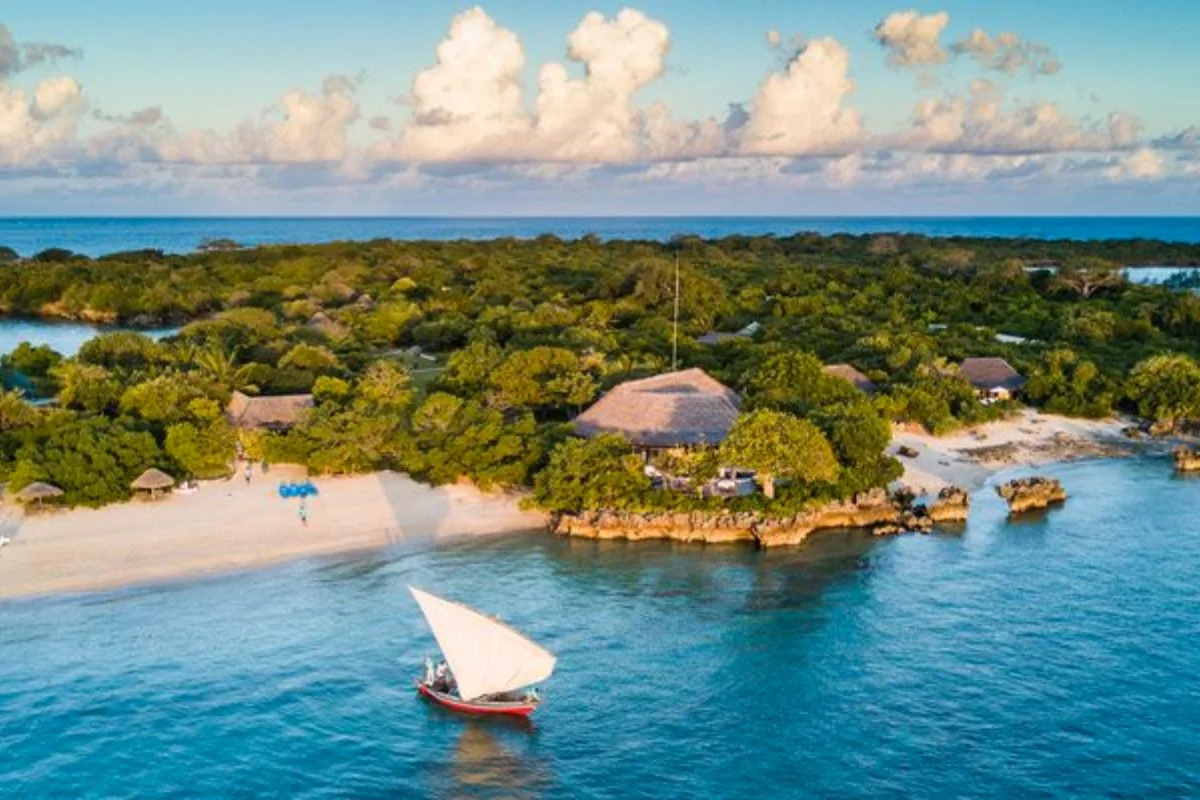
Two extensions are available. The Mozambique add-on is three nights on Benguerra Island in the Bazaruto Archipelago, a 90-minute flight from Johannesburg. Benguerra Island Lodge operates on an all-inclusive basis with snorkelling, diving, kayaking, dhow cruises, and island walks included. The island sits inside a protected marine reserve with dugongs, dolphins, and five turtle species.
The Hermanus add-on is two nights in the coastal town 90 minutes east of Cape Town, known for land-based whale watching (southern right whales, July to November) and shark-cage diving.
Both add-ons require separate pricing; budget roughly $800-1,200 per person per night for Benguerra and $300-500 per night for Hermanus lodges, plus activity costs.
Is Mozambique or Hermanus better for a beach extension?
Mozambique suits travellers who want warm Indian Ocean water, coral reef snorkelling, and a remote island setting with no roads or crowds. Benguerra Island is accessible only by light aircraft and has three small lodges.
Hermanus suits travellers who want cooler Atlantic water, dramatic coastal cliffs, and proximity to Cape Town (easy to add before or after the Franschhoek leg).
Hermanus is best visited July to November for whale watching; southern right whales calve close to shore and are visible from clifftop paths. Mozambique is a year-round destination, though cyclone risk is highest January to March.
Best time to book the Gold Package
The itinerary runs year-round, but timing affects animal sightings, weather, and cost. Kruger's dry winter (May to September) offers the best game viewing because vegetation thins out and animals concentrate around water sources.
Victoria Falls is fullest March to May; the falls reduce to a trickle by November in drought years but Devil's Pool becomes accessible. Cape Town and Franschhoek are best October to April (spring and summer), when vineyards are green and temperatures sit in the 20-28°C range.
December to January is peak season across all four destinations, pushing lodge rates 20-30 per cent higher than shoulder months (April, May, September, October).
Book at least six months ahead for travel in July, August, or December; three to four months is usually sufficient for April, May, or November.
What is included in the $6,997 price
The per-person sharing rate covers return economy-class international flights from major US or European cities (upgrades available), all accommodation (10 nights), private ground transfers at each destination, twice-daily game drives in Kruger with all lodge meals and drinks, and 24/7 operational support.
Not included: meals and activities in Cape Town, Franschhoek, and Victoria Falls (except where noted), visa fees (Zimbabwe and Zambia visas are $50-80 each), travel insurance, gratuities for guides and lodge staff, and any optional add-on nights in Mozambique or Hermanus.
Budget an additional $100-200 per person per day in Cape Town and Franschhoek for meals and tastings, and $150-400 per person at Victoria Falls depending on activities chosen.
Tips in Kruger lodges typically run $20-30 per guest per day split among guides, trackers, and lodge staff.
Last updated: August 2026