
Best Time Of The Year For An African Safari
In this blog post we dive into the best time of the year for your African safari, based on what you want to see and where is best to see it. Come on, let's take a closer look.

The best time to visit Africa for a wildlife safari depends on what you want to see and how you prefer to travel.
Africa offers three distinct safari windows. June to October covers both the Great Migration river crossings and the Dry Season's peak game viewing. January to February and November to December (the Green Season) bring newborn wildlife, lush scenery, lower prices and fewer crowds. Your choice depends on whether you prioritise dramatic migration scenes, optimal photography conditions, or value and intimacy.
Key takeaways
The Great Migration river crossings in Kenya and Tanzania peak between July and September.
The Dry Season (May to October) offers the easiest wildlife spotting as animals concentrate around permanent water sources.
The Green Season (January to February, November to December) delivers newborn wildlife, dramatic landscapes, lower costs and smaller crowds.
Prices and availability vary significantly: the Green Season is off-peak, while July to September sees the highest demand and rates.
Popular Dry Season destinations include Etosha (Namibia), Hwange (Zimbabwe) and South Luangwa (Zambia), while Green Season travellers favour the Okavango Delta, Kruger and Ngorongoro Crater.
Timing affects not only what you see but also lodge availability, road conditions and photographic light.
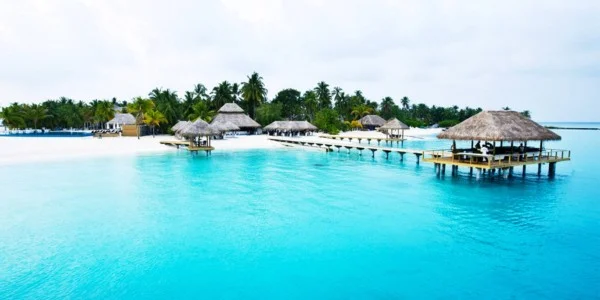
Seychelles Island Escape
Visit the jewel of the Indian Ocean with blue azure waters and white sandy beaches.
Plan My Safari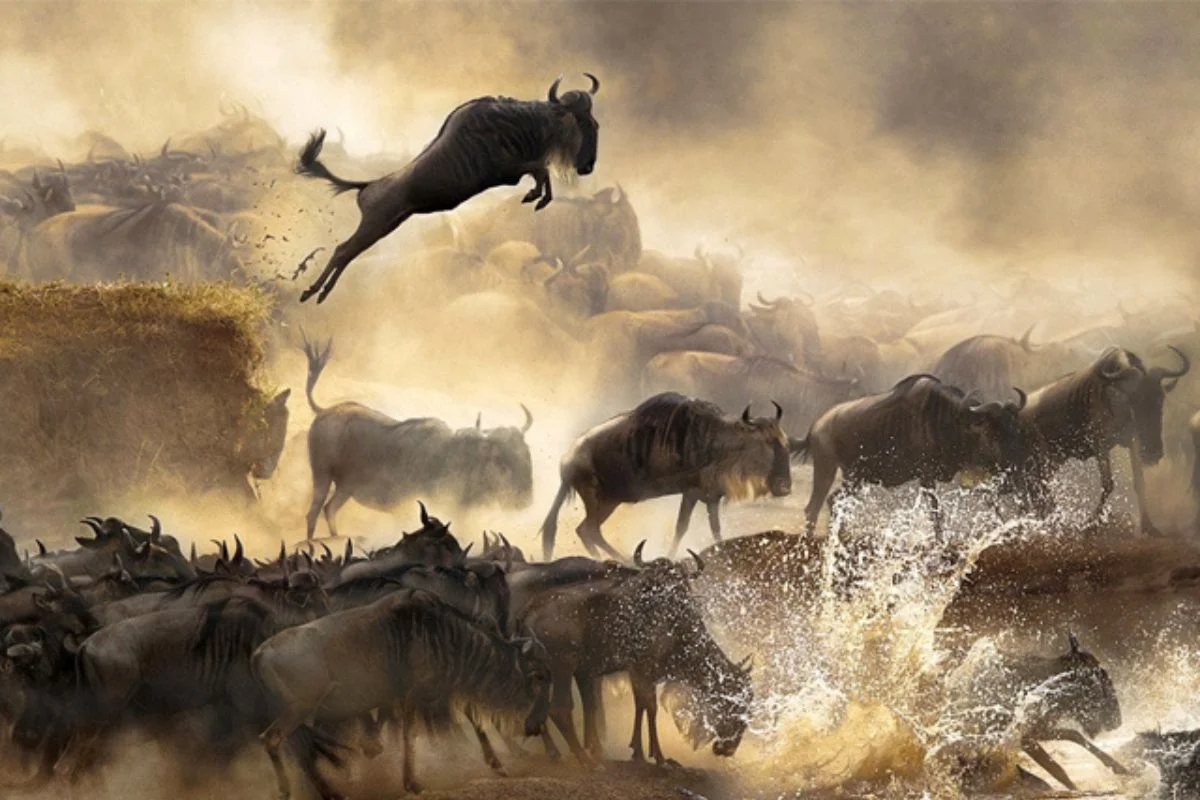
The Great Migration: June to October
The Great Migration is the world's largest overland mammal migration, with more than two million wildebeest, zebra and antelope moving in a continuous 1,800-mile loop between Tanzania's Serengeti and Kenya's Masai Mara.
The herds cross the Mara River between late June and October, with the most dramatic crossings concentrated in July, August and September. Predators (lions, hyenas, crocodiles) follow the herds, and river crossings offer some of the most intense wildlife action on the continent.
The Serengeti and Masai Mara both offer lodge options from luxury permanent camps to mobile tented camps that move with the herds.
July to September is peak season: availability is tight, prices are high, and advance booking (six to twelve months) is standard. If your primary goal is to witness a Mara River crossing, this is the window to target.
What is the difference between the Serengeti and the Masai Mara for the Migration?
The Serengeti in Tanzania is larger and hosts the herds for most of the year, including the calving season (January to February) in the southern plains.
The Masai Mara in Kenya is smaller but sees the highest concentration of river crossings between July and September.
Most travellers fly into Nairobi or Arusha, then take a light aircraft to the relevant airstrip. A combined Serengeti and Masai Mara itinerary typically runs seven to ten nights and requires crossing the Kenya-Tanzania border by road or repositioning flight.
Serengeti — best time to visit
| J | F | M | A | M | J | J | A | S | O | N | D | |
|---|---|---|---|---|---|---|---|---|---|---|---|---|
| High °C | 28° | 28° | 28° | 26° | 24° | 23° | 23° | 24° | 26° | 27° | 27° | 28° |
| High °F | 82° | 82° | 82° | 79° | 75° | 73° | 73° | 75° | 79° | 81° | 81° | 82° |
| Rain mm | 65 | 80 | 130 | 195 | 95 | 15 | 10 | 20 | 30 | 60 | 115 | 105 |
| Rating |
Serengeti: Calving in the southern Serengeti Jan–Mar; river crossings in the north Jul–Oct.
Ideal — Peak conditions — dry, comfortable, prime wildlife or beach time.
Good — Great conditions with brief showers or warmer days; still highly recommended.
Shoulder — Mixed weather — fewer crowds and lower rates, occasional rain.
Avoid — Heaviest rain or roughest seas; many camps and roads can be affected.
The Green Season: January to February and November to December
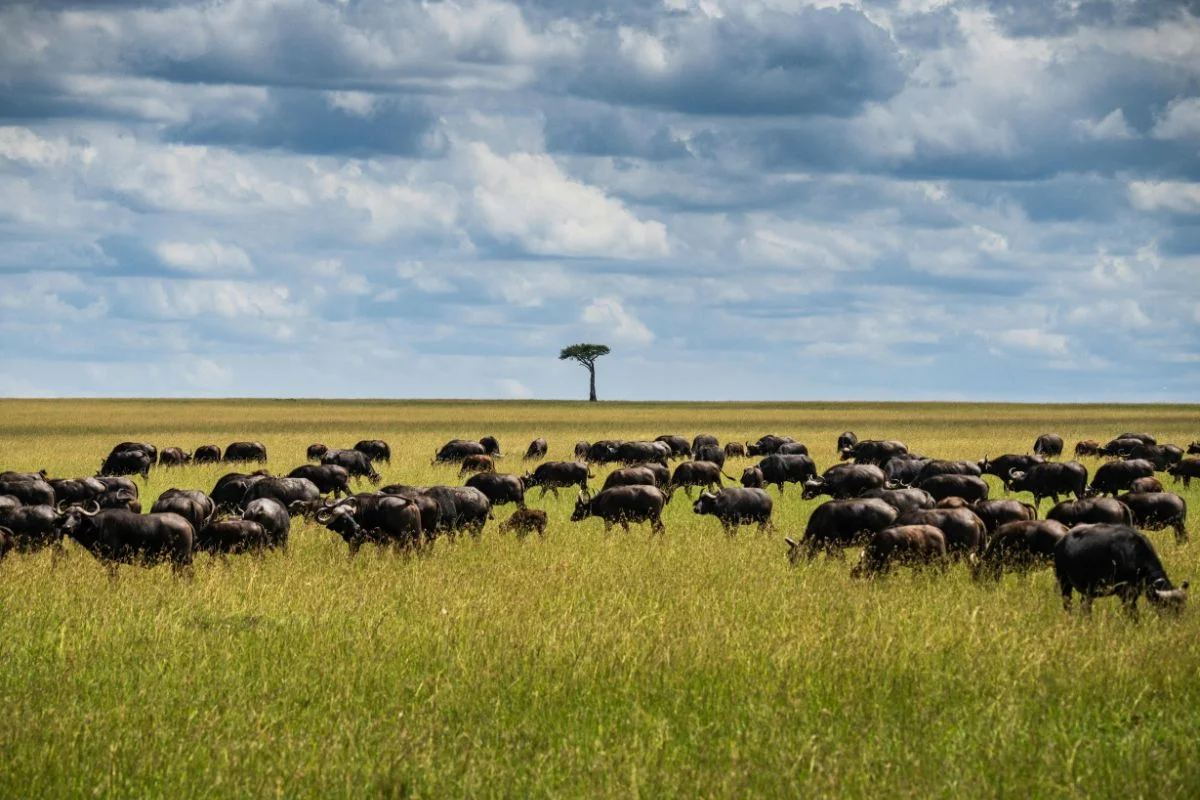
The Green Season refers to the months when short rains transform the savannahs into lush, vivid landscapes.
In East Africa, this typically means November (short rains) and January to February (post-rain greenery and calving season). In southern Africa, November to December marks the start of the wet season.
During these months, many herbivores give birth, attracting predators and offering rare opportunities to see newborn antelope, zebra and wildebeest with their mothers. Migratory birds arrive in large numbers, making it an exceptional period for birdwatching.
The Green Season is off-peak. Lodge rates drop by 20 to 40 per cent compared to high season, and you will encounter far fewer vehicles at sightings. Some remote areas become harder to reach due to rain and mud, and a few seasonal camps close, but the major parks and lodges remain open.
The Okavango Delta in Botswana begins to flood, Kruger National Park in South Africa is lush and full of newborns, and the Ngorongoro Crater in Tanzania offers dramatic skies and fewer tourists. If you value exclusivity, photographic variety and lower costs, the Green Season is worth serious consideration.
Is the Green Season suitable for first-time safari travellers?
Yes. The rain is usually short and localised (afternoon thunderstorms rather than all-day downpours), and game viewing remains excellent. Newborns and lush scenery add visual interest, and predators are easier to spot as they hunt vulnerable young.
The main trade-off is occasional muddy roads and slightly thicker vegetation in some areas. First-timers who prefer lower prices, smaller crowds and a wider range of wildlife behaviour often find the Green Season more rewarding than peak Dry Season months.
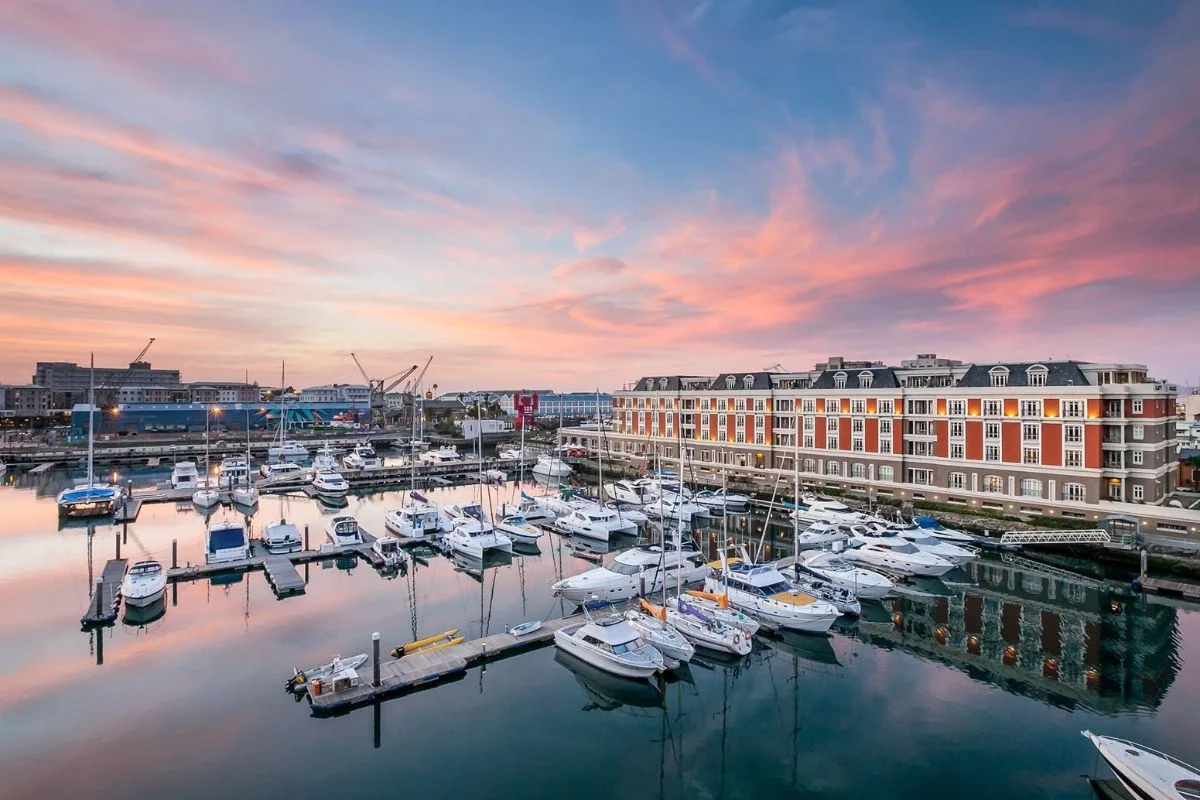
Visit Cape Town
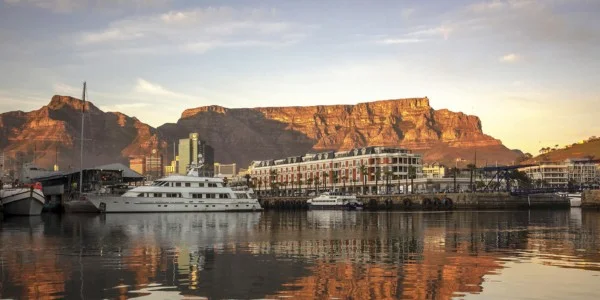
Visit the number one rated city in the world with 8 blue flag beaches, swimming with penguins and so much more
Plan My Safari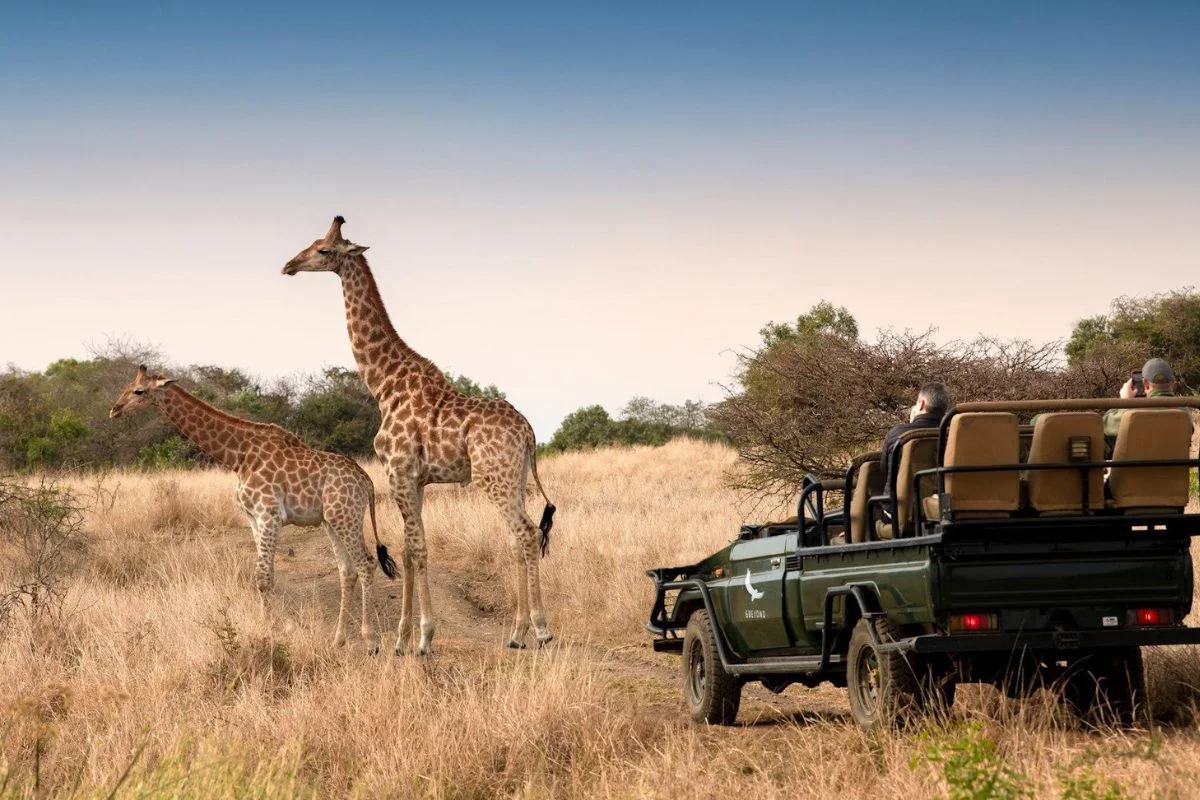
The Dry Season: May to October
The Dry Season runs from May through October across most of East and southern Africa. Rainfall is minimal, vegetation thins out, and animals concentrate around permanent rivers, waterholes and floodplains.
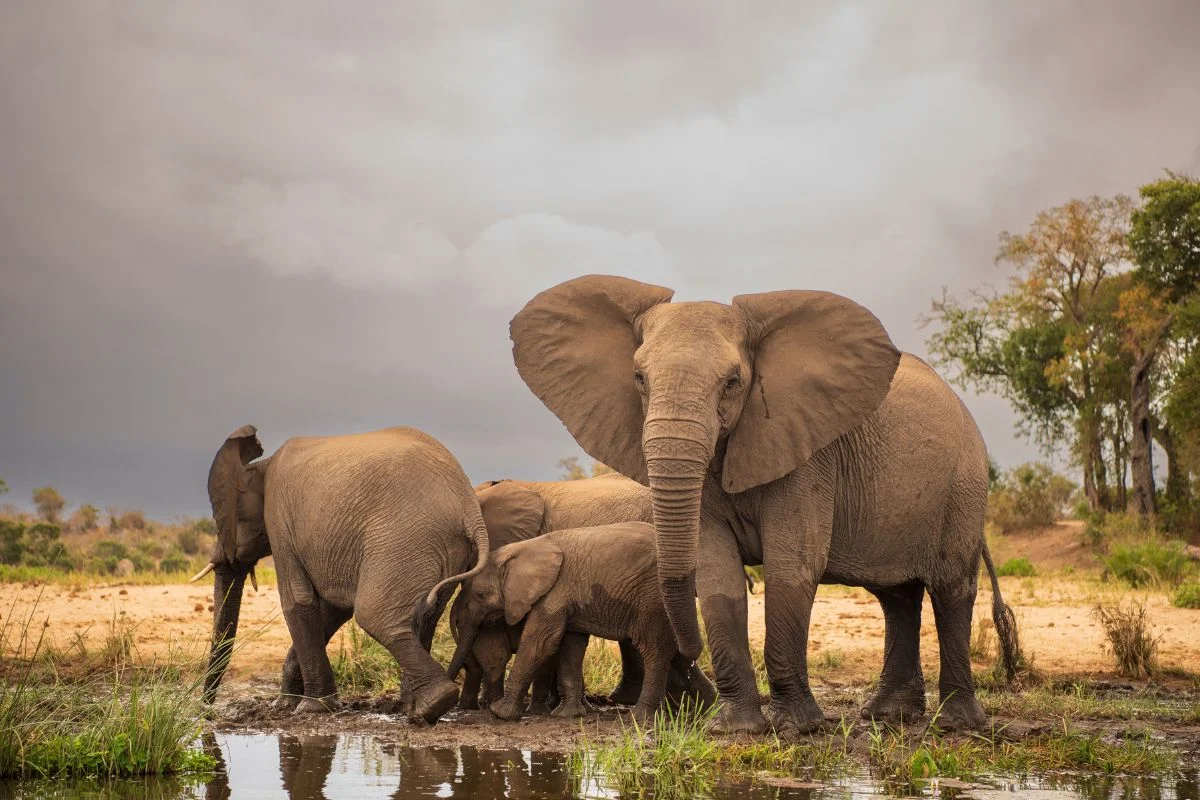
This makes wildlife easier to locate and photograph. Predators such as leopards and cheetahs, which can be elusive in thick bush, become more visible. Waterholes turn into natural amphitheatres where elephants, buffalo, antelope and predators gather throughout the day.
Etosha National Park in Namibia is famous for its vast salt pan and well-positioned waterholes. Hwange National Park in Zimbabwe hosts one of Africa's largest elephant populations.
South Luangwa National Park in Zambia pioneered the walking safari and offers exceptional leopard sightings. All three parks are at their best during the Dry Season. Dust, clear skies and long daylight hours make for excellent photography, and most roads remain accessible to standard 4x4 safari vehicles.
The Dry Season overlaps with the Great Migration window (June to October), so if you plan a trip during these months, you can combine optimal game viewing conditions with the chance to see the Migration in the Serengeti or Masai Mara. This is also the busiest and most expensive period in most parks outside the Migration zones, so book early.
Which parks are best for seeing the Big Five during the Dry Season?
Kruger National Park in South Africa, South Luangwa in Zambia, and the private reserves bordering Kruger (Sabi Sands, Timbavati) all offer reliable Big Five sightings during the Dry Season.
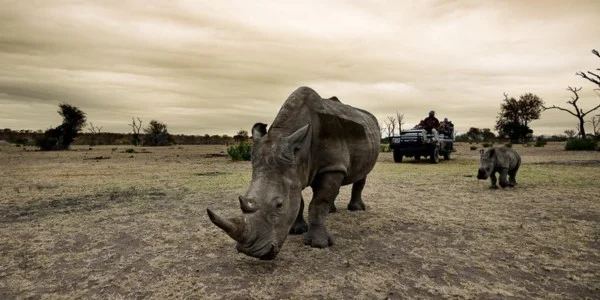
In southern Tanzania, Ruaha and Selous (now Nyerere National Park) are less crowded and equally strong for lions, leopards, elephants and buffalo. Rhinos are harder: for black rhino, consider Etosha or private conservancies in Namibia; for white rhino, head to Kruger or private reserves in South Africa. No single park guarantees all five in one trip, but Kruger and Sabi Sands come closest.
Practical factors: cost, crowds and logistics
Peak season (July to September in East Africa, July to October in southern Africa) sees the highest lodge rates, tightest availability and most tourists.
Expect to pay 30 to 50 per cent more than in the Green Season, and book six to twelve months ahead. Shoulder season (May to June, late October) offers a middle ground: good weather, moderate prices and smaller crowds.
The Green Season (November to February in most regions) delivers the lowest prices and fewest people, at the cost of occasional rain and slightly thicker bush.
Road conditions matter. In the Green Season, some remote areas (parts of northern Botswana, western Tanzania) become difficult or impossible to reach by vehicle, and a few seasonal camps close.
Most major parks remain accessible year-round by light aircraft. If you are combining a safari with Indian Ocean beaches (Zanzibar, Mozambique, Seychelles), check local rainy seasons: the East African coast sees heavy rains in April and May, while Mozambique's wet season runs November to March.
How to choose your timing
Start by defining your priority. If witnessing the Great Migration river crossings is non-negotiable, book for July to September in the Masai Mara or northern Serengeti. If you want the best general game viewing and photography conditions, choose the Dry Season (May to October) in southern or eastern parks.
If you value lower costs, fewer tourists, dramatic scenery and newborn wildlife, target the Green Season (January to February or November to December). If you want both the Migration and optimal Dry Season conditions, any month from June to October works, but July to September is peak.
Consider combining seasons or regions. A two-week itinerary might include the Serengeti in July (Migration) and then drop south to Ruaha or the Okavango Delta for a different experience. Alternatively, visit South Africa's Kruger in the Green Season (January to February) when newborns are abundant, then fly to the coast for beach time. Most bespoke operators can tailor multi-country routes, but expect higher costs for complex logistics.

Frequently asked questions
What is the cheapest time of year to go on an African safari?
The Green Season (November to December and January to February in most of East Africa; November to March in parts of southern Africa) offers the lowest lodge rates and best value. Expect discounts of 20 to 40 per cent compared to peak Dry Season rates.
Some lodges also offer special honeymoon or long-stay packages during these months. Availability is better, and you can often secure last-minute bookings. The trade-off is occasional afternoon rain and slightly thicker vegetation, but game viewing remains strong and you will have sightings largely to yourself.
Can you see the Great Migration outside of June to October?
Yes. The Migration is a year-round loop, not a single event. December to March sees the herds in the southern Serengeti for calving season, which offers dramatic predator action and thousands of newborn wildebeest.
April and May are transitional months when the herds begin moving north.
June to October is when the northern Serengeti and Masai Mara river crossings occur.
If you visit outside the main crossing window, you can still see huge herds, but the river crossings themselves are concentrated between late June and September.
Is the Dry Season too hot for a safari?
Temperatures during the Dry Season (May to October) are generally mild to warm, not extreme. Daytime highs range from 20°C to 30°C in most East African parks and 25°C to 35°C in southern Africa. Mornings and evenings can be cool, especially on early game drives, so pack layers. The heat is usually dry and comfortable.
The wet/Green Season can actually feel hotter and more humid in some regions, particularly in low-lying areas like the Zambezi Valley or coastal Tanzania. The Dry Season's clear skies and lower humidity make it pleasant for long days in open vehicles.
What should I pack differently for the Green Season versus the Dry Season?
For the Dry Season, bring lightweight layers, a warm fleece or jacket for early morning drives, a wide-brimmed hat, sunscreen and sunglasses.
Dust is common, so a buff or scarf helps. For the Green Season, add a lightweight waterproof jacket, a compact umbrella and quick-dry clothing.
Rain usually arrives in short afternoon bursts, so you will not need heavy wet-weather gear. Insect repellent is more important in the Green Season.
Binoculars, a good camera and neutral-coloured clothing (khaki, olive, beige) are essential year-round. Avoid camouflage patterns, which are illegal in some countries.
How far in advance should I book a safari for peak season?
For the Great Migration river crossings (July to September) or peak Dry Season travel in top parks like Kruger, the Okavango Delta or South Luangwa, book nine to twelve months ahead.
The best lodges and mobile camps fill up early, especially for honeymoon and family travel. If you are flexible on dates and lodges, six months is usually sufficient. For the Green Season, three to six months is often enough, and some lodges accept bookings just weeks in advance.
Group departures and fly-in packages have fixed schedules, so confirm availability as early as possible if you have firm travel dates.
Which season is best for photography?
The Dry Season (May to October) offers the most predictable light, clear skies, sparse vegetation and concentrated wildlife around waterholes, making it ideal for classic safari photography.
The Green Season (January to February, November to December) provides dramatic skies, lush backgrounds, reflections in temporary pans, newborn animals and fewer vehicles, which appeals to photographers seeking variety and mood over guaranteed big-cat sightings.
Both seasons have merit. If you want portfolio shots of predators in golden light with unobstructed views, choose the Dry Season. If you want atmospheric landscapes, stormy skies and unique behaviours, the Green Season delivers.
Last updated: July 2026