
5 Best Walking Safari Destinations in Africa for 2026 / 2027
In this article we look at the immersive walking safaris of Africa, and the destinations to experience them the best, let's dive in...

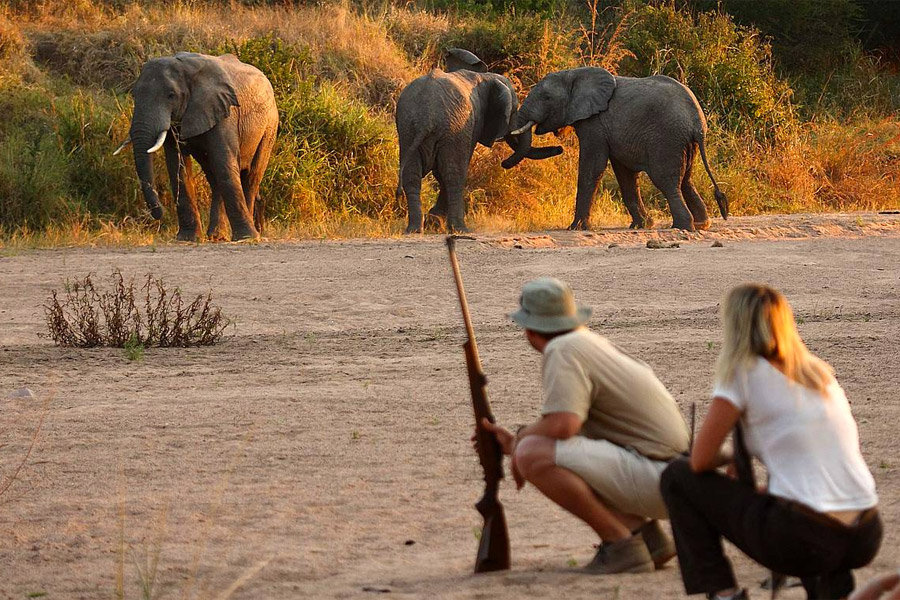
Walking safaris place you on foot in the African bush with armed professional guides and trackers.
Zambia is the premier walking safari destination, particularly South Luangwa and North Luangwa, where experienced guides lead small groups through game-rich wilderness. Kruger (South Africa), Ruaha (Tanzania), Hwange (Zimbabwe) and Laikipia (Kenya) also offer excellent walking options ranging from three-hour walks to multi-day mobile camps.
Key takeaways
Zambia's South Luangwa is widely regarded as the birthplace of the walking safari and maintains the highest guiding standards in Africa.
Kruger National Park offers both short three-hour bush walks and multi-day tented walking safaris, accommodating all fitness and adventure levels.
Tanzania's Ruaha National Park and Serengeti mobile camps provide walking opportunities from July to October during the dry season.
Zimbabwe permits walking safaris across diverse terrain including bushland, desert and mountains, with Hwange National Park a top choice.
Kenya restricts walking safaris mostly to the private Laikipia Plateau concessions, where half-day and full-day walks are available.
Walking safari groups are typically small (four to eight guests) and led by at least one armed guide and one tracker.
Seychelles Island Escape
Visit the jewel of the Indian Ocean with blue azure waters and white sandy beaches.
Plan My Safari1. Zambia
Zambia is the continent's leading walking safari destination. South Luangwa National Park pioneered commercial walking safaris in the 1950s and still offers the most developed walking infrastructure in Africa. Guides in Zambia undergo annual testing and hold the profession's highest qualifications.
North Luangwa National Park permits only a handful of safari operators and hosts no permanent lodges, which keeps visitor numbers low.
Accommodation is in seasonal tented camps. The park supports large populations of elephant, buffalo and lion, and walking is the only way to explore it. If you want a remote, foot-only wilderness experience, North Luangwa is unmatched.
Lower Zambezi National Park and Kafue National Park combine walking with traditional game drives and offer a wider range of lodge styles, from luxury permanent camps to mobile tented setups.
Both parks sit in less-visited corners of Zambia, meaning fewer vehicles and a quieter experience overall.
Why are Zambian guides considered the best for walking safaris?
Zambian professional walking guides must pass rigorous annual exams that test bush skills, rifle handling, first aid, tracking, and wildlife behaviour.
The country's guide training schools have operated for decades and set the benchmark across southern Africa. Many guides have led hundreds of walks and can read animal behaviour, spoor and environmental cues with precision. This depth of experience translates to safer, more insightful walks.

2. Kruger National Park, South Africa
Kruger National Park holds more mammal and bird species than any other single reserve in Africa, which makes even short walks productive for sightings. The park offers three-hour morning or afternoon bush walks from most rest camps and private lodges, led by two armed field guides.
For a longer commitment, Kruger runs multi-day wilderness trails from four remote trail camps. These trails last two or three nights, cover 15 to 20 kilometres per day, and include tented accommodation with no electricity.
Groups are limited to eight guests. You walk each morning and afternoon, returning to the same tented camp each night.
Kruger also permits combined walking and vehicle safaris. You can book a morning walk followed by an afternoon game drive, which suits travellers who want variety or have mixed fitness levels in their group. The infrastructure and guide quality are both high.
What is the difference between a short bush walk and a multi-day wilderness trail in Kruger?
A short bush walk lasts two to three hours, departs from your lodge or rest camp, and returns you to the same base.
A wilderness trail is a two- or three-night expedition staying in a remote, unfenced trail camp deep in the park. On a trail, you walk twice daily (morning and late afternoon) covering significant ground, sleep in simple tents, and have no vehicle access. Trails are more immersive but require reasonable fitness and comfort with basic facilities.
3. Tanzania
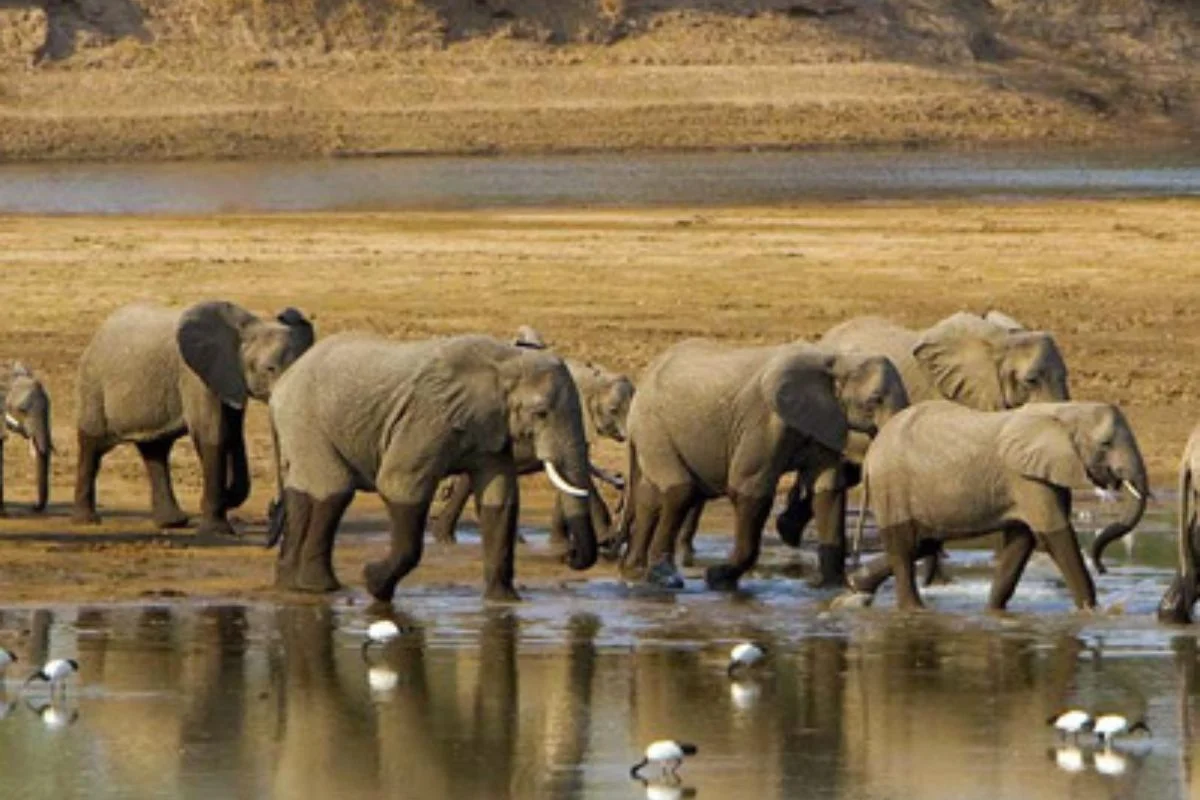
Ruaha National Park, in southern Tanzania, is the country's premier walking safari park. Most walks follow the Ruaha River and its tributaries in the eastern sector, where permanent water draws elephant, buffalo, lion, wild dog and abundant antelope.
Walks last from three hours to a full day, depending on your lodge and fitness.
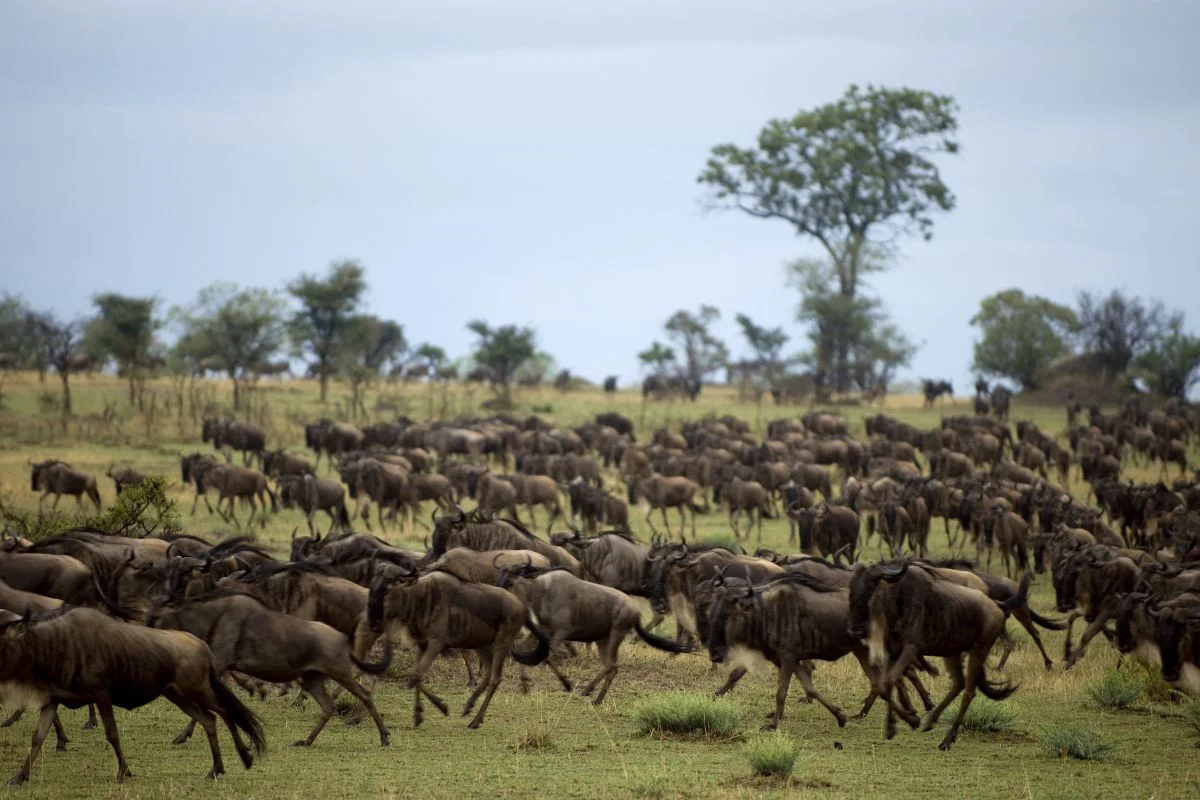
In the Serengeti, walking safaris operate via mobile camps that move to follow the Great Migration.
You walk in the early morning or late afternoon when temperatures are cooler, covering open plains and riverine woodland.
The best months for Serengeti walking are July to October (dry season), when ground conditions are firm and wildlife concentrations are high. Walking during the wet season (March to May) is not recommended due to muddy terrain and dense vegetation.
Selous Game Reserve (now Nyerere National Park) also permits walking, particularly along the Rufiji River, though the area is less developed than Ruaha.
Serengeti — best time to visit
| J | F | M | A | M | J | J | A | S | O | N | D | |
|---|---|---|---|---|---|---|---|---|---|---|---|---|
| High °C | 28° | 28° | 28° | 26° | 24° | 23° | 23° | 24° | 26° | 27° | 27° | 28° |
| High °F | 82° | 82° | 82° | 79° | 75° | 73° | 73° | 75° | 79° | 81° | 81° | 82° |
| Rain mm | 65 | 80 | 130 | 195 | 95 | 15 | 10 | 20 | 30 | 60 | 115 | 105 |
| Rating |
Serengeti: Calving in the southern Serengeti Jan–Mar; river crossings in the north Jul–Oct.
Ideal — Peak conditions — dry, comfortable, prime wildlife or beach time.
Good — Great conditions with brief showers or warmer days; still highly recommended.
Shoulder — Mixed weather — fewer crowds and lower rates, occasional rain.
Avoid — Heaviest rain or roughest seas; many camps and roads can be affected.
4. Zimbabwe
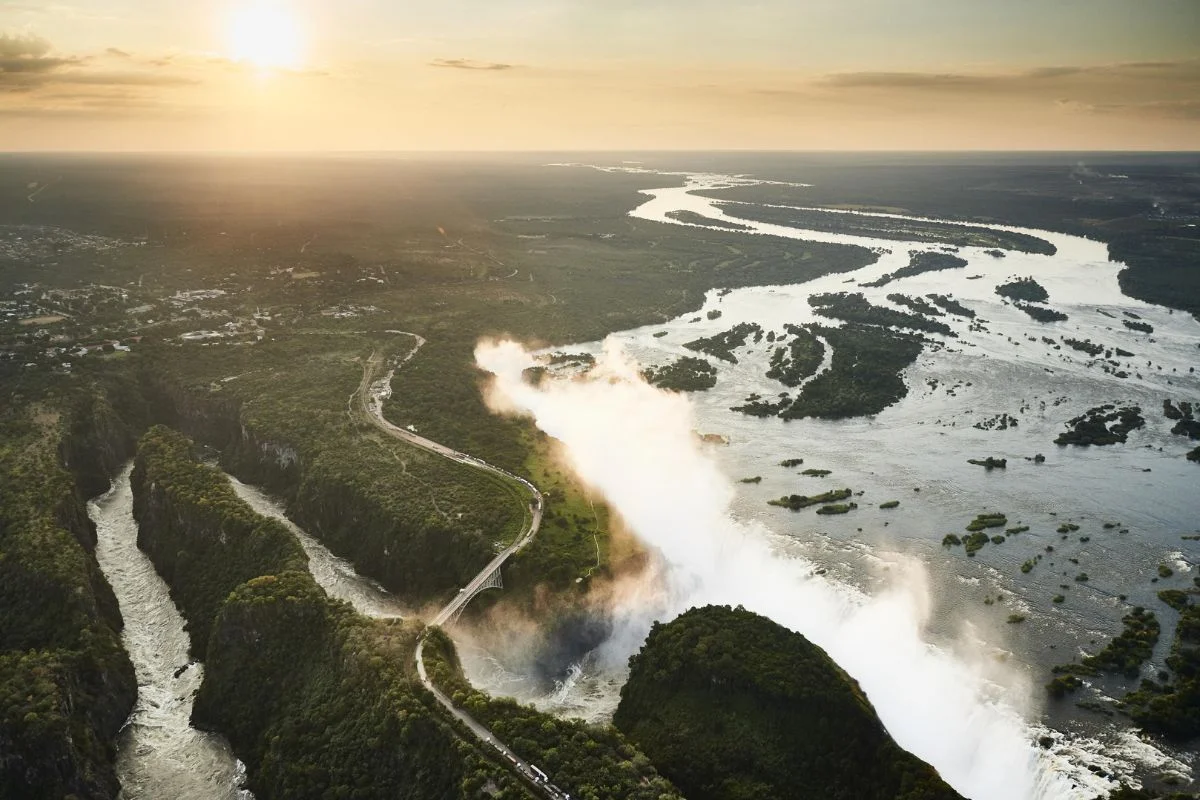
Zimbabwe's walking safari scene spans three distinct landscapes: the bushland around Victoria Falls, the semi-arid Hwange National Park near the Kalahari, and the mountainous Matobo Hills. Hwange is the most popular choice, with reliable dry-season wildlife and experienced local guides.
A unique option is joining the Victoria Falls Anti-Poaching Unit on their daily patrols through the Zambezi National Park. These walks are operational, not staged, and proceeds support conservation. You walk for three to four hours and learn tracking and anti-poaching techniques firsthand.
Mana Pools National Park, on the Zambezi floodplain, is also open to walking and is one of the few parks in Africa where you can walk unguided (though this is only advised if you have professional bush skills). Most visitors book guided walks with a licensed operator.
Victoria Falls (Zim side) — best time to visit
| J | F | M | A | M | J | J | A | S | O | N | D | |
|---|---|---|---|---|---|---|---|---|---|---|---|---|
| High °C | 30° | 30° | 30° | 29° | 27° | 25° | 25° | 28° | 32° | 33° | 32° | 30° |
| High °F | 86° | 86° | 86° | 84° | 81° | 77° | 77° | 82° | 90° | 91° | 90° | 86° |
| Rain mm | 170 | 150 | 90 | 25 | 5 | 0 | 0 | 0 | 2 | 25 | 75 | 165 |
| Rating |
Victoria Falls (Zim side): Falls in full flood Mar–May; best viewing Apr–Jul. Sep–Nov is hot but lowest water.
Ideal — Peak conditions — dry, comfortable, prime wildlife or beach time.
Good — Great conditions with brief showers or warmer days; still highly recommended.
Shoulder — Mixed weather — fewer crowds and lower rates, occasional rain.
Avoid — Heaviest rain or roughest seas; many camps and roads can be affected.
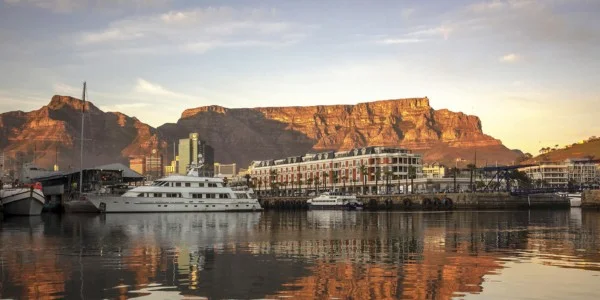
Visit Cape Town
Visit the number one rated city in the world with 8 blue flag beaches, swimming with penguins and so much more
Plan My Safari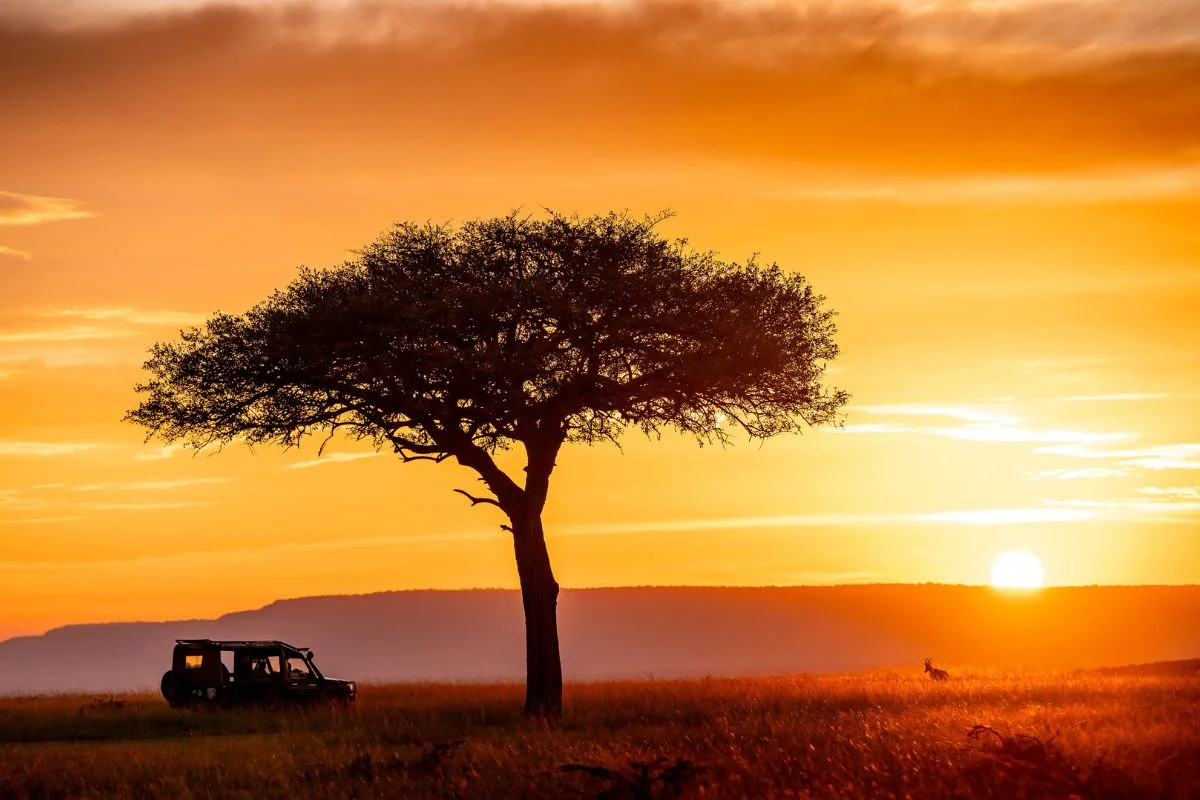
5. Kenya
Kenya prohibits walking safaris in most national parks and reserves, including the Maasai Mara, Amboseli and Tsavo. The exception is private conservancies, particularly the Laikipia Plateau in central Kenya.
Laikipia is a mosaic of privately owned ranches and conservancies covering roughly 9,500 square kilometres, and most permit walking.
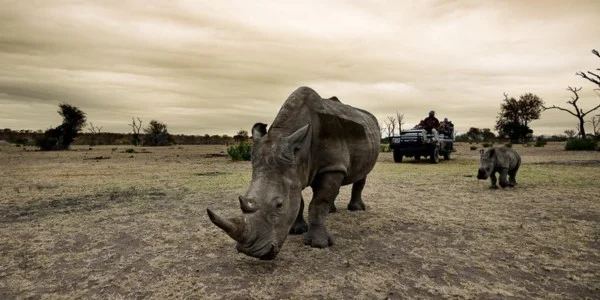
Wildlife density is lower than in the Mara, but the Big Five are present, and you will see elephant, lion, leopard, buffalo and both black and white rhino. Walks range from three hours to full-day excursions for fit walkers.
The terrain is varied, with open grassland, acacia woodland, riverine forest and rocky outcrops.
Laikipia's guiding standards are high, and the private conservancy model means exclusive traversing rights and low tourist numbers. If you are combining a Kenya trip with a Maasai Mara game drive safari, adding two or three nights in Laikipia for walking is a strong complement.
Can you do a walking safari in the Maasai Mara?
No. Walking is not permitted in the Maasai Mara National Reserve itself. Some private conservancies adjacent to the Mara (such as Mara North, Olare Motorogi and Ol Kinyei) allow short guided nature walks, but these are typically restricted to the immediate surrounds of the lodge and do not involve tracking big game.
For a true walking safari in Kenya, Laikipia is the only realistic option.
Laikipia — best time to visit
| J | F | M | A | M | J | J | A | S | O | N | D | |
|---|---|---|---|---|---|---|---|---|---|---|---|---|
| High °C | 26° | 27° | 27° | 25° | 23° | 22° | 22° | 23° | 25° | 26° | 24° | 25° |
| High °F | 79° | 81° | 81° | 77° | 73° | 72° | 72° | 73° | 77° | 79° | 75° | 77° |
| Rain mm | 40 | 50 | 95 | 175 | 110 | 30 | 25 | 40 | 35 | 60 | 95 | 70 |
| Rating |
Laikipia: Cooler highland plateau — drier and quieter than the Mara, good year-round.
Ideal — Peak conditions — dry, comfortable, prime wildlife or beach time.
Good — Great conditions with brief showers or warmer days; still highly recommended.
Shoulder — Mixed weather — fewer crowds and lower rates, occasional rain.
Avoid — Heaviest rain or roughest seas; many camps and roads can be affected.
Frequently asked questions
What is the best time of year for a walking safari in Africa?
The dry season is best, typically May to October across southern and East Africa. During these months, vegetation is thinner, animals congregate around water sources, and ground conditions are firm.
In Zambia and Zimbabwe, June to September is ideal. In Tanzania, July to October works well. South Africa's Kruger is walkable year-round, though April to September offers cooler temperatures and clearer sightings. Avoid the wet season for walking safaris, as thick bush reduces visibility and mud makes long walks uncomfortable.
How fit do you need to be for a walking safari?
Fitness requirements vary. A three-hour bush walk demands only moderate fitness: you should be comfortable walking four to six kilometres at a steady but relaxed pace, often stopping to observe wildlife or tracks. Multi-day wilderness trails in Kruger or mobile camps in Tanzania require stronger fitness, as you may cover 15 kilometres per day over uneven terrain. Most operators assess fitness during booking and can tailor pace and distance to your group. If you have mobility concerns, ask about shorter or slower-paced options.
Are walking safaris safe?
Yes, when led by a qualified professional guide. Guides carry rifles and are trained in animal behaviour, emergency first aid and risk management. Most walking safaris operate without incident. The key safety rule is to follow your guide's instructions exactly, stay in single file, and remain quiet when approaching animals.
Guides assess animal body language continuously and will detour or retreat if an animal shows signs of agitation. Serious incidents are rare and almost always involve guests ignoring instructions.
How much does a walking safari cost?
Costs vary widely. A short three-hour bush walk included with a lodge stay in Kruger or Laikipia typically adds $50 to $150 per person to your daily rate. A dedicated walking safari in Zambia's South Luangwa, staying at a mid-range tented camp, runs roughly $400 to $600 per person per night, all-inclusive.
Luxury walking camps in North Luangwa or Tanzania's Ruaha can reach $800 to $1,200 per person per night. Multi-day Kruger wilderness trails cost around $500 to $700 per person for the full two- or three-night package. Prices include guiding, accommodation, meals and park fees.
What should you pack for a walking safari?
Wear neutral colours (khaki, olive, brown, grey). Avoid white, black or bright colours. Closed-toe walking boots or trail shoes with ankle support are essential, as terrain can be rocky or uneven.
Bring a wide-brimmed hat, high-SPF sunscreen and insect repellent. A small daypack is useful for water, binoculars, a camera and a light rain jacket (even in the dry season, brief showers can occur). Long trousers and long sleeves protect against thorns, sun and insects. Leave jewellery, strong perfumes and noisy items at the lodge.
Can children join walking safaris?
Most walking safaris enforce a minimum age of 12 or 16, depending on the park and operator.
Zambia's walking camps generally set the limit at 12, while Kruger wilderness trails require participants to be 12 or older.
Some private reserves in South Africa and Laikipia offer family-friendly bush walks designed for children as young as six or eight, with shorter distances, slower pace and a focus on tracks, insects and plants rather than big game.
Always confirm age policies when booking, and be realistic about your child's ability to walk quietly and follow instructions for extended periods.
Last updated: July 2026