
Luxury African Safaris Guide For 2026 / 2027 Top Destinations
In this guide we look at the most wonderful destinations for the best in luxury safaris including South Africa, Kenya, Seychelles, Tanzania and the magical Botswana, let's dive in...
A luxury African safari combines exceptional wildlife encounters with world-class accommodation, expert guiding and immersive natural settings across southern and East Africa.
Luxury African safaris pair Big Five game viewing with five-star lodges featuring private plunge pools, gourmet dining and butler service. Top destinations include South Africa's Kruger, Botswana's Okavango Delta, Kenya's Maasai Mara, Tanzania's Ngorongoro Crater and Namibia's Etosha. Expect to budget from $800 per person per night at premier camps, with flying safaris and rail journeys running $1,200 to $2,000 per day all-inclusive.
Key takeaways
Luxury safari lodges in southern and East Africa match any five-star hotel for comfort, service and cuisine while offering direct access to wildlife.
South Africa's Kruger, Botswana's Okavango Delta and Kenya's Maasai Mara host the continent's highest concentration of premier safari camps.
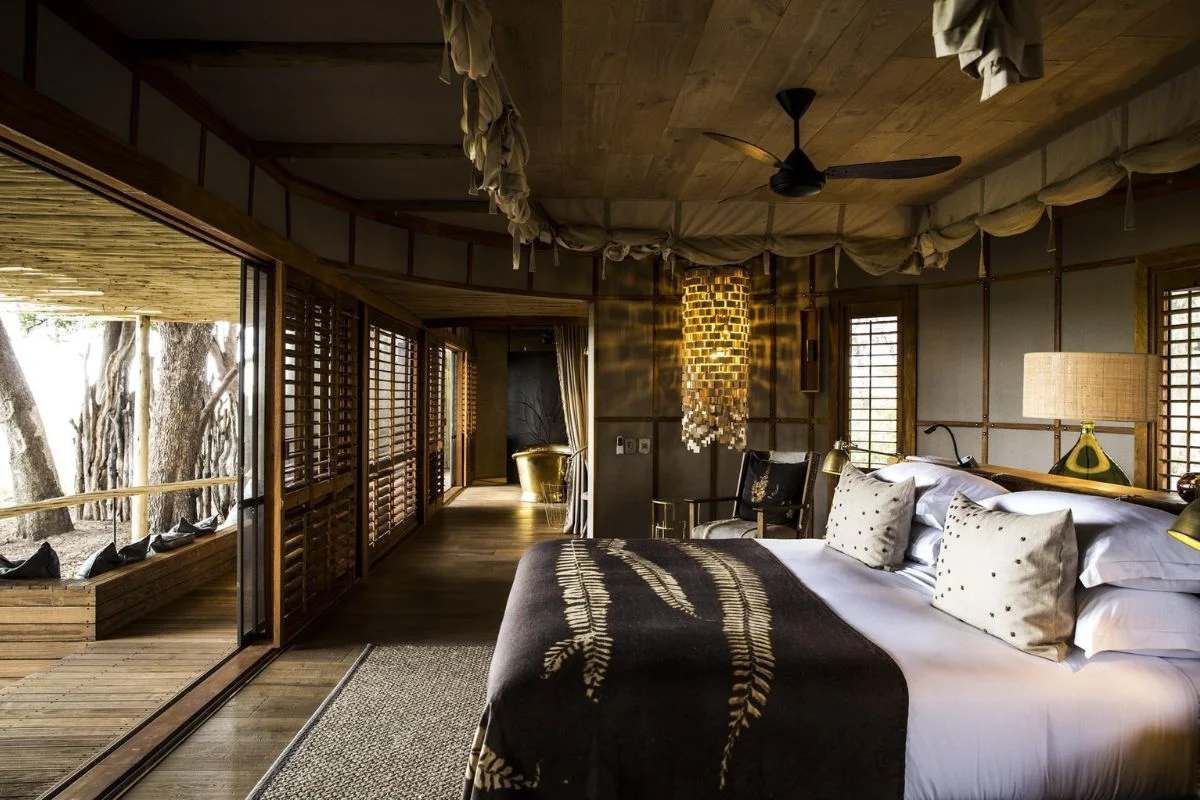
Most luxury properties feature private plunge pools, outdoor bathtubs, floor-to-ceiling windows and personal butlers or dedicated guides.
Budget from $800 per person per night at top-tier lodges; multi-country flying safaris cost $1,200 to $2,000 per person per day.
Many camps operate on low-impact principles: solar power, conservation funding and community partnerships are standard at properties run by operators like Wilderness Safaris and Singita.
Specialist experiences include hot-air balloon flights over the Maasai Mara, mokoro canoe safaris in the Okavango and luxury rail journeys through Namibia's deserts.
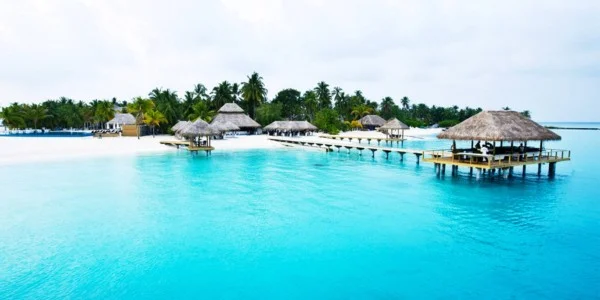
Seychelles Island Escape
Visit the jewel of the Indian Ocean with blue azure waters and white sandy beaches.
Plan My Safari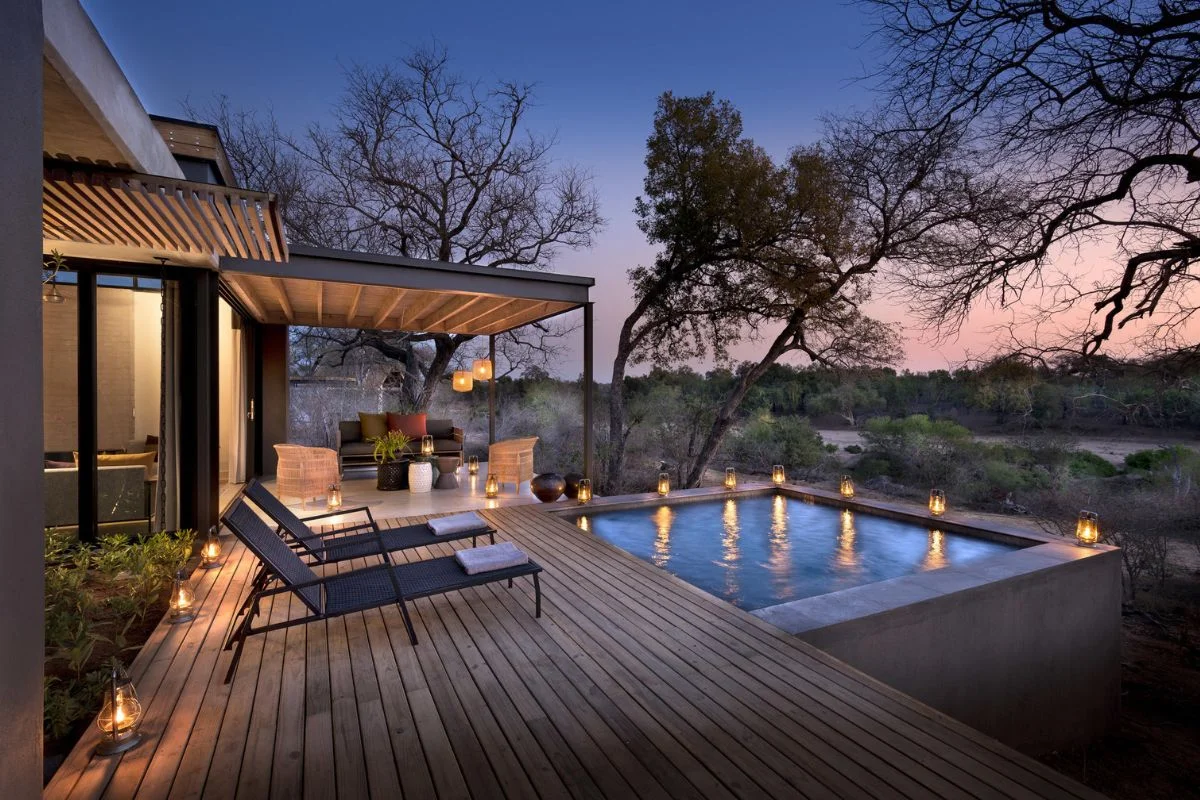
South Africa: contemporary design and Big Five access
Kruger National Park anchors South Africa's luxury safari scene. The park's 7,500 square miles support the Big Five plus cheetah, wild dog and over 500 bird species. Private concessions adjoining Kruger offer unfenced access to the park with exclusive game-viewing rights.
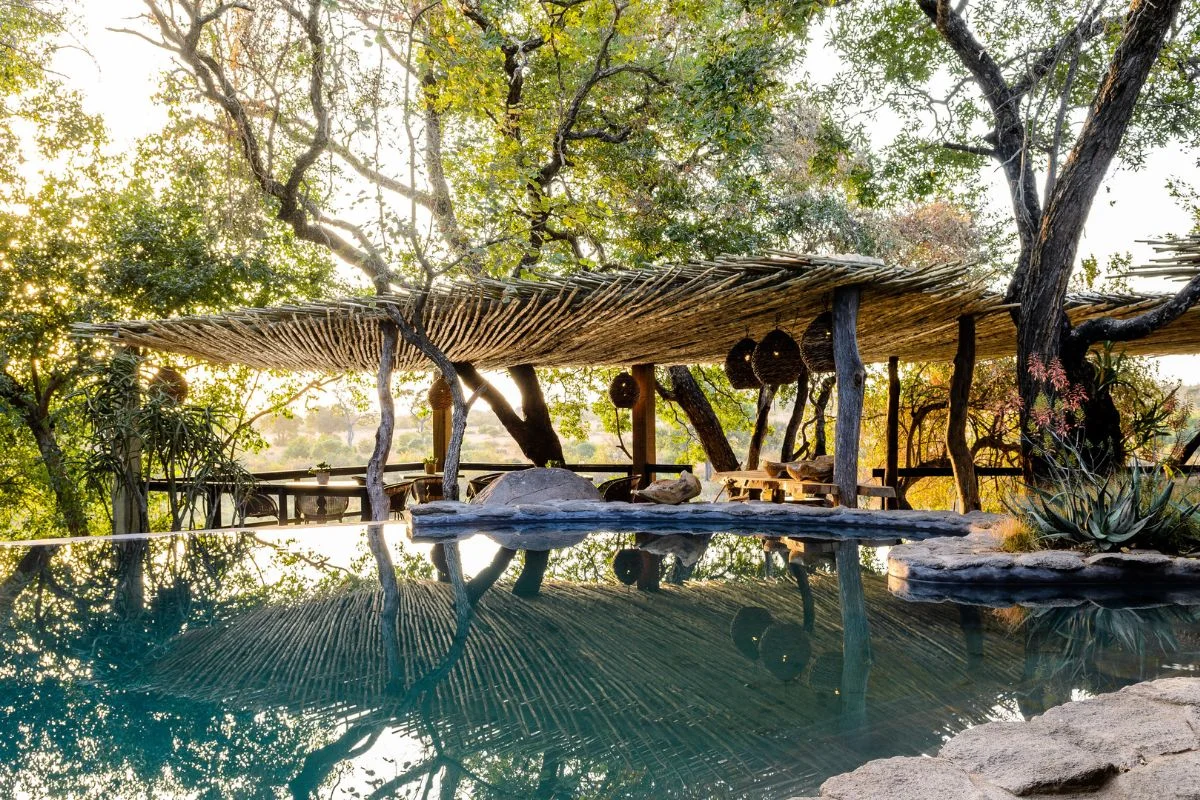
Singita Lebombo Lodge sits on a ridge overlooking the N'wanetsi River in the Kruger's northeast.
The lodge's 15 open-plan suites use floor-to-ceiling glass to frame river views. Each suite includes a private deck, freestanding bath and indoor and outdoor showers. Interiors lean contemporary: concrete, steel and neutral textiles. Shared facilities include a wine studio, rooftop terrace, spa, gym and rim-flow pool. Rates start around $1,200 per person per night, including twice-daily game drives, all meals and premium South African wines.
Kruger is also Africa's leading honeymoon destination, combining reliable Big Five sightings with romantic lodge settings and easy access via Johannesburg.
What makes a safari lodge "luxury" rather than standard?
Luxury safari lodges distinguish themselves through a combination of factors: suite size and privacy (often 80 to 120 square metres with private plunge pools), high staff-to-guest ratios (frequently 3:1 or better), exclusive traversing rights in low-density concessions, expert guides with specialist qualifications, gourmet meals using local and imported ingredients, premium alcohol and wines included, in-suite amenities like espresso machines and heated pools, and design-led architecture that integrates the landscape.
Standard camps offer comfortable accommodation and good guiding but typically lack the private pools, butler service, extensive wine cellars and exclusive traversing zones.
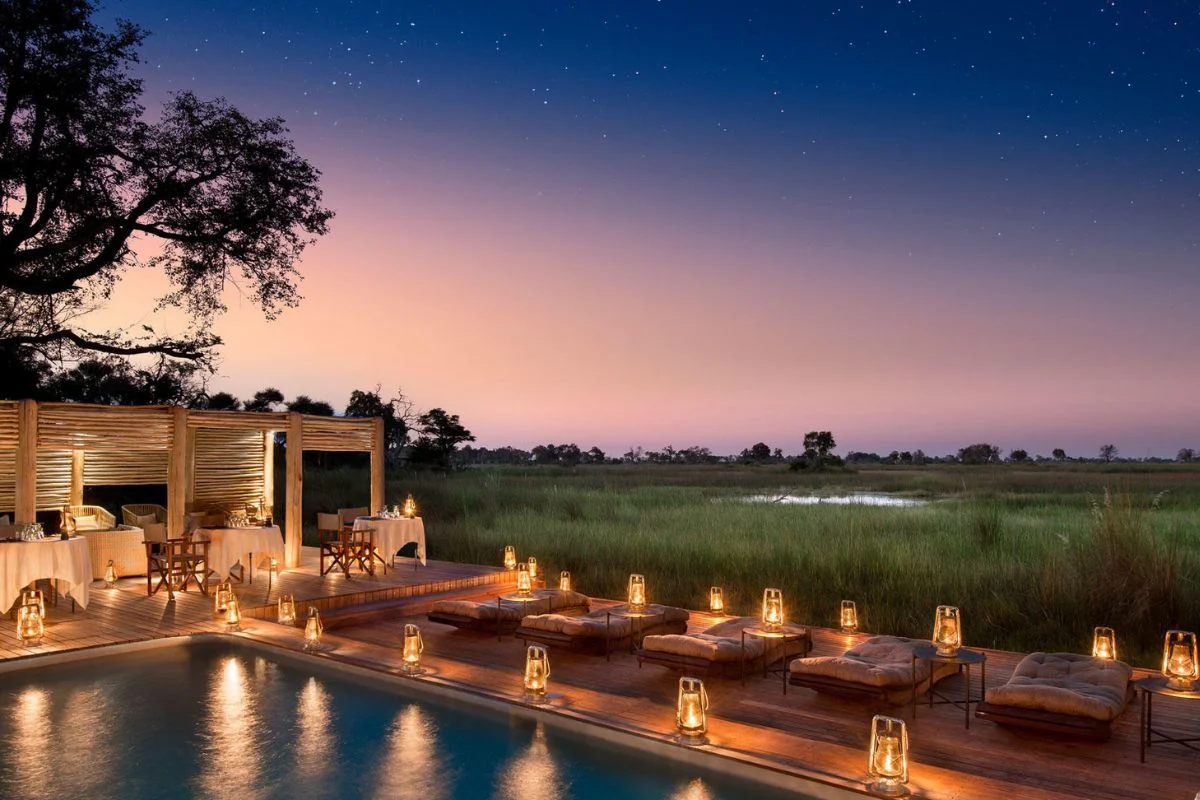
Botswana: Okavango Delta water and wildlife
The Okavango Delta floods seasonally between May and September, creating a mosaic of channels, lagoons and islands that attract elephant, buffalo, lion, leopard and rare sitatunga antelope.
Botswana's low-volume, high-value tourism model limits guest numbers and maintains wilderness character.
Mombo Camp in the Moremi Game Reserve sits on the edge of floodplains that support year-round game concentrations.
The camp's nine tented suites stand on raised decks with separate sala (covered lounge area), outdoor shower and plunge pool. A central gym, spa and two swimming pools serve the camp. Wilderness Safaris, the operator, channels a portion of revenue into rhino reintroduction and anti-poaching programmes. Rates run approximately $1,400 per person per night.
Camp Okavango occupies a permanent water concession in the central Delta. Built on raised wooden platforms across a private island, the camp offers mokoro (traditional dugout canoe) excursions, motorboat safaris and guided walks on neighbouring islands. The 12 guest rooms face the Delta channels; a rim-flow pool overlooks the water. The camp runs entirely on solar power. Rates start around $900 per person per night.
Sanctuary Chief's Camp stands in Chief Moremi's former hunting grounds. The camp's 10 suites each include a private dining area and plunge pool on the deck. The area supports resident prides of lion, packs of wild dog, elephant herds and giraffe. Rates begin near $1,100 per person per night.
Tanzania: crater views and classic canvas
Ngorongoro Crater is a 100-square-mile volcanic caldera supporting around 25,000 large mammals, including black rhino, lion, elephant and hippo. The crater floor sits 600 metres below the rim.
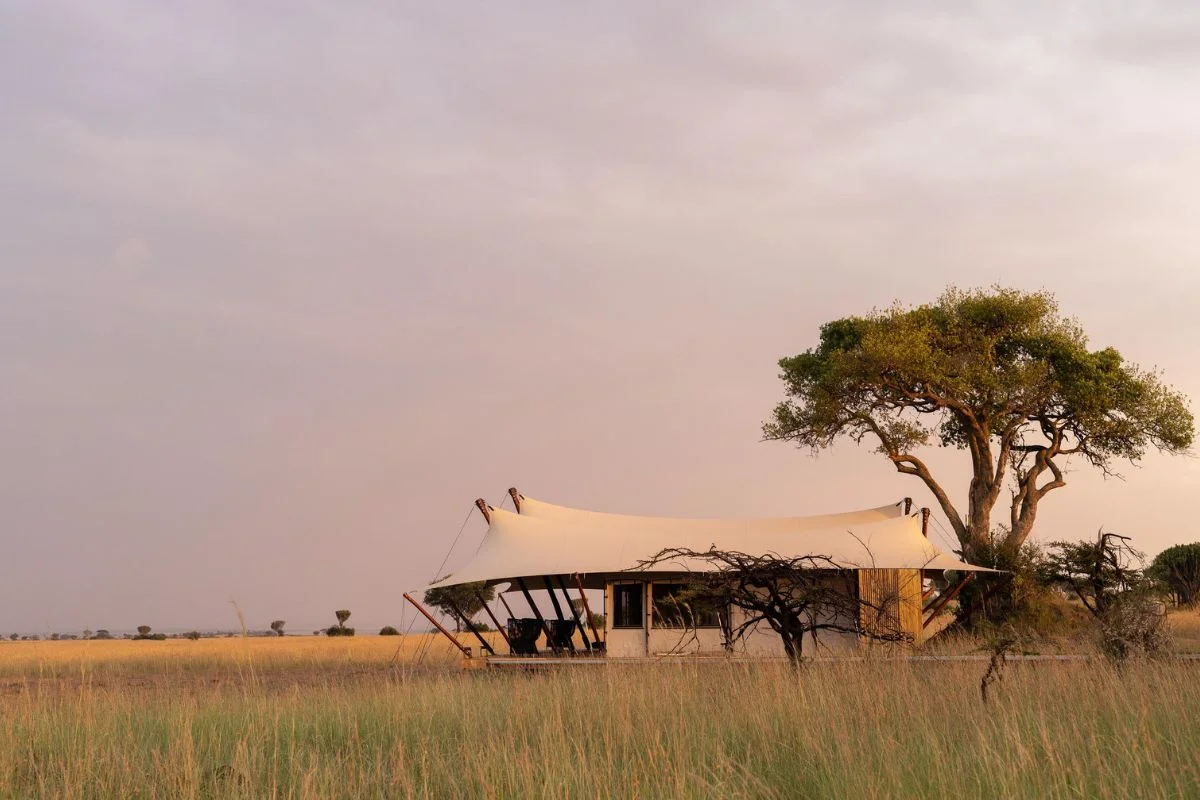
Ngorongoro Crater Lodge perches on the crater's edge, offering floor-to-ceiling views over the caldera. The lodge's design references Maasai architecture but layers in chandeliers, antiques, Persian rugs and silk furnishings.
Each of the 30 suites includes a freestanding bathtub positioned to face the view. Butler service is standard. Day trips descend to the crater floor for game drives. Rates start around $1,300 per person per night.
How do crater safaris differ from traditional bush camps?
Crater rim lodges like Ngorongoro Crater Lodge offer panoramic caldera views and altitude (often 2,200 to 2,400 metres), meaning cooler temperatures and the need for layered clothing.
Game viewing happens via full-day excursions down to the crater floor rather than twice-daily drives from camp. Wildlife density on the floor is exceptionally high, but you share the space with other vehicles under Tanzania National Parks Authority regulations. Traditional bush camps within reserves or private concessions allow for flexible drive timing, off-road tracking and night drives, none of which are permitted in Ngorongoro Crater itself.
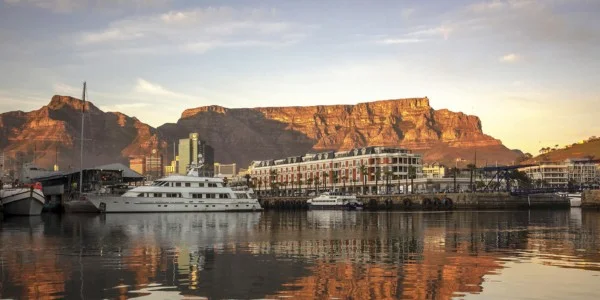
Visit Cape Town
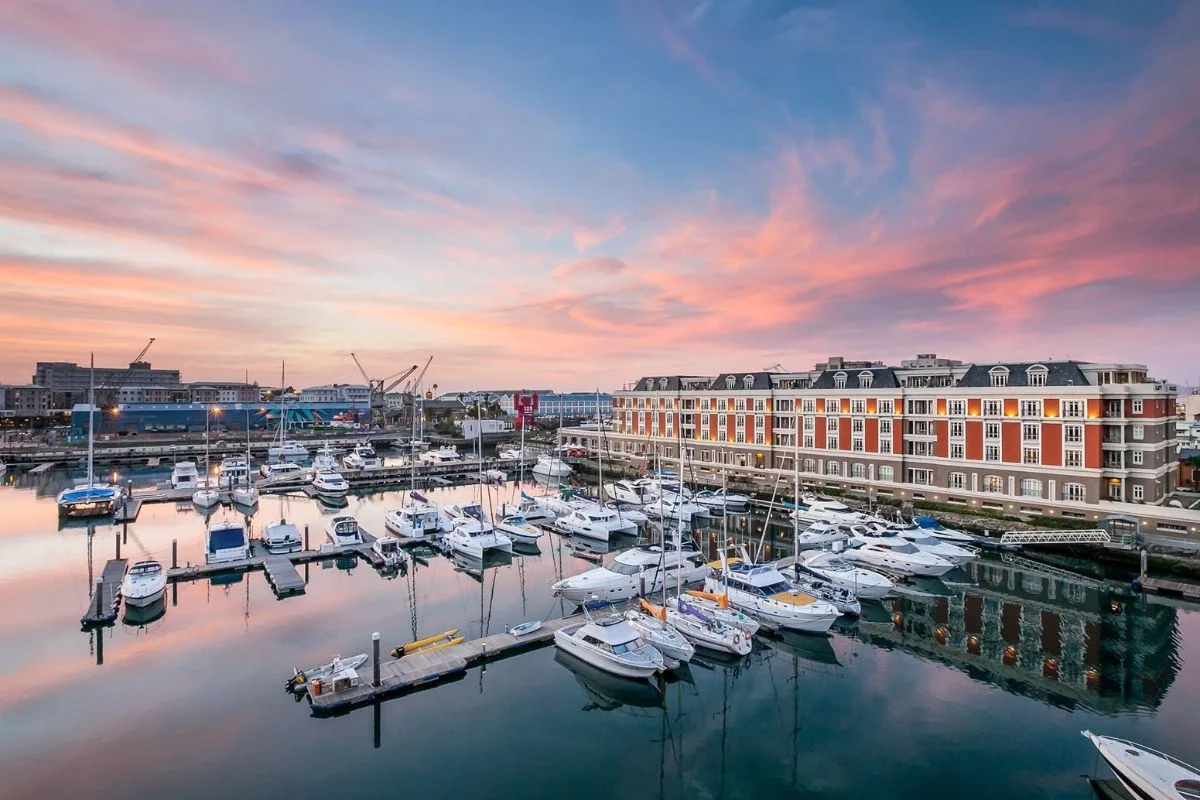
Visit the number one rated city in the world with 8 blue flag beaches, swimming with penguins and so much more
Plan My Safari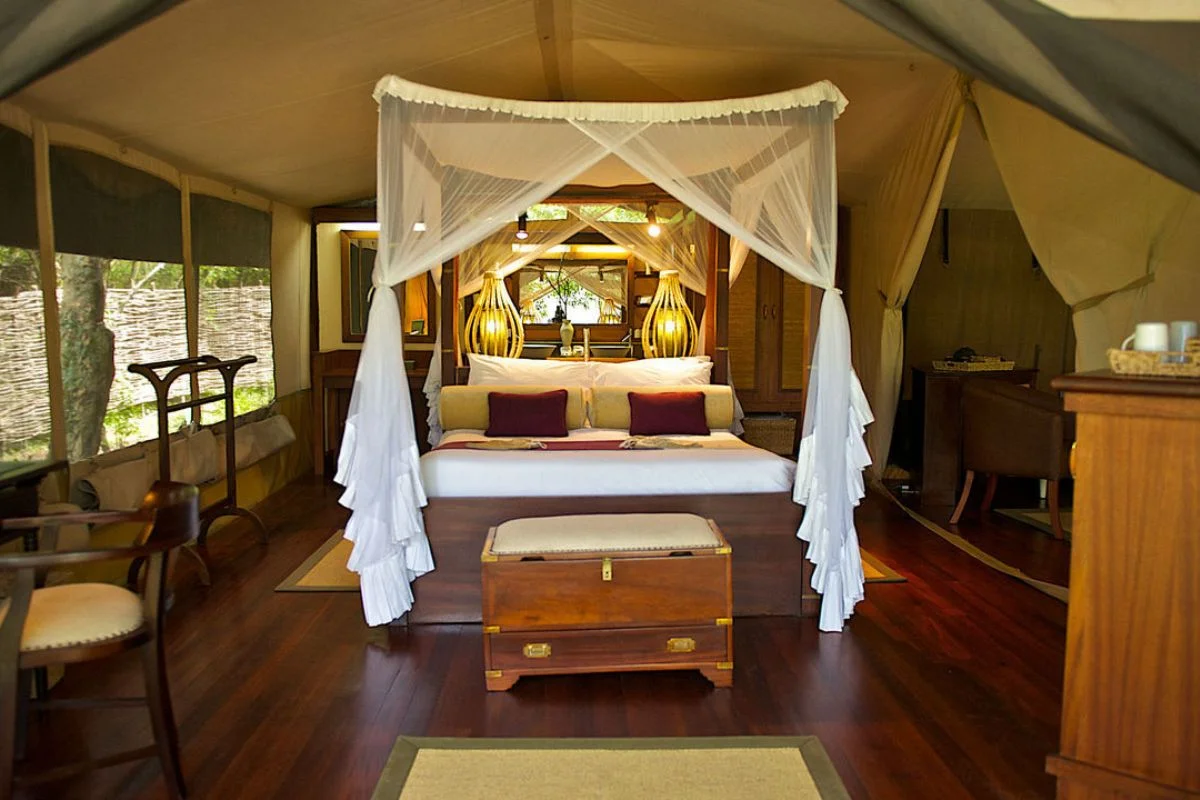
Kenya: Maasai Mara migration and classic safari style
The Maasai Mara National Reserve covers 580 square miles of open grassland in southwest Kenya. Between July and October, over 1.5 million wildebeest and zebra cross the Mara River from Tanzania's Serengeti as part of the annual Great Migration. The reserve also supports resident populations of lion, leopard and cheetah.
Elewana Sand River Mara recreates the aesthetic of 1920s safari camps: thick Persian rugs, campaign furniture, freestanding copper bathtubs, brass lanterns and canvas walls.
The camp's 16 tents sit along the Sand River in the Mara's private Siana Conservancy. Game drives focus on big cat sightings and, during migration season, river crossings. Rates start around $850 per person per night.
Hot-air balloon flights launch at dawn from multiple sites around the Mara. A typical flight lasts 60 to 90 minutes, drifting over riverine forest, open plains and acacia groves as wildlife move below.
Flights end with a champagne breakfast on the savannah. Balloon safaris cost approximately $450 to $550 per person and can be arranged through most Mara lodges.
Namibia: desert landscapes and rail journeys
Namibia's attractions span the red dunes of Sossusvlei, the wildlife populations of Etosha National Park and the rock formations of the Fish River Canyon. The country's low rainfall and sparse vegetation create open sightlines for game viewing and dramatic desert scenery.
Rovos Rail operates a nine-day luxury train safari between Pretoria and Walvis Bay, crossing Namibia's southern deserts and stopping at Sossusvlei, Etosha and the Fish River Canyon.
The train's Edwardian-era carriages feature wood panelling, period fixtures and en-suite bathrooms. Off-train excursions include guided walks among Sossusvlei's dunes and game drives in Etosha.
Meals are served in a formal dining car; the observation car provides panoramic views. A nine-day journey costs approximately $10,000 to $16,000 per person depending on suite category.
Multi-country flying safaris
Flying safaris use light aircraft to link camps across multiple countries, eliminating long road transfers and maximising game-viewing time. A typical itinerary might combine Botswana's Okavango Delta with Kenya's Maasai Mara or Tanzania's Serengeti, with private charters between camps.
Luxury flying safari packages often include a dedicated aircraft (such as a Pilatus PC-12), pilot and guide for the duration. A 13-day itinerary linking Botswana's Duba Plains and Zarafa camps with Kenya's Ol Donyo Lodge (Chyulu Hills) and Mara Plains Camp typically costs $1,500 to $2,000 per person per day, covering all flights, accommodation, meals, drinks and game activities. Ol Donyo offers views of Mount Kilimanjaro across the Tanzania border; Mara Plains sits in a private conservancy with high predator densities.
Frequently asked questions
What is the best time of year for a luxury African safari?
The dry season (June to October across most of southern and East Africa) offers the easiest game viewing because animals concentrate around permanent water sources and vegetation thins out, improving visibility. This is also peak season for lodge rates.
The green season (November to April) brings lower rates, fewer vehicles, dramatic skies and newborn wildlife, but afternoon rains can interrupt drives and some dirt roads become impassable.
For the Great Migration in the Maasai Mara, book July to October. For Botswana's Okavango Delta water levels, visit June to September.
How much does a luxury African safari cost per day?
Budget $800 to $1,500 per person per night at top-tier lodges in South Africa, Botswana, Kenya and Tanzania, which typically includes accommodation, all meals, local drinks and wines, twice-daily game drives and park fees.
Ultra-luxury properties (Singita, North Island, andBeyond's top camps) start around $1,200 to $2,000 per person per night. Multi-country flying safaris with private aircraft run $1,500 to $2,500 per person per day.
Budget an additional $450 to $600 for optional activities like hot-air ballooning or helicopter flights. International flights, visas and gratuities are extra.
Do I need malaria prophylaxis for a luxury safari?
Malaria risk varies by destination and season. South Africa's Kruger, Botswana's Okavango Delta, Kenya's Maasai Mara and Tanzania's Serengeti and Ngorongoro are all malaria zones, particularly during the wet season (November to April).
Prophylaxis is recommended year-round for these areas. Namibia's Etosha is low-risk, and South Africa's Eastern Cape private reserves (Shamwari, Kariega, Kwandwe) are malaria-free.
Consult a travel health clinic at least six weeks before departure. Luxury lodges provide mosquito nets, in-room repellent and air conditioning, but medication remains the primary defence.
Can I combine a luxury safari with a beach extension?
Yes, safari and beach combinations are common. From Kenya, add three to five nights on the Indian Ocean coast at Diani Beach or Lamu, or fly to Zanzibar from Tanzania. From South Africa, pair Kruger with Cape Town and the Winelands, or continue to Mozambique's Bazaruto Archipelago.
Botswana safaris often finish with Mauritius or Seychelles (though these require a connecting flight via Johannesburg).
Most operators build in a rest day between the safari and beach legs to manage fatigue. Beach extensions typically add $400 to $800 per person per night for five-star properties.
What should I pack for a luxury safari?
Pack neutral-coloured clothing (khaki, beige, olive, grey) for game drives; avoid bright colours and camouflage prints. Bring layered clothing because early morning drives can be cold (5 to 10°C), warming to 25 to 30°C by midday.
Essential items include a wide-brimmed hat, sunglasses, high-SPF sunscreen, insect repellent (DEET 30-50%), binoculars, a camera with a zoom lens (200mm minimum), a lightweight rain jacket, comfortable walking shoes and sandals. Most luxury lodges provide laundry service, so you can pack light.
Checked baggage on light aircraft is typically limited to 15 to 20kg in soft bags.
How far in advance should I book a luxury African safari?
Book 9 to 12 months ahead for travel during peak season (July to October) or around major holidays.
Top lodges in the Maasai Mara, Okavango Delta and Kruger sell out a year in advance for Great Migration river crossings and South African school holidays.
Green season travel (November to April) and less-visited parks (Zambia's South Luangwa, Zimbabwe's Mana Pools) often have availability within three to six months.
Private flying safaris and exclusive-use lodges require 12 to 18 months' lead time. Early booking also secures better flight routing and lower international airfares.
Last updated: July 2026