
Africa is a destination like no other with a great many wonderful experiences within short flights of each other. With the correct planning, this trip is the most wonderfully immersive wildlife experience on earth, with incredible luxury properties a feature by themselves.
The route begins in Cape Town, moves inland to the Winelands, then to two private reserves in the Greater Kruger, crosses to Victoria Falls on the Zambezi, and finishes in the Okavango Delta.
Each leg is designed around a specific landscape and experience, with properties selected for their track record rather than novelty.
If this package is too costly see more information on Africa honeymoon costs and packages.
What does the worlds most expensive African safari look like?
Quick answer: This $150,000 safari spans 19 nights and six destinations: Cape Town (The Silo Hotel), Franschhoek (Leeu Estates), two Kruger private reserves (Lion Sands Ivory and Royal Malewane), Victoria Falls (Thorntree River Lodge), and the Okavango Delta (Mombo Camp). The routing prioritises variety in landscape, wildlife density, and lodge category, moving from city to winelands to bush to waterfall to wetland.
The luxury combinations in Africa seemingly have no ceiling when it comes to the very best experiences the world has to offer. This is the ultimate dream 19 Day package.

Days 1 to 3: The Silo Hotel, Cape Town
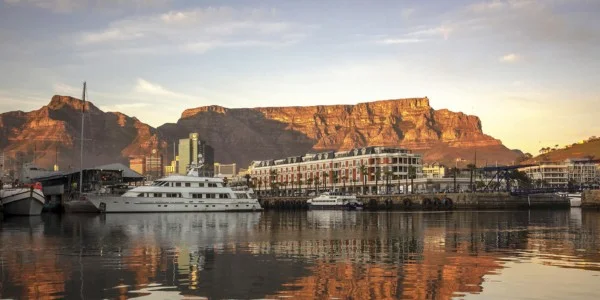
Cape Town anchors the opening leg. The city sits between Table Mountain and the Atlantic, with a microclimate that supports year-round travel.
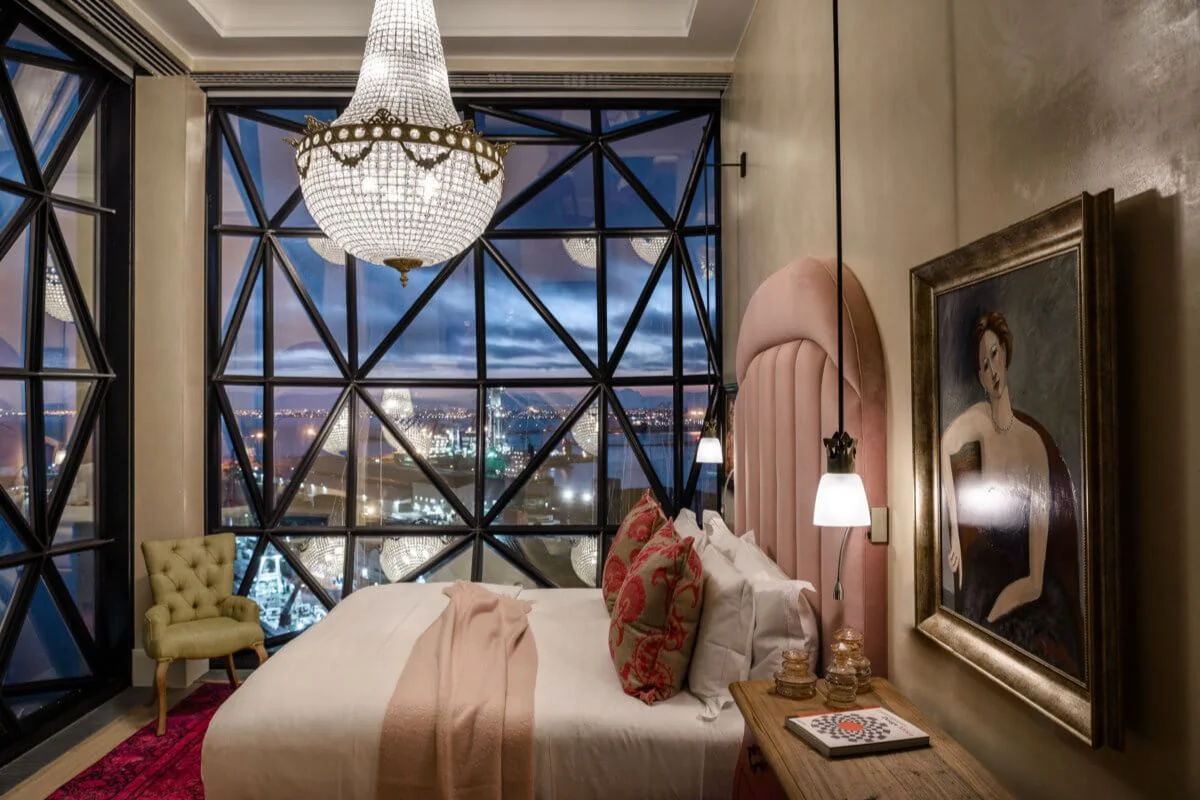
The Silo Hotel occupies the penthouse floors of a grain silo conversion on the V&A Waterfront, adjacent to the Zeitz Museum of Contemporary Art Africa. Rooms are large, each with floor-to-ceiling windows and views over Table Bay or the mountain.
Three nights here allow time for Table Mountain, the Cape Peninsula drive to Cape Point, and a stop at Boulders Beach to see the African penguin colony.
The hotel's location on the waterfront means restaurants, shops, and boat departures are within walking distance.
Private wine tours to Constantia can be arranged as a day trip, though this itinerary dedicates separate nights in the Winelands further on.
Why start in Cape Town?
Cape Town provides an international gateway with direct flights from Europe, North America, and the Middle East. It also serves as a softer landing before the bush, allowing travellers to adjust to the time zone and climate. The city's infrastructure, dining scene, and variety of day trips make it a natural opener for multi-destination safaris.
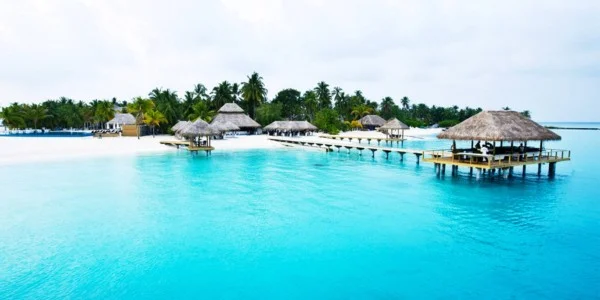
Seychelles Island Escape
Visit the jewel of the Indian Ocean with blue azure waters and white sandy beaches.
Plan My Safari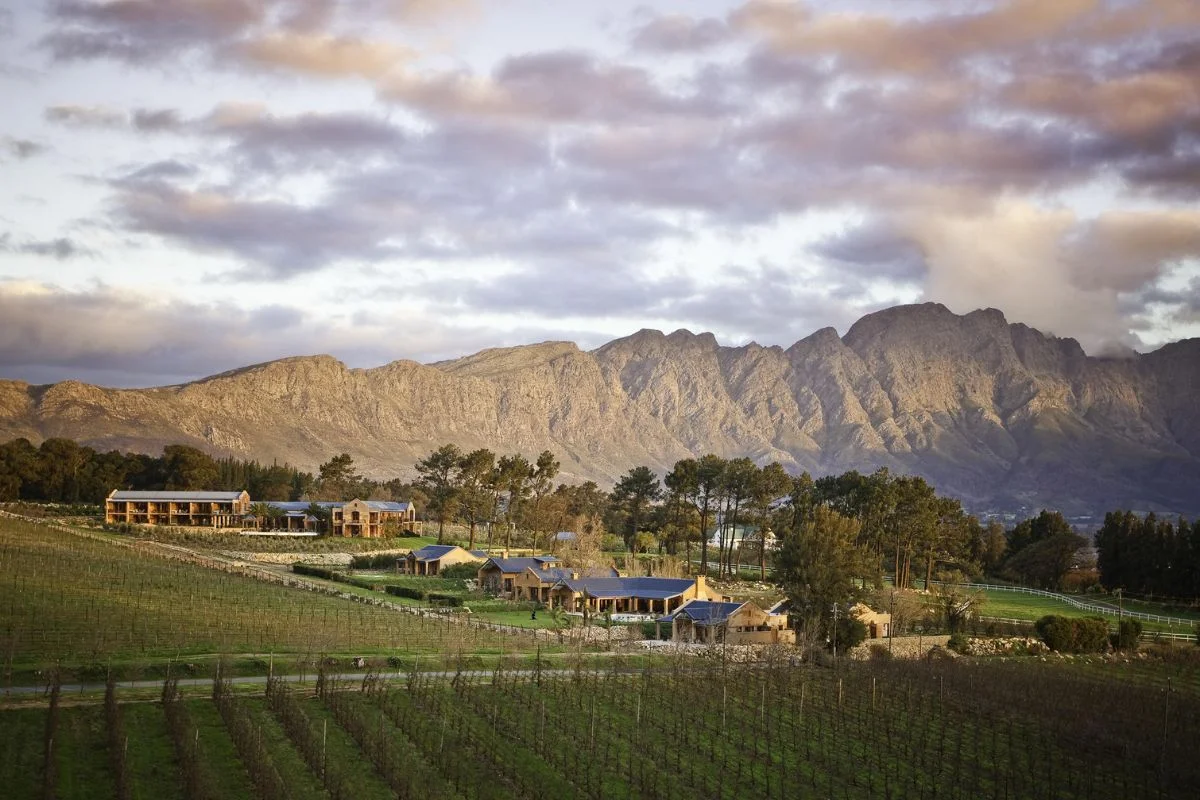
Days 4 to 5: Leeu Estates, Franschhoek
Franschhoek lies 75 kilometres east of Cape Town, set in a valley between the Cape Fold Mountains. The town is the centre of South Africa's culinary scene, with several restaurants holding spots on international rankings.
Leeu Estates is the only Five-Star Premium rated hotel in the region, set among vineyards with suites arranged around gardens and a central manor house.
Two nights here focus on food and wine.
The estate operates its own restaurants, and reservations at nearby properties such as La Colombe or Chefs Warehouse can be arranged. Wine tasting is done at estates within a ten-minute drive, many of which offer private cellar tours.
The property includes a spa, art gallery, and access to the broader Leeu Collection portfolio, which includes additional restaurants and a farm-to-table experience in the town centre.
Cape Town — best time to visit
| J | F | M | A | M | J | J | A | S | O | N | D | |
|---|---|---|---|---|---|---|---|---|---|---|---|---|
| High °C | 27° | 27° | 26° | 23° | 20° | 18° | 17° | 18° | 19° | 22° | 24° | 26° |
| High °F | 81° | 81° | 79° | 73° | 68° | 64° | 63° | 64° | 66° | 72° | 75° | 79° |
| Rain mm | 15 | 17 | 20 | 50 | 95 | 120 | 105 | 90 | 60 | 40 | 25 | 15 |
| Rating |
Cape Town: Mediterranean climate — Nov–Apr is warm and dry; winter (Jun–Aug) is wet and windy.
Ideal — Peak conditions — dry, comfortable, prime wildlife or beach time.
Good — Great conditions with brief showers or warmer days; still highly recommended.
Shoulder — Mixed weather — fewer crowds and lower rates, occasional rain.
Avoid — Heaviest rain or roughest seas; many camps and roads can be affected.
Days 6 to 9: Lion Sands Ivory Lodge, Sabi Sands
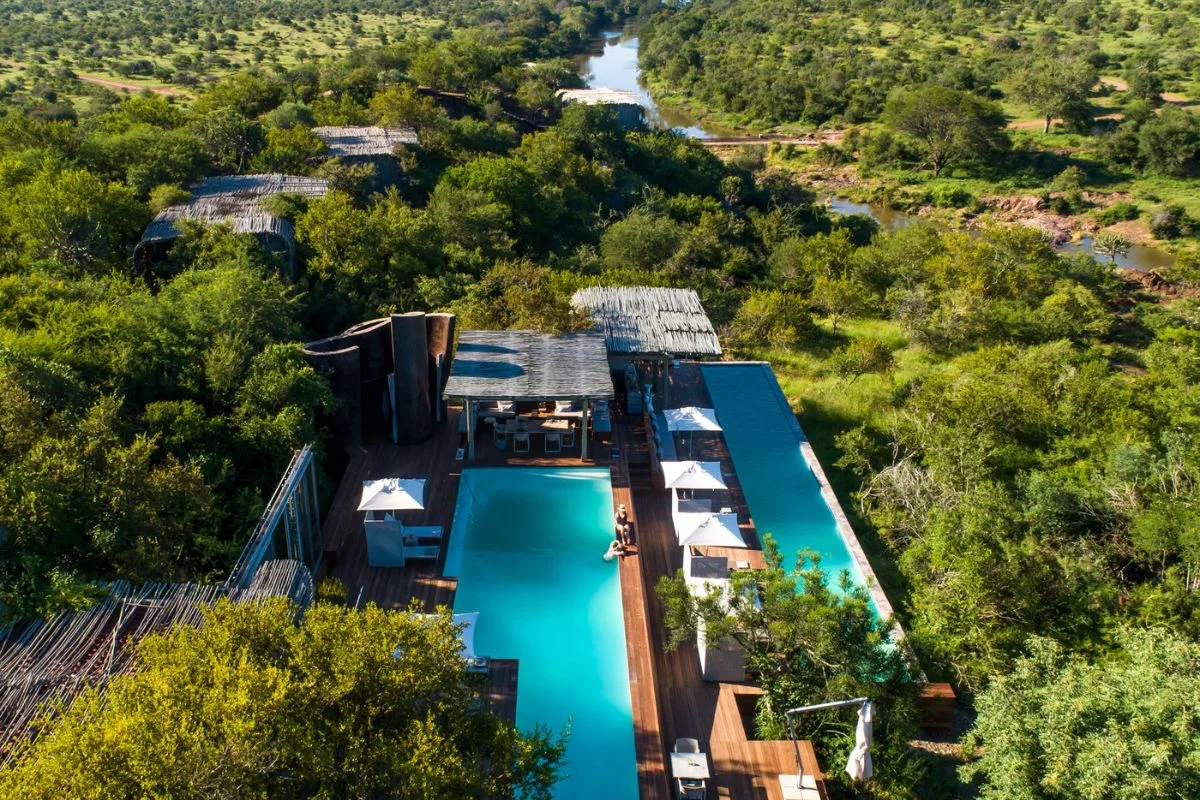
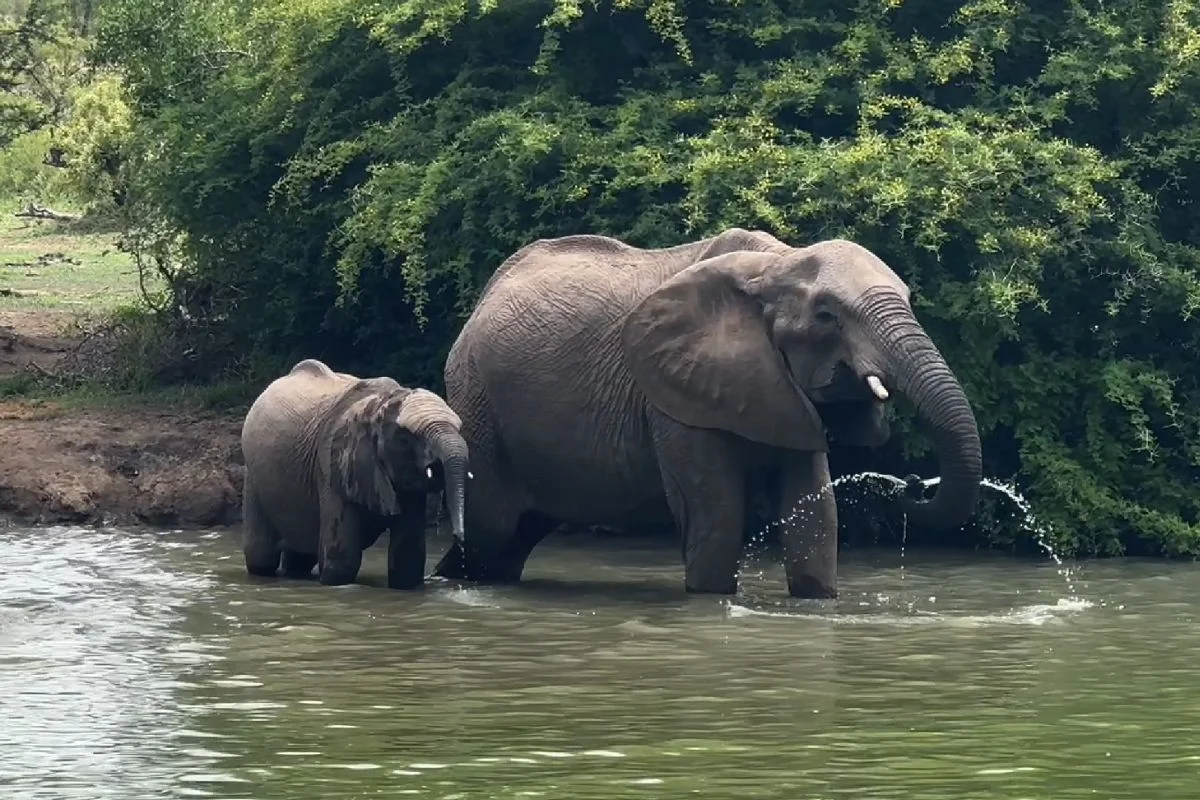
The Sabi Sands is a private reserve bordering Kruger National Park, with no fences separating the two. Wildlife moves freely, and the density of big cats (leopard, lion, cheetah) is higher here than in most of Kruger.
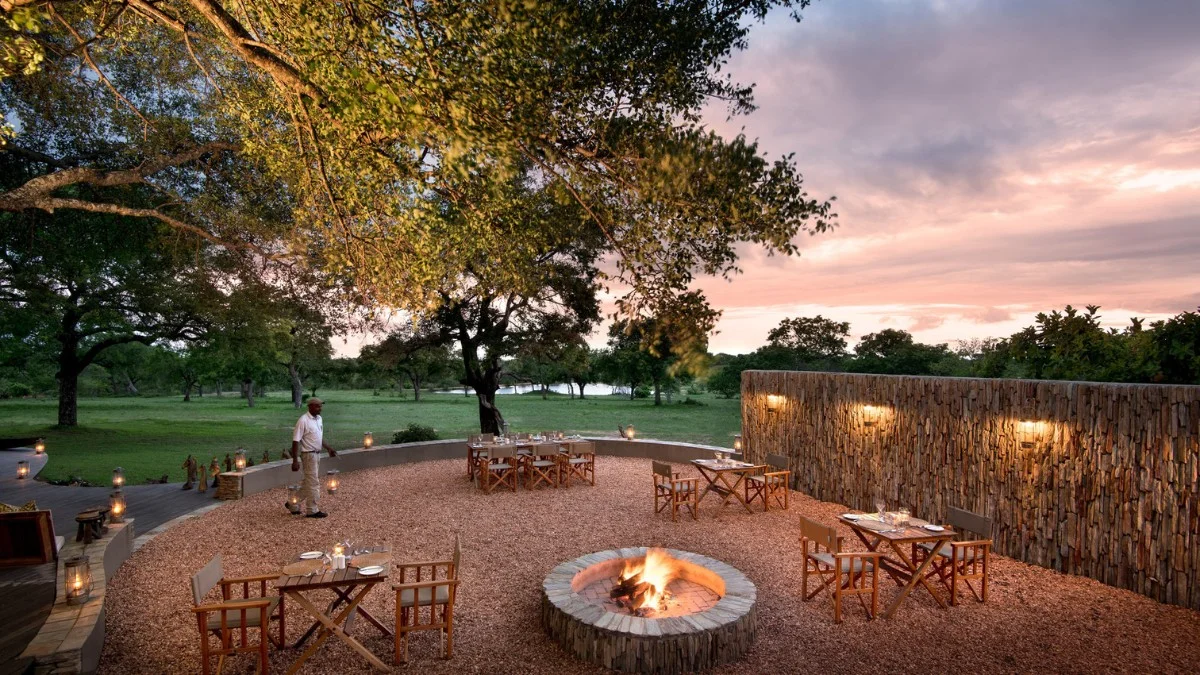
Lion Sands Ivory Lodge sits at the confluence of the Sabie and Sand rivers, with eight suites and a private-use villa. The property operates on a fully inclusive basis: twice-daily game drives, bush walks, meals, drinks, and laundry are covered.
Three nights allow six game drives, which is generally sufficient to see the Big Five (lion, leopard, elephant, buffalo, rhino) and a range of plains game.
The lodge's guides are trained by the Field Guides Association of Southern Africa and average over a decade of experience.
One optional extra is a night in the lodge's treehouse, a raised platform beside a waterhole, where guests sleep under the stars with wildlife moving below.
You can see more information on less costly experiences in our Kruger Park honeymoon safari section.
What makes Sabi Sands different from Kruger National Park?
Sabi Sands is a private reserve, meaning vehicles can drive off-road to follow animals, staying with a sighting as long as it remains productive. National parks restrict vehicles to roads.
The reserve also limits the number of vehicles at each sighting, and lodges share sightings over radio to avoid crowding. Guide quality and vehicle exclusivity are the two main differentiators.
Days 10 to 11: Royal Malewane, Thornybush
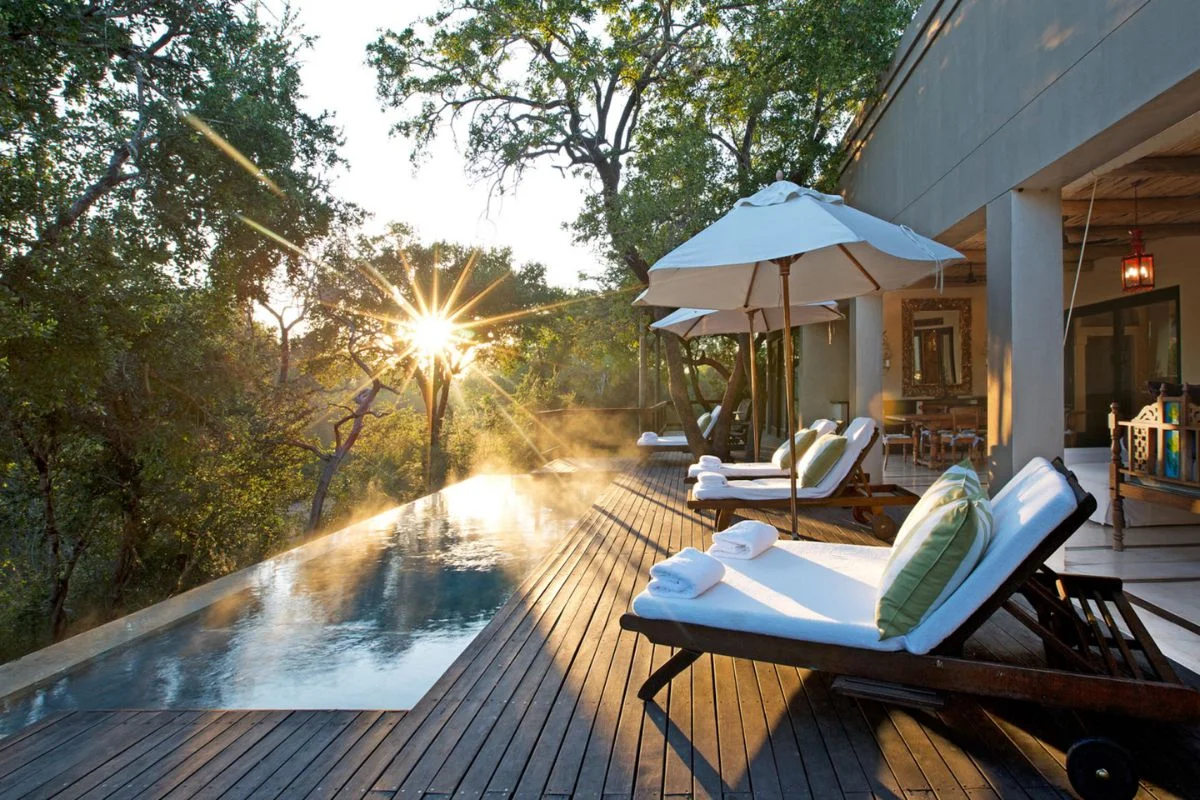
Thornybush is another private reserve adjacent to Kruger, located north of Sabi Sands. Royal Malewane is a member of The Royal Portfolio and holds Five-Star status.
The property has six suites and the Royal and Malewane suites, each with a private pool, sala, and dedicated guide and vehicle. The focus here is on highly personalised game viewing, with flexibility in drive times and routes.
Two nights provide a change of scenery from Sabi Sands while maintaining the quality of wildlife sightings.
Thornybush is less densely booked than Sabi Sands, which can mean quieter drives.
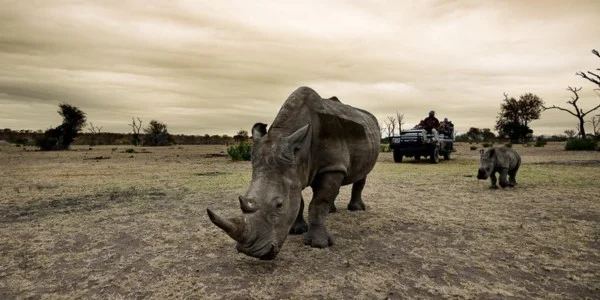
The lodge also offers walking safaris with an armed ranger, tracking species such as white rhino on foot.
The property's spa, wine cellar, and library are secondary to the game viewing, but they add depth to downtime between drives.
Kruger / Sabi Sand — best time to visit
| J | F | M | A | M | J | J | A | S | O | N | D | |
|---|---|---|---|---|---|---|---|---|---|---|---|---|
| High °C | 32° | 31° | 30° | 28° | 26° | 24° | 24° | 26° | 28° | 29° | 30° | 31° |
| High °F | 90° | 88° | 86° | 82° | 79° | 75° | 75° | 79° | 82° | 84° | 86° | 88° |
| Rain mm | 110 | 95 | 75 | 35 | 15 | 10 | 5 | 10 | 25 | 55 | 85 | 105 |
| Rating |
Kruger / Sabi Sand: Dry winter (May–Sep) gives the best game viewing; summer is lush but wet.
Ideal — Peak conditions — dry, comfortable, prime wildlife or beach time.
Good — Great conditions with brief showers or warmer days; still highly recommended.
Shoulder — Mixed weather — fewer crowds and lower rates, occasional rain.
Avoid — Heaviest rain or roughest seas; many camps and roads can be affected.
Days 12 to 13: Thorntree River Lodge, Victoria Falls
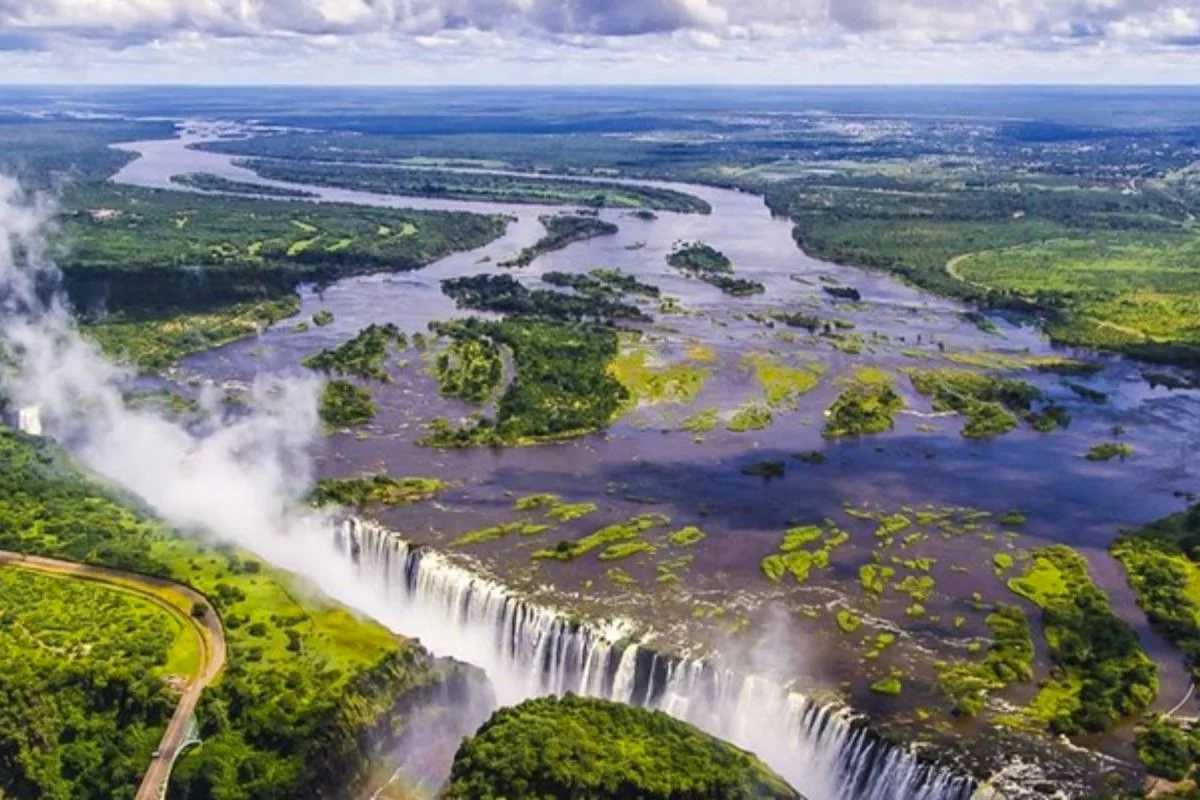
Victoria Falls sits on the border of Zambia and Zimbabwe, where the Zambezi River drops 108 metres over a width of 1,708 metres. Thorntree River Lodge is on the Zambian side, upstream from the falls, operated by andBeyond. The lodge has 14 rooms overlooking the river, with game viewing along the Zambezi and excursions to the falls themselves.
Two nights allow time for a helicopter flight over the falls (the only way to see the full breadth of the curtain), a walking tour along the Zambian side of the gorge, and a sunset cruise on the river.
The lodge also offers rhino tracking in Mosi-oa-Tunya National Park, where white rhino have been reintroduced.
For those willing to swim, Devil's Pool (a natural rock pool at the edge of the falls) is accessible during the dry season, roughly August to January.
Which side of Victoria Falls is better, Zambia or Zimbabwe?
Zimbabwe offers closer views of the main cascade and a more developed trail system. Zambia provides wider angles and fewer crowds, along with easier access to Devil's Pool.
Most travellers staying on the Zambian side cross to Zimbabwe for the day, as visas allow same-day re-entry. This itinerary bases in Zambia for the quieter lodge setting and easier connections to Botswana.
Livingstone (Victoria Falls) — best time to visit
| J | F | M | A | M | J | J | A | S | O | N | D | |
|---|---|---|---|---|---|---|---|---|---|---|---|---|
| High °C | 30° | 30° | 30° | 29° | 27° | 25° | 25° | 28° | 32° | 33° | 32° | 30° |
| High °F | 86° | 86° | 86° | 84° | 81° | 77° | 77° | 82° | 90° | 91° | 90° | 86° |
| Rain mm | 170 | 150 | 90 | 25 | 5 | 0 | 0 | 0 | 2 | 25 | 75 | 165 |
| Rating |
Livingstone (Victoria Falls): Falls in full flood Mar–May; best viewing Apr–Jul. Sep–Nov is hot but lowest water.
Ideal — Peak conditions — dry, comfortable, prime wildlife or beach time.
Good — Great conditions with brief showers or warmer days; still highly recommended.
Shoulder — Mixed weather — fewer crowds and lower rates, occasional rain.
Avoid — Heaviest rain or roughest seas; many camps and roads can be affected.
Days 14 to 16: Mombo Camp, Okavango Delta
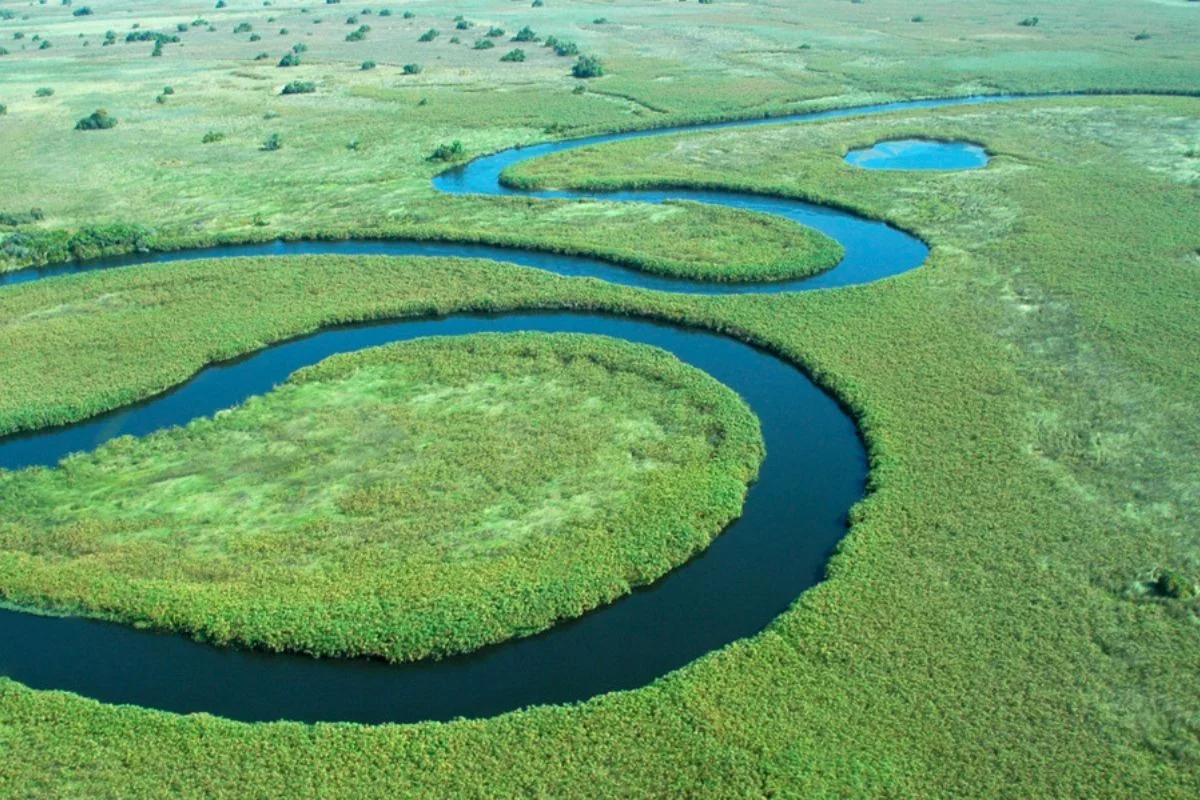
The Okavango Delta is a seasonal inland delta in northern Botswana, where the Okavango River fans out over the Kalahari sands.
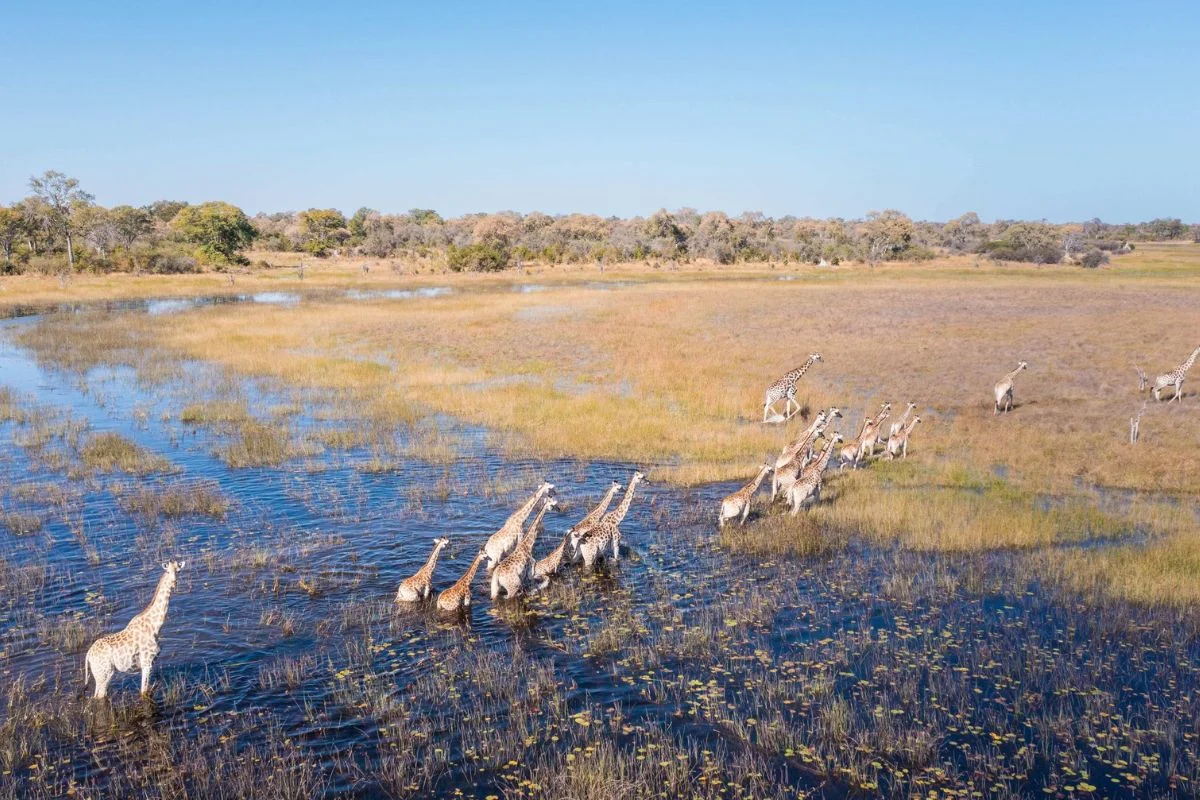
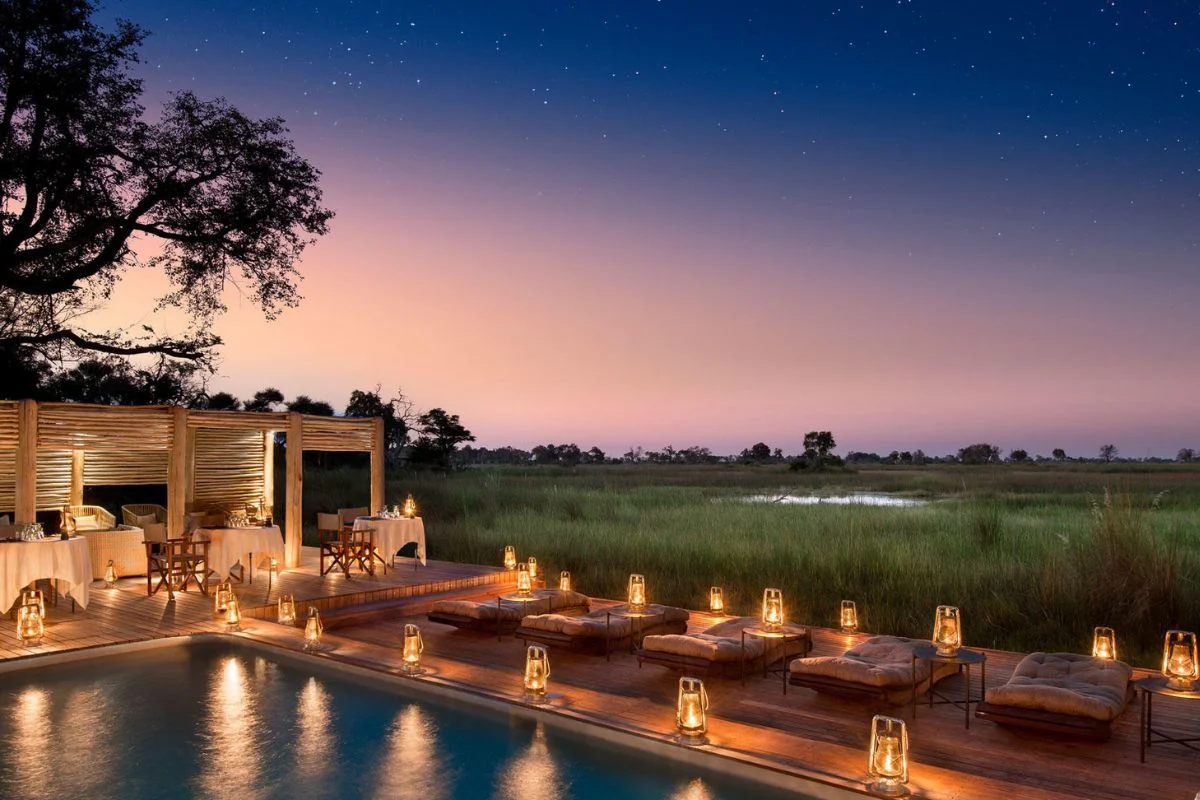
Water levels peak between June and August, creating channels and lagoons that attract elephant herds, buffalo, antelope, and predators. Mombo Camp is run by Wilderness Safaris and sits in the Moremi Game Reserve, on Chief's Island, surrounded by floodplains.
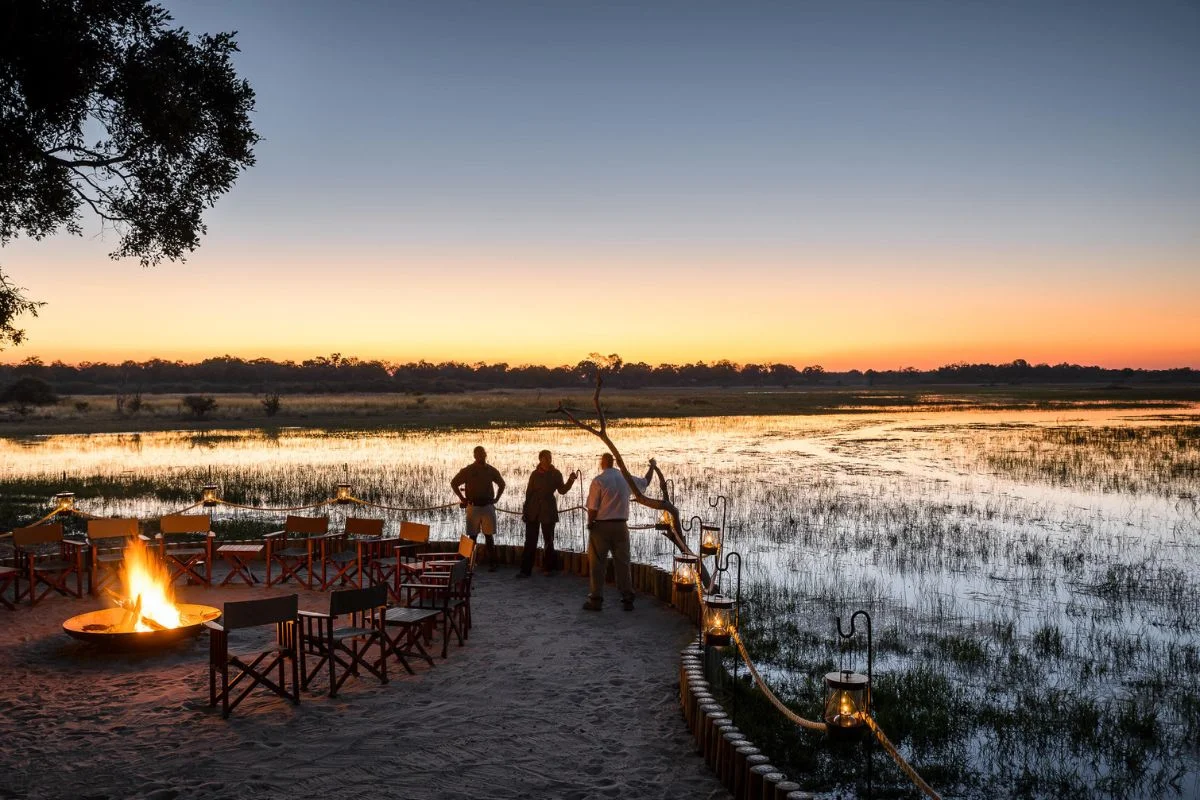
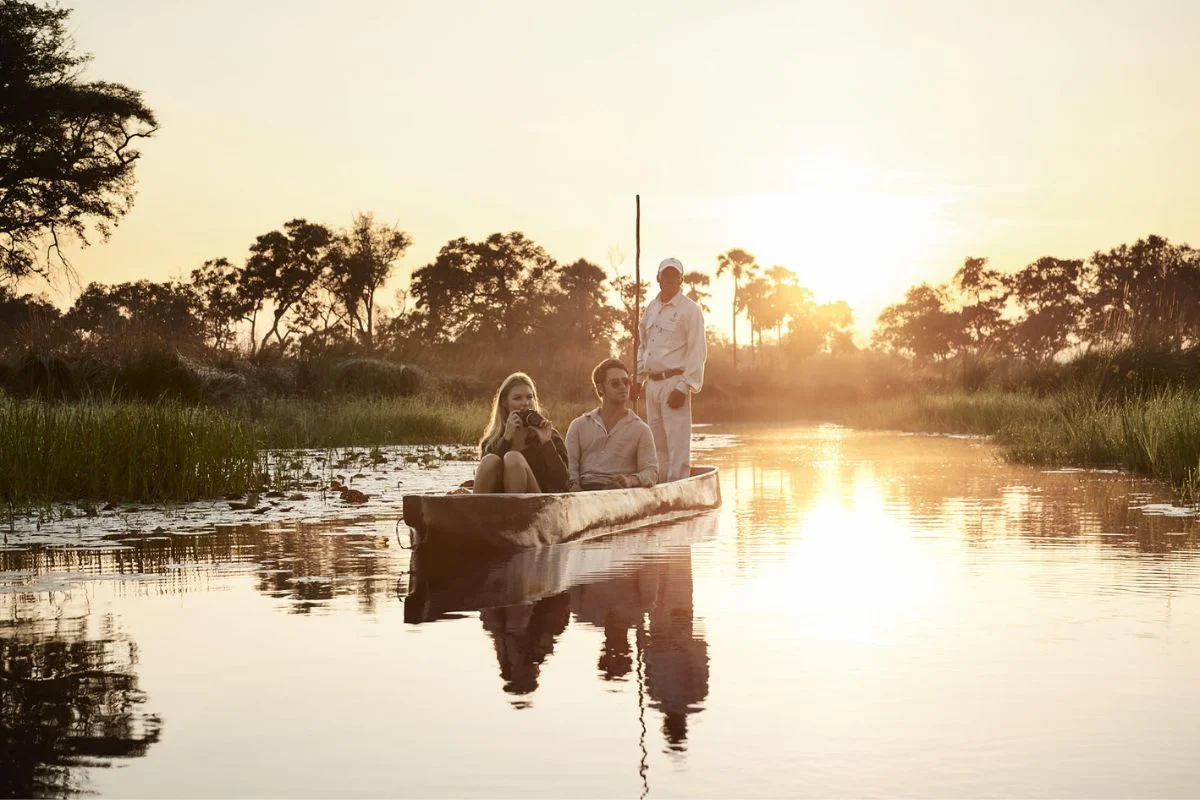
Three nights here include twice-daily game drives, as well as mokoro (traditional canoe) excursions and guided walks. Mombo is known for high concentrations of predators, particularly lion, leopard, and wild dog. The camp has nine tents, each on raised platforms with views over the plains. Wildlife often passes directly in front of the camp, including elephant and buffalo. The region's open landscape makes for long sightlines, which favour photography and tracking.
The property operates on the same all-inclusive model as the Kruger lodges, with the addition of inter-camp transfers by light aircraft. Flights between lodges are scenic in their own right, offering aerial views of the delta's channels and islands.
When is the best time to visit the Okavango Delta?
Water levels peak from June to August, when game viewing is at its best. September and October see lower water but higher concentrations of animals around permanent water sources. November to March is the green season, with fewer crowds and lower rates, though some camps close during the wettest months.
Okavango Delta — best time to visit
| J | F | M | A | M | J | J | A | S | O | N | D | |
|---|---|---|---|---|---|---|---|---|---|---|---|---|
| High °C | 32° | 31° | 31° | 30° | 28° | 25° | 25° | 28° | 32° | 34° | 33° | 32° |
| High °F | 90° | 88° | 88° | 86° | 82° | 77° | 77° | 82° | 90° | 93° | 91° | 90° |
| Rain mm | 110 | 90 | 70 | 25 | 5 | 0 | 0 | 0 | 5 | 35 | 65 | 95 |
| Rating |
Okavango Delta: Floodwaters peak Jun–Aug — prime mokoro and game viewing; summer is hot and wet.
Ideal — Peak conditions — dry, comfortable, prime wildlife or beach time.
Good — Great conditions with brief showers or warmer days; still highly recommended.
Shoulder — Mixed weather — fewer crowds and lower rates, occasional rain.
Avoid — Heaviest rain or roughest seas; many camps and roads can be affected.
Visit Cape Town
Visit the number one rated city in the world with 8 blue flag beaches, swimming with penguins and so much more
Plan My SafariLogistics and cost structure
The $150,000 budget for this itinerary covers accommodation, most meals, all game-viewing activities, inter-destination flights, and ground transfers. International flights to and from Cape Town are additional, as are gratuities, premium alcohol, and optional extras such as the treehouse night or helicopter flight over Victoria Falls (though the latter can be negotiated into packages).
The routing is deliberate: Cape Town and Franschhoek serve as bookends to acclimatise before and after the bush.
The two Kruger reserves offer variety in landscape and guiding style without requiring long transfers.
Victoria Falls provides a natural midpoint before the final leg to Botswana. Each property is accessed by scheduled charter or road transfer, with minimal waiting time between legs.
This level of safari suits travellers who prioritise location, service, and privacy over novelty or quantity of destinations. Each lodge on the route has been operating for at least a decade, with consistent reviews and a track record in high-end travel.
Last updated: September 2026