

What makes a luxury Africa honeymoon safari special?
There is no place on earth to immerse yourself in the wildlife of mother nature than on an African safari, no other continent offers the variety of animals, making it a wonderful bucket list experience.
Entry packages
$7,000 per person, 8 nights
Mid-tier $9,000 to $16,000
Peak safari season
May to October (dry winter)
Migration July to October
Top destinations
Kruger, Masai Mara, Serengeti, Seychelles
Plus Cape Town, Victoria Falls
Beach extensions
3 to 5 nights post-safari
Seychelles, Mozambique, Mauritius
Quick answer
Africa honeymoon safaris explained
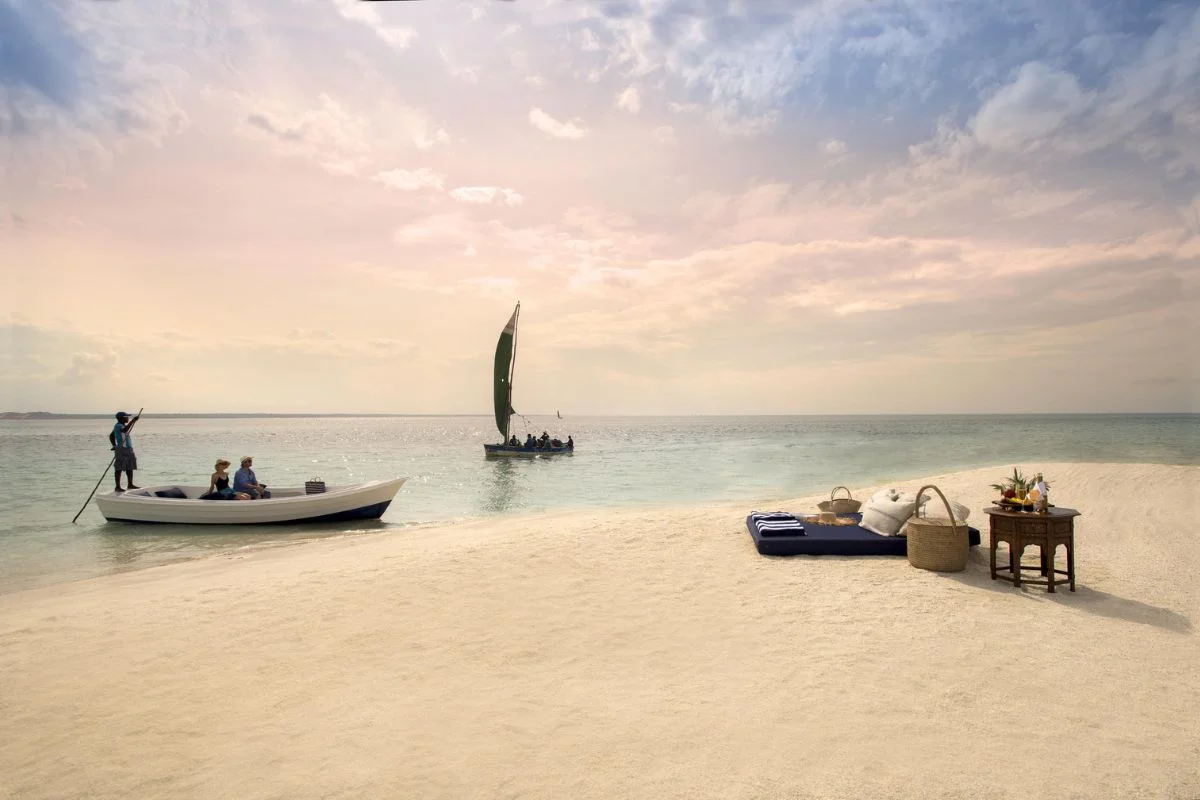
Luxury Africa honeymoons combine Big Five game drives in private reserves with Indian Ocean beaches. Most couples book 8 to 14 nights pairing Kruger, Masai Mara or Serengeti with Seychelles, Mozambique or Cape Town. Travel May to October for dry-season wildlife viewing, or shoulder months for fewer crowds and lower rates.
Last updated 7 August 2026.
- Typical duration
- 8 to 14 nights
- Entry package cost
- From $7,000 per person
- Best safari months
- May to October
- Migration crossings
- July to October
- Top value destination
- Kruger private reserves
- Beach extension
- 3 to 5 nights
Key takeaways
Top destinations include Kruger Park, Masai Mara, Serengeti, Seychelles, Cape Town, Victoria Falls, and Mozambique's islands.
Most honeymoon packages run 8 to 14 nights and combine safari, city, and beach elements.
Peak safari season runs May to October (dry winter), with the Great Migration July to October in Kenya and Tanzania, where you can get super Kenya honeymoon packages.
Entry-level all-inclusive packages start around $7,000 per person for 8 nights; mid-tier packages run $9,000 to $16,000 for 11 to 14 nights.
Kruger Park honeymoon packages offer the best value for all-inclusive Big Five safaris in Africa.
Beach extensions to Seychelles, Mozambique, or Mauritius add 3 to 5 nights of relaxation after safari.
What our travellers say

Sam, thank you for everything. The entire trip exceeded our expectations and we could not of dreamed of a more perfect honeymoon. Thank you for your attention to detail as well as the great planning. We are sad to be leaving but are taking home awesome memories and YES…. A few photographs as well.
★★★★★ The Lunds, California, USA
Best Africa honeymoon destinations
Below are the seven most popular Africa honeymoon destinations enjoyed by newlyweds from around the world. Find your dream honeymoon destination here.
1. Kruger Park, South Africa
Kruger Park and its adjacent private reserves (Sabi Sands, Kapama, Timbavati) deliver the best value for all-inclusive Big Five safaris in Africa.
Private reserves offer twice-daily game drives, no fences between properties, and lodges that include all meals, drinks, and guided activities in one rate.
Most lodges sit in 15,000 to 65,000 hectare concessions with high predator densities.
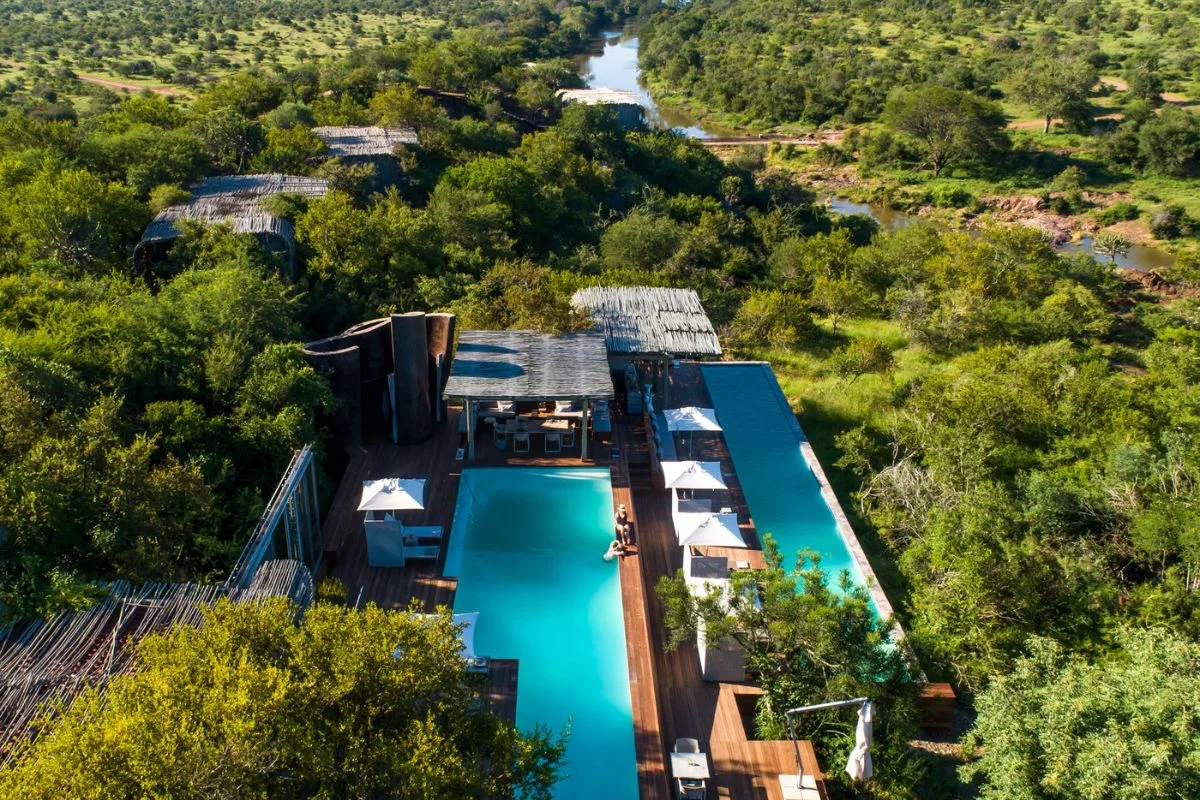
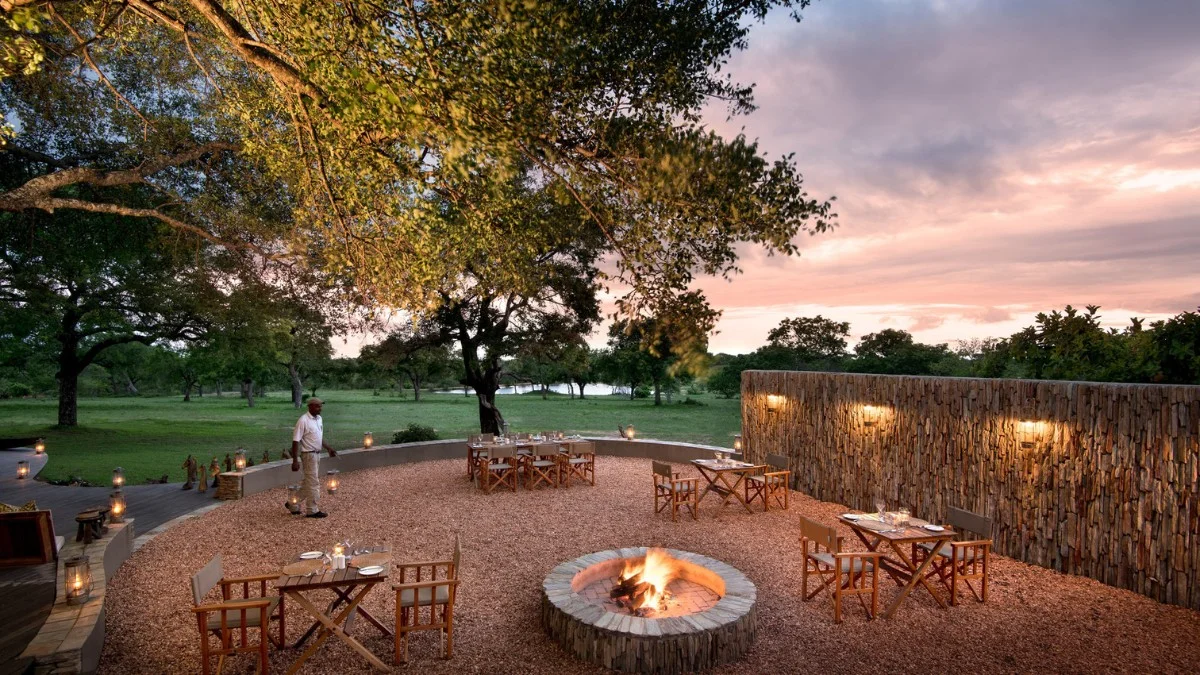
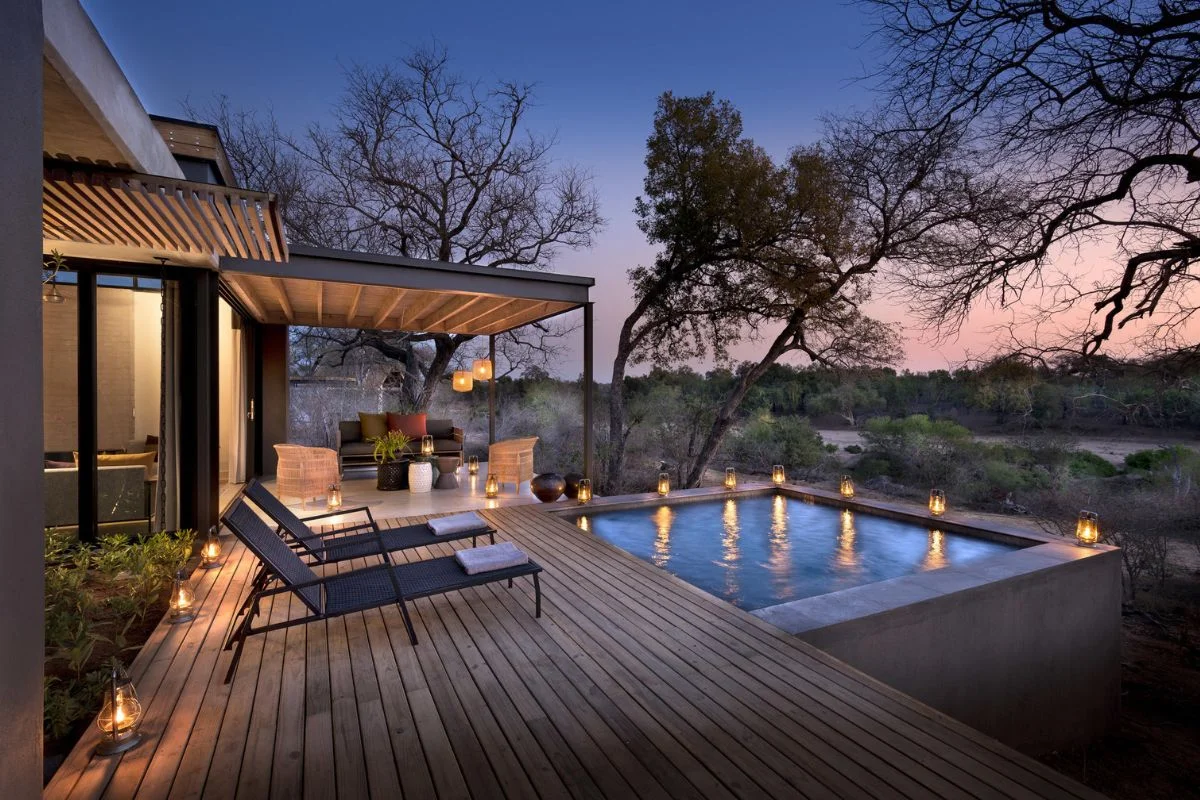
Couples stay in intimate lodges (six to ten suites), often with private plunge pools and outdoor showers. Days follow a rhythm: early morning game drive, brunch, spa or pool time, afternoon drive, dinner under the stars.
The parks lie three hours northeast of Johannesburg by road or one hour by scheduled air transfer.
Why choose Kruger Park over Kenya or Tanzania?
Kruger's private reserves cost 30 to 40 percent less than equivalent lodges in Kenya's Masai Mara or Tanzania's Serengeti for the same all-inclusive standard.
South Africa's stronger infrastructure, stable currency (relative to travel spend in USD), and ease of combining Cape Town or the Winelands in one trip make it the top-value safari honeymoon base.
Wildlife density in Sabi Sands rivals anywhere in Africa, particularly for leopard sightings.
Kruger / Sabi Sand — best time to visit
| J | F | M | A | M | J | J | A | S | O | N | D | |
|---|---|---|---|---|---|---|---|---|---|---|---|---|
| High °C | 32° | 31° | 30° | 28° | 26° | 24° | 24° | 26° | 28° | 29° | 30° | 31° |
| High °F | 90° | 88° | 86° | 82° | 79° | 75° | 75° | 79° | 82° | 84° | 86° | 88° |
| Rain mm | 110 | 95 | 75 | 35 | 15 | 10 | 5 | 10 | 25 | 55 | 85 | 105 |
| Rating |
Kruger / Sabi Sand: Dry winter (May–Sep) gives the best game viewing; summer is lush but wet.
Ideal — Peak conditions — dry, comfortable, prime wildlife or beach time.
Good — Great conditions with brief showers or warmer days; still highly recommended.
Shoulder — Mixed weather — fewer crowds and lower rates, occasional rain.
Avoid — Heaviest rain or roughest seas; many camps and roads can be affected.
Travel costs in Kruger Park
South Africa
Kruger luxury lodges run $600 to $2,500 per person nightly. Private concessions command premium rates over Sabi Sands properties.
| Tier | Per person / night | What you get |
|---|---|---|
| Standard Luxury | $600-$900 | Established Sabi Sands lodges with classic suites, twice daily game drives, and quality guiding. |
| Premium Luxury | $1,000-$1,600 | Private plunge pools, expansive suites, premium concession access, specialist guides, and curated wine cellars. |
| Ultra-Luxury | $1,800-$2,500 | Exclusive use villas, private vehicle and guide, spa suites, and exceptional leopard viewing territories. |
What's included
- All meals and premium beverages
- Twice daily guided game drives
- Bush walks with armed rangers
- Sabi Sands conservancy fees
- Private vehicle airport transfers
What's not included
- International flights to Johannesburg
- Premium champagnes and spirits
- Spa treatments and massages
- Gratuities for staff and guides
- Travel and evacuation insurance
Best value tip
Book shoulder months of April, May or October for ideal weather and lower rates.
Last updated 6 August 2026
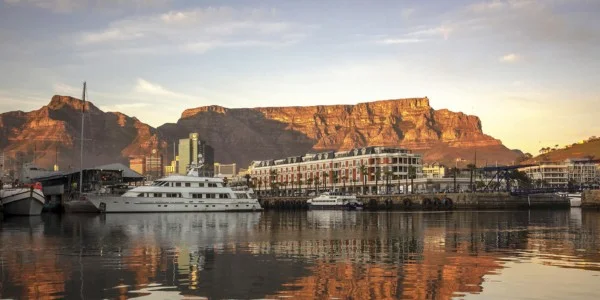
Visit Cape Town
Visit the number one rated city in the world with 8 blue flag beaches, swimming with penguins and so much more
Plan My Safari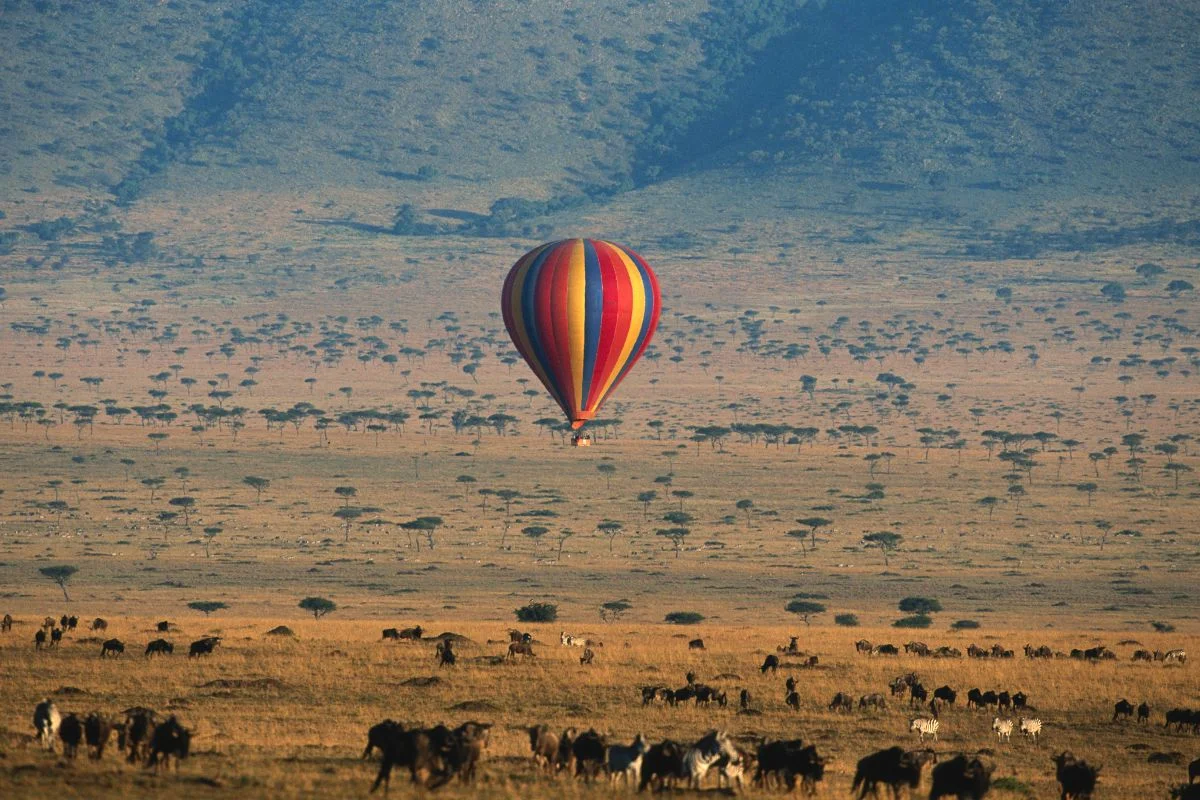
2. Masai Mara, Kenya
The Masai Mara anchors Kenya safari itineraries and is famous for the Great Migration river crossings from July to October. Outside migration season, the Mara conservancies (Mara Naboisho, Olare Motorogi, Ol Kinyei) offer exclusive low-density game viewing with private guiding and night drives unavailable in the main reserve.
Most Kenya honeymoon lodges sit in these conservancies: tented camps with 6 to 12 suites, king beds, ensuite bathrooms, and verandas overlooking the plains.
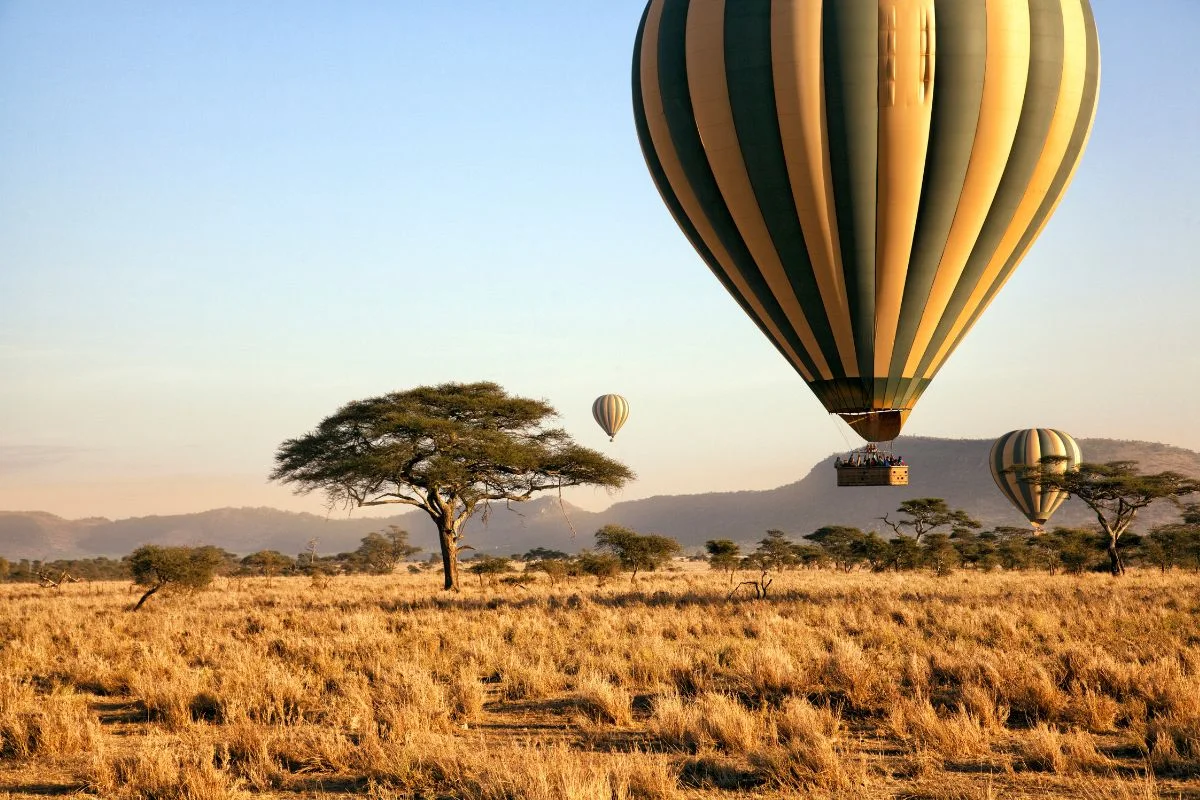
Hot air balloon safaris launch at dawn and land with champagne breakfasts in the bush.
Fly from Nairobi (Wilson Airport) to the Mara in 45 minutes on scheduled light aircraft.
Combine the Mara with two to three nights on Kenya's coast (Diani Beach, Lamu) or Tanzania's Zanzibar for a beach extension.
What our travellers say
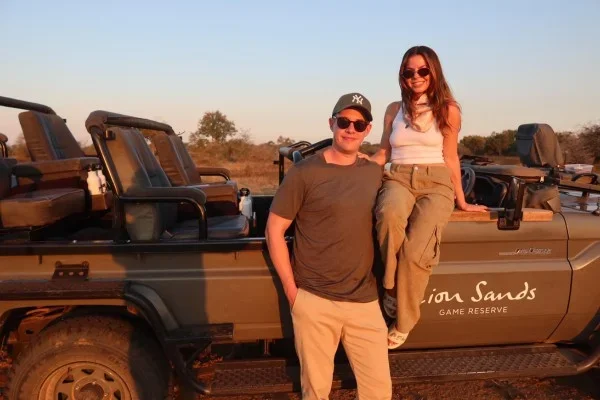
We can’t thank Sam enough for planning our honeymoon in Africa! She helped us decide everything from what countries to visit, what time of year would work for our itinerary, where to stay and what tours to do. She was able to plan the whole thing fairly last minute and adapt to all of my crazy ideas even a week out from departure! Our safari was such a highlight, and it was such an incredible choice. Every driver, airport attendee and hotel was incredible and thoughtfully chosen. Sam nailed the vibe and the budget and made this our favourite trip to date 🙂
★★★★★ The Becks, California, USA
Travel costs in Masai Mara
Kenya
Masai Mara luxury safaris run $650 to $2,500 per person per night. Peak season July to October commands premium rates.
| Tier | Per person / night | What you get |
|---|---|---|
| Standard Luxury | $650 - $950 | Permanent tented camps with ensuite bathrooms, twice daily game drives, and communal dining under canvas. |
| Premium Luxury | $1,000 - $1,600 | Spacious suites with private decks, butler service, premium wine lists, bush dinners, and prime Mara territory. |
| Ultra-Luxury | $1,700 - $2,500 | Private conservancies, exclusive game viewing, personal guides and vehicles, champagne sundowners, and exceptional culinary programs. |
What's included
- All meals and premium beverages
- Twice daily game drives
- Park and conservancy fees
- Laundry service and Wi-Fi
- Airstrip transfers within Mara
What's not included
- International and Nairobi flights
- Hot air balloon safaris
- Champagne and premium spirits
- Masai village visits and tips
- Travel and evacuation insurance
3. Serengeti, Tanzania
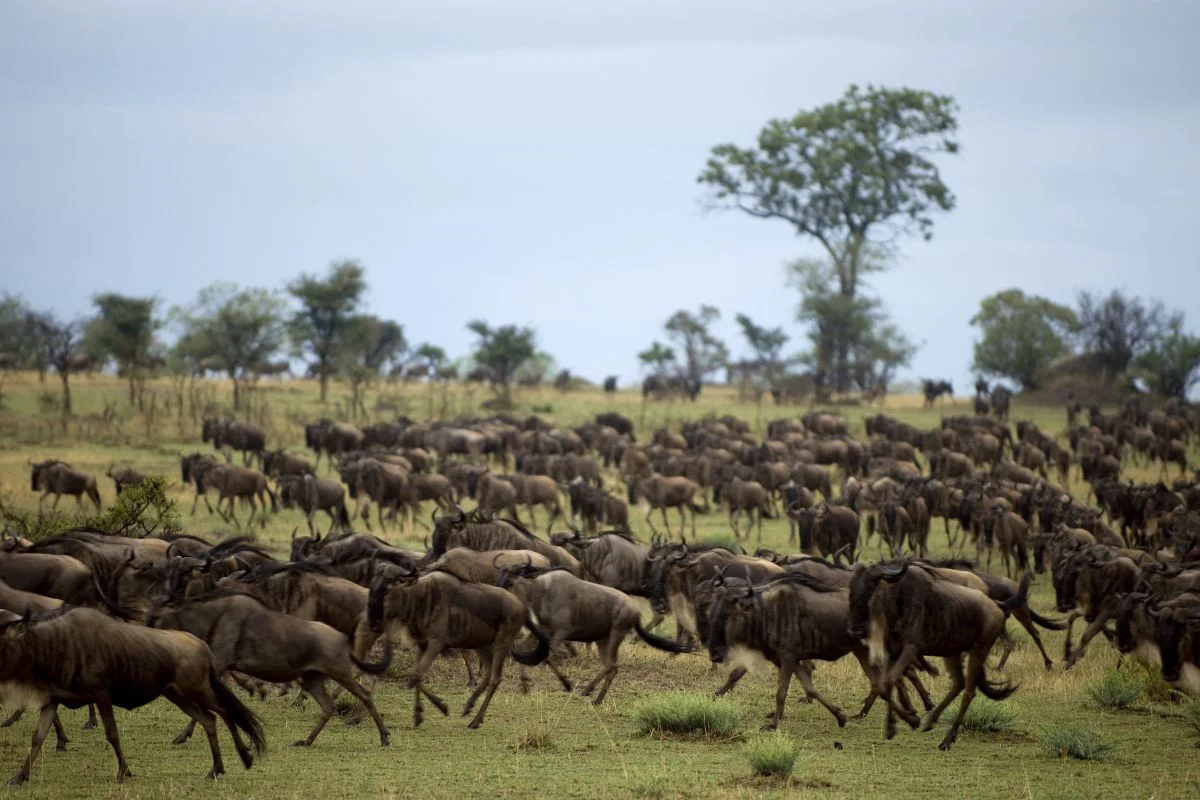
The Serengeti spans 14,750 square kilometres and hosts the largest terrestrial mammal migration on earth: 1.5 million wildebeest, 200,000 zebra, and 300,000 Thomson's gazelle. Migration timing varies by region.
The southern plains (Ndutu) see calving season in January and February. The Western Corridor hosts river crossings May to July. The northern Serengeti (Kogatende) sees crossings into Kenya's Mara from August to October.
Lodges range from mobile tented camps that follow the herds to permanent properties in the central Seronera region, which offers year-round resident game (lion prides, leopard, cheetah).
Most honeymoon camps feature 6 to 12 tents with ensuite bathrooms, king beds, and private decks. Access via Kilimanjaro International Airport (for northern Serengeti) or Arusha Airport, then one to two hours by light aircraft to airstrips within the park.
Travel costs in Serengeti
Tanzania
Expect $650 to $2,500 per person per night in the Serengeti's luxury camps and lodges. Peak season drives prices 40% higher than low season.
| Tier | Per person / night | What you get |
|---|---|---|
| Standard Luxury | $650 - $950 | Permanent tented camps with en-suite bathrooms, quality guiding, full board, and twice daily game drives. |
| Premium Luxury | $1,000 - $1,600 | High-end camps featuring private decks, premium locations, bush dinners, spa services, and expert naturalist guides. |
| Ultra-Luxury | $1,700 - $2,500 | Exclusive mobile camps and elite lodges with private plunge pools, butler service, and flexible private guiding. |
What's included
- All meals and house beverages
- Twice daily shared game drives
- Serengeti National Park fees
- Light aircraft transfers within Tanzania
- Laundry service at most camps
What's not included
- International flights to Tanzania
- Premium imported spirits and champagne
- Hot air balloon safaris
- Gratuities for guides and staff
- Travel and medical insurance
Kenya vs Tanzania
Kenya offers easier access and year-round game viewing, while Tanzania delivers fewer vehicles and a wilder feel. We find Kenya suits first-timers wanting convenience, Tanzania rewards those seeking solitude.
| What matters | Kenya | Tanzania |
|---|---|---|
| The Great Migration | Kenya hosts the dramatic river crossings from July to October, when millions of wildebeest plunge into the Mara River. Tanzania holds the calving season in February, plus the migration for. | |
| Beach Extensions | Kenya offers direct flights to Diani Beach, a solid Indian Ocean option 90 minutes from the Mara. Tanzania combines with Zanzibar, a more romantic island with Stone Town culture, but. | |
| Wilderness and Infrastructure | Kenya feels more developed with better roads, reliable WiFi, and polished camps throughout the Mara. Tanzania keeps the Serengeti rawer, with rougher tracks and a genuine sense of remoteness our. | |
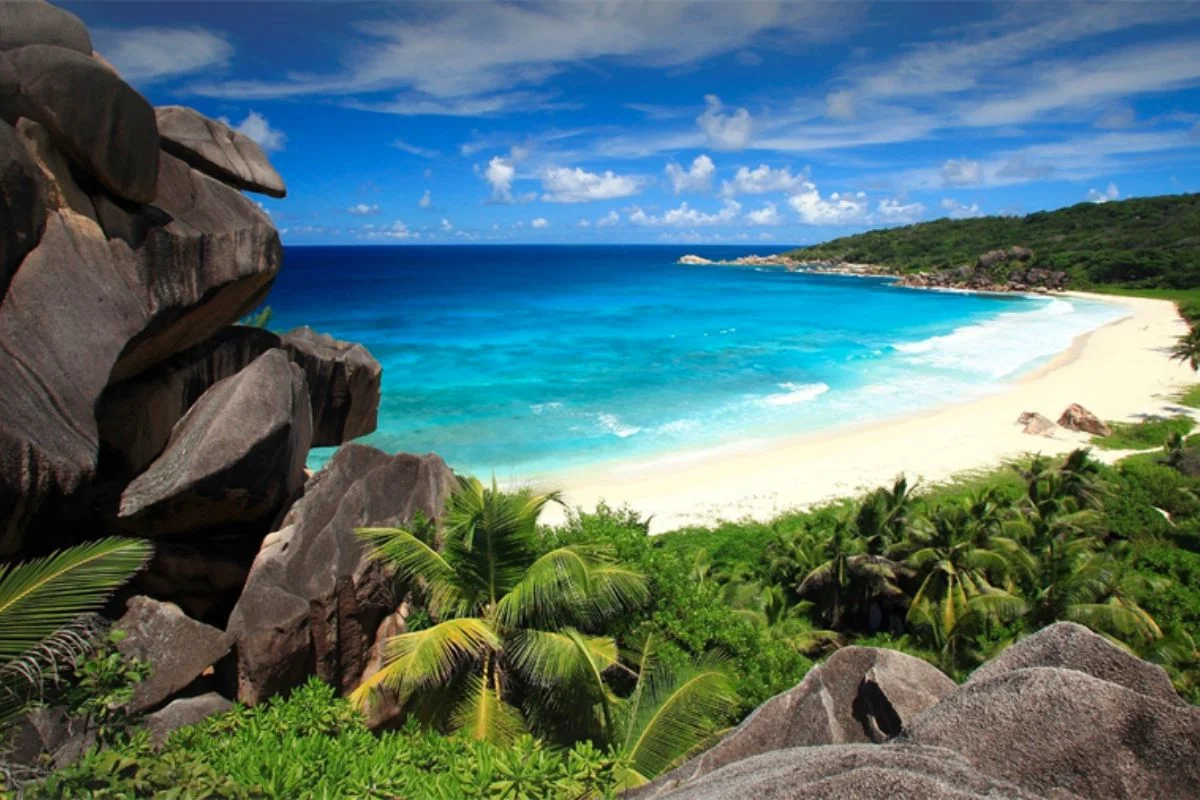
4. Seychelles
Seychelles comprises 115 granite and coral islands in the Indian Ocean, 1,600 kilometres east of mainland Africa.
The three main islands (Mahé, Praslin, La Digue) host most resorts. Honeymooners favour properties on Mahé's northwest coast (Beau Vallon, Anse Soleil), Praslin's Anse Lazio, or private island resorts like North Island or Frégate.
Expect white sand beaches, turquoise water (28°C year-round), and resorts with beachfront villas, infinity pools, and overwater dining. Activities include snorkelling in marine parks, island-hopping by helicopter or boat, and hiking to granite viewpoints.
Seychelles works best as a four to five night beach extension after safari. Fly direct from Johannesburg (four hours) or via Addis Ababa or Nairobi from East Africa.
Praslin / La Digue — best time to visit
| J | F | M | A | M | J | J | A | S | O | N | D | |
|---|---|---|---|---|---|---|---|---|---|---|---|---|
| High °C | 30° | 31° | 31° | 31° | 30° | 29° | 28° | 28° | 29° | 30° | 30° | 30° |
| High °F | 86° | 88° | 88° | 88° | 86° | 84° | 82° | 82° | 84° | 86° | 86° | 86° |
| Rain mm | 320 | 220 | 165 | 140 | 110 | 80 | 70 | 80 | 105 | 165 | 200 | 260 |
| Rating |
Praslin / La Digue: Drier than Mahé — outstanding beach time Apr–May and Sep–Nov.
Ideal — Peak conditions — dry, comfortable, prime wildlife or beach time.
Good — Great conditions with brief showers or warmer days; still highly recommended.
Shoulder — Mixed weather — fewer crowds and lower rates, occasional rain.
Avoid — Heaviest rain or roughest seas; many camps and roads can be affected.
Travel costs in Seychelles
Seychelles luxury lodges run $800 to $3,500 per person per night, fully inclusive. Island exclusivity and marine activities drive premium pricing.
| Tier | Per person / night | What you get |
|---|---|---|
| Standard Luxury | $500 - $800 | Beachfront hotels on Mahe or Praslin with full board, guided snorkeling, and island transfers included. |
| Premium Luxury | $1,100 - $2,000 | Private pool villas on secluded beaches, butler service, spa treatments, diving excursions, and helicopter transfers. |
| Ultra-Luxury | $2,000 - $3,500 | Exclusive private island resorts with overwater villas, personal chefs, yacht charters, and unlimited premium activities. |
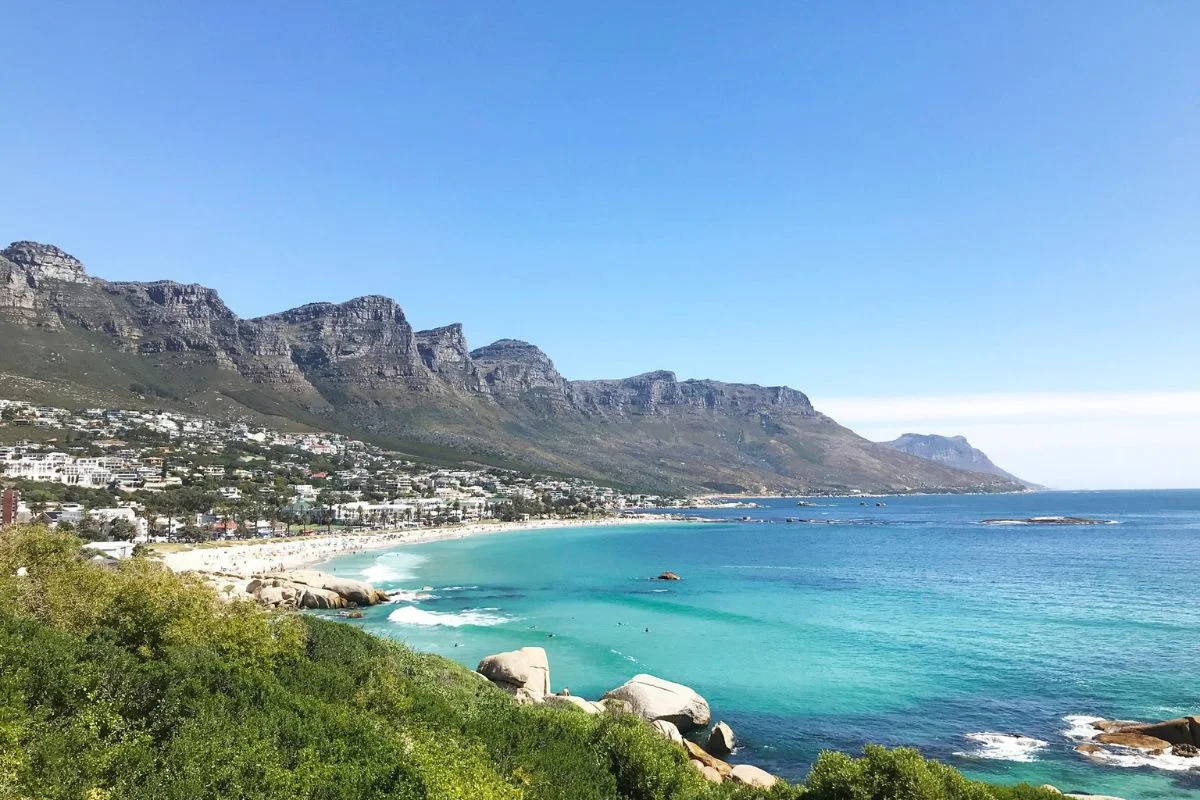
5. Cape Town, South Africa
Cape Town combines a harbour city (Table Mountain, V&A Waterfront) with wine estates (Stellenbosch, Franschhoek), beaches (Clifton, Camps Bay), and the Cape Peninsula (Cape Point, Boulders Beach penguin colony).
Honeymooners typically split time between a city boutique hotel (two nights) and a Winelands estate (two to three nights).
The Winelands sit 45 to 60 minutes east of Cape Town: valleys of Cape Dutch manor houses, Michelin-level restaurants, and tasting rooms.
Properties range from historic estates to contemporary design hotels. Cape Town also serves as the gateway to Kruger Park (two-hour flight to Nelspruit or Skukuza) or Botswana's Okavango Delta (two hours to Maun).
What is the best way to combine Cape Town and a safari?
Fly into Cape Town, spend three nights (two city, one Winelands or vice versa), then fly to your safari destination (Kruger, Okavango, Zambia).
End the trip with a beach extension or return to Cape Town. This routing avoids backtracking and maximises time in each destination. Most travellers find three nights in the Cape region sufficient before safari fatigue sets in.
Travel costs in Cape Town
South Africa
Cape Town luxury accommodation and stays run $250 to $1,200 per person per night. Peak season may increase rates slightly.
| Tier | Per person / night | What you get |
|---|---|---|
| Standard Luxury | $250 - $350 | Boutique hotels in Camps Bay or Waterfront, vineyard lodges, guided day tours, gourmet meals, house wines. |
| Premium Luxury | $400 - $750 | Five star hotels with Table Mountain views, private wine tours, helicopter transfers, chef driven dining, premium spirits. |
| Ultra-Luxury | $850 - $2,000+ | Exclusive villas, private yacht charters, dedicated butlers, michelin level cuisine, tailored itineraries throughout Western Cape. |
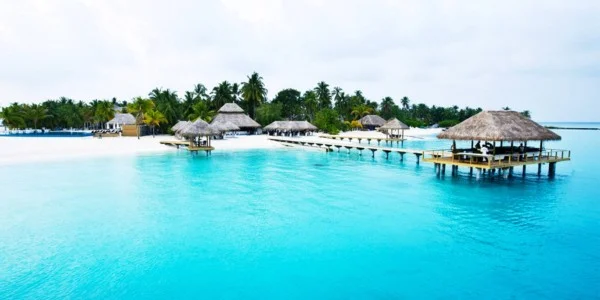
Seychelles Island Escape
Visit the jewel of the Indian Ocean with blue azure waters and white sandy beaches.
Plan My Safari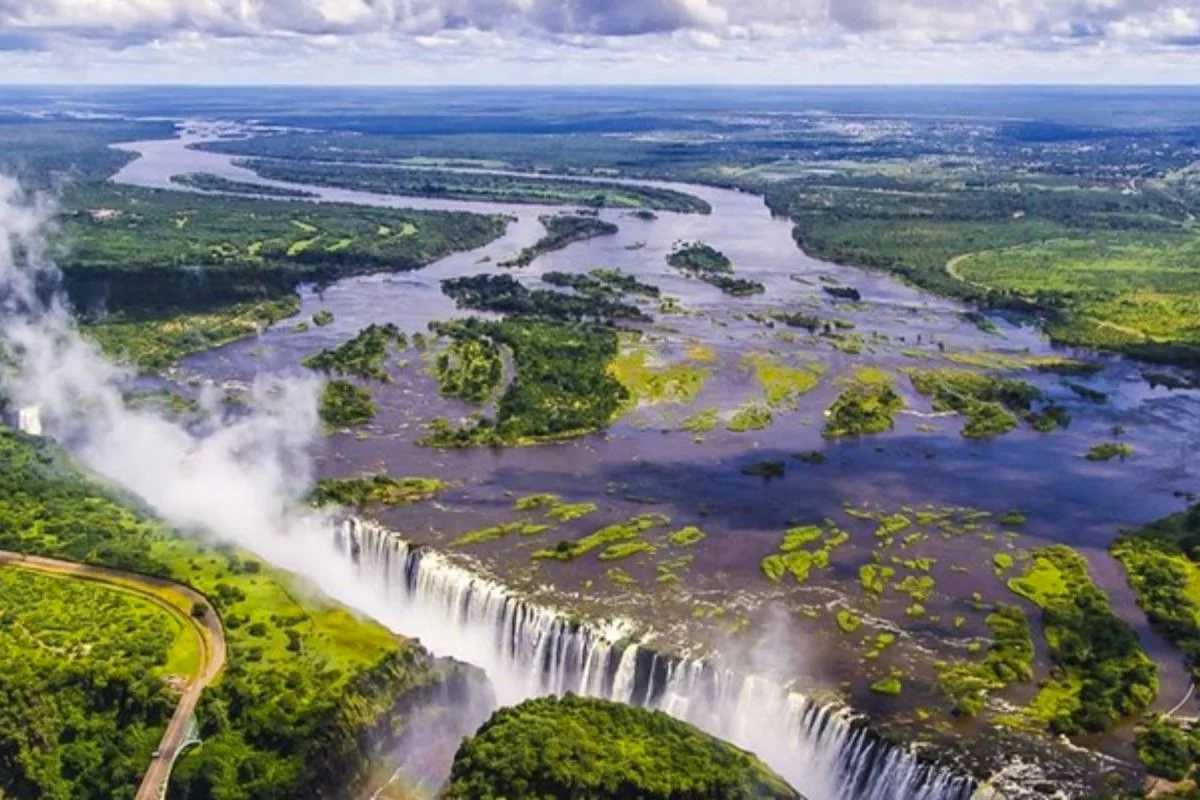
6. Victoria Falls, Zimbabwe and Zambia
Victoria Falls (Mosi-oa-Tunya, "the smoke that thunders") straddles the Zambia-Zimbabwe border on the Zambezi River.
The falls span 1.7 kilometres wide and drop 108 metres, creating a year-round spectacle of mist and rainbows. Peak flow runs February to May; low flow (and clearer views into the gorge) runs September to December.
Activities include guided walks along the falls' edge, sunset cruises on the Zambezi, helicopter flights (13 minutes), white-water rafting below the falls (grade 5 rapids), and bungee jumping from the Victoria Falls Bridge (111 metres).
Most honeymoon lodges sit on the Zambian side (fewer crowds, better sunset river access) or the Zimbabwean side (closer to the main town and helicopter pads). Two to three nights suffice.
Travel costs in Victoria Falls
Zambia
Victoria Falls, Zambia lodges run $350 to $2,500 per person per night, fully inclusive. Zambian side offers fewer crowds and direct river access.
| Tier | Per person / night | What you get |
|---|---|---|
| Standard Luxury | $350 - $500 | Established lodges with river views, guided Falls visits, sunset cruises, and standard game drives in Mosi-oa-Tunya National Park. |
| Premium Luxury | $550 - $850 | Private plunge pools, exclusive river islands, premium walking safaris, microlight flights, and elevated cuisine with sommelier-selected wines. |
| Ultra-Luxury | $900 - $2,500 | Private villas, personal guides, helicopter transfers, bespoke excursions including Livingstone Island lunches, and dedicated safari vehicles. |
7. Mozambique islands
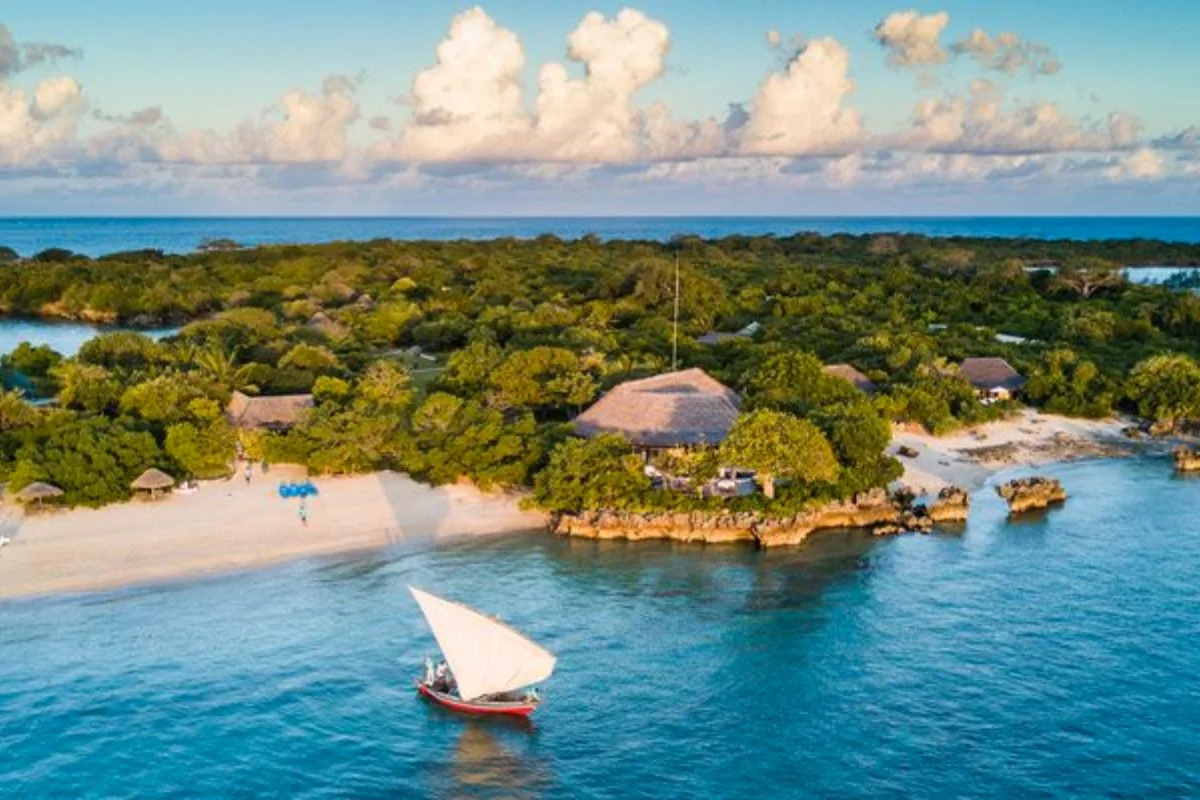
Mozambique's Bazaruto and Quirimbas archipelagos offer remote Indian Ocean islands with minimal tourism infrastructure.
Bazaruto (five islands, 600 kilometres northeast of Maputo) features resorts on Benguerra and Bazaruto islands: coral reefs, dhow sailing, diving, and deserted beaches.
Quirimbas (32 islands, far north near the Tanzania border) is more remote and suits travellers prioritising seclusion over variety.
Resorts run all-inclusive (meals, drinks, most activities) with beachfront villas, private pools, and open-air dining.
Access Bazaruto via Vilanculos (fly from Johannesburg, 90 minutes, then helicopter or boat transfer).
Access Quirimbas via Pemba (fly from Dar es Salaam or Johannesburg). Plan four to five nights to justify the transfer time. Mozambique works as a finale after Kruger Park or Tanzania safaris.
Best time for an Africa honeymoon
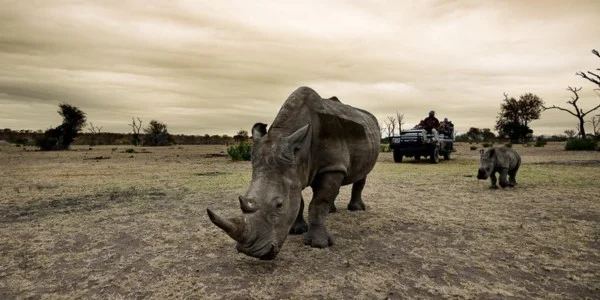
Timing depends on whether you prioritise dry-season wildlife viewing, migration events, or avoiding crowds and high-season rates. Most couples travel May to October (Africa's dry winter) for optimal safari conditions: animals concentrate around water sources, grass is short (easier spotting), and rain is rare.
The Great Migration river crossings in Kenya's Masai Mara run July to October; in Tanzania's Serengeti, crossings occur June to August in the Western Corridor and August to October in the north. Wildebeest calving in Tanzania's southern Serengeti (Ndutu) runs January to February.
Cape Town and the Winelands enjoy warm, dry weather November to March (South African summer) but December and January see peak domestic holiday crowds. Shoulder months (April, May, September, October) offer good weather, fewer visitors, and better lodge availability. See South Africa honeymoon packages.
Is the rainy season worth considering for a honeymoon?
The green season (November to March in southern Africa, April to May in East Africa) brings afternoon thunderstorms but also lower lodge rates (20 to 40 percent discounts), lush scenery, newborn animals, and excellent birdwatching. Safari game viewing remains productive, though some roads in remote areas may be impassable.
If you accept occasional wet-weather downtime and prioritise value, the rainy season works. Avoid April and May in East Africa if river crossings are essential; the herds are calving in the southern Serengeti and not yet moving north.
Frequently asked questions
What is the difference between lodges in different South African safari regions?
Safari lodges are located in distinctly different regions with varying characteristics. The Kruger area (including Sabi Sands) offers the classic safari experience and is recommended for first-timers. Tswalu is located in the Kalahari desert region, offering a completely different landscape and ecosystem. Madikwe is another area separate from Kruger. These regions vary significantly in terrain, wildlife species, and overall safari experience. It's important to understand these regional differences rather than just comparing individual lodge amenities, as location heavily influences your safari experience.
Should I combine multiple safari lodges or stay at one property for my honeymoon?
It depends on the length of your safari. For 3-4 nights, stick to one lodge in a single area like the Kruger region to maximize your game viewing time and minimize travel. For 5 or more nights, consider combining two different lodges in different regions (such as pairing a Sabi Sands property with Tswalu Kalahari or Phinda) to experience varied landscapes, different ecosystems, and diverse wildlife. This approach offers variety while still allowing enough time at each property to settle in and enjoy the experience.
What honeymoon specials do safari lodges offer in South Africa?
Many luxury safari lodges offer special honeymoon packages if you travel within 6 months of your wedding date. Notable lodges with honeymoon specials include Tengile River Lodge, The Dulini Collection, and Ngala Tented Camp. These packages typically include romantic extras and special touches to make your honeymoon memorable. When booking your safari, be sure to mention your honeymoon dates and ask about available packages, as these can add significant value and special experiences to your stay.
Should I choose Singita or Londolozi for my honeymoon safari?
Both are exceptional choices for a honeymoon. Singita is consistently praised even by employees of other high-end lodges and is known to stand out from the rest in terms of overall experience. Londolozi, particularly their Granite Suites, is highly recommended by repeat visitors who return annually. The choice ultimately comes down to personal preference in lodge style, but you can't go wrong with either. If you have your heart set on Singita based on your research, go with it - it will deliver an unforgettable experience.
How many nights should I spend on safari for my honeymoon?
For a honeymoon safari, 3-5 nights is recommended, especially if you're combining it with another destination. If you're doing just 3-4 nights, stick to one area like the Kruger region to maximize your safari experience without spending too much time traveling. If you have 5 or more nights, consider splitting your time between two different lodges in different areas (such as combining Sabi Sands with Tswalu Kalahari or Phinda) to experience different landscapes and wildlife.
Which safari lodges are best for a honeymoon in South Africa?
Top honeymoon safari lodges include Singita, Londolozi (particularly their Granite Suites), Silvan Safari, Cheetah Plains, Lion Sands, and andBeyond properties. Many lodges offer special honeymoon packages if you travel within 6 months of your wedding date, including Tengile River Lodge, The Dulini Collection, and Ngala Tented Camp. Londolozi is highly recommended by repeat visitors who return yearly, with all five of their camps being excellent choices. Singita is consistently praised by employees of other high-end lodges and stands out from the rest for exceptional service and experience.
What information do I need to research before planning a South Africa safari honeymoon?
Before planning, research several key factors: the season you intend to travel (important for weather and wildlife viewing), your total budget, whether you're willing to visit malaria areas, if you want to self-drive or use transfers, and what you're emphasizing - intimacy, luxury, adventure, or budget consciousness. Also consider how much time you want to spend on pure safari versus other activities like Cape Town sightseeing and beach relaxation. Understanding these elements helps travel advisors give you appropriate recommendations. South Africa can accommodate all these variables, but clarity on your preferences ensures you get an itinerary that matches your honeymoon vision.
How expensive is staying at luxury safari lodges for a South Africa honeymoon?
Staying at high-end safari lodges can get very expensive, particularly if you're spending many consecutive nights. For a two-week honeymoon, 12 nights at top luxury lodges would be cost-prohibitive for most travelers. This is why many honeymooners split their time between safari and other activities like Cape Town and beaches. Even 'cheaper' safari options in South Africa are generally very good quality, so you don't necessarily need the most expensive lodges for an excellent experience. Work with your agent to establish a realistic budget and have them create an itinerary within those parameters, mixing perhaps a few nights at ultra-luxury properties with other high-quality but more affordable options.
Are there romantic features available at South Africa safari lodges for honeymooners?
Yes, many South Africa safari lodges cater specifically to honeymooners with romantic amenities. You can find suites with private plunge pools, which offer intimate relaxation between game drives. Lodges like Motswari Geigers and Ivory Riversong are noted for being particularly intimate settings. Many properties offer honeymoon specials and packages. The emphasis can be on creating a private, romantic atmosphere while still delivering the luxury safari experience. When booking, specifically mention it's your honeymoon, as lodges often provide special touches, upgrades, or romantic extras for newlyweds.
What safari and beach combinations work well for a South Africa honeymoon?
Several excellent combinations work for a Cape Town-safari-beach honeymoon. You could pair Kruger area lodges (like Mala Mala) with Mashatu, or combine Ngala Tented Camp or Kirkmans with Phinda. The Phinda area is particularly good because it offers beaches, mountains, and the appealing town of St Lucia nearby, with warmer weather in September/October. This region is described as a favorite part of South Africa by experienced travelers. For a larger budget, Northern Botswana combined with Kruger is excellent, though note that Botswana has fewer rhinos, so Kruger provides that experience. The key is matching your budget and interests to the right combination.
Last updated: September 2026