

African Safari Home offers a free set of 50 printable animal cards covering the most popular species travellers see on safari.
Download a free PDF of 50 African safari animal cards featuring the most commonly sighted species. The cards include facts, sizes, and behaviours for each animal. Print them at home or at a print shop to learn wildlife before your trip or share with children interested in African animals.
Get all 50 African safari animal cards in one print-ready PDF
Key takeaways
The deck covers 50 species you are most likely to see on safari in eastern and southern Africa.
Each card includes key facts such as size, habitat, behaviour, and conservation status.
The PDF is print-ready and free to download for personal, educational, or entertainment use.
The cards are designed for families preparing for their first safari or wildlife enthusiasts learning species identification.
The resource is for educational purposes only and should not replace official field guides or scientific references.

Seychelles Island Escape
Visit the jewel of the Indian Ocean with blue azure waters and white sandy beaches.
Plan My SafariWhat the animal cards include
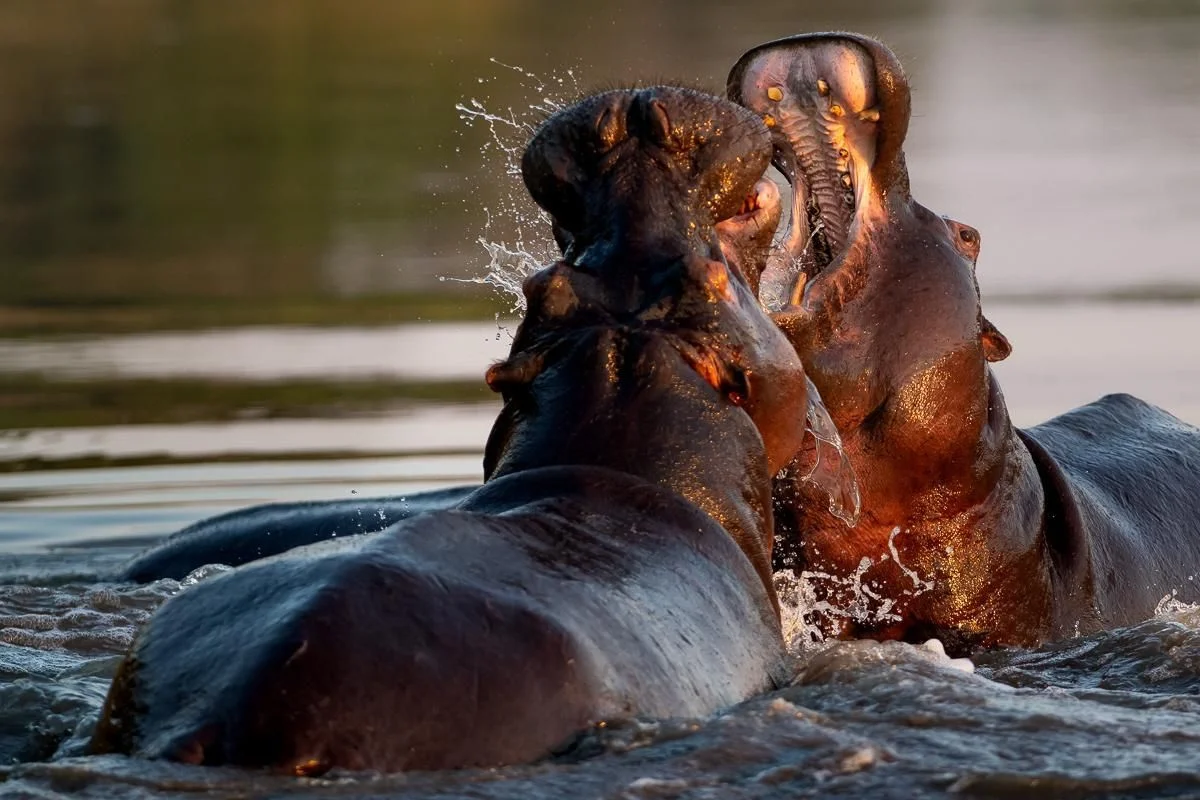
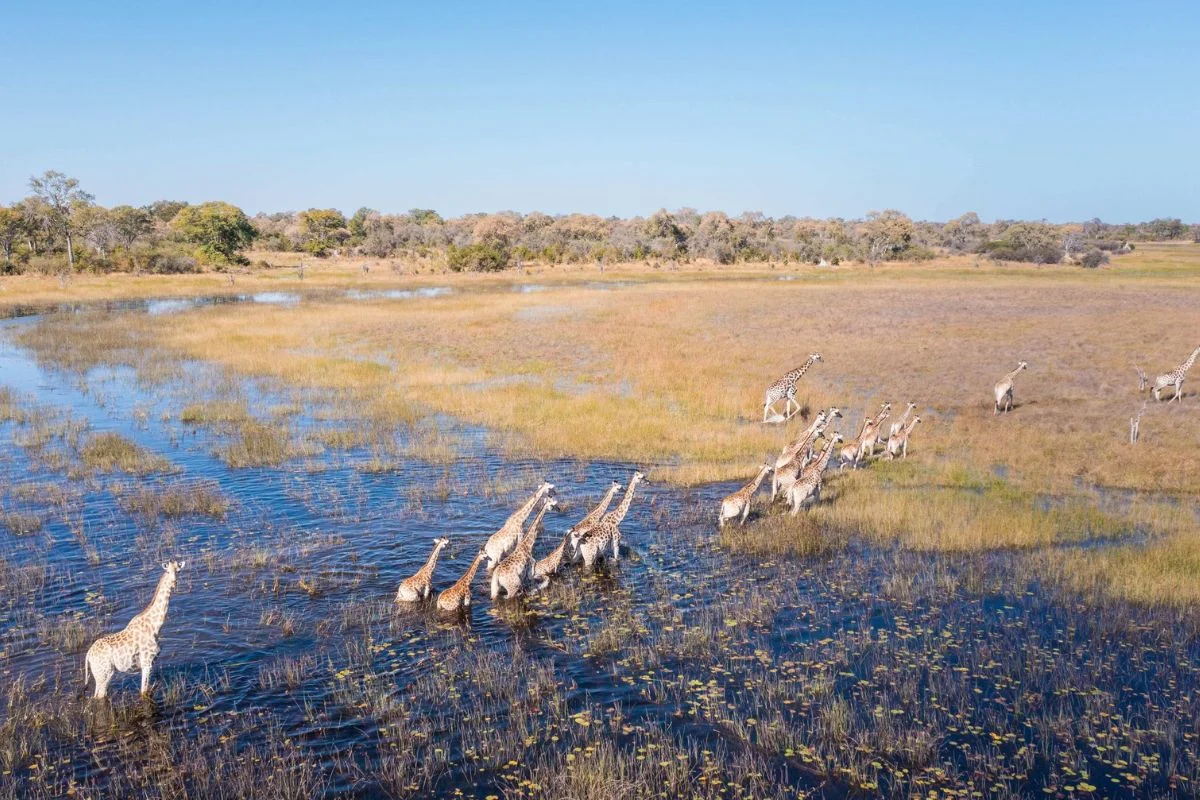
Each card in the deck features one species commonly seen on safari. The cards provide basic facts such as average size, weight, habitat, diet, and notable behaviours. Species included range from the Big Five (lion, leopard, elephant, rhino, buffalo) to antelope, primates, birds, and reptiles. The design is intended to be engaging for children and adults alike, with clear text and visual layout that works well when printed on standard card stock.
The deck is not a scientific field guide. It draws on publicly available sources to present accessible wildlife information. For precise taxonomy, population data, or conservation updates, consult organisations like the IUCN, African Wildlife Foundation, or park-specific resources.
How accurate are the facts on the cards?
The cards are created for entertainment and education, not as an authoritative scientific reference. The facts are based on publicly available data and are intended to be broadly accurate and useful for general learning. For the most current and detailed information on any species, especially regarding conservation status or population estimates, refer to official sources such as the IUCN Red List or regional wildlife authorities.
How to use the cards
Download the PDF and print it at home or take the file to a local print shop. Standard A4 or letter-size card stock works well. Cut the sheets into individual cards. Some families laminate the cards for durability, especially if planning to bring them into the field on safari.
The cards work as a learning tool before a trip, helping children (and adults) familiarise themselves with species they will encounter. On safari, they can serve as a quick reference or a game to tick off sightings. Teachers and educators have used the deck in classroom settings to introduce African ecosystems and biodiversity.
Can I bring the cards on safari?
Yes, though most guides and lodges provide detailed information and some offer printed species lists or apps. Physical cards can be a useful backup or a hands-on activity for children during downtime at camp. If you plan to bring them into vehicles or the bush, consider laminating them to protect against dust and moisture. Many families find the cards most useful in the days leading up to departure, as a way to build excitement and baseline knowledge.

Visit Cape Town
Visit the number one rated city in the world with 8 blue flag beaches, swimming with penguins and so much more
Plan My Safari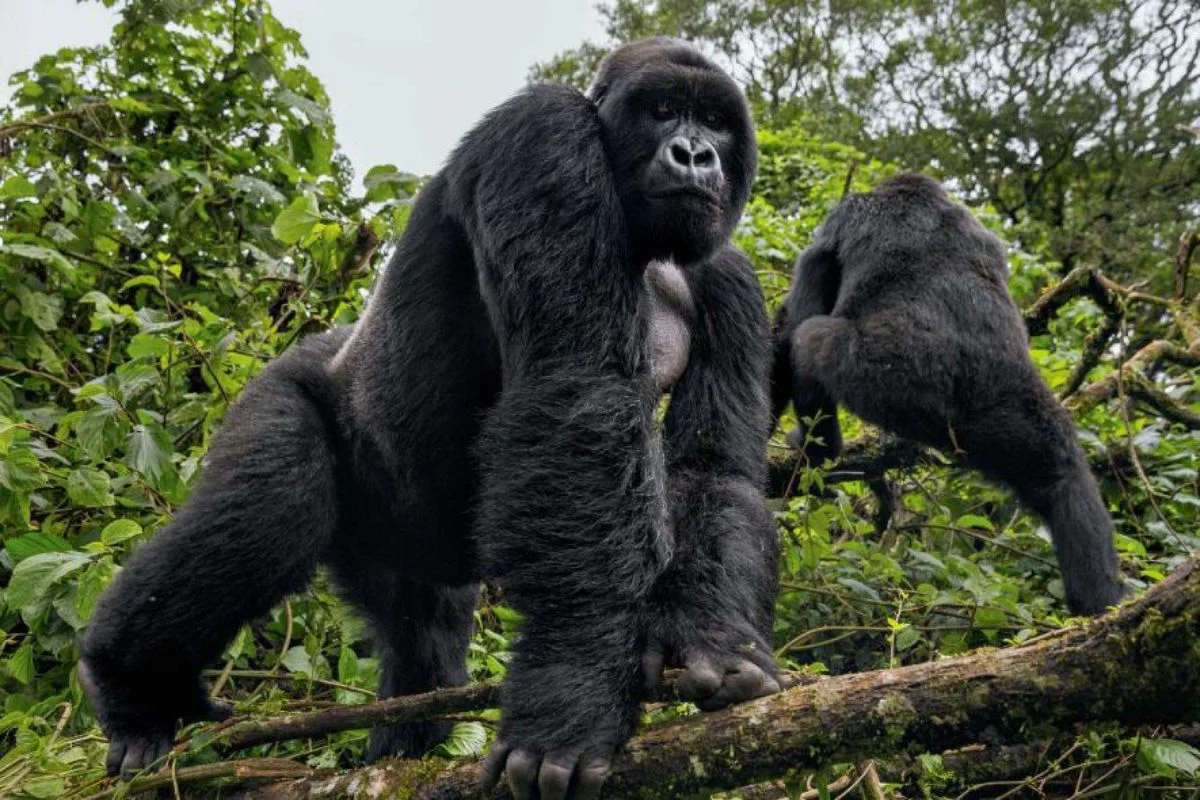
Who the cards are for
The deck is aimed at first-time safari travellers, families with children, and anyone building foundational knowledge of African wildlife. It is particularly useful for parents looking for an educational pre-trip activity. Wildlife enthusiasts who enjoy species identification or want a simple reference outside of heavyweight field guides will also find value.
The cards are not a substitute for a proper field guide if you are a serious birder or mammal tracker. They cover the most commonly seen species, not the full biodiversity of any single region or country.
Download and disclaimer
The PDF is free to download from the African Safari Home website. By downloading, you agree that the cards are for personal, educational, or entertainment use only. The creators accept no liability for inaccuracies, errors, or omissions. The cards should not be used for conservation decision-making, scientific research, or as an official wildlife reference.
For the most accurate and up-to-date wildlife data, consult official conservation organisations, field experts, or regional wildlife authorities.
Last updated: September 2026