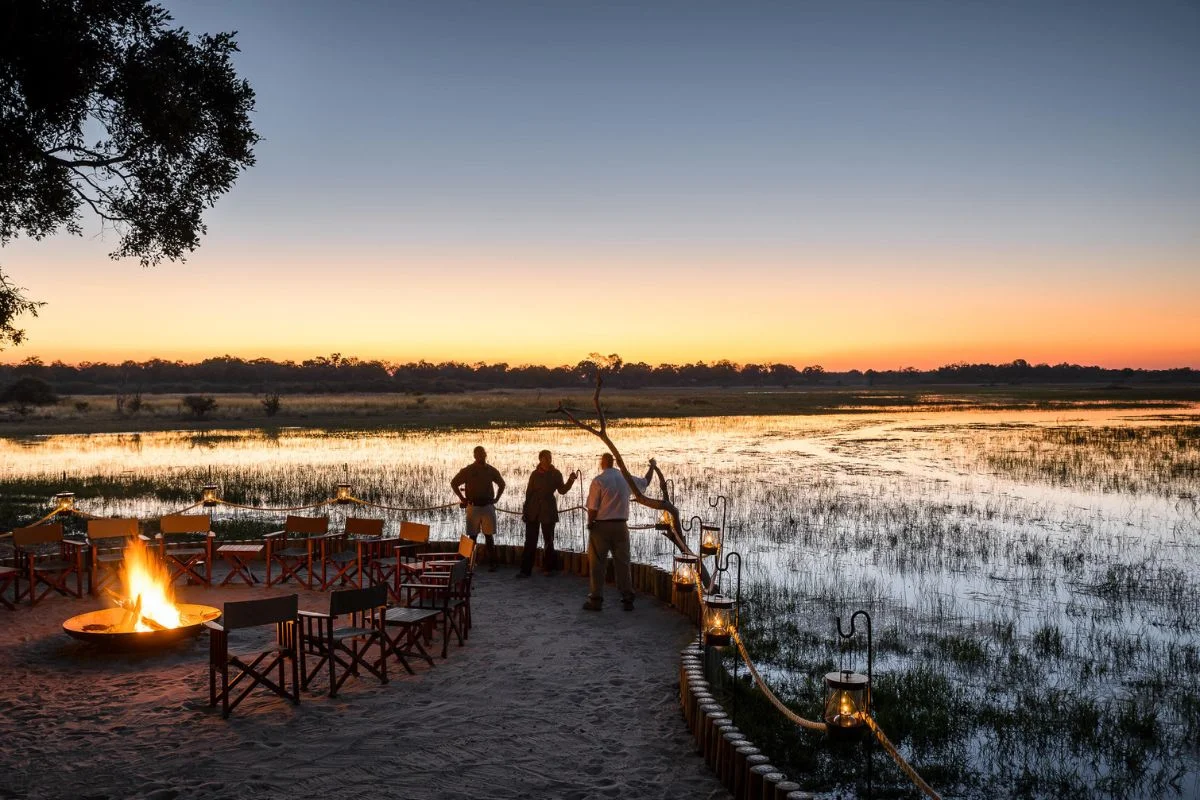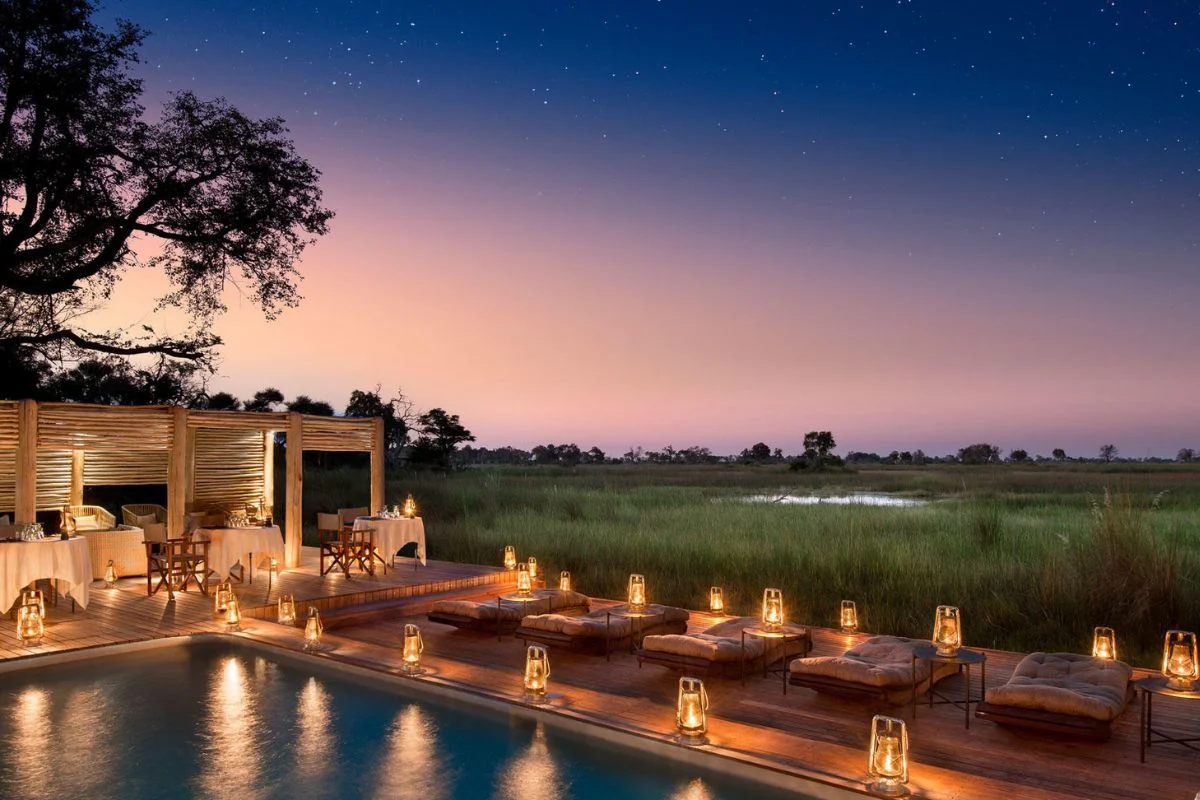

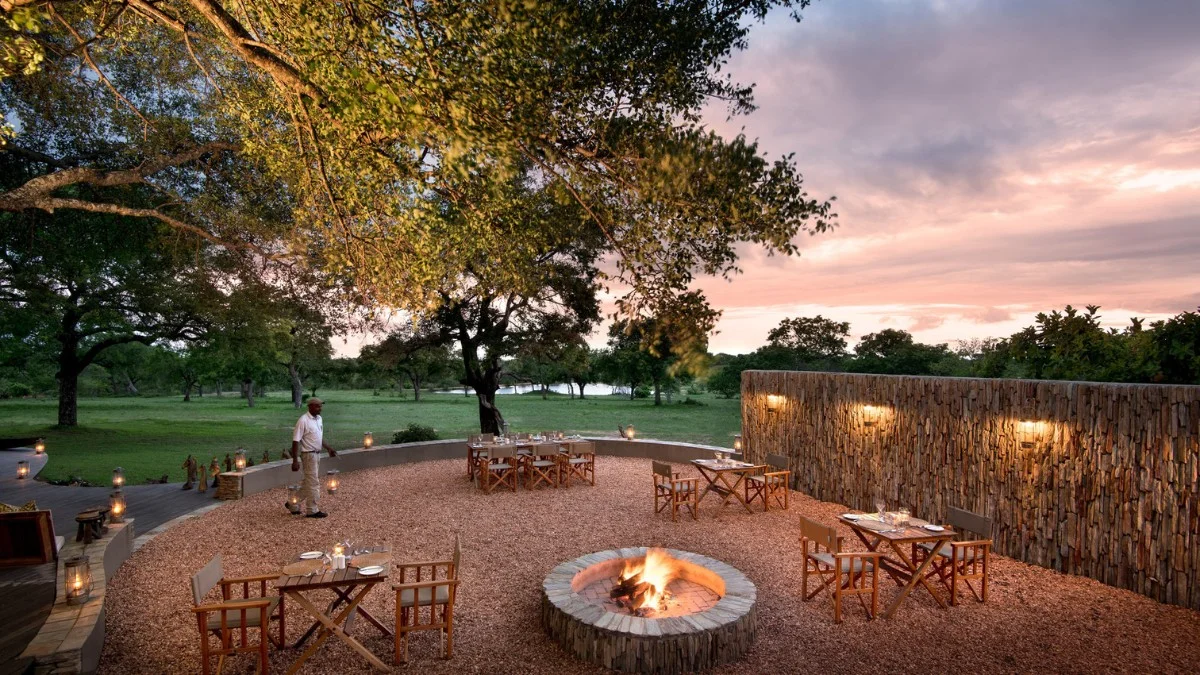
What does an all-inclusive African safari include?
An all-inclusive safari feature two privately guided game drives daily in 4x4 vehicles, open top or closed depending on the property, as well as all meals, snacks and local drinks during your stay.
Daily inclusions
Three meals, local drinks, sundowners
Game drives
Two per day, private guide
Tracker included at five-star camps
Typical cost
$600-$2,000 per person nightly
Common exclusions
Flights, park fees, premium alcohol
Tips and spa extra
Quick answer
What all-inclusive safaris cover and cost
All-inclusive safaris bundle accommodation, three meals, local drinks, laundry, and two daily guided game drives. Luxury lodges cost $600-$1,200 per night in South Africa's private reserves, rising to $1,000-$2,000+ in Botswana or Tanzania. International flights, park fees, premium alcohol, spa treatments and gratuities are excluded.
Last updated 7 August 2026.
- Daily inclusions
- Meals, drinks, two game drives
- Four-star lodges
- $600-$1,200 per person per night
- Five-star properties
- $1,000-$2,000+ per person per night
- Seven-night safari
- $8,000-$18,000 per person
- Best first-timer destination
- South Africa's private reserves
- Booking lead time
- 6-12 months for high season
What our travellers say
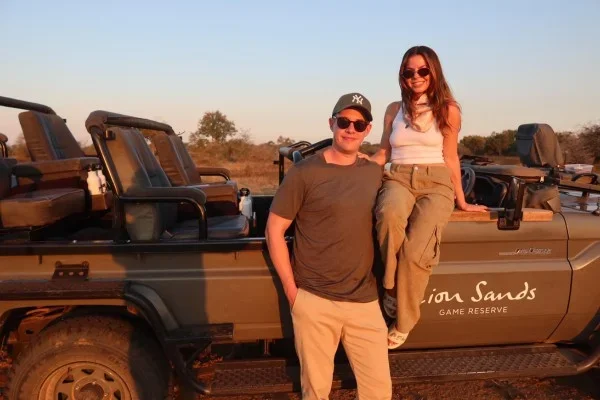
We can’t thank Sam enough for planning our honeymoon in Africa! She helped us decide everything from what countries to visit, what time of year would work for our itinerary, where to stay and what tours to do. She was able to plan the whole thing fairly last minute and adapt to all of my crazy ideas even a week out from departure! Our safari was such a highlight, and it was such an incredible choice. Every driver, airport attendee and hotel was incredible and thoughtfully chosen. Sam nailed the vibe and the budget and made this our favourite trip to date 🙂
★★★★★ The Becks, California, USA
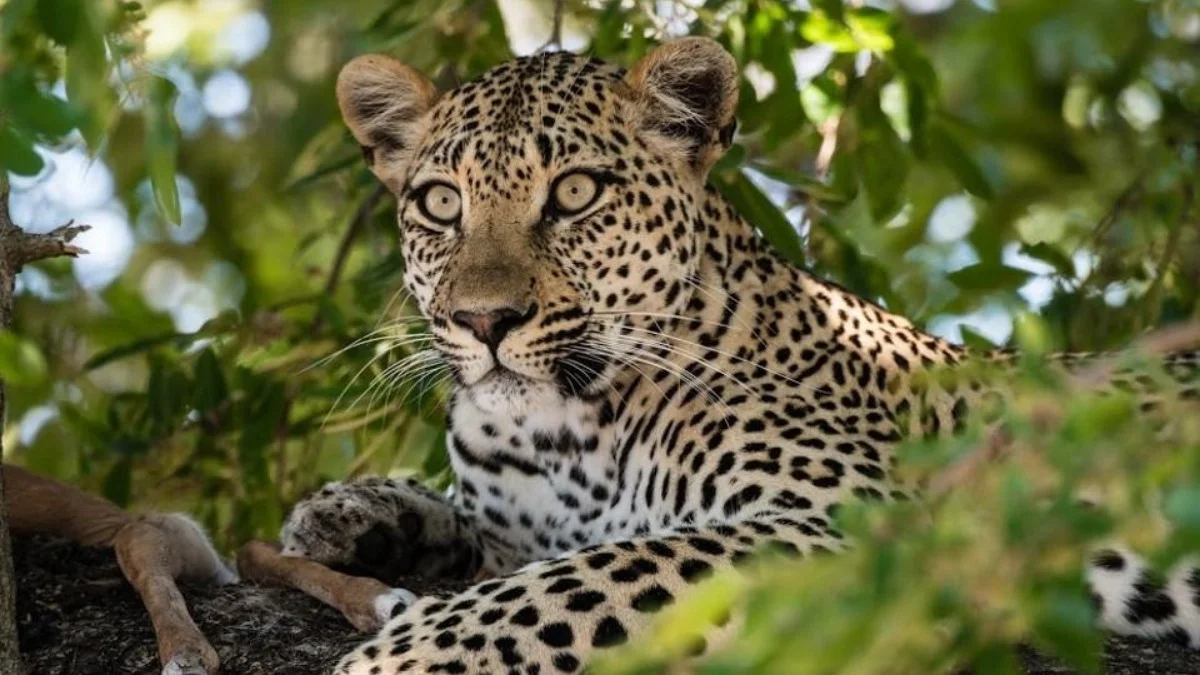
An all-inclusive luxury African safari means all meals and local drinks are included, but more importantly two privately guided game drive daily in some of Africa's most immersive wildlife destinations.
Key takeaways
All-inclusive rates typically cover accommodation, three meals, snacks, local drinks, and two daily game drives with guides and trackers.
Luxury five-star lodges in Kruger, Okavango, and Serengeti cost approximately USD 800-2,000 per person per night in high season.
South Africa's private reserves offer the easiest access and broadest selection of all-inclusive properties for first-time safari travellers.
Botswana and Zambia deliver comparable wildlife experiences at better value than peak-season Tanzania or Kenya.
Most all-inclusive packages exclude international flights, park fees, premium alcohol, spa treatments, and tips for guides.
What is included in an all-inclusive African safari
An all-inclusive safari rate bundles your lodge accommodation, all meals (breakfast, lunch, dinner), snacks and sundowners in the bush, local beer, wine, and spirits, and two privately guided game drives per day with an experienced guide and tracker.
Most five-star lodges also include laundry service, Wi-Fi in common areas, and emergency medical evacuation insurance.
Some properties throw in guided bush walks, mokoro (canoe) excursions in the Okavango, or mokoro safaris, depending on the camp's location and activities roster.
What is typically excluded from the all-inclusive rate?
International and regional flights, premium imported wines and champagne, spa treatments, private vehicle hire, gratuities for guides and lodge staff, and any excursions outside the reserve (such as hot-air balloon safaris or village visits) are usually billed separately. Always confirm the inclusions list with your lodge or operator before booking to avoid surprise charges on checkout.
For more information if you are on honeymoon see our honeymoon costs page.
Common mistakes to avoid
Assuming all-inclusive means the same thing everywhere and not clarifying what's actually covered.
Why it happens: In the Caribbean or Mexico, all-inclusive is standardized and everyone knows what it means. In Africa, it's a completely fluid term. Some camps include house drinks only, some include premium alcohol, some include all drinks except champagne, some charge for drinks outside of meal times. Some include laundry, some don't. Some include park fees in the rate, some add them at checkout. Couples arrive assuming everything is covered and then face surprise bills that add 20% to their trip cost.
How to avoid it: Get a written breakdown of exactly what all-inclusive means at each property you're considering. Ask specifically about: premium alcohol, champagne, drinks between meals, park fees, conservation fees, laundry, transfers. Budget an extra $100 per day per person for items that aren't included. If a camp seems unusually cheap, it's because they're excluding things that will hit you later.
Skipping travel insurance because you're young, healthy, and nothing will go wrong.
Why it happens: Honeymoon budgets are already stretched and insurance feels like dead money for something that probably won't happen. Then someone gets acute malaria, or a family emergency requires immediate return, or political instability closes a border, or any of a dozen other scenarios we see every year unfold. Africa is remote, medical evacuation is phenomenally expensive, and standard health insurance doesn't cover it.
How to avoid it: Buy comprehensive travel insurance with medical evacuation coverage the day you make your first deposit. Expect to pay around $400 to $600 for a couple on a $15,000 to $20,000 honeymoon. Make sure it includes cancel for any reason coverage, not just standard trip cancellation. We've seen evacuation bills exceed $80,000. You cannot afford to skip this.
Trusting online reviews from people who've done one safari.
Why it happens: Someone does their first safari, stays at a comfortable lodge with resident elephants at the waterhole, and writes a glowing review. They have no comparison point, so they don't know that the same lodge caters to large groups, offers basic guiding, and sits in a part of the park with low predator activity. First-time planners read those reviews and assume it's a top choice. We send clients there only when they specifically want easy, unchallenging safari, and we tell them that upfront.
How to avoid it: Ignore reviews that don't explain what the reviewer was comparing the lodge to, or that focus solely on comfort rather than wildlife sightings and guiding quality. Ask your operator which lodges they use for experienced safari-goers versus first-timers. The best camps don't always have the most reviews because they're smaller and don't chase volume. Trust specialists who know which properties match your level, not crowds who don't.
How much does an all-inclusive African safari cost
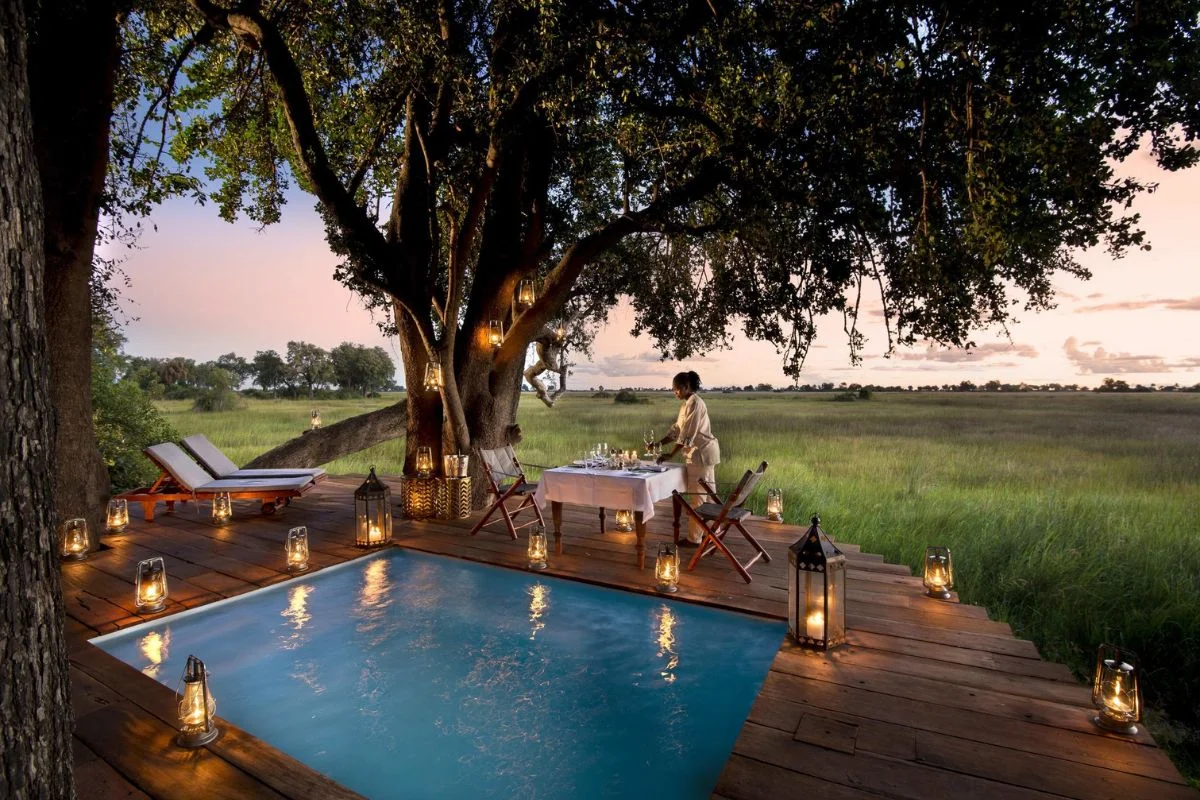
Budget USD $600-$1,200 per person per night for luxury four-star all-inclusive lodges in South Africa's private reserves, and $1,000-$2,000+ per person per night for five-star premium properties in Botswana, Tanzania, or Zambia.
Rates fluctuate by season: high season (June to October in southern Africa, January to March and July to September in East Africa) commands peak pricing, while shoulder and green season (November to May in southern Africa) can save you 20-40 per cent.
A typical seven-night all-inclusive safari combining two or three camps across Kruger, Okavango, and Victoria Falls will run $8,000-$18,000 per person, excluding international flights. Solo travellers often pay a single supplement of 50-100 per cent of the per-person rate, though some lodges waive this during low season.
What our travellers say
What an incredible 12 days, planned by Samantha Wilby! We were able to enjoy the Kruger Greater Area, Franschhoek and Cape Town. Sam helped tailor the itinerary for the season and our priorities, in a very short time! Planning was seamless and Sam was fantastic, checking in with us throughout our trip. Everything was truly perfect and we cannot recommend enough. We did not want to leave, but we will be back soon!
★★★★★ The Witkewicz's, Chicago, USA
Top destinations for all-inclusive safaris
Five regions dominate the all-inclusive safari market, each offering distinct wildlife, landscapes, and lodge styles.
1. Kruger Park and private reserves, South Africa
Kruger National Park and the adjacent private reserves (Sabi Sand, Timbavati, Manyeleti) form Africa's most accessible and diverse safari region.
The area hosts the Big Five, over 140 mammal species, and more than 500 bird species, served by the continent's most experienced guiding teams.
Johannesburg sits three hours by road or a short flight away, and lodges range from intimate six-suite camps to grand 20-room properties.
Sabi Sand, in particular, offers reliably close leopard sightings and unfenced boundaries with Kruger, giving animals free movement.
Lion Sands Ivory Lodge and Royal Malewane represent the five-star premium tier, both awarded top grades by South Africa's Tourism Grading Council. Expect rates of $900-$1,800 per person per night in high season.
Kruger / Sabi Sand — best time to visit
| J | F | M | A | M | J | J | A | S | O | N | D | |
|---|---|---|---|---|---|---|---|---|---|---|---|---|
| High °C | 32° | 31° | 30° | 28° | 26° | 24° | 24° | 26° | 28° | 29° | 30° | 31° |
| High °F | 90° | 88° | 86° | 82° | 79° | 75° | 75° | 79° | 82° | 84° | 86° | 88° |
| Rain mm | 110 | 95 | 75 | 35 | 15 | 10 | 5 | 10 | 25 | 55 | 85 | 105 |
| Rating |
Kruger / Sabi Sand: Dry winter (May–Sep) gives the best game viewing; summer is lush but wet.
Ideal — Peak conditions — dry, comfortable, prime wildlife or beach time.
Good — Great conditions with brief showers or warmer days; still highly recommended.
Shoulder — Mixed weather — fewer crowds and lower rates, occasional rain.
Avoid — Heaviest rain or roughest seas; many camps and roads can be affected.
Travel costs in Kruger Park
South Africa
Kruger luxury lodges run $600 to $2,500 per person nightly. Private concessions command premium rates over Sabi Sands properties.
| Tier | Per person / night | What you get |
|---|---|---|
| Standard Luxury | $600-$900 | Established Sabi Sands lodges with classic suites, twice daily game drives, and quality guiding. |
| Premium Luxury | $1,000-$1,600 | Private plunge pools, expansive suites, premium concession access, specialist guides, and curated wine cellars. |
| Ultra-Luxury | $1,800-$2,500 | Exclusive use villas, private vehicle and guide, spa suites, and exceptional leopard viewing territories. |
What's included
- All meals and premium beverages
- Twice daily guided game drives
- Bush walks with armed rangers
- Sabi Sands conservancy fees
- Private vehicle airport transfers
What's not included
- International flights to Johannesburg
- Premium champagnes and spirits
- Spa treatments and massages
- Gratuities for staff and guides
- Travel and evacuation insurance
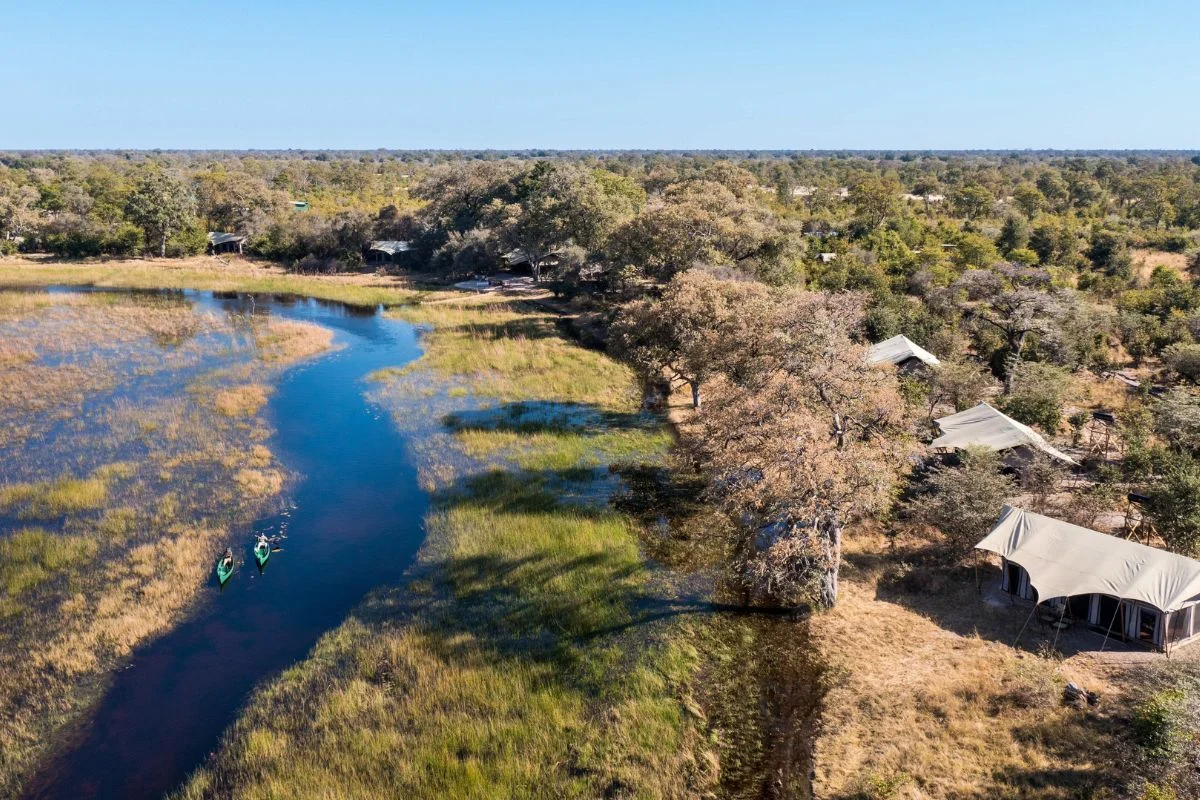
2. Moremi Game Reserve and Okavango Delta, Botswana
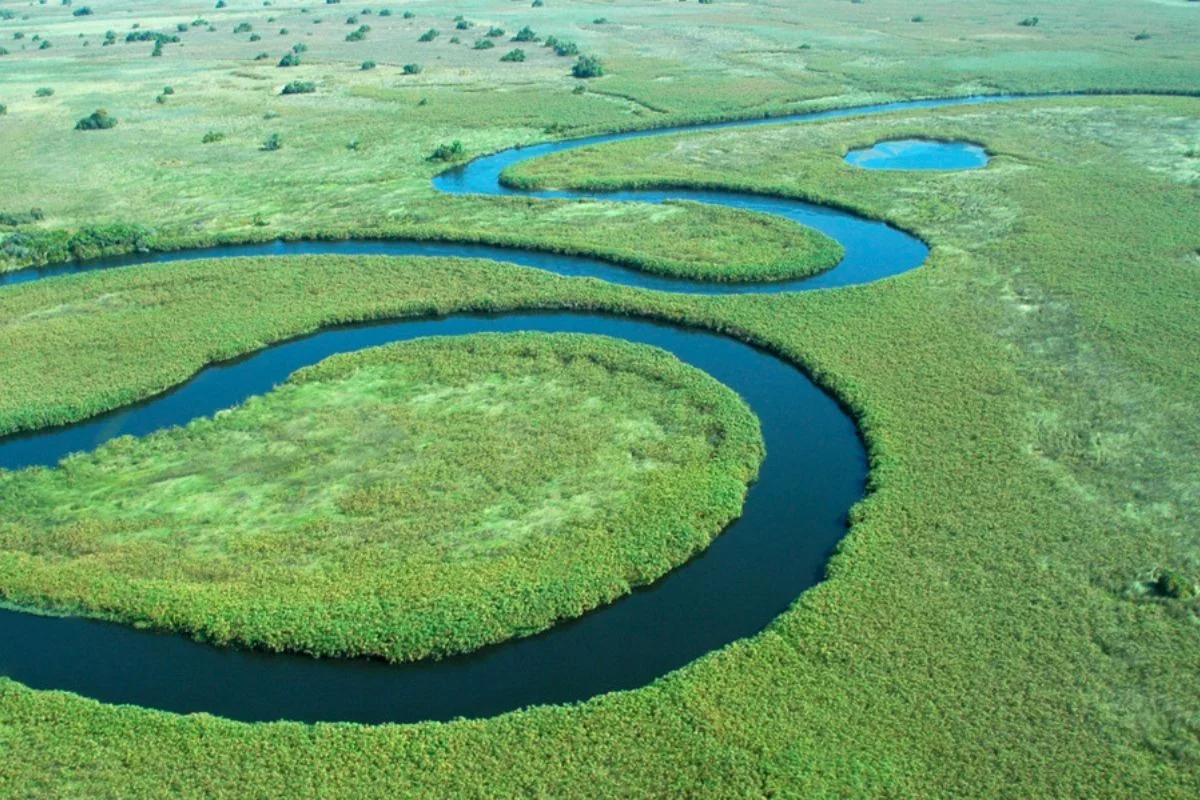
The Moremi Game Reserve, situated within the Okavango Delta UNESCO World Heritage Site, delivers water-based safari experiences alongside traditional game drives.
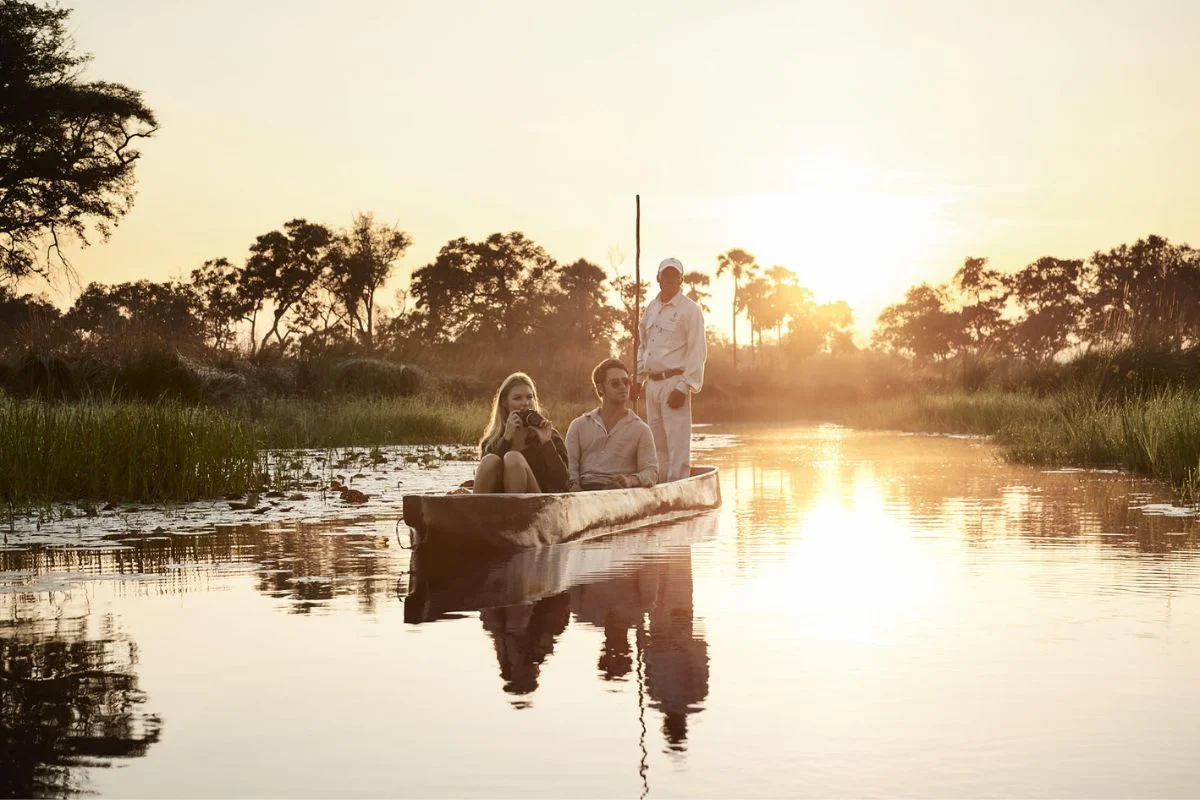
Large elephant herds, hippo pods, and one of Africa's last viable wild dog populations roam the floodplains and mopane forests. Mokoro excursions through papyrus-lined channels bring you within metres of feeding elephants and basking crocodiles.
Mombo Camp, managed by Wilderness Safaris, occupies a prime floodplain known for high predator density and year-round game. Rates run $1,200-$2,000 per person per night.
Access requires a charter flight from Maun or Kasane, adding cost but guaranteeing exclusivity and low guest numbers across the Delta's camps.
Is Botswana better value than South Africa for an all-inclusive safari?
Botswana's lodges cost more per night than South Africa's, but the country enforces strict low-volume, high-value tourism policies that limit guest numbers and protect wilderness character, and a great place for a Botswana honeymoon experience.
You will encounter fewer vehicles at sightings and enjoy a more remote atmosphere. South Africa offers easier logistics, more lodge choice, and lower entry-level pricing, making it the better pick for first-timers or budget-conscious travellers seeking a luxury experience.
Travel costs in Okavango Delta
Botswana
Expect $800 to $2,500 per person per night in the Okavango Delta. Peak season runs June through October with 30% premiums.
| Tier | Per person / night | What you get |
|---|---|---|
| Standard Luxury | $800 - $1,200 | Classic tented camps with en-suite facilities, game drives, mokoro excursions, and three meals daily. |
| Premium Luxury | $1,200 - $1,800 | Private plunge pools, elevated decks, premium guiding, walking safaris, and curated wine pairings included. |
| Ultra-Luxury | $1,800 - $2,500 | Private islands, butler service, helicopter transfers, spa treatments, private vehicle options, and champagne experiences. |
What's included
- All meals and premium drinks
- Twice daily game drives
- Mokoro canoe excursions
- Walking safaris with guides
- Park and concession fees
What's not included
- International flights to Maun
- Visa fees for Botswana
- Travel and evacuation insurance
- Spa treatments and purchases
- Charter flight premium upgrades
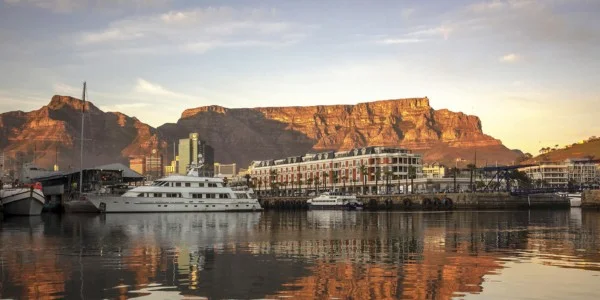
Visit Cape Town
Visit the number one rated city in the world with 8 blue flag beaches, swimming with penguins and so much more
Plan My Safari3. Kafue National Park, Zambia
Kafue, Africa's second-largest game reserve, remains undervisited compared to Kruger or Serengeti, which translates to better value and fewer crowds.
Three rivers (Kafue, Lunga, Lufupa) traverse the park, drawing hippo, crocodile, and large herds of puku, lechwe, and other antelope. Big cats (lion, leopard, cheetah) and the Big Five are present, and birdlife is exceptional, with more than 500 species recorded.
Shumba Camp, on the Busanga Plains, offers six luxury tented suites raised on wooden platforms overlooking floodplains teeming with red lechwe and lion prides. Rates hover around $700-$1,200 per person per night, undercutting Botswana and Tanzania while delivering comparable wildlife density.
Zambia also permits walking safaris with armed guides, adding a visceral dimension absent from vehicle-only parks.
4. Chobe National Park, Botswana
Chobe National Park, Botswana's first protected area, combines bushveld and riverine ecosystems along the Chobe River.
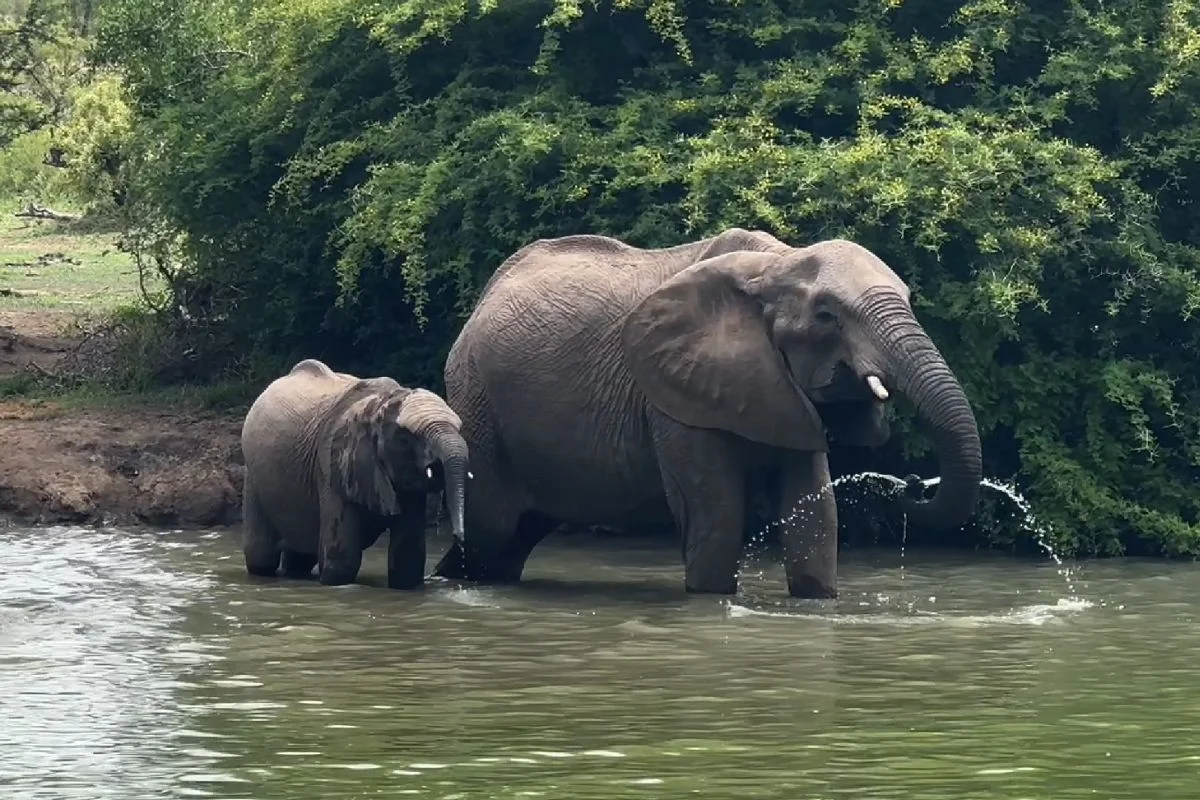
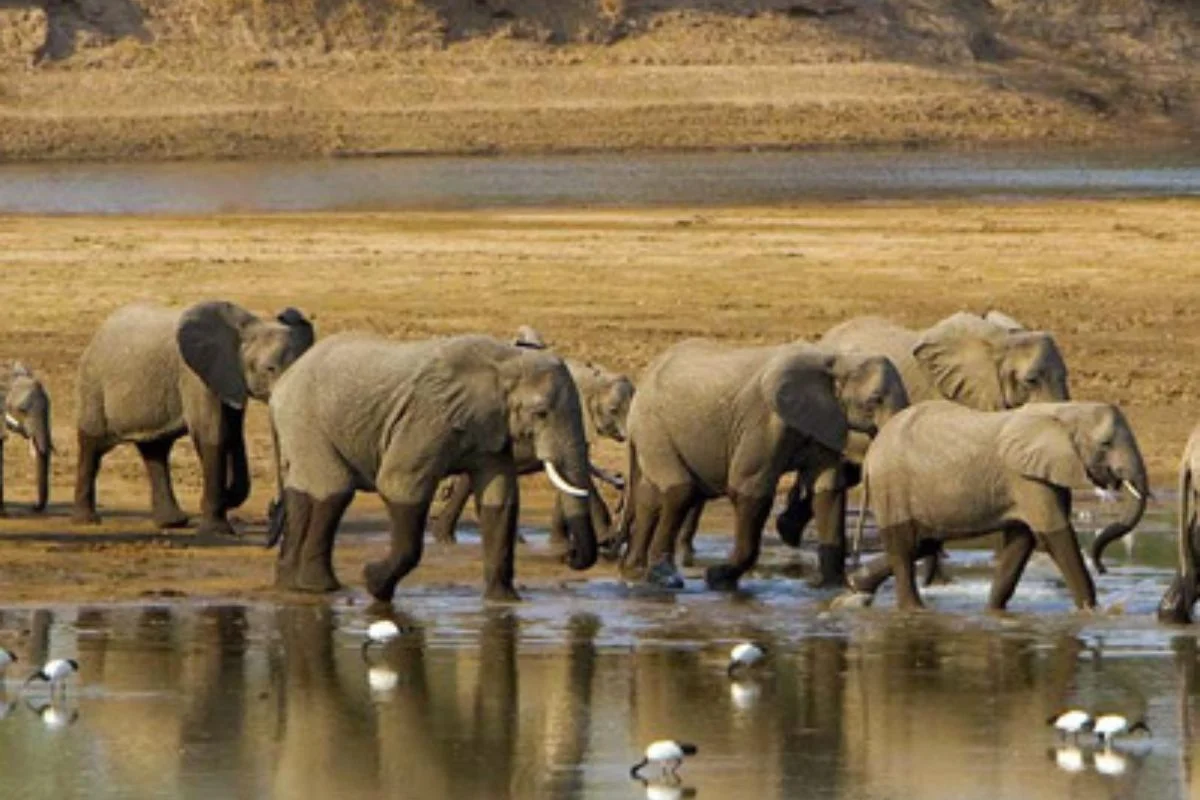
The park is famous for hosting some of Africa's largest elephant populations (estimates exceed 120,000), with thousands crossing from Zimbabwe's Hwange National Park each dry season. River-based game drives by boat bring you close to drinking herds, hippo, and Nile crocodile.
Chobe's proximity to Victoria Falls (about 90 minutes by road from Kasane) makes it a natural addition to multi-country itineraries combining Zambia, Botswana, and Zimbabwe.
All-inclusive lodges along the Chobe riverfront cost $600-$1,400 per person per night, depending on season and property tier.
Chobe — best time to visit
| J | F | M | A | M | J | J | A | S | O | N | D | |
|---|---|---|---|---|---|---|---|---|---|---|---|---|
| High °C | 32° | 31° | 31° | 30° | 28° | 26° | 26° | 29° | 33° | 35° | 34° | 33° |
| High °F | 90° | 88° | 88° | 86° | 82° | 79° | 79° | 84° | 91° | 95° | 93° | 91° |
| Rain mm | 95 | 80 | 60 | 20 | 5 | 0 | 0 | 0 | 5 | 30 | 60 | 85 |
| Rating |
Chobe: Dry winter (May–Oct) concentrates elephants on the river; Oct is hot.
Ideal — Peak conditions — dry, comfortable, prime wildlife or beach time.
Good — Great conditions with brief showers or warmer days; still highly recommended.
Shoulder — Mixed weather — fewer crowds and lower rates, occasional rain.
Avoid — Heaviest rain or roughest seas; many camps and roads can be affected.
5. Serengeti National Park, Tanzania
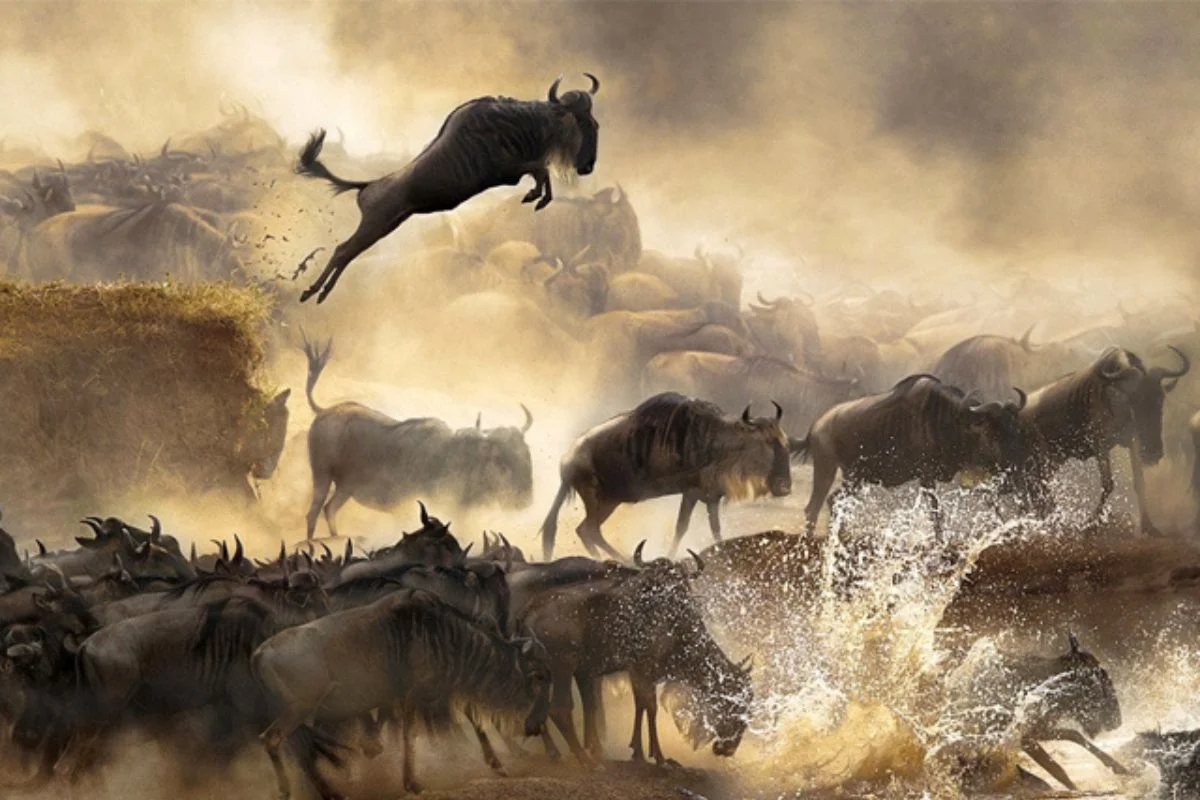
The Serengeti is synonymous with the Great Migration, when more than two million wildebeest, zebra, and gazelle move in a circular pattern following seasonal rains.
Predators (lion, cheetah, leopard, hyena) and scavengers trail the herds, and the Grumeti and Mara river crossings (typically June to September) rank among Africa's most dramatic wildlife spectacles.
All-inclusive tented camps and permanent lodges dot the Serengeti's regions (southern plains, Western Corridor, northern Serengeti), with rates ranging from $800-$1,800 per person per night.
Mobile camps follow the migration, repositioning every few months to stay near the herds. Access is via Kilimanjaro or Arusha airport, followed by a charter flight to one of several airstrips inside the park.
When is the best time to visit the Serengeti for the Great Migration?
The migration moves year-round, so timing depends on which event you prioritise. December to March sees calving season on the southern plains, with thousands of newborns attracting predators. June to July brings the western Grumeti crossings, and August to October features the dramatic Mara River crossings in the northern Serengeti. Book mobile camps 9-12 months ahead for peak migration months, as availability is limited.
Seychelles Island Escape
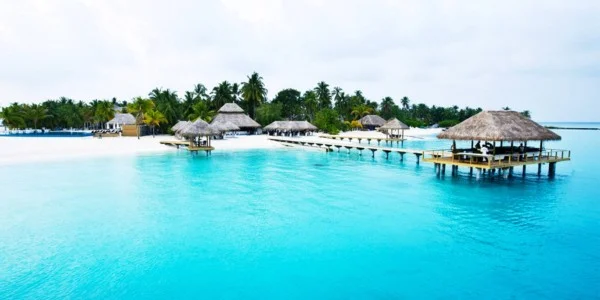
Visit the jewel of the Indian Ocean with blue azure waters and white sandy beaches.
Plan My SafariChoosing between five-star and four-star all-inclusive lodges
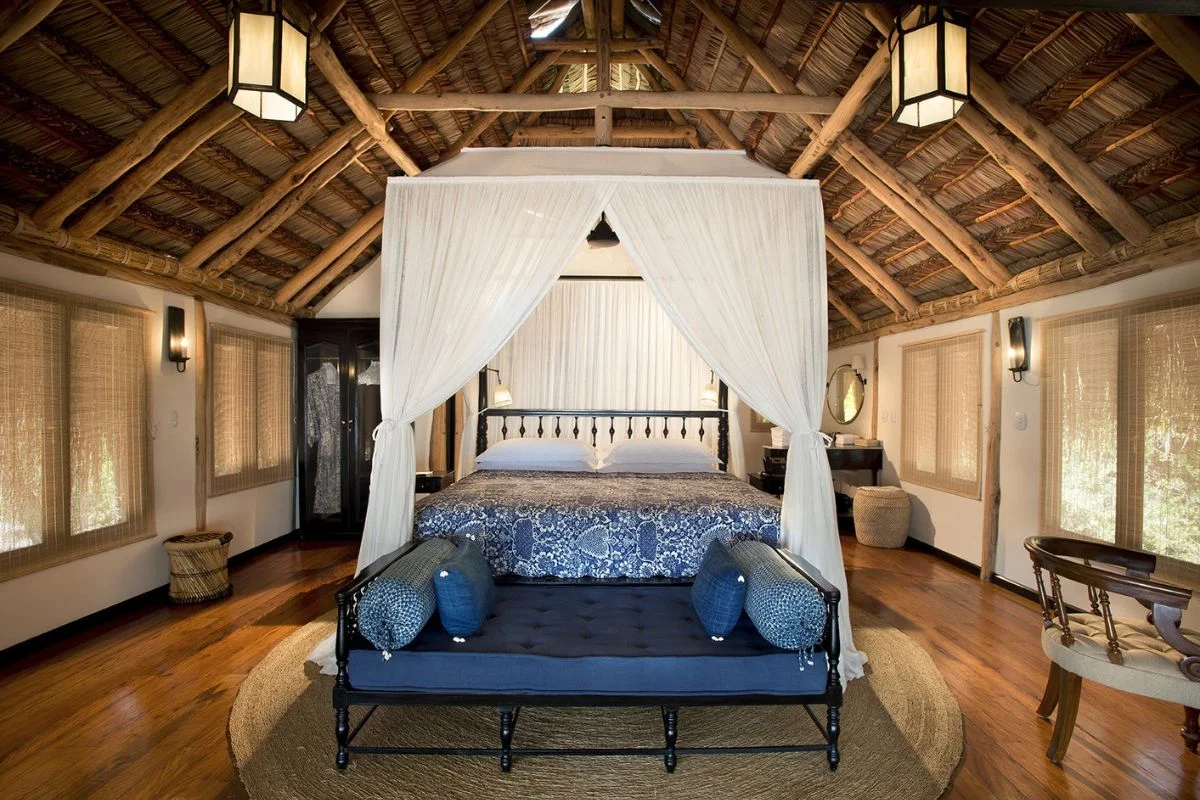
Five-star premium lodges offer larger suites (often with private plunge pools), higher staff-to-guest ratios, finer dining (multi-course meals, curated wine lists), and exclusive traversing rights across vast private concessions.
Four-star luxury properties deliver excellent guiding, comfortable rooms, and the same twice-daily game drives, but with simpler menus, smaller suites, and occasionally shared vehicles during peak season.
For most travellers, the wildlife experience differs little between tiers. Guides at reputable four-star camps are equally qualified (many hold advanced field guide certifications), and you will see the same animals.
The five-star premium tier justifies its cost if you value design, privacy (some lodges cap capacity at 12-16 guests), and the prestige of staying at award-winning properties like Royal Malewane or Mombo.
Logistics and booking considerations
Book all-inclusive safaris 6-12 months ahead for high season, especially if targeting specific migration windows in Tanzania or Kenya, or school holiday periods (July, August, December).
Shoulder season (April, May, November in southern Africa) offers 20-40 per cent discounts, fewer guests, and excellent game viewing, though some camps close for annual maintenance.
Most lodges require a deposit of 30-50 per cent at booking, with the balance due 60-90 days before arrival.
Cancellation policies vary: some lodges offer flexible rebooking within 12 months, while others enforce stricter forfeiture terms. Always purchase comprehensive travel insurance covering trip cancellation, medical evacuation, and safari-specific risks.
Do I need travel insurance for an all-inclusive African safari?
Yes. Comprehensive travel insurance is essential. Policies should cover emergency medical evacuation (air ambulance from remote reserves can cost $10,000-$30,000), trip cancellation and interruption, lost luggage, and flight delays. Some lodges include emergency evacuation insurance in their rates, but verify coverage limits and exclusions. Specialist safari insurers often provide better terms than generic travel policies, particularly for high-value bookings.
Frequently asked questions
What should I consider when planning my first African safari?
Your budget needs to be the major consideration, as prices range from affordable self-drive options to luxury camps costing over $4,000 per person per night. Think about any specific animals or experiences you are particularly interested in, such as the great migration or hunting scenes. Consider what level of accommodation you would like and whether you want to combine your safari with other experiences like visiting the beach, gorilla trekking, Victoria Falls, or cities like Cape Town. Certain destinations pair better with specific activities. Also, remember that July and August are peak season, so book well in advance.
How much does a luxury safari in Botswana cost?
Safari prices in Botswana vary enormously depending on the level of accommodation and exclusivity. Top-end private concessions in Botswana can cost over $4,000 USD per person per night during the peak season of July and August. At the other end of the spectrum, more affordable options like self-drive safaris in parks like Kruger can be incredibly budget-friendly. The massive price range reflects different levels of exclusivity, accommodation quality, and wildlife viewing opportunities. Your budget is a major consideration when choosing your safari destination.
Why would I use a tour operator for a South Africa safari instead of booking directly?
Tour operators are valuable if you don't want to spend time researching suitable areas, lodges, hotels, room rates, accommodation amenities, customer reviews, and transport arrangements. They handle all the logistics for you. In some cases, tour operators can secure rates that are cheaper than direct booking, as mentioned by one traveller who booked a Sabi Sand lodge through an operator specifically to see leopards. This is particularly helpful for first-timers who are unfamiliar with different areas and parks and want expert guidance on where to go for their specific wildlife goals.
How long should a first time safari in South Africa be?
For a first timer, a week on safari is quite sufficient to get a good wildlife experience. Most tours are 3 to 5 days because South Africa offers many other attractions beyond wildlife, and visitors often combine safari with Cape Town, the Garden Route, or cultural experiences. The shorter duration also reflects that some people want to try the wildlife aspect but aren't passionate enough for longer stays. You'll also want to allow time at the front end to recover from long flights before starting early morning and late afternoon game drives, so you're not jetlagged during your safari.
Should I book a South Africa safari through a tour operator or book lodges directly?
Both options are popular, with roughly a 50/50 split between travellers who self-book and those who use tour operators or travel agents. Tour operators can be helpful if you don't want to spend time researching areas, lodges, rates, and transport logistics. They may also secure better rates at certain lodges. However, booking directly is fairly easy, especially for short stays when you know which lodge and reserve you want. Direct booking allows you to deal with owners or managers personally and get a feel for the place. Many first-timers successfully self-book by email, and lodges are very helpful with directions and answering queries.
How much should I budget for a luxury African safari?
Budget expectations vary greatly depending on trip length, destinations, and accommodation level. For a two week luxury safari covering multiple countries like South Africa, Botswana, and Zambia, quotes typically range from $15,000 to $20,000 per couple excluding international airfare. Botswana is the most expensive safari destination by design, offering very high quality with very low tourist density. The exchange rate is approximately 10 South African Rand per Canadian dollar. Costs include lodge accommodation, charter flights, transfers, tours, and meals, which add up quickly at luxury properties.
Last updated: September 2026