

A buddymoon safari lets you celebrate with friends across Africa's finest wildlife parks, cities and beach destinations.
TL;DR: A buddymoon Africa safari is a group trip for friends seeking shared adventure, typically combining 2-3 destinations like Kruger, Cape Town, Okavango Delta, Victoria Falls or Seychelles. Expect 4-5 star lodges, private game drives, cultural and adventure activities, and group coordination by a dedicated specialist. Costs vary widely depending on season, lodge tier and itinerary length.
Key takeaways
Buddymoons combine wildlife safaris, city experiences, adventure sports and beach relaxation for groups of friends.
The most popular Africa buddymoon destinations are Kruger Park, Cape Town, Okavango Delta, Victoria Falls and Seychelles.
Expect 4-5 star accommodation, private game drives, group bookings for activities and curated dining experiences.
A dedicated group travel specialist handles transport, flights, lodge reservations and restaurant bookings for your entire party.
Combining 2-3 destinations creates the most balanced itinerary, covering wildlife, culture and relaxation.
Book 9-12 months ahead for exclusive-use lodges and peak season travel in Botswana or Seychelles.
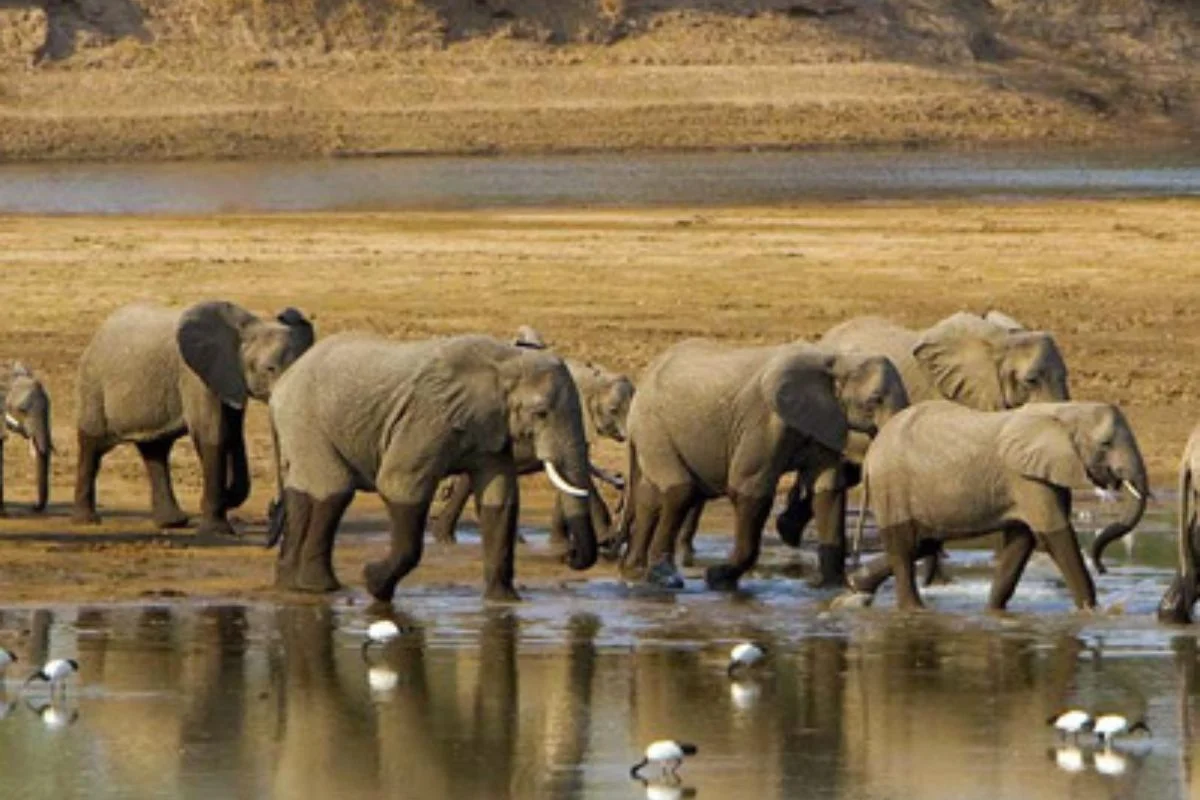
What is a buddymoon safari?
A buddymoon is a group trip with friends, often after a wedding or to celebrate a milestone, replacing or extending the traditional two-person honeymoon.
In Africa, buddymoons blend wildlife safaris, urban culture, adventure sports and beach time. Groups typically number 4-12 people. You stay in 4-5 star lodges and boutique hotels, travel by private transfer or light aircraft, and enjoy shared experiences like game drives, wine tastings, white-water rafting or spa days.
A buddymoon specialist coordinates logistics so the group moves smoothly between destinations.
How is a buddymoon different from a standard group safari?
A buddymoon prioritises celebration and variety. Unlike a single-focus wildlife itinerary, buddymoons mix safari with city exploration, adventure activities and beach relaxation to suit diverse interests within the group.
The pace is social: you share game drives, dine together under the stars, and book group activities like shark-cage diving or helicopter tours.
Accommodation is chosen for communal spaces (pools, lounges, fire pits) and group-friendly layouts.
A buddymoon also involves more complex logistics (multiple destinations, varied activities, coordinating dietary needs and transfer timing), so a dedicated planner is standard.
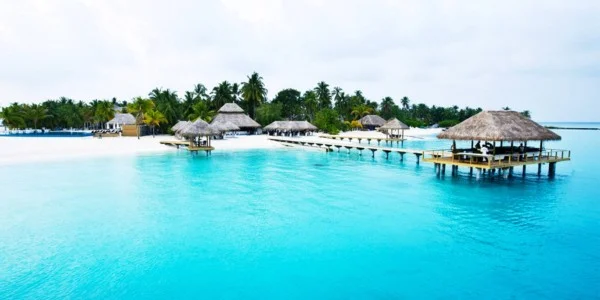
Seychelles Island Escape
Visit the jewel of the Indian Ocean with blue azure waters and white sandy beaches.
Plan My Safari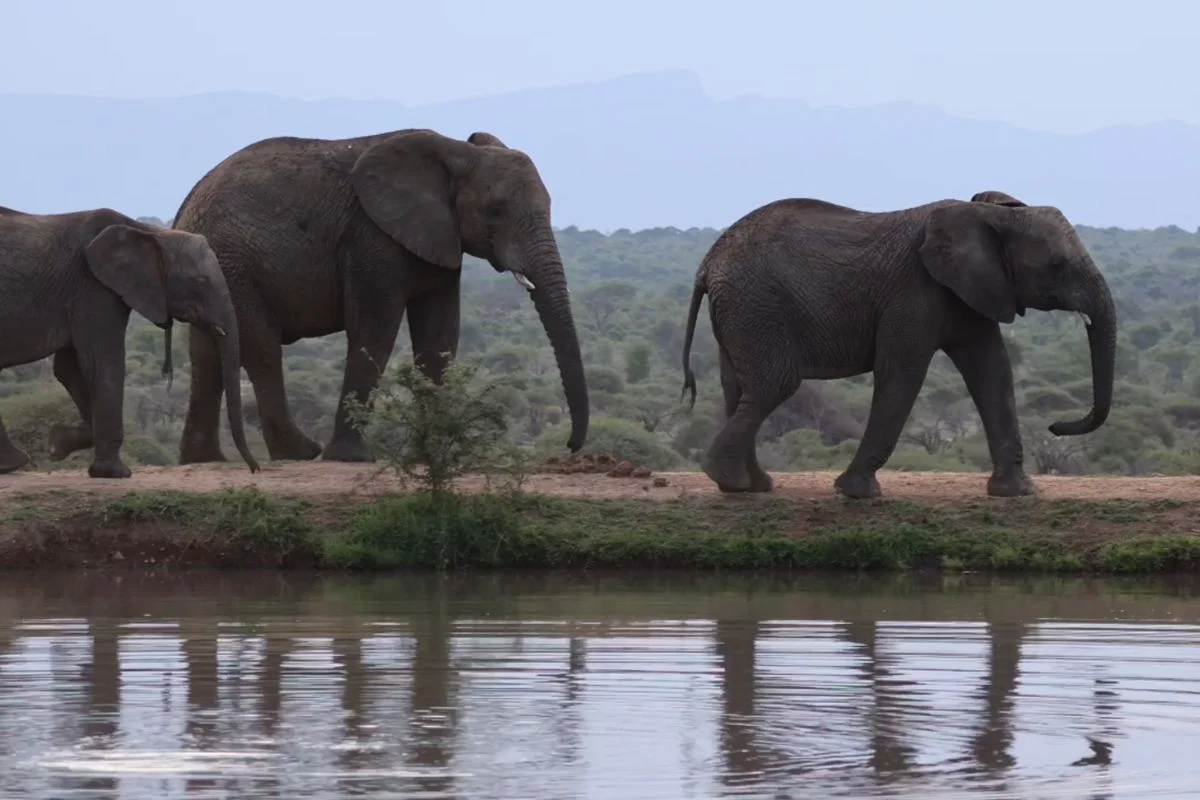
1. Kruger National Park, South Africa
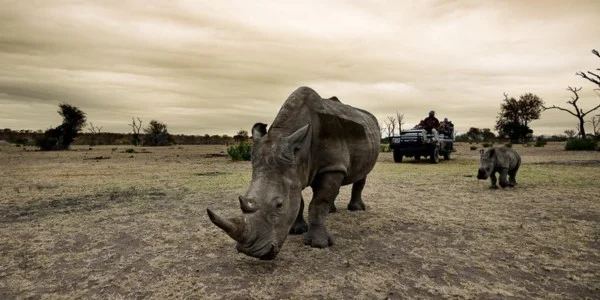
Kruger is Africa's most accessible Big Five destination and offers the best variety of lodge styles and price points for groups.
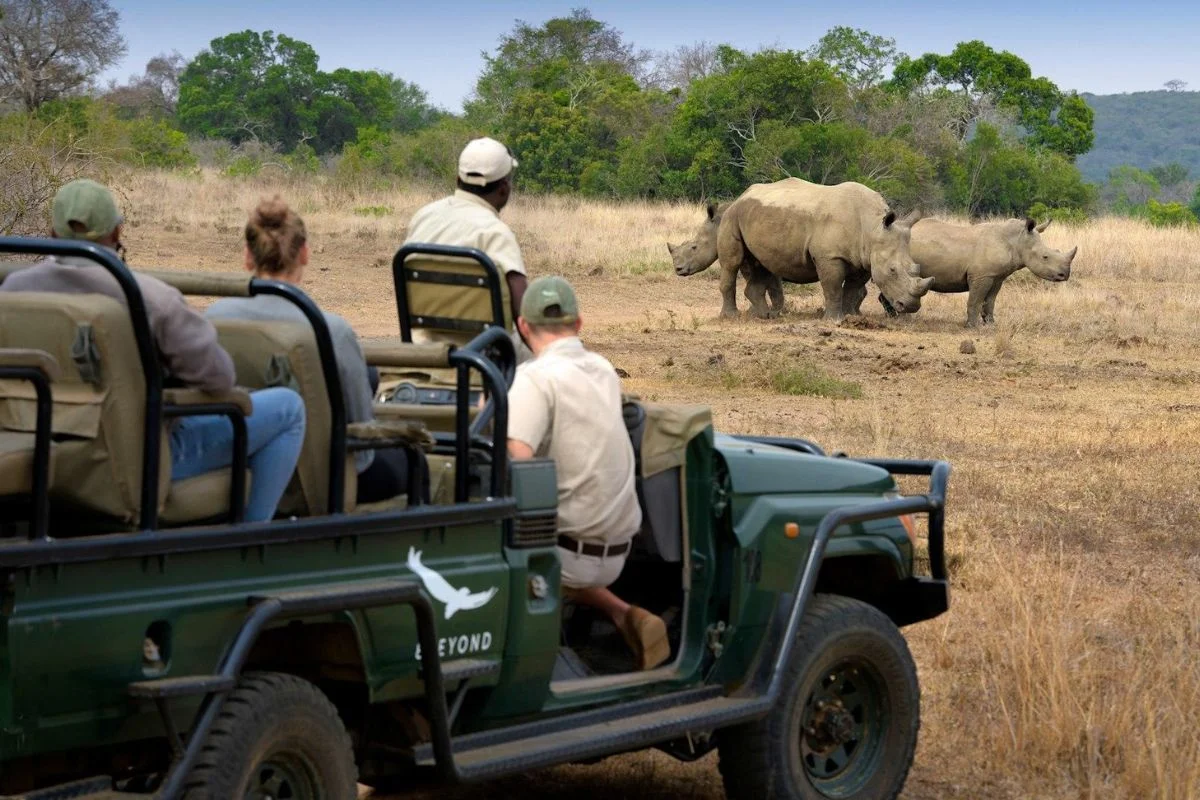
The park spans 19,485 square kilometres and is home to 147 mammal species and over 500 bird species. Most buddymoon groups stay in private reserves along Kruger's western boundary (Sabi Sand, Timbavati, Klaserie), where lodges offer twice-daily game drives in open 4x4s, walking safaris and sundowner stops.
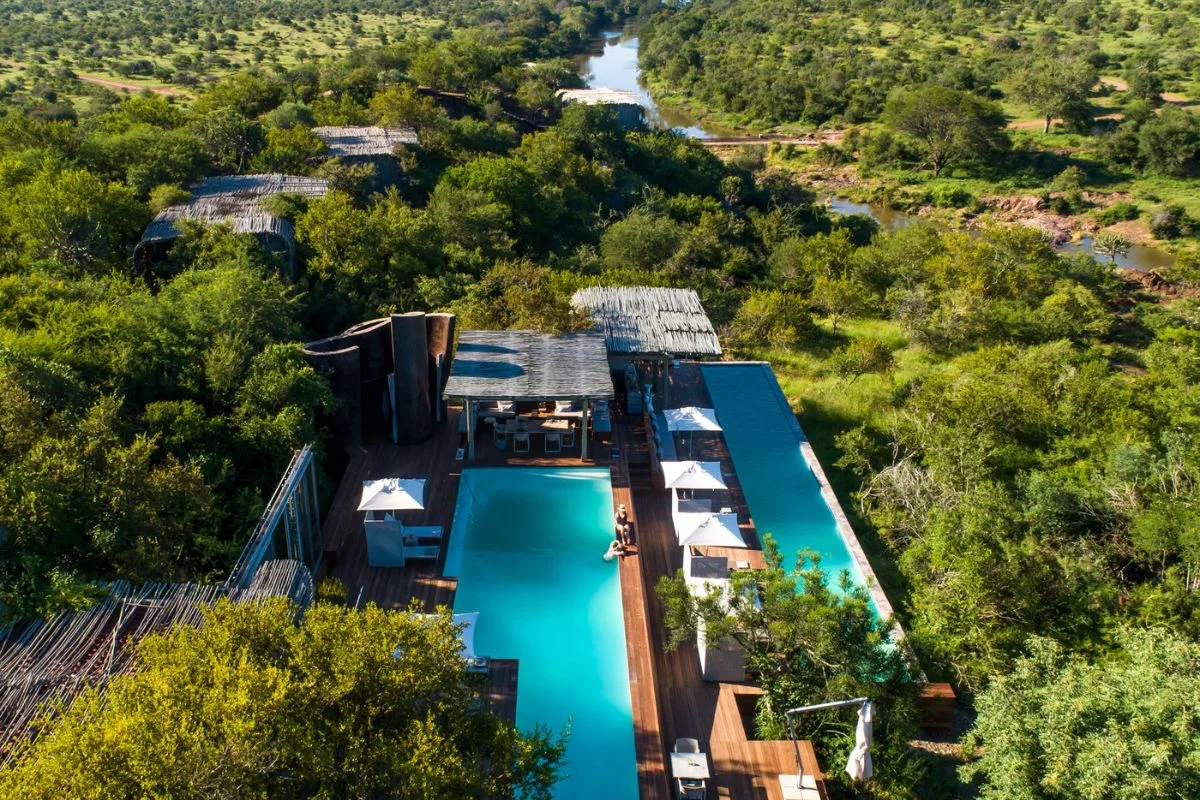
Expect to see lion, leopard, elephant, buffalo, rhino, wild dog and cheetah. Lodges range from classic tented camps to contemporary villas with private pools. Groups can book exclusive-use properties for 8-12 guests.
Kruger suits buddymoons because it combines reliable wildlife sightings with strong infrastructure. Direct flights from Johannesburg to Kruger Mpumalanga International Airport (KMIA) or private airstrips in the reserves reduce transfer time.
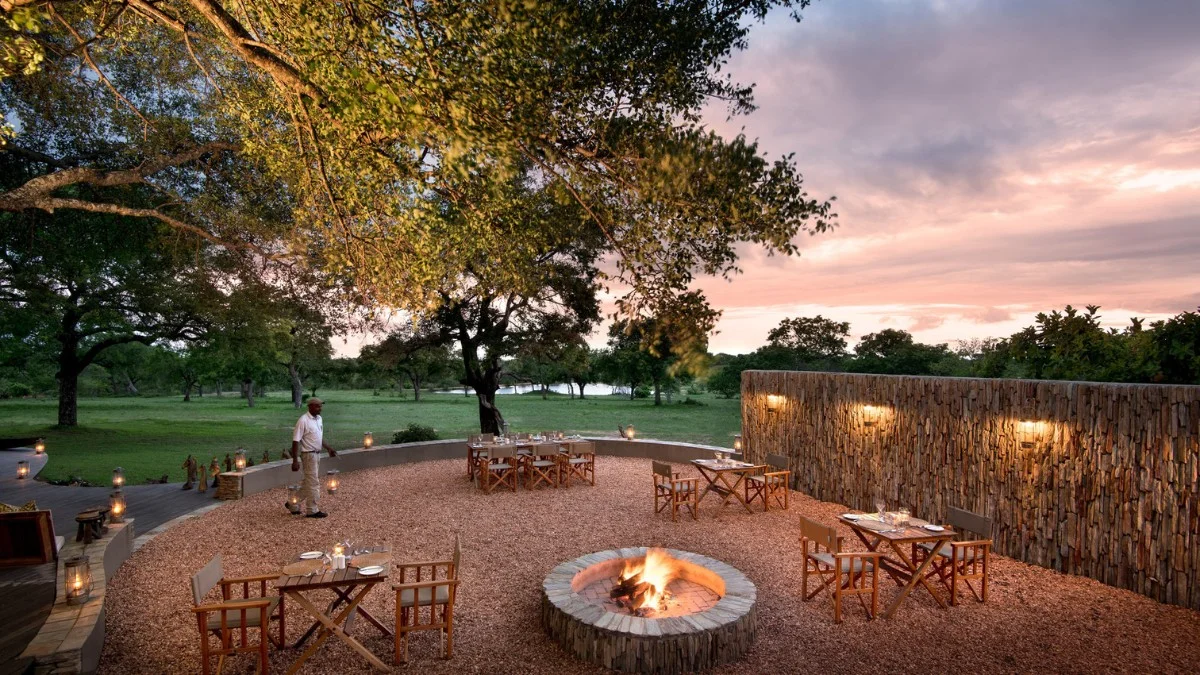
The region has mobile reception, experienced guides who speak multiple languages, and flexible activity schedules. Dining is a highlight: multi-course meals served in bomas (outdoor enclosures), bush picnics, and wine lists featuring South African estates. Most lodges can accommodate dietary restrictions with advance notice.
What is the best time to visit Kruger for a buddymoon?
May to September (dry winter) offers the easiest game viewing: vegetation thins, animals congregate at water sources, and cool mornings make early drives comfortable. July and August are peak months, so book lodges 10-12 months ahead. October to April is wetter and hotter; November to March brings afternoon thunderstorms, lush scenery and newborn animals. Shoulder months (April, May, October) deliver good wildlife sightings, fewer crowds and lower rates. Avoid South African school holidays (late June to mid-July, mid-December to mid-January) if you prefer a quieter bush experience.
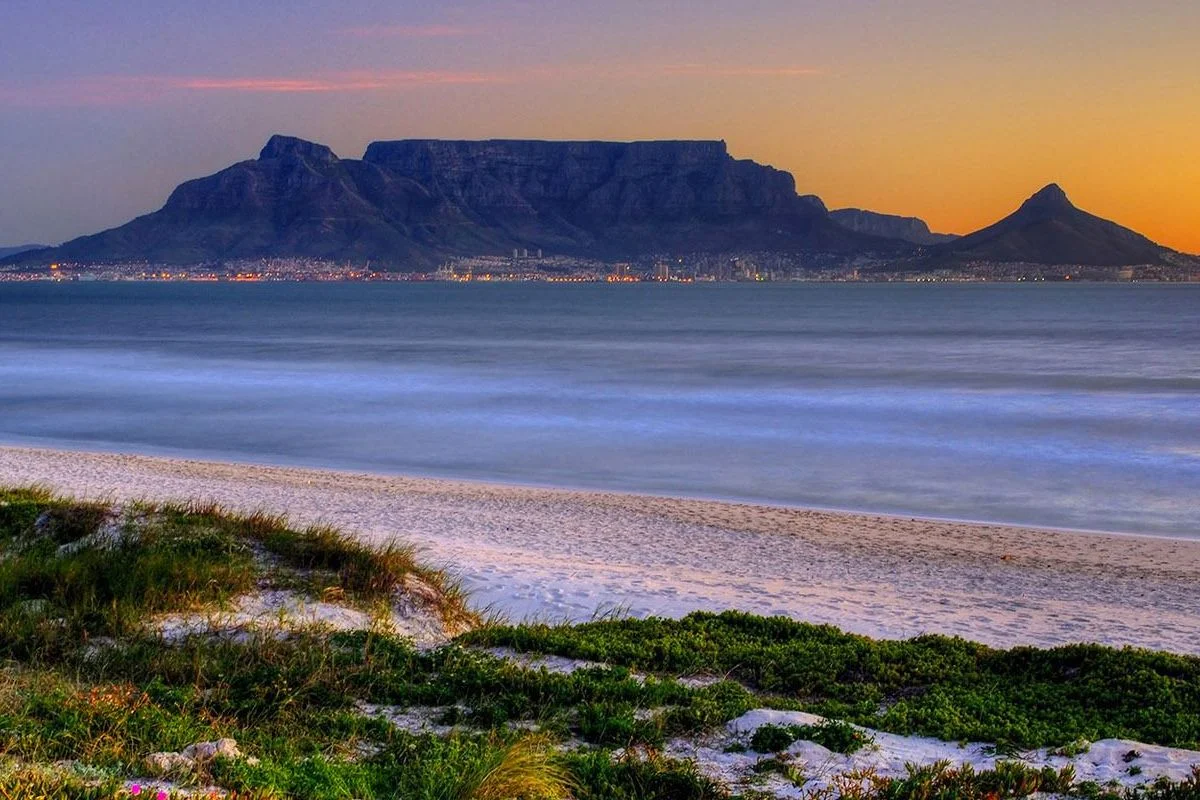
2. Cape Town, South Africa
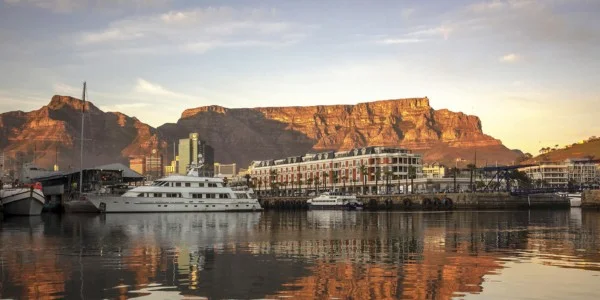
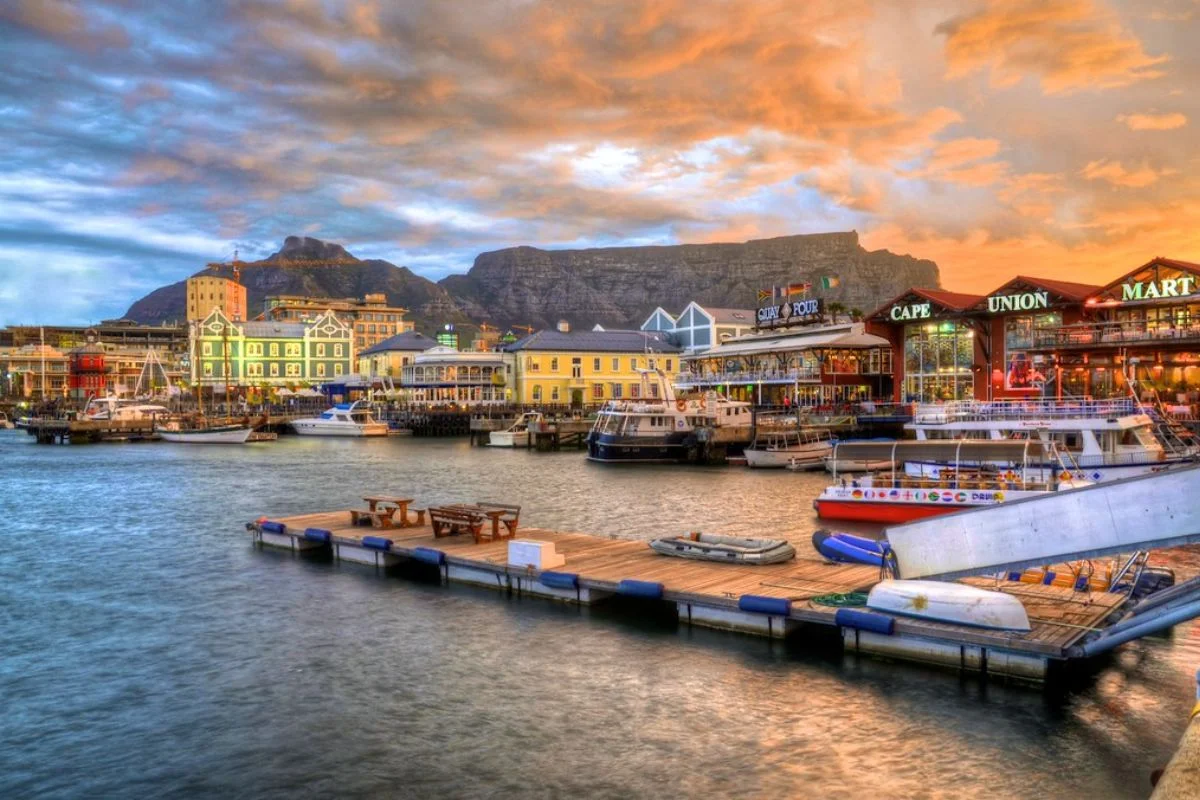
Cape Town combines urban culture, wine country and coastal adventure. The city sits beneath Table Mountain, a flat-topped peak accessible by rotating cable car.
Groups spend 3-5 days exploring the V&A Waterfront (shopping, dining, boat charters), the Cape Peninsula (Chapman's Peak Drive, Boulders Beach penguin colony, Cape Point), and the Winelands (Stellenbosch, Franschhoek, Constantia).
Adventure activities include shark-cage diving in Gansbaai (2-hour drive), paragliding from Signal Hill, sea kayaking with seals, and helicopter flips over the Twelve Apostles mountain range.
Cape Town suits groups because it offers parallel activities: some friends can hike Lion's Head at sunrise while others sleep in and book spa treatments.
The food and wine scene is exceptional, with Michelin-level restaurants (The Test Kitchen, La Colombe), historic wine estates and craft breweries.
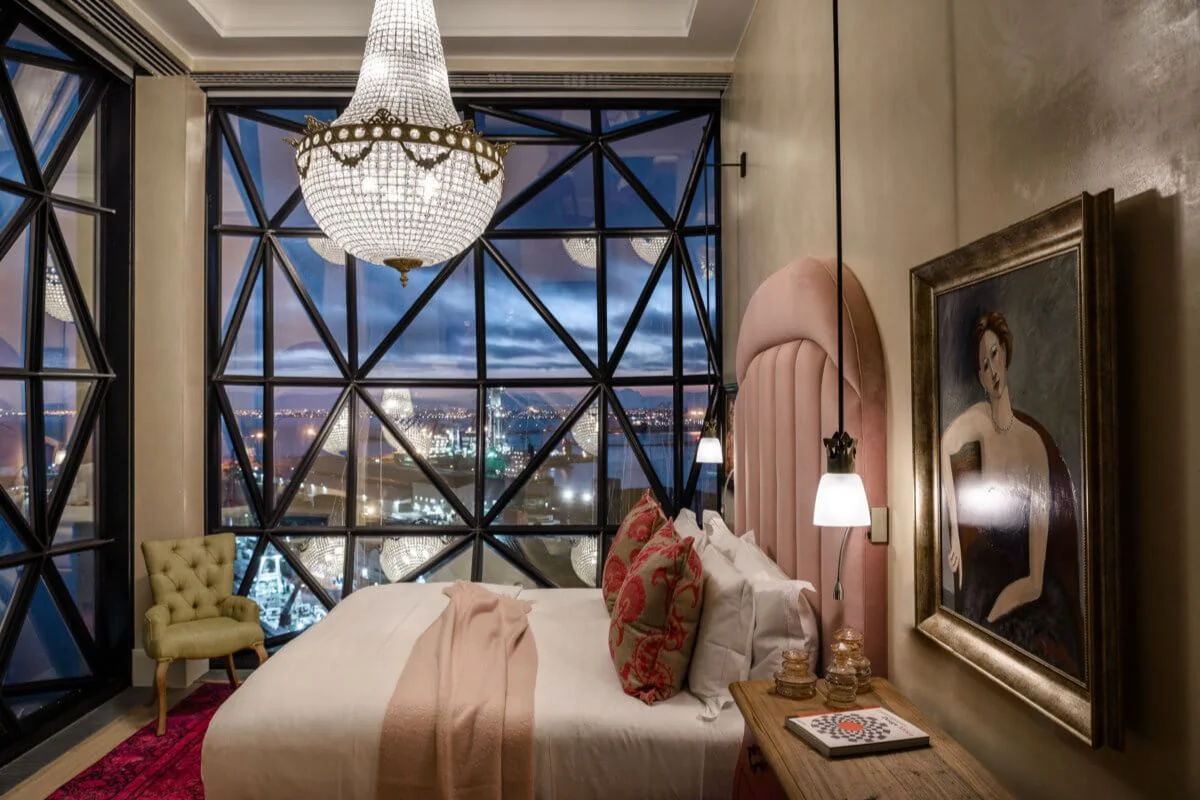
Accommodation options include Atlantic Seaboard villas (Camps Bay, Clifton) with pools and ocean views, boutique hotels in the City Bowl, and Winelands estates. Most properties can arrange private chefs, wine tutors and vehicle hire.
How do you combine Cape Town with a safari?
Fly into Cape Town, spend 3-4 days exploring the city and Winelands, then take a 2-hour domestic flight to Kruger or an international flight to Botswana or Kenya for 4-6 days of safari. Alternatively, reverse the order: safari first, then decompress in Cape Town.
Some groups add a third leg (Victoria Falls or Seychelles) after Cape Town. Book all flights and transfers through your specialist to avoid gaps or missed connections. Budget at least one rest day between high-activity legs to prevent fatigue.
Cape Town — best time to visit
| J | F | M | A | M | J | J | A | S | O | N | D | |
|---|---|---|---|---|---|---|---|---|---|---|---|---|
| High °C | 27° | 27° | 26° | 23° | 20° | 18° | 17° | 18° | 19° | 22° | 24° | 26° |
| High °F | 81° | 81° | 79° | 73° | 68° | 64° | 63° | 64° | 66° | 72° | 75° | 79° |
| Rain mm | 15 | 17 | 20 | 50 | 95 | 120 | 105 | 90 | 60 | 40 | 25 | 15 |
| Rating |
Cape Town: Mediterranean climate — Nov–Apr is warm and dry; winter (Jun–Aug) is wet and windy.
Ideal — Peak conditions — dry, comfortable, prime wildlife or beach time.
Good — Great conditions with brief showers or warmer days; still highly recommended.
Shoulder — Mixed weather — fewer crowds and lower rates, occasional rain.
Avoid — Heaviest rain or roughest seas; many camps and roads can be affected.
3. Okavango Delta, Botswana
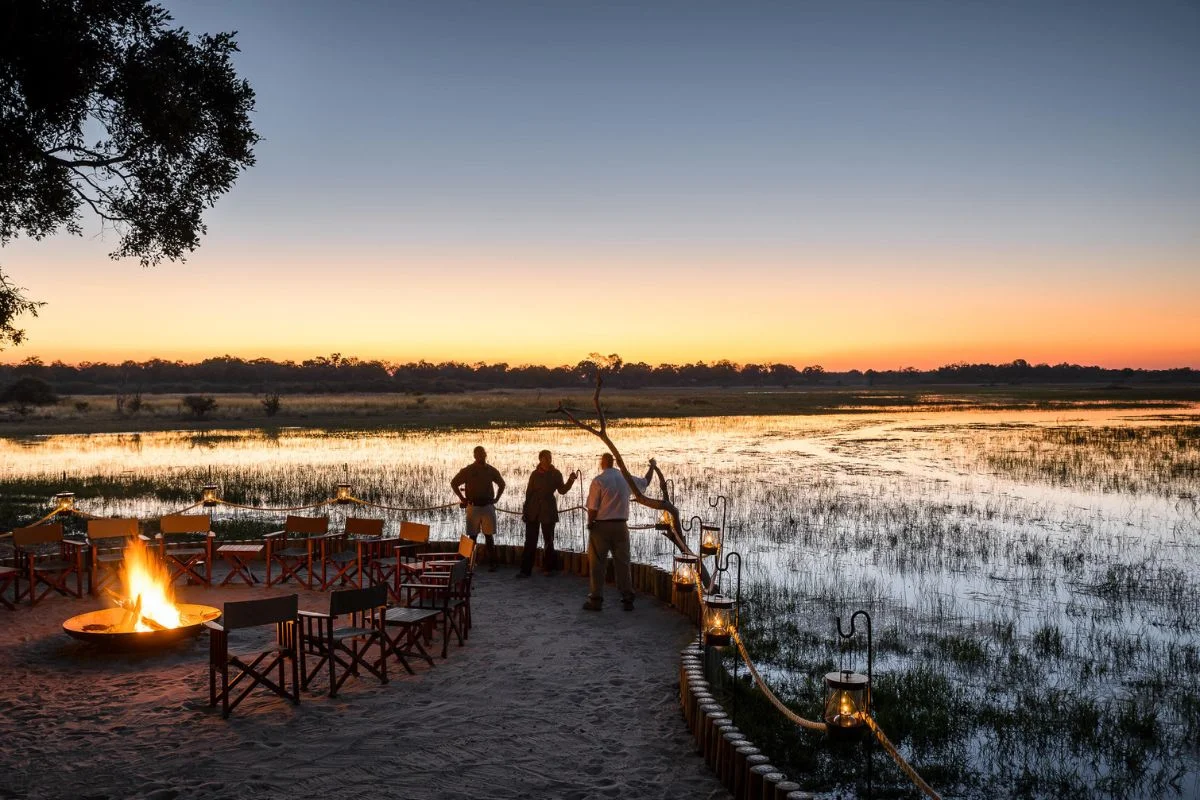
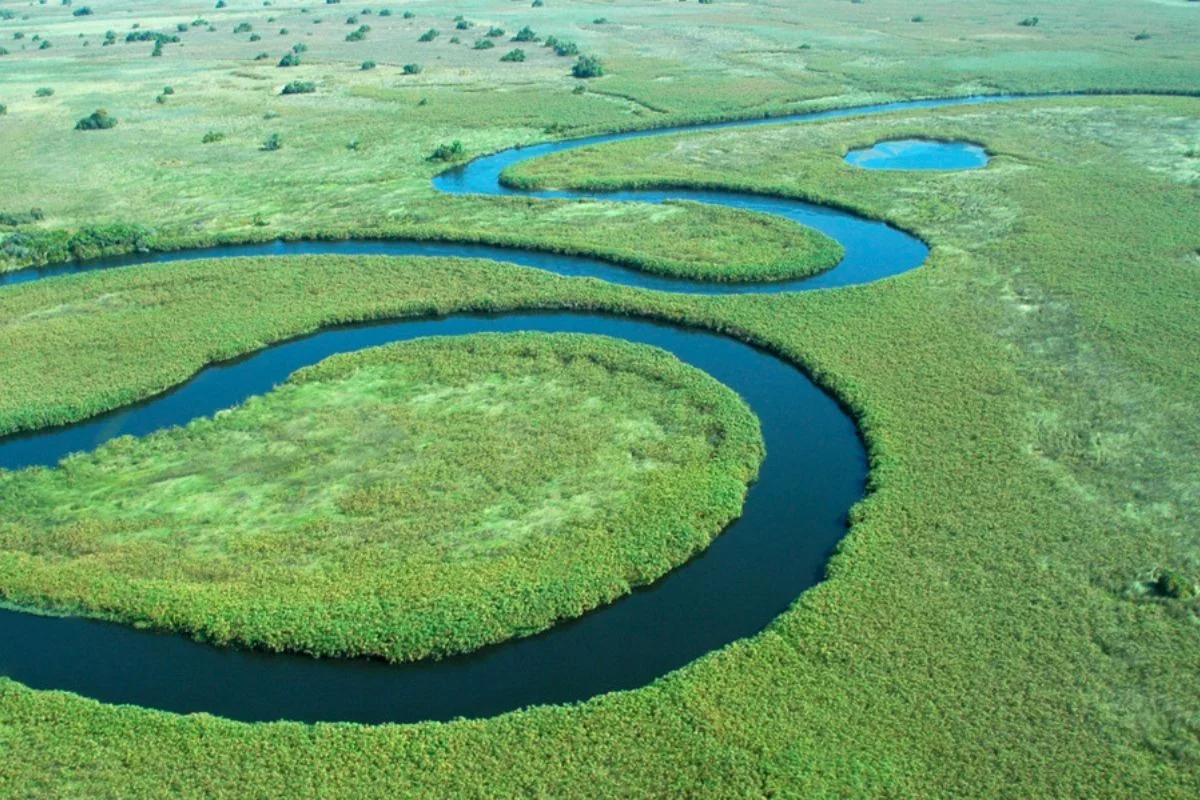
The Okavango Delta is a 15,000-square-kilometre inland river delta and UNESCO World Heritage Site. Water from the Angolan highlands floods the Kalahari sands between May and September, creating a maze of channels, lagoons and islands.
Access is by light aircraft only; most lodges have private airstrips. The Delta suits buddymoons seeking exclusivity and intimate wildlife encounters.
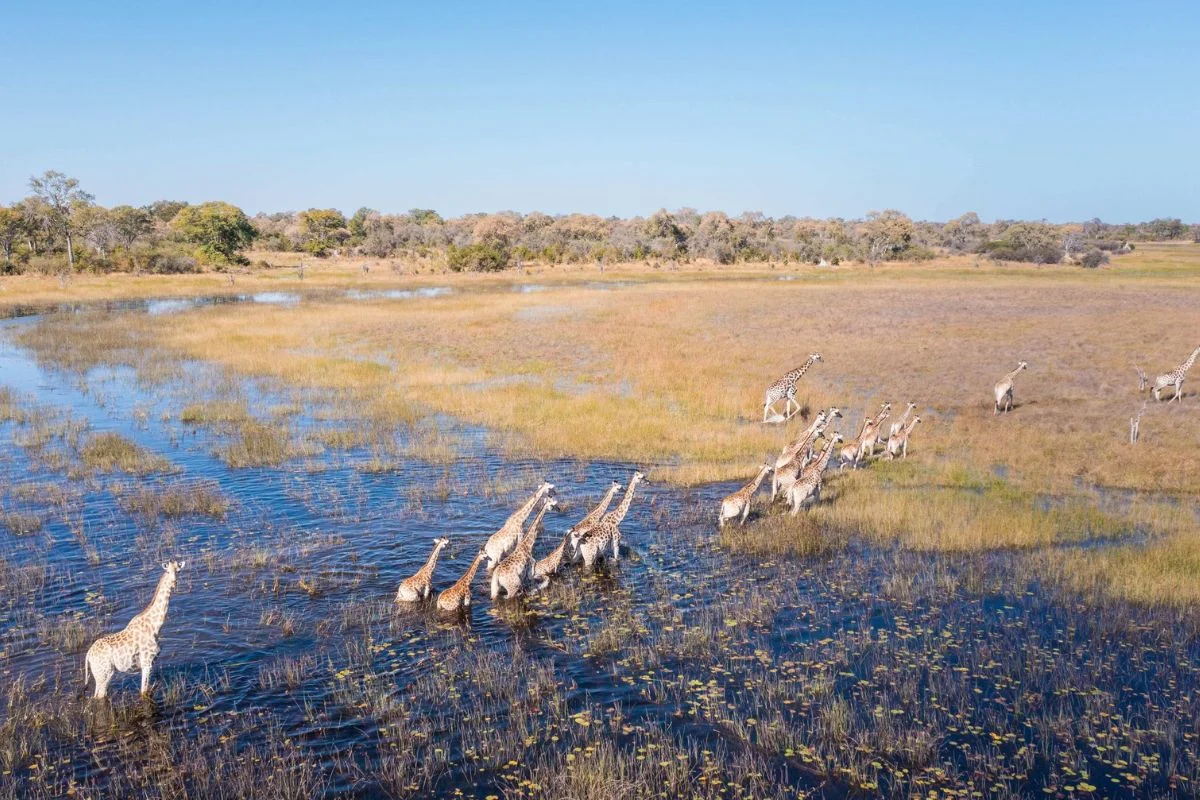
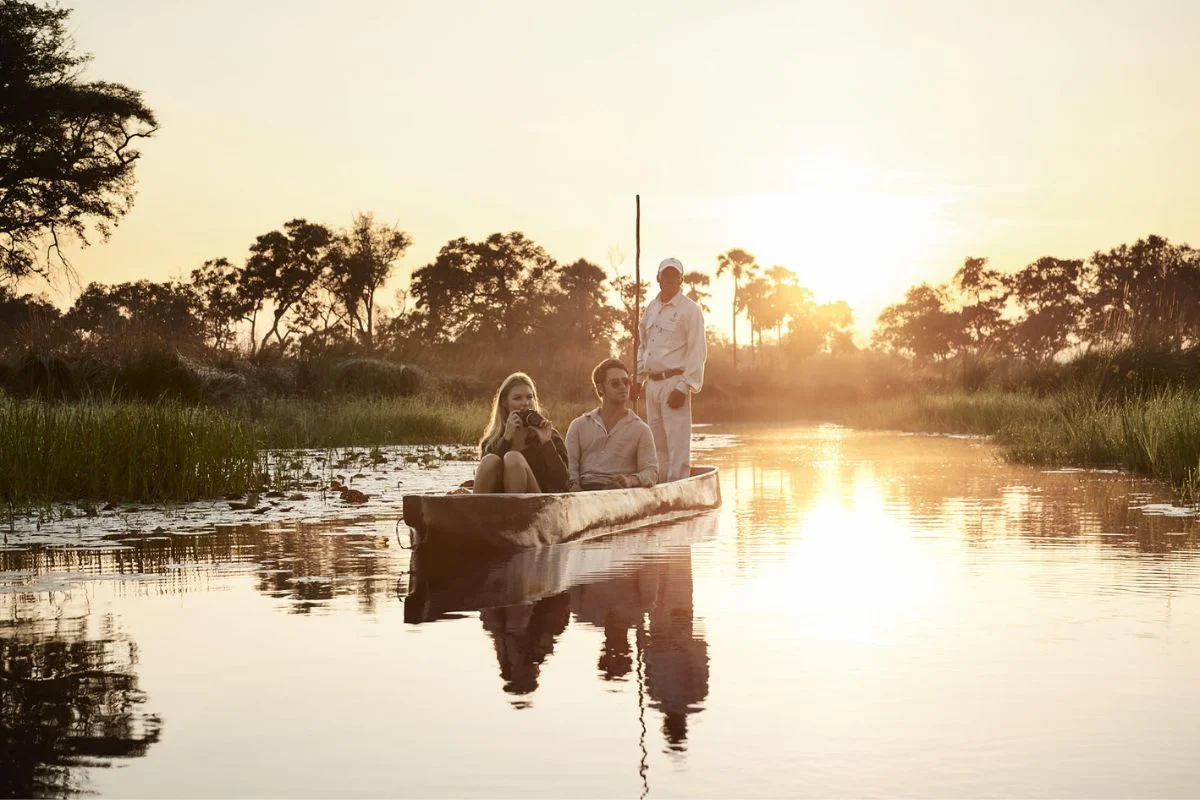
Lodges host 8-20 guests maximum and offer mokoro (dugout canoe) excursions, walking safaris, motorboat cruises and traditional game drives. Expect to see elephant, hippo, crocodile, lechwe, sitatunga, lion, leopard and over 400 bird species.
Botswana enforces a low-volume, high-cost tourism model: accommodation is 5-star, and rates reflect the remote location and conservation fees. Groups can book entire camps for privacy.
Days blend water-based and land-based activities. A typical schedule: early mokoro paddle through papyrus channels, mid-morning walking safari on a palm island, afternoon game drive, sunset boat cruise with drinks. Guides are highly trained and tailor sightings to group interests.
Dining is refined (fresh-baked bread, South African wines, creative bush cuisine), often served under the stars or on private decks.
What does an Okavango Delta buddymoon cost?
Expect $800-$1,500 per person per night at mid-to-upper-tier lodges, including accommodation, all meals, drinks (house wines, spirits, beers), twice-daily activities and light-aircraft transfers between lodges.
Charter flights from Maun (gateway town) to camp add $150-$350 per person each way.
A 4-night Delta stay for a group of eight costs roughly $25,600-$48,000 total. Exclusive-use bookings (renting an entire lodge) cost $6,000-$15,000 per night depending on property and season. Book 12 months ahead for June to October (peak dry season).
4. Victoria Falls, Zambia and Zimbabwe
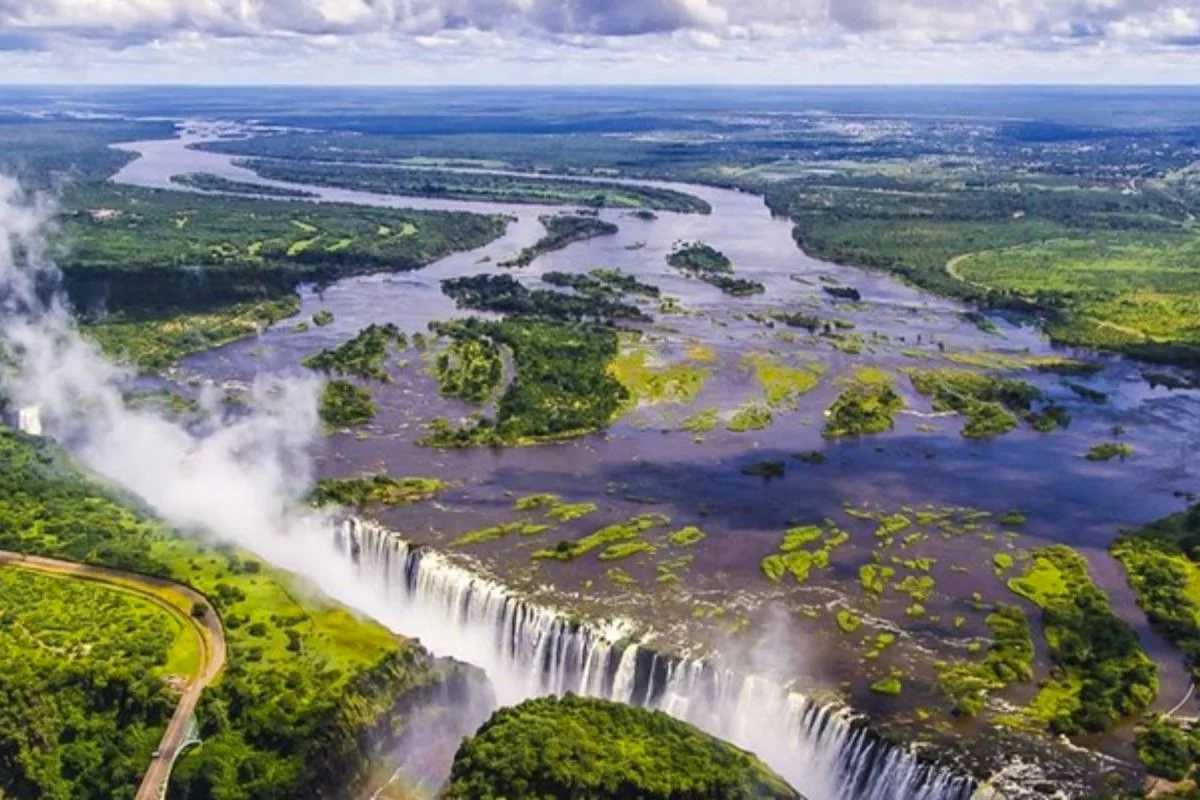
Victoria Falls is the world's largest sheet of falling water (1,708 metres wide, 108 metres high) and straddles the Zambia-Zimbabwe border on the Zambezi River.
The falls are accessible from both countries; most visitors enter via Livingstone (Zambia) or Victoria Falls town (Zimbabwe). Buddymoon groups stay 2-4 nights and focus on adventure: white-water rafting (grade 5 rapids below the falls), bungee jumping from the Victoria Falls Bridge (111 metres), helicopter flights over the gorge, microlight flips, and swimming in Devil's Pool (a natural infinity pool at the edge of the falls, Zambia side, dry season only).
The region also offers game drives in Mosi-oa-Tunya National Park (Zambia) and Zambezi National Park (Zimbabwe), sunset river cruises with hippos and crocodiles, and guided rainforest walks to viewpoints along the falls.
Accommodation ranges from colonial-era hotels (Victoria Falls Hotel, Royal Livingstone) to modern safari lodges upstream. The falls are at their fullest March to May (after the rainy season); June to August offers lower water but easier views and access to Devil's Pool. September to November is hot and dry with minimal flow.
Which side of Victoria Falls is better for a buddymoon?
The Zambia side (Livingstone) offers Devil's Pool, fewer crowds and higher-end lodges. The Zimbabwe side (Victoria Falls town) provides closer walking access to the main falls viewpoints, more budget options and easier access to the bungee bridge. Most groups visit both: you can walk across the Victoria Falls Bridge with a day visa (USD 50, organized through your lodge).
If your priority is adventure activities, base in Livingstone. If you want to spend more time at the falls viewpoints and explore the rainforest, base in Victoria Falls town. Helicopter flights and river cruises operate from both sides.
5. Seychelles, Indian Ocean
Seychelles is an archipelago of 115 granite and coral islands 1,500 kilometres east of mainland Africa. The three main islands (Mahé, Praslin, La Digue) host most resorts and activities.
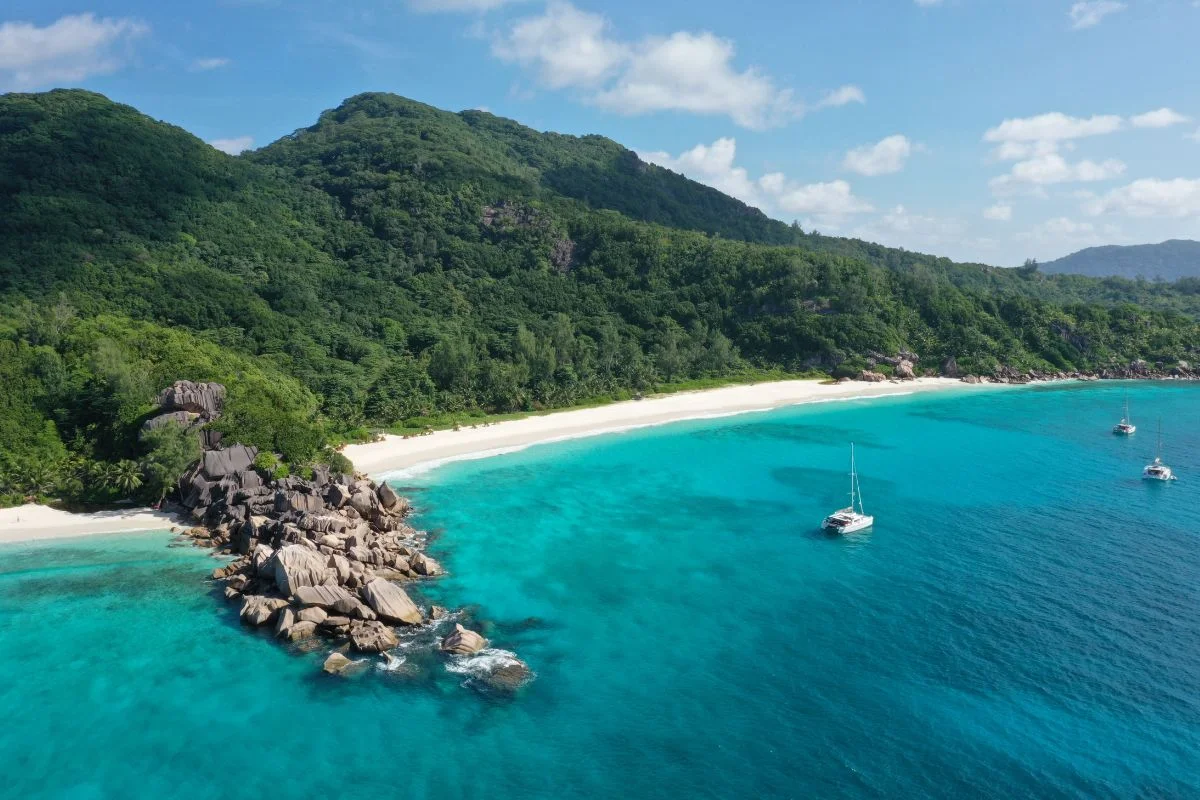
Seychelles suits buddymoons as a post-safari beach extension: warm turquoise water year-round (26-29°C), white-sand beaches framed by granite boulders, coral reefs for snorkelling and diving, and jungle-clad interiors with hiking trails.
Resorts range from family-friendly properties to adults-only boutique hotels. Activities include sailing, kayaking, paddleboarding, deep-sea fishing, island-hopping by boat or helicopter, and spa treatments.
Groups typically fly into Mahé (international airport), spend 1-2 nights exploring Victoria (the capital) and beaches like Beau Vallon, then take a 15-minute domestic flight or fast catamaran to Praslin or La Digue.
Praslin is home to Anse Lazio (regularly ranked among the world's best beaches) and Vallée de Mai (UNESCO site with endemic coco de mer palms). La Digue is car-free; guests cycle between beaches and visit Anse Source d'Argent (iconic granite rock formations).
Most resorts can arrange group excursions, private beach dinners and villa-style accommodation for larger parties.
When is the best time to visit Seychelles?
April, May, October and November are the calmest and driest months, ideal for snorkelling, diving and sailing.
December to March is the northwest monsoon season: warmer, more humid, occasional rain showers, but seas are generally calm and water visibility is good.
June to September brings the southeast trade winds: cooler, drier, rougher seas on the southeast coasts (but calm on northwest-facing beaches). Avoid late December to early January if you dislike crowds; Seychelles is a peak New Year destination.
Prices are highest June to August and mid-December to mid-January.
Praslin / La Digue — best time to visit
| J | F | M | A | M | J | J | A | S | O | N | D | |
|---|---|---|---|---|---|---|---|---|---|---|---|---|
| High °C | 30° | 31° | 31° | 31° | 30° | 29° | 28° | 28° | 29° | 30° | 30° | 30° |
| High °F | 86° | 88° | 88° | 88° | 86° | 84° | 82° | 82° | 84° | 86° | 86° | 86° |
| Rain mm | 320 | 220 | 165 | 140 | 110 | 80 | 70 | 80 | 105 | 165 | 200 | 260 |
| Rating |
Praslin / La Digue: Drier than Mahé — outstanding beach time Apr–May and Sep–Nov.
Ideal — Peak conditions — dry, comfortable, prime wildlife or beach time.
Good — Great conditions with brief showers or warmer days; still highly recommended.
Shoulder — Mixed weather — fewer crowds and lower rates, occasional rain.
Avoid — Heaviest rain or roughest seas; many camps and roads can be affected.
Visit Cape Town
Visit the number one rated city in the world with 8 blue flag beaches, swimming with penguins and so much more
Plan My Safari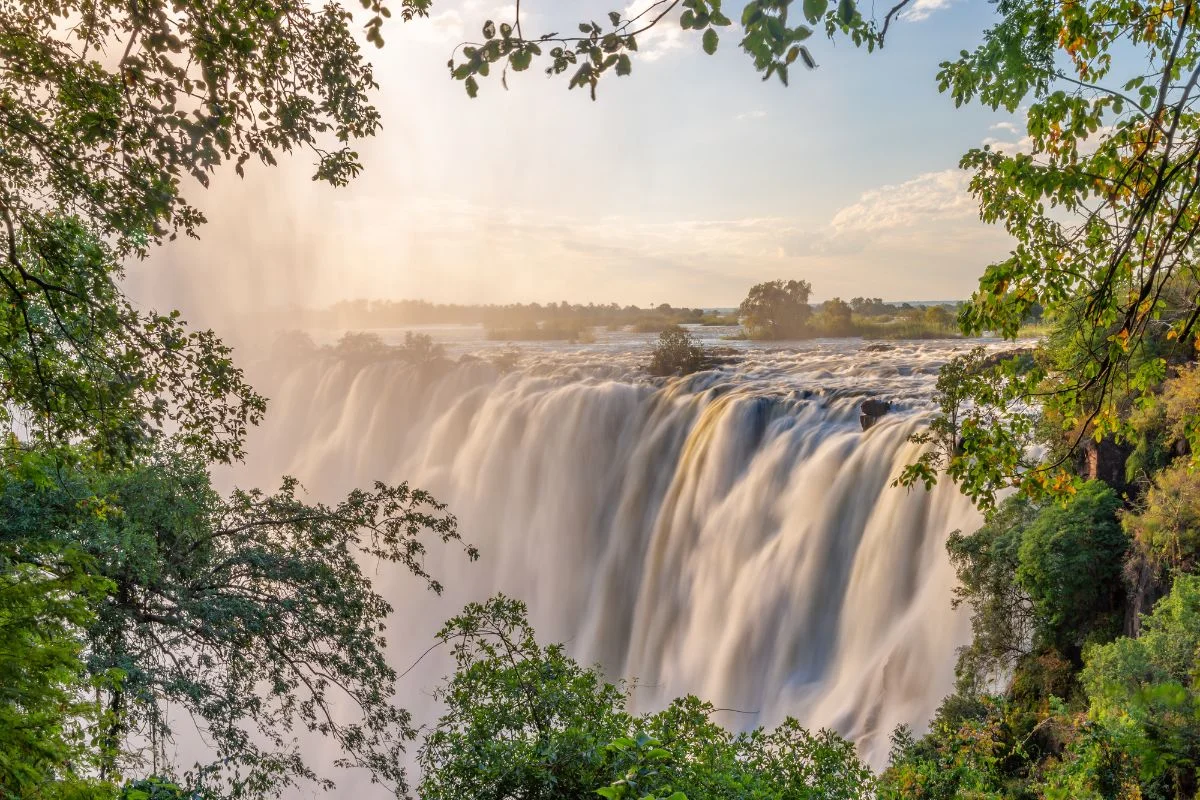
How to plan a buddymoon safari in Africa
Start 9-12 months before travel if you want exclusive-use lodges, peak-season availability or specific properties in Botswana or Seychelles.
Decide on 2-3 core destinations based on group interests: wildlife-focused groups combine Kruger and Okavango Delta; adventure seekers add Victoria Falls; culture and food fans include Cape Town; beach lovers end in Seychelles.
Align the itinerary with the best season for your priority destination (for example, dry season for Okavango, calm seas for Seychelles). Allow 3-5 nights per destination to avoid constant packing and travel days.
Work with a specialist who can negotiate group rates, book connecting flights, arrange private transfers and handle last-minute changes. Confirm dietary needs, mobility considerations and activity preferences for every traveller.
Decide whether to share rooms (to reduce costs) or book individual accommodation. For groups of 8-12, explore exclusive-use lodges where you rent the entire property.
Budget for gratuities (USD $20-$30 per guest per day for safari camps, 10-15 per cent at restaurants), park fees (included in most lodge rates but check), visa costs (if required) and travel insurance that covers adventure activities.
What should a buddymoon group pack?
Safari legs: neutral-coloured clothing (khaki, olive, beige) for game drives, a warm fleece or jacket for early mornings (winter months can drop to 5-10°C), a hat, sunglasses, sunscreen (SPF 50), insect repellent with DEET, binoculars, a camera with zoom lens, and a reusable water bottle.
Lodges provide laundry service, so pack light. Cape Town: casual layers, swimwear, walking shoes for hikes, a windbreaker for boat trips and Table Mountain, smart-casual attire for restaurants. Seychelles: reef-safe sunscreen, snorkel gear (if you prefer your own), a rash guard for water sports, sandals, a dry bag for boat excursions.
Most camps and resorts provide adapters (South Africa uses Type M, Seychelles uses Type G), but bring a universal travel adapter to be safe.
Last updated: August 2026