
A family safari in Africa balances Big Five wildlife encounters with varied activities that keep children of all ages engaged.
The best African safari for families combines Cape Town, Kruger Park and Victoria Falls over 8 to 10 nights. Expect luxury lodges with family suites, twice-daily game drives, adventure activities and costs from around $6,000 per person. Malaria-free alternatives like Madikwe suit families with younger children.
Southern Africa in particular has such an exceptional variety of activities to entertain family members young and old, from wildlife encounters to adrenaline sports and oceanic adventures.
Key takeaways
Cape Town, Kruger Park and Victoria Falls form the classic family safari route with activities for all ages.
Luxury family safaris cost from $6,000 per person for 8 nights at four-star lodges, $7,500 at five-star properties.
Madikwe and other malaria-free reserves are safer options for families with children under five years old.
Children under 12 qualify for reduced rates at most lodges; over 12s are charged as adults.
Victoria Falls offers white water rafting, bungee jumping, zip-lining and Devil's Pool for older children.
Most lodges include all meals and local drinks in five-star rates; four-star properties vary.
What our travellers say
Thanks to Sam, my husband and I had the most incredible honeymoon in Africa. Not a single detail was missed from start to finish and we felt so looked after. Our two week holiday across 4 different locations was so relaxed and seamless. Sam went over and beyond for us and was contactable at all times. I am still amazed at the level of care, patience, professionalism and friendliness we experienced from Sam. I could not speak more highly of her and will be recommending her to anyone I know that wants to travel to Africa. I strongly believe that Africa is one place that should be planned and booked through an experienced and knowledgeable agent, and Sam is definitely that person. Sam, I cannot thank you enough! You will definitely be planning my next holiday to Africa in the not so distant future.
★★★★★ The Sneesby's, Sydney, Australia
Best family safari destinations in Africa
The strongest family safari itinerary combines three core destinations that offer different experiences. Each destination below works well independently, but together they create a balanced trip that covers culture, wildlife and adventure.
Visit Cape Town
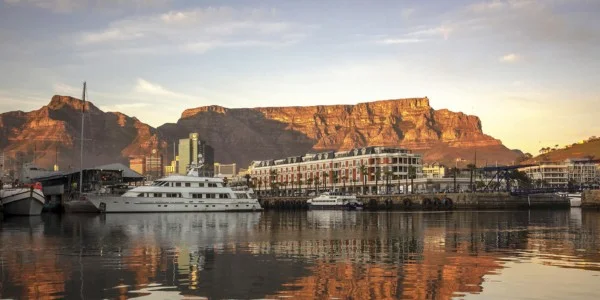
Visit the number one rated city in the world with 8 blue flag beaches, swimming with penguins and so much more
Plan My Safari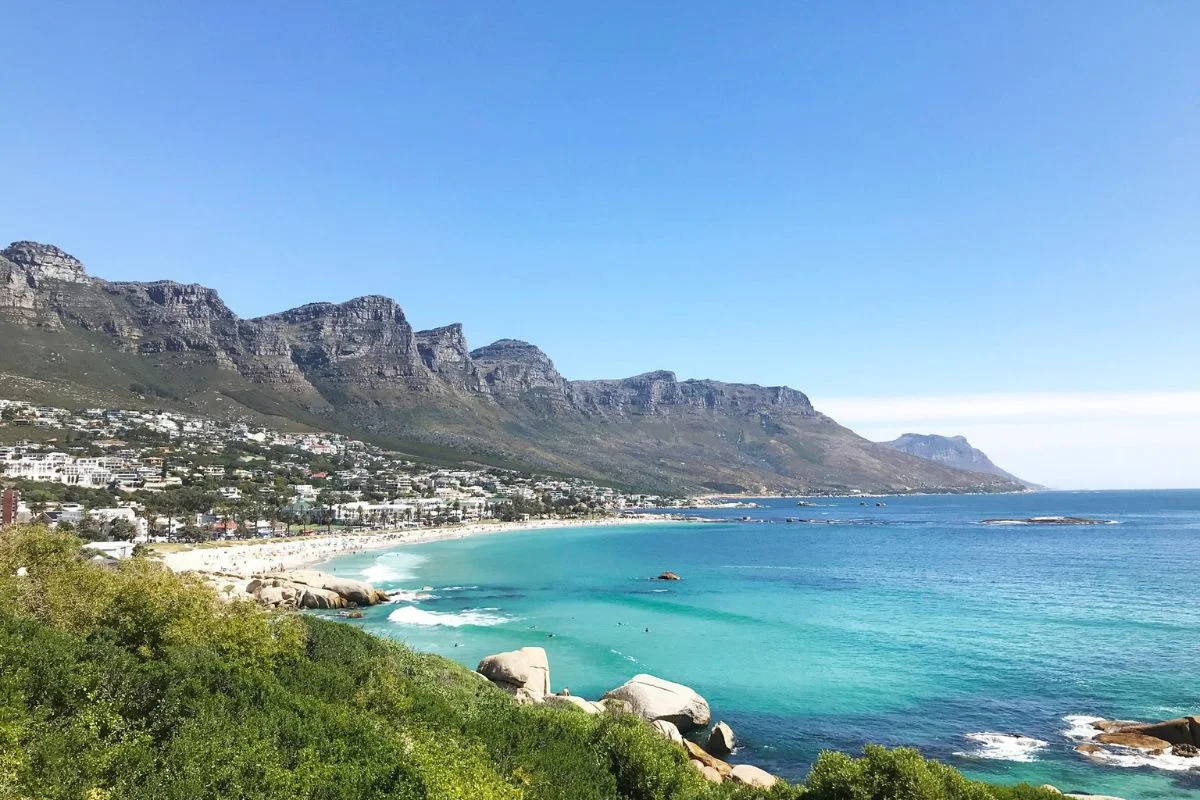
1. Cape Town
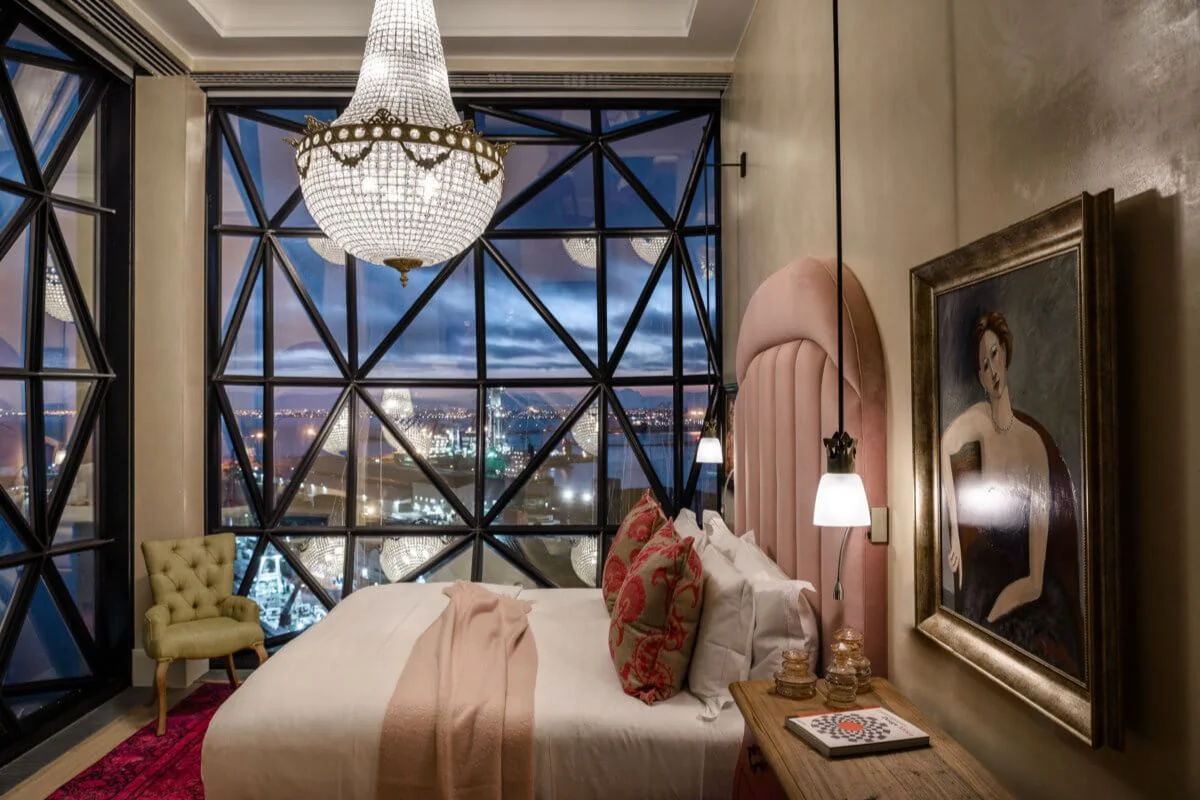
Cape Town is the ideal starting point for a family safari. The city ranks consistently in global top 10 lists and offers urban attractions, beaches and day trips within easy reach of the Victoria & Alfred Waterfront accommodation hub.
Families typically spend three to four nights here. Table Mountain provides cable car access to summit views, Boulders Beach offers close encounters with African penguins, and Robben Island tours run multiple times daily.
The surrounding Cape Winelands offer family-friendly estates with play areas and lunch settings that appeal to both adults and children.
Blue Flag beaches along the Atlantic Seaboard provide safe swimming spots during summer months (November to March). Guided day tours cover the Southern Peninsula, wine regions and city highlights. Cape Town also serves as the main international gateway, simplifying flight logistics for families arriving from Europe or North America.
2. Kruger Park and private reserves
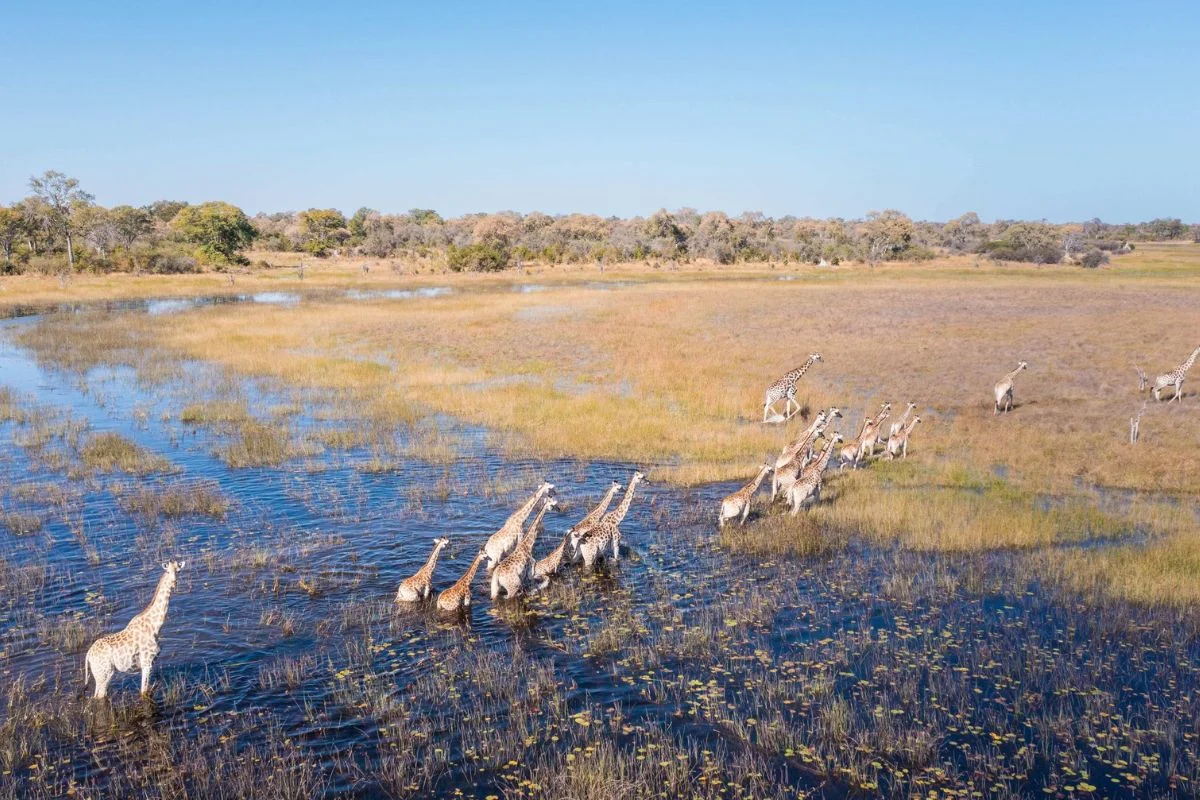
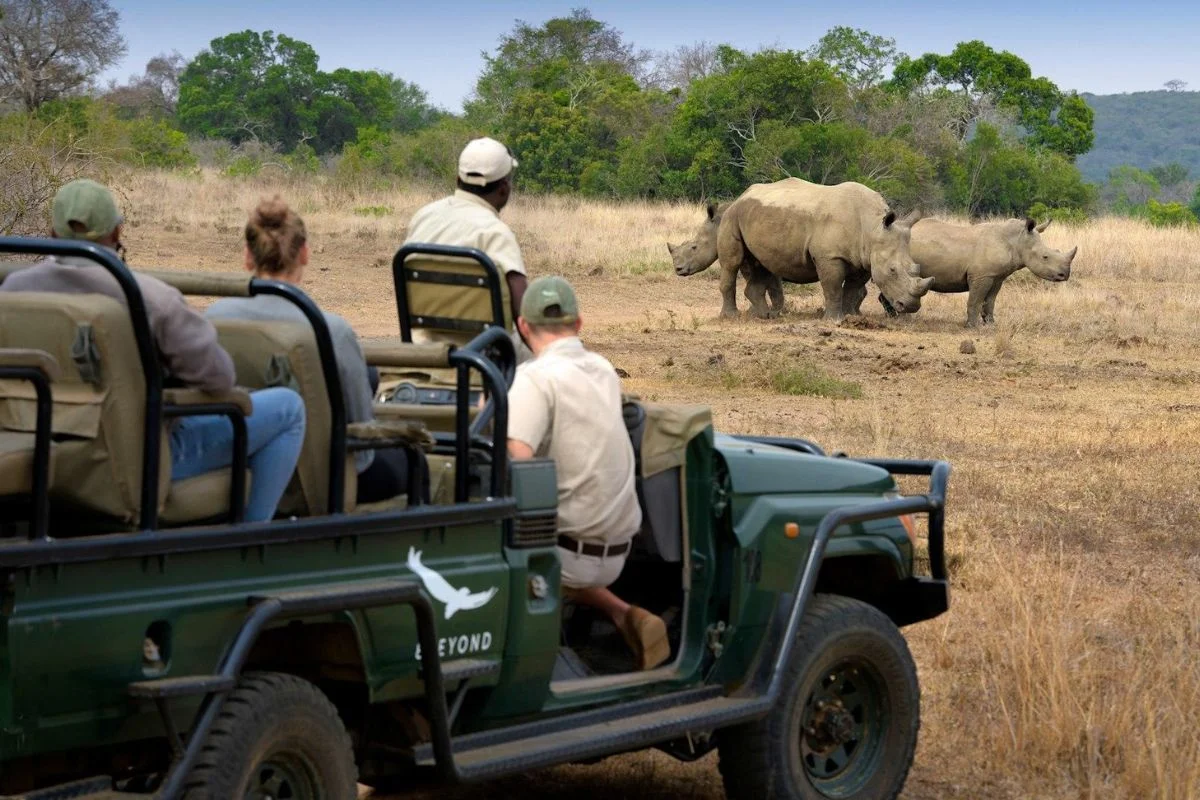
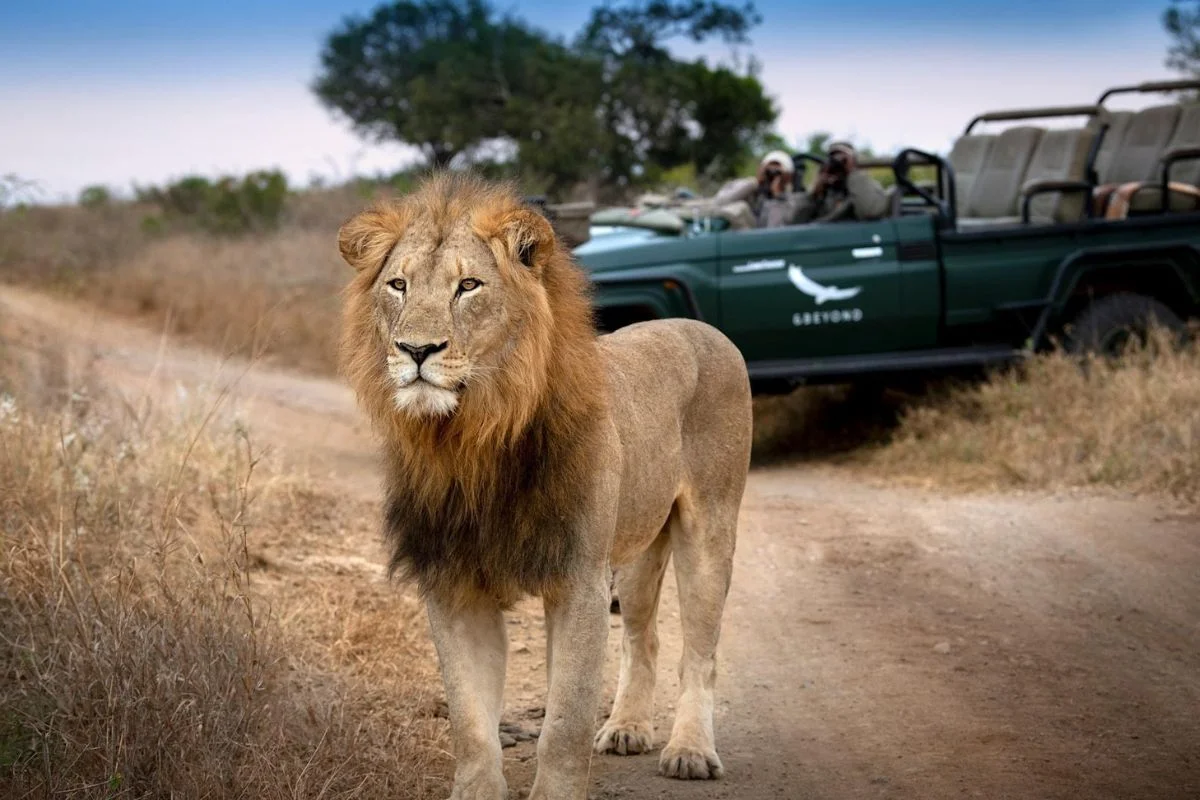
Kruger National Park and its adjoining private reserves deliver the Big Five wildlife experience central to most family safaris. Located in northeastern South Africa, the region is a short flight from Cape Town.
The Kruger ecosystem supports over 140 mammal species and 500 bird species, offering more biodiversity than any comparable safari destination in Africa. Families stay in private reserves such as Sabi Sands, Timbavati or Thornybush, where twice-daily game drives in open 4x4 vehicles are led by experienced guides and trackers.
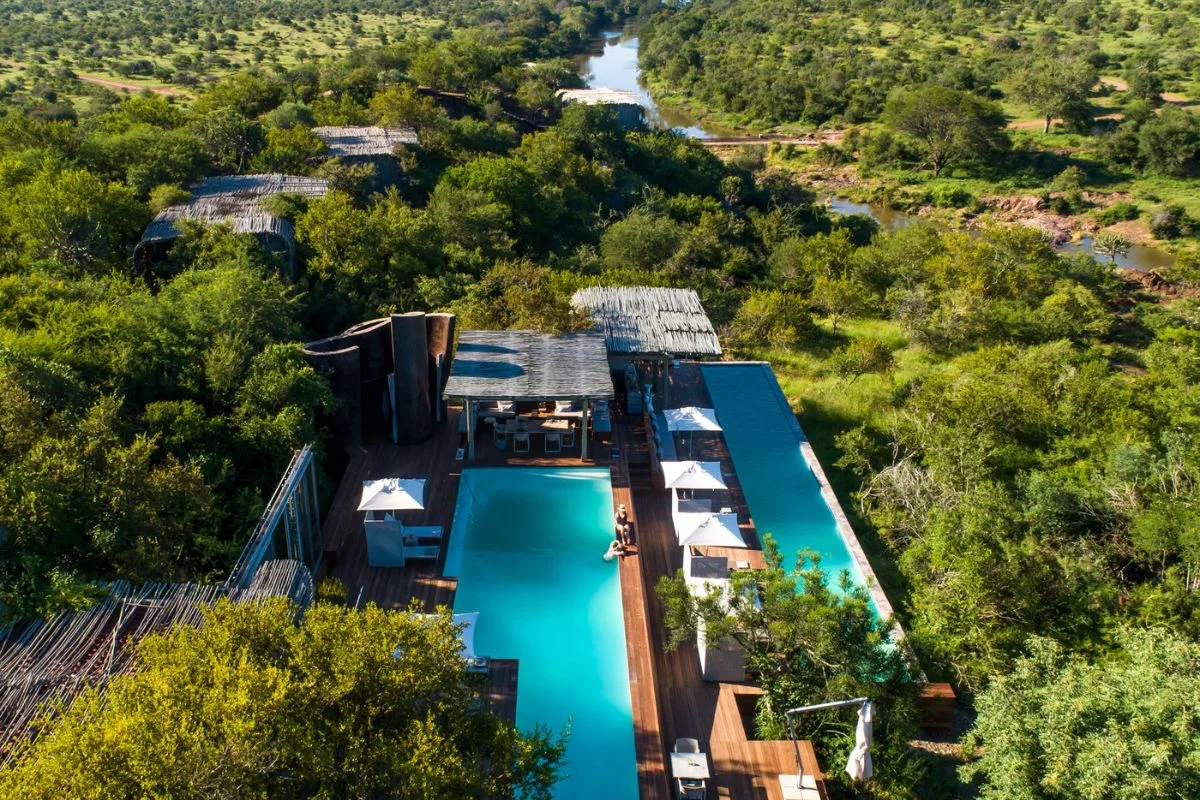
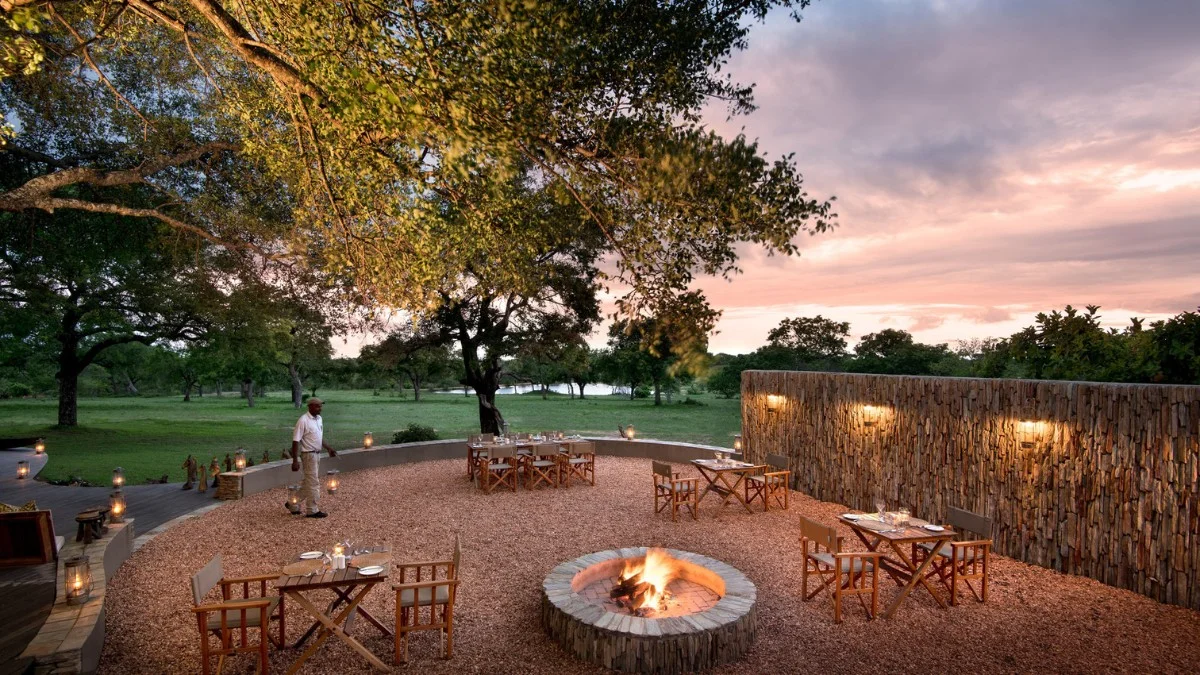
Lodges in the private reserves cater specifically to families with inter-leading rooms, family suites and child-friendly meal times. Walking safaris, bush breakfasts and animal tracking activities provide variety beyond vehicle-based game drives. Most lodges accept children of all ages, though some have minimum age restrictions for certain activities.
Is Kruger safe for young children concerned about malaria?
Kruger is a low to moderate malaria risk area, with higher risk during the wet summer months (November to March). Families with very young children often choose malaria-free alternatives like Madikwe Game Reserve or Pilanesberg, both in South Africa's North West Province.
Madikwe offers Big Five viewing, luxury lodges with dedicated family programmes and zero malaria risk year-round. Consult a travel health clinic at least six weeks before departure if you plan to visit Kruger with children under five.
3. Victoria Falls
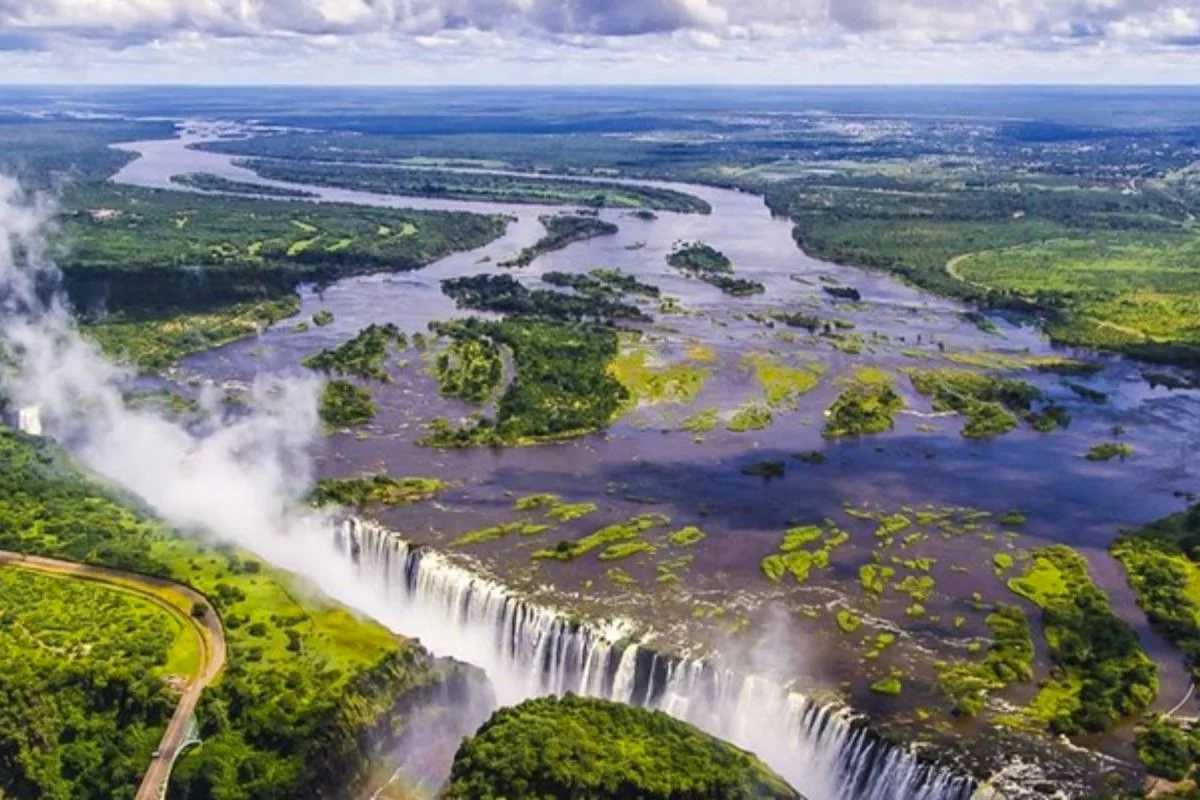
Victoria Falls straddles the Zambia-Zimbabwe border and offers adventure activities that appeal to older children and teenagers. The falls are the world's largest sheet of falling water and the centrepiece of a destination built around adrenaline sports and river-based activities.
White water rafting on the Zambezi River below the falls is suitable for children aged 12 and over during low water months (August to December).
Bungee jumping from the Victoria Falls Bridge, zip-lining across the gorge and helicopter flights over the falls cater to thrill-seekers. Sunset cruises on the upper Zambezi provide a calmer family activity, and guided tours of the falls themselves are accessible to all ages.
Devil's Pool, a natural rock pool at the edge of the falls on the Zambian side, operates during low water season (roughly August to January) and allows swimmers to sit at the precipice of the falls. Minimum age is typically 12 years.
The town of Victoria Falls (Zimbabwe side) and Livingstone (Zambia side) both offer lodge accommodation and easy access to activities.
4. Mozambique and Seychelles
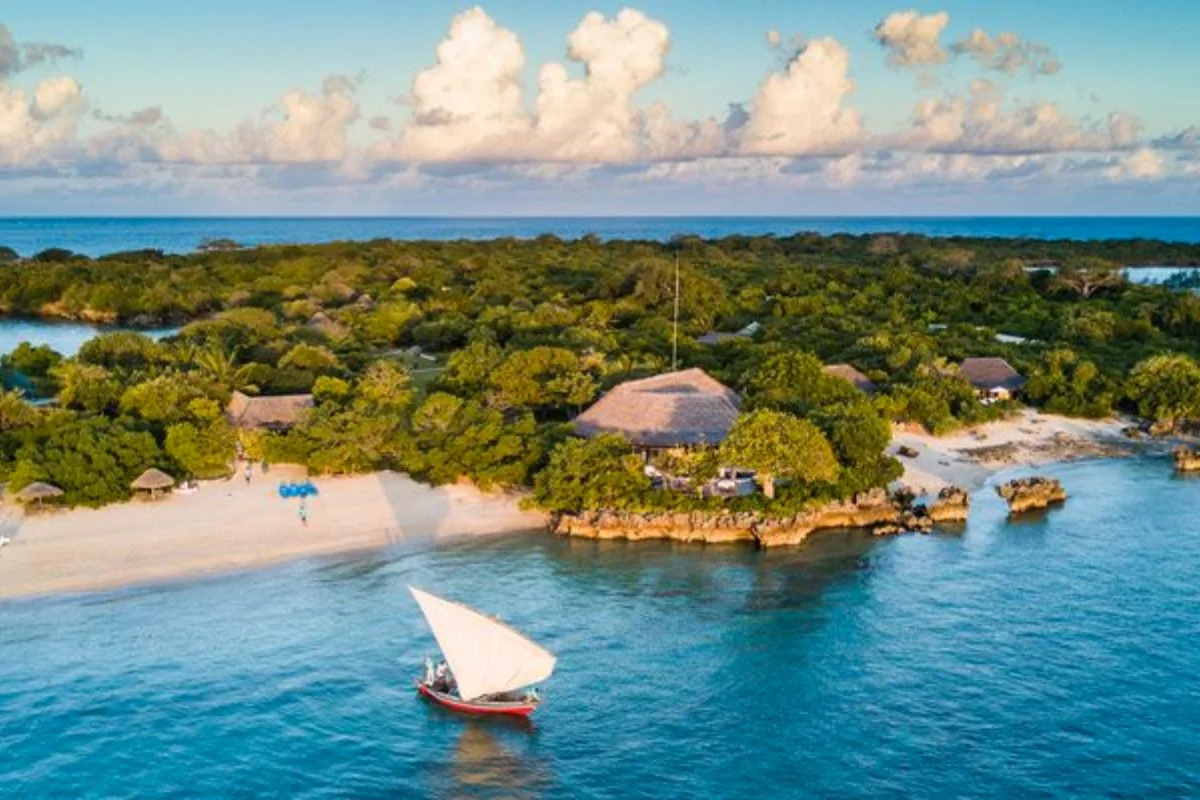
A beach extension balances the intensity of safari game drives and activity-heavy days at Victoria Falls. Mozambique and Seychelles are the two most popular Indian Ocean add-ons for families.
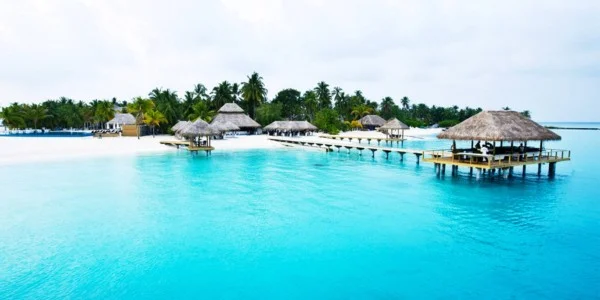
Mozambique lies off South Africa's east coast and is reachable by short flights from Johannesburg. The Bazaruto Archipelago and Benguerra Island offer snorkelling, dhow sailing and beach time in warm, calm waters. Lodges cater to families with inter-leading villas and water sports programmes.
Seychelles, positioned off East Africa, requires a longer flight but delivers postcard beaches, excellent snorkelling and family-friendly resorts. Both destinations suit families looking to rest after wildlife and adventure sections of a safari. Three to four nights is typical; longer stays suit families prioritising beach time.
Family safari activities beyond game drives
The best family safaris layer different activity types across destinations to match varying ages and interests within a single family group.
What activities are available for younger children on safari?
Younger children (under 10) enjoy shorter game drives, guided nature walks focusing on insects and plants, junior ranger programmes at lodges and pool time between activities. Cape Town offers penguin encounters at Boulders Beach, aquarium visits and beach days. Lodges in private reserves often provide childminding services, early dinners for children and family suites with separate sleeping areas so parents can relax after children go to bed.
Walking safaris introduce children to tracking, animal behaviour and smaller wildlife often missed from vehicles. Bush breakfasts and sundowner stops break up longer drives. Many lodges design scavenger hunts, star-gazing sessions and storytelling around campfires to engage younger guests.
Teenagers respond well to adrenaline activities. Victoria Falls excels here: white water rafting (grade 5 rapids), bungee jumping (111 metres), microlight flights and gorge swings. Shark cage diving off the South African coast near Cape Town suits families with older children during the winter months (May to September).
Malaria considerations and child-safe reserves
Malaria risk varies by destination and season. The decision to use prophylaxis depends on the specific reserves you visit, the time of year and the age of your children.
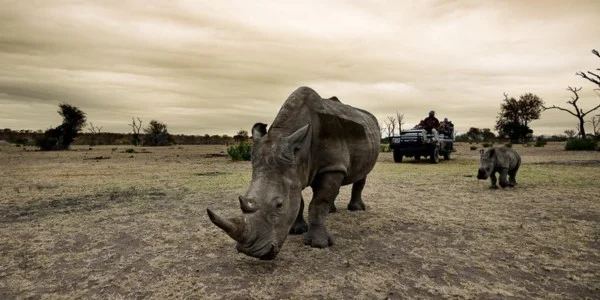
Madikwe Game Reserve in South Africa's North West Province is the most recommended malaria-free Big Five destination for families. The reserve borders Botswana and offers year-round game viewing without any malaria risk. Lodges within Madikwe, particularly those in the Morukuru and More Group portfolios, cater specifically to families with large suites, child-focused activities and flexible meal times.
Other malaria-free options include Pilanesberg (also North West Province), Eastern Cape reserves such as Shamwari and Kariega, and the Western Cape's Aquila Private Game Reserve. These reserves do not match Kruger's density of wildlife, but they eliminate the malaria concern entirely.
If you choose Kruger, consult a travel clinic for current guidance on antimalarial medication. Risk is lowest during the dry winter months (May to September). Very young children (under two) and pregnant women should prioritise malaria-free destinations.
Seychelles Island Escape
Visit the jewel of the Indian Ocean with blue azure waters and white sandy beaches.
Plan My SafariCosts and budgeting
A luxury family safari for 8 nights starts at approximately $6,000 per person for four-star lodges and $7,500 per person for five-star properties. These rates typically include accommodation, meals, game drives and most activities; international flights, visa fees and gratuities are additional.
Children under 12 years old qualify for reduced rates at most lodges, with discounts ranging from 25% to 50% depending on the property and season. Anyone aged 12 and over is charged at adult rates. Family suites and inter-leading rooms attract a premium over standard double rooms.
Five-star lodges almost always operate on a fully inclusive basis: all meals, local alcoholic and soft drinks, twice-daily game drives and most activities are covered. Four-star lodges vary; some include only breakfast, while others are fully inclusive. Clarify what is covered when comparing quotes.
Beach extensions add $300 to $800 per person per night depending on the destination and lodge tier. Mozambique tends to be more affordable than Seychelles. Activities at Victoria Falls (rafting, bungee, helicopter flights) cost between $100 and $400 per person and are booked separately.
Age policies and family-specific lodge features
Most safari lodges define a child as anyone under 12 years old for pricing purposes. This threshold also determines eligibility for children's menus, early meal times and participation in junior ranger programmes.
Some lodges impose minimum ages for certain activities. Game drives in open vehicles often require children to be at least six years old due to safety and noise concerns. Walking safaris typically set the minimum age at 12 or 16 years depending on the reserve's policy. Private vehicle hire allows families with very young children to conduct game drives on their own schedule without disturbing other guests.
Family suites and villas with separate children's sleeping areas are standard at top lodges in Madikwe, Kruger private reserves and beach destinations. Some lodges offer dedicated family wings with shared pools and play areas. Childminding services, early dinners and flexible activity schedules help parents balance adult relaxation with children's needs.
Last updated: October 2026