
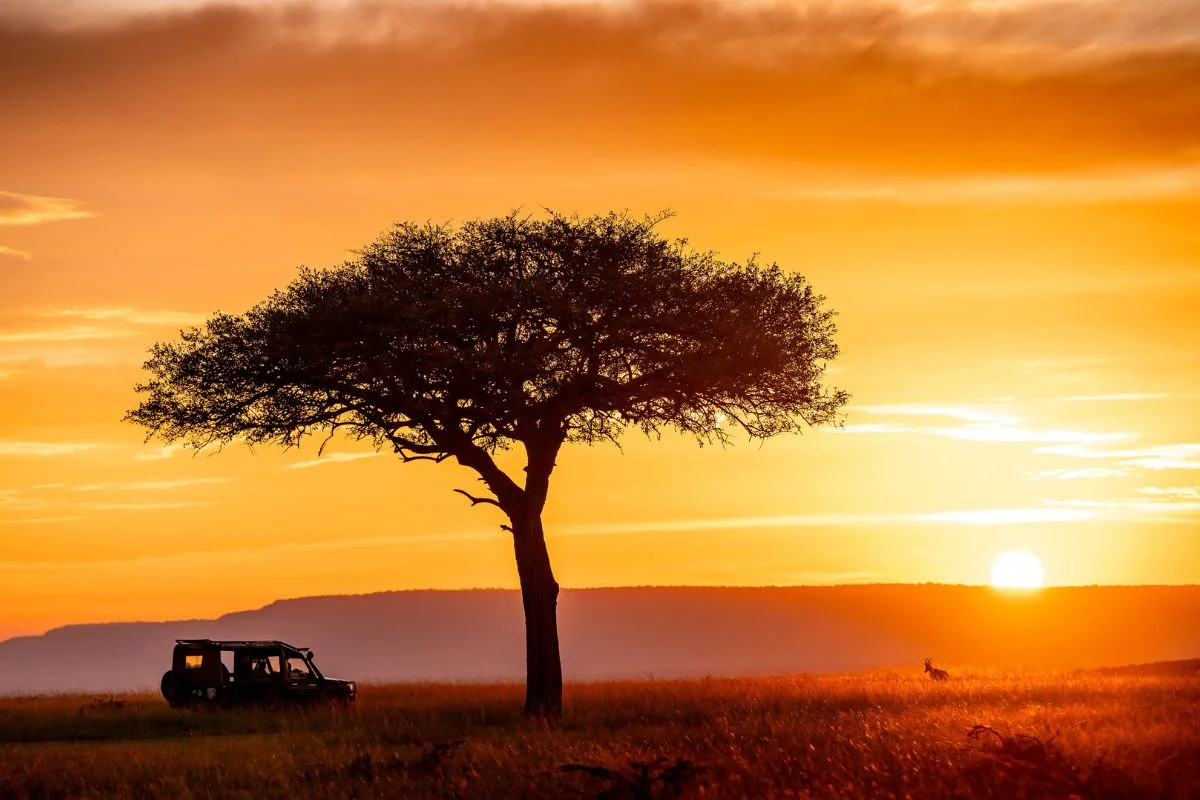

Kenya offers honeymooners the chance to witness the Great Migration in the Masai Mara from July to September at the Mara River crossing, encounter elephants beneath Mount Kilimanjaro, and explore some of East Africa's most diverse wildlife reserves.
Kenya honeymoons combine the Masai Mara's Great Migration (July to September), Amboseli's elephant herds, and Samburu's rare wildlife with luxury tented camps, private game drives, and romantic settings. Expect to pay $600 to $1,200 per person per night for five-star properties on an all-inclusive basis, with the best wildlife viewing from June to October and January to February.
Key takeaways
The Masai Mara hosts the Great Migration's dramatic river crossings from July to October.
Amboseli offers elephant encounters with Mount Kilimanjaro as a backdrop year-round.
Samburu showcases rare species including Grevy's zebra, reticulated giraffe, and gerenuk.
Five-star lodges cost $600 to $1,200 per person per night, including game drives and meals.
Dry seasons (June to October, January to February) deliver the best wildlife viewing.
Combining the Masai Mara with Amboseli or Samburu creates a varied 7 to 10-night itinerary.
Why Kenya works for honeymoons
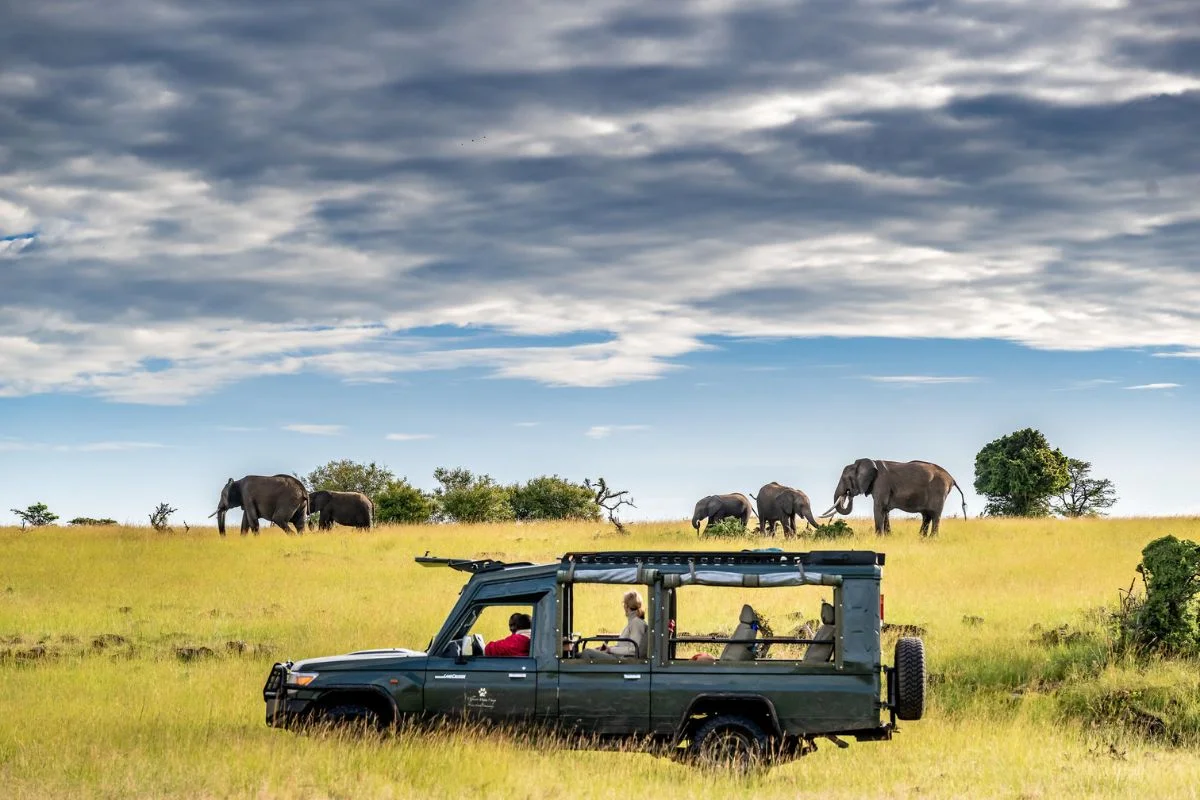
Kenya delivers iconic African safari experiences in settings built for romance. The country's reserves host the Big Five (lion, leopard, elephant, buffalo, rhino) alongside the Great Migration, one of the natural world's most dramatic wildlife spectacles.
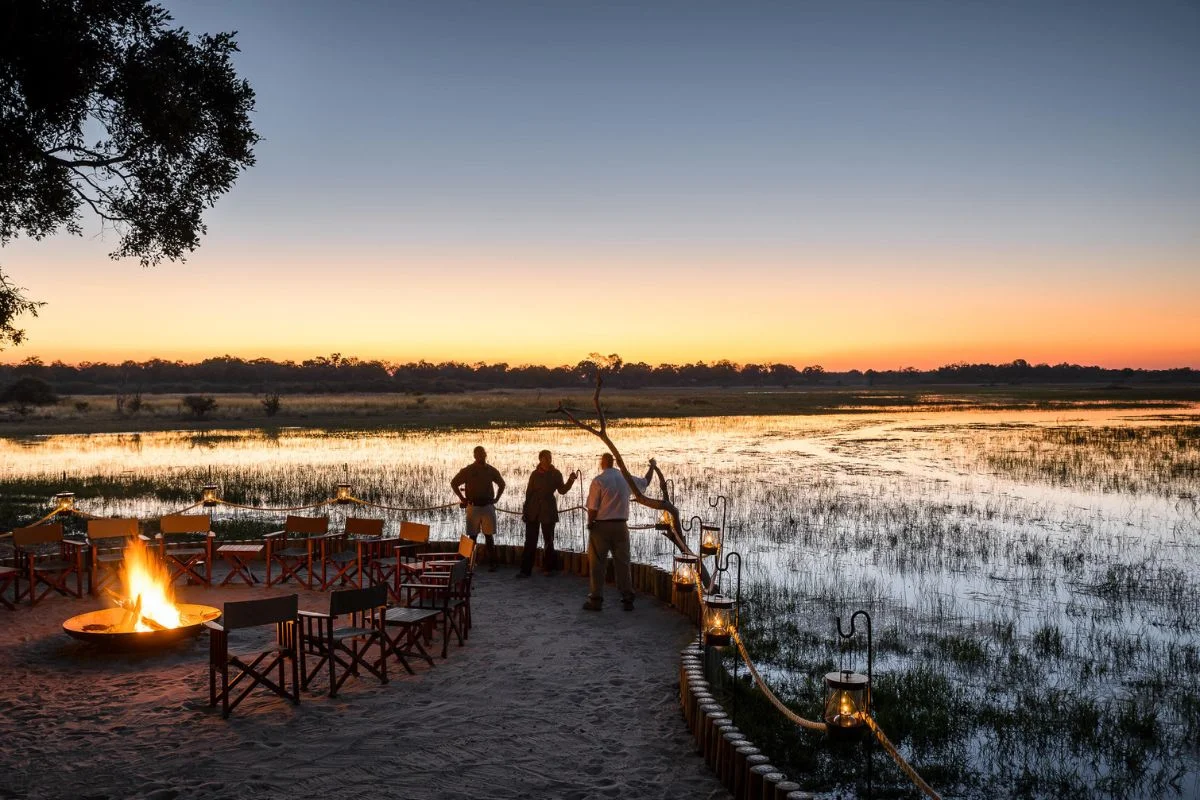
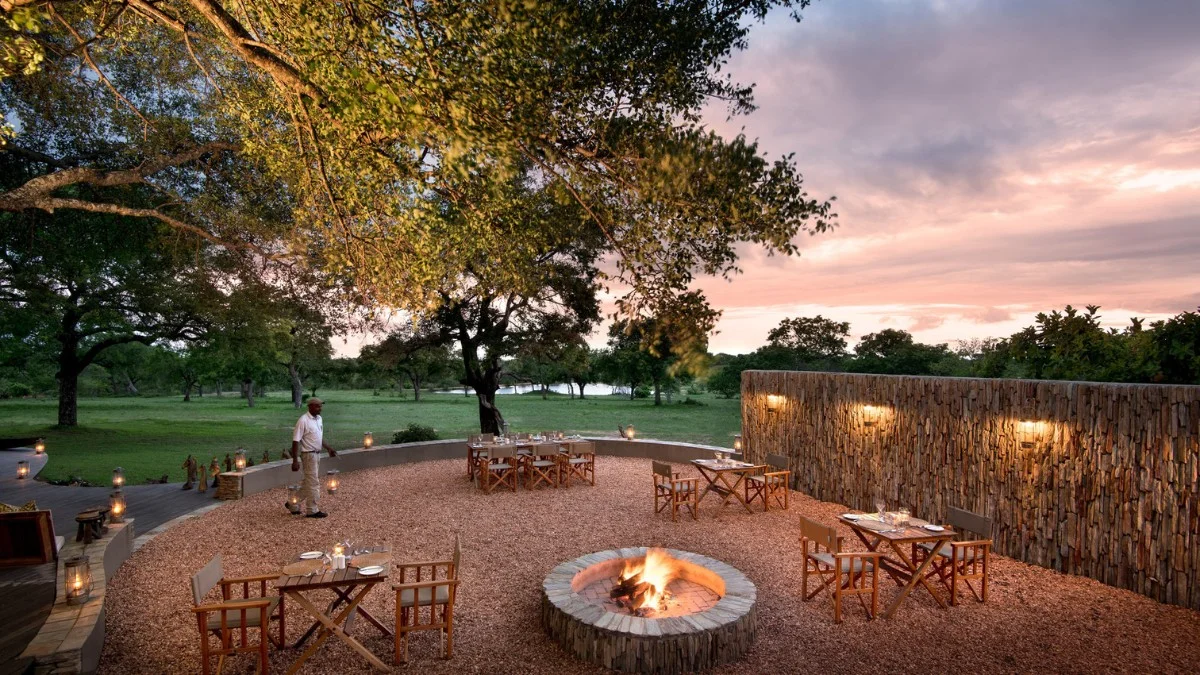
Luxury tented camps in the Masai Mara, Amboseli, and Samburu offer private game drives, candlelit dinners in the bush, and spacious suites with views over savannas and rivers.
Kenya's infrastructure supports high-end travel. Regular scheduled flights connect Nairobi to the Masai Mara, Amboseli, and Samburu, cutting transfer times and maximising time on safari.
Most luxury lodges cater specifically to honeymooners with upgraded suites, private vehicles, and tailored experiences like sunrise hot-air balloon rides over the Mara or sundowners by the Ewaso Nyiro River.
How does Kenya compare to Tanzania for honeymoons?
Kenya and Tanzania share the Serengeti-Mara ecosystem, but Kenya offers easier access to the Great Migration's river crossings (July to October) and combines safari with Indian Ocean beach extensions more conveniently.
Tanzania's Serengeti and Ngorongoro Crater deliver equally strong wildlife viewing, often with fewer vehicles, and work well for travellers prioritising exclusivity over convenience.
Both countries support luxury honeymoon safaris; the choice depends on whether you want northern Tanzania's remoteness or Kenya's logistical ease and variety of reserves within shorter distances.
Masai Mara — best time to visit
| J | F | M | A | M | J | J | A | S | O | N | D | |
|---|---|---|---|---|---|---|---|---|---|---|---|---|
| High °C | 28° | 29° | 29° | 26° | 25° | 24° | 24° | 25° | 27° | 28° | 26° | 27° |
| High °F | 82° | 84° | 84° | 79° | 77° | 75° | 75° | 77° | 81° | 82° | 79° | 81° |
| Rain mm | 60 | 60 | 100 | 200 | 145 | 35 | 30 | 50 | 45 | 65 | 115 | 85 |
| Rating |
Masai Mara: Great Migration peaks Jul–Oct; long rains Mar–May, short rains Nov.
Ideal — Peak conditions — dry, comfortable, prime wildlife or beach time.
Good — Great conditions with brief showers or warmer days; still highly recommended.
Shoulder — Mixed weather — fewer crowds and lower rates, occasional rain.
Avoid — Heaviest rain or roughest seas; many camps and roads can be affected.
Visit Cape Town
Visit the number one rated city in the world with 8 blue flag beaches, swimming with penguins and so much more
Plan My Safari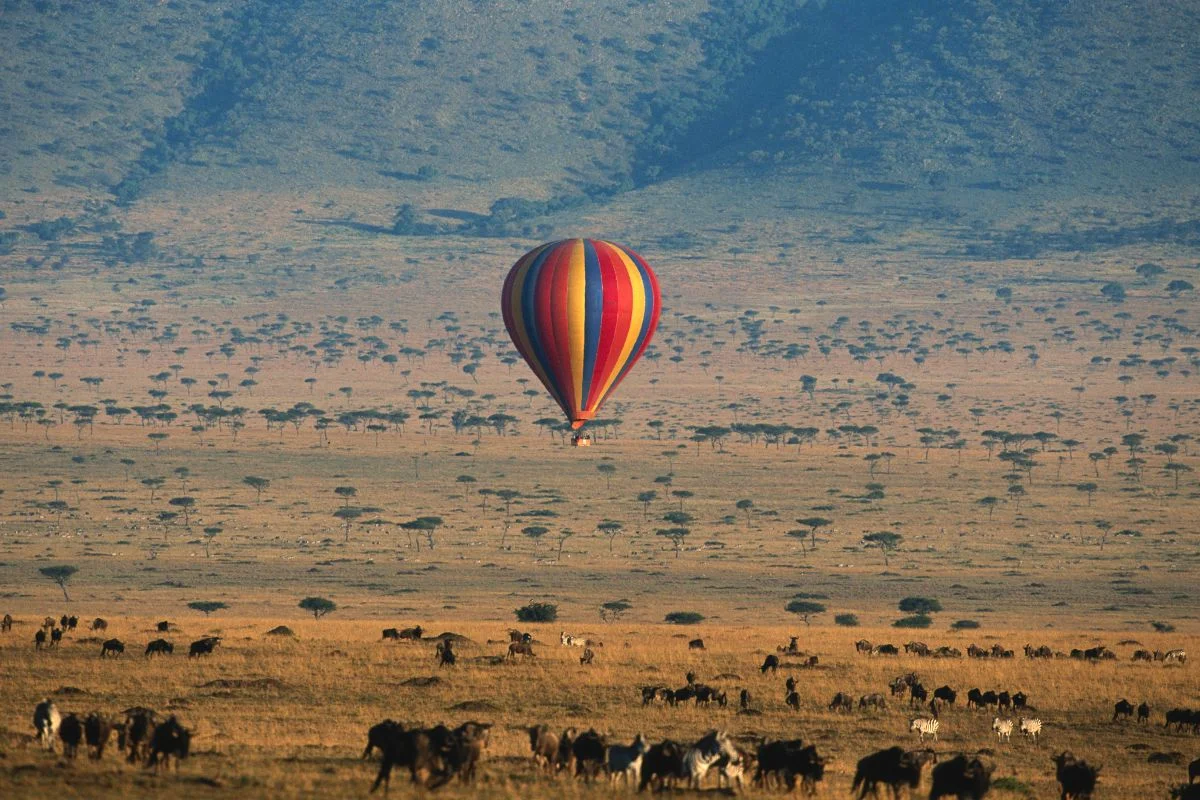
Masai Mara National Reserve
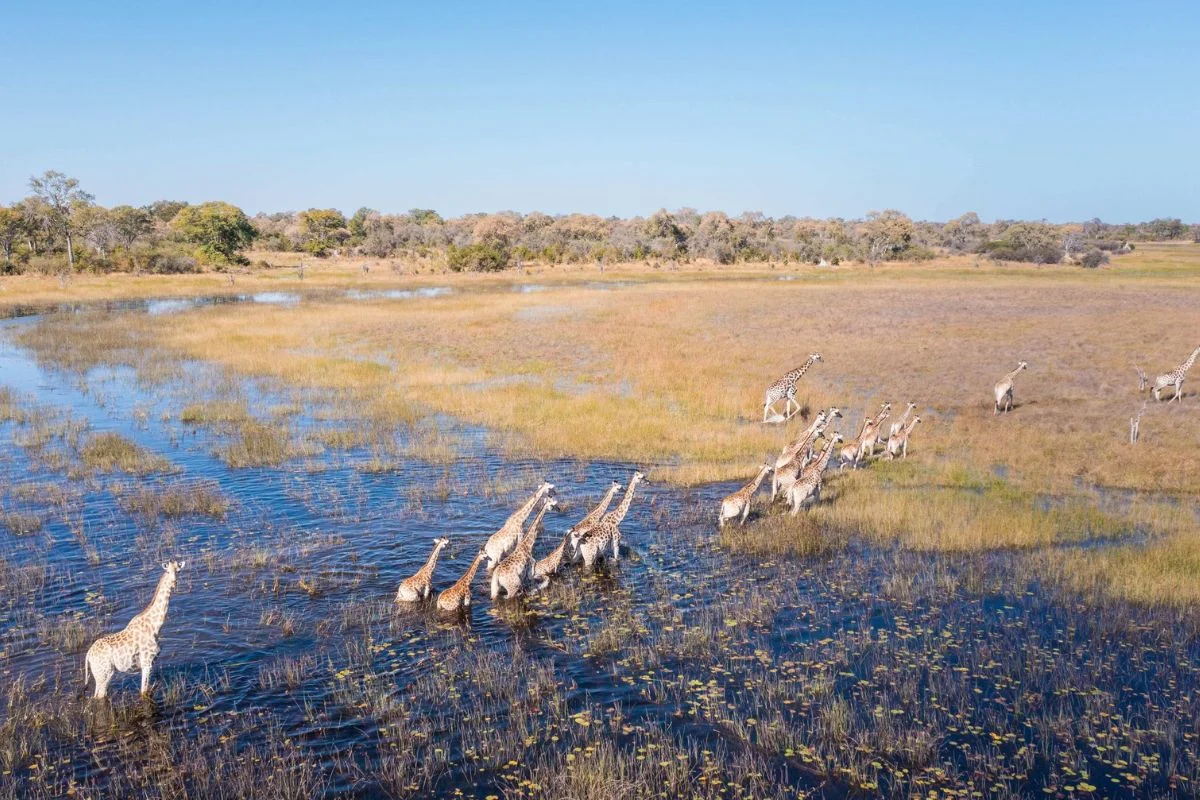
The Masai Mara is Kenya's flagship reserve and the northern extension of Tanzania's Serengeti. It hosts the Great Migration's dramatic Mara River crossings from July to October, when over 1.5 million wildebeest and hundreds of thousands of zebra move north in search of fresh grazing. Lions, leopards, and cheetahs follow the herds, and crocodiles wait in the river.
Outside migration months, the Mara sustains resident populations of lion prides, elephants, and all Big Five species.
Luxury camps in private conservancies bordering the reserve (Olare Motorogi, Mara North, Naboisho) offer lower vehicle density, night drives, and walking safaris prohibited inside the national reserve.
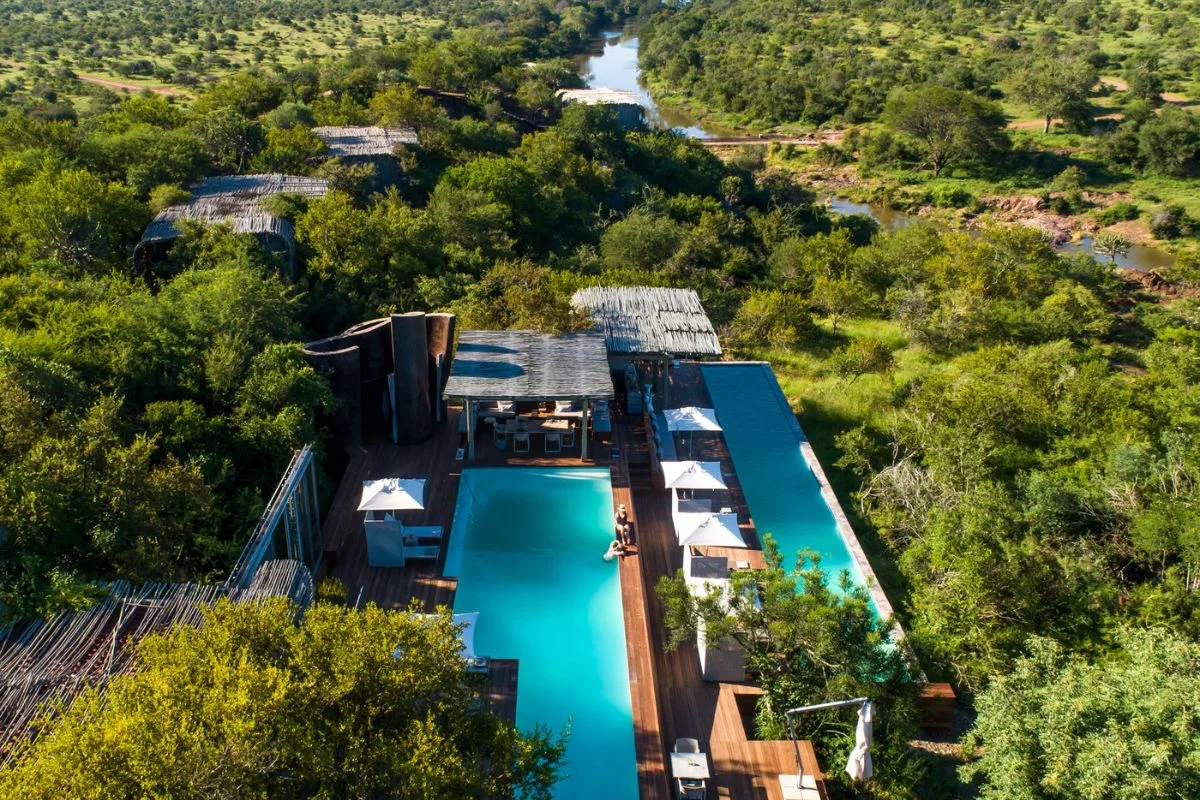
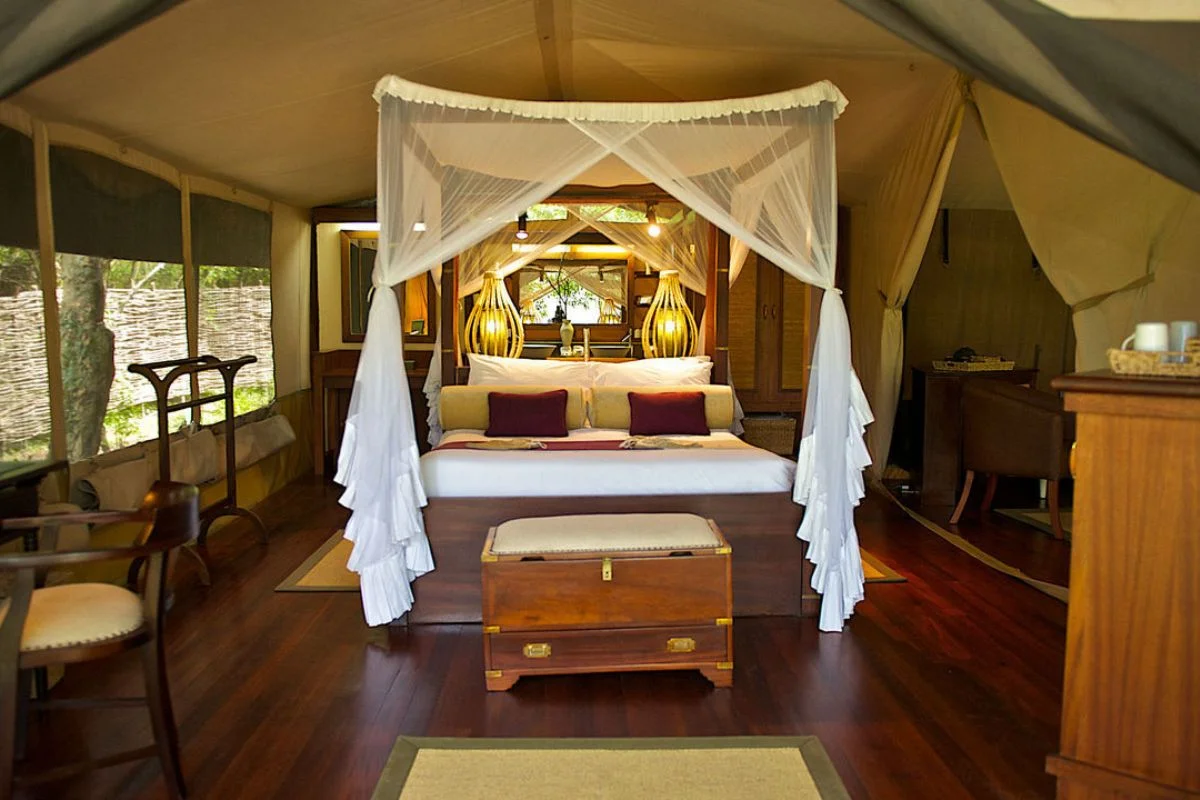
Camps like Mahali Mzuri, Angama Mara, and Cottar's 1920s Safari Camp provide suites with private decks, plunge pools, and views over the plains. Most include twice-daily game drives with expert guides, sundowners, and bush dinners.
Amboseli National Park
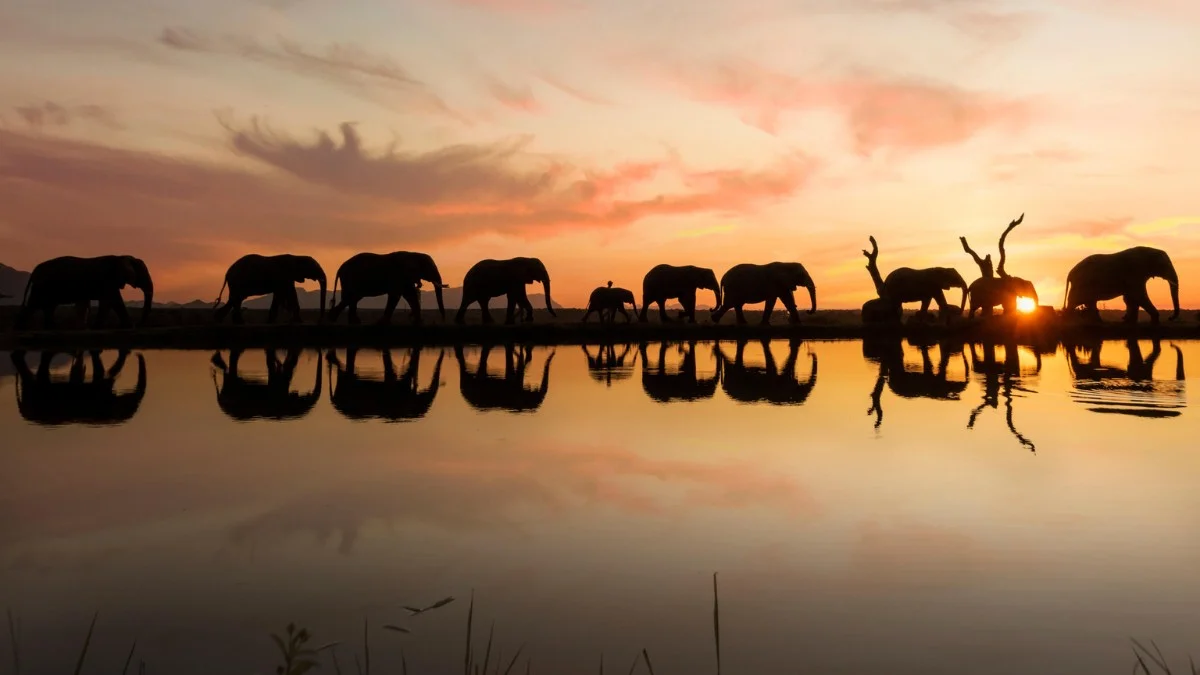
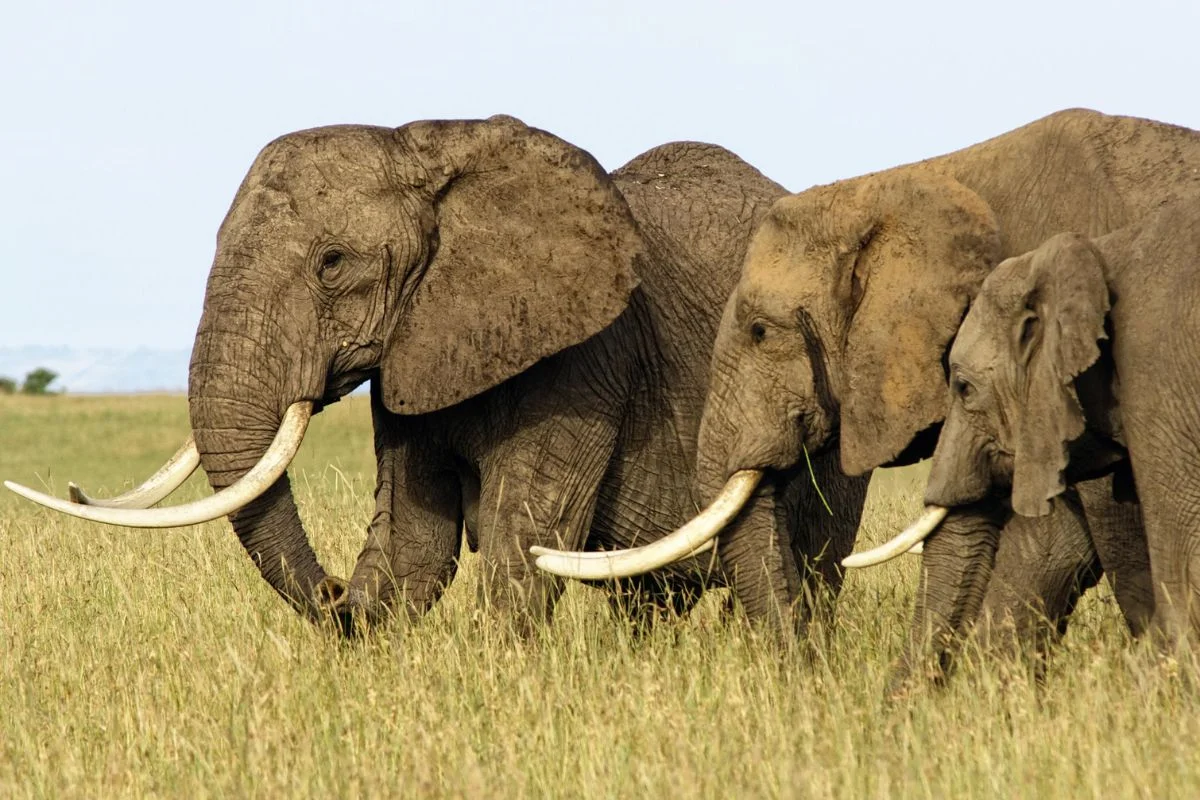
Amboseli sits at the foot of Mount Kilimanjaro and is known for large elephant herds that move across open plains with Africa's highest peak as a backdrop.
The park's swamps, fed by Kilimanjaro's snowmelt, attract elephants, buffalo, and hippos year-round. Lions, cheetahs, and spotted hyenas hunt on the plains, and the park supports over 400 bird species, including pelicans, herons, and African fish eagles.
Amboseli works well as a three to four-night addition to a Masai Mara itinerary. Lodges like Tortilis Camp, Ol Tukai Lodge, and Satao Elerai Camp offer elevated views, spacious tents, and guided walks in addition to game drives.
The dry seasons (June to October, January to February) concentrate wildlife around the swamps and deliver the clearest Kilimanjaro views, though the mountain hides in cloud most mornings and reappears at dawn and dusk.
Samburu National Reserve
Samburu lies in Kenya's arid north along the Ewaso Nyiro River and hosts wildlife adapted to dry conditions.
The reserve is home to the Samburu Special Five: Grevy's zebra (larger and more finely striped than plains zebra), reticulated giraffe, Beisa oryx, Somali ostrich, and gerenuk (a long-necked antelope that stands on hind legs to browse). Elephants, leopards, and lions are regularly sighted, and the riverine forest attracts over 450 bird species.
Samburu receives fewer visitors than the Masai Mara, making it a strong choice for honeymooners seeking exclusivity.
Lodges like Saruni Samburu, Elephant Bedroom Camp, and Sasaab offer riverside settings, private verandas, and cultural visits to Samburu villages. The reserve combines well with the Masai Mara or Laikipia Plateau conservancies for a varied northern circuit.
When is the best time to visit Samburu?
Samburu's dry seasons (June to October, January to February) concentrate wildlife along the Ewaso Nyiro River, improving sightings of elephants, lions, and the Samburu Special Five. Temperatures are hot year-round (daytime highs of 28 to 32°C), but dry months make game viewing easier. The wet seasons (March to May, November to December) bring green landscapes and birdlife but reduce visibility as animals disperse from the river.
Tsavo National Parks
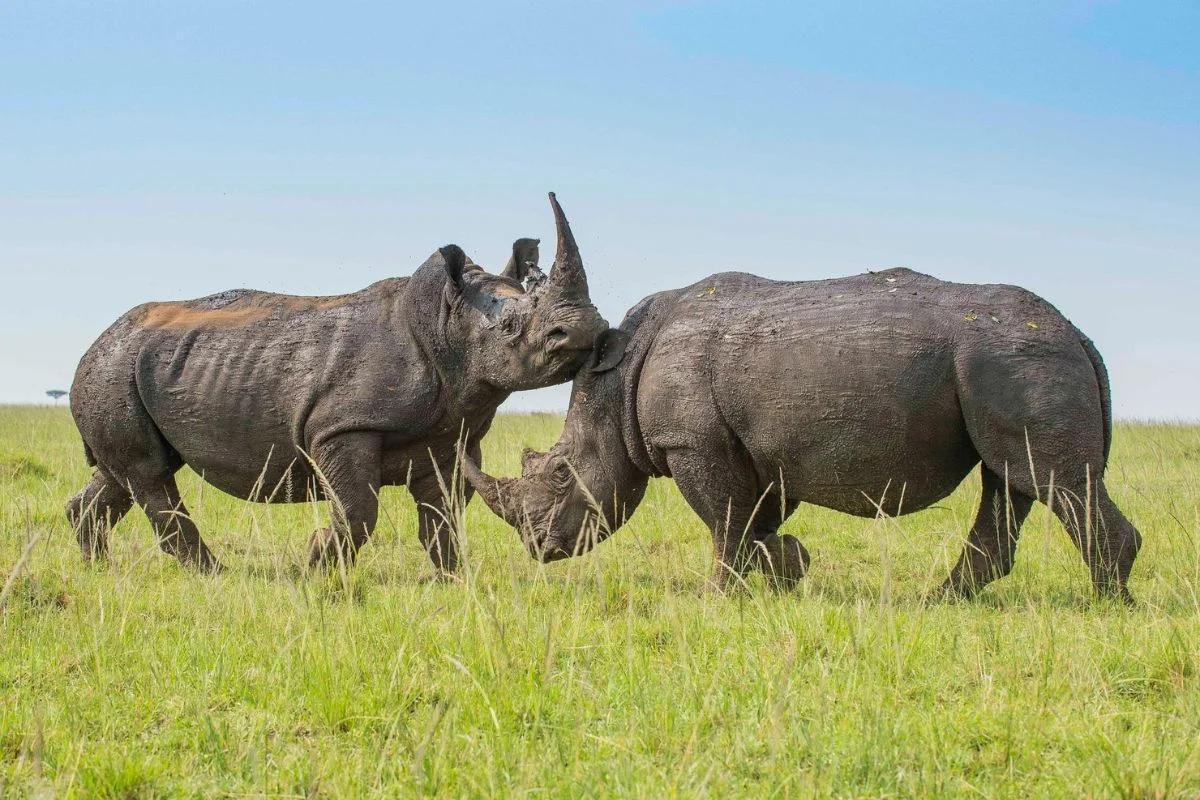
Tsavo is Kenya's largest protected area, split into Tsavo East and Tsavo West. Tsavo East is known for red-dust-coated elephants and open plains, while Tsavo West features volcanic landscapes, lava flows, and the clear pools of Mzima Springs, where hippos and crocodiles can be viewed from an underwater observatory.
Both parks host lions, leopards, buffalo, and large elephant populations, but the terrain is rugged and wildlife more dispersed than in the Masai Mara or Amboseli.
Tsavo suits travellers combining safari with Kenya's coast (Diani Beach, Watamu, Lamu) or those looking for off-the-beaten-path experiences.
Lodges like Finch Hattons and Satao Camp in Tsavo West, and Ashnil Aruba in Tsavo East, offer luxury tented accommodation and guided walks. Tsavo is less visited than Kenya's northern reserves and requires more time to cover distances between sighting areas.
Meru National Park
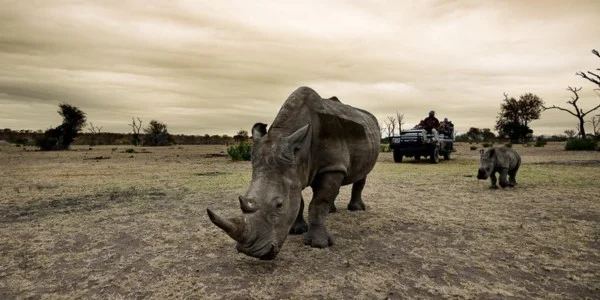
Meru is a remote park east of Mount Kenya, known for its role in the story of Elsa the Lioness (Born Free). The park's mix of riverine forest, grassland, and swamps supports elephants, lions, leopards, cheetahs, and both black and white rhinos. Meru receives few visitors, making it one of Kenya's quietest reserves.
Lodges like Elsa's Kopje offer intimate settings with hillside suites overlooking the park. Meru works well for travellers seeking seclusion and willing to accept fewer wildlife sightings than busier reserves. The park is best visited during dry months (June to October, January to February) when animals congregate around rivers and waterholes.
Accommodation tiers and costs
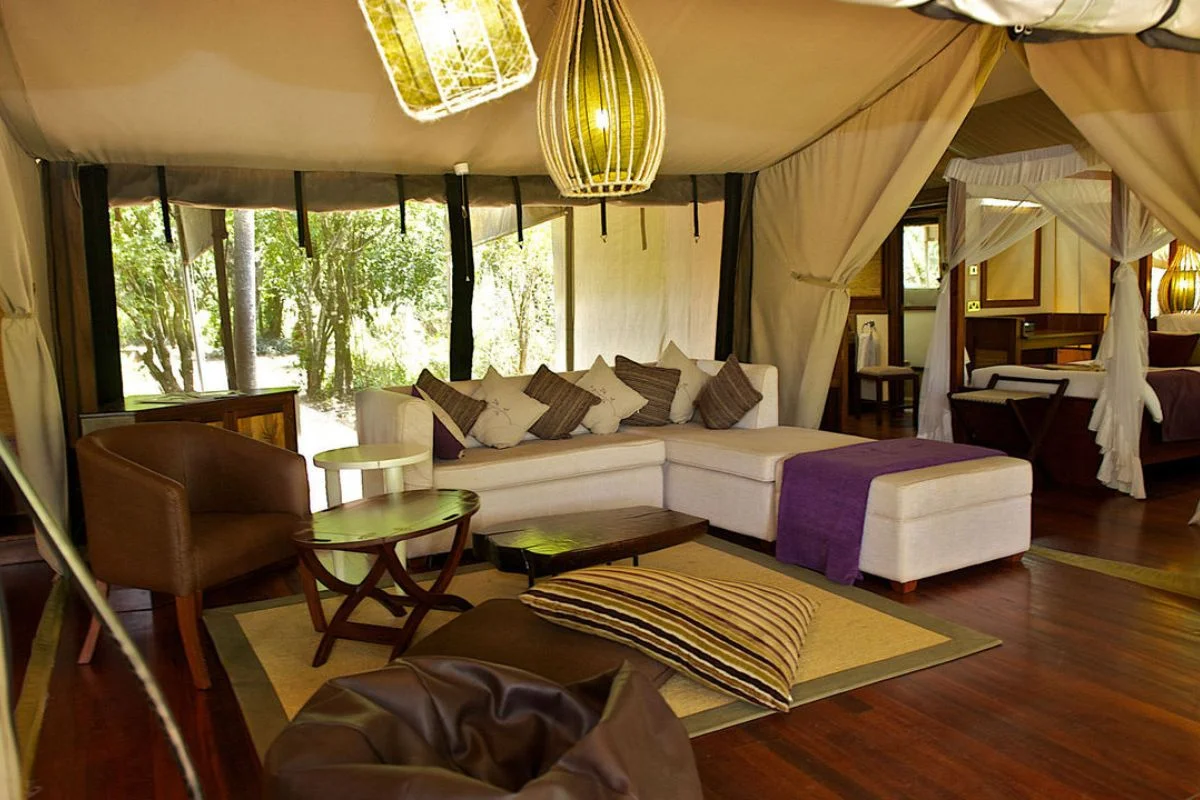
Kenya's honeymoon lodges span three broad tiers. Four-star properties like Mara Sopa Lodge and Ol Tukai Lodge cost $300 to $500 per person per night and include comfortable rooms, daily game drives, and full board.
Five-star lodges like Angama Mara, Tortilis Camp, and Elephant Bedroom Camp range from $600 to $900 per person per night and add private verandas, upgraded suites, bush dinners, and higher guide-to-guest ratios.
Five-star-plus properties like Mahali Mzuri, Cottar's 1920s Safari Camp, Saruni Samburu, and Sasaab cost $900 to $1,200 per person per night or more.
These lodges offer remote locations, private conservancy access, personalised service, and exclusive experiences like helicopter transfers, private game drives, and walking safaris.
Most luxury lodges include game activities, meals, house drinks, and laundry; park fees, premium drinks, and hot-air balloon rides are typically additional.
What is included in a luxury Kenya honeymoon package?
Luxury Kenya honeymoon packages typically include accommodation in five-star lodges or tented camps, twice-daily game drives in private 4x4 vehicles, all meals, house wines and spirits, laundry, and scheduled road or air transfers between reserves.
Extras like hot-air balloon safaris (around $450 to $550 per person), park entry fees (around $70 to $90 per person per day for non-residents), premium champagne, and spa treatments are usually additional. Some lodges include one complimentary balloon ride or spa treatment for honeymooners; confirm inclusions when booking.
When to visit Kenya for a honeymoon
Kenya's primary dry season runs from June to October, coinciding with the Great Migration river crossings in the Masai Mara (July to October). Wildlife viewing is excellent across all reserves during these months as animals concentrate around rivers and waterholes.
Daytime temperatures range from 23 to 29°C, with cool mornings and evenings. This is peak season; expect higher lodge rates and more vehicles in popular areas like the Masai Mara.
The short dry season (January to February) delivers strong wildlife viewing with fewer visitors and greener landscapes after the short rains.
This period works well for honeymooners seeking lower rates and quieter reserves. The long rains (March to May) and short rains (November to December) bring afternoon showers, lush scenery, and excellent birding, but some lodges close and road conditions worsen. Most honeymooners book June to October or January to February.
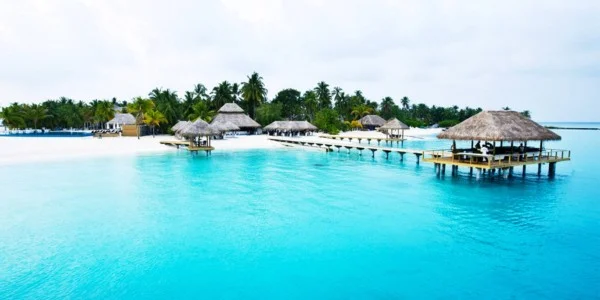
Seychelles Island Escape
Visit the jewel of the Indian Ocean with blue azure waters and white sandy beaches.
Plan My SafariSample Kenya honeymoon itineraries
A classic Kenya honeymoon combines the Masai Mara (three to four nights) with Amboseli (two to three nights) for a seven to ten-night trip.
Fly into Nairobi, transfer by scheduled light aircraft to the Mara for migration viewing or year-round Big Five sightings, then fly to Amboseli for elephant encounters and Kilimanjaro views. End with two to three nights on Kenya's coast (Diani Beach or Lamu) or fly home via Nairobi.
A northern circuit pairs the Masai Mara (three nights) with Samburu (three nights) for a focus on diverse ecosystems and rare wildlife.
Fly from Nairobi to the Mara, then north to Samburu for Grevy's zebra, reticulated giraffe, and riverine birdlife. This route suits travellers seeking variety and exclusivity. Adding Laikipia Plateau conservancies (Lewa, Ol Pejeta) extends the itinerary to 10 to 12 nights and includes rhino tracking and private conservancy experiences.
Laikipia — best time to visit
| J | F | M | A | M | J | J | A | S | O | N | D | |
|---|---|---|---|---|---|---|---|---|---|---|---|---|
| High °C | 26° | 27° | 27° | 25° | 23° | 22° | 22° | 23° | 25° | 26° | 24° | 25° |
| High °F | 79° | 81° | 81° | 77° | 73° | 72° | 72° | 73° | 77° | 79° | 75° | 77° |
| Rain mm | 40 | 50 | 95 | 175 | 110 | 30 | 25 | 40 | 35 | 60 | 95 | 70 |
| Rating |
Laikipia: Cooler highland plateau — drier and quieter than the Mara, good year-round.
Ideal — Peak conditions — dry, comfortable, prime wildlife or beach time.
Good — Great conditions with brief showers or warmer days; still highly recommended.
Shoulder — Mixed weather — fewer crowds and lower rates, occasional rain.
Avoid — Heaviest rain or roughest seas; many camps and roads can be affected.
What to pack for a Kenya honeymoon safari
Pack neutral-coloured clothing (khaki, olive, beige) for game drives: lightweight long-sleeved shirts and trousers protect against sun and insects. Bring a warm fleece or jacket for early-morning drives (temperatures drop to 10 to 15°C at dawn).
Sturdy walking shoes or boots work for bush walks; sandals suit lodge downtime. Sun protection (hat, sunglasses, SPF 50 sunscreen) is essential, as is insect repellent with DEET.
Camera equipment should include a telephoto lens (200 to 400mm) for wildlife photography and a dust bag for drives.
Binoculars improve game viewing. Most luxury lodges provide laundry service, so pack light. Bring smart-casual evening wear for dinners (no formal dress required). Kenya requires yellow fever vaccination if arriving from endemic countries; consult your doctor about malaria prophylaxis for safari areas.
Last updated: September 2026