
Kruger Park Safari Infographic Guide for 2026 / 2027
Kruger National Park hosts more large mammal and bird species than any reserve in Africa. This guide covers wildlife, seasons, and safari costs.

Kruger National Park in South Africa is Africa's most abundant wildlife reserve, hosting more large mammal and bird species than any other park on the continent.
Kruger Park hosts over 140 mammal species and 500 bird species, including the Big Five. The best time to visit is mid-July to October when vegetation is lower and animals more active. Four-star safaris start at $500 per day, five-star at $750 per day, often all-inclusive.
Key takeaways
Kruger Park hosts 140+ large mammal species and 500+ bird species, more than any African reserve.
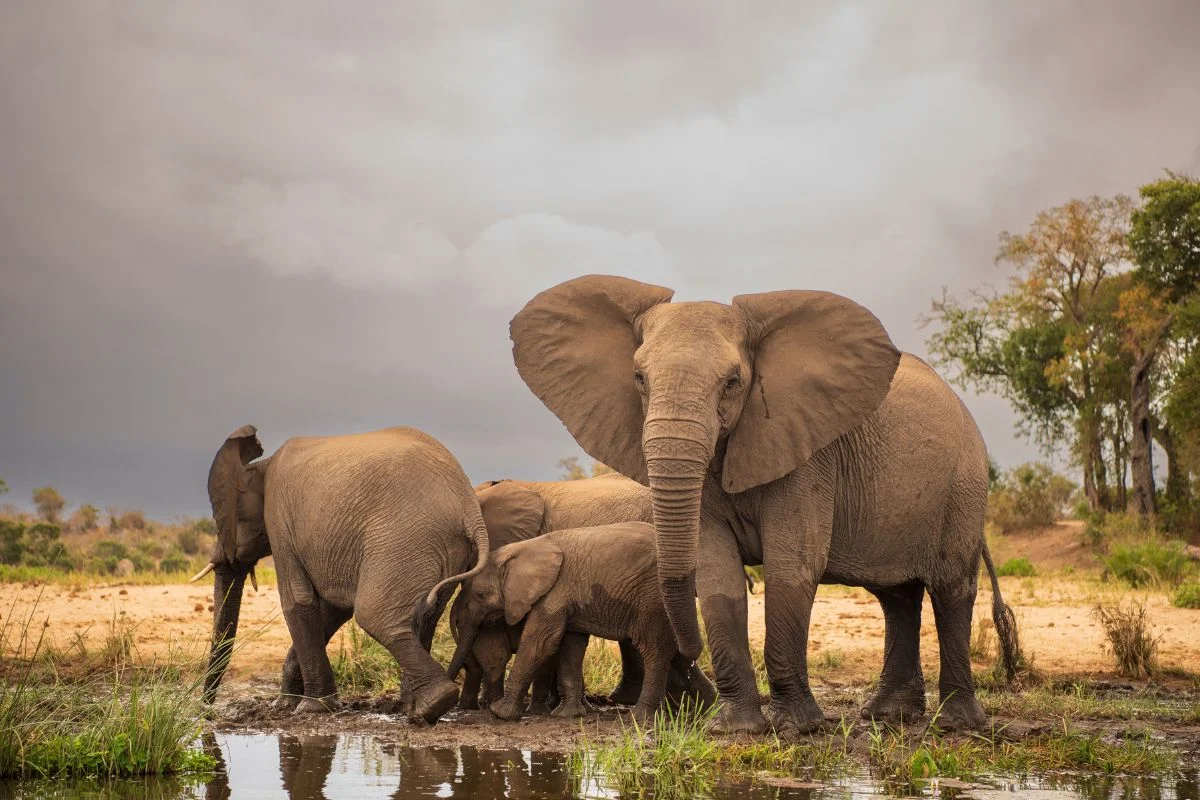
The Big Five (lion, leopard, elephant, buffalo, rhino) are all present alongside cheetah, wild dog and giraffe.
Mid-July to October offers the best game viewing, with lower vegetation and moderate temperatures.
Four-star safaris start at approximately $500 per day, five-star at $750 per day, typically all-inclusive.
The park is home to 253 resident bird species, 117 migrants and 147 nomads.
June drives can be very cold; November to February brings dense vegetation and less active daytime wildlife.
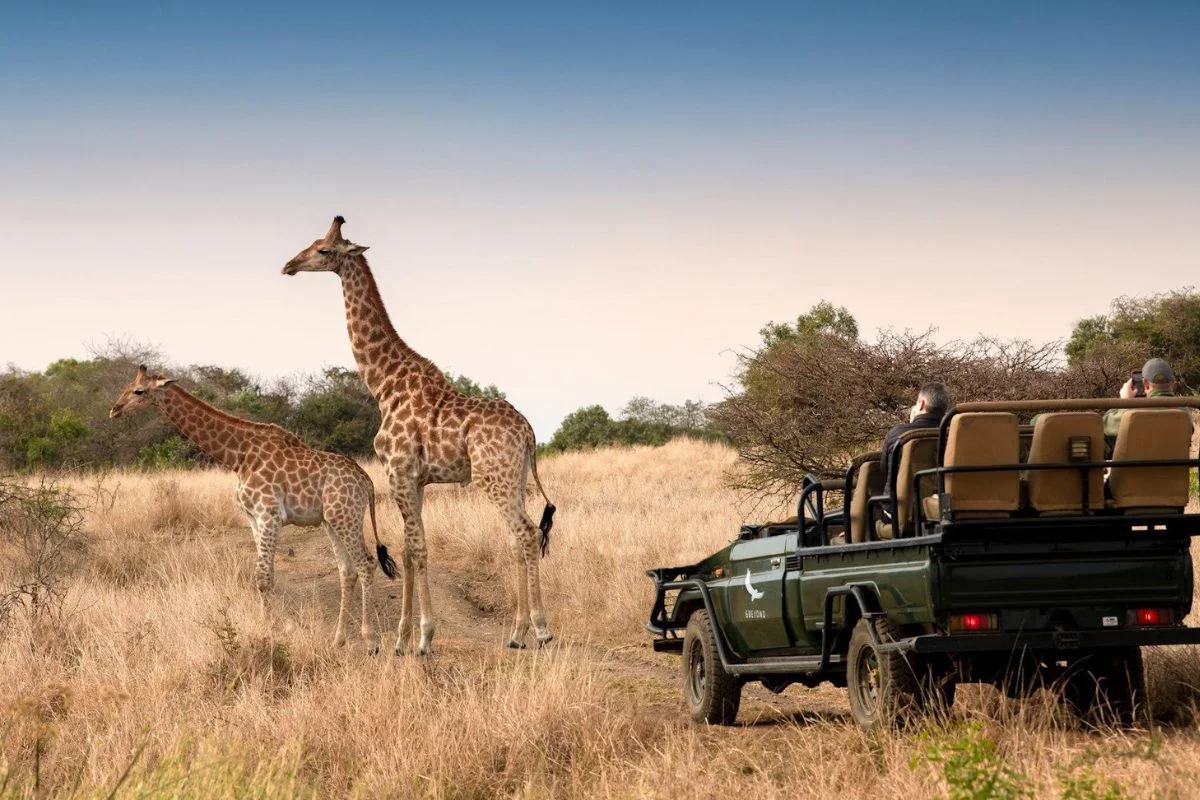
Kruger Park wildlife
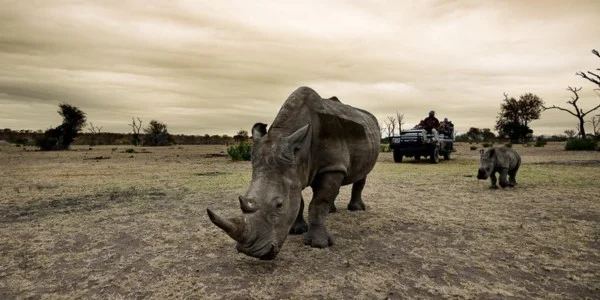
Kruger hosts over 140 large mammal species and more than 500 bird species. The Big Five (lion, leopard, elephant, buffalo and rhino) are all present. Other frequently seen species include cheetah, white rhino, wildebeest, giraffe, hippo, wild dog and hyena. The park also supports 114 reptile species, including black mamba, approximately 3,000 crocodiles and rock pythons.
What bird species can I see in Kruger Park?
Kruger supports 253 resident bird species, 117 migrants and 147 nomads throughout the year. Notable species include lappet-faced vulture, martial eagle, saddle-billed stork, kori bustard, ground hornbill and Pel's fishing owl. The diversity makes Kruger one of Africa's premier birding destinations, suitable for both casual birdwatchers and serious twitchers year-round.
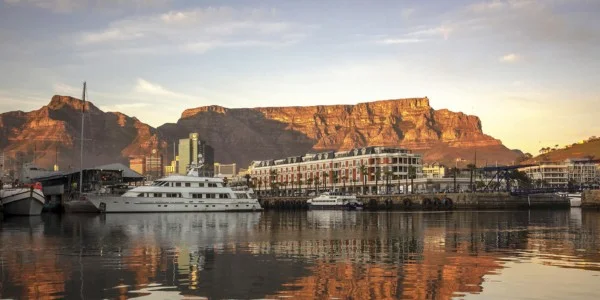
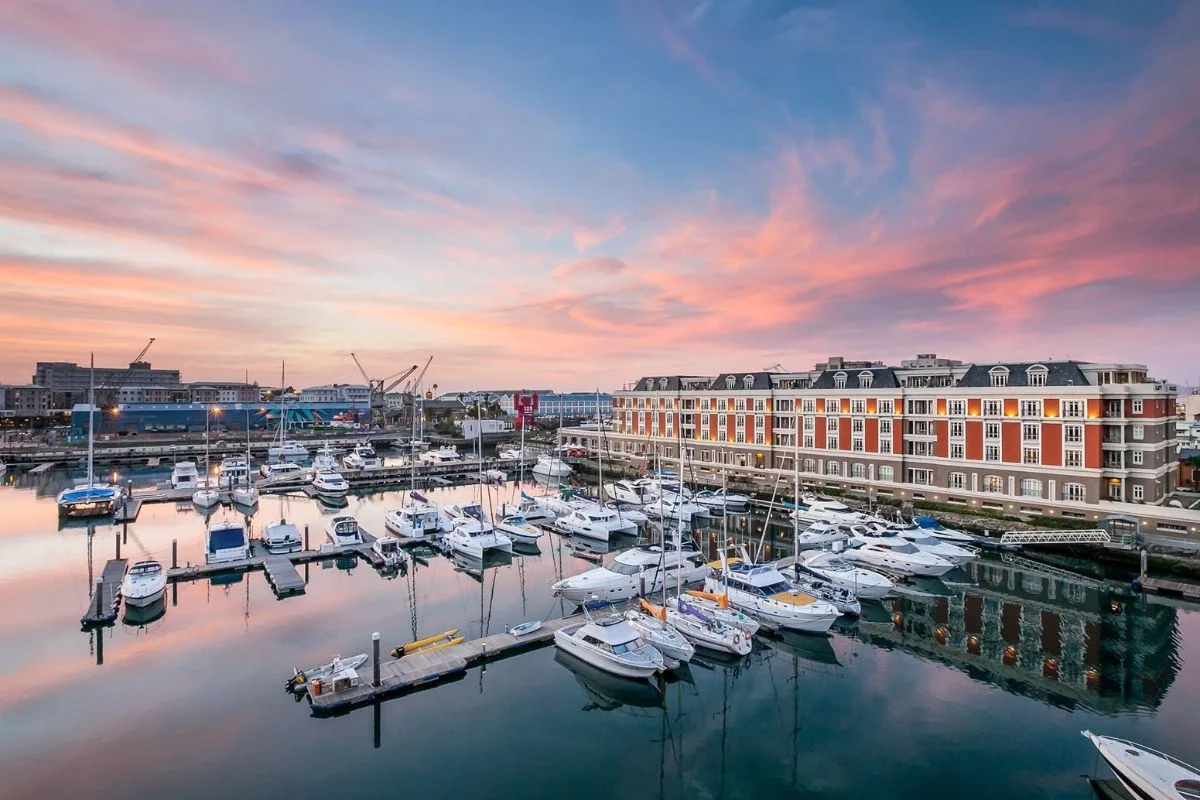
Visit Cape Town
Visit the number one rated city in the world with 8 blue flag beaches, swimming with penguins and so much more
Plan My Safari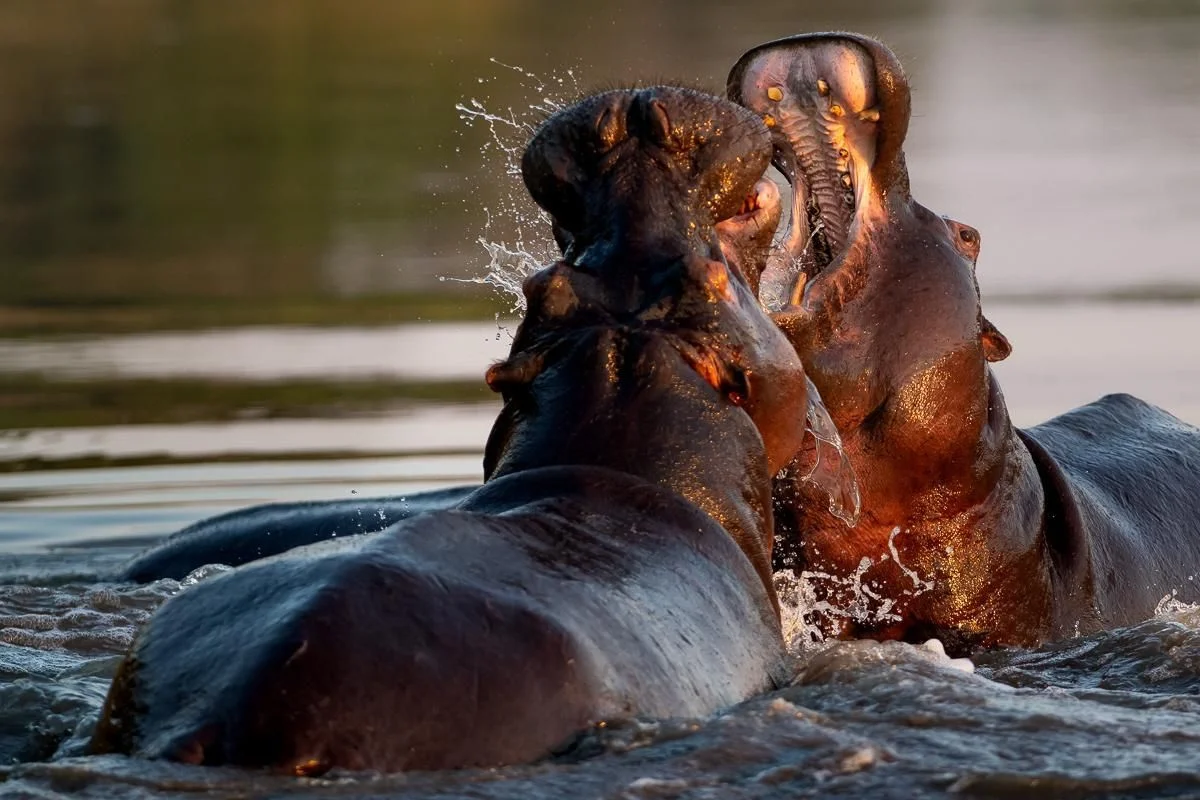
Best time to visit Kruger Park
The best time to visit Kruger is mid-July to October, at the back end of winter and before summer heat arrives. Vegetation is lower due to limited winter rainfall, and animals are more active in moderate temperatures. Game viewing is excellent during this window.
Kruger operates year-round, but each season has trade-offs. June offers excellent game viewing but very cold early morning drives (layers essential). November to February brings hot temperatures and rain. Vegetation becomes dense, and many animals rest during the day and hunt at night, reducing daytime sightings.
Is Kruger Park worth visiting during the rainy season?
Kruger during the rainy season (November to February) can still be worthwhile if you accept trade-offs. Vegetation is denser, making animals harder to spot. High temperatures mean many species rest in shade during the day. However, birdlife peaks as migrants arrive, landscapes are greener, and lodges often offer lower rates. If photography and guaranteed Big Five sightings are priorities, stick to the dry season.
Kruger / Sabi Sand — best time to visit
| J | F | M | A | M | J | J | A | S | O | N | D | |
|---|---|---|---|---|---|---|---|---|---|---|---|---|
| High °C | 32° | 31° | 30° | 28° | 26° | 24° | 24° | 26° | 28° | 29° | 30° | 31° |
| High °F | 90° | 88° | 86° | 82° | 79° | 75° | 75° | 79° | 82° | 84° | 86° | 88° |
| Rain mm | 110 | 95 | 75 | 35 | 15 | 10 | 5 | 10 | 25 | 55 | 85 | 105 |
| Rating |
Kruger / Sabi Sand: Dry winter (May–Sep) gives the best game viewing; summer is lush but wet.
Ideal — Peak conditions — dry, comfortable, prime wildlife or beach time.
Good — Great conditions with brief showers or warmer days; still highly recommended.
Shoulder — Mixed weather — fewer crowds and lower rates, occasional rain.
Avoid — Heaviest rain or roughest seas; many camps and roads can be affected.
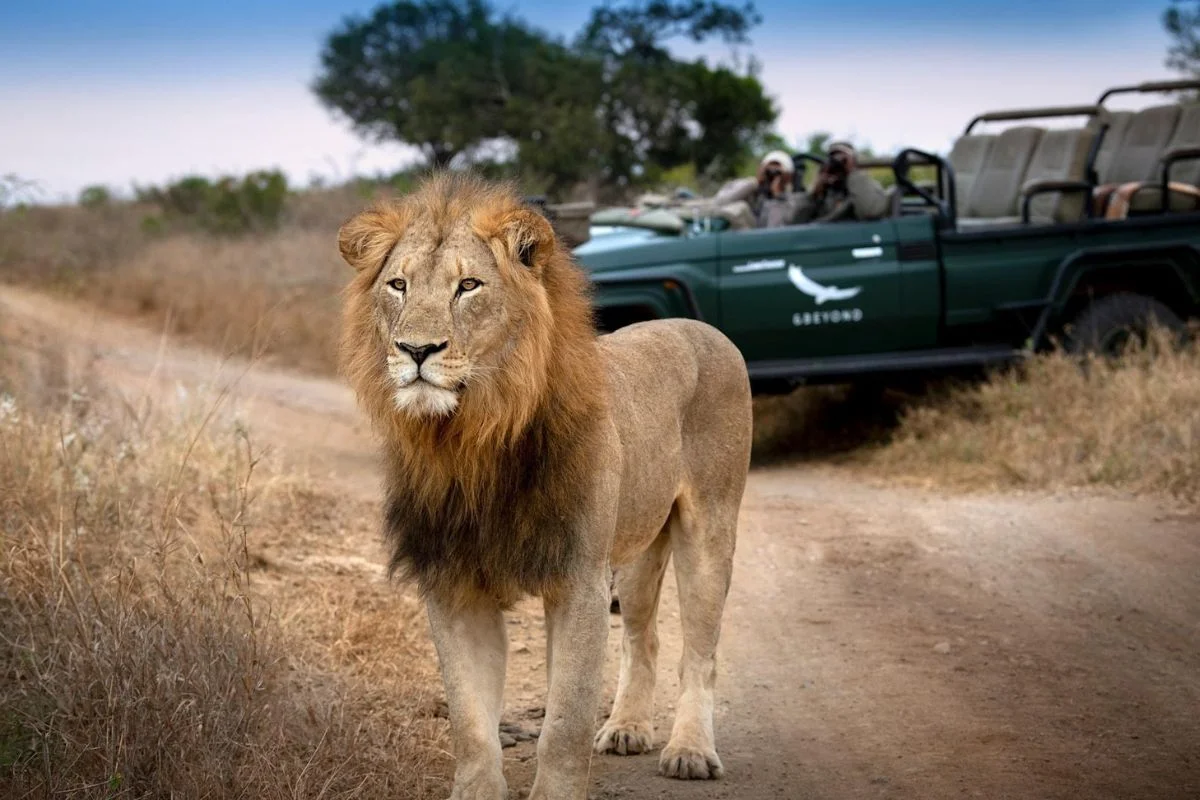
Kruger Park safari costs
Kruger offers excellent value when combining wildlife diversity, accommodation, cuisine and service. Four-star safari packages typically start at $500 per person per day and are often all-inclusive (meals, game drives, park fees). Five-star luxury safaris start at approximately $750 per person per day, also usually all-inclusive.
The park offers accommodation ranging from self-catering rest camps to exclusive five-star lodges. Self-drive safaris in SANParks camps can cost considerably less, though you forego guided game drives and premium service. Prices fluctuate by season, with peak months (July to October) commanding higher rates.
What does all-inclusive mean on a Kruger safari?
All-inclusive Kruger safaris typically cover accommodation, all meals, twice-daily game drives with a professional guide, park entry fees and most beverages (often including house wine and local beer). Exclusions usually include premium spirits, champagne, spa treatments, curio purchases and gratuities. Always confirm what your specific package includes, as definitions vary between lodges. Some lodges also include bush walks, while others charge separately.
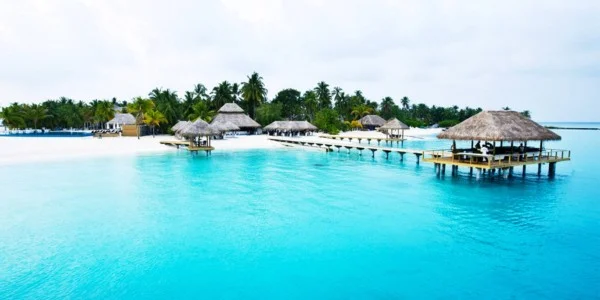
Seychelles Island Escape
Visit the jewel of the Indian Ocean with blue azure waters and white sandy beaches.
Plan My Safari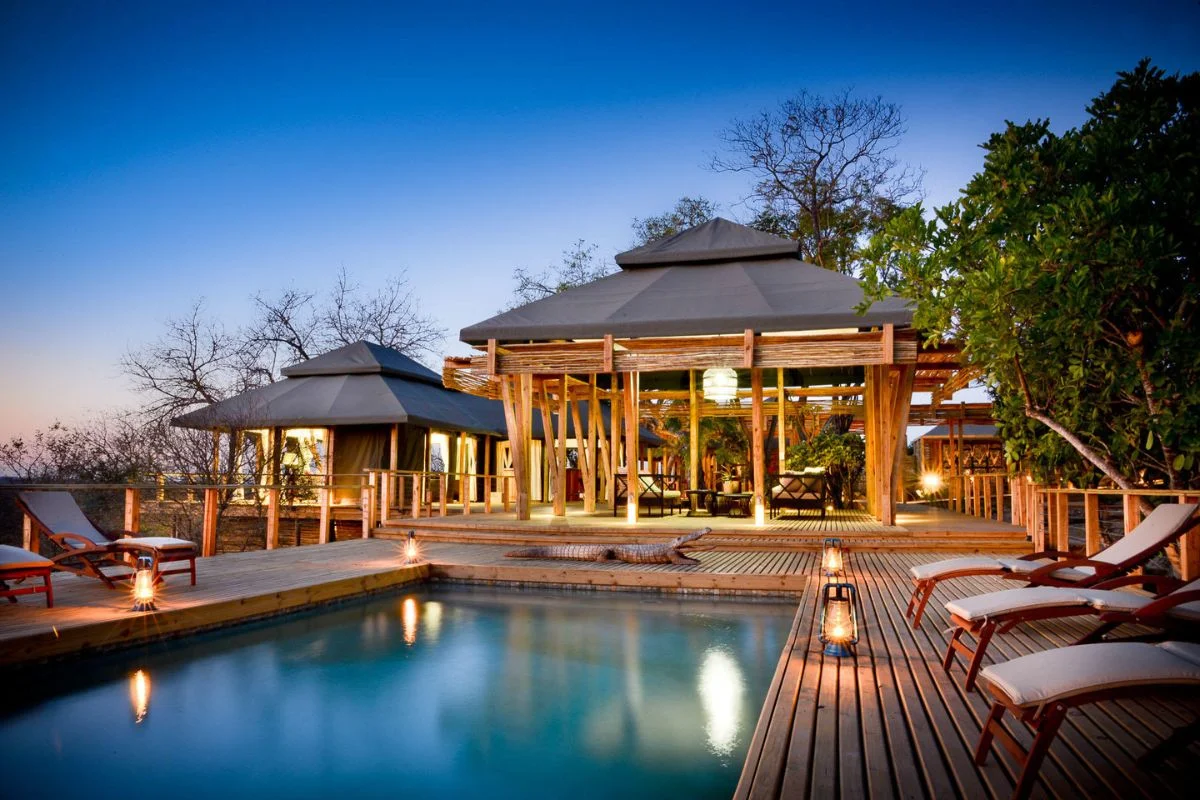
Frequently asked questions
How many days should I spend in Kruger Park?
Three to four nights in Kruger allows enough time for multiple game drives and a reasonable chance of seeing the Big Five. Two nights is a minimum for a meaningful safari, though you may miss some species. Five to seven nights suits serious wildlife photographers or birders wanting to explore different regions of the park. Most first-time visitors find three or four nights strikes the right balance between game viewing and budget.
Can I see the Big Five in Kruger Park?
Yes, Kruger is one of the most reliable parks in Africa for seeing all Big Five species (lion, leopard, elephant, buffalo, rhino) in a single visit. Most visitors on a three- or four-night safari see at least four of the five. Leopard can be elusive due to their nocturnal and solitary nature, but experienced guides know territories and increase your odds significantly. The southern and central regions tend to offer the best Big Five concentrations.
What should I pack for a Kruger safari?
Pack neutral-coloured clothing (khaki, olive, tan) for game drives, as bright colours can disturb wildlife. Bring layers for early morning drives, which can be cold even in summer. Essentials include a wide-brimmed hat, high-SPF sunscreen, insect repellent, binoculars, a camera with a zoom lens, and sturdy walking shoes. Most lodges provide blankets for morning drives. If visiting June to August, pack a warm jacket and beanie for dawn drives.
Is Kruger Park malaria-free?
No, Kruger Park is in a malaria area, and prophylaxis is recommended year-round. Risk is highest during the rainy summer months (November to April) and lower in the dry winter (May to October), but present throughout the year. Consult a travel health clinic at least four weeks before departure. In addition to prophylaxis, use insect repellent, wear long sleeves and trousers at dawn and dusk, and sleep under mosquito nets if provided.
How does Kruger Park compare to other African safari destinations?
Kruger offers the highest mammal and bird diversity of any African reserve and excellent value for money. It is more accessible and affordable than Botswana's Okavango Delta or Tanzania's Serengeti. However, Kruger has more vehicles on popular routes, especially in peak season. For exclusivity and ultra-luxury, private concessions bordering Kruger or Botswana's camps offer fewer guests but at higher cost. Kruger suits first-time safari-goers and those wanting maximum species variety on a single trip.
Can I self-drive in Kruger Park, or do I need a guide?
You can self-drive in Kruger's main public rest camps operated by SANParks. This is significantly cheaper than a guided safari and appeals to independent travellers. However, you miss the expertise of professional guides who know animal behaviour, tracks and the best sighting locations. Guided safaris in private lodges and concessions also access areas closed to self-drivers and offer night drives, which are not permitted for self-drive visitors. First-timers usually benefit more from a guided option.
Last updated: July 2026