
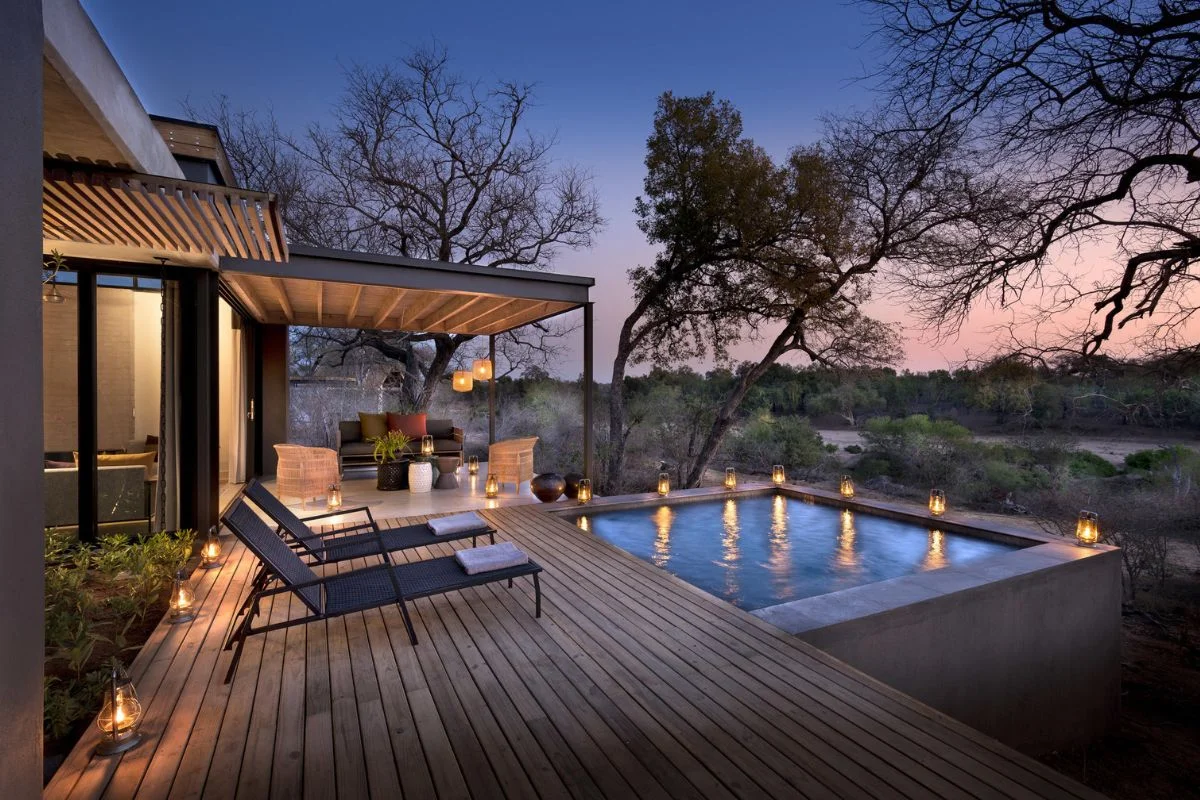

South Africa's top safari lodges concentrate in the Greater Kruger area, with only three holding the country's highest Five Star Premium grading from the Tourism Grading Council of South Africa.
Royal Malewane (Thornybush), Camp Jabulani (Kapama) and Lion Sands Ivory (Sabi Sand) are South Africa's only Five Star Premium lodges. All three are in Greater Kruger private reserves, offer Big Five game drives, all-inclusive packages and expert guides. Five Star lodges start from $757 per person sharing nightly; Four Star options from $457.
Key takeaways
Only three lodges hold Five Star Premium grading: Royal Malewane, Camp Jabulani and Lion Sands Ivory, all in Greater Kruger.
All three are all-inclusive (meals, local drinks, twice-daily game drives with private guides in open 4x4s).
Royal Malewane is known for Africa's most experienced guide team; Camp Jabulani for its elephant conservation project.
Five Star lodges in Greater Kruger typically cost from $757 per person sharing per night; Four Star from $457.
Best wildlife viewing is late June to October (dry season, moderate temperatures, sparse vegetation).
Greater Kruger hosts over 140 mammal species and 500 bird species, more than any other African safari destination.
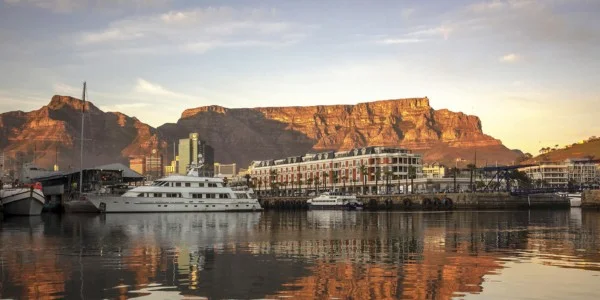
Visit Cape Town
Visit the number one rated city in the world with 8 blue flag beaches, swimming with penguins and so much more
Plan My Safari
The three Five Star Premium lodges
South Africa's Tourism Grading Council awards Five Star Premium status to just three safari lodges, all located in Greater Kruger private reserves.
These properties combine luxury accommodation, expert guiding, all-inclusive service and consistent Big Five sightings.
Royal Malewane (Thornybush Private Game Reserve)
Royal Malewane anchors The Royal Portfolio group and sits in Thornybush, a 14,000-hectare private reserve adjoining Kruger National Park with no fences between.
The lodge claims the most experienced safari guide team in Africa. Suites feature private plunge pools, outdoor showers and butler service. A standalone spa offers treatments overlooking a waterhole.
Rates from $2,057 per person sharing include all meals, drinks, twice-daily game drives and walking safaris. The reserve's open borders with Kruger mean wildlife (lion, leopard, elephant, rhino, buffalo) move freely across 20,000 square kilometres.
Camp Jabulani (Kapama Game Reserve)
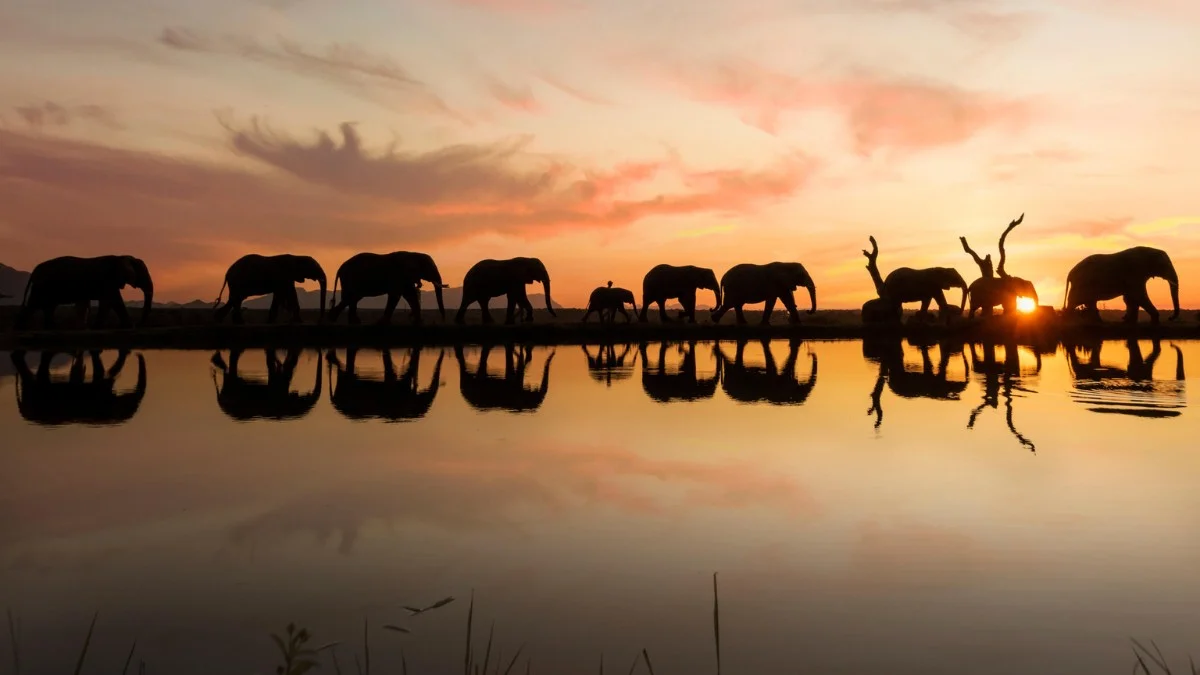
Camp Jabulani began as a cheetah breeding project over 20 years ago, became a wildlife rehabilitation centre and now operates as an elephant conservation base.
The reserve's resident elephant herd includes several individuals that have appeared in wildlife documentaries and films.
The lodge offers six suites, a suspension bridge over a riverbed and a Relais & Châteaux dining programme. Kapama spans 13,000 hectares and holds all Big Five species. Rates from $1,392 per person sharing cover meals, drinks, game drives and optional elephant interaction experiences (feeding, walking alongside the herd with handlers).
Lion Sands Ivory Lodge (Sabi Sand Game Reserve)
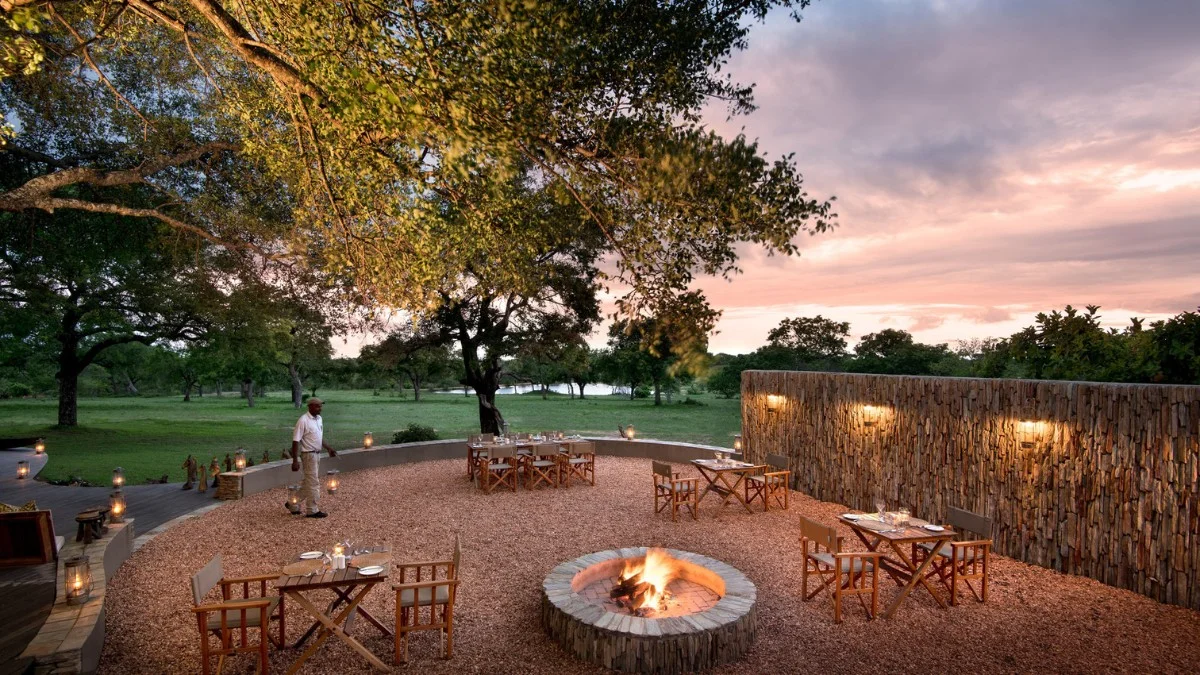
Lion Sands Ivory Lodge positions eight one-bedroom villas at the confluence of the Sabie and Sand rivers. The river junction attracts year-round wildlife traffic. Each villa has a private pool, outdoor sala and river views.
The lodge runs two off-site treehouses (Chalkley and Tinyeleti) where guests sleep under open skies on elevated platforms, accessible only by game drive. Sabi Sand is a 65,000-hectare reserve sharing unfenced borders with Kruger, known for habituated leopards that tolerate close vehicle approaches.
Rates from $1,587 per person sharing include meals, drinks, twice-daily drives and spa access. Kosher cuisine is available on request.
What makes Five Star Premium grading different from Five Star?
The Tourism Grading Council of South Africa assesses lodges on 200+ criteria covering service, facilities, guiding standards, maintenance and guest experience consistency.
Five Star Premium lodges exceed the Five Star benchmark in every category, particularly guide expertise, suite size and privacy, culinary standards and on-site conservation programmes.
The grading is independently verified annually. Of roughly 50 Five Star lodges in South Africa, only three hold Premium status.
South Africa luxury safari lodges at a glance
Comparison of the leading Greater Kruger luxury lodges, with grading, reserve, room count and starting rates per person sharing per night (all-inclusive).
| Lodge | Reserve | Grading | Suites | From (pp/night) | Best for |
|---|---|---|---|---|---|
| Royal Malewane | Thornybush | 5-Star Premium | 8 | $2,057 | Service, guiding, honeymoon |
| Lion Sands Ivory Lodge | Sabi Sand | 5-Star Premium | 8 | $1,587 | Leopards, river setting, treehouse sleepouts |
| Camp Jabulani | Kapama | 5-Star Premium | 6 | $1,392 | Elephant interaction, conservation |
| Leopard Hills | Sabi Sand | 5-Star | 8 | ~$1,100 | Ridgeline views, low vehicle density |
| Lion Sands Narina | Sabi Sand | 5-Star | 9 | ~$950 | Sabie River, wine cellar, families |
| Sabi Sabi Selati Camp | Sabi Sabi | 5-Star | 7 | ~$900 | Heritage decor, birdlife |
| Simbavati Hilltop | Timbavati | 5-Star | 8 | ~$800 | Leopards, value, bush walks |
| Kapama Buffalo Camp | Kapama | 5-Star | 10 | $757 | Tented luxury, malaria-low |
Kruger / Sabi Sand — best time to visit
| J | F | M | A | M | J | J | A | S | O | N | D | |
|---|---|---|---|---|---|---|---|---|---|---|---|---|
| High °C | 32° | 31° | 30° | 28° | 26° | 24° | 24° | 26° | 28° | 29° | 30° | 31° |
| High °F | 90° | 88° | 86° | 82° | 79° | 75° | 75° | 79° | 82° | 84° | 86° | 88° |
| Rain mm | 110 | 95 | 75 | 35 | 15 | 10 | 5 | 10 | 25 | 55 | 85 | 105 |
| Rating |
Kruger / Sabi Sand: Dry winter (May–Sep) gives the best game viewing; summer is lush but wet.
Ideal — Peak conditions — dry, comfortable, prime wildlife or beach time.
Good — Great conditions with brief showers or warmer days; still highly recommended.
Shoulder — Mixed weather — fewer crowds and lower rates, occasional rain.
Avoid — Heaviest rain or roughest seas; many camps and roads can be affected.
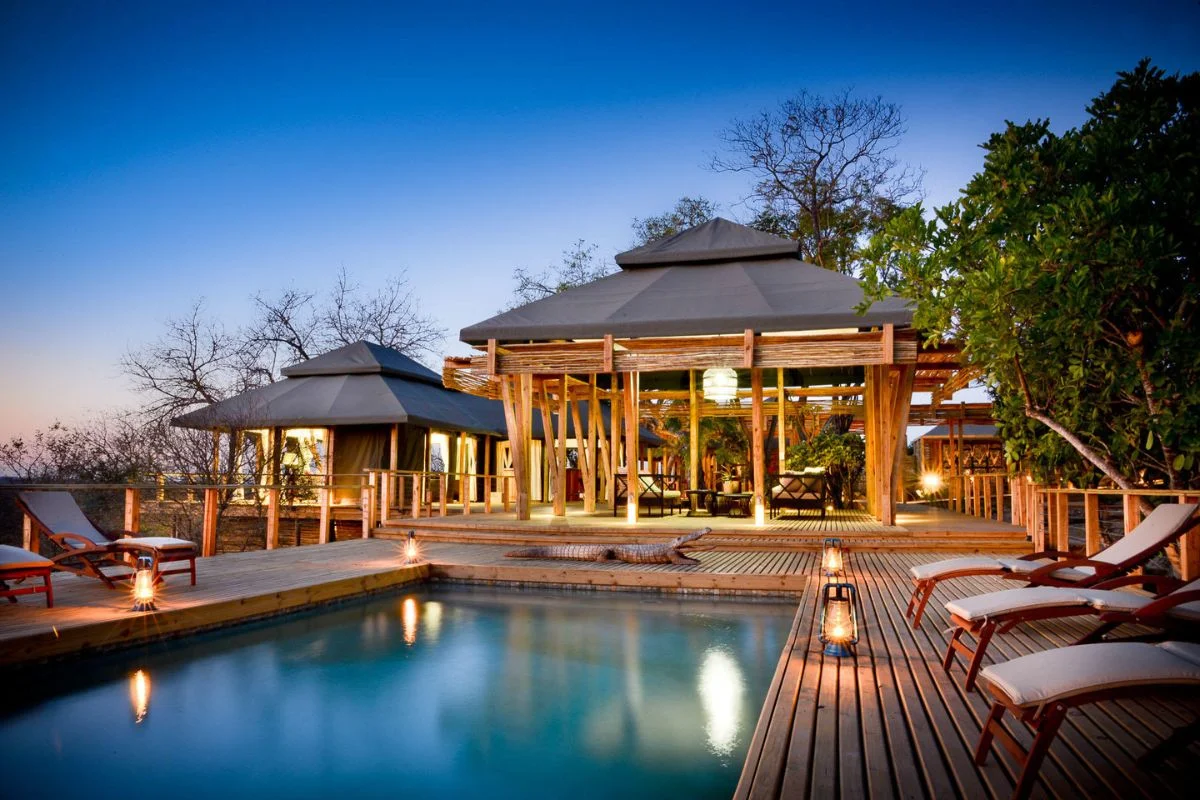
Top Five Star lodges
Several Five Star lodges in Greater Kruger deliver exceptional safari experiences at lower price points than the Premium trio, typically $750 to $1,100 per person sharing per night.
Simbavati Hilltop Lodge (Timbavati Private Nature Reserve)
Simbavati Hilltop sits on a koppie (rocky outcrop) in Timbavati, a 53,000-hectare reserve bordering Kruger. Timbavati holds one of southern Africa's densest leopard populations, making Big Five sightings highly probable. The lodge uses solar power, has a natural-filtration pool and offers bush walks with armed rangers. Eight suites have outdoor showers and private decks.
Kapama Buffalo Camp (Kapama Game Reserve)
Buffalo Camp offers ten tented suites on raised platforms within indigenous forest. Guests access the Kapama Spa at nearby River Lodge, a six-treatment-room facility. The reserve's 13,000 hectares support all Big Five species and over 350 bird species. Twice-daily drives depart in open Land Cruisers with tracker-and-guide teams.
Lion Sands Narina Lodge (Sabi Sand Game Reserve)
Narina Lodge runs nine suites along the Sabie River, each with floor-to-ceiling glass, air conditioning and a private viewing deck. The lodge shares Sabi Sand's leopard-rich territory with Ivory Lodge but operates at a lower price tier. Facilities include a wine cellar, African-themed bar and library. Guests can book one of two treehouse sleepouts (shared with Ivory Lodge guests) for an additional fee.
Leopard Hills Private Game Lodge (Sabi Sand Game Reserve)
Leopard Hills positions eight glass-fronted suites on a ridgeline overlooking a waterhole. Each suite has a private plunge pool, air conditioning and underfloor heating. The lodge offers guided bush walks, photographic safaris and a gym with wilderness views. Sabi Sand's low vehicle density (maximum three vehicles per sighting) ensures quieter game drives than Kruger's public roads.
Sabi Sabi Selati Camp (Sabi Sabi Private Game Reserve)
Selati Camp sits on a bend of the Msuthlu River within the 6,500-hectare Sabi Sabi reserve, part of the greater Sabi Sand complex. Seven suites reference the 1920s railway era with vintage decor, brass fittings and freestanding bathtubs. The river position attracts year-round birdlife (over 300 species recorded). Twice-daily drives and walking safaris are included.
Best time to visit Greater Kruger: month-by-month
| Months | Season | Game viewing | Weather | Price tier |
|---|---|---|---|---|
| Jun–Sep | Dry / winter (peak) | Excellent — animals cluster at waterholes | Cool nights (5–10°C), mild days (20–25°C) | High |
| Apr–May | Autumn shoulder | Very good, thinning bush | Mild, low rainfall | Mid |
| Oct–Nov | Spring shoulder | Very good, first rains, newborns | Warm days (28–32°C), occasional storms | Mid |
| Dec–Mar | Green / summer | Good; peak birding, dispersed game | Hot, humid, afternoon thunderstorms | Low–Mid |
Pricing and what is included
Greater Kruger luxury lodges operate on a fully inclusive model. Four Star properties start from $457 per person sharing per night; Five Star from $757; Five Star Premium from $1,392. Rates cover accommodation, all meals (breakfast, lunch, dinner), local beverages (house wines, spirits, beers, soft drinks), twice-daily game drives (typically 3 hours each, dawn and late afternoon) in open 4x4 vehicles with qualified guides and trackers, and walking safaris where available.
Excluded are premium wines and spirits, spa treatments, curio purchases and conservation levies (typically $15 to $30 per person per night). Rates fluctuate by season: June to October (peak dry season) commands highest prices; November to May (green season, summer rains) offers 20% to 40% discounts at most properties.
What is included in a Greater Kruger lodge rate
Included | Not included |
|---|---|
All meals (breakfast, lunch, dinner) | International and domestic flights |
Local wines, beers, spirits, soft drinks | Premium wines and champagne |
Two game drives per day (open 4x4, guide + tracker) | Gratuities ($10–20 pp/day for guide + tracker) |
Walking safaris (where offered) | Spa treatments and premium activities |
Laundry service | Conservation levies (~$15–30 pp/night) |
Transfers between airstrip and lodge | Charter/light-aircraft flights to the airstrip |

When to visit for wildlife
Late June to October (dry winter) is optimal for game viewing. Daytime temperatures range 20°C to 28°C, nights drop to 5°C to 10°C. Low rainfall reduces vegetation cover, forcing animals to congregate at permanent water sources. Visibility improves and predators are easier to locate.
November to May brings afternoon thunderstorms, lush vegetation and migratory birds (over 200 species arrive from Europe and North Africa). This green season offers dramatic landscapes, newborn antelope and discounted rates, but animals disperse across the reserves as temporary waterholes form. Shoulder months (May, early June, late October, November) balance moderate weather, fair wildlife density and mid-tier pricing.
How many days should I spend at a Greater Kruger lodge?
Three nights (six game drives) gives sufficient time to encounter all Big Five species and experience varied habitats (riverine forest, open savanna, thornveld).
Two nights is workable but tight. Four to five nights allows for walking safaris, photographic hides, night drives (where permitted) and rest days. Most travellers combine a Greater Kruger safari with Cape Town (3 to 4 nights), the Winelands (2 nights) or the Garden Route, creating 10- to 14-day South Africa itineraries.
Seychelles Island Escape
Visit the jewel of the Indian Ocean with blue azure waters and white sandy beaches.
Plan My SafariWildlife and biodiversity
Greater Kruger supports over 140 mammal species (including all Big Five), 500+ bird species, 110+ reptile species and 2,000 plant species. The Big Five (lion, leopard, elephant, rhino, buffalo) are present across all private reserves.
Sabi Sand and Timbavati hold particularly high leopard densities due to riverine habitat and prey abundance. Wild dog (endangered) and cheetah are less common but regularly sighted in Timbavati, Thornybush and Kapama.
Birdlife peaks November to April when Palearctic migrants (European bee-eaters, rollers, cuckoos) join resident raptors, waterfowl and hornbills. The Sabie and Sand rivers attract fish eagles, kingfishers, herons and storks year-round.
Last updated: September 2026