
July is one of Africa's most popular safari months, combining dry-season game viewing with the drama of the Great Migration river crossing in the northern Serrengeti.
July is peak safari season across East and Southern Africa, with dry weather driving wildlife to water sources and making animals easier to spot. The Great Migration river crossings occur in the northern Serengeti and Masai Mara, though exact timing varies. Expect higher lodge rates and the need to book months ahead, but excellent visibility and concentrated game viewing justify the premium.
Key takeaways
July falls in the dry season for Kenya, Tanzania, Botswana, Zambia, Zimbabwe and South Africa, with minimal rain and cooler temperatures.
The Great Migration's Mara River crossings typically peak in July and August, though wildebeest movements are unpredictable and depend on rains.
Wildlife concentrates around permanent water sources, making game viewing easier and predator action more frequent.
Lodge rates are at their highest and availability tightest; book at least six months ahead for popular camps in the Serengeti and Masai Mara.
Southern Africa destinations like Botswana's Okavango Delta and South Africa's Kruger are similarly excellent, with dry conditions and clear skies.
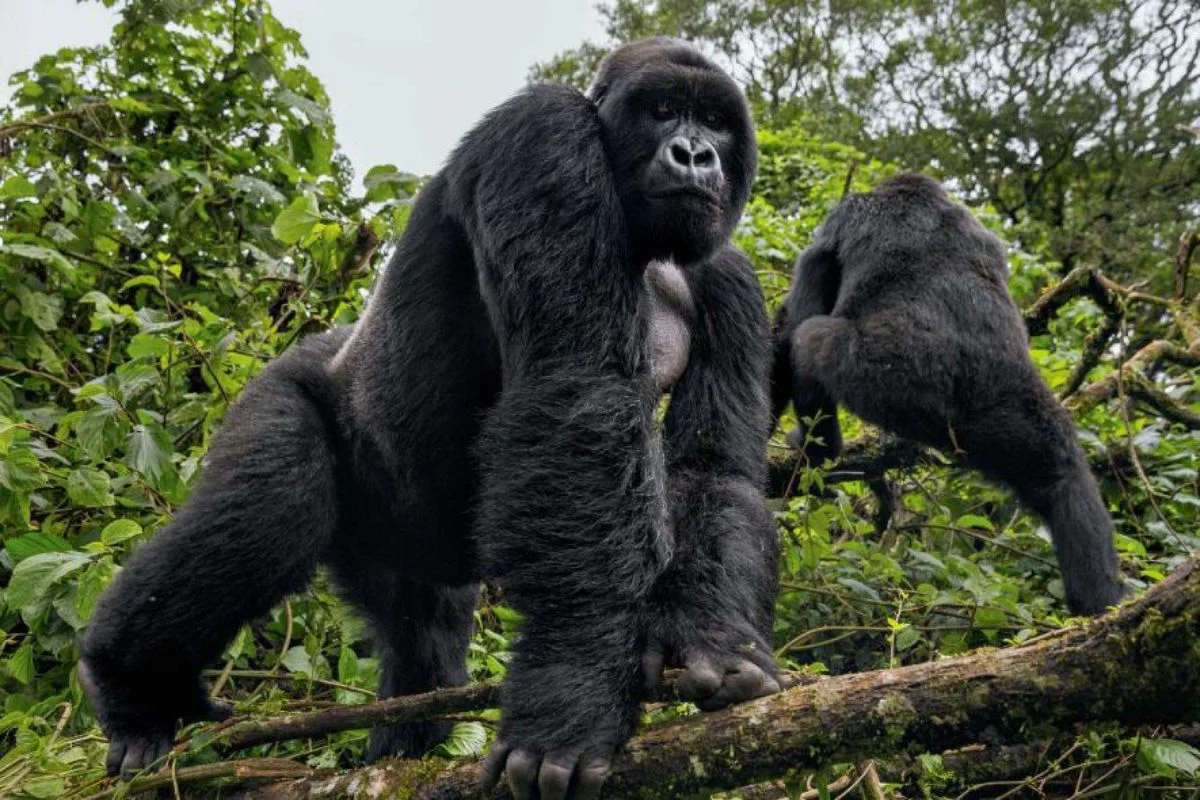
Rwanda and Uganda offer year-round gorilla trekking, with July being drier and trails less muddy than the wet months.
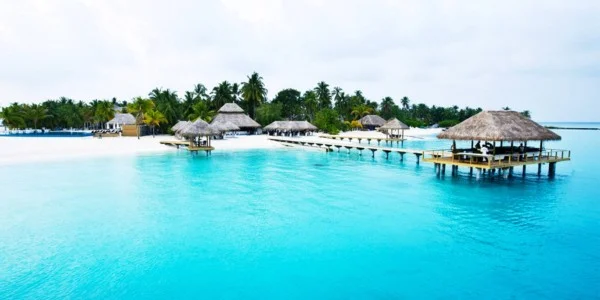
Seychelles Island Escape
Visit the jewel of the Indian Ocean with blue azure waters and white sandy beaches.
Plan My Safari
Weather and safari conditions in July
July sits in the heart of the dry season for most of Africa's premier safari regions. Daytime temperatures are mild to warm, typically 20-28°C, with cooler mornings and evenings that can drop to 10-15°C in higher-altitude areas like the Ngorongoro Crater or South Africa's Sabi Sand. Rain is rare.
Skies are clear, humidity is low, and dust can build up on roads and airstrips as the month progresses.
Vegetation thins as the dry season advances, which improves visibility. Bush that was dense and green in the wet months becomes sparse, making it easier to spot leopards in trees, lions on kills, and herds moving across open plains.
Water sources shrink, concentrating game around rivers, waterholes and pans. Predators stake out these drinking points, and prey animals are forced into predictable patterns, which translates to reliable sightings.
What is the best time of day for game drives in July?
Early morning drives, departing around 06:00-06:30, catch animals active after the cool night and often yield sightings of nocturnal species returning to cover.
Late afternoon drives from 15:30-16:00 take advantage of cooling temperatures as animals emerge to drink and hunt.
Midday heat is less oppressive in July than in hotter months, so all-day excursions remain comfortable, especially in southern destinations.
Great Migration Video
The Great Migration in July
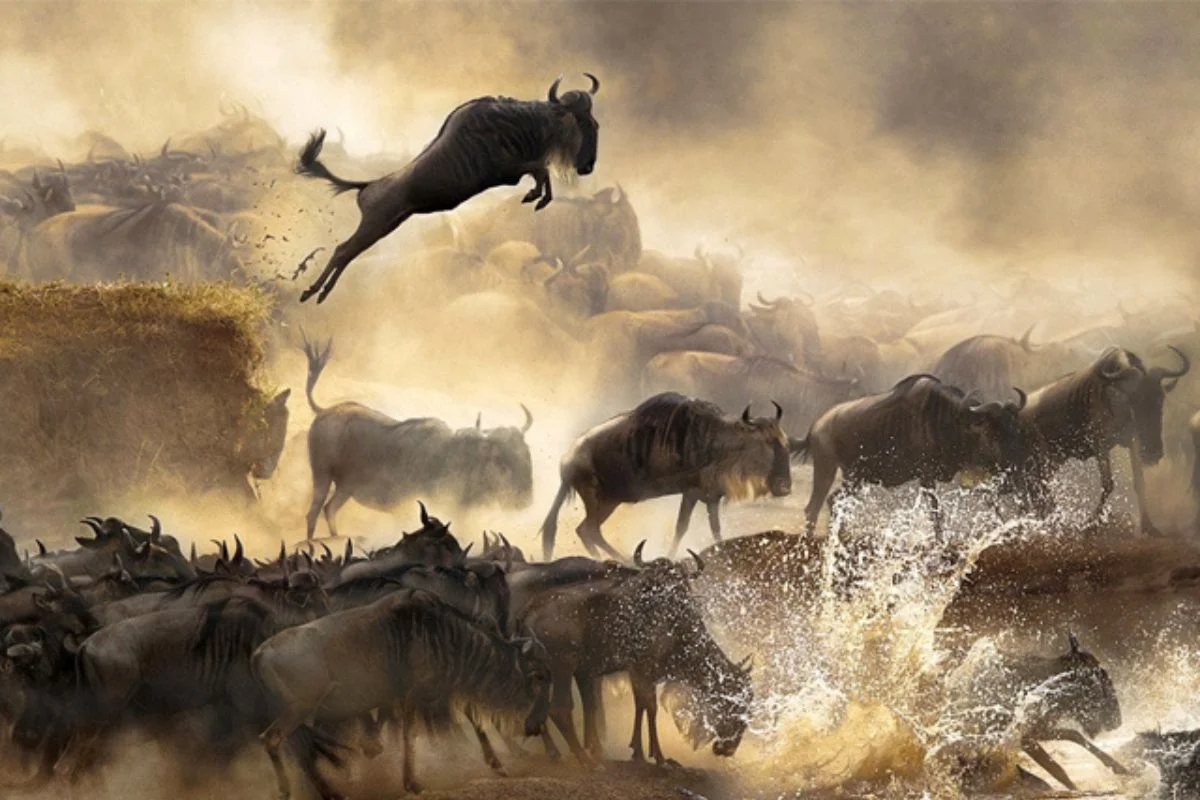
The Great Migration's iconic Mara River crossings typically occur from late June through early September, with July & August often seeing the highest drama.
By July, the 1.5 million wildebeest and hundreds of thousands of zebra have moved north from Tanzania's central Serengeti into the northern Serengeti and across the border into Kenya's Masai Mara. The herds mass on the riverbanks, sometimes for days, before plunging into the crocodile-infested waters in chaotic, churning crossings.
Timing is never guaranteed. The herds move in response to grazing and rainfall, not a calendar. Some years see multiple crossings in July; others see the main action shift into August.
Mobile camps and lodges positioned near crossing points, such as the Mara and Talek rivers, offer the best odds. Static camps in the northern Serengeti's Kogatende area and the Mara's northern conservancies are reliable bases.
Beyond the crossings, the sheer density of wildebeest and zebra creates abundant predator opportunities. Lions, leopards, cheetahs and hyenas follow the herds, and scavengers like vultures and jackals clean up behind them. Even if you miss a crossing, the concentration of game and predator activity in July is unmatched.
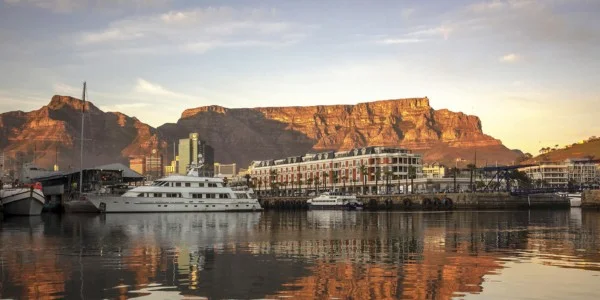
Visit Cape Town
Visit the number one rated city in the world with 8 blue flag beaches, swimming with penguins and so much more
Plan My SafariWhere to go on safari in July
Kenya: Masai Mara
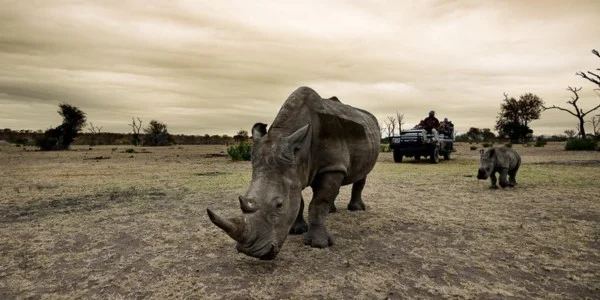
The Masai Mara in July offers front-row seats to the Migration as herds begin arriving from Tanzania. The Mara's rolling grasslands support year-round resident game, so even before the Migration peaks, you will see lions, elephants, buffaloes, giraffes and rhinos.
Private conservancies bordering the main reserve, such as Mara North, Olare Motorogi and Naboisho, allow night drives, walking safaris and off-road driving, and they limit visitor numbers for a more exclusive experience.
Lodges book out months in advance. Camps like Governors' Il Moran, Sanctuary Olonana and the seasonal migration camps position guests near river crossing points.
Budget for around $800-1,200 per person per night in high-end camps, all-inclusive.
For Kenya Africa honeymoons it is a super way to get the honeymoon exclusive upgrades and special offers, and see the Great Migration river crossing.
Tanzania: Serengeti and Ngorongoro Crater
The northern Serengeti, particularly the Kogatende and Lamai Wedge areas, is Migration central in July.
Camps here are smaller and more remote than those in the Mara, offering a wilder feel.
The central Serengeti around Seronera retains excellent predator viewing year-round, and the Ngorongoro Crater, a two-hour drive from the Serengeti, delivers guaranteed Big Five sightings in a single day thanks to its enclosed caldera ecosystem.
Combine the northern Serengeti with the Crater and a night or two on the shores of Lake Manyara for a varied itinerary. Expect lodge rates of $700-1,000 per person per night in premium properties like &Beyond's Serengeti Under Canvas or Lemala's seasonal camps.
Botswana: Okavango Delta and Chobe
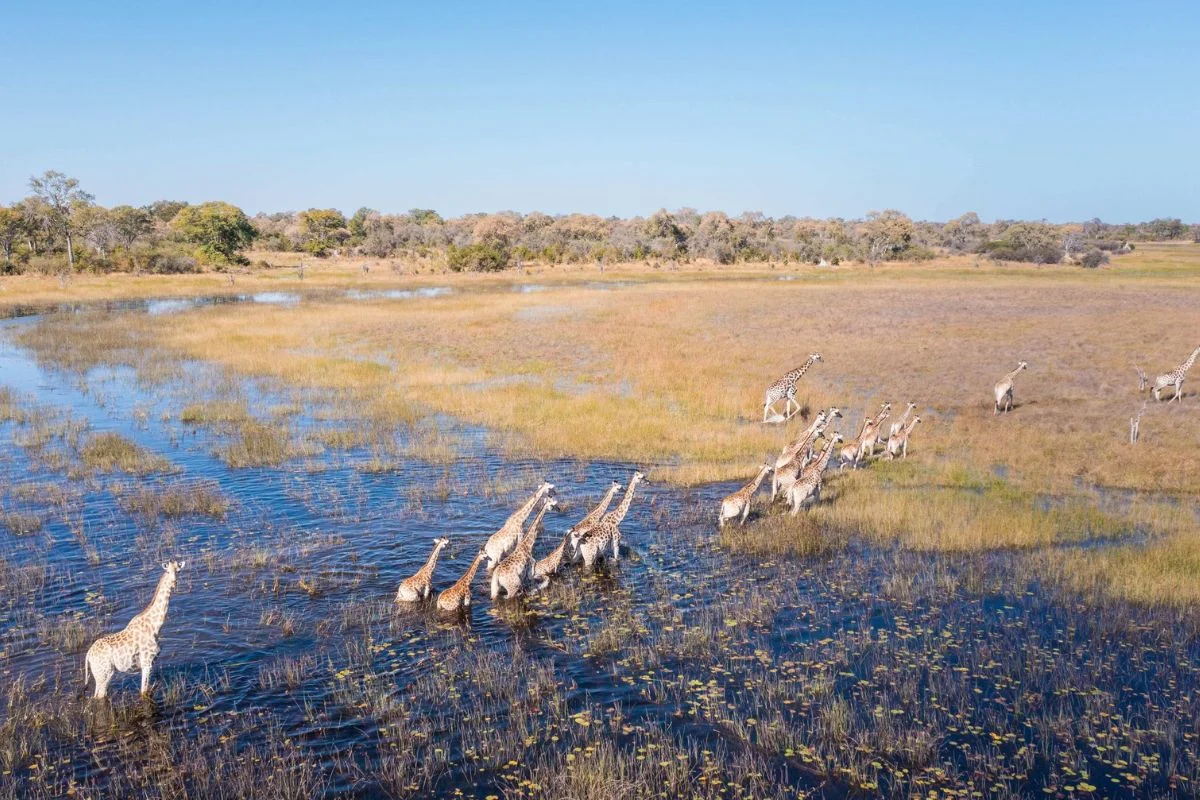
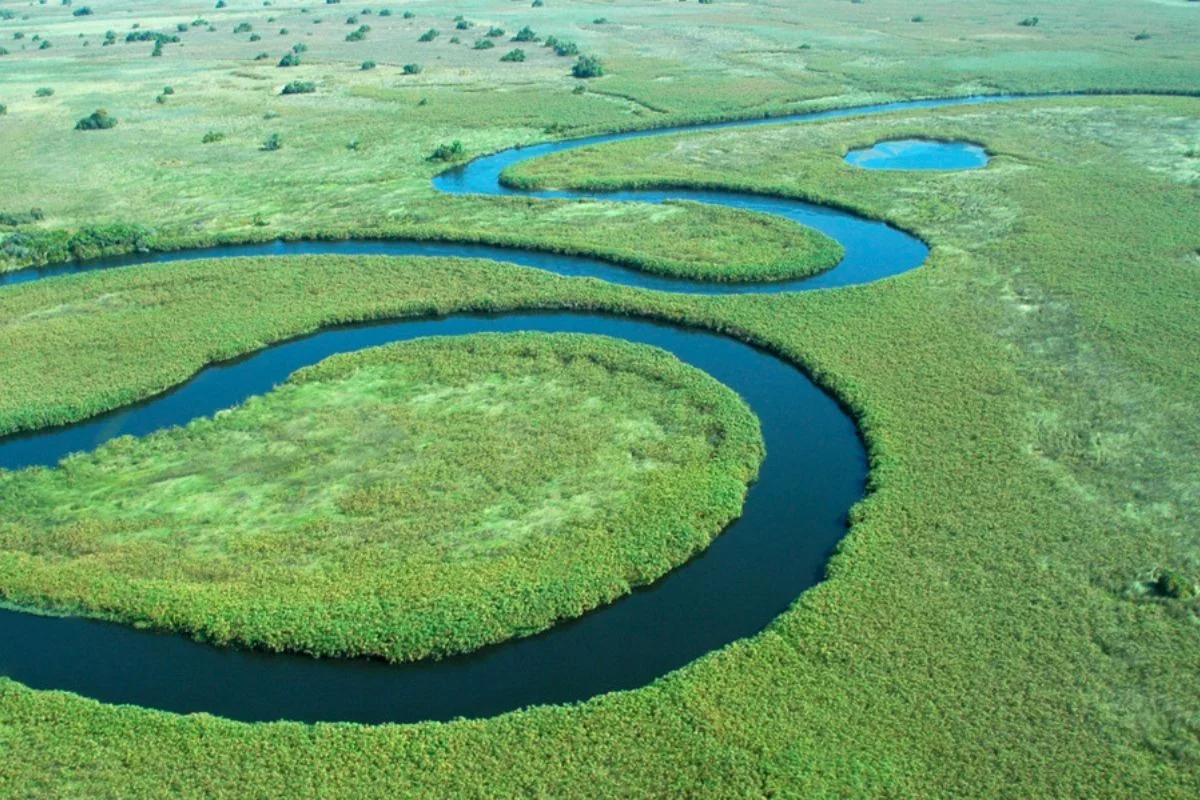
July is peak season in the Okavango Delta, where the annual floodwaters from Angola reach their maximum extent.
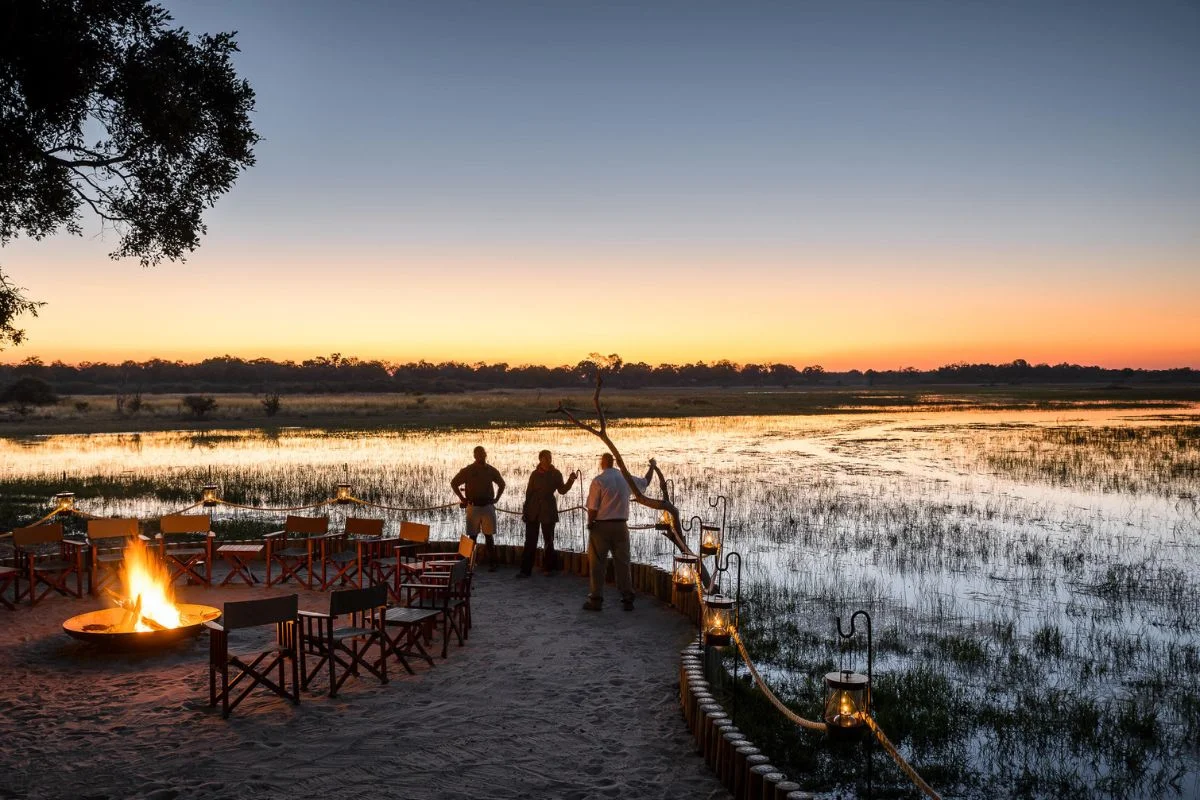
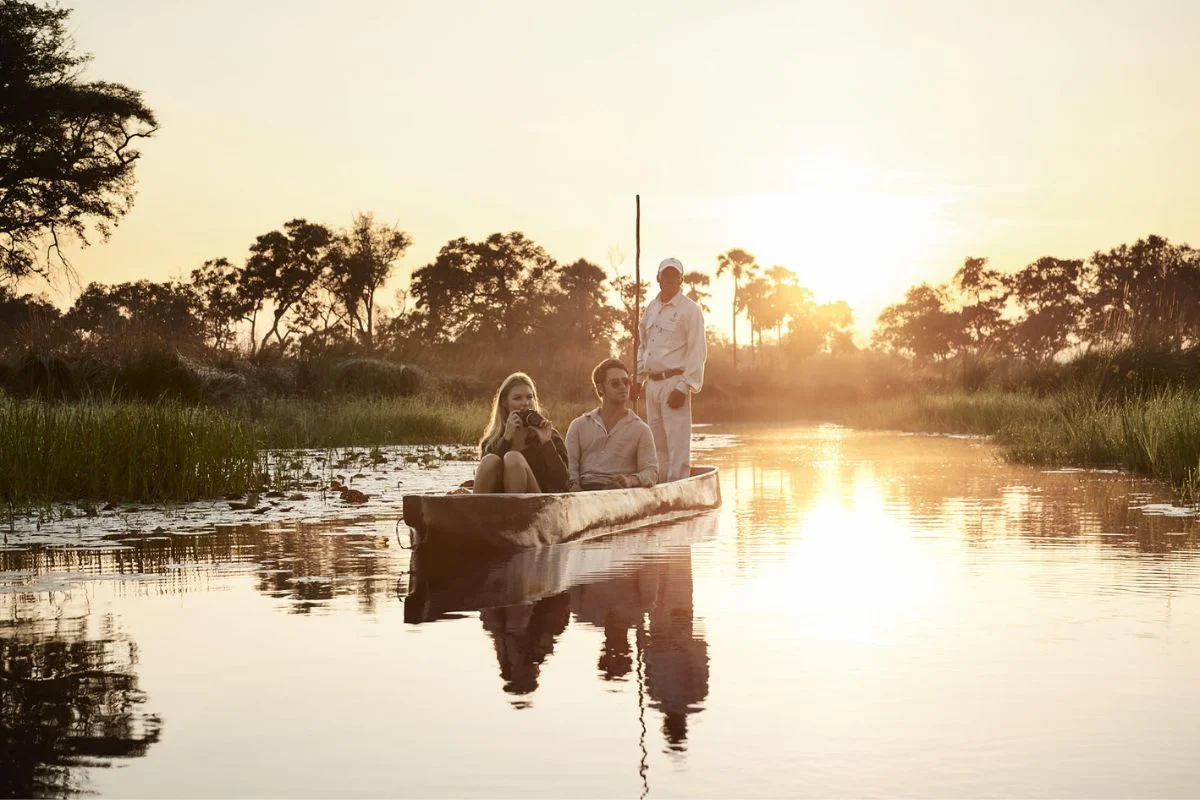
The Delta's channels, lagoons and islands teem with wildlife, and mokoro (dugout canoe) excursions glide past elephants, hippos and lechwe.
Game viewing by boat and on foot is combined with traditional vehicle drives. Predators are concentrated, and birdlife, though past its summer peak, remains prolific.
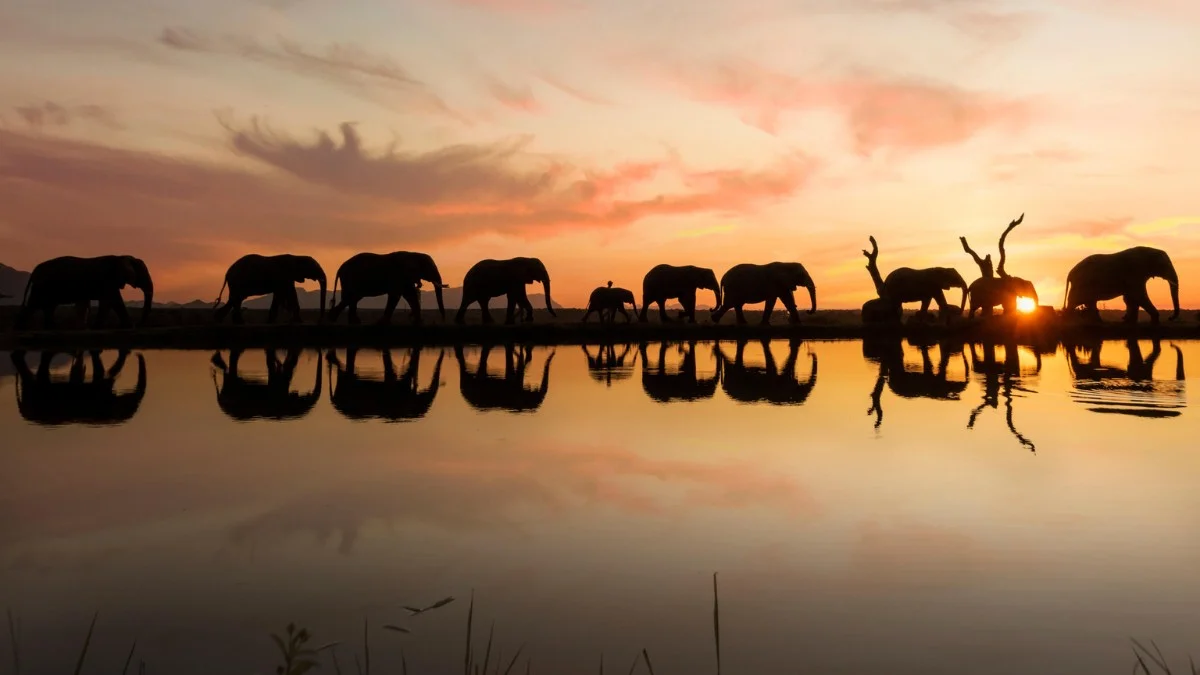
Chobe National Park's riverfront, a three-hour drive north, hosts the largest elephant herds in Africa in July. Boat cruises along the Chobe River deliver close-up encounters.
Rates in the Delta's private concessions run $900-1,400 per person per night; Chobe's lodges are slightly lower at $600-900.
South Africa: Kruger and Sabi Sand
South Africa's Kruger National Park and the adjacent Sabi Sand private reserve are in their dry-season prime in July.
Temperatures are mild, vegetation is sparse, and game viewing is excellent.
The Sabi Sand is renowned for leopard sightings, with some lodges reporting sightings on more than 90% of drives. Big Five concentrations are reliable, and guiding standards are among the continent's highest.
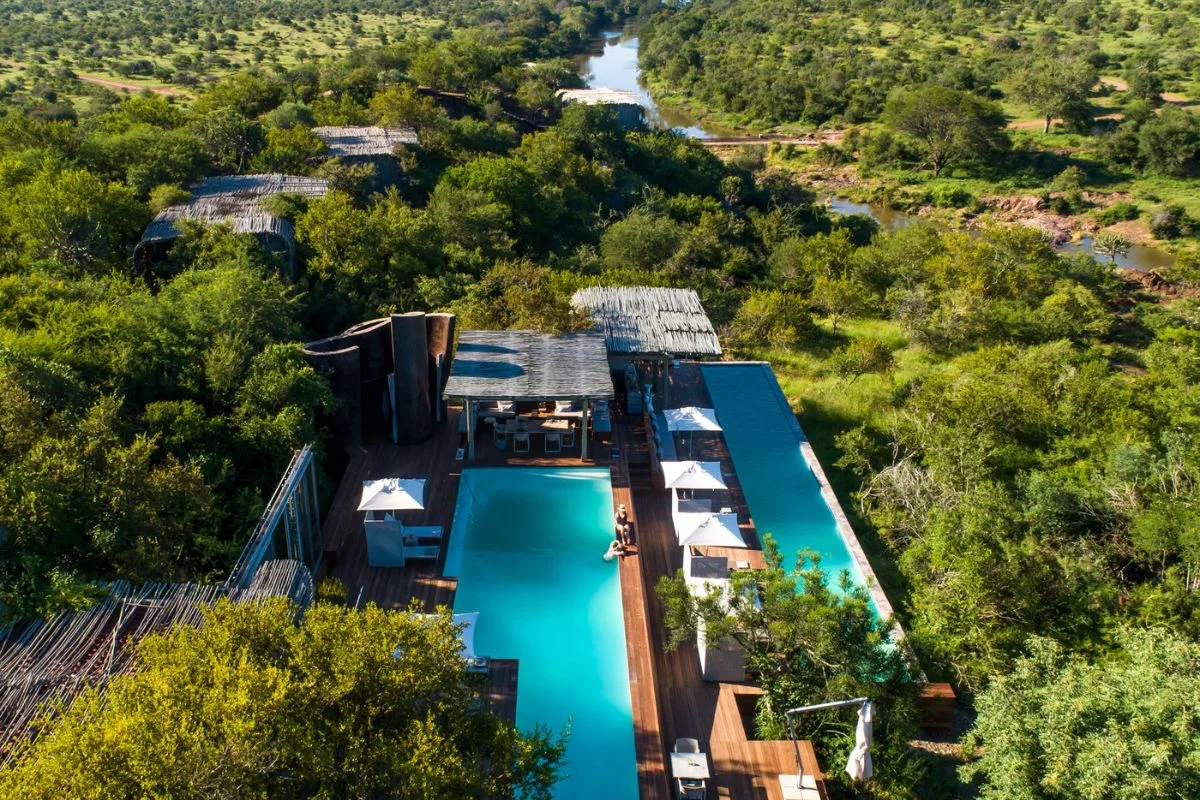
The Kruger offers value: self-drive is possible, rest camps are affordable, and private lodges inside the park provide mid-range comfort. Sabi Sand lodges are luxury-focused, costing $700-1,200 per person per night.
South Africa's proximity to Cape Town and strong logistics make it ideal for first-time safari-goers or those combining wildlife with wine regions and coastal stays.
Zambia and Zimbabwe: South Luangwa, Lower Zambezi and Hwange
Zambia's South Luangwa National Park in July offers intimate walking safaris and night drives, with leopards and wild dogs among the highlights.
The Lower Zambezi, bordering the Zambezi River, combines game drives with canoeing and fishing.
Zimbabwe's Hwange National Park rivals Chobe for elephant density, and the dry season concentrates game around artificial waterholes and natural pans.
These destinations see fewer visitors than the Serengeti or Masai Mara, offering a quieter safari experience.
Rates range from $500-800 per person per night in established camps.
Rwanda and Uganda: Gorilla trekking
July is one of the drier months for gorilla trekking in Rwanda's Volcanoes National Park and Uganda's Bwindi Impenetrable Forest. Trails are less muddy, and trekking conditions are more comfortable, though rain can occur at any time in these montane rainforests.
Gorilla permits cost $1,500 per person in Rwanda and $800 in Uganda, booked months ahead through park authorities.
What to pack for a July safari
Layer for cool mornings and warm afternoons. Bring long trousers and a fleece or light down jacket for early starts, plus short-sleeved shirts and a sun hat for midday.
Neutral colours (khaki, olive, beige) are recommended to avoid startling wildlife, though strict dress codes are rare outside certain walking-safari camps.
Binoculars (8x42 or 10x42 magnification) improve game viewing. A camera with a telephoto lens (at least 200mm, ideally 300-400mm) captures distant subjects.
Sun protection is essential: SPF 50 sunscreen, lip balm, sunglasses. Insect repellent with DEET is useful in riverine and Delta environments. Most lodges provide laundry services, so pack light and re-wear clothing.
Costs and booking lead times
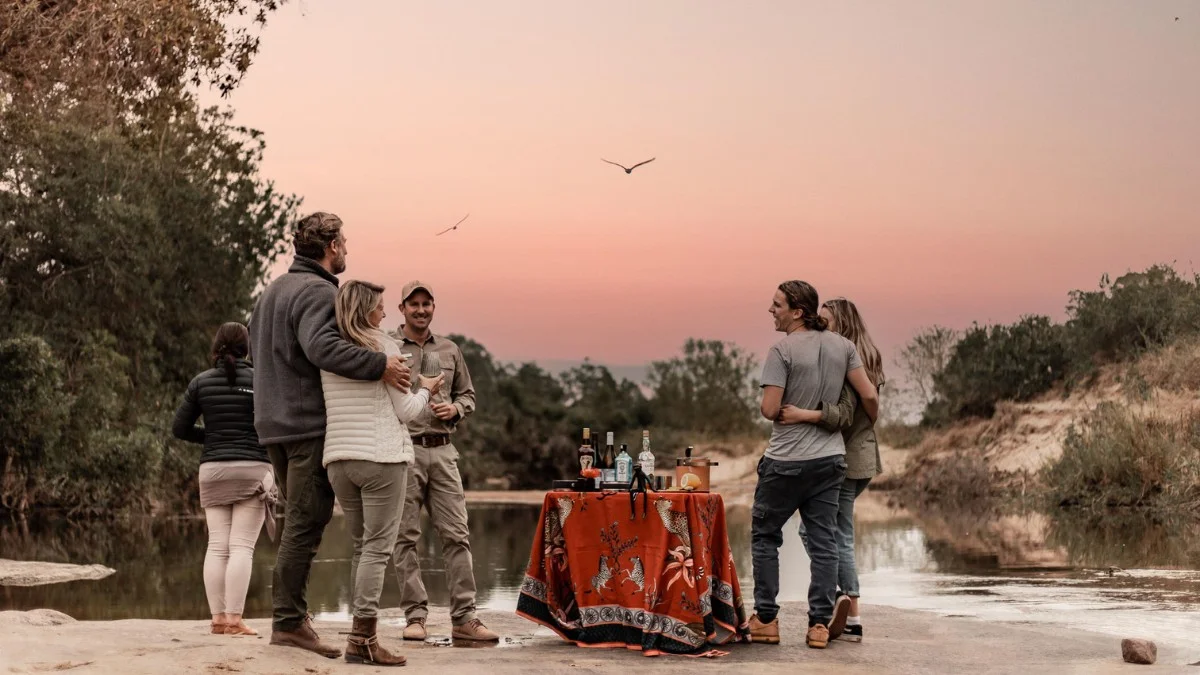
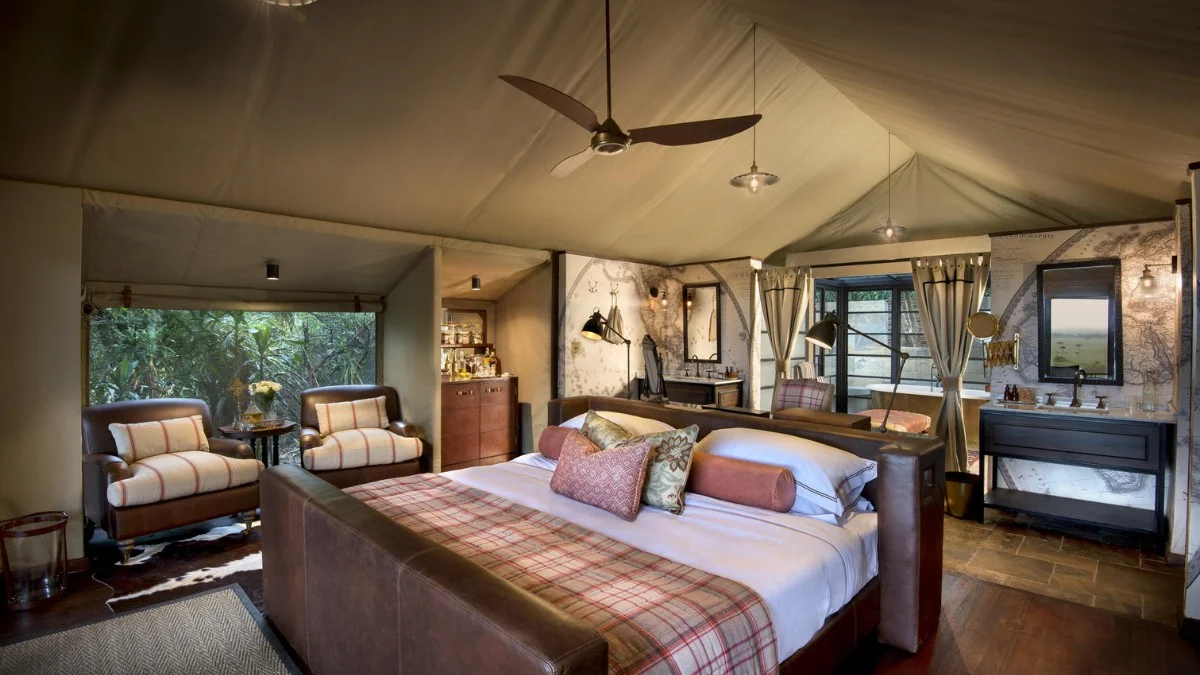
July is peak season, and rates reflect it. Budget $600-1,400 per person per night for all-inclusive lodges, covering accommodation, meals, game drives, and often drinks.
Specialist Migration camps and remote private concessions command the upper end. Flights between parks, arranged through light aircraft charters, add $200-400 per person per sector.
Book six months ahead, or longer for specific camps during the Migration window. Lodges in the northern Serengeti and Masai Mara sell out first. Flexibility on exact travel dates within July improves availability. Work with an operator who can monitor Migration movements and adjust camp bookings if herds shift unexpectedly.
Is July more expensive than other months?
Yes. July sits in the high season across most regions, alongside August and late December to early January. Rates can be 30-50% higher than shoulder months like April, May or November. However, game viewing quality, weather reliability and the Migration spectacle justify the premium for many travellers. If budget is a concern, consider late June or early September, when conditions remain excellent but rates drop slightly.
Last updated: September 2026