
5 Reasons to Book Your Safari with an African Travel Specialist
In this article we take a look at booking an African safari, and why it is unlike booking a regular vacation, let's dive in...

Planning a high-end safari without local expertise often means missing the best camps, misjudging seasons, and spending hours coordinating logistics across borders.
African travel specialists offer insider knowledge of wildlife and seasons, design bespoke itineraries, secure exclusive lodge access, handle all logistics, and prioritise conservation and community support. Their on-the-ground expertise and relationships deliver smoother, more authentic safaris than independent booking.
Key takeaways
Specialists know optimal travel windows, migration patterns, and lesser-known reserves across multiple countries.
Tailored itineraries match your interests, whether honeymoon, family adventure, or photography-focused trip.
Established relationships grant access to top-tier lodges, private conservancies, and community experiences not advertised online.
End-to-end logistics coordination covers flights, transfers, permits, and real-time support during your trip.
Vetted partners ensure eco-friendly practices, ethical wildlife encounters, and meaningful community contributions.
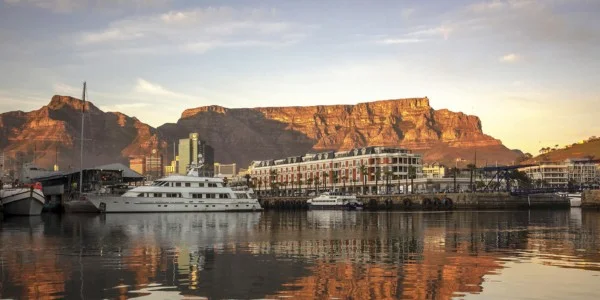
Visit Cape Town
Visit the number one rated city in the world with 8 blue flag beaches, swimming with penguins and so much more
Plan My Safari
1. In-depth knowledge and local expertise
African travel specialists maintain current intelligence on wildlife movements, seasonal conditions, and regional regulations across dozens of parks and countries. They know which Botswana concessions see peak predator activity in July, when southern Tanzania's Selous becomes inaccessible due to rains, and which Kenyan conservancies offer reliable leopard sightings outside peak season.
This knowledge shapes better timing decisions and route choices than generalised online research.
Specialists also track political stability, health advisories, and visa rule changes in real time.
They adjust itineraries proactively when border closings, flight cancellations, or weather events threaten plans, drawing on local contacts to reroute without disrupting your trip.
What advantages do specialists have over online booking platforms?
Specialists visit properties annually, meet lodge managers personally, and receive direct updates on game viewing, refurbishments, and guide quality.
Online platforms aggregate user reviews but lack firsthand verification. A specialist knows which camps have recently changed management, which guides speak fluent Swahili and English, and which lodges genuinely limit guest numbers. They also negotiate better rates through volume relationships and can secure rooms during sold-out periods via priority allocations.
2. Customised itineraries tailored to your needs
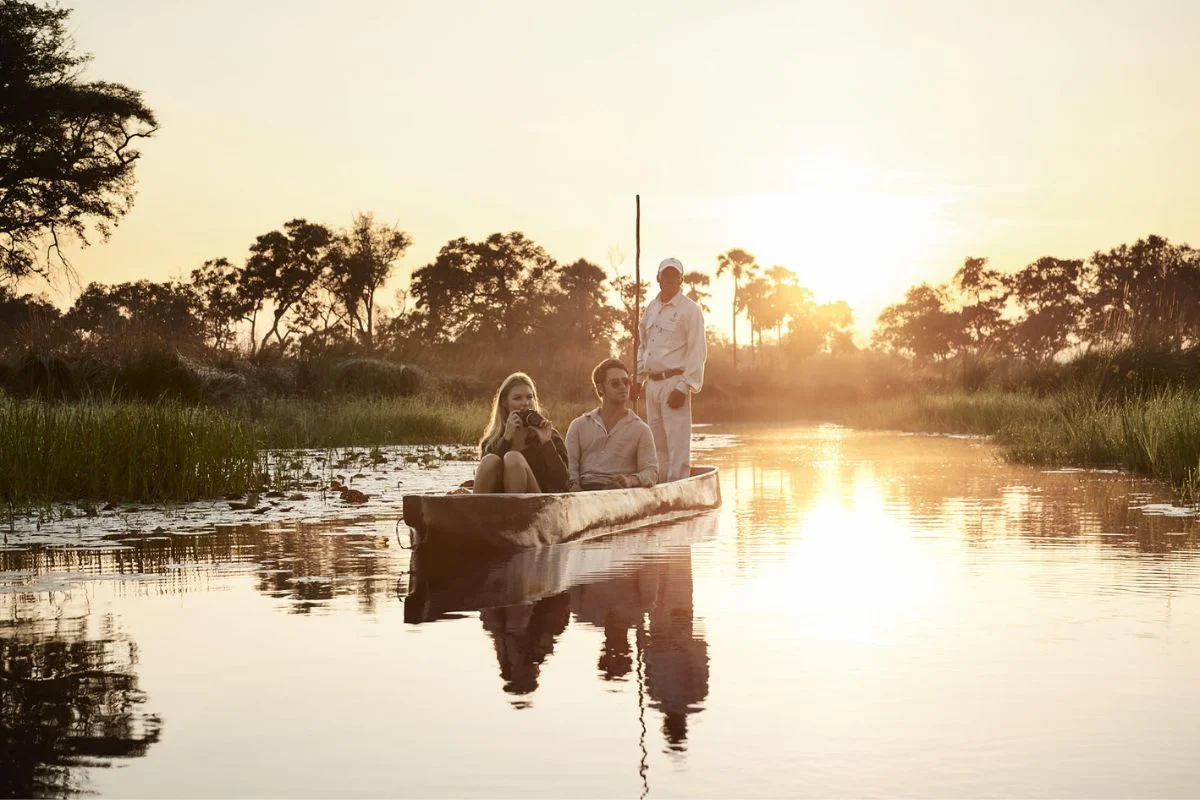
A specialist-designed itinerary begins with understanding your priorities: photography equipment and hide time, walking safaris and mobile camps, child-friendly lodges with family suites, or romantic seclusion for honeymooners.
They match pace, accommodation style, and activity mix to your preferences rather than fitting you into a fixed package.
Flexibility extends into the trip itself. If you fall in love with a particular reserve or want an extra night at a standout lodge, specialists adjust onward bookings, secure last-minute extensions, and reroute transfers.
Rigid group tours and pre-purchased packages rarely accommodate such changes without penalty.

Seychelles Island Escape
Visit the jewel of the Indian Ocean with blue azure waters and white sandy beaches.
Plan My Safari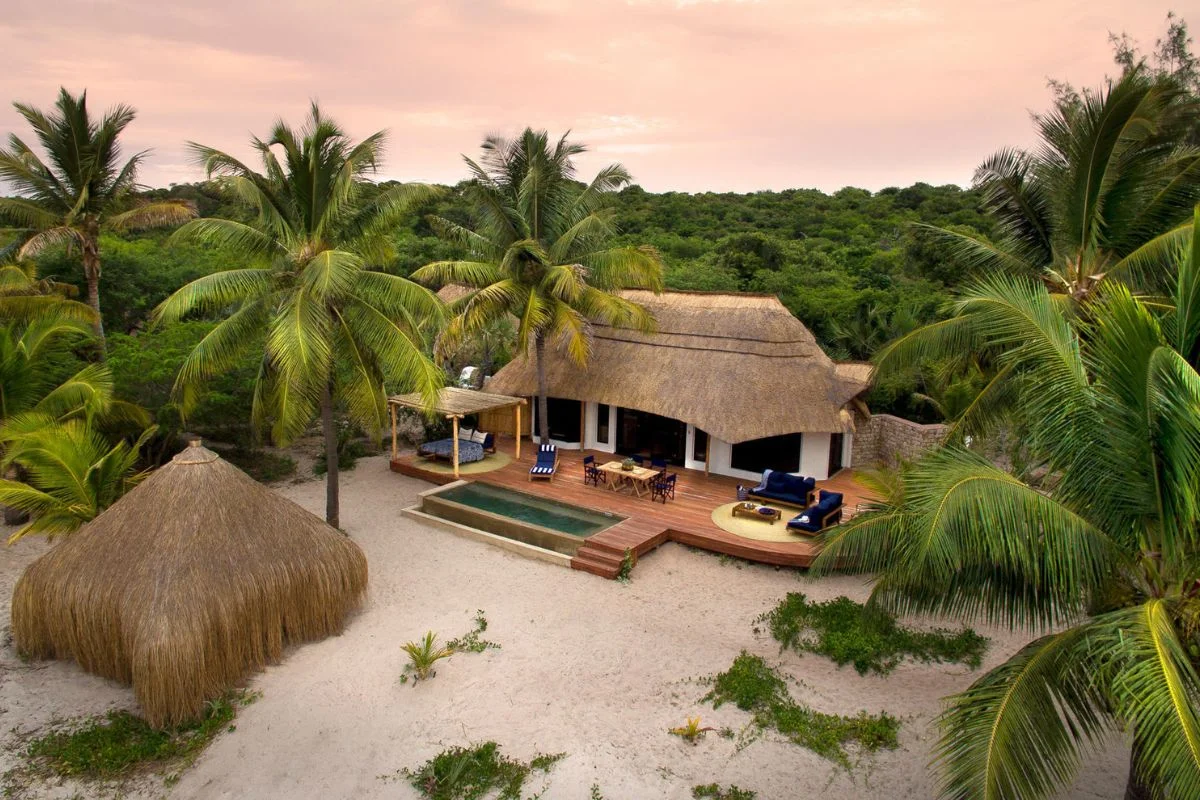
3. Access to exclusive experiences and accommodations
Long-standing partnerships with lodge owners, conservancies, and community trusts grant specialists access travellers cannot replicate independently.
This includes private-use villas at multi-room lodges, guaranteed spots in limited-capacity walking camps, invitations to conservation projects not open to the public, and introductions to Maasai or San communities via trusted local liaisons.
Specialists also know which new camps open before they appear on booking sites and which established properties maintain quality despite ownership changes.
They secure preferential placement: corner suites with unobstructed views, private vehicle use even at shared-vehicle lodges, and pre-arranged bush dinners or sleep-outs tailored to your dates.
Can I book these lodges and experiences myself?
Some top lodges accept direct bookings, but many allocate inventory to specialist partners first and list remaining availability publicly later.
Exclusive-use conservancies, private guide hire, and behind-the-scenes conservation visits typically require pre-existing relationships. Specialists also bundle experiences across multiple properties and countries into a single reservation flow, avoiding the complexity of managing separate contracts, deposit schedules, and cancellation terms with a dozen different operators.
4. Seamless logistics and support
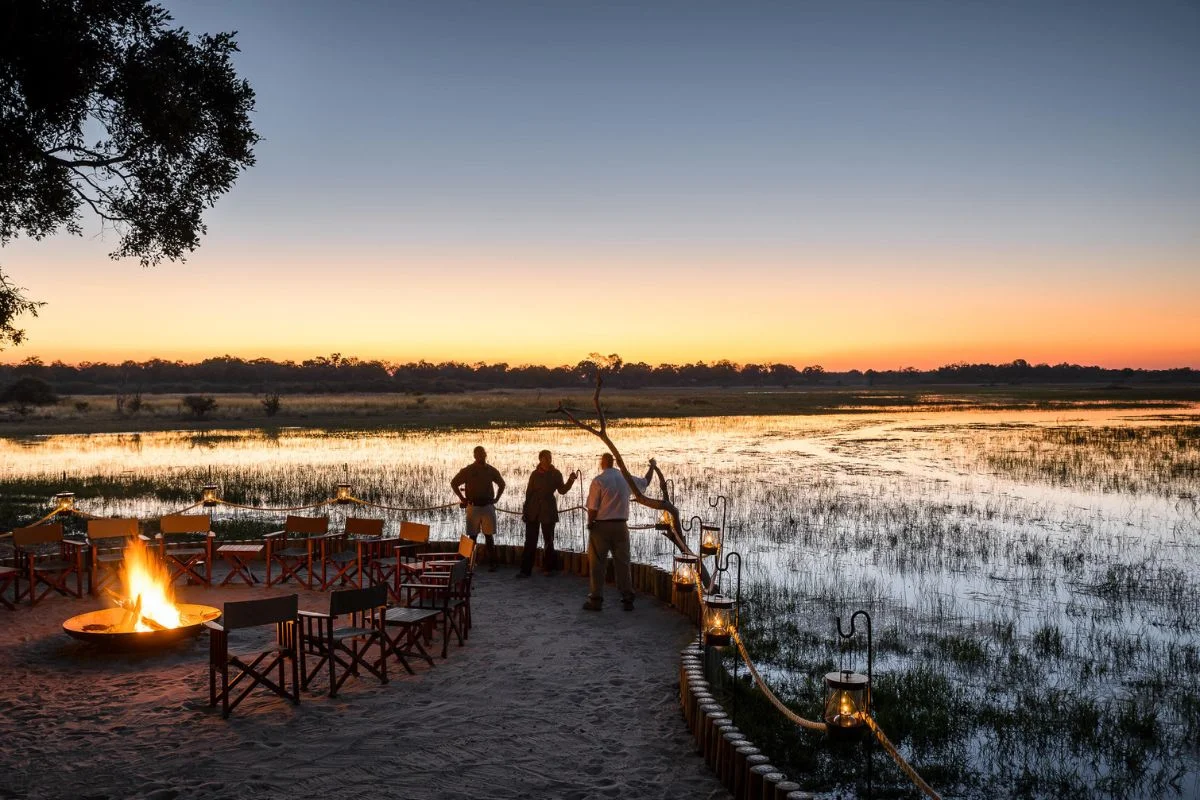
Safari logistics involve coordinating charter flights, road transfers, park permits, and accommodation across remote areas with limited infrastructure.
Specialists handle flight manifests, weight restrictions for bush planes, timed pick-ups between lodges, and backup plans when weather delays a charter.
They pre-arrange all transfers, confirm each leg 48 hours prior, and monitor your journey in real time.
On-the-ground support means a local contact reachable by phone or WhatsApp throughout your trip. If you miss a connection, fall ill, or want to extend a stay, your specialist activates their network immediately.
They liaise with lodge managers, charter operators, and medical providers in your stead, resolving issues faster than a traveller working through unfamiliar systems from a remote camp.
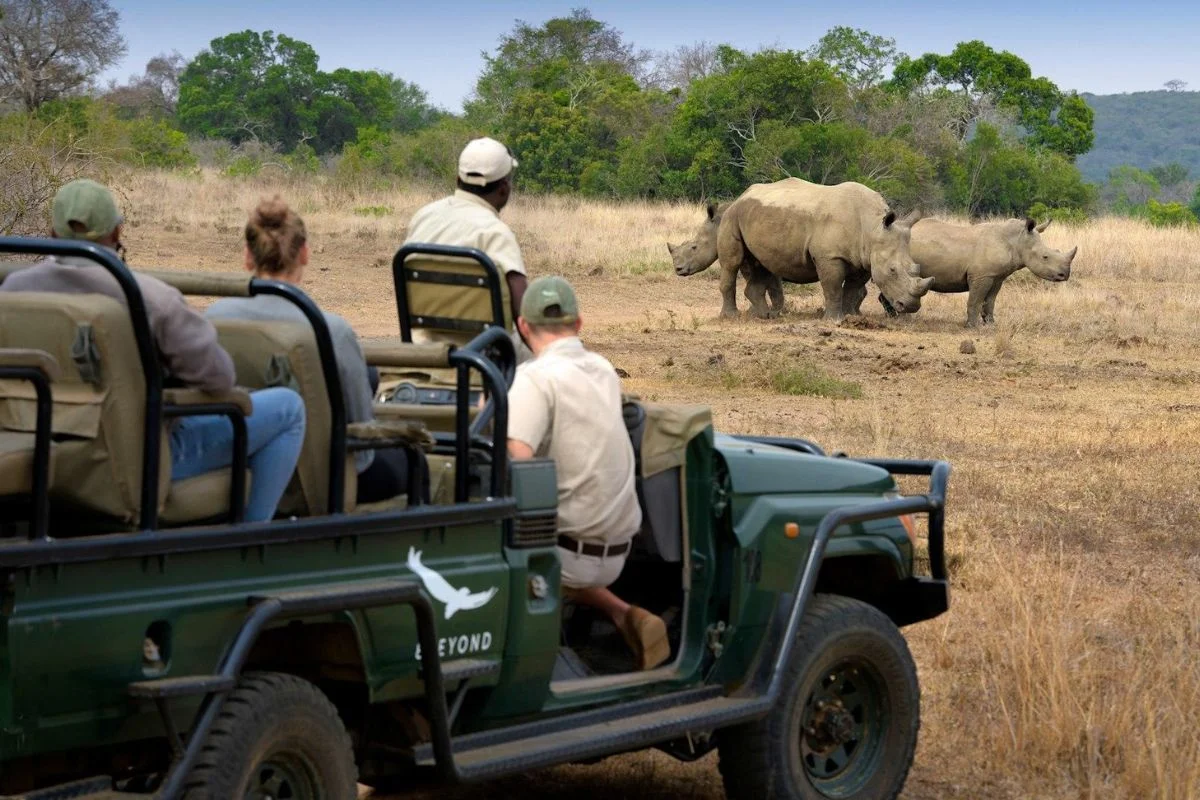
5. Sustainable and responsible tourism
Reputable specialists vet lodges for environmental practices, fair employment, and contributions to conservation. They book camps that employ local staff, source food from nearby communities, operate waste management systems, and fund anti-poaching units or wildlife corridors.
Your safari budget flows directly to conservation and community development rather than extractive operators.
Specialists also ensure ethical wildlife interactions. They avoid properties offering walking with lions, elephant-back rides, or other exploitative activities.
Game drives follow park rules on vehicle proximity, off-road driving, and disturbance. Cultural visits are arranged with consent and compensation, respecting community protocols rather than treating villages as photo opportunities.
How do I verify a specialist's sustainability claims?
Ask which lodges they partner with and cross-check those properties' affiliations: memberships in Travelife, Ecotourism Kenya, Fair Trade Tourism South Africa, or private conservancy models like those in the Maasai Mara or Laikipia. Request examples of community projects they support and whether they offset your carbon footprint. Established specialists publish supplier lists and sustainability policies openly. If they cannot name specific conservation outcomes or lodge certifications, their commitment is likely superficial.
Frequently asked questions
When should I book a safari with a specialist versus planning independently?
Book with a specialist if you are visiting multiple countries, travelling during high season, seeking honeymoon or family-specific arrangements, want guaranteed lodge quality, or lack time to research dozens of operators and properties.
Independent planning works for travellers comfortable navigating logistics, booking well in advance, and accepting limited recourse if something goes wrong. For first safaris, complex itineraries, or trips over $10,000 per person, specialist expertise typically justifies the service.
Do African travel specialists charge fees, and how do they compare to DIY costs?
Most specialists earn commission from lodges and do not charge planning fees, though some add a service fee for highly customised itineraries.
Total trip costs are often comparable to direct booking because specialists access net rates and group allocations unavailable to individuals.
They also identify better-value lodges within your budget and avoid costly mistakes like booking the wrong season or incompatible properties. Expect to pay the same or marginally more for significantly reduced hassle and better outcomes.
What should I ask a specialist before committing to work with them?
Ask how recently they visited the lodges they recommend, whether your consultant has personally travelled the proposed itinerary, which countries and regions they specialise in, how they handle emergencies during your trip, and what happens if a lodge closes or cancels.
Request client references, clarify their cancellation and rebooking policies, and confirm whether they hold financial protection such as bonding or trust accounts. A good specialist answers these questions directly and provides documentation.
How far in advance should I book a safari through a specialist?
Book 9 to 12 months ahead for peak season travel (June to October in East Africa, July to September in Botswana and Zambia) and for limited-capacity camps or exclusive-use villas.
Shoulder season trips can be arranged 4 to 6 months out, and last-minute bookings occasionally succeed during low season, though choices will be constrained.
Specialists need time to secure preferred lodges, coordinate flights, and finalise permits, particularly for multi-country itineraries or group travel.
Can a specialist help with visas, vaccinations, and travel insurance?
Specialists provide guidance on visa requirements, whether e-visas are available, and which vaccinations are recommended or required. They do not typically process visas on your behalf but will direct you to reliable third-party services. They also recommend travel insurance providers that cover safari-specific risks like medical evacuation, trip cancellation due to civil unrest, and adventure activities. Some specialists partner with insurers to offer tailored policies at the booking stage.
What happens if my plans change after booking with a specialist?
Specialists handle amendments subject to supplier terms. Lodges often allow date changes with advance notice but may charge penalties or forfeit deposits during high season.
Specialists negotiate on your behalf, explore alternative properties if your first choice cannot accommodate changes, and manage re-booking logistics.
Comprehensive travel insurance covering cancellation for medical or family emergencies mitigates financial loss. Discuss change policies upfront and confirm them in writing before final payment.
Last updated: July 2026