
Why African Safaris are in demand with seniors?
African safari lodges offer ground-level access, comfortable 4x4 vehicles with padded seats, and flexible game drive durations. Most properties provide mobility assistance, gentle walking options, and alternatives like photography hides for those who prefer not to sit in vehicles for extended periods of time.
Best destination
Kruger Park, South Africa
140+ mammal species
Optimal travel months
Late August to early October
Cooler, active wildlife
Luxury package cost
From $5,700 for 8 nights
Four-star, fully inclusive
Access options
Road transfer or short flight
From Johannesburg
What our travellers say
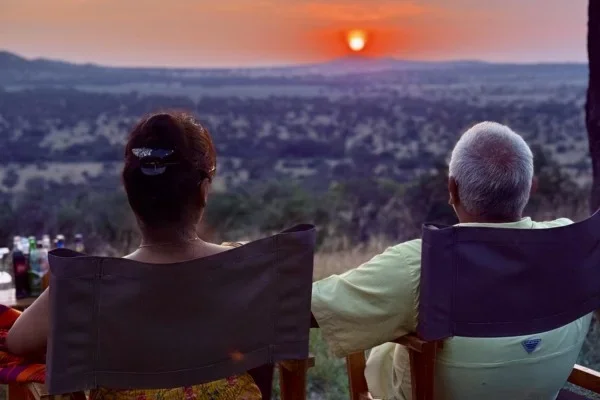
Words cannot describe what you curated for us - truly THE BEST EXPERIENCE we’ve had traveling to over 60 countries. We still get goosebumps watching the gorilla trek photos and videos. The coziness of Makanyi Game Lodge, the isolation of Little Kulala, the “out of Africa” classic safari at Governors Il Moran Camp, and the incredible vistas and outpouring of genuine love by the staff at Asanja Nyasirori was an ABSOLUTE tearjerker,. Sapna could help but tear up when the staff gave us a surprise anniversary celebration. Finally ending the life changing experience of the gorillas close up and an amazing stay at Sambora Kanigi. We can’t get Africa out of our minds, we both find ourselves scrolling the photos often. Be well and thank you again!
★★★★★ The Patel's, New York, USA
Key takeaways
Kruger Park in South Africa offers the widest variety of wildlife and lodges for senior travellers, accessible by road or air, and nearby medical facilities.
Late August through early October is the best time for safaris in southern Africa, with cooler temperatures and active wildlife.
Fully inclusive luxury safari packages start from $5,700 for 8 nights at four-star lodges, $7,000 at five-star properties, on an all-inclusive basis.
The Okavango Delta in Botswana provides remote luxury on waterways, with mokoro canoe excursions and exceptional elephant sightings.
Cape Town, the Garden Route, and Franschhoek combine safari with wine tours, coastal scenery, and cultural experiences.
Wear earth-tone colours on safari and pack warm layers for early morning and late afternoon game drives in cooler months.
Quick answer
African safaris designed for senior travellers
You want accessible lodges, comfortable logistics and exceptional wildlife without strenuous walking. Kruger National Park leads for variety and ground-level lodges. The Okavango Delta offers remote luxury on gentle mokoro canoe trips. Victoria Falls, Cape Town and Franschhoek add culture, wine and waterfalls. Late August through early October delivers cooler temperatures and concentrated game viewing.
Last updated 7 August 2026.
- Best time
- Late August to early October
- Top destination
- Kruger National Park, South Africa
- Luxury package from
- $5,700 for 8 nights
- Game drive duration
- 3 to 4 hours
- Airports
- Johannesburg, Skukuza, Hoedspruit
- Wildlife species
- Big Five plus 500+ birds
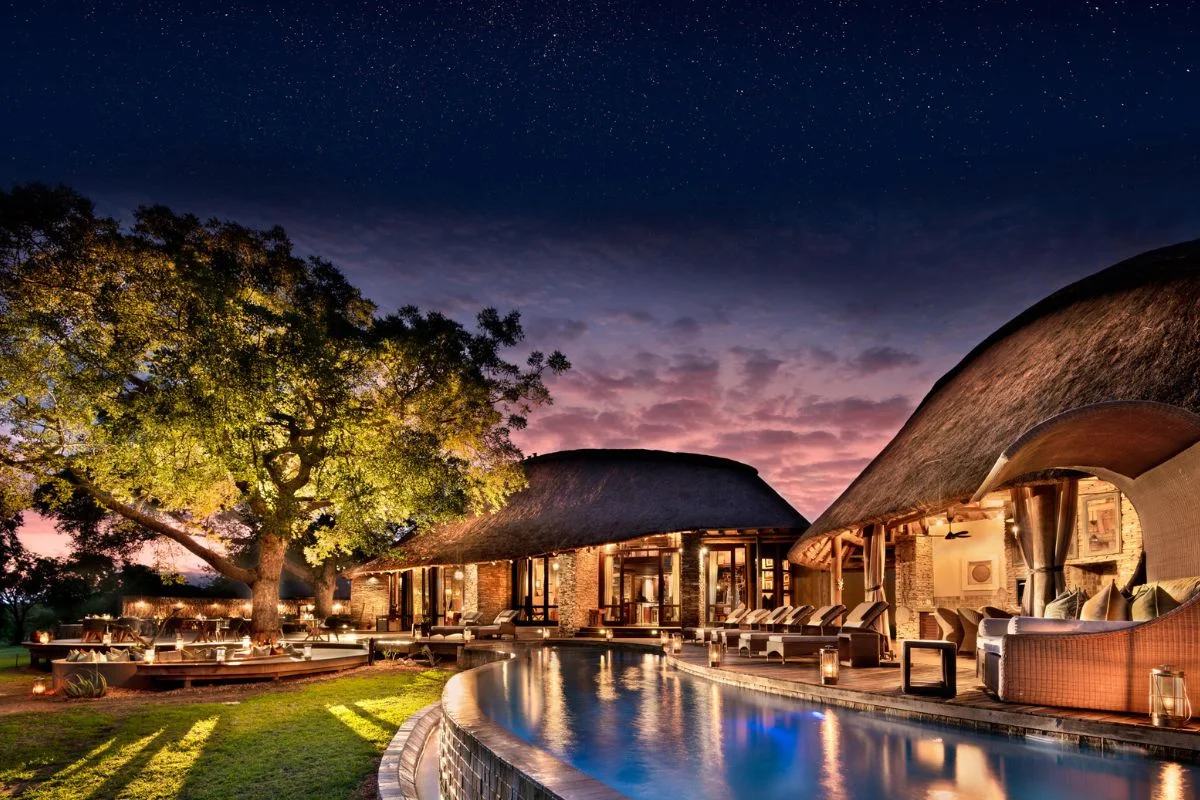
1. Kruger National Park, South Africa
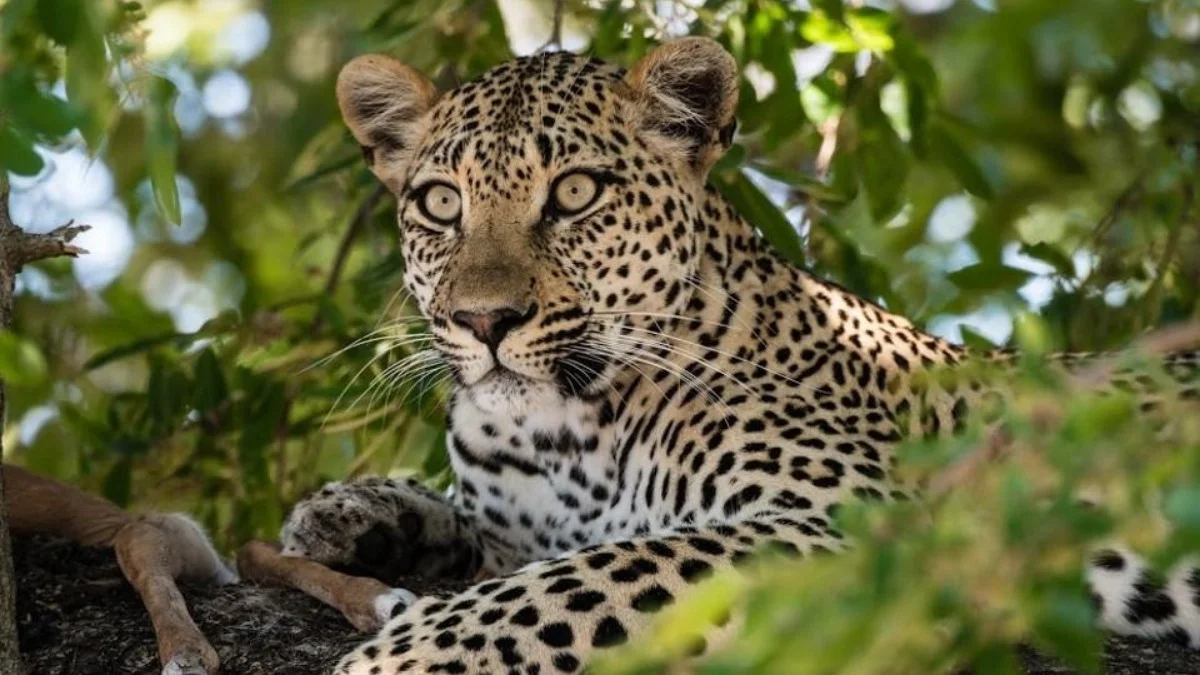
Kruger is the leading safari destination for seniors worldwide. No other reserve in Africa offers this combination of wildlife diversity, accessible lodges, and logistics. The park spans nearly 20,000 square kilometres and hosts 140+ mammal species and 500+ bird species, including the Big Five.
Most of Africa's top safari lodges sit in the private reserves bordering Kruger, where fences have been removed and wildlife roams freely.
These private concessions offer exclusive game viewing with no vehicle crowding and the flexibility to drive off-road to follow leopards or lions. Access is straightforward: fly into Johannesburg and transfer by road (4 to 5 hours) or take a short flight to Skukuza, Hoedspruit, or Kruger Mpumalanga airports.
Safari vehicles are comfortable open-top 4x4s with padded seats, blankets for early starts, and experienced guides who handle all wildlife tracking. Game drives typically run twice daily, around sunrise and late afternoon, with breaks at the lodge during midday heat.
What makes Kruger suitable for older travellers?
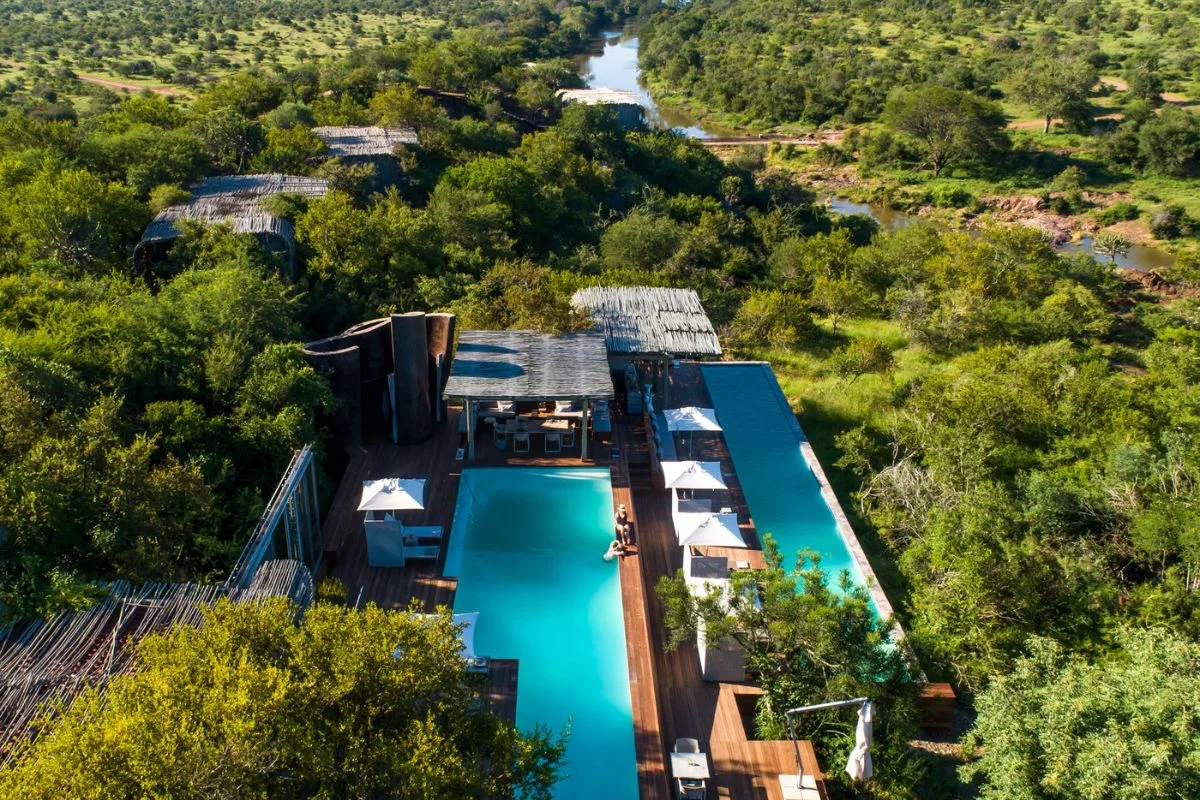
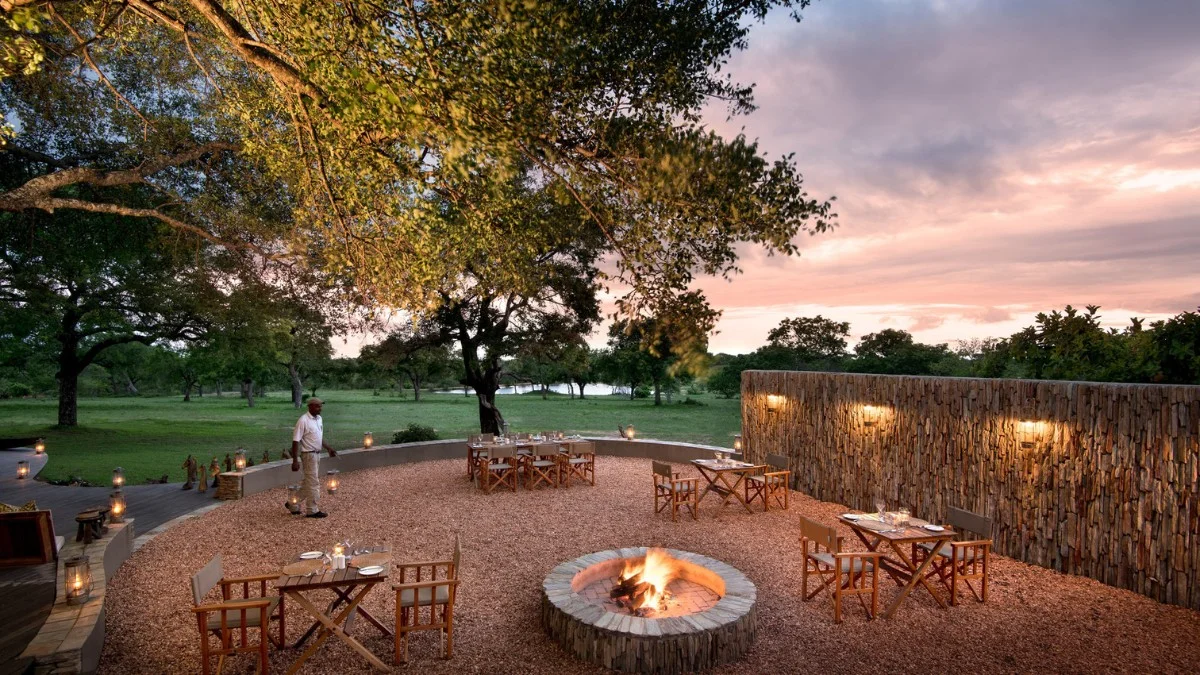
Kruger lodges are designed for comfort and ease of access. Most rooms are on ground level or connected by ramps, and staff assist with luggage and mobility needs. Lodges offer indoor and outdoor seating areas, heated pools, and spa facilities. Game drives last 3 to 4 hours, with optional shorter routes available. Guides accommodate slower walking paces on bush walks, and some lodges offer seated wildlife photography hides as an alternative to vehicle safaris.
What our travellers say
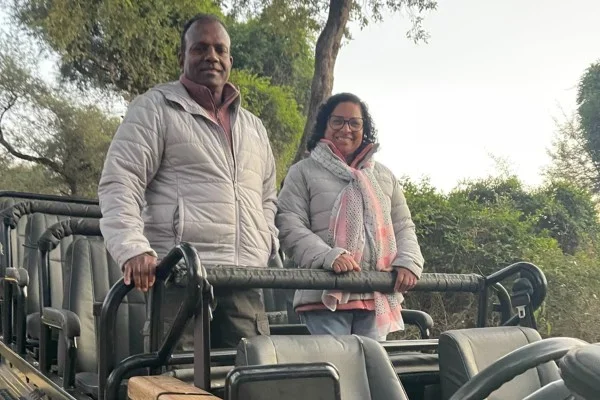
My husband and I would like to express our appreciation for the wonderful South Africa trip organized by Samantha Wilby. The entire experience was exceptional, and we thoroughly enjoyed every aspect of the journey. Prompt and excellent service at all times which exceeded our expectations! First and foremost, the itinerary crafted by Samantha was well-planned and covered a wide range of attractions and activities. One of the highlights of our trip was the African safari experience. It was our first time in the African continent. The thrilling safari rides and bush walks with experienced staff and traditional entertainment were unforgettable. Samantha’s attention to detail and personalized service truly stood out. She was readily available to answer any queries or concerns we had, ensuring that everything ran smoothly. Her knowledge about South Africa and its attractions was commendable, providing us with insightful information and recommendations. Overall, I cannot thank Samantha enough for organizing such a fantastic and memorable trip. The memories created during our time in South Africa will be cherished for a lifetime. We highly recommend leveraging Samantha's expertise to anyone planning a visit to South Africa.Show less
★★★★★ Senadheera's, California, USA
Travel costs in Kruger Park
South Africa
Kruger luxury lodges run $600 to $2,500 per person nightly. Private concessions command premium rates over Sabi Sands properties.
| Tier | Per person / night | What you get |
|---|---|---|
| Standard Luxury | $600-$900 | Established Sabi Sands lodges with classic suites, twice daily game drives, and quality guiding. |
| Premium Luxury | $1,000-$1,600 | Private plunge pools, expansive suites, premium concession access, specialist guides, and curated wine cellars. |
| Ultra-Luxury | $1,800-$2,500 | Exclusive use villas, private vehicle and guide, spa suites, and exceptional leopard viewing territories. |
What's included
- All meals and premium beverages
- Twice daily guided game drives
- Bush walks with armed rangers
- Sabi Sands conservancy fees
- Private vehicle airport transfers
What's not included
- International flights to Johannesburg
- Premium champagnes and spirits
- Spa treatments and massages
- Gratuities for staff and guides
- Travel and evacuation insurance
Best value tip
Book shoulder months of April, May or October for ideal weather and 20% lower rates.
Last updated 6 August 2026
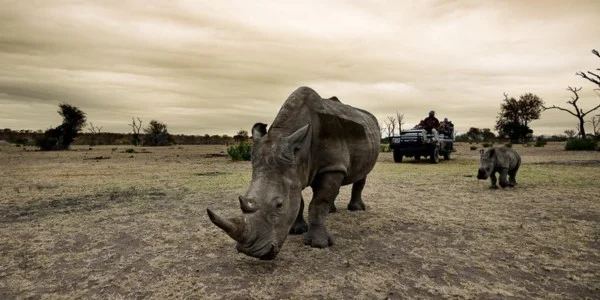
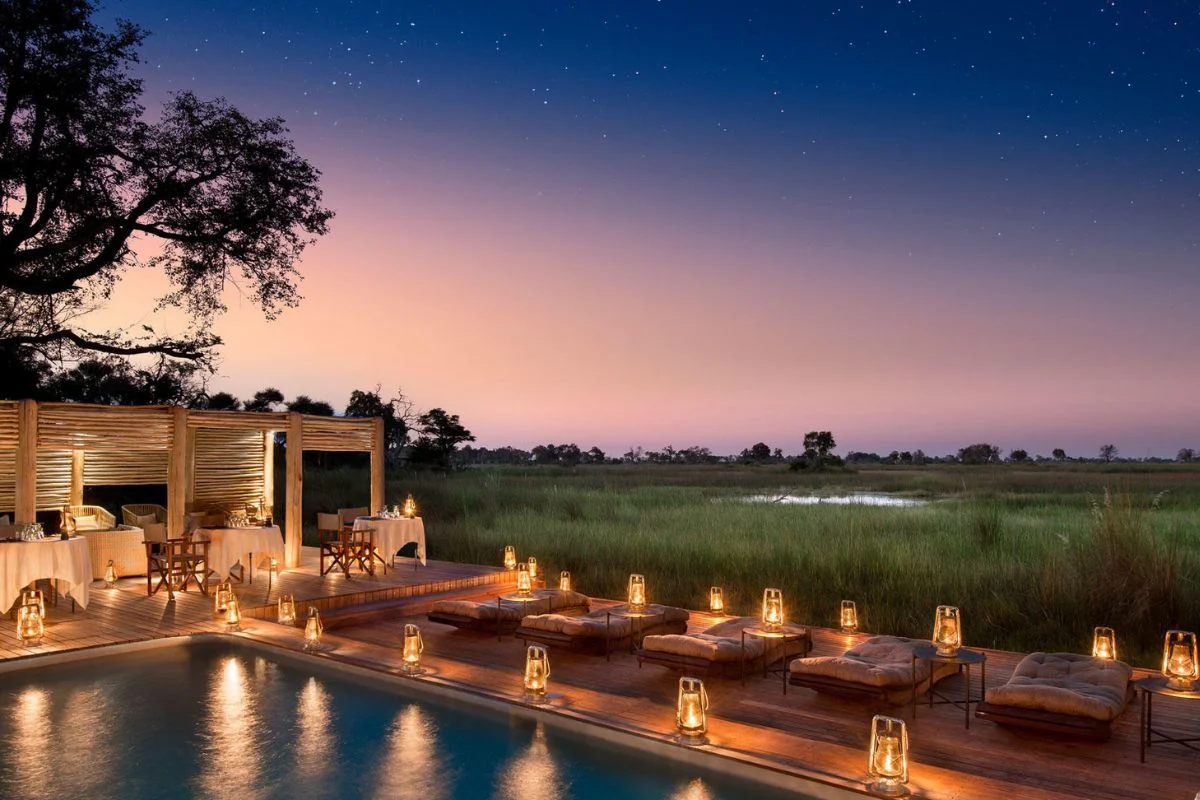
2. Okavango Delta, Botswana
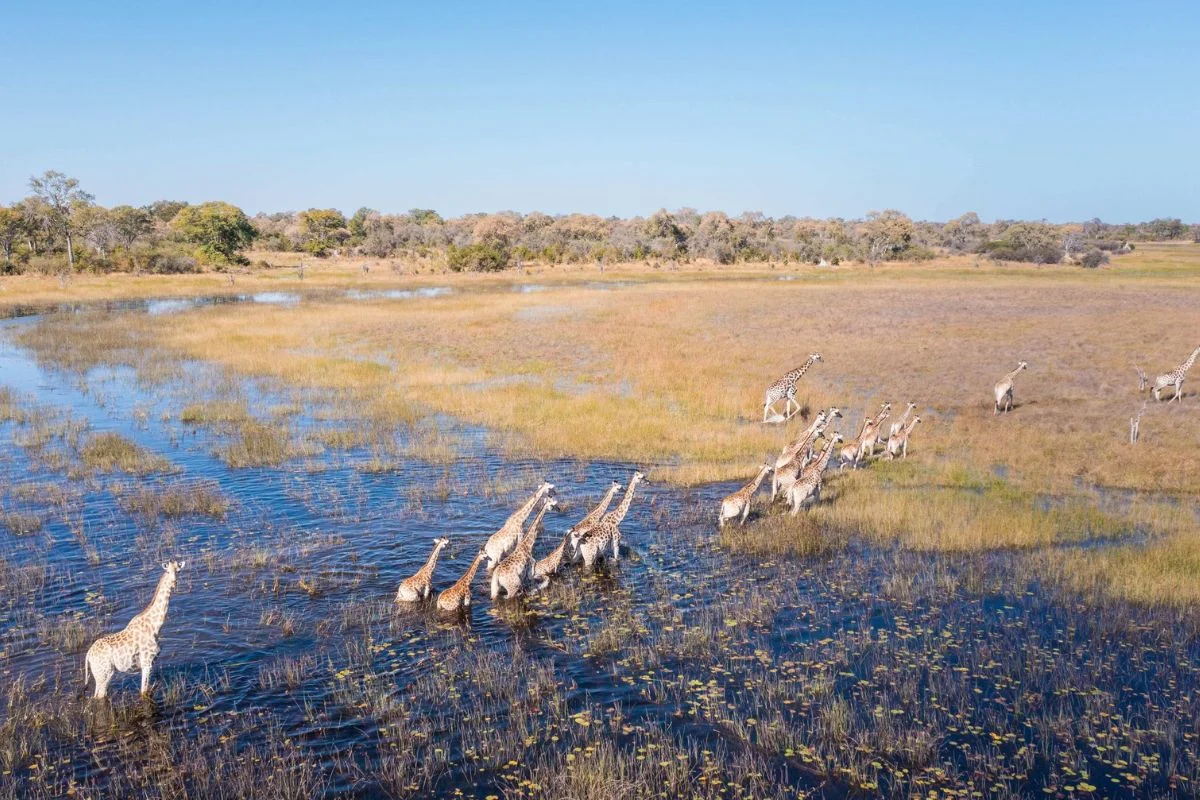
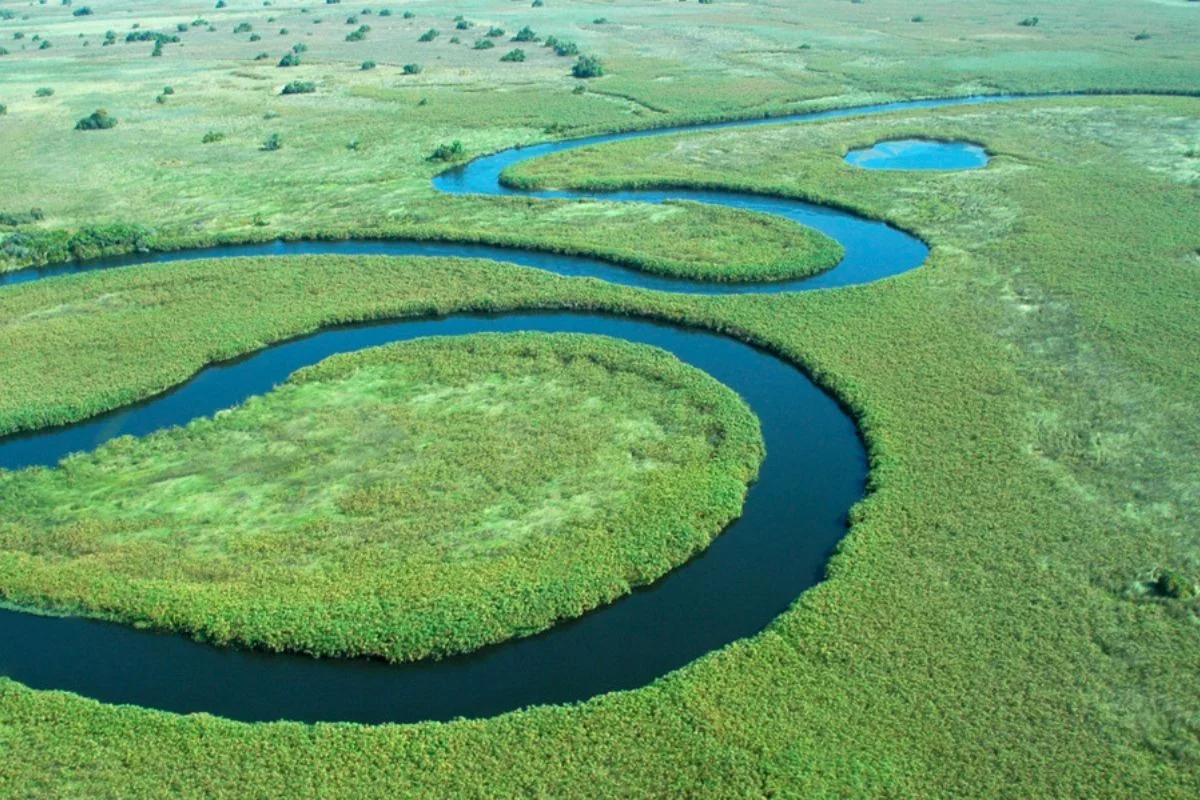
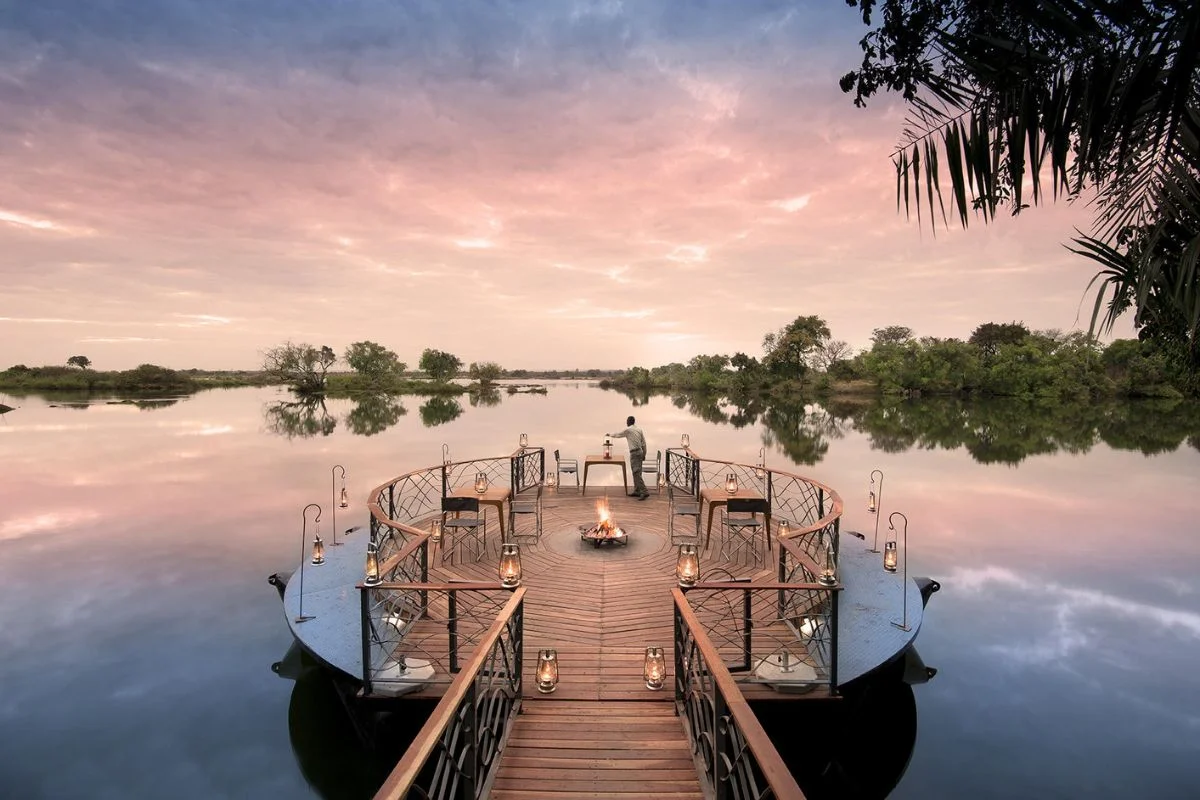
The Okavango Delta is the best choice if you want a remote luxury safari on water.
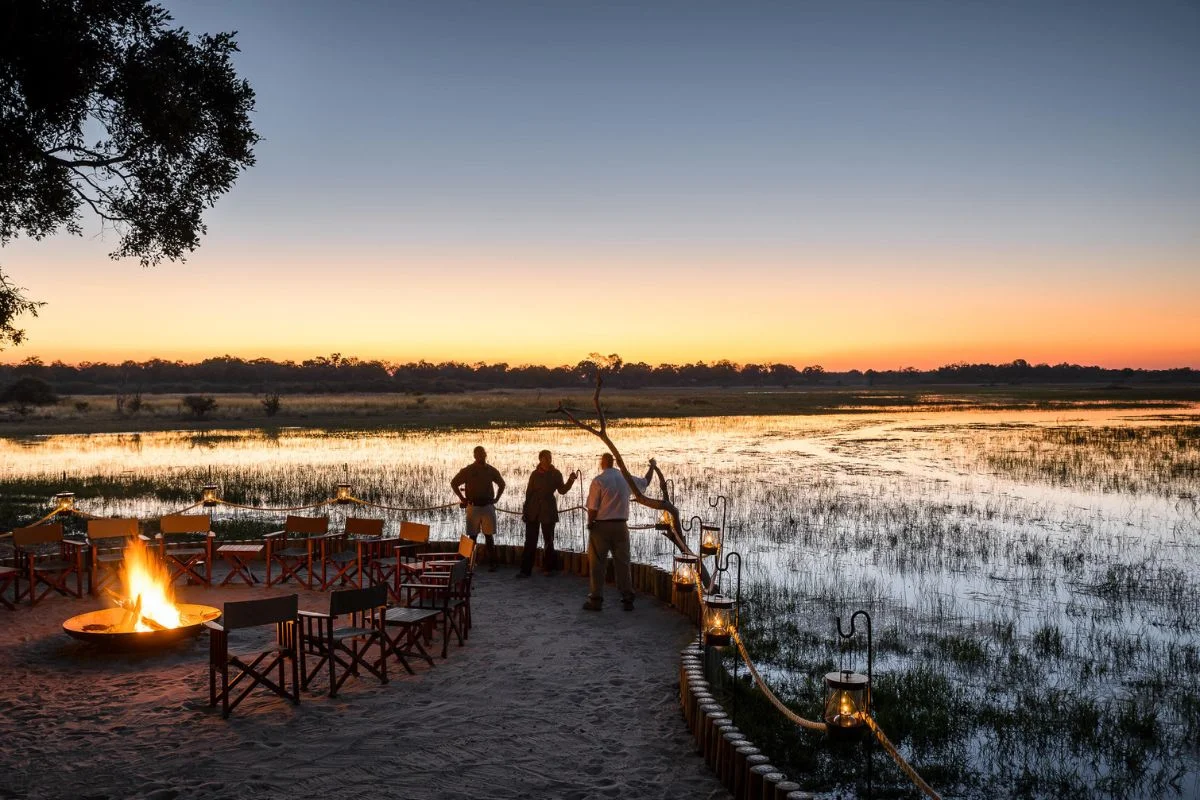
This UNESCO World Heritage wetland system draws large elephant herds, buffalo, antelope, and over 500 bird species to its channels and islands. Lodges here are small, exclusive, and positioned on private islands accessible only by light aircraft or boat.
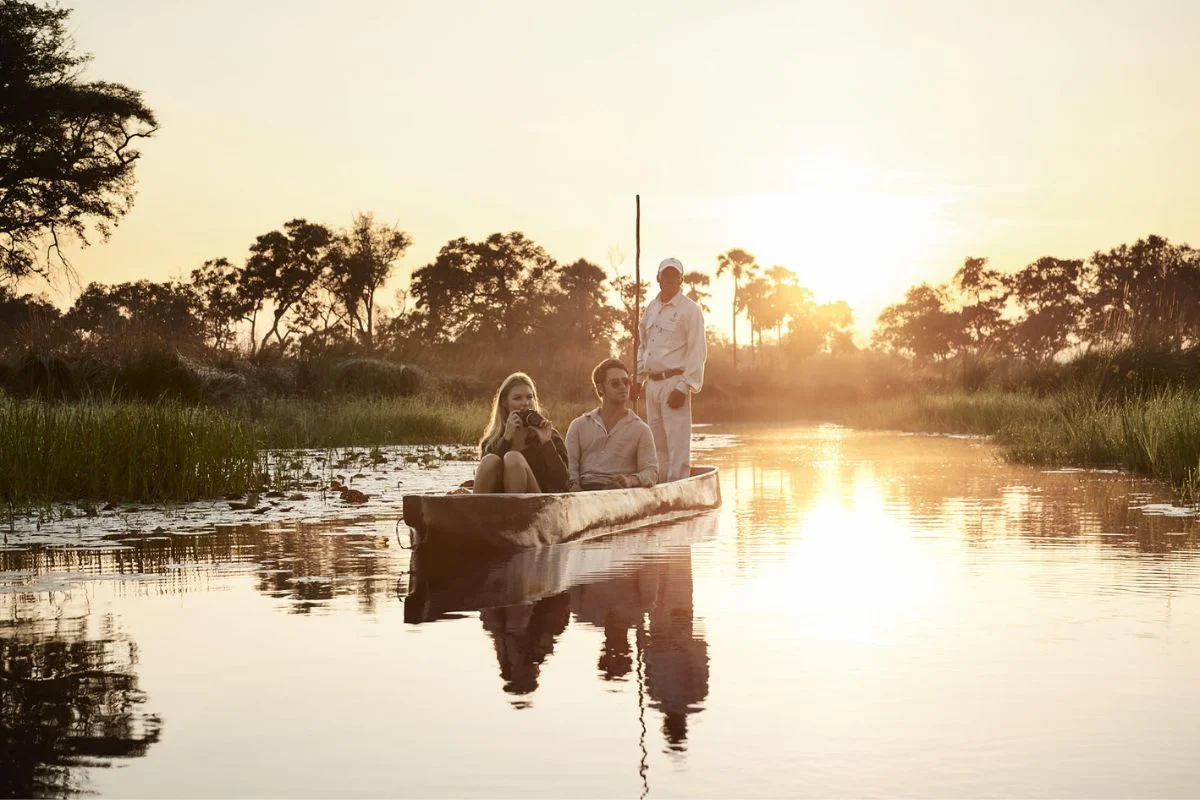
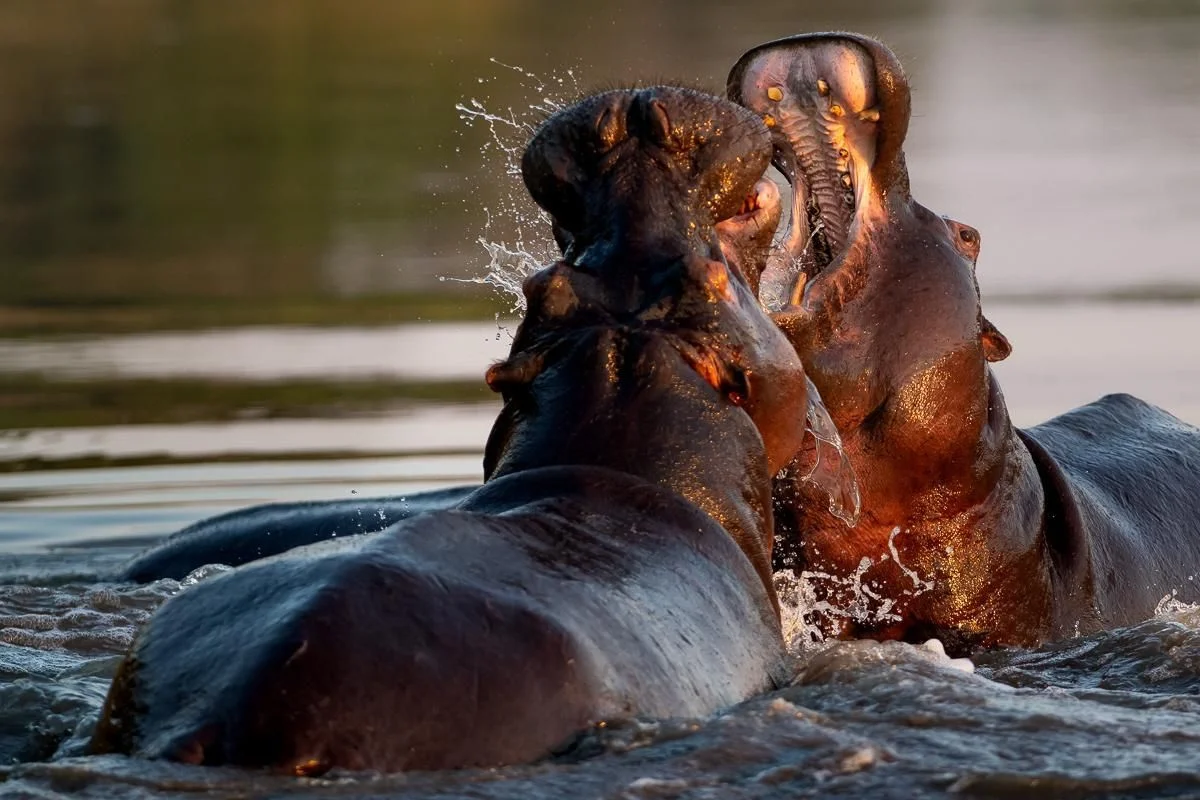
The traditional mokoro canoe excursion is the signature experience: a guide poles you silently through shallow channels, offering close encounters with hippos, crocodiles, and waterbirds.
These trips are gentle and suitable for most fitness levels. Standard game drives also run from island lodges, often crossing temporary bridges or using boat transfers to reach mainland wildlife areas.
The Delta operates year-round, but water levels peak between June and September when floodwaters arrive from Angola. This is also the dry season for wildlife, concentrating animals around permanent water sources.
Travel costs in Okavango Delta
Botswana
Expect $800 to $2,500 per person per night in the Okavango Delta. Peak season runs June through October with 30% premiums.
| Tier | Per person / night | What you get |
|---|---|---|
| Standard Luxury | $800 - $1,200 | Classic tented camps with en-suite facilities, game drives, mokoro excursions, and three meals daily. |
| Premium Luxury | $1,200 - $1,800 | Private plunge pools, elevated decks, premium guiding, walking safaris, and curated wine pairings included. |
| Ultra-Luxury | $1,800 - $2,500 | Private islands, butler service, helicopter transfers, spa treatments, private vehicle options, and champagne experiences. |
What's included
- All meals and premium drinks
- Twice daily game drives
- Mokoro canoe excursions
- Walking safaris with guides
- Park and concession fees
What's not included
- International flights to Maun
- Visa fees for Botswana
- Travel and evacuation insurance
- Spa treatments and purchases
- Charter flight premium upgrades
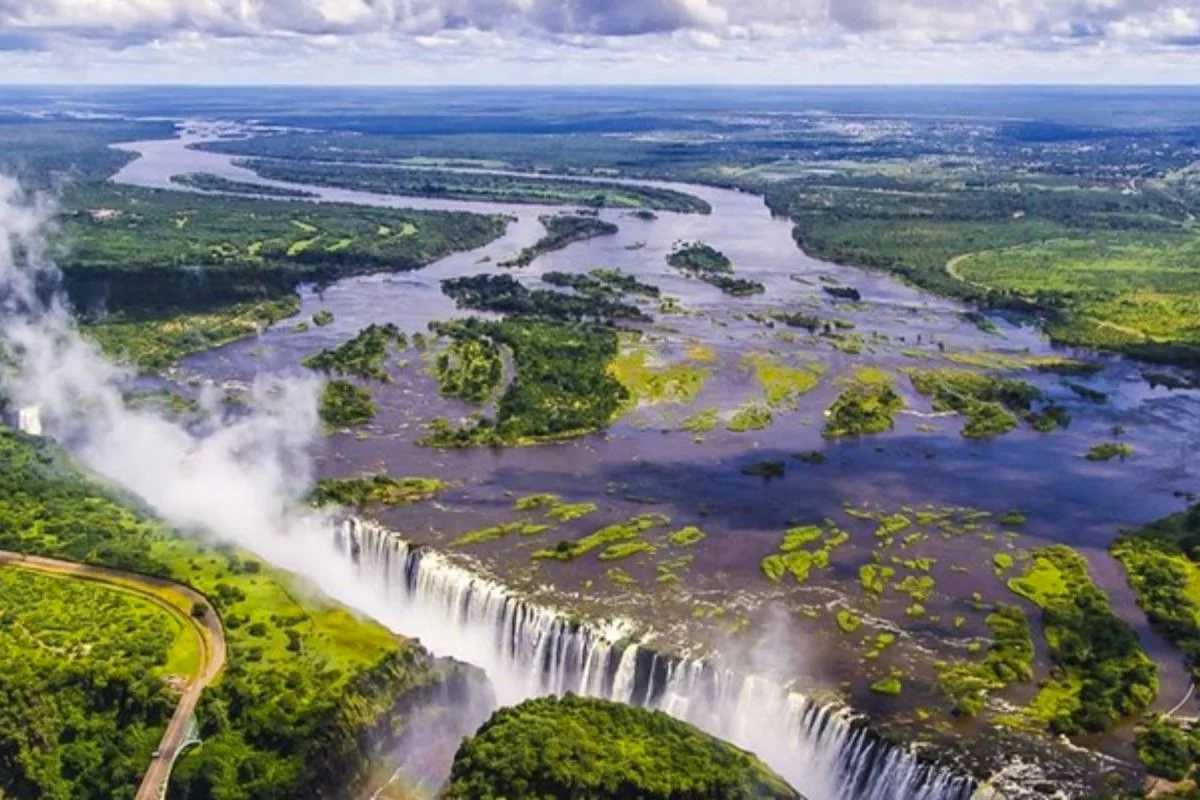
3. Victoria Falls, Zambia and Zimbabwe
Victoria Falls is one of the Seven Natural Wonders of the World and the largest waterfall by combined width and height.
The Zambezi River plunges over 100 metres into a narrow gorge, creating a curtain of water visible from both the Zambian and Zimbabwean sides.
Viewing the falls requires a short walk along paved pathways with benches and viewing platforms.
The spray can be heavy, especially during high water months (February to May), so bring waterproof layers. The dry season (August to December) offers clearer views with less spray, though water flow is reduced.
Sunset cruises on the Zambezi River above the falls are a popular senior-friendly activity. These cruises last 2 to 3 hours, serve drinks and snacks, and pass pods of hippos and basking crocodiles.
Nearby reserves like Mosi-oa-Tunya National Park (Zambia) and Zambezi National Park (Zimbabwe) offer half-day game drives focusing on elephants, giraffes, and plains game.
How accessible is Victoria Falls?
Victoria Falls town on the Zimbabwean side has good infrastructure, with hotels, restaurants, and smooth roads. The Zambian side (Livingstone) is quieter and less developed but equally accessible. Both sides have international airports with direct connections to Johannesburg and regional hubs. Walking distances at the falls viewpoints are manageable, typically under 2 kilometres round trip, with rest stops along the route.
Victoria Falls (Zim side) — best time to visit
| J | F | M | A | M | J | J | A | S | O | N | D | |
|---|---|---|---|---|---|---|---|---|---|---|---|---|
| High °C | 30° | 30° | 30° | 29° | 27° | 25° | 25° | 28° | 32° | 33° | 32° | 30° |
| High °F | 86° | 86° | 86° | 84° | 81° | 77° | 77° | 82° | 90° | 91° | 90° | 86° |
| Rain mm | 170 | 150 | 90 | 25 | 5 | 0 | 0 | 0 | 2 | 25 | 75 | 165 |
| Rating |
Victoria Falls (Zim side): Falls in full flood Mar–May; best viewing Apr–Jul. Sep–Nov is hot but lowest water.
Ideal — Peak conditions — dry, comfortable, prime wildlife or beach time.
Good — Great conditions with brief showers or warmer days; still highly recommended.
Shoulder — Mixed weather — fewer crowds and lower rates, occasional rain.
Avoid — Heaviest rain or roughest seas; many camps and roads can be affected.
Travel costs in Victoria Falls
Zambia
Victoria Falls, Zambia lodges run $350 to $2,500 per person per night, fully inclusive. Zambian side offers fewer crowds and direct river access.
| Tier | Per person / night | What you get |
|---|---|---|
| Standard Luxury | $350 - $500 | Established lodges with river views, guided Falls visits, sunset cruises, and standard game drives in Mosi-oa-Tunya National Park. |
| Premium Luxury | $550 - $850 | Private plunge pools, exclusive river islands, premium walking safaris, microlight flights, and elevated cuisine with sommelier-selected wines. |
| Ultra-Luxury | $900 - $2,500 | Private villas, personal guides, helicopter transfers, bespoke excursions including Livingstone Island lunches, and dedicated safari vehicles. |
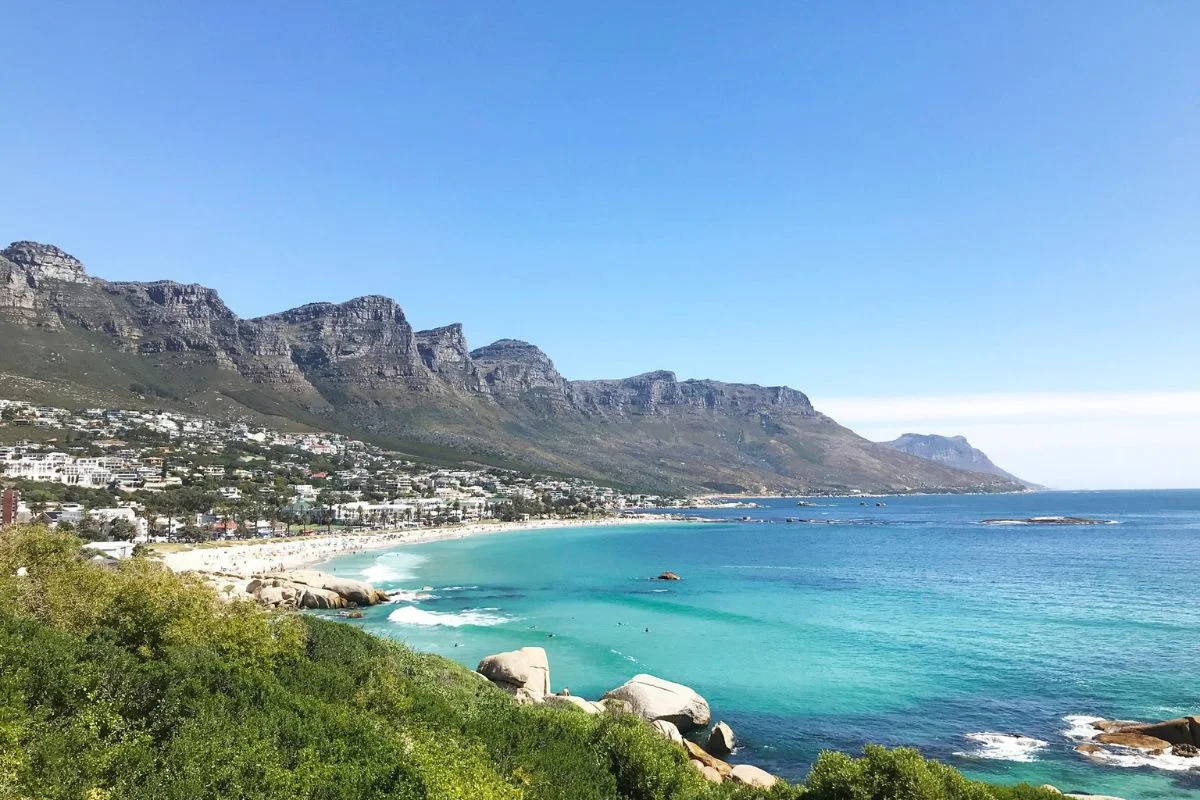
4. Cape Town, South Africa
Cape Town ranks among the world's top 10 cities for tourism and serves as a strong companion to any safari itinerary. The city sits beneath Table Mountain, a flat-topped peak accessible by revolving cable car (no hiking required).
The V&A Waterfront, Robben Island (where Nelson Mandela was imprisoned), and Kirstenbosch Botanical Gardens are all accessible attractions.
The Cape Peninsula tour is the most popular day trip, covering Chapman's Peak Drive, Boulders Beach (African penguin colony), and Cape Point. Tours run by private guide or small group coach and last 8 to 9 hours with multiple photo and rest stops.
Whale watching runs from June to November, when southern right whales calve in the bays around Hermanus and False Bay. Land-based viewing from cliff paths is excellent and requires no boat trip, though ocean excursions are available.
Travel costs in Cape Town
South Africa
Cape Town luxury accommodation and stays run $250 to $1,200 per person per night. Peak season may increase rates slightly.
| Tier | Per person / night | What you get |
|---|---|---|
| Standard Luxury | $250 - $350 | Boutique hotels in Camps Bay or Waterfront, vineyard lodges, guided day tours, gourmet meals, house wines. |
| Premium Luxury | $400 - $750 | Five star hotels with Table Mountain views, private wine tours, helicopter transfers, chef driven dining, premium spirits. |
| Ultra-Luxury | $850 - $2,000+ | Exclusive villas, private yacht charters, dedicated butlers, michelin level cuisine, tailored itineraries throughout Western Cape. |
Best value tip
Book shoulder season April or September for warm weather, lower rates, and fewer crowds at top properties.
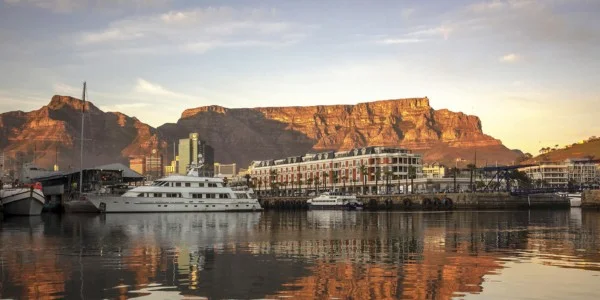
Visit Cape Town
Visit the number one rated city in the world with 8 blue flag beaches, swimming with penguins and so much more
Plan My Safari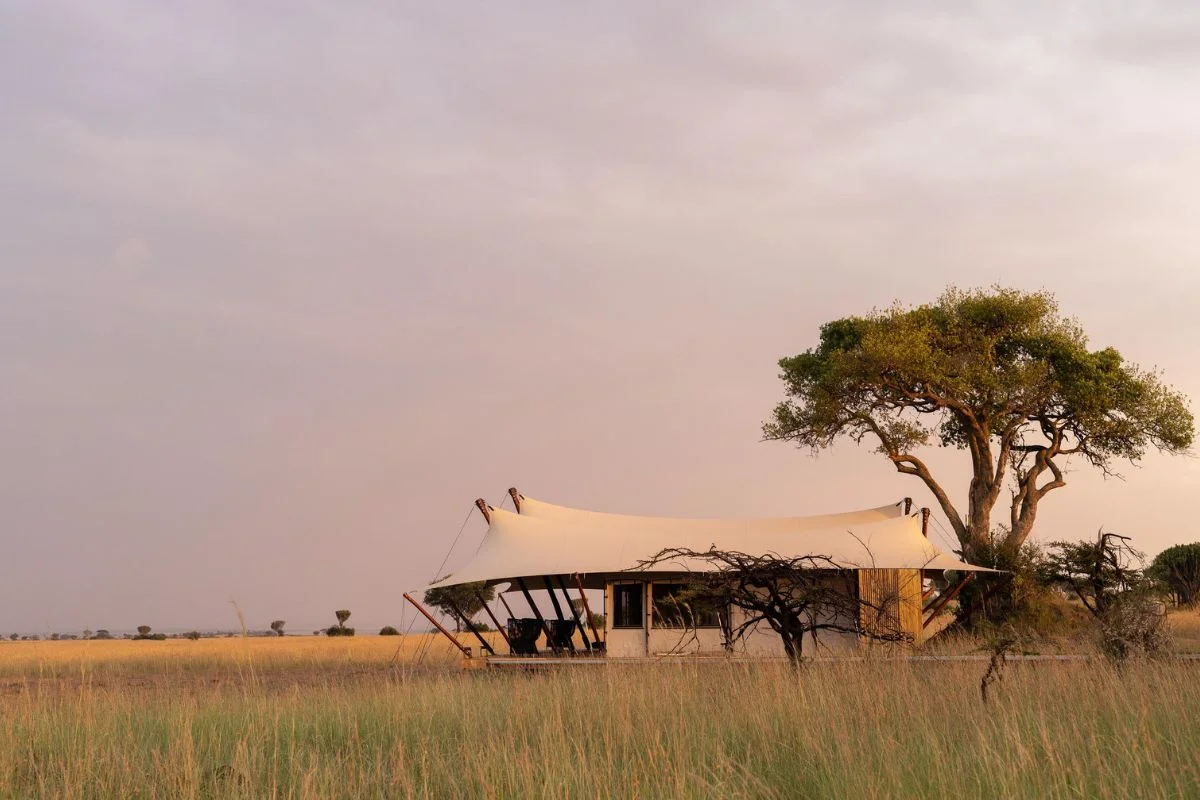
5. Serengeti National Park, Tanzania
The Serengeti is home to the Great Migration, where over 2 million wildebeest, zebras, and gazelles move in a year-round cycle searching for grazing.
The migration timing varies by region: southern plains from December to March (calving season), western corridor and Grumeti River crossings from May to July, and northern Serengeti and Mara River crossings from July to October.
The Serengeti's open plains make wildlife spotting easier than in denser bush. Game drives here often yield sightings of lions, cheetahs, hyenas, and large elephant herds. Many lodges offer 1920s-style safari tents with en-suite bathrooms, wooden decks, and classic colonial styling.
Access is via Kilimanjaro International Airport near Arusha, followed by a scheduled light aircraft flight to airstrips within the park. Road transfers from Arusha are possible but long (6 to 8 hours) and better suited to younger travellers.
Serengeti — best time to visit
| J | F | M | A | M | J | J | A | S | O | N | D | |
|---|---|---|---|---|---|---|---|---|---|---|---|---|
| High °C | 28° | 28° | 28° | 26° | 24° | 23° | 23° | 24° | 26° | 27° | 27° | 28° |
| High °F | 82° | 82° | 82° | 79° | 75° | 73° | 73° | 75° | 79° | 81° | 81° | 82° |
| Rain mm | 65 | 80 | 130 | 195 | 95 | 15 | 10 | 20 | 30 | 60 | 115 | 105 |
| Rating |
Serengeti: Calving in the southern Serengeti Jan–Mar; river crossings in the north Jul–Oct.
Ideal — Peak conditions — dry, comfortable, prime wildlife or beach time.
Good — Great conditions with brief showers or warmer days; still highly recommended.
Shoulder — Mixed weather — fewer crowds and lower rates, occasional rain.
Avoid — Heaviest rain or roughest seas; many camps and roads can be affected.
Travel costs in Serengeti
Tanzania
Expect $650 to $2,500 per person per night in the Serengeti's luxury camps and lodges. Peak season drives prices 40% higher than low season.
| Tier | Per person / night | What you get |
|---|---|---|
| Standard Luxury | $650 - $950 | Permanent tented camps with en-suite bathrooms, quality guiding, full board, and twice daily game drives. |
| Premium Luxury | $1,000 - $1,600 | High-end camps featuring private decks, premium locations, bush dinners, spa services, and expert naturalist guides. |
| Ultra-Luxury | $1,700 - $2,500 | Exclusive mobile camps and elite lodges with private plunge pools, butler service, and flexible private guiding. |
What's included
- All meals and house beverages
- Twice daily shared game drives
- Serengeti National Park fees
- Light aircraft transfers within Tanzania
- Laundry service at most camps
What's not included
- International flights to Tanzania
- Premium imported spirits and champagne
- Hot air balloon safaris
- Gratuities for guides and staff
- Travel and medical insurance
Last updated 6 August 2026
6. Franschhoek, South Africa
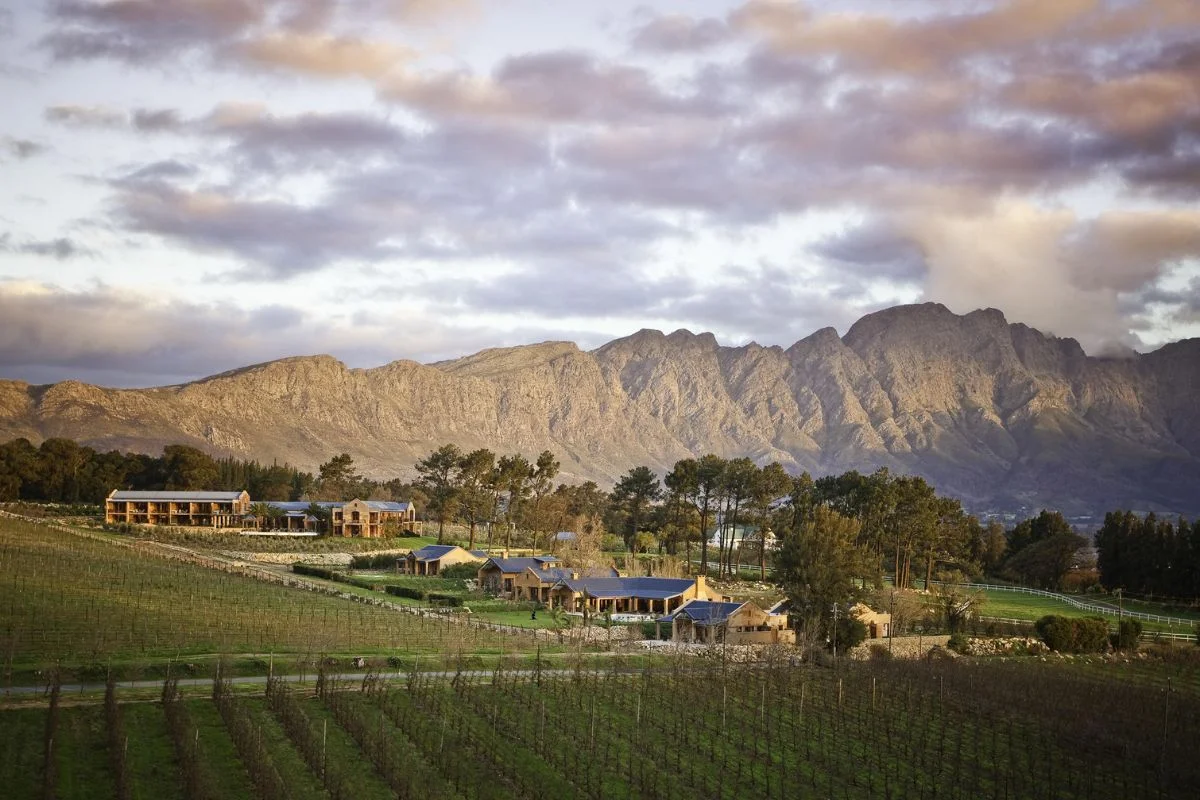
Franschhoek is South Africa's food and wine capital, sitting in a valley 75 kilometres east of Cape Town. The town was founded by French Huguenot settlers in the 17th century and retains a European character with Cape Dutch architecture and oak-lined streets.
The region hosts several wineries ranked in the World's 50 Best Restaurants and Vineyards lists. Wine tours operate as private chauffeur-driven experiences or small group tastings, covering 3 to 4 estates in a half-day. Most wineries offer seated tastings with food pairings, and walking between vines is optional.
The Cape Fold Mountains form a dramatic backdrop, and the town has art galleries, chocolatiers, and restaurants with multi-course tasting menus. Franschhoek pairs well with Cape Town and can be combined in a 3- to 4-day Western Cape touring itinerary.
Travel costs in Cape Winelands
South Africa
Cape Winelands luxury stays run $300 to $1,200 per person per night. Peak season December to March commands 30% premiums over winter months.
| Tier | Per person / night | What you get |
|---|---|---|
| Standard Luxury | $300 - $450 | Historic wine estates with pool, spa, cellar tours, wine tastings, gourmet dining, and vineyard valley views. |
| Premium Luxury | $450 - $650 | Five-star estates offering private vineyard picnics, sommelier-led tastings, Michelin-level dining, and helicopter transfers to properties. |
| Ultra-Luxury | $700 - $1,200 | Exclusive manor houses with private chefs, dedicated wine curators, spa suites, and custom Cape Town excursions. |
7. Garden Route, South Africa
The Garden Route stretches 300 kilometres along South Africa's southern coast from Mossel Bay to Storms River. The route combines coastal cliffs, forests, lagoons, and small towns like Knysna, Plettenberg Bay, and Wilderness.
Highlights include the Knysna Heads (two sandstone cliffs flanking the lagoon entrance), Tsitsikamma National Park (coastal hiking and suspension bridges), and whale watching from cliff-top viewpoints between June and November. The region is suitable for self-drive or guided coach tours, with good roads and frequent accommodation options.
Most travellers spend 3 to 5 nights on the Garden Route, either as a coastal add-on after Cape Town or as a standalone retreat. The climate is temperate year-round, with mild winters and warm, dry summers.
Is the Garden Route worth including in a senior safari itinerary?
Yes, if you have 10+ nights in South Africa and want variety beyond game viewing. The Garden Route offers relaxed coastal scenery, boutique hotels, and less structured days. It works well between Cape Town and a Kruger safari, breaking the trip into distinct experiences. Skip it if your focus is purely wildlife and you have limited time.
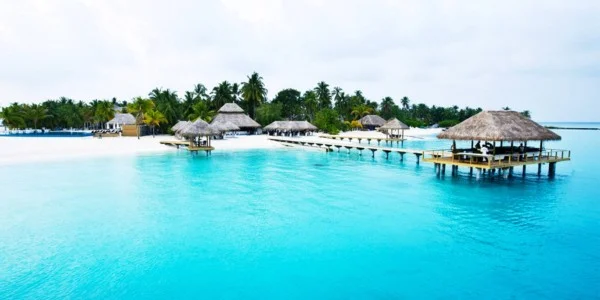
Seychelles Island Escape
Visit the jewel of the Indian Ocean with blue azure waters and white sandy beaches.
Plan My Safari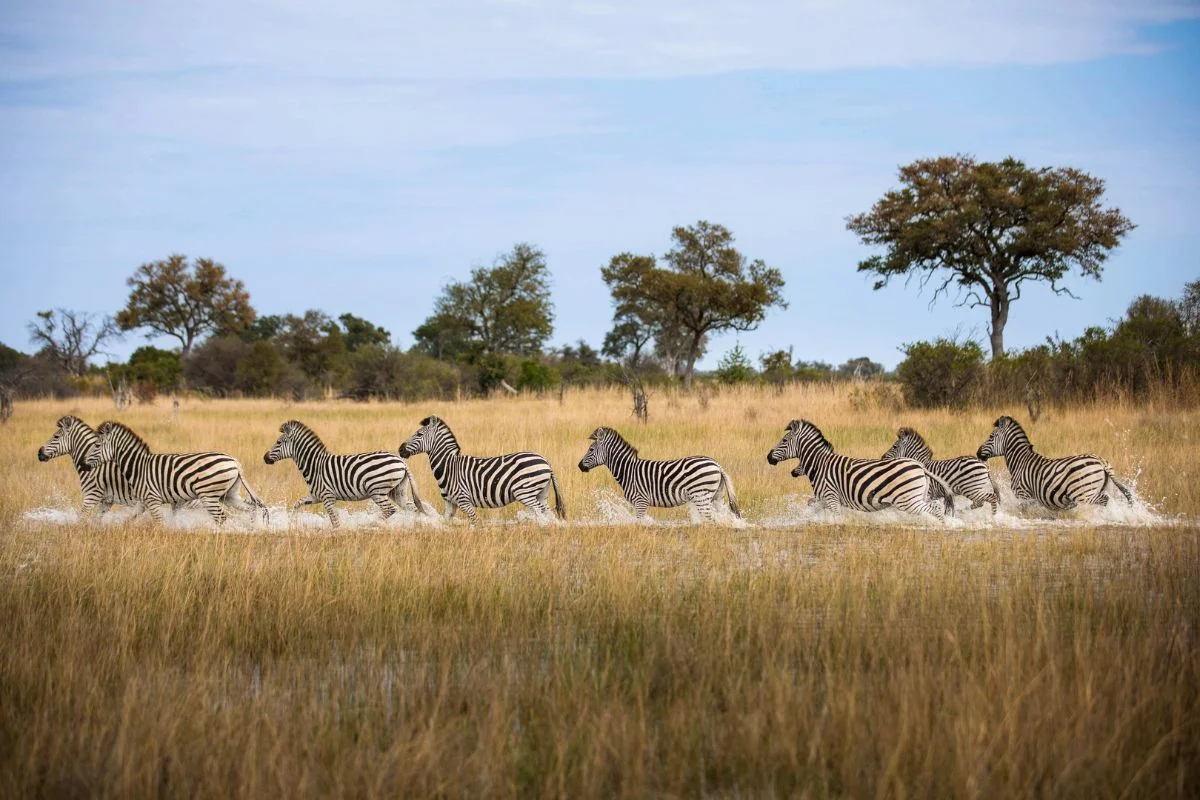
When to go on safari as a senior traveller
Late August through early October is the best window for safaris in South Africa and Botswana. The winter dry season concentrates wildlife around remaining water sources, vegetation is sparse (improving sightings), and temperatures are cooler, making twice-daily game drives more comfortable. Mornings can be cold (5 to 10°C), so pack fleece layers and windproof jackets.
The Serengeti operates year-round, but migration timing dictates the best months. For river crossings, visit July to October in the northern Serengeti. For calving season and predator action, visit the southern plains from January to March.
Victoria Falls shows best between August and December when spray is manageable and river flow is moderate. Cape Town and the Garden Route are pleasant year-round, though summer (November to March) offers the warmest beach weather.
What is the worst time to visit for a senior safari?
Avoid the southern African rainy season (November to March in Kruger and Botswana) if you prioritise wildlife viewing. Heavy rains make roads impassable, vegetation grows thick, and animals disperse. Some remote lodges close entirely. December and January are also peak holiday periods, with higher prices and busier lodges. Victoria Falls during high water (February to May) produces dramatic spray but obscures views and soaks pathways.
How much does a senior safari cost?
Fully inclusive luxury safaris start from $5,700 per person sharing for 8 nights at a four-star lodge. Five-star properties begin around $7,000 per person for the same duration. These rates cover accommodation, all meals, local drinks (wine, beer, spirits), twice-daily game drives, park fees, and airport transfers within the region. International flights to South Africa or Botswana are additional.
Botswana's Okavango Delta is more expensive, with 4-night packages starting from $4,500 per person at luxury island camps. Tanzania's Serengeti averages $600 to $900 per person per night all-inclusive. Cape Town and the Garden Route add $200 to $400 per night for four-star hotels, excluding meals and activities.
Multi-country itineraries combining Kruger, Cape Town, and Victoria Falls over 12 to 14 nights typically cost $9,000 to $14,000 per person, depending on lodge category and season.
Last updated: October 2026