
African Safari Costs (2027)
In this article we take a closer look at the prices of an all-inclusive luxury African safari in the private reserves of Southern and East Africa.

Luxury African safari pricing varies by destination, season, and lodge standard.
Nightly rates at four and five star safari lodges range from $420 per person sharing in Kruger National Park to $1,715 in Serengeti high season. Costs depend on destination, time of year, lodge tier (4 or 5 star), and inclusion level (all-inclusive versus half board). Popular destinations include Kruger, Serengeti, Okavango Delta, Masai Mara, and Zambia.
Key takeaways
Four star Kruger lodges start at $420 per person per night; five star properties at $860.
Serengeti high season (January, February, September through December) costs $1,340 to $1,715 nightly.
Okavango Delta rates vary from $500 in low season to $1,715 in high season depending on lodge tier.
Kruger operates on a single year-round rate with no seasonal price variation.
Masai Mara low season (April to May) offers the lowest entry point at $450 per person per night.
All prices are per person sharing and typically include game drives, meals, and most drinks at luxury lodges.
What affects African safari costs
Five factors determine what you pay. Lodge standard (four versus five star) is the largest variable. Time of year matters: high season rates in Serengeti and Okavango Delta run nearly double low season prices. Length of stay influences per-night rates at some properties, though most charge consistent nightly fees.
Inclusion level (all-inclusive versus half board) changes the total but not always the nightly lodge rate.
Destination drives base cost: South Africa's Kruger starts lower than Tanzania's Serengeti or Botswana's Okavango Delta.
What does all-inclusive mean on safari?
All-inclusive typically covers accommodation, twice-daily game drives, all meals, local drinks (often including house wines, spirits, and local beers), and laundry. Exclusions are park fees, premium imported alcohol, spa treatments, and gratuities.
Half board covers room, breakfast, and one other meal (usually dinner), with drinks and game drives charged separately. Most luxury lodges in East and Southern Africa operate all-inclusive; it simplifies budgeting and avoids surprise bills.
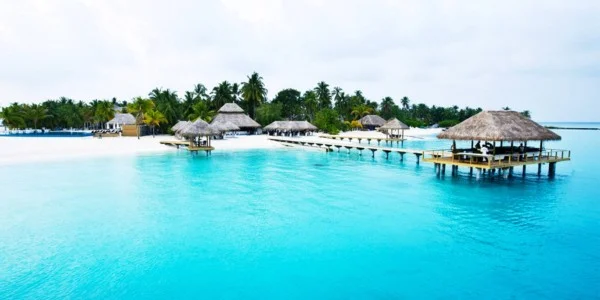
Seychelles Island Escape
Visit the jewel of the Indian Ocean with blue azure waters and white sandy beaches.
Plan My Safari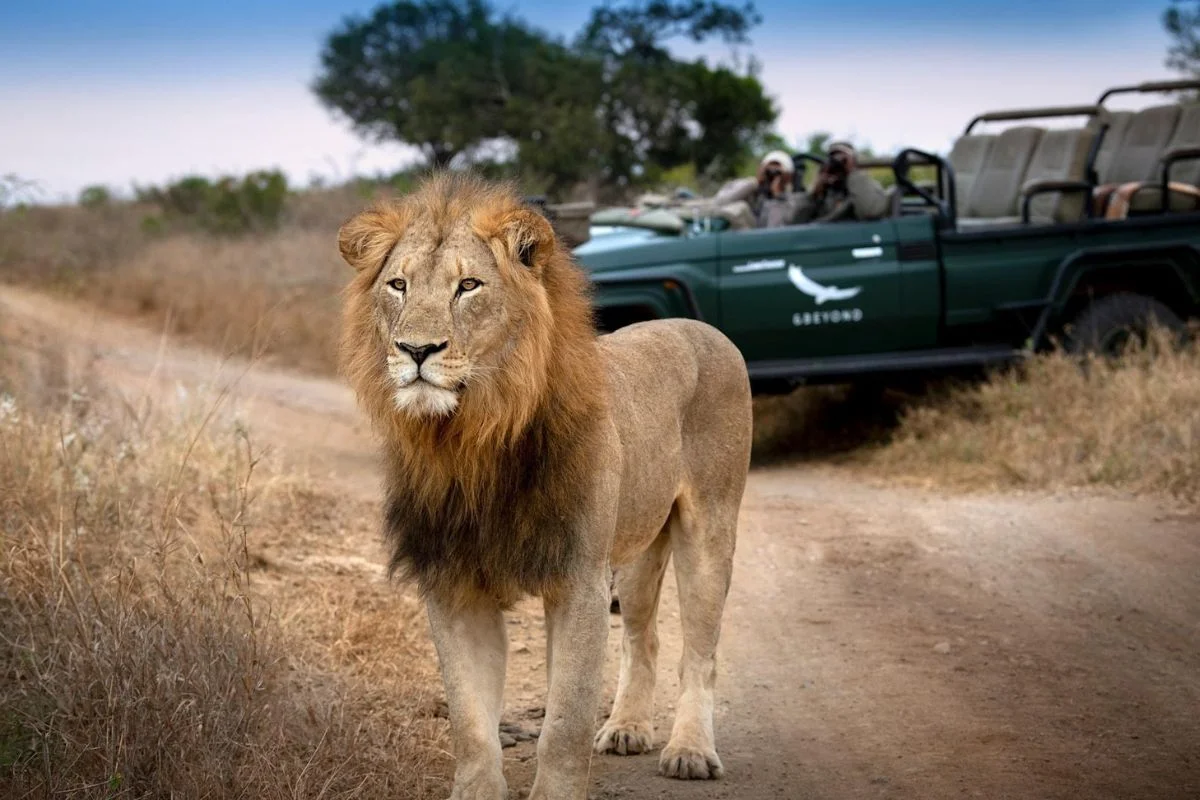
Kruger National Park costs
Kruger four star lodges start at $420 per person per night; five star properties at $860. Kruger operates on a single year-round rate with no seasonal variation, reflecting consistent demand across all months.
The park covers 19,000 square kilometres and hosts 147 large mammal species (the highest count in Africa), 517 bird species, and all Big Five animals. Lodges are concentrated in private concessions adjoining the park, offering exclusive game viewing and walking safaris unavailable in the public sections.
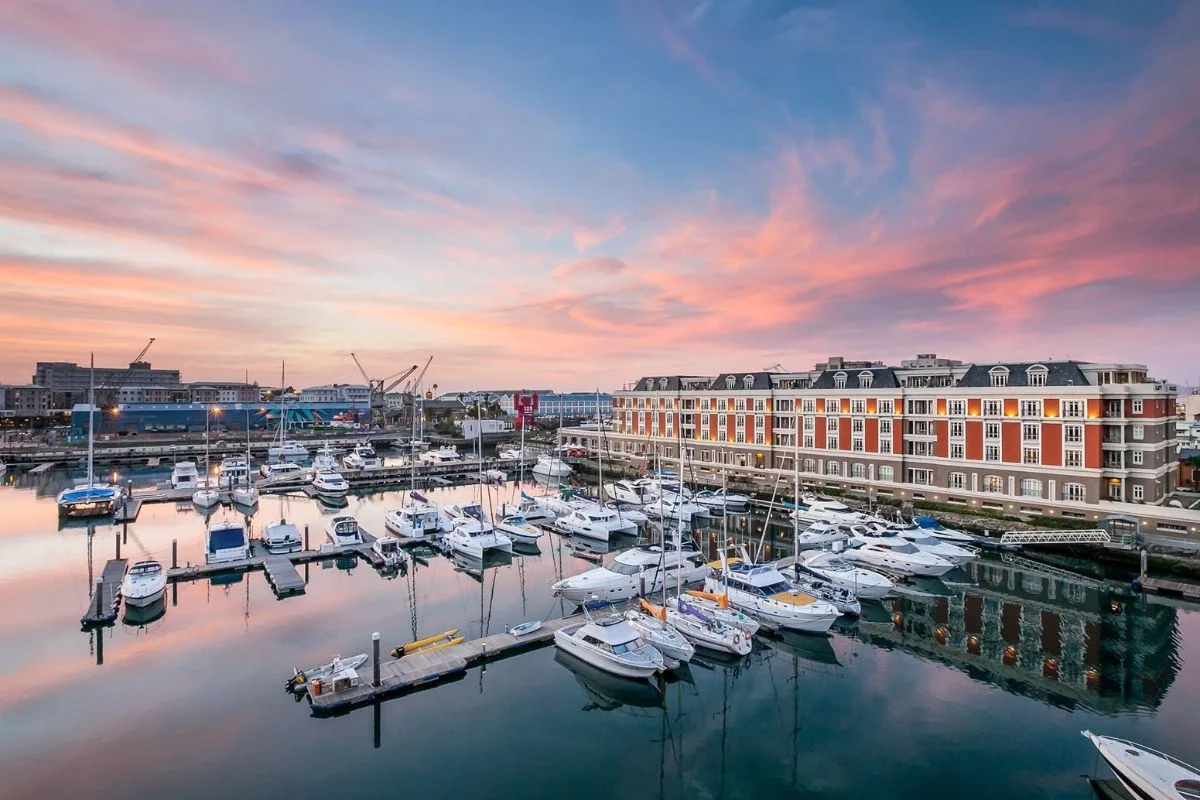
Kruger is often combined with Cape Town (a three-hour flight south) to add city, wine country, and coastal experiences. South Africa's infrastructure, direct international flights to Johannesburg, and the variety of experiences make Kruger popular for first-time safari travellers and honeymooners.
Serengeti costs
Serengeti rates run $740 to $1,085 per person per night in low season (March to May, November) and $1,340 to $1,715 in high season (January, February, June to October, late December).
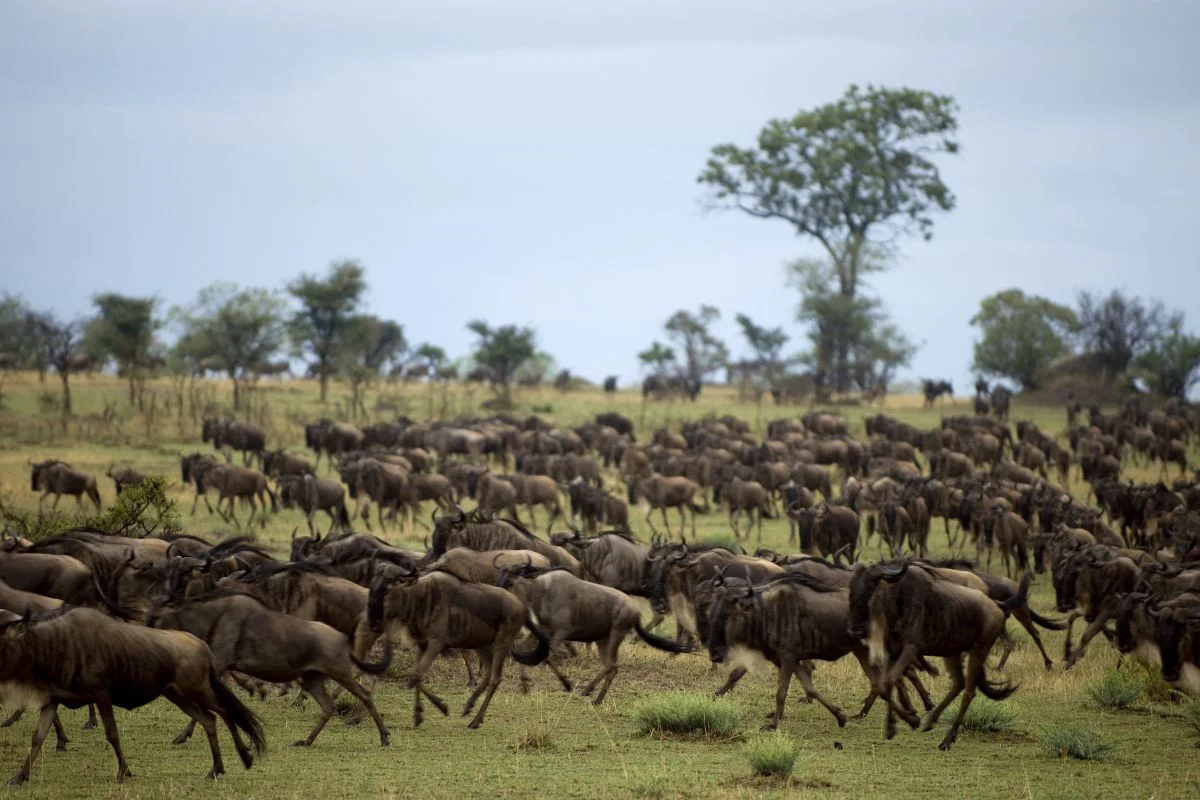
The Serengeti hosts the Great Migration: roughly 1.7 million wildebeest, 260,000 zebra, and 470,000 gazelle move across the plains following seasonal rains, tracked by hundreds of predators.
Migration timing varies by year and location within the park; calving season in the southern Serengeti runs January to February, river crossings in the north peak July to October.
Four star lodges in the Serengeti offer solid game viewing, comfortable tents or rooms, and competent guiding. Five star properties add design-led interiors, private plunge pools, higher staff-to-guest ratios, and prime concession locations. High season prices reflect the migration spectacle and limited lodge availability during peak months.
When is the best time to visit the Serengeti?
The best time depends on what you want to see. January to February offers newborn calves and concentrated predator action in the southern Serengeti.
June to October delivers dramatic river crossings in the north, though lodges and prices peak.
March to May (low season) sees fewer tourists and lower rates, but heavy rains limit access to some areas. November is a shoulder month with good value and the migration moving south. Book northern Serengeti lodges 9 to 12 months ahead for July to September.
Serengeti — best time to visit
| J | F | M | A | M | J | J | A | S | O | N | D | |
|---|---|---|---|---|---|---|---|---|---|---|---|---|
| High °C | 28° | 28° | 28° | 26° | 24° | 23° | 23° | 24° | 26° | 27° | 27° | 28° |
| High °F | 82° | 82° | 82° | 79° | 75° | 73° | 73° | 75° | 79° | 81° | 81° | 82° |
| Rain mm | 65 | 80 | 130 | 195 | 95 | 15 | 10 | 20 | 30 | 60 | 115 | 105 |
| Rating |
Serengeti: Calving in the southern Serengeti Jan–Mar; river crossings in the north Jul–Oct.
Ideal — Peak conditions — dry, comfortable, prime wildlife or beach time.
Good — Great conditions with brief showers or warmer days; still highly recommended.
Shoulder — Mixed weather — fewer crowds and lower rates, occasional rain.
Avoid — Heaviest rain or roughest seas; many camps and roads can be affected.
Okavango Delta costs
Okavango Delta lodges charge $500 to $950 per person per night in low season (January to March) and $1,085 to $1,715 in high season (July to October).
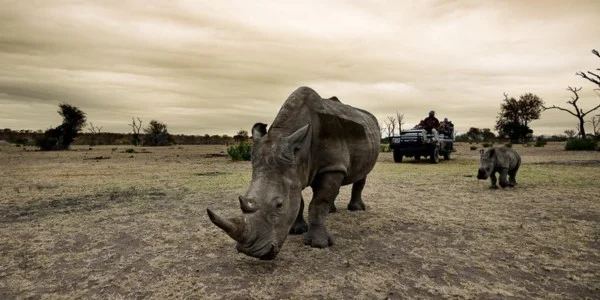
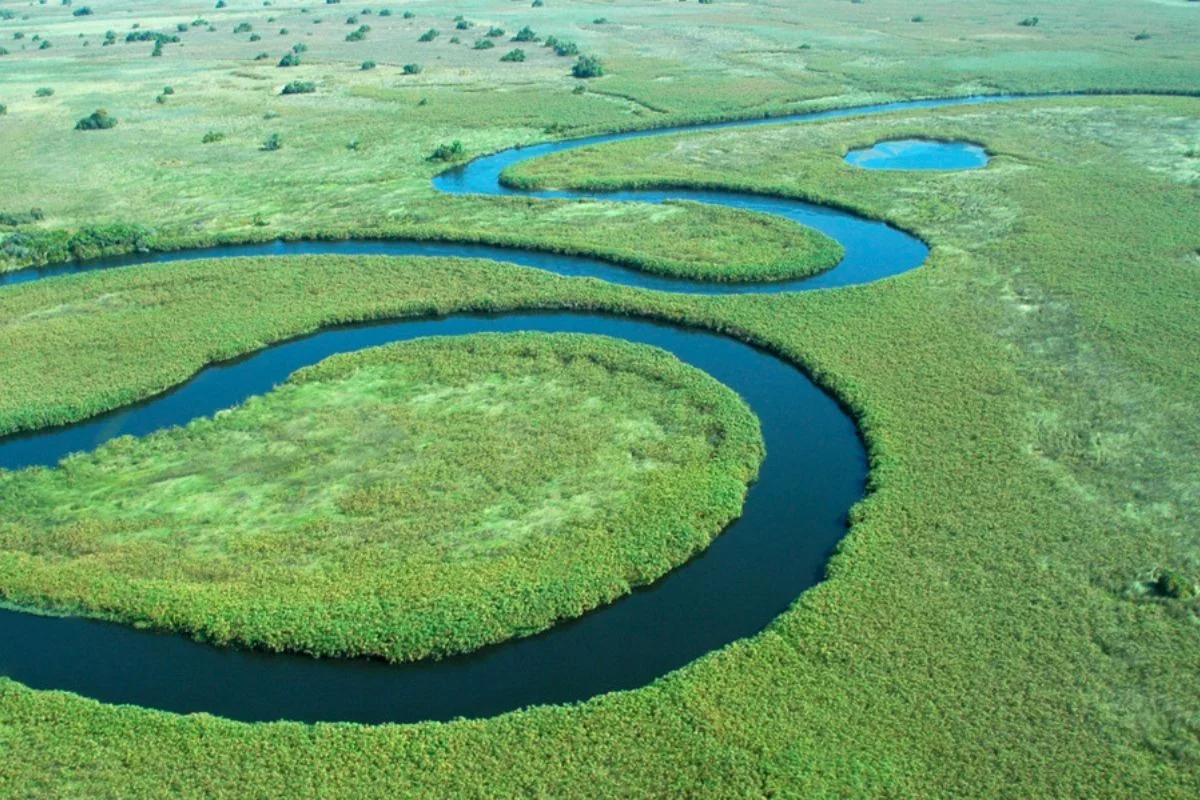
The delta is a UNESCO World Heritage Site, a vast inland wetland hosting 200,000 large mammals including 30,000 elephant and buffalo, 60,000 lechwe antelope, and 71 fish species.
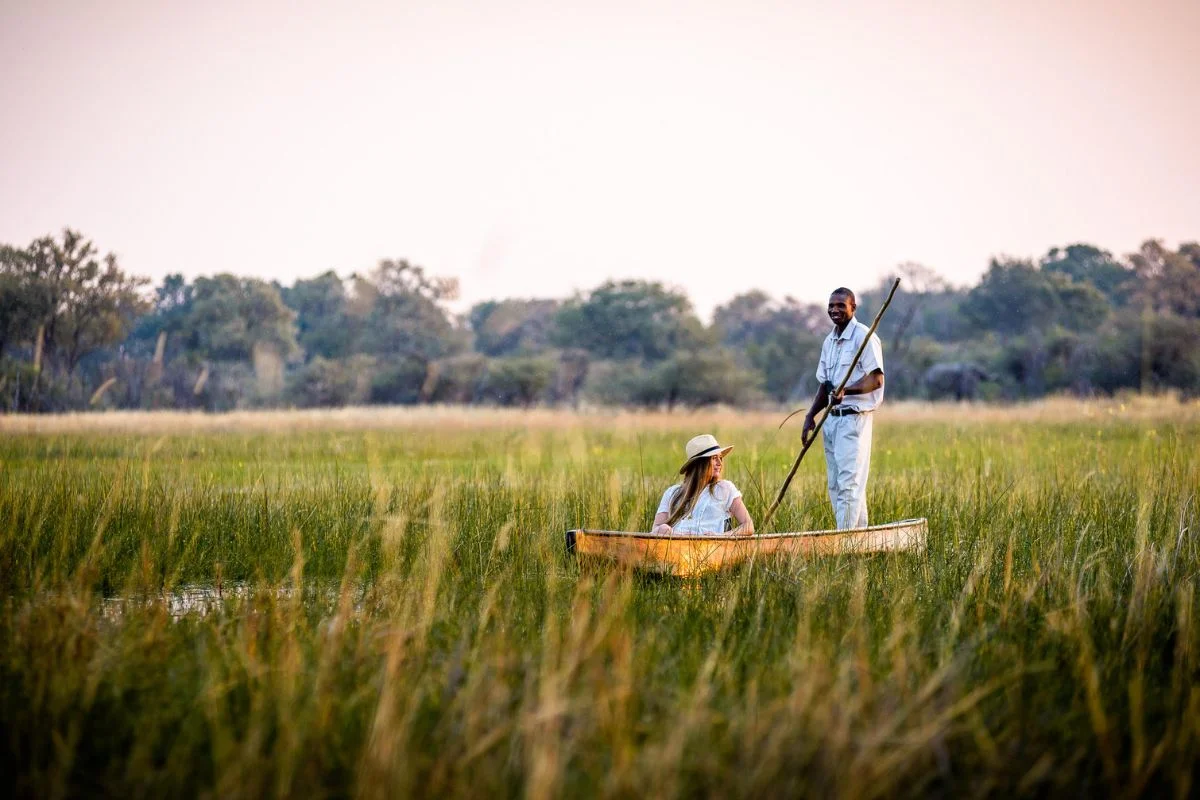
Most luxury lodges sit on private islands or beside channels, accessed by light aircraft; road transfers are rare. Game viewing mixes traditional vehicle drives, mokoro (traditional canoe) excursions, and walking safaris.
Water levels peak May to August, creating prime conditions for water-based activities. Wildlife concentrates around permanent water July to October when surrounding areas dry out. Low season (January to March) coincides with rains; some camps close, and floodplains may be inaccessible, but rates drop significantly.
Masai Mara costs
Masai Mara rates range from $450 per person per night (low season, April to May) to $1,035 (high season, June to October and late December).
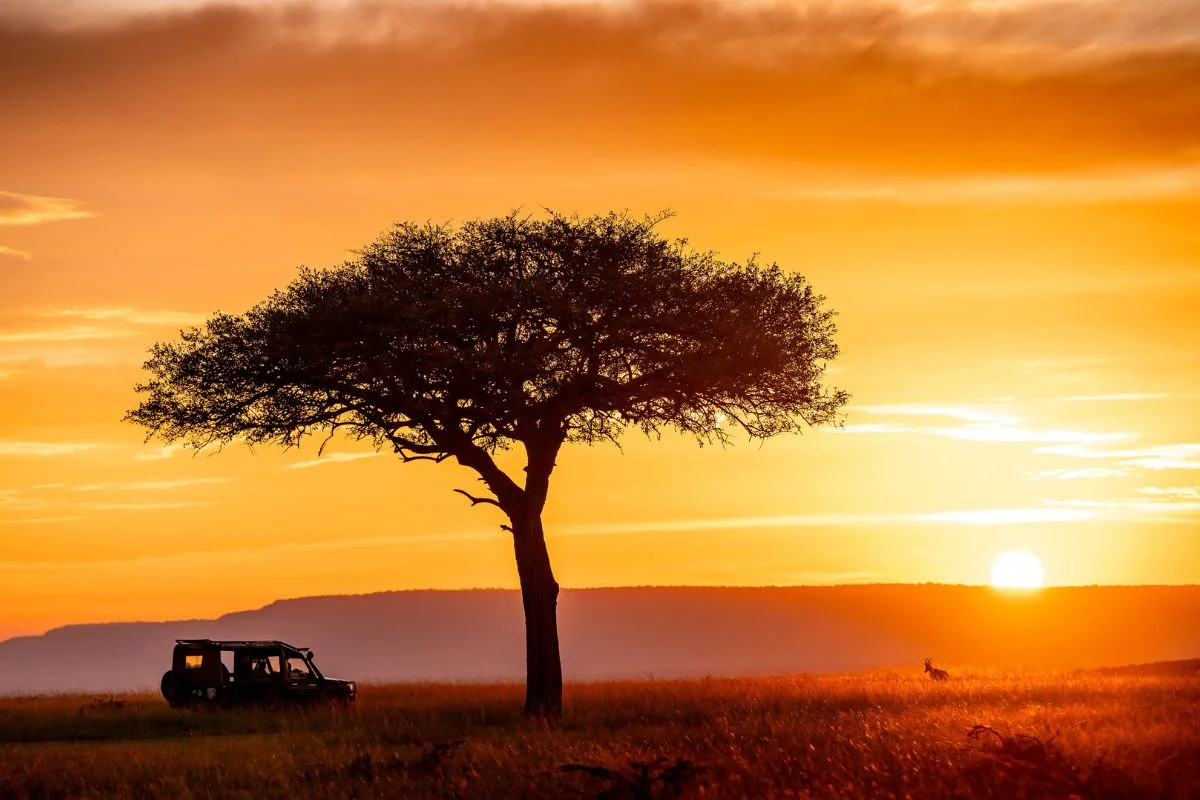
The Mara is known for dense populations of big cats (Masai lions, leopards, cheetahs), all Big Five members, and the northern stage of the Great Migration (typically July to October).
The plains between the Esoit Siria Escarpment and the Mara River offer the most productive game viewing.
Kenya's Mara conservancies (private land adjoining the national reserve) host the majority of luxury lodges and allow night drives and off-road driving, both prohibited inside the reserve.
High season pricing reflects migration timing and school holiday demand (July, August, late December). Low season (April, May) sees heavy rains and some lodges close.
Zambia costs
Zambia safari lodges charge $520 to $695 per person per night in low season (January to March) and $588 to $895 in high season (June to October).
Zambia pioneered the walking safari; guided walks remain a signature experience across most lodges.
Kafue National Park, the country's largest reserve and the second largest in Africa, covers an area similar to Wales or Massachusetts and hosts more than 55 mammal species.
South Luangwa National Park is known for high leopard density and exceptional guiding standards.
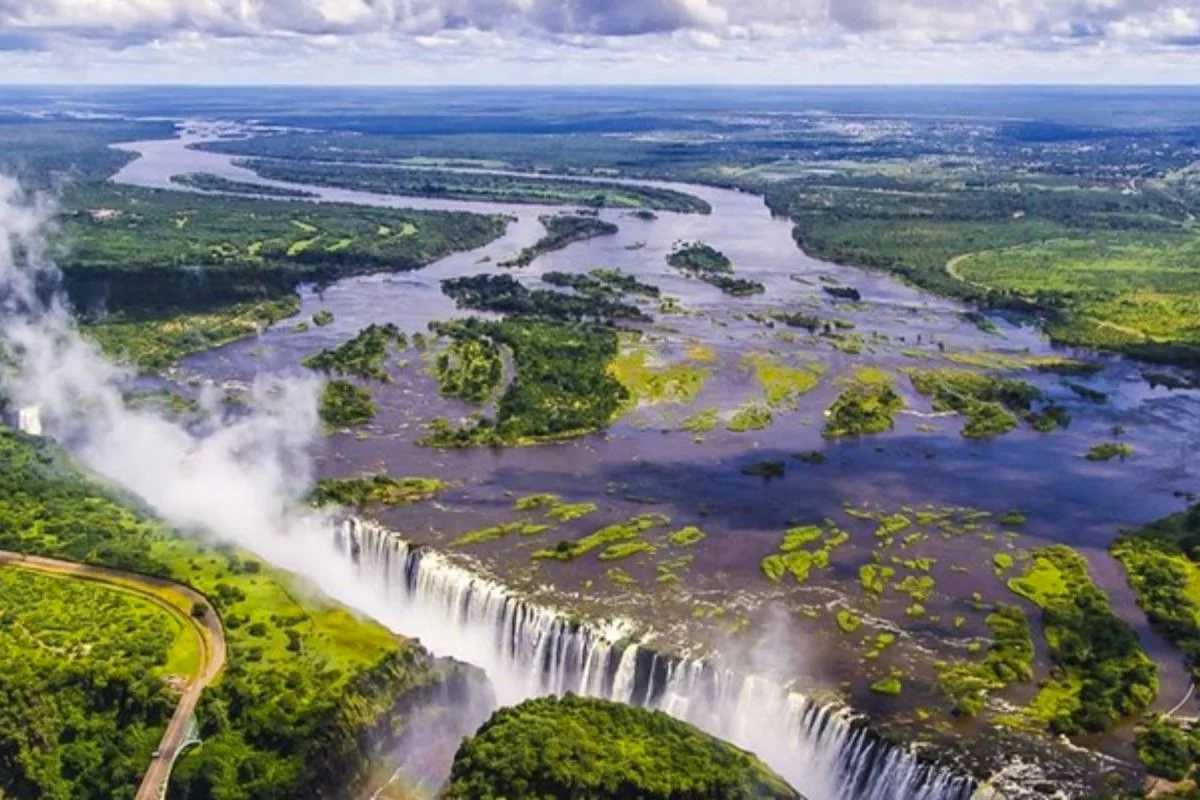
Victoria Falls (on the Zambia-Zimbabwe border) is often combined with safari stays in South Luangwa or Lower Zambezi. Zambia offers strong value compared to Botswana and Tanzania, with fewer tourists and intimate lodge experiences. Mid-season rates (April, May, November) fall between the low and high season figures above.
Is Zambia good for first-time safari travellers?
Zambia suits travellers who want a quieter, more intimate safari experience and don't mind less polished infrastructure than South Africa or Kenya. Lodges are smaller, guiding is personal, and walking safaris add an active dimension.
However, fewer direct international flights and longer transfer times make logistics more complex. First-timers prioritising ease and variety often start with Kruger or the Masai Mara; those seeking fewer crowds and strong walking safaris find Zambia rewarding.
South Luangwa — best time to visit
| J | F | M | A | M | J | J | A | S | O | N | D | |
|---|---|---|---|---|---|---|---|---|---|---|---|---|
| High °C | 31° | 31° | 31° | 30° | 28° | 26° | 26° | 29° | 33° | 34° | 33° | 31° |
| High °F | 88° | 88° | 88° | 86° | 82° | 79° | 79° | 84° | 91° | 93° | 91° | 88° |
| Rain mm | 225 | 195 | 100 | 25 | 5 | 0 | 0 | 0 | 5 | 25 | 95 | 195 |
| Rating |
South Luangwa: Walking safari capital — most camps Jun–Oct; emerald season (Jan–Mar) is lush but limited.
Ideal — Peak conditions — dry, comfortable, prime wildlife or beach time.
Good — Great conditions with brief showers or warmer days; still highly recommended.
Shoulder — Mixed weather — fewer crowds and lower rates, occasional rain.
Avoid — Heaviest rain or roughest seas; many camps and roads can be affected.
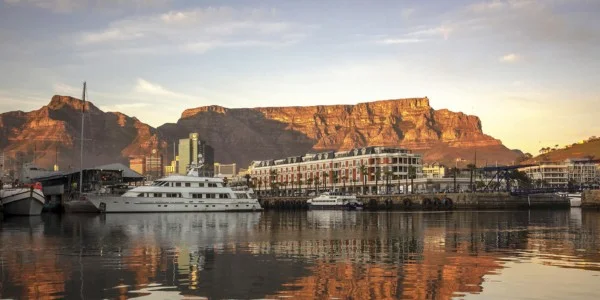
Visit Cape Town
Visit the number one rated city in the world with 8 blue flag beaches, swimming with penguins and so much more
Plan My SafariHow to compare lodge tiers
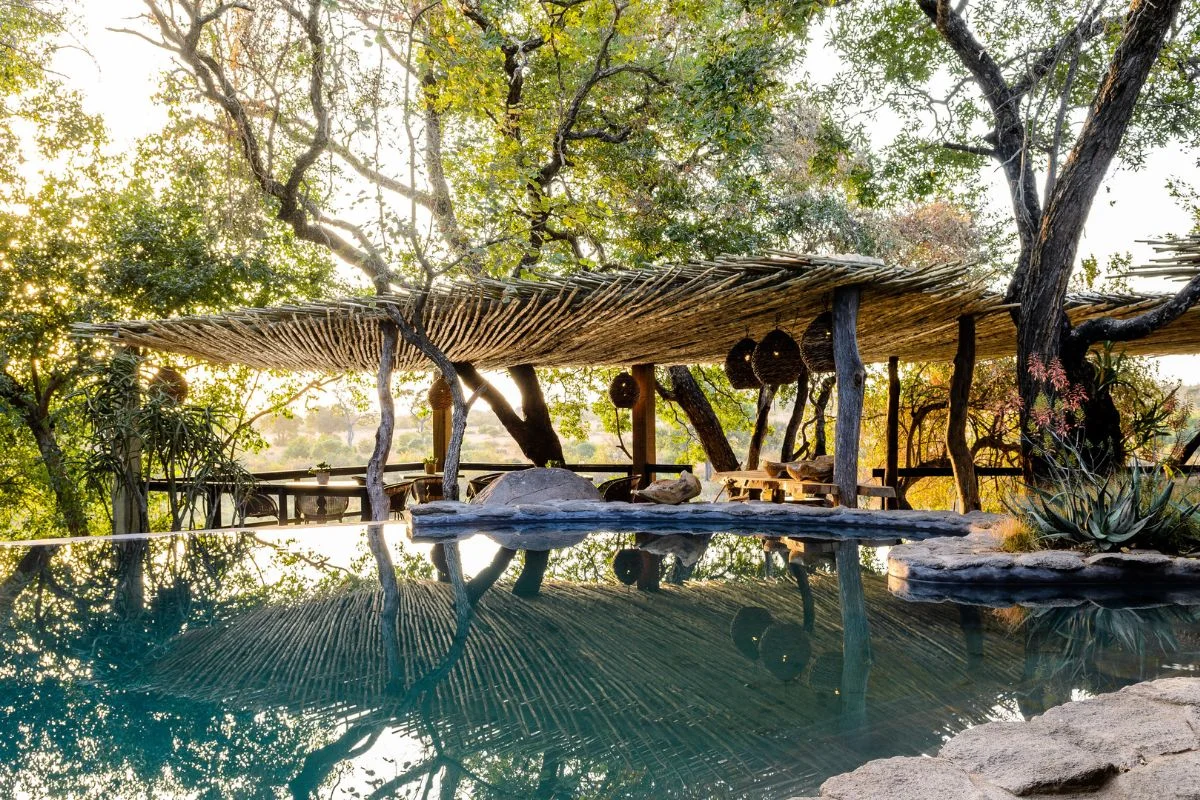
Four star lodges offer comfortable accommodation (typically tented camps or chalets), competent guiding, good food, and reliable game viewing. Rooms have en-suite bathrooms, fans or air conditioning, and bush views. Communal areas include a lounge, dining area, and pool.
Five star properties add design-led architecture, private plunge pools or decks, superior food and wine, higher staff-to-guest ratios, exclusive concessions, and often a spa.
The difference in nightly rate (commonly $300 to $800) buys refinement, privacy, and elevated service, not radically different wildlife sightings.
Choose four star lodges if game viewing is the priority and you're comfortable with functional comfort.
Choose five star if you want the safari setting to match luxury hotel standards, or if you're celebrating a honeymoon or milestone trip. Both tiers deliver twice-daily game drives and knowledgeable guides; the gap is in ambient luxury, not access to animals.
Frequently asked questions
What is the cheapest month to go on safari in Africa?
April and May are typically the cheapest months across most destinations, coinciding with the long rains in East Africa and autumn in Southern Africa. Lodges in the Serengeti, Masai Mara, and Okavango Delta drop rates by 30 to 50 per cent.
Zambia's low season runs January to March. Kruger National Park maintains year-round rates, so no low season discount exists. April and May trade lower prices for wetter conditions, muddy roads, and some seasonal lodge closures, but game viewing remains good where lodges stay open.
How much should I budget per person for a week-long luxury safari?
Budget $5,000 to $12,000 per person for a seven-night luxury safari, including accommodation, meals, game drives, and internal flights but excluding international airfare, visas, and tips.
A mid-range week (four star lodges, one or two destinations, low or shoulder season) runs $5,000 to $7,500. A premium week (five star lodges, Serengeti or Okavango high season, multiple destinations) costs $9,000 to $12,000. Add $1,500 to $3,000 for international flights from Europe or North America, $200 to $500 for visas and park fees, and $500 to $1,000 for tips and incidentals.
Do safari prices include park fees and flights?
Nightly lodge rates usually include accommodation, meals, game drives, and most drinks, but exclude park fees, internal flights, and gratuities. Park fees in Tanzania (Serengeti, Ngorongoro) add $150 to $250 per person per day.
Botswana park fees are typically included in the lodge rate. South Africa's Kruger charges modest daily fees ($25 to $40).
Internal flights between destinations (for example, Nairobi to Masai Mara, or Maun to Okavango Delta) cost $200 to $600 per person per leg. Always confirm what is and is not included when comparing quotes.
Is it cheaper to book a safari package or individual lodges?
Booking a multi-destination package through a specialist operator is usually the same price or marginally cheaper than booking individual lodges, and significantly simpler.
Operators hold contracted rates and block allocations, sometimes accessing lower rates than publicised on lodge websites. A package also bundles internal flights, transfers, and park fees into a single quote and itinerary, saving time and reducing the risk of booking errors (mismatched dates, missed connections).
Booking individual lodges directly works if you're staying at one property for the entire trip and handling your own logistics.
Are honeymoon discounts available on African safaris?
Yes. Many luxury lodges offer honeymoon specials: commonly a bonus free night, a room upgrade, or 50 per cent off the second person's rate (bride or groom pays half). Discounts apply if you travel within six to 12 months of your wedding and provide proof (a marriage certificate or wedding invitation).
Offers vary by lodge, season, and availability. Honeymoon specials are not advertised publicly; a specialist operator accesses them when quoting. Discounts are less common in peak season (July to October in East Africa) but widely available in shoulder and low seasons.
What should I pack for a luxury safari?
Pack neutral-coloured clothing (khaki, olive, beige, brown) for game drives; avoid bright colours and black (which attracts tsetse flies).
Bring long sleeves and trousers for sun and insect protection, a warm fleece or jacket for early morning drives, a wide-brimmed hat, sunglasses, and high-SPF sunscreen.
Comfortable walking shoes or boots, binoculars, a camera with a zoom lens, and a headlamp are essential. Most lodges provide laundry service (often included), so pack light and re-wear items.
Insect repellent with DEET, antimalarial medication (consult your doctor), and any prescription medicines should be in your carry-on. Lodges are casual; formal wear is unnecessary.
Last updated: September 2026